

Can the Icebug Arcus Handle Half Marathon Pace?
The Icebug Arcus half marathon question comes down to one thing, can this shoe keep up when your pace gets honest? For some runners, yes, but for others it’s better suited to easy miles, long runs, and steady efforts than hard race-day work.
That answer depends on your pace, body weight, terrain, and how much cushioning you want compared with a snappier ride. If you’re trying to decide whether the Arcus can do more than one job, it helps to compare it with the pace you actually hold, like a 1:40 half marathon pace effort, and to check the shoe’s specs on the official Icebug site.
What the Icebug Arcus is built to do
The Icebug Arcus is built for comfort first, with a ride that favors protection over speed. That matters if you want a shoe that can stay pleasant when the miles start to stack up, especially on steady runs where you care more about control and less about turning over fast.
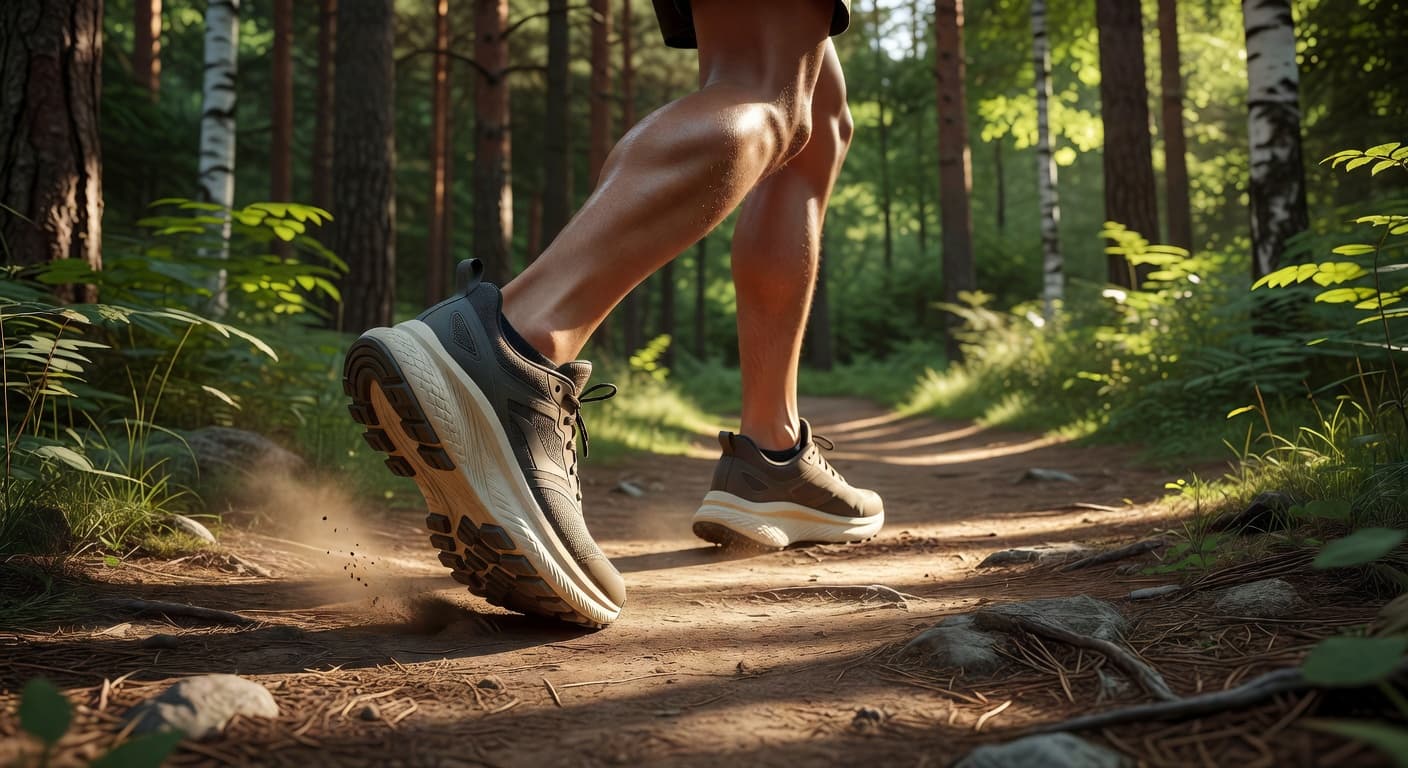
The Arcus also points toward trail use, so it brings grip and security into the picture. That makes it a better fit for mixed paths, packed dirt, and rougher roads than a pure road racer built for quick, flat splits.
Build Your Complete Race-Day Setup
The right shoe helps, but faster racing comes from better training, pacing, recovery, fueling, and execution.
More Guides for This Shoe
The Arcus’ cushioned ride and why it matters
A soft midsole changes how each step feels. Instead of a sharp, firm push off the ground, you get a smoother landing that takes the edge off repeated impact.
That can help a lot on longer efforts. Your legs may feel less beaten up late in the run, and the shoe can make easy-to-steady pacing feel more relaxed. For runners who want comfort over pop, that tradeoff makes sense.
Still, cushioning has a cost. A softer, thicker platform usually feels less snappy, so quick turnover can take more effort. If you like a fast, lively shoe, the Arcus may feel a little muted when the pace picks up.
The Arcus is easier to like when comfort is the goal and pace is secondary.
In other words, it fits the runner who wants support for the long haul. It is less about chasing aggressive speed and more about keeping your stride smooth and protected.
Where the outsole and grip help or hold it back
The outsole is one of the reasons the Arcus feels confident off smooth pavement. Grip helps when the route changes underfoot, and that extra traction can make steady running feel more secure on damp or uneven surfaces.
That said, trail-oriented design can bring a small efficiency tradeoff on roads. More tread and more protection often mean a slightly less direct feel, which can matter if you want every ounce of energy to go toward pace.
If you want a point of comparison, the cushioning and stability balance is similar to what runners look for in other long-run trail shoes, like the Brooks Caldera 8 review. The difference is that the Arcus leans hard into comfort and traction, so it makes the most sense when your route is mixed or your priority is staying fresh.
For half marathon training, that means the Arcus works best when the surface is imperfect and the effort is controlled. On clean, fast roads, the extra grip can feel like more shoe than you need.
What half marathon pace really asks from a shoe
Half marathon pace puts a shoe under more pressure than easy running does. You need enough comfort to stay relaxed, enough stability to keep your stride clean, and enough response to avoid feeling stuck in mud by mile nine.
That is why the Icebug Arcus half marathon question is not just about speed. It is about whether the shoe can hold up when your legs start to work harder and your form gets a little less tidy.
Comfort matters more as the miles add up
A shoe that feels great at mile 3 can matter even more at mile 10. Early on, your feet are fresh and your legs still absorb impact well. Later, the same run can feel rough if the shoe beats up your feet or lets your legs take too much of the load.
Foot fatigue changes how you land. When your feet get tired, you start to lose that springy, efficient feel, and each step costs more energy. A little extra cushioning can help soften that drop-off, especially if you want to keep a steady pace without feeling beat up late in the run.
That matters even more for runners who need more protection under load. A shoe with a calmer, softer ride can help keep your legs fresher, which can make goal pace feel more sustainable. For runners who want a broader look at fit, the guide to correct running shoe fit is a smart place to start.
When the pace stays honest for 13.1 miles, comfort stops being a luxury and starts acting like support.
Responsiveness and turnover at race effort
Half marathon pace also asks a shoe to move with you. If the midsole feels too soft or too heavy, turnover can get sluggish, and that can make goal pace feel harder than it should.
The difference between feeling fast and actually being fast matters here. A shoe might feel smooth and protective, yet still ask for extra effort when you try to quicken your cadence.
Weight plays a part, because heavier shoes usually take more work to swing through each stride. Midsole rebound matters too, since a livelier foam can help your step feel a little easier and more controlled.
That is where the Arcus may split opinion. It can feel comfortable and secure, but it may not give the sharp, quick snap that some runners want at race effort.
Research on footwear stiffness and fatigue shows how shoe design can affect running mechanics under load, and that effect becomes harder to ignore as fatigue builds, as seen in this ACSM footwear study.
If you like a shoe that stays calm and protective, the Arcus can work. If you want a shoe that feels lively when the pace gets serious, it may ask for a little more from you than you want to give.
Who can actually use the Icebug Arcus at half marathon pace?
The Icebug Arcus half marathon question comes down to fit, effort, and terrain. Some runners will find it plenty quick enough for a controlled race or strong long run, while others will feel the shoe holding back their top end.
That split makes sense. The Arcus is built for comfort and grip first, so it rewards runners who value protection and steadiness more than a sharp, aggressive feel. If your half marathon plan favors control over chaos, this shoe can make a lot of sense.
Runners who may find it fast enough
The Arcus is a good match for runners who sit in a steady rhythm and don’t need a harsh, race-day edge. If you like to lock into pace, settle your breathing, and keep moving for long stretches, the shoe can support that style well.
It also fits heavier runners who want more cushioning underfoot. Extra foam can take some sting out of ground contact, which matters more as the miles build and form starts to fade. For that reason, the shoe can feel easier on the legs during a half marathon, especially if you are already comfortable running at goal pace in training.
Mixed terrain helps its case too. On rolling paths, packed dirt, or patchy roads, the Arcus’ grip and softer platform can feel reassuring instead of clunky. Runners training for a race with some uneven ground may appreciate that added security, especially if they have already built fitness with training plans for heavier runners.
A few runner types fit this shoe best:
- Steady-paced runners who want a calm, cushioned ride for the whole race.
- Heavier runners who value shock absorption and comfort over a snappy toe-off.
- Mixed-terrain runners who need grip and control on roads, dirt, and wet patches.
If that sounds like you, the Arcus can feel dependable rather than slow. It gives you a stable platform that lets your pace settle without fighting the shoe.
Runners who may want a more aggressive shoe
Racers chasing a personal best may want something sharper. If you want every stride to feel springy and quick, the Arcus can seem too soft and too protective for race effort.
Very light runners sometimes notice this more. A softer, thicker shoe can feel a little sleepy when you already have a fast turnover, and that can make the ride feel less urgent than you want at half marathon pace. In contrast, a lower-profile shoe often gives quicker feedback off the ground.
Runners who prefer a plated shoe may also want to look elsewhere. A stiffer, more aggressive model usually feels better when you want direct propulsion and a firmer push at tempo effort.
For a comparison point, The 8 Best Trail Running Shoes for Every Runner shows how much trail shoes can vary in stack, feel, and speed focus.
The Arcus is not a bad choice for faster running, but it is not the most forceful one either. If your half marathon strategy depends on chasing every second, a more responsive shoe will probably feel more natural on race day.
How the Arcus feels over 13.1 miles
Over a half marathon, the Arcus feels more like a steady companion than a sharp weapon. It gives you a soft landing, a calm ride, and a little extra help when the miles start to wear on your stride.
That matters because 13.1 miles exposes every weak spot in a shoe. If you want a racer that feels aggressive from the first mile to the last, the Arcus may feel too relaxed. If you want comfort that lasts, it starts to make more sense.
Late-race comfort versus race-day speed
The Arcus favors a smooth, protective ride, and that shows up most when fatigue kicks in. Early in the race, you may notice the comfort first. Later, that comfort can feel like insurance for your calves, feet, and hips.
A more aggressive shoe usually gives you a firmer, snappier toe-off. The Arcus does not chase that same feel, so it may not light up your stride the way a racer does. Still, the payoff is real, because a shoe that protects your legs can help you hold form longer without feeling shredded near the finish.
For runners who want a steadier effort, that tradeoff works well. You may not feel explosive, but you may feel fresher when others are fading. If your half marathon pace is controlled rather than all-out, that can be enough to matter.
A shoe does not need to feel fast to help you run well late in the race.
Stability when your form gets sloppy
Fatigue changes how you run. Your cadence can drop, your steps can get heavier, and heel striking often shows up more when you lose rhythm. That is where the Arcus can feel useful, because its stable platform helps keep the run from falling apart.
When you are tired, raw speed matters less than staying efficient. A shoe that keeps you centered can reduce wasted motion and make those late miles feel more manageable. Research on fatigue and running mechanics backs this up, since tired legs often change stride patterns in ways that cost energy, as shown in this study on fatigue and running biomechanics.
If you want to keep your long-run rhythm stable too, a long run progression schedule can help you build toward race day with less strain.
In the final miles, stability can matter just as much as speed. The Arcus gives you a base that feels controlled, which is exactly what many runners need when their form starts to fray.
Better use cases if you already own the Icebug Arcus
If the Icebug Arcus half marathon question is on your mind, the best answer may be simpler than you expect: keep the shoe for the runs where comfort, grip, and control matter most. It may not be the sharpest option for chasing a fast finish, but it can still be a very useful part of your training rotation.
That is the key point for current owners. The Arcus makes more sense when you treat it as a dependable mileage shoe, not a pure race-day tool.
Long runs and easy mileage
The Arcus is a strong pick for long runs when you want to stay protected without forcing pace. Its cushioning helps smooth out repeated impact, so the shoe feels kind to tired legs over time. That matters on days when you want to build endurance, not prove how fast you can go.
For easy mileage, the ride feels especially natural. You can settle into a relaxed rhythm, keep your breathing under control, and let the shoe do its job without asking for much effort in return. If your goal is steady aerobic work, the Arcus is more partner than performer.
It also fits mixed-surface routes well. Packed dirt, gravel, wet patches, and rough shoulders all feel a little more manageable when the outsole has enough grip to keep you stable. For runners who spend most of their week on less-than-perfect routes, that kind of security matters more than a quick toe-off.
When you want a broader look at long-run structure, the long run tips for runners page is a useful reference. The Arcus fits that style of training because it supports patience, not pressure.
The Arcus works best when your long run is about time on feet, not speed on the clock.
Workout days, steady runs, and progression efforts
The Arcus can also work on workout days if the pace stays controlled. Steady runs, progression runs, and moderate tempo efforts are all realistic uses, especially when you want a softer landing and a stable platform underfoot.
It handles that middle gear better than all-out speed. Once the pace moves into strong but controlled territory, the shoe can still feel smooth and dependable. However, it usually makes more sense for tempo feel than true race-day pace, because the ride is more cushioned than snappy.
That difference matters when you compare it with the effort demands of a hard session. A shoe that feels great at threshold pace may still lose some life when you ask for sharp turnover or aggressive acceleration. The Arcus is better when you want to hold form and finish a workout without your feet feeling cooked.
Here is where it earns its spot in a training week:
- Progression runs that start easy and finish at steady effort.
- Long aerobic workouts where comfort matters as much as pace.
- Trail or mixed-surface sessions where grip helps you stay composed.
A recent discussion of cushioned shoes on Runner’s World also points to one useful idea, firmer cushioning can feel more stable for some runners. That lines up with how the Arcus works in training, since it gives you protection without demanding that you sprint everything.
If you already own the Arcus, use it where it fits best. Save it for long efforts, recovery mileage, and steady runs where comfort and traction matter more than raw pace.
How to decide if it is the right shoe for your half marathon
The right half marathon shoe should feel steady, comfortable, and efficient when your pace settles in. If a shoe only feels good for a few miles, it probably won’t carry you well through 13.1 miles. The Icebug Arcus half marathon choice gets easier when you match the shoe to your pace, terrain, and race goal instead of chasing a label.
A good test is simple. If you want cushioning, grip, and a calmer ride more than a sharp race feel, the Arcus can fit. If you want a quick, aggressive shoe that pushes the pace for you, it probably won’t be your best bet.
A quick yes or no decision guide
If you want the short version, use this as your filter.
- Yes if you run half marathons at a steady pace, want more cushioning, and deal with mixed or rough surfaces.
- Maybe if you like comfort first but still want to run controlled workout paces. It can work, but it may feel softer than a true race shoe.
- No if you want a light, snappy shoe for chasing a PR on smooth roads.
A few details make the decision clearer. If your training already includes steady long runs and you value protection over pop, the Arcus is a sensible pick. For runners building toward the distance, these half marathon training tips can also help you judge whether your shoe fits the way you train.
The fastest way to check your fit is to compare the shoe against your actual race plan. If the Arcus feels smooth at goal pace during workouts and stays comfortable late in the run, it passes. If it starts to feel heavy or dull when you pick up the rhythm, keep looking at lighter options. For a broader view of shoe selection, RunRepeat’s half marathon shoe guide offers a useful comparison point for cushioning and pace focus.
The right shoe should make race pace feel easier to hold, not harder to trust.
In practice, that means the Arcus works best for runners who want a dependable cruiser, not a pace bully. If that sounds like your race day plan, it belongs on the shortlist.
Conclusion
The Icebug Arcus half marathon answer is clear for the right runner, it can handle the pace if you value comfort, grip, and a steadier ride more than a sharp race-day feel. It is a solid pick for runners who want support late in the run and prefer a shoe that stays calm when the miles add up.
If your goal is to race in control, train on mixed surfaces, or keep your legs fresher over 13.1 miles, the Arcus makes sense. If you want a faster, more aggressive feel, a lighter and snappier shoe will fit better, and the official Icebug site is still the best place to check current specs.
The short takeaway is simple, race in the Arcus if comfort and support matter most, train in it if you want a dependable long-run shoe, and look for a faster option if your half marathon goal is pure speed.


