
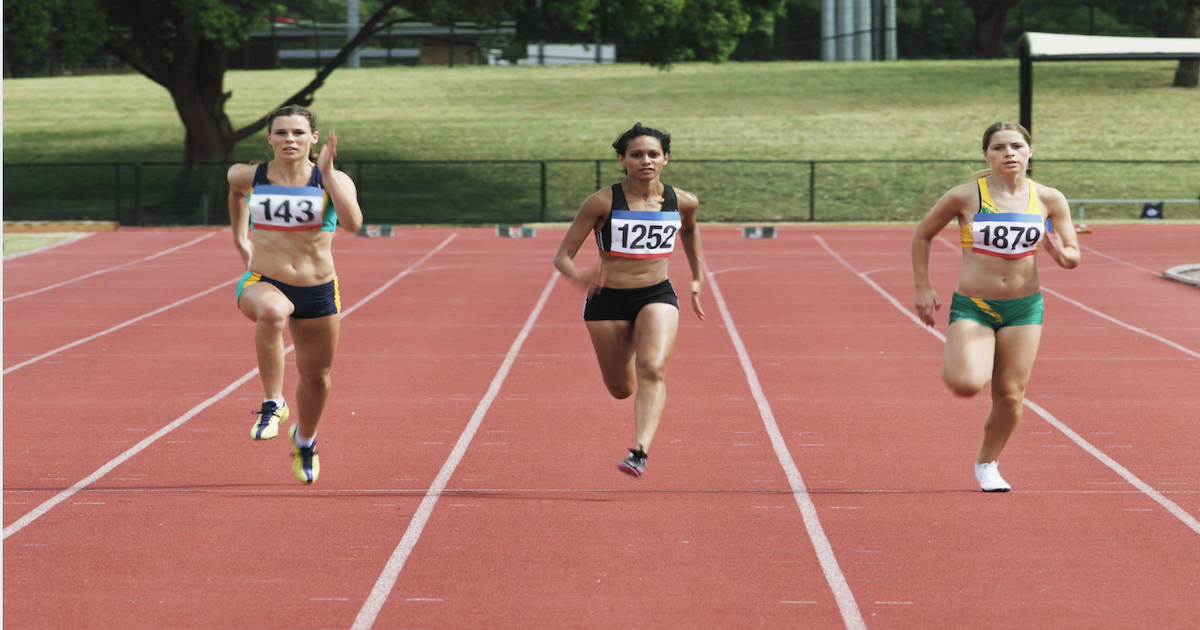
How Many Miles is a Marathon
There are many people around the world who ask how many miles is a marathon. Welcome to RunDreamAchieve. It is awesome that you have arrived here to my site.
My hope is that these running tips in this post and the fitness resources located here will be what you were looking for.
Be sure to subscribe to the RunDreamAchieve YouTube channel. My focus there is on making new videos there weekly to help runners like you surpass your training and racing goals. The answer to that question is 26.2 miles. I ran 2:19:35 for the marathon in 2007 at the California International Marathon. There are many people who can run a marathon at slower paces.
Of course, it still takes fitness and endurance to run a marathon at these paces. It is an art form to run a marathon at faster paces. So, to run a marathon fast you have to improve your body’s lactate tolerance. This is why the Kenyans and other runners around the world make it look so easy.
They have spent sufficient time training at, near or far below goal marathon race pace. The problem for many runners training for marathons is pace sustainment. Of course, many people can run a portion of the marathon at goal pace.
It is a much bigger task to hold race pace for the entire 26.2 mile distance. I created running courses and training plans to help athletes get better results by working smarter rather than harder. Remember, if you are running too many miles or kilometers too slow it will only help you build endurance. The only way to get race pace to feel easier and more efficient is training at your Vo2max and anaerobic threshold.
How Many Miles is a True Marathon?
A true marathon is 41.195 kilometers or 26.2 miles. The world record for the marathon for women is 2:14:01 and for me, 2:01:39. These are absurdly fast times and the athletes who ran these times are highly efficient athletes. These athletes did not get this fit overnight. I recently made a video about the process that goes into the event (end goal). We all always see the fast times but what we don’t see is the process or hard work that went into these incredible times.
The process is never seen. It is the miles and kilometers great athletes put in that are never seen. Also, many people say that athletes are talented. Yes, there is some truth to this. That being said, talent that doesn’t work will get beat by the athlete who has desire and work ethic. So, don’t rely specifically on your talent to get by. You had best be putting in the work in order to get legitimate results.
How Do I Run a Faster Marathon?
The focus first should be on building easy, relaxed mileage. You cannot build a house without first ensuring the foundation is legitimate. I always talk about in my YouTube videos the importance of doing faster long runs. No, you don’t immediately start doing long runs at faster paces. So, you first have to spend 4 to 6 weeks running easy mileage first. The training plans and running courses I have created here are 16 weeks long. So, we focus on periodization. The focus is stressing the body for 3 to 4 weeks before moving to the next intensity. It takes the body approximately 4 weeks to adapt to any stress load being placed upon it.
So, the benefits of the workouts you are doing today will be seen weeks from now. Faster paced long runs will help improve your stamina and strength. In addition, you will be running at a higher percentage of your maximum heart rate. I recommend when very fit doing your long runs at 160 beats per minute or about 85 to 88% of your maximum heart rate. Of course, heart rate monitor training is going to vary from athlete to athlete and based on age. A good way to get an estimate of what your maximum heart rate is, is subtracting your age from 220.
Will Running a Marathon Make Me Faster?
No. Faster training will make you faster. Remember, you need to improve your body’s lactate tolerance and recruit more fast twitch muscle fibers. The more of these you can recruit the more efficient and economical you are going to race at. The problem is far too many runners spend too much of their weekly volume spent at aerobic rather than anaerobic efforts. The best runners around the world make it look easy for a reason. They are spending about 40 to 45 percent of their weekly training volume at paces that are much faster than they are aiming to race at. Again, it is about training smarter, not necessarily harder.
I have known many runners who know how to train hard and yet don’t always get the results they are aiming at. Why? Too many miles or kilometers run at paces significantly slower than the pace they are trying to run their marathons at. So, you need to be strategic about what you are doing. There are athlete achieving more running 30 miles a week than some who are running over 100 miles a week. No, running a marathon will not make you faster. What will is hard, concentrated, anaerobic track and road workouts. Again, always focus on building you speed development.
How Can I Increase My Long Distance Running Pace?
Do 1, Vo2max workout per week. In addition, start doing longer tempo runs spent at your anaerobic threshold. Our anaerobic threshold is the point where lactic acid starts to build up in the blood stream. A big mistake marathoners make is doing tempo runs that are too short. Of course, a 3 to 4 mile tempo run may be a great workout for a miler or 5K specialist.
That being said, this is far too short for a marathoner. Again, the focus should always be on improving the athletes lactate tolerance. The reason being is you will slow down in your race much further along then your competitors. The people seeking how many miles is a marathon are already highly driven individuals. You have to be in order to run a marathon and even more so to run one fast.
In addition, you will be training in such a way that you will be burning fat at race pace. Also, conserving what we have much less of during the race and that is carbohydrates. A big reason runners hit the so-called “wall” is they run out of sugar (glycogen). We only have about 1800 calories of carbohydrates stored in our bodies at any given time. What we do have much more of is fat storage.
So, train in such a way that you are utilizing what you have much more of, fats. The reason why this is important is you will have those essential carbs to call upon in the latter stages of your upcoming marathon. The key thing is to train in such a way to make this a reality. Also, you will not experience a wall if you do this correctly.
Ever wondered why a marathon is exactly 26.2 miles? It’s not just a random number. This distance has a rich history, starting from ancient Greece to the modern Olympics. If you’re planning to run one, understanding its origins might just give you that extra motivation. Let’s dive into the story behind those grueling miles.
How Many Miles is a Marathon Post Takeaways
- How many miles is a marathon? A marathon is precisely 26.2 miles long, a standard set in 1921.
- The distance originated from the 1908 London Olympics, tailored to start at Windsor Castle and finish at the Olympic stadium.
- The marathon’s roots trace back to ancient Greece, inspired by the legend of Pheidippides.
- Marathon running has evolved over time, becoming a symbol of endurance and achievement.
- Preparing for a marathon requires careful training, nutrition, and mental readiness.
Understanding the Marathon Distance
Historical Origins of the Marathon
The marathon’s roots trace back to ancient Greece, specifically to a legendary event involving a messenger named Pheidippides. The tale goes that after the Greeks won the Battle of Marathon, this brave runner dashed from the battlefield to Athens, a distance of about 25 miles, to announce the victory. Exhausted, he collapsed and died after delivering his message. While the exact details might be more myth than fact, this story laid the groundwork for what would become the modern marathon.
The Standardization of 26.2 Miles
Initially, marathons varied in length, but by the early 20th century, a standardized distance was needed. The 1908 London Olympics played a pivotal role in this. The race started at Windsor Castle and ended in front of the royal box at the Olympic Stadium, covering exactly 26 miles and 385 yards. This specific measurement was later adopted by the International Amateur Athletic Federation in 1921, setting the marathon distance to 26.2 miles (42.195 kilometers).
Why 26.2 Miles Became the Norm
How many miles is a marathon? The choice of 26.2 miles wasn’t arbitrary but rather a combination of historical circumstances and the influence of the British royal family. The 1908 Olympic marathon was extended to allow the race to finish in front of the royal family, setting a precedent. Over time, this distance became the norm, and today, it’s the standard for marathons globally. The marathon’s precise distance is now a hallmark of the race, challenging runners with its unique demands.
The Marathon’s Journey Through Time
From Ancient Greece to Modern Times
The marathon’s roots trace back to an ancient tale from Greece. Legend has it that a messenger named Pheidippides ran from the battlefield of Marathon to Athens, a distance of about 25 miles, to announce a Greek victory. This story, though likely more myth than history, has inspired countless runners and laid the groundwork for what we now know as the marathon.
Fast forward to the late 19th century, and you’ll find the marathon being revived as a competitive event, thanks to French philologist Michel Bréal. His vision brought the race to life in the first modern Olympics in 1896, held in Athens. This historical event marked the beginning of the marathon as a staple in international sports.
The Role of the Olympics in Shaping the Distance
Initially, the marathon’s distance varied. The 1896 Athens Olympics featured a run of approximately 40 kilometers, or about 25 miles. It wasn’t until the 1908 London Olympics that the distance we know today—26.2 miles—was established. This change was made to accommodate the British royal family, who wanted the race to start at Windsor Castle and finish in front of the royal box at the Olympic Stadium. The extra 1.2 miles were added to meet this request. By 1921, this distance was officially standardized, ensuring that every marathon thereafter would challenge runners with the same grueling length.
Key Milestones in Marathon History
- 1896: The first modern Olympic marathon is held in Athens, setting a precedent for future races.
- 1908: The marathon distance is set to 26.2 miles at the London Olympics, a figure that becomes the standard.
- 1921: The official standardization of the marathon distance.
The marathon is more than just a race; it’s a testament to human endurance and a connection to a rich tapestry of history, from ancient Greece to the modern Olympic stage.
These milestones highlight the evolution of the marathon from a loosely defined challenge to a precisely measured test of endurance, celebrated worldwide.
The Science Behind Marathon Running
Physiological Demands of Running 26.2 Miles
Running a marathon is no small feat. It’s a test of endurance, strength, and willpower. The body undergoes significant stress, especially on the cardiovascular system. Heart rate and blood pressure rise, pushing blood through the muscles to supply oxygen. The lungs work overtime to keep up with the oxygen demand, while muscles burn through glycogen stores for energy.
After completing a marathon, you might feel like you’ve run a hundred miles, not just 26.2. The sheer exhaustion is a testament to the intense physical demands placed on your body.
Training Strategies for Marathon Success
Training for a marathon isn’t just about running long distances. It’s a mix of various techniques to improve endurance and speed. Here are some key strategies:
- Long Runs: Gradually increase your distance to build endurance.
- Speed Work: Incorporate intervals and tempo runs to boost speed.
- Rest Days: Allow your body to recover and repair.
Additionally, consider cross-training to strengthen different muscle groups and reduce injury risk. This holistic approach ensures you’re ready for race day.
The Impact of Terrain and Weather
The route and weather conditions can significantly affect marathon performance. Running on a flat surface is vastly different from tackling hills. Likewise, the weather can be a game-changer. Heat and humidity can slow you down, while cooler temperatures might help you run faster.
| Terrain Type | Impact on Performance |
|---|---|
| Flat | Easier, steady pace |
| Hilly | More challenging, slows pace |
| Mixed | Variable, requires strategy |
Understanding these variables helps runners prepare better and adjust their strategies accordingly. Remember, marathon training can improve overall health, making it a beneficial pursuit beyond just race day.
Cultural Significance of the Marathon
Marathon as a Symbol of Endurance
The marathon is more than just a race; it’s a testament to human endurance and spirit. Running 26.2 miles is no small feat, and it symbolizes pushing beyond one’s limits. The story of the Greek soldier’s legendary journey from Marathon to Athens has become a powerful metaphor for perseverance and determination. Over the years, this race has come to represent not just physical stamina, but also mental strength and resilience.
Famous Marathons Around the World
Marathons today are held in cities across the globe, each with its unique charm and challenges. Here are a few of the most renowned:
- Boston Marathon: Known for its historical significance and challenging course, it’s the world’s oldest annual marathon.
- London Marathon: Famous for its scenic route and the enthusiastic support of the crowd.
- New York City Marathon: This race takes runners through all five boroughs, showcasing the city’s diverse culture.
These events attract runners from all walks of life, uniting them in a shared goal of crossing the finish line.
The Marathon in Popular Culture
Marathons have permeated popular culture in various ways. From movies to books, the marathon often serves as a backdrop for stories of personal triumph. It has become a symbol of achieving the impossible, inspiring countless individuals to lace up their running shoes and hit the pavement. Whether it’s through the portrayal of a character’s journey or the depiction of the race itself, marathons continue to capture the imagination of people worldwide.
Participating in a marathon is more than just a physical challenge; it’s a journey of self-discovery and personal growth. The sense of accomplishment upon finishing is unparalleled, leaving a lasting impact on those who dare to take on the challenge.
Preparing for Your First Marathon
Essential Training Tips for Beginners
Embarking on your first marathon is a big step, and getting ready properly is key. Start by building a solid base of weekly miles. Gradually increase your mileage, aiming for a mix of short and long runs. Consistency is more important than speed at this stage. Incorporate rest days to allow your body to recover and prevent injuries.
- Plan Your Runs: Schedule your weekly runs, ensuring you have a balance of long runs, speed work, and rest days.
- Listen to Your Body: Pay attention to any signs of fatigue or pain, and adjust your training accordingly.
- Join a Running Group: Training with others can provide motivation and accountability.
Nutrition and Hydration Strategies
Proper nutrition and hydration are crucial for marathon success. Focus on a balanced diet rich in carbohydrates, proteins, and fats to fuel your runs. Stay hydrated by drinking water throughout the day and consider sports drinks during longer runs to replenish electrolytes.
- Pre-Run Meals: Eat a meal rich in carbs and low in fat a few hours before running.
- During the Run: Carry gels or energy bars to maintain your energy levels during long runs.
- Post-Run Recovery: Rehydrate with water and eat a protein-rich meal to aid muscle recovery.
Mental Preparation for Marathon Day
Running a marathon is as much a mental challenge as it is physical. Visualize yourself crossing the finish line and practice mental strategies to keep you focused during the race.
- Set Realistic Goals: Aim to finish the race rather than focusing on time.
- Stay Positive: Use positive affirmations to boost your confidence.
- Prepare for the Unexpected: Be ready to adapt to any changes in weather or course conditions.
Remember, completing a marathon is a remarkable achievement. Brad Beer shares five essential tips for successfully preparing for your first marathon at the Gold Coast Marathon. Keep the focus on finishing strong and enjoying the journey.
Marathon Records and Achievements
World Records in Marathon Running
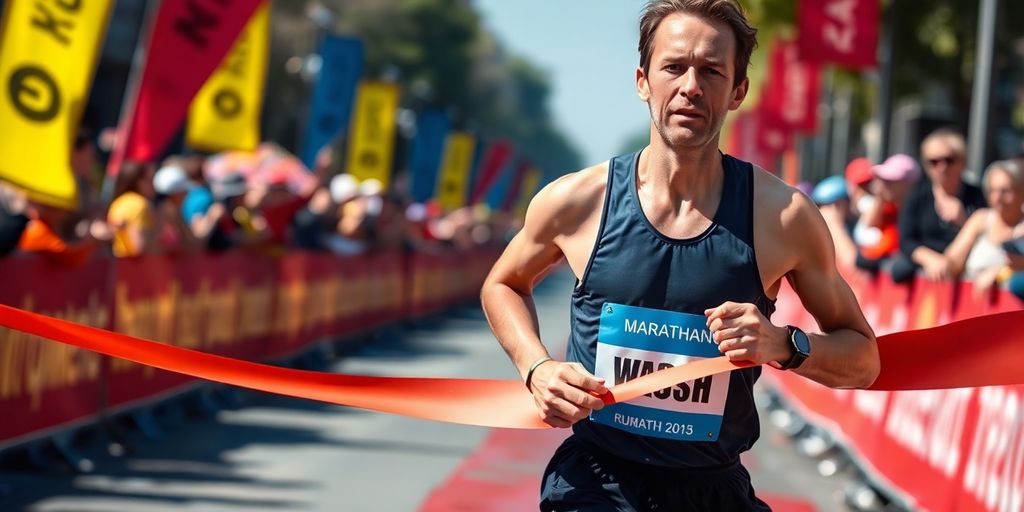
The marathon world records are a fascinating display of human endurance and speed. The current men’s world record is held by Eliud Kipchoge, who clocked an astonishing time of 2:01:39 at the Berlin Marathon in 2018. On the women’s side, Brigid Kosgei set the record with a time of 2:14:04 at the 2019 Chicago Marathon. These records are more than just numbers; they represent the pinnacle of marathon running.
| Record Holder | Time | Location | Year |
|---|---|---|---|
| Kelvin Kiptum | 2:00:35 | Chicago Marathon | 2023 |
| Ruth Chepng’etich | 2:09:56 | Chicago Marathon | 2024 |
Notable Marathon Runners and Their Stories
Marathon running has seen some incredible athletes over the years. One standout is Harriette Thompson, who became the oldest woman to complete a marathon at 92 years old. Then there’s Larry Macon, who holds a Guinness World Record for running 238 marathons in a single year. Their stories are not just about running but about breaking barriers and redefining what’s possible.
- Harriette Thompson: Oldest woman to finish a marathon at 92.
- Larry Macon: Guinness World Record holder for most marathons in a year.
- Eliud Kipchoge: Known for breaking the two-hour barrier in a special event.
The Evolution of Marathon Records
Marathon records have evolved significantly over the years, reflecting advancements in training, nutrition, and running gear. The first recorded marathon world record was set in 1908 by Johnny Hayes with a time of 2:55:18. Since then, the record has been shaved down by more than 50 minutes, showcasing the relentless pursuit of excellence by elite runners.
Marathon running has always been about pushing limits, both physically and mentally. The journey from the early 20th century to today’s lightning-fast records is a testament to human perseverance and innovation.
The Marathon Experience
What to Expect on Race Day
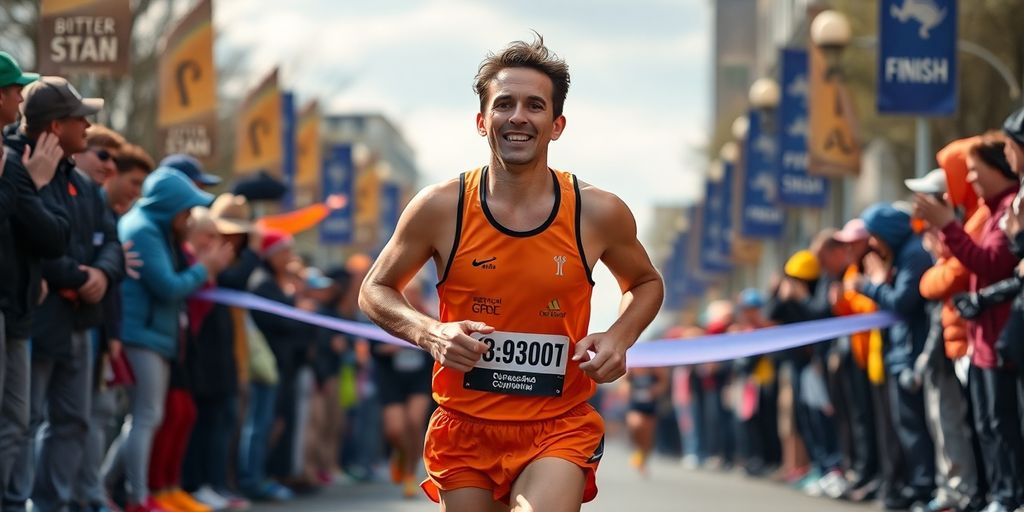
Race day is filled with a mix of excitement and nerves. As you arrive at the starting line, you’ll notice the buzz of thousands of runners stretching, chatting, and mentally preparing. The atmosphere is electric. Expect to hear the national anthem, followed by the sound of the starting gun. The first few miles might feel crowded, but as the race progresses, the field will spread out.
The Role of Supporters and Volunteers
Supporters and volunteers are the backbone of any marathon. They line the course, offering cheers and encouragement to keep runners motivated. Volunteers hand out water and energy gels, manage aid stations, and ensure the course is safe. Without them, the race wouldn’t be possible. Their enthusiasm can give you a much-needed boost, especially when the miles get tough.
Post-Race Recovery and Reflection
Once you cross the finish line, a wave of relief and accomplishment will wash over you. Take a moment to celebrate your achievement. Post-race recovery is crucial, so make sure to hydrate and grab a snack to replenish your energy. Stretching and walking around can help prevent stiffness. Reflect on your journey—what went well, what could be improved—and savor the memories of your marathon experience.
Running a marathon is not just a physical challenge; it’s a mental journey that tests your limits and rewards you with a profound sense of achievement.
Wrapping Up the Marathon Journey
. A marathon is 26.2 miles, and while it might seem like a random number, it’s steeped in history and tradition. From ancient Greece to the streets of London, this distance has been shaped by stories, legends, and a bit of royal influence.
Whether you’re a seasoned runner or just someone curious about the sport, understanding the marathon’s unique length adds a layer of appreciation. Next time you see someone crossing that finish line, you’ll know just how far they’ve come—literally and figuratively. It’s not just about the miles; it’s about the journey and the stories behind every step.
Frequently Asked Questions
How long is a marathon?
A marathon is 26.2 miles long, which is about 42.2 kilometers.
Why is a marathon exactly 26.2 miles?
The distance was set during the 1908 London Olympics, where the race started at Windsor Castle and finished in front of the royal box at the Olympic Stadium, totaling 26.2 miles.
What is a good time for a beginner to finish a marathon?
For beginners, a good marathon time is around 5 to 6 hours, depending on their pace and fitness level.
How should I train for my first marathon?
Start by gradually increasing your running distance over several months, including rest days and cross-training to build strength and endurance.
What should I eat before running a marathon?
It’s important to eat a balanced meal with carbohydrates and protein the night before, and a light breakfast on race day for energy.
How can weather affect marathon running?
Weather can impact your performance; hot weather may cause overheating, while rain can make the course slippery, requiring adjustments in pace and hydration.


