

how many miles is 10 kilometers? | PR Faster
Have you been wondering how many miles is 10 kilometers and how to run faster over 10,000 meters? If so, then welcome to RunDreamAchieve. It is awesome that you have arrived here to my site.
My hope is that these running tips in this post and the fitness resources located here will be what you were looking for.
Be sure to subscribe to the RunDreamAchieve YouTube channel. My focus there is on making new videos there weekly to help runners like you surpass your training and racing goals.
Ever wondered how many miles is 10 kilometers race covers? Whether you’re just starting out or have a few 5Ks under your belt, a 10K is a fantastic goal. It’s challenging yet achievable, making it a favorite among runners. In this article, we’ll break down the distance, explore training tips, and offer insights to help you prepare for race day. So, lace up your shoes and let’s dive into the world of 10K racing!
Build Your Running Performance System
Move from research to action with training, recovery, nutrition, pacing, and performance tools built for runners.
More Guides for This Runner Goal
Post Takeaways
- How many miles is a 10k race? A 10K race is 6.2 miles long, making it a great step up from a 5K.
- Training for a 10K involves a mix of running, rest, and good nutrition.
- Average 10K times vary, but beginners often finish between 50 to 70 minutes.
- Proper pacing and hydration are crucial for race day success.
- Setting personal goals can help keep you motivated throughout your training.
Understanding the 10K Race Distance | How Many Miles is 10 Kilometers
Conversion of Kilometers to Miles
How many miles is 10 kilometers? A 10K race measures ten kilometers, which converts to approximately 6.2 miles. If you’re curious about how this distance fits into the broader running scene, it’s a popular choice for many. The conversion might seem simple, but understanding it helps new runners set realistic goals. A 10K race is a favorite because it’s challenging yet manageable for both beginners and seasoned runners.
Comparison with Other Race Distances
When comparing a 10K to other races, it’s twice the length of a 5K but significantly shorter than a marathon, which is about 26.2 miles. For those familiar with a 5K, a 10K offers double the fun and challenge. Here’s a quick comparison:
| Race Type | Distance in Kilometers | Distance in Miles |
|---|---|---|
| 5K | 5 | 3.1 |
| 10K | 10 | 6.2 |
| Half Marathon | 21.1 | 13.1 |
| Marathon | 42.2 | 26.2 |
Significance of the 10K Race
The 10K holds a special place in the running community. It’s often seen as a stepping stone between shorter races and the more demanding half and full marathons. Completing a 10K is not just about the physical achievement but also the mental victory of pushing beyond a 5K. Many find it to be the perfect mix of endurance and speed.
Running a 10K is more than just covering the distance; it’s about embracing the journey and celebrating each step along the way. Whether you’re aiming for a personal best or simply crossing the finish line, the 10K is a race that leaves a lasting impression.
Training for Your First 10K Race
Building a Training Plan
How many miles is 10 kilometers? Starting your journey to a 10K race can feel daunting, but with a solid plan, it’s totally doable. Consistency is key here. Begin by running shorter distances, like 5Ks, more frequently. This helps build your stamina without burning out. Gradually increase your distance over weeks. You don’t need to run a full 10K every session; mix in some 7Ks or 8Ks to ease into it. Don’t forget strength training—simple exercises like squats and lunges can really boost your muscle power.
Incorporating Rest and Recovery
Rest is just as important as running. Your body needs time to repair and strengthen. Plan for at least one rest day a week. On these days, you can opt for light activities like walking or yoga. It’s also crucial to listen to your body—if you’re feeling overly fatigued, take an extra day off. Recovery isn’t just about rest; consider foam rolling or stretching to help with muscle soreness.
Nutrition and Hydration Tips
Fueling your body correctly can make a huge difference in your training. Balance your meals with carbohydrates, proteins, and fats. A protein-packed salad or a bowl of quinoa with veggies can be great options. Hydration is vital too—drink plenty of water before and after your runs to prevent cramps and dehydration. On race day, a light breakfast like oats with fruit can give you the energy you need without weighing you down.
Training for a 10K is a journey that requires patience and persistence. Remember, every step you take is progress, and before you know it, you’ll be crossing that finish line.
For those looking for more detailed advice, check out our essential advice for beginners and experienced runners alike.
Average 10K Race Times
Factors Influencing Race Times
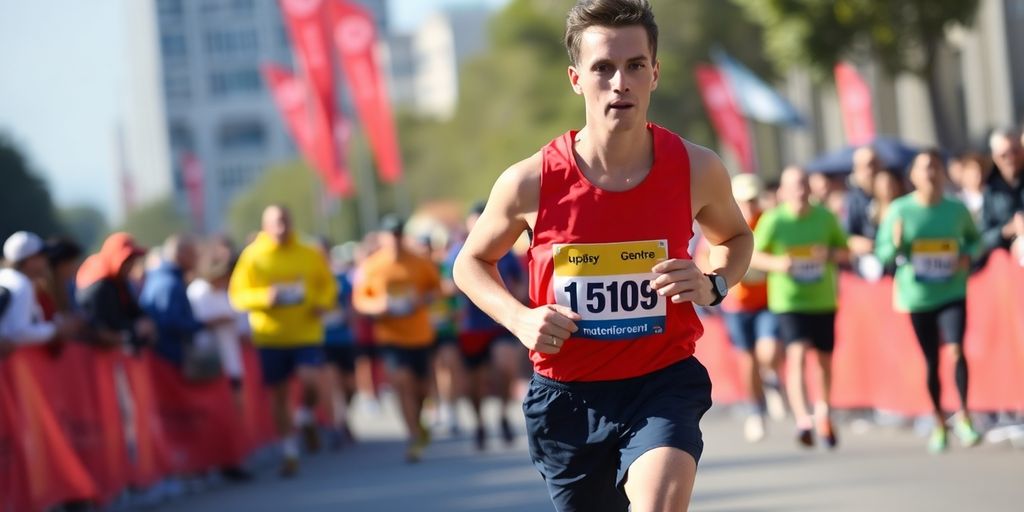
How many miles is 10 kilometers? Running a 10K isn’t just about fitness; there are a bunch of things that can affect your time. Age plays a big role, with younger runners often having an edge. Then there’s your fitness level—how often you train and the intensity of those sessions can really make a difference. Don’t forget about the course itself; a flat, smooth path is going to be faster than a hilly, rough one. Weather conditions can also throw a wrench in your plans—running in the rain or heat can slow you down.
Average Times by Age and Gender
Here’s a quick look at what you might expect for average 10K times based on age and gender:
| Age Group | Men | Women |
|---|---|---|
| 0-15 | 57:08 | 1:03:14 |
| 16-19 | 46:36 | 1:00:21 |
| 20-24 | 51:40 | 59:50 |
| 25-29 | 53:31 | 1:02:25 |
| 30-34 | 54:21 | 1:02:31 |
| 35-39 | 54:27 | 1:02:19 |
| 40-44 | 53:31 | 1:02:37 |
| 45-49 | 55:35 | 1:03:27 |
| 50-54 | 56:12 | 1:04:04 |
| 55-59 | 59:00 | 1:07:41 |
| 60-64 | 58:48 | 1:09:51 |
| 65-99 | 1:03:02 | 1:18:57 |
How many miles is a 10k race? It is basically 10,000 meters or 6.2 miles. These numbers give you a ballpark idea of what to aim for, but remember, everyone’s different.
Improving Your Race Time
Want to shave some minutes off your 10K time? Here are a few tips:
- Consistency is key: Stick to a regular training schedule.
- Mix it up: Include speed work and longer runs in your routine.
- Rest: Don’t skip rest days—they’re just as important as training days.
- Fuel right: Pay attention to your diet and hydration.
- Stay focused: Keep your goals in mind and push through tough training days.
Running is as much a mental challenge as it is physical. Keep your mind on the finish line and believe in your ability to improve.
Preparing for Race Day
What to Eat Before the Race
Getting your pre-race meal right can set the tone for your performance. Aim to eat 1-4 hours before the race starts, focusing on a breakfast rich in carbohydrates with a bit of protein. Think of it as topping off your energy tank. Depending on your weight, you might need 1-4 grams of carbs per kilogram. For someone weighing about 155 pounds, that’s around 70-280 grams of carbs. Foods like oats, whole grain bread, and bananas can be excellent choices. Don’t forget to stay hydrated, but stop drinking fluids about an hour before the race to avoid unnecessary pit stops.
Pacing Strategies for Beginners
Starting a race can be exciting, but don’t let the adrenaline push you too hard at the beginning. A smart pacing strategy can make all the difference. Begin at a pace that feels sustainable. If you’re aiming for a specific time, start slightly slower than your target pace. This way, you’ll have enough energy to push harder in the latter part of the race. Remember, it’s better to finish strong than to start fast and struggle later.
Essential Gear and Equipment
Having the right gear can make your race day experience much smoother. Here’s a checklist to consider:
- Running Shoes: Stick to the pair you’ve been training in to avoid blisters and discomfort.
- Comfortable Clothing: Choose moisture-wicking materials to keep sweat at bay.
- Race Bib and Timing Chip: Ensure they’re securely attached.
- Watch or Fitness Tracker: Helps in keeping track of your pacing.
Race day is not the time to try out new gear. Stick to what you know works for you to avoid any surprises.
Incorporating short walk breaks early and consistently during runs can enhance muscle resilience and alleviate fatigue. This approach can be beneficial for beginners aiming to maintain a steady pace throughout the race. Incorporate short walk breaks early and consistently during runs to enhance muscle resilience, alleviate fatigue and soreness, and accelerate recovery.
Advanced Training Tips for Experienced Runners
Incorporating Speed Work
How many miles is 10 kilometers race? 6.2 miles and will feel a lot shorter the fitter you get. To boost your running performance, it’s key to add speed work to your routine. This could involve interval training, where you alternate between high-intensity bursts and slower recovery periods. Another option is tempo runs, which help improve your pace over longer distances. Hill sprints are also great for building power and endurance. Remember, the goal is to push your limits without overdoing it. Consistency is crucial, so aim for regular sessions each week.
Optimizing Running Form
Good running form can make a big difference in your efficiency and speed. Focus on maintaining a straight posture, with your core engaged and shoulders relaxed. Your arms should swing naturally at your sides, not crossing your body. Aim to strike the ground with your midfoot, as this can reduce the risk of injuries compared to heel striking. Regular drills can help refine your form and make running feel more natural.
Setting and Achieving Personal Goals
Setting personal goals gives you a target to aim for and can keep you motivated during training. Start by identifying what you want to achieve, whether it’s a specific race time or completing a challenging course. Break down your goal into smaller, manageable steps and track your progress. Celebrate your milestones along the way to stay motivated. For those preparing for longer races like an ultramarathon, gradually increasing your weekly mileage is essential for success.
Common Challenges and How to Overcome Them
Dealing with Injuries
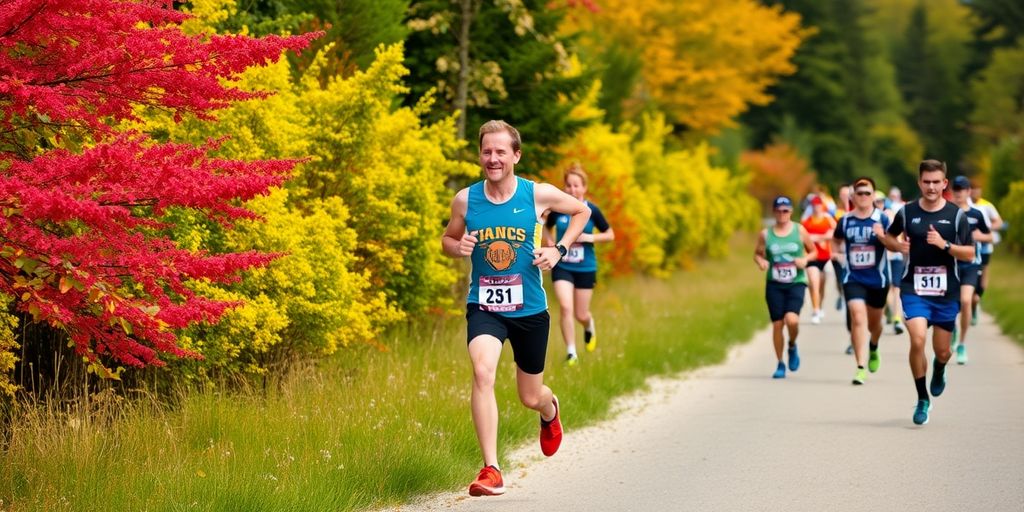
Running a 10K can be tough on the body, and injuries are a common hurdle. Whether it’s shin splints, runner’s knee, or plantar fasciitis, injuries can sideline even the most dedicated runners. It’s crucial to listen to your body. If something feels off, take a break. Rest, ice, compression, and elevation (RICE) can help with minor injuries. For persistent pain, consult a healthcare professional. Strengthening exercises and stretching routines can also prevent injuries by building resilience.
Staying Motivated During Training
Keeping the motivation alive throughout your training can be a real challenge. There will be days when you just don’t feel like lacing up your shoes. Here are a few tips to keep you going:
- Set small, achievable goals to track your progress.
- Mix up your training routine to keep things interesting.
- Find a running buddy or join a group to stay accountable.
Managing Race Day Nerves
How many miles is 10 kilometers race? It is about 6.2 miles or 25 laps around the track in distance. Race day jitters are completely normal, whether it’s your first 10K or your fiftieth. To manage these nerves, focus on what you can control. Prepare your gear the night before, plan your breakfast, and arrive at the venue early. Practice negative splits during training to boost your confidence. Remember, the nerves are just a sign that you care and are ready to give it your all.
“The finish line is just the beginning of a whole new race.” Embrace the challenges, learn from them, and you’ll not only become a better runner but also discover more about yourself in the process.
The Joy of Completing a 10K Race
Celebrating Your Achievement
Crossing the finish line of a 10K race is a moment of immense pride. You’ve trained, you’ve pushed, and now you’ve done it. This feeling of accomplishment is something that stays with you long after the race is over. Take a moment to savor it. Share your success with friends and family, because they know the effort you put in. Whether you finished first or last, you finished, and that’s what counts.
Sharing Your Experience with Others
One of the best parts about completing a race is sharing your experience. Talk about your journey, the ups and downs, and the unexpected joys, like overtaking younger competitors who started off strong. Your story might inspire someone else to start their own running journey. Plus, it’s always fun to swap race day stories with fellow runners.
Planning Your Next Race
Once you’ve caught your breath, you might find yourself thinking about what’s next. Maybe another 10K or perhaps something longer. Planning your next race gives you a new goal to work towards. It keeps the excitement alive and gives you a reason to lace up those running shoes again. Remember, each race is a stepping stone to the next.
Wrapping It Up: Your 10K Journey
, folks. How many miles is 10 kilometers race? A 10K race is about 6.2 miles, and whether you’re just starting out or you’ve got a few races under your belt, it’s a milestone worth celebrating.
Training for a 10K doesn’t have to be a chore. With a bit of planning and dedication, you can get yourself ready in a couple of months. Remember, it’s not just about the miles; it’s about enjoying the process, staying healthy, and maybe even having some fun along the way. So lace up those sneakers, hit the pavement, and who knows? You might just surprise yourself with what you can achieve. I hope this post on how many miles is 10 kilometers has been helpful to you.
Frequently Asked Questions
How many miles is a 10K race?
A 10K race is 6.2 miles long. It’s a popular distance for runners looking to challenge themselves beyond a 5K.
How long does it take to train for a 10K?
Training for a 10K can take 8 to 12 weeks for beginners. More experienced runners might need less time, around 6 to 8 weeks.
What should I eat before running a 10K?
It’s good to have a light meal with carbs and protein, like oatmeal with fruit, a few hours before the race.
How do I pace myself during a 10K?
Start at a steady pace you can maintain. Use a watch to keep track of your pace and try to finish strong in the last mile.
What is the average time to finish a 10K?
The average finish time for a 10K is between 50 to 70 minutes, but it can vary based on age, fitness level, and experience.
How can I improve my 10K race time?
To get faster, mix different workouts like speed drills, long runs, and strength training. Consistent practice is key.


