

How Do I Run a Faster 5K
Have you been seeking a better way of how do i run a faster 5k in less time? If so, then welcome to RunDreamAchieve. It is awesome that you have arrived here to my site.
My hope is that these running tips in this post and the fitness resources located here will be what you were looking for.
Be sure to subscribe to the RunDreamAchieve YouTube channel. My focus there is on making new videos there weekly to help runners like you surpass your training and racing goals.
If you’re looking to shave some time off your 5K, you’re in the right place. Running a faster 5K isn’t just about speed; like preparing to meet Indian Army gd height standards or aiming to obtain other goals, it involves a mix of smart training, proper nutrition, and mental preparation. Whether you’re a seasoned runner or just starting out, these tips will help you improve your performance and reach your goals. Let’s dive into the strategies that can make a real difference in your race times.
How Do I Run a Faster 5K Post Takeaways
- Incorporate interval training to build speed.
- Focus on nutrition before, during, and after your runs.
- Stay mentally strong by setting achievable goals.
- Warm up properly to prepare your body for racing.
- Choose the right gear to enhance your performance.
Essential Training Techniques for Speed
Okay, so you wanna run faster? It’s not just about running more, it’s about running smarter. Here’s the lowdown on how to actually train for speed.
Incorporating Interval Workouts
How do i run a faster 5k in less time? Intervals are your best friend. They’re all about pushing hard for short bursts, then recovering. Think of it like this: you sprint for a minute, then walk or jog to catch your breath. Repeat. This helps your body get used to running at a faster pace and improves your VO2 max (that’s how much oxygen your body can use). Start with shorter intervals and gradually increase the length or number of reps. For example:
- 400m repeats with equal recovery
- 800m repeats with slightly longer recovery
- Mix it up with some shorter, faster intervals like 200m repeats
Utilizing Tempo Runs
Tempo runs are comfortably hard. You should be able to talk, but not easily. It’s about finding that sustainable, fast pace and holding it. These runs help raise your lactate threshold, which means you can run faster for longer before your legs start burning. Aim for 20-40 minutes at this pace once a week. It’s not a race, but it’s not a jog either. It’s that sweet spot in between.
Building Endurance with Long Runs
How do i run a faster 5k in less time? Don’t ditch the long runs! Even though you’re focusing on speed, you still need a solid base. Long runs build your endurance, which is what keeps you going when your legs want to quit. Plus, they help improve your cardiovascular system, so your body can deliver oxygen to your muscles more efficiently. Start with a distance you’re comfortable with and gradually increase it each week. Remember to take it easy on these runs – it’s about time on your feet, not speed.
Long runs are not about speed; they’re about building a strong foundation. They improve your body’s ability to use oxygen and clear waste products, which is crucial for running faster in the long run.
Nutrition Strategies for Optimal Performance
Fueling Before Your Run
Okay, so you’re gearing up for a 5k. Don’t underestimate the power of pre-run fuel! It’s not about stuffing yourself; it’s about giving your body the energy it needs. I usually aim for something easily digestible about 1-2 hours before I head out.
Here’s my go-to list:
- A banana with a tablespoon of peanut butter
- A small bowl of oatmeal with berries
- A piece of toast with avocado
Experiment to see what works best for you. Everyone’s different. The goal is to avoid feeling sluggish or getting a stomach cramp mid-run.
Hydration Tips
How do i run a faster 5k in less time? Hydration is key, people! You can’t expect to perform well if you’re dehydrated. Start hydrating well before your run, not just right before. I try to drink water consistently throughout the day.
Here’s what I do:
- Carry a water bottle with me everywhere.
- Sip on water throughout the day, not just when I’m thirsty.
- Avoid sugary drinks, especially before a run.
Post-Run Recovery Nutrition
Alright, you crushed your 5k! Now it’s time to refuel and recover. Your body needs to replenish its glycogen stores and repair those muscles. I try to eat something within 30-60 minutes after finishing.
Here are some ideas:
- A protein shake with fruit
- A turkey sandwich on whole-wheat bread
- Greek yogurt with granola and berries
Don’t skip this step! Proper recovery nutrition can make a huge difference in how you feel the next day and how quickly you’re ready for your next run. Consuming 6-10 grams of carbohydrates per kilogram of body weight is proven to increase glycogen stores, improve endurance, and decrease fatigue, which can help runners perform their best in 5K or 10K races.
Mental Preparation for Racing
Setting Realistic Goals
How do i run a faster 5k in less time? Okay, so you’re aiming for a faster 5k. That’s awesome! But before you lace up those shoes, let’s talk about goals. Realistic goals. Don’t jump from a 30-minute 5k to thinking you’ll suddenly crush it in 20 minutes next week. It doesn’t work that way. Instead, look at your current times, your training, and set a goal that pushes you, but is actually achievable.
Maybe aim to shave off 30 seconds to a minute. Small, consistent improvements are way better than setting yourself up for disappointment. Remember to consider external factors too, like the course difficulty and weather conditions on race day. Setting achievable goals will help you maintain motivation and build confidence as you progress. It’s all about incremental gains!
Visualization Techniques
How do i run a faster 5k? Visualization is like a mental rehearsal for your race. Before the big day, take some time to close your eyes and imagine yourself running the race. See yourself at the starting line, feeling the adrenaline, hearing the crowd. Then, visualize yourself running strong, maintaining your pace, and pushing through any tough spots. Imagine crossing the finish line, feeling that amazing sense of accomplishment.
How do i run a faster 5k in less time? The more detailed and realistic your visualization, the better prepared you’ll be mentally. Think about how you’ll handle hills, how you’ll respond to other runners, and how you’ll manage your energy levels. This isn’t just about picturing success; it’s about mentally preparing for the challenges you might face. It’s a powerful tool to enhance your mental toughness.
Staying Positive During the Race
How do i run a faster 5k? Maybe you’re feeling tired, maybe the weather is awful, or maybe you’re just not “feeling it.” That’s where staying positive comes in. Don’t let negative thoughts derail you. Instead, focus on what you can control: your effort, your breathing, and your form. Break the race down into smaller, manageable chunks. Tell yourself you can make it to the next mile marker, then the next.
How do i run a faster 5k? Use positive self-talk. Remind yourself of all the hard work you’ve put in and how capable you are. And remember, even if you don’t hit your goal time, you’re still out there pushing yourself and doing something amazing. Celebrate the effort, and learn from the experience.
It’s easy to get discouraged during a race, especially when things get tough. But remember why you started, focus on the present moment, and keep telling yourself that you can do it. A positive mindset can make a huge difference in your performance and your overall enjoyment of the race.
Importance of Proper Warm-Up and Cool Down

Okay, so you’re serious about shaving time off your 5k. You’re hitting the intervals, doing tempo runs, and even thinking about nutrition. But listen, don’t skip the warm-up and cool-down. Seriously. They’re not just some extra thing your coach tacked on. They’re vital for injury prevention and performance.
Dynamic Warm-Up Exercises
How do i run a faster 5k? Forget standing around stretching like a statue. We’re talking movement. Dynamic warm-ups get your blood flowing and prep your muscles for action. Think leg swings, arm circles, torso twists, and high knees. Do these for about 10-15 minutes before each run. It makes a difference, trust me. I used to skip them, and then my hamstrings would scream at me halfway through my run. Now, I never miss it. You can even incorporate running drills into your warmup.
Cool Down Routines
Don’t just stop running and collapse on the couch. Your body needs a gradual cool-down. This helps prevent muscle stiffness and soreness. A light jog for 5-10 minutes, followed by some walking, is perfect. It allows your heart rate to return to normal and helps flush out lactic acid. I usually walk for a few minutes, focusing on deep breaths. It’s also a good time to reflect on the run and how it felt.
Stretching for Flexibility
How do i run a faster 5k? Okay, now we can talk about stretching. But not the static kind before your run. Save that for after your cool-down, when your muscles are warm and pliable. Hold each stretch for about 30 seconds, focusing on major muscle groups like hamstrings, quads, calves, and hip flexors. Flexibility is key to preventing injuries and improving your range of motion. I try to stretch every day, even on my rest days. It’s a game changer.
Ignoring warm-ups and cool-downs is like skipping the oil change on your car. It might run for a while, but eventually, something’s gonna break. Take the time to properly prepare your body for the run and help it recover afterward. Your legs (and your race times) will thank you.
Tracking Progress and Adjusting Training
It’s easy to get caught up in the day-to-day grind of training, but taking a step back to see the bigger picture is super important. How else will you know if what you’re doing is actually working? Tracking your progress isn’t just about seeing numbers go up (or down); it’s about understanding your body and how it responds to different types of training. This understanding lets you make smart changes to your plan, keeping you on track to crush your 5k goal.
Using a Running Journal
How do i run a faster 5k? I’m a big fan of old-school methods, and a running journal is definitely one of them. Forget fancy apps for a second. Just grab a notebook and jot down the details of each run. Include the date, distance, time, and how you felt. Did you feel strong and energized, or were you dragging your feet? Note the weather, your route, and anything else that might have affected your run. Over time, you’ll start to see patterns. Maybe you run better in the morning, or perhaps your legs always feel heavy after a certain type of workout. This info is gold when it comes to tweaking your training.
Analyzing Race Times
How do i run a faster 5k? Race day is the ultimate test, right? But don’t just focus on the final time. Break down your race into splits. Were you consistent throughout, or did you start too fast and fade at the end? Compare your splits to your training runs. Did your race pace feel comfortable based on your tempo runs, or was it a shock to the system? Look at your previous race times too. Are you improving overall, or are you plateauing? If you’re not seeing the progress you want, it’s time to shake things up.
Adjusting Workouts Based on Performance
This is where the rubber meets the road. You’ve tracked your runs, analyzed your race times, and now it’s time to make some changes. Don’t be afraid to experiment. If your interval workouts feel too easy, increase the distance or decrease the recovery time. If your long runs are leaving you completely wiped out, dial back the mileage or slow down the pace. Listen to your body and be willing to adjust your plan as needed. Remember, there’s no one-size-fits-all approach to training. A beginner’s 5k training plan might need adjustments as you advance.
It’s important to remember that progress isn’t always linear. You’ll have good days and bad days, weeks where you feel amazing and weeks where you feel like you’re going backward. Don’t get discouraged by setbacks. Just keep tracking, keep analyzing, and keep adjusting. With a little patience and persistence, you’ll get there.
Choosing the Right Gear for Speed
How do i run a faster 5k? It’s easy to overlook, but the gear you use can really impact your 5k time. It’s not just about looking the part; it’s about optimizing for comfort, efficiency, and performance. Let’s break down the essentials.
Selecting Lightweight Running Shoes
Your running shoes are arguably the most important piece of gear. You want something that’s lightweight to avoid extra weight slowing you down, but also provides enough cushioning to protect your joints. Consider visiting a specialty running store where they can analyze your gait and recommend shoes that fit your running style. I recently tried the Hoka Mach 5 and was amazed at how light they felt during my run.
Wearing Breathable Clothing
Breathability is key when you’re pushing for a faster 5k. Opt for moisture-wicking fabrics that pull sweat away from your body, keeping you cool and comfortable.
Here’s a quick guide:
- Tops: Look for shirts made of polyester or merino wool.
- Bottoms: Running shorts or tights with good ventilation are ideal.
- Socks: Avoid cotton socks, which can trap moisture and lead to blisters. Choose synthetic or wool socks instead.
I remember one race where I wore the wrong socks. By mile two, I could feel a blister forming, and it completely threw off my pace. Never again!
Using Technology to Track Performance
How do i run a faster 5k? Technology can be a game-changer in your training. Running watches and apps can track your pace, distance, heart rate, and other metrics, giving you valuable insights into your performance.
Consider these options:
- GPS Running Watch: Tracks your pace, distance, and route.
- Heart Rate Monitor: Helps you stay in the right training zones.
- Running Apps: Provides data analysis and training plans.
| Feature | Benefit |
|---|---|
| Pace Tracking | Helps maintain consistent speed |
| Distance Tracking | Monitors progress and total mileage |
| Heart Rate Zones | Optimizes training intensity |
Race Day Strategies for Success
Pacing Yourself Effectively
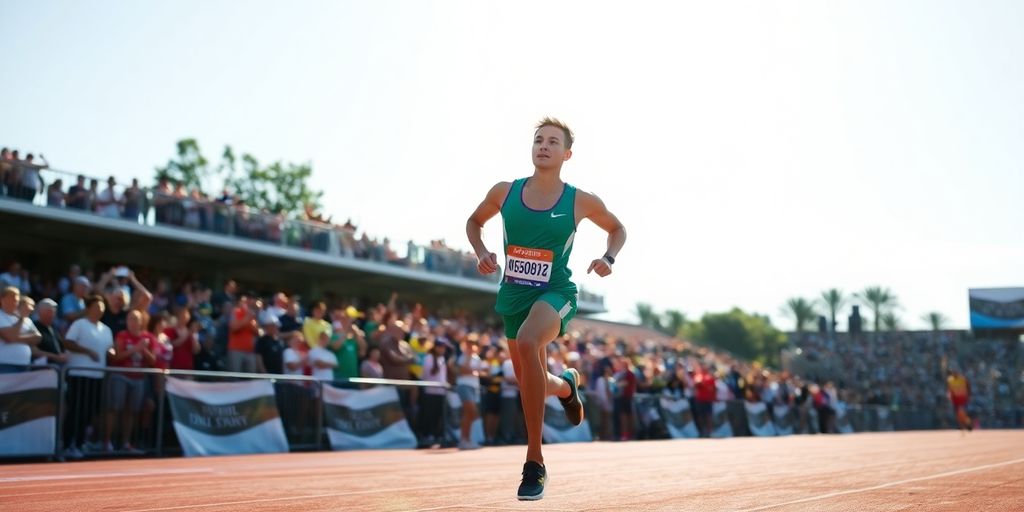
How do i run a faster 5k? Okay, so you’ve trained, you’re ready, but race day is where many runners mess things up. Pacing is absolutely key. Don’t go out too fast! It’s so easy to get caught up in the excitement and burn out halfway through.
- Start conservatively.
- Find a comfortable rhythm.
- Gradually increase your speed if you feel good.
I always aim to run the first mile slightly slower than my goal pace. It feels weird at first, but trust me, you’ll thank yourself later when you’re passing people in the final stretch.
Managing Pre-Race Nerves
Everyone gets nervous before a race, even the pros. The trick is to manage those nerves so they don’t ruin your performance. Deep breathing exercises can really help. I also like to have a set routine that I follow before every race. It helps me feel in control.
- Visualize success.
- Listen to calming music.
- Arrive early to avoid stress.
Executing Your Race Plan
How do i run a faster 5k? Hopefully, you’ve thought about how you want the race to go. Don’t just wing it! Have a plan, but be flexible enough to adjust if things don’t go exactly as expected. For example, if the weather is hotter than you anticipated, you might need to slow down your pace a bit.
- Stick to your planned pace for the first half.
- Monitor your heart rate and breathing.
- Adjust your strategy based on how you feel.
Wrapping It Up
. If you want to run a faster 5K, it’s all about smart training and being consistent. Mix in those speed workouts, don’t skip your long runs, and remember to warm up properly before race day. It might take some time, but stick with it, and you’ll see improvements. Just keep pushing yourself, listen to your body, and enjoy the journey. Running is as much about the experience as it is about the finish line. Good luck out there!
Frequently Asked Questions
What is the best way to train for a faster 5K?
To get faster for a 5K, focus on interval workouts, tempo runs, and long runs. These will help increase your speed and endurance.
How should I eat before a race?
Before running, eat a light meal or snack that is high in carbohydrates and low in fat. Foods like bananas or oatmeal are great choices.
How important is hydration during training?
Staying hydrated is very important. Drink water before, during, and after your runs to keep your body functioning well.
What should I do to prepare mentally for a race?
Set achievable goals, visualize your success, and keep a positive attitude. This will help you perform better on race day.
Why is warming up and cooling down important?
Warming up helps prepare your body for running, while cooling down helps your muscles recover. Both can prevent injuries.
What gear should I wear for a 5K?
Choose lightweight running shoes, breathable clothing, and consider using a watch or app to track your performance.


