

Best Hotels Near the Nagoya Women’s Marathon Finish Line
Race morning in Nagoya starts early: a simple breakfast, a final check of your race kit, and a walk toward Vantelin Nagoya Dome while the city is still waking up. Since the Nagoya Women’s Marathon starts and finishes at the dome, staying nearby can give you more time to eat, sleep, warm up, and reach the venue without relying on a stressful pre-race commute.
When you compare hotels near the Nagoya Women’s Marathon finish line, look beyond star ratings. Location, race-day transportation, breakfast hours, bed quality, luggage arrangements, and a comfortable place to recover after 26.2 miles can matter more than a larger lobby or extra amenities. The right area and hotel can help protect your routine before the start and make the post-race hours easier.
This Nagoya Women’s Marathon hotels post covers nearby neighborhoods, hotel options, booking strategies, and practical race-weekend details, including what to confirm before you reserve. Course layouts, start times, road closures, hotel policies, and official venue information can change, so check the latest details with the Nagoya Women’s Marathon and your chosen hotel. First, let’s look at the most practical areas for your stay.
Key Takeaways
- Choose hotels near Vantelin Nagoya Dome to shorten race-morning travel and protect your sleep, breakfast, and warm-up routine.
- Compare walking distance, breakfast hours, luggage storage, late checkout, bed comfort, and post-race recovery space before booking.
- Confirm current start times, course details, access rules, and venue updates through the official marathon information.
- Reserve early because nearby rooms can fill quickly during marathon weekend, especially for runners traveling with family.
- Pack familiar breakfast foods, race gear, and recovery supplies so your hotel room supports a calm, predictable morning.
Hotels Near the Nagoya Women’s Marathon Finish Line That Make Race Morning Easier
The best hotel area depends on how much travel you want before the start. Staying near Vantelin Nagoya Dome can turn race morning into a short walk, while Imaike, Sakae, and Nagoya Station offer more dining and lodging choices with a longer subway ride.
Closest Practical Choices in Chikusa and Around the Dome
Hotels east of central Nagoya, especially around Chikusa, are practical for runners who want less race-morning travel. A hotel near Nagoya Dome may be close enough for walking, but check the actual route rather than trusting the neighborhood name. A property near Nagoya Dome-mae Yada Station gives you direct access to the Meijo Line and the stadium area, although you may still need to walk around venue fencing or controlled entrances.
Other nearby subway stations can work well, too. Ozone, Sunadabashi, and Chikusa may offer reasonable access, but the trip could include a transfer or a longer walk. Review the Nagoya subway station guide and confirm the route from your hotel to the station entrance you will use.
Before booking, confirm these race-weekend details:
- Walk the final route on a map, including the distance from the hotel door to the permitted dome entrance.
- Check the first useful train, transfer points, and walking time to Nagoya Dome-mae Yada Station.
- Ask whether the hotel stores luggage after checkout and whether runners can leave bags before the race.
- Confirm breakfast hours, takeaway options, and access restrictions around the venue.
- Check the marathon’s latest official race information before relying on any route.
Comfortable Options in Imaike and Sakae
Imaike and Sakae suit runners who want more choice after the day’s racing. These districts have a wider range of hotels, restaurants, convenience stores, cafes, and pharmacies than the immediate dome area. That matters when you need familiar food, extra snacks, pain-relief supplies, or a comfortable dinner after the marathon.
The tradeoff is a longer race-morning journey. From Imaike or Sakae, plan your subway trip around the Meijo Line connection to Nagoya Dome-mae Yada Station. A transfer adds another point to manage, so leave room for platform walking, crowded trains, and any race-day changes.
Sakae is especially useful if family members want shopping and dining while you recover. Imaike can provide a slightly more local setting with practical food options close to many hotels. Choose either area when post-race comfort and hotel availability matter more than walking to the finish line.
When a Nagoya Station Hotel Is Still a Smart Choice
A hotel near Nagoya Station can be the right choice if you arrive by Shinkansen, travel with family, or plan to stay several extra nights. Properties such as Nagoya Marriott Associa Hotel put you near major rail connections, restaurants, shopping, airport links, and luggage services.
The station is farther from the finish line, so race morning requires a clear plan. Check the first subway departure, map the transfer to the Meijo Line, and allow extra time for crowds, station walking, and service changes. A route from the Higashiyama Line through Sakae to Nagoya Dome-mae Yada can work, but verify the current schedule before race day. A few extra minutes of planning can protect the calm routine you need before the start.
Which Nagoya Area Is Best for Your Marathon Weekend?
Your best base depends on how much you value a short race-morning commute versus dining, transport, and sightseeing. Hotels near the Nagoya Women’s Marathon finish line reduce travel stress, but central neighborhoods offer more rooms and evening options. Match the area to your race priorities, then check the exact hotel route before booking.
Chikusa and Higashiyama for the Shortest, Calmest Race-Morning Plan
Chikusa and Higashiyama are strong choices when protecting your race routine matters most. A nearby hotel can reduce the commute to Vantelin Nagoya Dome, leaving more time for breakfast, bathroom stops, a gentle warm-up, and a final check of your race kit.
After you finish, the short return trip matters just as much. You can reach your room faster, shower sooner, and rest without managing a crowded train while your legs are tired. That extra recovery time can make the afternoon far more comfortable.
The tradeoff is availability. These areas have fewer hotel rooms than Sakae or Nagoya Station, and late-night dining may be limited. Plan to buy breakfast supplies and recovery snacks before race morning, or confirm whether your hotel offers an early meal or takeaway option.
Imaike for a Balance of Access, Food, and Convenience
Imaike gives runners a practical middle ground. The subway connects you with central Nagoya and the dome area, while convenience stores, casual restaurants, cafes, and pharmacies make it easy to handle last-minute needs.
You still need to inspect the route, not just the station name. Some hotels require a transfer, a long walk, or both. Use a Nagoya subway route guide to check the complete trip, then measure the walk from your hotel entrance to the platform and from the exit to the venue.
Imaike works especially well when you want useful food options without staying in the busiest part of downtown. Choose a hotel close to the station, and confirm the first practical train for race morning.
Sakae for Dining, Shopping, and a Livelier Stay
Sakae suits travelers who want a central base before and after the marathon. You will find more restaurants, shopping, cafes, and nightlife than near the dome. Family members can also stay busy while you recover.
However, the trip to the finish line takes longer. Crowded platforms and evening noise can also affect sleep, especially near busy streets, bars, or elevators. Request a quiet room away from the elevator and ask for a location facing away from nightlife when possible.
Nagoya Station for Easy Arrival and a Longer City Visit
Nagoya Station is the most convenient choice for travelers arriving by Shinkansen or using airport connections. The surrounding area has extensive shopping, restaurants, luggage services, and rail access, which helps if you plan a longer city visit.
For the marathon itself, this area is less ideal than Chikusa or Imaike. You will need a longer subway journey, station walking, and careful timing before the start. Choose Nagoya Station for arrival convenience and sightseeing, but select a dome-area hotel when the simplest possible race morning is your priority.
What Runners Should Look for in a Nagoya Marathon Hotel
Choosing among hotels near the Nagoya Women’s Marathon finish line involves more than measuring the distance to Vantelin Nagoya Dome. Your room should support the habits that help you race well: familiar fueling, uninterrupted sleep, easy access, and a simple recovery plan.
Before booking, contact the hotel with race-specific questions. Policies that sound flexible online may change during a busy marathon weekend.
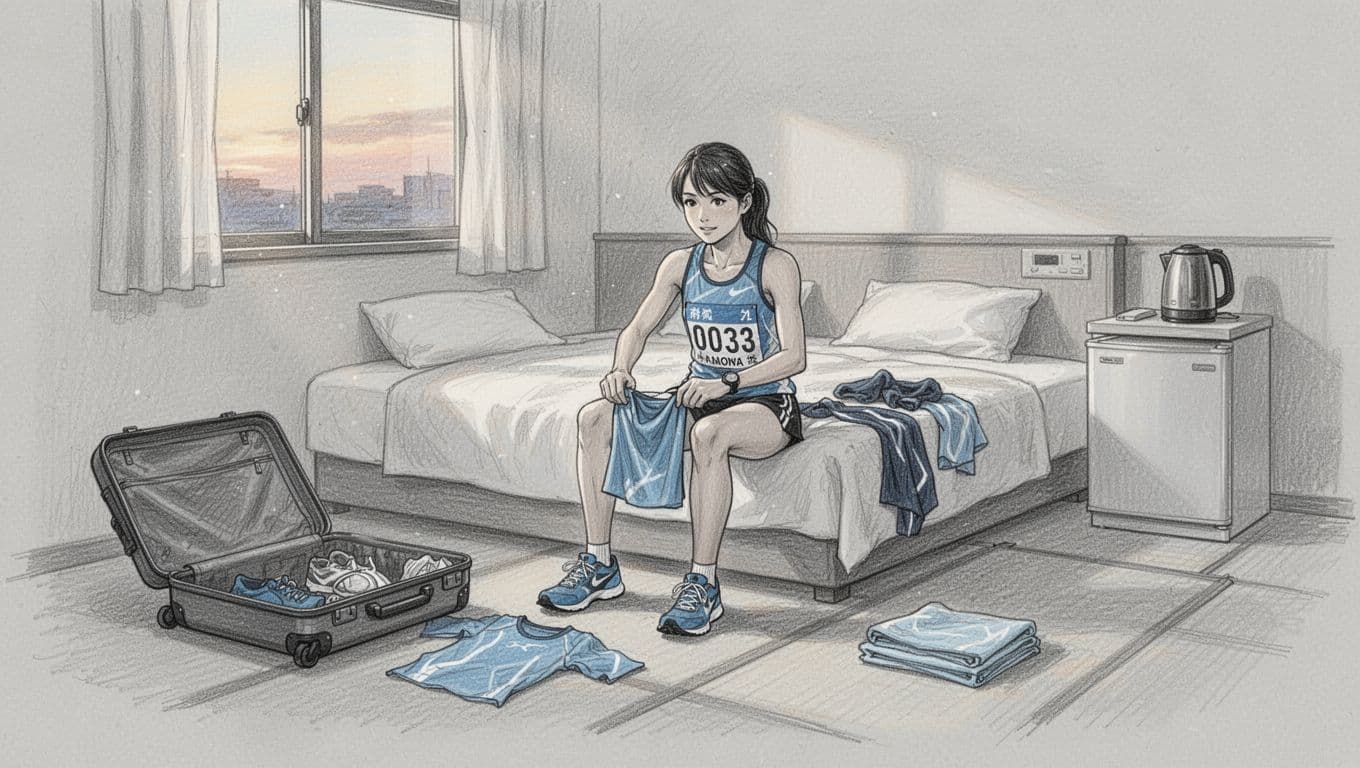
Early Breakfast and Race-Morning Fueling
Many hotel restaurants open too late for a marathon morning. If you need to eat several hours before the start, ask whether the property offers an early breakfast box, takeaway meal, or access to simple food before normal service begins.
A kettle lets you prepare tea, oatmeal, or another familiar option. A refrigerator helps keep yogurt, fruit, drinks, and other perishable foods safe overnight. Also check for a convenience store within a short walk, then buy supplies before race day rather than searching in the dark.
Ask whether you may bring your own breakfast foods into the room. Pack items you have already tested during training, such as an energy bar, bagel, rice ball, or sports drink. Race morning is a poor time to experiment with unfamiliar local dishes, rich sauces, or a hotel specialty that could upset your stomach.
Your marathon breakfast should feel routine. A predictable meal is usually more useful than an impressive menu.
Sleep Quality, Room Location, and Recovery Features
Sleep can suffer when your room sits above a busy street or beside a late-night bar. Request a quiet room away from traffic, nightlife, ice machines, service areas, and elevators when possible. A higher floor may reduce street noise, although elevator access still matters if your legs are sore after the race.
Look for blackout curtains, dependable climate control, and a bed that feels firm but comfortable. You want the room cool, dark, and stable enough for a full night of sleep. A bathtub can also help you wash off after the race, while a reliable shower matters even more if no tub is available.
Check the room layout before booking. Enough floor space lets you stretch lightly, arrange your race clothes, and keep shoes, bib materials, and nutrition in one place.
Luggage Storage, Laundry, and Late Checkout
Luggage storage gives you flexibility when checkout comes before the race or when you plan to travel after finishing. Confirm whether the front desk can hold your bags securely and whether you can drop them off early.
Coin laundry helps if you stay several nights or want to wash race clothing. Ask about shower access after checkout, late checkout, and day-use rooms as well. These options can make the hours after the finish much easier, especially before a train or flight.
Marathon weekend often brings limited availability and extra fees. Request prices, booking deadlines, and time limits in writing before relying on any service.
Cancellation Rules and Accessible Room Needs
Read the cancellation deadline, payment terms, minimum-stay rules, and event-weekend restrictions before you pay. Some hotels apply stricter conditions when demand rises, so compare the policy with your race registration and travel plans.
Runners with injuries or mobility needs should ask about step-free routes from the entrance to the room, elevator access, accessible bathrooms, and room placement. A room near the elevator can shorten the walk, but a quiet corner away from it may improve sleep. Share your needs early so the hotel can confirm what it can provide.
How to Plan Transportation to the Nagoya Women’s Marathon Finish Line
Transportation planning should cover more than the trip to Vantelin Nagoya Dome. You also need a clear plan for bib pickup, race-morning entry, and the journey back to your hotel after 26.2 miles. A short route on a map can become longer when barriers, road closures, crowds, or controlled entrances change the path.
Check the Official Race Information Before You Travel
Race details can change between registration and race weekend. Before you book transportation, review the official Nagoya Women’s Marathon information and verify:
- The official start and finish location, including the entrance runners must use.
- Bib pickup dates, times, and the expo venue. Do not assume race-day pickup is available.
- Start waves, corral assignments, and the time you must enter your starting area.
- The recommended arrival time, security procedures, and any required check-in period.
- Gear-check rules, including the permitted bag type, collection location, and claim process.
- Course restrictions, road closures, pedestrian controls, and areas that supporters cannot enter.
- Subway schedules, station entrances, shuttle details, and transportation updates issued close to race day.
The race website confirms that both the start and finish are inside the dome, but that doesn’t tell you which approach will be open for runners. A hotel advertised as a few hundred yards away may sit outside the permitted route. Measure the walk from the hotel entrance to the approved venue entrance, not just the straight-line distance.
Build a Low-Stress Race-Morning Schedule
Work backward from your required arrival time. Give yourself enough time to wake up, use the bathroom, eat a familiar breakfast, dress, and check your race kit without rushing. Then add a transportation buffer for station walking, crowded platforms, and unexpected delays.
A simple sequence works well:
- Wake early enough to eat and allow your stomach to settle.
- Leave the hotel with extra time, even if the route appears short.
- Reach the venue before your required check-in or corral entry period.
- Carry only items allowed by the race rules, with your bib and essentials easy to access.
The day before, walk to the subway entrance or complete the route in a map app. Check the correct platform, transfer points, exit, and final walk to the dome. That small rehearsal removes decisions from an already demanding morning.
Plan the Return Trip After You Finish
Your trip back may take longer than the journey to the start. Fatigue slows your walking pace, crowds gather around the venue, road closures can redirect pedestrians, and taxis may be scarce or delayed.
Choose hotels near a simple subway route, even if the property isn’t the closest option. Keep your phone charged, carry a reliable transit payment method, and save the hotel’s address in Japanese and English. If you plan to shower before traveling, arrange luggage storage, late checkout, or a day-use room before race weekend.
Make the Most of the Day Before and After the Race
Keep the day before practical. Visit the expo briefly, take a short shakeout walk, drink regularly, eat familiar meals, and get to bed early. Extra sightseeing can wait until your race is finished.
Afterward, choose easy food and gentle movement rather than a packed itinerary. A warm shower or bath, clean clothes, and several hours of rest will help more than rushing between attractions. Plan relaxed sightseeing near your hotel or along an easy rail route, so the day supports recovery instead of adding another endurance event.
When and How to Book a Hotel for Marathon Weekend in Nagoya
Booking early gives you more than a better chance of finding a room. It protects the details that support your race, such as two beds, an accessible bathroom, early breakfast, and a quiet location. Before paying, confirm the latest official Nagoya Women’s Marathon information because schedules, venue access, and transportation plans can change.
Book Early, Then Compare the Terms
Start watching hotel availability as soon as you know your race and travel dates. Nearby properties may sell out first, especially when you need a twin room, an accessible room, a refrigerator, breakfast, or flexible cancellation.
Still, the first available room isn’t always the best choice. Compare the total booking cost, not only the nightly rate. Check whether taxes, breakfast, parking, or service charges appear separately. Then review the hotel’s distance from the nearest station, walking route to Vantelin Nagoya Dome, check-in hours, and exact cancellation deadline.
A slightly higher rate may provide a refundable booking and a much simpler race morning. That flexibility matters if your travel plans, health, or race entry change.
Estimate the Full Race-Weekend Cost
Your hotel budget should include every expense connected to the stay. Add the room rate, breakfast, local transportation, meals, luggage storage, late checkout, and any extra night you may need after the marathon.
A low room rate far from the venue can lose its advantage once you add subway fares, taxis, extra meals, and time spent traveling. You may also need to pay for luggage storage or a late checkout if your train leaves after the race.
Paying slightly more for a short, simple route and better sleep can offer greater value than choosing the cheapest room across the city. Fewer transfers mean fewer decisions before the start and less time standing after you finish.
Avoid These Common Hotel Booking Mistakes
Runners often make preventable booking errors during busy race weekends. Watch for these problems before confirming your reservation:
- Booking a nonrefundable room before confirming flights, trains, and race entry.
- Assuming a hotel is next to the finish line because its listing mentions Nagoya Dome.
- Ignoring early breakfast limits when normal restaurant hours begin after your required arrival.
- Overlooking minimum-stay rules or special event-weekend payment conditions.
- Forgetting to map the route from the expo to the hotel, especially after collecting your bib.
- Choosing a room near nightlife, elevators, or service areas without requesting a quieter location.
Ask the hotel to confirm unusual policies in writing. A short message can prevent an expensive surprise.
Use This Final Hotel Checklist
Before you reserve, confirm:
- The complete hotel address and nearest station.
- The walking route to the permitted race entrance.
- Breakfast time, takeaway options, or nearby food.
- Whether the room has a refrigerator.
- Whether it includes a bathtub or suitable shower.
- The cancellation policy and payment deadline.
- Luggage storage before check-in and after checkout.
- Late checkout, shower access, or day-use options.
- A quiet-room request away from elevators and traffic.
- Official race-day transport, entrance, and road-closure information.
Save these details with your race documents, then review them again during race week.
Frequently Asked Questions
A few hotel questions remain once you compare neighborhoods, transportation, and race-day services. These answers can help you choose a room that fits your schedule, travel party, and recovery needs.
Should I stay near the finish line if my family is traveling with me?
Yes, especially if your family plans to watch the race or help you after you finish. A hotel near Vantelin Nagoya Dome reduces the chance that supporters will miss you because of a long subway trip or road closures.
However, central Nagoya may offer more restaurants and activities for non-runners. Choose the dome area when recovery and convenience come first, or Sakae and Nagoya Station when your group wants a broader city experience.
Is it better to book one night or two?
Two nights usually create a more comfortable marathon weekend. Arriving the day before gives you time to collect your bib, check the route, buy breakfast supplies, and prepare your race clothing without rushing.
A second night after the race also gives you space to shower, eat, and recover before traveling. If your schedule requires only one night, choose a hotel with luggage storage and a clear post-race plan.
What should I do if nearby hotels are sold out?
Expand your search gradually rather than choosing the first distant property you find. Check Imaike, Chikusa, Ozone, and Sakae, then compare the complete subway route to the dome.
A hotel near a direct train route may work better than a closer property that requires several transfers. Review the official Nagoya Women’s Marathon information before finalizing your route because access points and race-day controls can affect walking times.
Can two runners share one hotel room comfortably?
They can, but room size and bed configuration matter. Confirm whether the room has two separate beds, enough floor space for race bags, and a bathroom schedule that works for both runners.
Choose Your Distance, Duration and Goal Time
Make three quick selections and open the exact plan built for your race target.
Looking for a Fully Personalized Training Plan?
The training plans above are an excellent choice if they match your goal. However, if you’d rather train with a plan built specifically around your current fitness, goal race, preferred training days, weekly mileage, and target finish time, our RDA Custom Training Plans provide a personalized solution. We also have running courses available for runners seeking to run faster from the mile to the marathon.
Why Choose a Custom Training Plan?
| Standard Training Plan | RDA Custom Training Plan |
|---|---|
| Follows a fixed schedule | Built around your schedule |
| Standard weekly mileage | Peak mileage customized for you |
| Fixed workout days | Train on the days you choose |
| Same structure for everyone | Designed around your current fitness |
| Static plan | Updated as your fitness improves |
| One-time purchase | Ongoing personalized coaching and support |
What You’ll Receive
- A training plan built specifically for your goal
- Personalized training paces
- Long runs, tempo runs, threshold workouts, interval sessions, recovery runs, and easy runs
- Peak weekly mileage matched to your experience level
- Flexible training schedule that fits your life
- Ongoing plan adjustments as your fitness improves
Ready to Train Smarter?
Stop guessing and start following a plan built specifically for you, your schedule, and your racing goals.
If you and your roommate follow different breakfast or wake-up times, discuss the plan before race morning. Earplugs, a sleep mask, and separate packing areas can prevent small problems from disturbing the night.
Should I use a taxi to reach the marathon?
A taxi can help when you carry luggage, travel with family, or stay far from a subway station. Still, traffic controls, pedestrian restrictions, and road closures may limit where a driver can drop you.
Ask the hotel about the nearest practical drop-off point, then allow time to walk to the permitted entrance. Public transportation may offer a more predictable race-morning option, so keep a subway route as your primary plan when possible.
What should I confirm with the hotel after booking?
Contact the property again during race week and confirm breakfast arrangements, luggage storage, checkout time, and your room request. Ask whether any marathon-related access restrictions will affect hotel entrances, taxis, or nearby walking routes.
Save the hotel’s address, phone number, and reservation details offline. Pack your bib materials, shoes, nutrition, and recovery clothing where you can reach them without unpacking your entire bag.
Conclusion
Choosing among hotels near the Nagoya Women’s Marathon finish line is about more than finding the shortest route on a map. Chikusa and the area around Vantelin Nagoya Dome offer the simplest race morning, with less travel and more time for sleep, breakfast, and a steady warm-up. Imaike and Sakae provide greater hotel and dining variety, while Nagoya Station is the practical choice for Shinkansen access and a longer city stay.
Whichever area you choose, confirm the latest official race information, check the full route to the permitted entrance, and book a room with cancellation terms that fit your plans. Protect your sleep by requesting a quiet room, prepare familiar race fuel before morning, and leave a generous transportation buffer for crowds, transfers, and road controls.
The best hotel is the one that makes the entire weekend easier, not simply the one that appears closest to the finish line. A well-planned stay gives you fewer decisions before the start and a more comfortable place to recover afterward.


