

Best Hotels Near the Brighton Marathon Start Line
Marathon morning starts before sunrise, with an early alarm, a nervous stomach, crowded streets, and little room for a stressful journey to the Brighton Marathon start area. The right hotel can protect your sleep, simplify breakfast, cut down on walking, and help you reach the line with more energy for the race.
This Brighton Marathon hotels guide focuses on practical places to stay near Preston Park and in central Brighton, with options for different budgets, group sizes, and travel plans. You’ll find advice on location, transport, breakfast facilities, useful hotel features, booking early, and planning your race morning so you can focus on pacing well and running strong. First, let’s look at which areas give you the easiest route to the start.
Key Takeaways
- Hotels near the Brighton Marathon start line can reduce early-morning travel, protect your sleep, and simplify race-day preparation.
- Preston Park is the most convenient area, while central Brighton offers more restaurants, shops, and accommodation choices.
- Check walking routes, breakfast hours, luggage storage, parking, and late checkout before booking your room.
- Book early because demand rises around race weekend, especially for hotels within walking distance of Preston Park.
- Confirm the start location and race-day transport details through the official Brighton Marathon information before you travel.
Hotels near the Brighton marathon start line: where should you stay?
The Brighton Marathon starts at Preston Park, but the best hotel location depends on more than the number of miles on a map. A short route can still include a steep hill, a confusing park entrance, or roads affected by race-day closures. Your best choice balances walking time with sleep, breakfast, transport, and a calm start to the morning.
Preston Park hotels for the shortest race morning journey
Staying beside Preston Park gives you the simplest race-day routine. A short walk means you can leave your room later, reach the toilets and baggage drop with less stress, and spend more time eating breakfast or warming up. You also avoid depending on buses, taxis, or trains when thousands of runners and spectators are moving through Brighton.
That extra time matters. You can check your shoes, take in fluids, visit the restroom, and complete a few gentle drills without rushing through the streets in the dark. If the weather turns cold or wet, a nearby room also gives you better shelter before you need to join the start area.
There are tradeoffs, though. Preston Park has fewer hotels than central Brighton, and available rooms can cost more around marathon weekend. Event setup, runners, and early-morning activity may also create noise. Most importantly, don’t assume a hotel is close because its map pin appears beside the park.
Check the actual walking route, including the park entrance you need to use. A hotel that looks nearby may sit on the wrong side of the railway, behind a busy road, or farther from the race facilities than expected. Confirm the current start arrangements, baggage information, and access rules through the official Brighton Marathon details before booking.
Central Brighton and station-area hotels for more choice
Central Brighton is often the strongest compromise for runners who want convenience beyond race morning. You’ll find more hotels, restaurants, grocery stores, cafes, and room types, which helps if you’re traveling with family or need a late dinner before the race. The city center also gives you more options if one hotel sells out.
The route to Preston Park may involve a longer walk, a bus, a taxi, or a train. Race-day road closures can change normal travel times, so a journey that takes 10 minutes on an ordinary Sunday may require more planning during the marathon. Leave extra time and check whether your chosen transport stops near the correct park entrance.
Hotels near Brighton station can suit runners arriving by rail, especially when carrying luggage or traveling from London. However, station proximity is not the same as start-line proximity. The station is convenient for arrival, but you still need to plan the morning trip to Preston Park.
| Hotel area | Best for | Main tradeoff |
|---|---|---|
| Beside Preston Park | The shortest, simplest race morning | Fewer rooms and higher prices |
| Central Brighton | Restaurants, shops, and wider hotel choice | Longer journey to the start |
| Near Brighton station | Runners arriving by train | Convenient arrival, not necessarily a short walk |
| Farther out | Better value or easier parking | More dependence on road and rail travel |
Choose Preston Park when reducing morning decisions is your priority. Choose central Brighton or the station area when better sleep, food options, or arrival logistics matter more.
The best hotel types for marathon runners, from budget rooms to full-service stays
The best hotels near the Brighton Marathon start line match your race-day needs, not just your room budget. Focus on the details that protect sleep, simplify breakfast, store your luggage, and reduce unnecessary travel before the start at Preston Park. Confirm current race arrangements through the official Brighton Marathon information, since access, baggage, and transport policies can change.
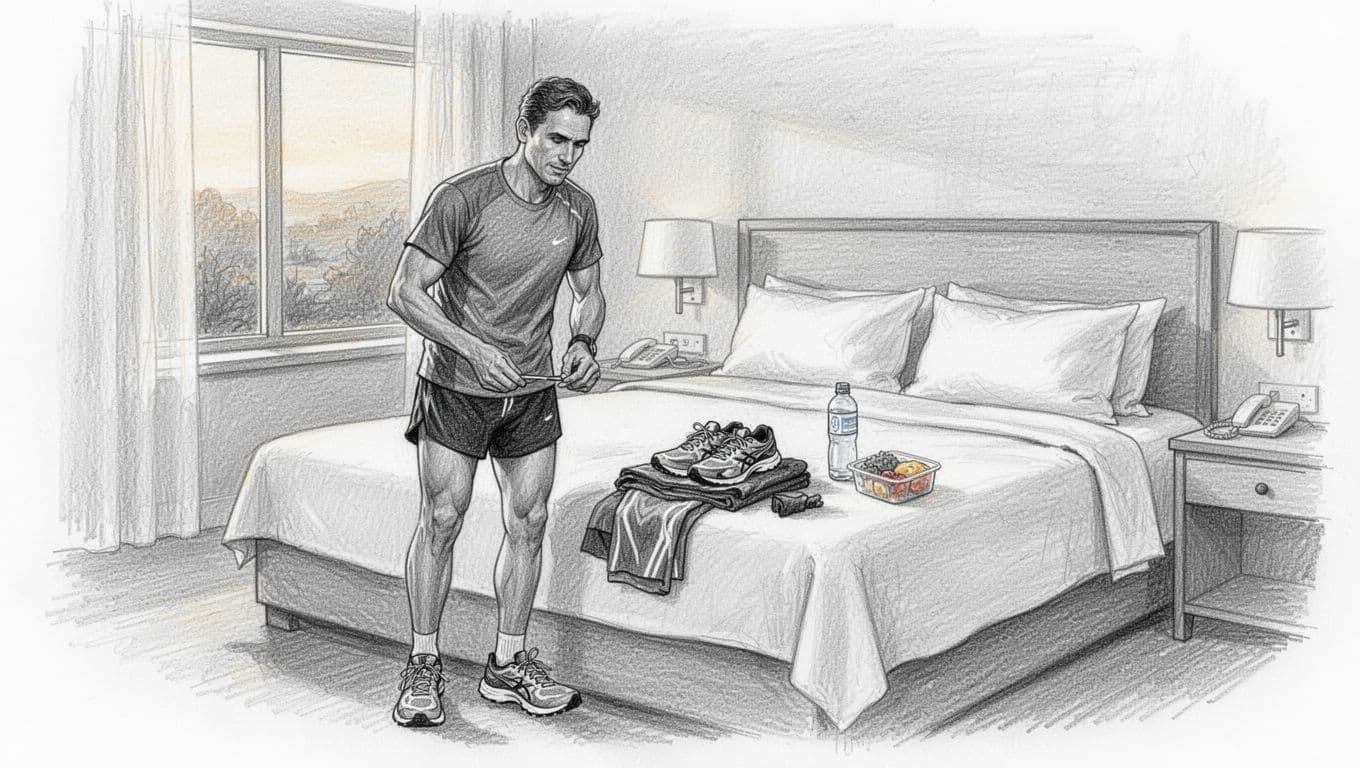
Budget hotels, hostels, and simple rooms
A budget room can work perfectly for a solo runner who needs a clean, quiet place to sleep. If you’ll spend most of the day outside the hotel, paying for a large room or extensive facilities may not improve your race morning.
Before booking, check the bed comfort, private bathroom options, luggage storage, check-in hours, and cancellation terms. Ask whether the room faces a busy street, shared lounge, nightclub, or late-night reception area. One noisy night can cost more than the savings on the booking.
The lowest room rate isn’t always the lowest total cost. Add parking, transportation to Preston Park, breakfast, and luggage fees before comparing hotels. A slightly more expensive room within walking distance, with breakfast included, may leave you better rested and spend less overall.
Midrange hotels with practical race-day comforts
Midrange hotels often provide the features runners need without the price of a full-service property. Look for an early breakfast, a kettle or mini fridge, reliable Wi-Fi, elevators, secure luggage storage, and flexible checkout. A quiet room away from busy streets can matter more than a stylish lobby.
These details remove small problems that grow larger at 5 a.m. You can prepare coffee or a familiar snack, keep drinks cold, store your bag after checkout, and avoid carrying luggage up several flights of stairs. Flexible scheduling also helps if your post-race plans change.
Ask the hotel directly about breakfast times during marathon weekend. Some properties may offer an early option, while others may not change their normal schedule. Request a room away from elevators, bars, and traffic, but treat the request as a preference rather than a guarantee.
Aparthotels and apartments for families or special diets
An aparthotel or apartment gives you more control over food and space. A kitchen lets you prepare a familiar pre-race meal, while a refrigerator stores breakfast items, drinks, and race-day snacks. Separate sleeping areas can also help when children or non-runners follow a different schedule.
However, inspect the practical details before paying. Check for stairs, key collection arrangements, deposits, cleaning fees, and strict checkout rules. Some apartments don’t offer front desks, daily housekeeping, or secure luggage storage, so support may differ from a conventional hotel.
Higher-end hotels when sleep and recovery come first
A premium hotel can make sense when sleep and recovery are your top priorities. Better beds, blackout curtains, quieter rooms, larger bathrooms, room service, pools, and recovery facilities can help you rest before and after the marathon.
Still, a higher price doesn’t guarantee silence or an early breakfast. Ask about street noise, construction, elevator locations, breakfast service, luggage storage, and checkout before booking. Pay for features that support your performance, not luxury that won’t improve your race-day routine.
How to choose a Brighton marathon hotel that supports your race plan
Choosing among hotels near the Brighton Marathon start line involves more than measuring distance to Preston Park. Your room should support the plan you followed in training, protect your final night of sleep, and remove decisions from race morning. Compare each property by asking how it will affect your rest, breakfast, transport, recovery, and total cost.
Prioritize sleep, quiet, and a familiar morning routine
A stylish lobby or sea view won’t help if traffic, music, or event setup keeps you awake. Sleep quality matters more than hotel appearance because poor rest can leave you sluggish, tense, and less prepared for the demands of 26.2 miles.
Request a quiet room away from elevators, stairs, bars, restaurants, and busy common areas. Also ask whether the room faces a main road, late-night venue, loading area, or event space. A hotel near Preston Park may be convenient, but race-weekend activity can create early noise.
Bring familiar sleep aids if you already use them, such as earplugs, an eye mask, or a small white-noise device. Don’t test a new supplement or sleep product before your marathon. Keep bedtime, breakfast, caffeine, and hydration close to your normal training routine, even if the hotel schedule feels different.
A calm final night is often more useful than a shorter walk that comes with noise and disrupted sleep.
Check breakfast, food storage, and late checkout policies
Never assume a hotel offers race-friendly meals. Ask these questions before you book:
- What time does breakfast begin on race morning?
- Can the hotel provide a takeaway breakfast or early food package?
- Is a refrigerator available for yogurt, drinks, or other food?
- Does the room include a kettle?
- Can staff hold your bags after checkout?
- Is late checkout available, and what does it cost?
Pack dependable foods that you’ve already tested during long runs. Oatmeal, toast, bananas, sports drink, or a familiar energy bar may work better than an unfamiliar buffet. If the hotel can’t provide breakfast early enough, prepare your own meal the night before.
Late checkout and bag storage matter after the finish. You may need somewhere to shower, change, and recover before traveling home. Confirm race-day arrangements and transport information through the official Brighton Marathon details, since access and schedules can change.
Review access, stairs, parking, and mobility needs
Check whether the hotel has an elevator, an accessible entrance, and a practical place to store luggage. After a marathon, stairs can turn a simple trip to your room into a painful climb. If you have an injury, disability, or mobility concern, confirm room access directly with the property.
Drivers should ask about parking fees, availability, vehicle height limits, and whether a space is guaranteed. Road closures can make driving near the course slow or impossible, particularly after checkout. Find out whether your car can remain parked for several hours after you leave the room.
For some travelers, rail or park and ride is safer than trying to drive through central Brighton on race day. Check the walking route from the station or parking area, then build extra time into your plan.
Match the room to your race goals and travel group
A solo runner may need one quiet room and simple luggage storage. Couples might prefer a private bathroom and separate beds, while families need extra beds, kitchen access, and space for children without disturbing the runner’s sleep.
Training partners should confirm whether twin beds, shared bathrooms, and gear storage suit everyone. A coach may need a desk or common area for race planning. Book for recovery and simplicity, not only the number of beds or the headline nightly rate.
Before paying, confirm:
- The room type and bed arrangement.
- Bathroom sharing and kitchen facilities.
- Space for shoes, clothing, nutrition, and race gear.
- Breakfast and checkout policies.
- Parking or public transportation costs.
- Quiet-room options and luggage storage.
The best hotel supports your race plan before, during, and after the finish.
Race morning logistics from your hotel to Preston Park
A hotel booking only helps if you turn it into a clear race morning plan. Your route, breakfast, race kit, bag storage, and return journey should all be decided before you arrive in Brighton. Official start times, wave details, baggage rules, road closures, and transport arrangements can change, so check the current Brighton Marathon instructions before race day.
Plan the walk, bus, train, or taxi before race day
When you stay close to Preston Park, walking is often the most predictable option. You control the departure time, avoid traffic, and won’t need to wait for a bus or explain your destination to a driver while tired and nervous. A nearby hotel also lets you walk at an easy pace and arrive without spending energy on a complicated journey.
Public transportation can work well from central Brighton, but don’t assume normal weekend service. Buses may face diversions, crowded stops, or altered routes. Trains may also have event-related restrictions. Local advice has previously included closures affecting Preston Park and London Road stations, so check the current arrangements rather than relying on an old travel plan. The BBC’s Brighton Marathon travel advice can provide useful context, but the event’s own instructions take priority.
Taxis and rideshare services offer convenience, yet road closures can leave vehicles unable to reach the park entrance. Driving gives you control over your car, but parking, restricted roads, and post-race congestion can create more problems than they solve.
Walk your planned route the day before. Note the correct park entrance, crossing points, hills, and any barriers. Save a map offline and keep a backup plan on your phone, such as walking to a different transport stop or using a taxi only for part of the journey.
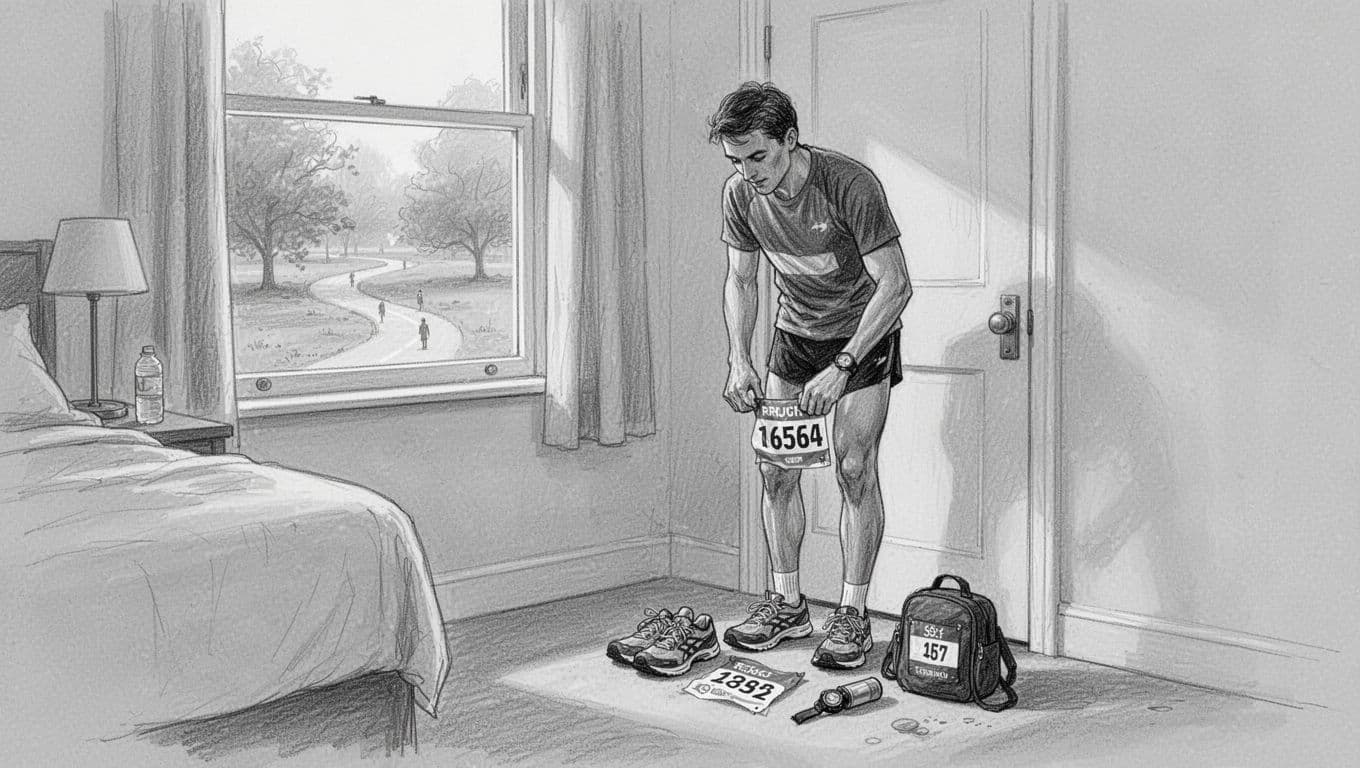
Build a race morning timeline with a safety margin
Work backward from the arrival time stated in your official race instructions. Your schedule should include more space than a normal morning because crowds, toilets, baggage queues, and road closures can slow every small task.
A flexible example might look like this:
- Wake early enough to use the bathroom without rushing.
- Eat the breakfast you tested during training, then drink according to your usual plan.
- Dress in your race kit, apply anti-chafing products, and check your bib.
- Leave the hotel with extra time for the walk or transport journey.
- Reach the event area, drop your bag if required, and find the correct start pen.
- Complete a brief, easy warmup only if it matches your training and the event guidance.
Don’t treat this as an official schedule. Your wave may require a different arrival time, and the event may change access points or baggage procedures. Leave a safety margin of at least several extra minutes, then follow the latest instructions even if they differ from your hotel plan.
Pack the hotel room like a temporary race headquarters
Lay everything out the night before. That simple step turns race morning into a sequence of familiar actions instead of a search through a dark suitcase.
Keep these essentials together:
- Race shoes, bib, pins, watch, and chargers.
- Familiar nutrition, fluids, and breakfast supplies.
- Race clothing, spare layers, and throwaway clothing for the start.
- Anti-chafing products, identification, and any required medication.
- Comfortable post-race clothes, socks, and shoes.
Protect your breakfast plan first. If the hotel cannot serve food early, keep your tested meal in the room and confirm access to a kettle or refrigerator. When traveling, place your bib, shoes, nutrition, medication, and identification in your carry-on luggage. Checked bags can go missing, but your race essentials should stay within reach.
Prepare for the return trip after the finish
Your return journey may feel harder than the trip to Preston Park. Sore legs make stairs, crowded buses, and long walks more demanding, while rain or cold weather can quickly become uncomfortable after you stop running.
Ask the hotel whether it can store your luggage after checkout. Also confirm the cost and availability of a late shower or late checkout. Choose a meeting point away from the busiest finish-area crowds, and share it with anyone supporting you before the race begins.
Keep recovery clothes easy to reach, not buried beneath race gear. Book a simple post-race meal in advance, or identify a nearby option that accepts walk-ins. Once your route, bags, food, and shower plan are settled, you can leave the hotel focused on running rather than solving logistics.
When to book, what to pay, and how to avoid a poor marathon weekend stay
Marathon weekend can change the Brighton hotel market quickly. As demand rises, rooms near Preston Park and central Brighton become scarce, and remaining options may carry stricter policies or higher rates. Book early, but protect yourself by checking the full reservation terms before you pay.
Book early, then protect your options
Reserve as soon as your race plans are firm, especially if you want to walk to the start line. When possible, choose a flexible cancellation policy rather than chasing the lowest nonrefundable rate. Your plans, travel arrangements, or race entry could change, and flexibility gives you room to adjust.
Before confirming, check:
- The cancellation deadline, including the exact time and time zone.
- Whether the hotel charges a deposit or requires full payment upfront.
- The date when the remaining balance is due.
- Name-change rules if another runner may use the booking.
- Minimum-stay requirements around marathon weekend.
- Whether the same room is available for every night you need.
Read the reservation page carefully. A room shown for Saturday may not be available Friday night, and splitting bookings can create an awkward room change during race weekend. Save the confirmation, cancellation terms, and hotel contact details in one place.
Compare total race weekend cost instead of room price alone
The nightly rate is only one part of your budget. Add taxes, breakfast, parking, deposits, taxis, public transportation, and meals before deciding which hotel offers better value.
A nearby hotel with a higher room rate may cost less overall because you can walk to Preston Park, skip parking, eat breakfast onsite, and avoid buying extra food while traveling. On the other hand, a cheaper hotel farther away can work well when a reliable rail or bus route reaches Brighton without a complicated race-day transfer.
Use this simple comparison:
Total stay cost = room and taxes + transport + food + parking + convenience costs.
Convenience costs include paid luggage storage, a late checkout, a second breakfast, or a taxi needed because buses stop running near the course. Check the latest official Brighton Marathon race information before estimating transport, baggage, and access arrangements.
Read recent reviews with a runner’s eye
Sort reviews by newest first, then look for repeated patterns rather than reacting to one dramatic comment. Pay close attention to noise, mattress quality, cleanliness, heating, air conditioning, water pressure, and how quickly staff respond to problems.
Reviews can also reveal whether breakfast starts early enough, whether luggage storage is secure, and whether the advertised location matches the real walking route. A hotel may be close to Preston Park on a map but sit far from the entrance runners need.
Use this final hotel booking checklist
Before you book, confirm:
- The exact address and walking route to Preston Park.
- Current race access and official start arrangements.
- Cancellation terms, payment dates, and deposits.
- Breakfast hours, food storage, and kettle or refrigerator access.
- A quiet-room request away from traffic, elevators, and bars.
- Parking costs, availability, and post-checkout rules.
- Luggage storage, checkout time, and late-checkout options.
- Emergency contact details for the hotel and your travel group.
Save every confirmation, then recheck race instructions, transport, and access details during race week.
Choose Your Distance, Duration and Goal Time
Make three quick selections and open the exact plan built for your race target.
Looking for a Fully Personalized Training Plan?
The training plans above are an excellent choice if they match your goal. However, if you’d rather train with a plan built specifically around your current fitness, goal race, preferred training days, weekly mileage, and target finish time, our RDA Custom Training Plans provide a personalized solution. We also have running courses available for runners seeking to run faster from the mile to the marathon.
Why Choose a Custom Training Plan?
| Standard Training Plan | RDA Custom Training Plan |
|---|---|
| Follows a fixed schedule | Built around your schedule |
| Standard weekly mileage | Peak mileage customized for you |
| Fixed workout days | Train on the days you choose |
| Same structure for everyone | Designed around your current fitness |
| Static plan | Updated as your fitness improves |
| One-time purchase | Ongoing personalized coaching and support |
What You’ll Receive
- A training plan built specifically for your goal
- Personalized training paces
- Long runs, tempo runs, threshold workouts, interval sessions, recovery runs, and easy runs
- Peak weekly mileage matched to your experience level
- Flexible training schedule that fits your life
- Ongoing plan adjustments as your fitness improves
Ready to Train Smarter?
Stop guessing and start following a plan built specifically for you, your schedule, and your racing goals.
Frequently Asked Questions
The right hotel near the Brighton Marathon start line should make race morning predictable, not add another problem to solve. These answers cover the practical details that can affect your sleep, timing, transport, and recovery.
How close should my hotel be to the Brighton Marathon start line?
The ideal distance depends on your walking ability, start requirements, budget, and tolerance for transport risk. A runner who moves comfortably and wants to save money may accept a longer walk, while someone managing soreness or mobility concerns may benefit from staying beside Preston Park.
Check the complete walking route to your required start area, not only the straight-line distance shown on a booking site. A railway line, steep road, park boundary, or restricted entrance can make a nearby hotel take much longer to reach.
Is it better to stay near Preston Park or in central Brighton?
Preston Park usually makes race morning easier because you can walk to the start and avoid relying on buses or taxis. Central Brighton offers more hotels, restaurants, grocery stores, cafes, and transport choices, which may suit families or runners who want more options before and after the race.
Your best choice depends on which location protects your routine. A quiet central hotel with a reliable route may help more than a closer room beside a noisy road or event setup area.
Can I rely on public transportation on marathon morning?
Public transportation may help you reach Preston Park, but event closures, diversions, crowds, and altered schedules can affect normal service. Check the latest event guidance and operator information during race week, rather than relying on a journey planner saved months earlier.
Walk the route in advance and keep a backup option available. The official Brighton Marathon road closure information can help you judge whether a bus, taxi, or partial walk is realistic.
What should I ask a hotel before booking for marathon weekend?
Ask whether the hotel can provide a quiet room, early breakfast, takeaway food, a refrigerator, and luggage storage. You should also confirm checkout time, late checkout fees, parking costs, deposits, and the easiest route to your start area.
Get important answers in writing whenever possible. A message from the hotel can prevent confusion about breakfast availability, bag storage, or whether parking remains available after checkout.
Should I book a hotel for the night after the marathon too?
An extra night can help if you face a long journey home, expect severe soreness, have family plans in Brighton, or want a slower recovery day. It gives you time to shower, eat, walk carefully, and leave when your legs feel ready.
Runners with short journeys and firm budgets may prefer to leave after the race. Make that choice only after confirming luggage arrangements, transport times, and a comfortable way to reach home.
What is the biggest hotel mistake marathon runners make?
The common mistake is choosing based only on price or map distance while ignoring sleep quality, breakfast, transport, and race-day policies. A cheap room can become expensive if it causes poor sleep, requires a last-minute taxi, or leaves you without food before the start.
The best hotel removes decisions from your morning and protects the routine you practiced in training. When you know where you will sleep, eat, walk, store your bag, and recover, you can save your focus for the race.
Conclusion
The best hotels near the Brighton Marathon start line do more than shorten your walk to Preston Park. They give you dependable sleep, familiar food, a realistic route to the start, and a comfortable plan for getting home after 26.2 miles. Preston Park offers the simplest race morning, while central Brighton can provide more choice when restaurants, transport, or family-friendly space matter.
Book early, especially if you want a room within walking distance. Before confirming your stay, check the actual route to Preston Park, breakfast and luggage policies, parking costs, cancellation terms, and the latest official Brighton Marathon information. Race-day access, transport, baggage arrangements, and start details can change, so review them again during race week.
Treat your accommodation as part of race preparation, alongside training, pacing, nutrition, and recovery. Lay out your kit, protect your sleep, and remove as many morning decisions as possible. When the route is clear and your needs are covered, you can leave the hotel calm and ready, saving your energy for the miles that matter.


