

Best Hotels Near Public Transportation for the Houston Marathon
Before sunrise, Houston’s streets fill with nervous runners, race-day traffic, and long lines near the start area. Choosing a hotel close to reliable public transportation can help you reach the Houston Marathon on time without adding unnecessary stress to an already demanding morning.
The closest hotel to the start line isn’t always the best choice. A room near a METRORail station, a dependable race shuttle, or a clear walking route may give you more flexibility, especially when roads close and rideshare demand rises. That matters whether you’re running your first marathon or returning with a specific time goal.
This Houston Marathon hotels review compares hotels near public transportation for the Houston Marathon, including Houston hotel areas, METRORail access, shuttle options, walking routes, nightly costs, and race-week planning details. First, we’ll look at the locations that make race morning easier to manage.
Key Takeaways
- Choose Houston hotels near METRORail stations, race shuttles, or a reliable walking route to reduce race-morning stress.
- Downtown, Midtown, and the Texas Medical Center offer different balances of transportation access, pricing, and distance from the start area.
- Check Houston Marathon road closures, transit schedules, and shuttle details before booking your room.
- Reserve early because race weekend can increase hotel demand and nightly rates.
- Prioritize a quiet room, easy breakfast access, and a dependable return route after finishing the marathon.
Hotels Near Public Transportation for the Houston Marathon: Best Areas to Stay
The best hotel area depends on how you plan to reach the start, where you want to recover afterward, and how much road-closure risk you can tolerate. Downtown and the Theater District offer the easiest access to the race area, while Midtown, the Museum District, and the Texas Medical Center provide useful METRORail connections with different levels of noise and convenience.
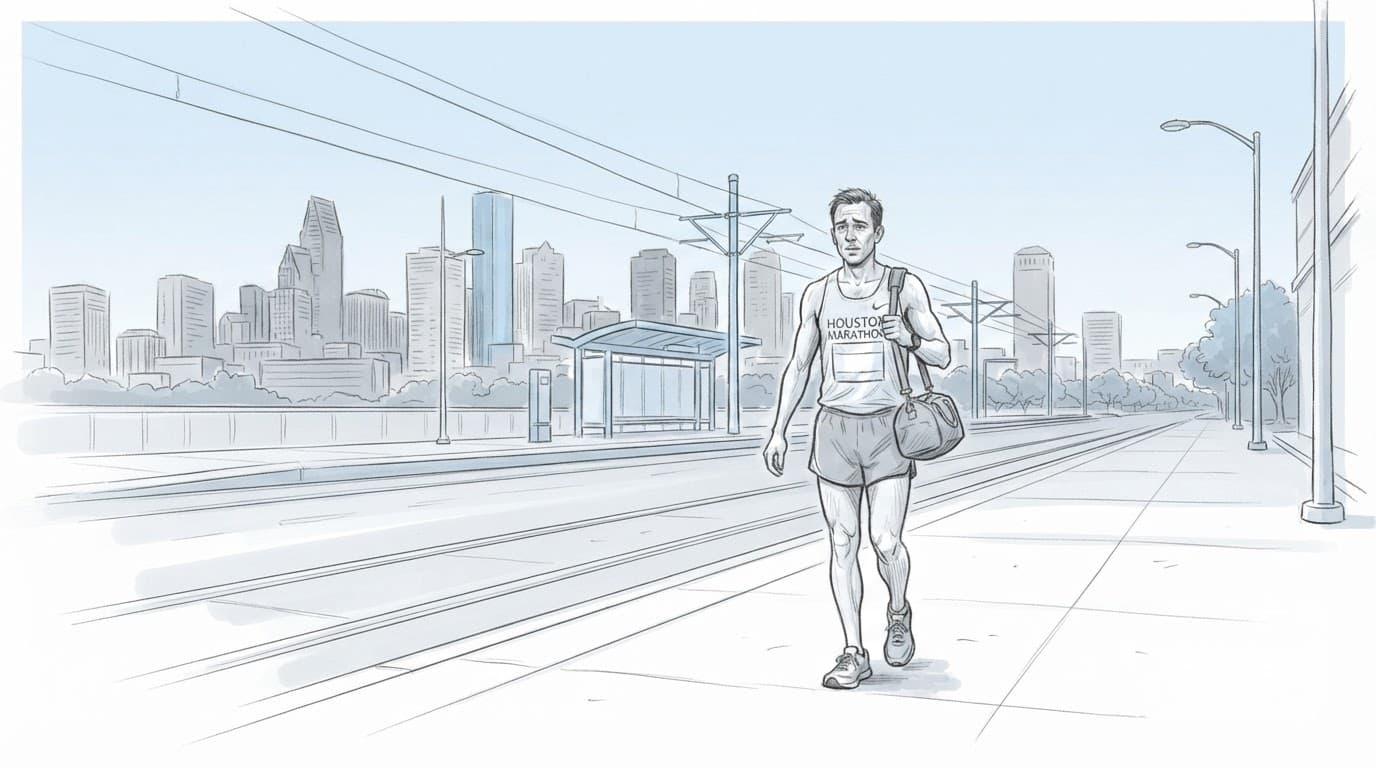 ### Downtown Houston and the Theater District
Downtown is usually the most practical choice for runners who want to walk to the start and finish areas. Many hotels sit within a manageable distance of the race footprint, so you may avoid relying on a car or rideshare before dawn. That matters when streets close and traffic moves slowly.
The Theater District is especially useful for runners who want central lodging near METRORail access. Depending on the race layout for your event year, you may be able to walk to the start, take a short rail trip, or use an official shuttle. Downtown also places you near restaurants, convenience stores, and post-race recovery options.
However, central hotels can be louder and more expensive during marathon weekend. Ask for a room away from elevators, event spaces, and major streets. Before booking, compare your hotel address with the official Houston Marathon course information, since the start, finish, and course access can change.
Midtown
Midtown is a strong middle-ground option. Hotels here can offer more space and a calmer feel than the busiest Downtown blocks, while nearby METRORail stations connect the area with central Houston. The Red Line is particularly important for runners checking rail access between Midtown and Downtown.
Walking to the start may be possible from some Midtown hotels, but the distance can become uncomfortable before a marathon, especially in cold, wet, or windy weather. Check the exact route rather than judging distance from a map alone. A short rail ride or official shuttle may be the better choice.
Midtown also works well after the race because you can leave the central crowds without crossing the entire city. Confirm early-morning train times and race-day service changes before relying on rail.
Museum District and Texas Medical Center
The Museum District and Texas Medical Center are worth considering if you want a quieter recovery environment. Both areas connect to the METRORail Red Line, which can provide access to Downtown without parking near the race zone.
These neighborhoods are farther from the start and finish than Downtown, so they usually make more sense for runners who prioritize a quieter hotel, larger rooms, or easier access to medical and dining facilities. Plan extra time for the trip, and confirm whether trains run on the same schedule during race operations.
Houston Marathon transportation plans can change with road closures, construction, and event logistics. Treat last year’s route or train schedule as a reference, not a guarantee.
Review the race organizer’s parking and shuttle information before booking. Then verify the hotel’s walking directions, station distance, breakfast hours, late checkout policy, and luggage storage. The right location is the one that gives you a dependable race-morning plan and a simple route back to your room.
How Houston Public Transportation Works on Marathon Weekend
Public transportation can be more dependable than driving to the Houston Marathon when downtown streets close before sunrise. However, race-day service may change, trains and buses can fill quickly, and rideshare pickup zones may move. Build your plan around one primary option, then keep a backup route ready.
Using METRORail Before and After the Race
Houston’s METRORail Red Line connects Downtown, Midtown, the Museum District, and the Texas Medical Center. Hotels near stations can give you a practical route toward the race area without searching for parking or sitting in traffic.
Before race morning, check the latest METRO schedule and any event-related service notices. Walk to the station with your bib, layers, nutrition, and phone secured in a small bag. Arrive earlier than you think you need to, since other runners may board at the same time.
After the finish, rail service can feel crowded. Your legs may also make a short walk feel much longer. Move away from the busiest finish-area streets before heading to the station, and confirm that your hotel station remains accessible during road closures.
Rail access reduces parking stress, but it doesn’t remove the need for a time buffer. Plan for the walk to the station, the wait on the platform, and a crowded train.
Local Buses and Hotel Shuttles
METRO buses can reach areas that sit farther from the Red Line. They may help runners staying outside Downtown, although a bus route can become slower when marathon streets close. Review the route the night before and save the directions offline in case mobile service becomes unreliable near the start.
Hotel shuttles require closer attention. Some properties run airport or neighborhood shuttles, but they may not operate before the race or after the finish. Ask the front desk these questions before booking:
- Does the shuttle run on marathon morning?
- What time is the first departure?
- Does the hotel require advance reservations?
- Where will the driver drop you during road closures?
- Will service continue after the race?
A shuttle is useful only when its schedule matches your race plan. Otherwise, a nearby rail station or walking route gives you more control.
Rideshare Pickup and Walking Routes
Rideshare can work well when you stay outside the rail corridor, but drivers may not reach your hotel’s usual entrance. Race closures often push pickups onto nearby cross streets, and demand can increase after the finish.
Use the app’s designated pickup point rather than requesting a car beside the finish area. Walk several blocks to a permitted location, keep your phone charged, and confirm the license plate before entering the vehicle.
Walking remains the simplest option for many Downtown hotels. Map the route in daylight, then follow it once before race morning. Look for sidewalks, pedestrian crossings, restrooms, and a place to buy water or a small breakfast. A route that feels easy during the afternoon may feel very different before dawn in race shoes.
Carry a phone charger, save offline directions, and allow extra time for every connection. Your best transportation plan is the one you can follow while tired, cold, and focused on finishing strong.
The Best Houston Marathon Hotel Options for Different Runner Needs
The best Houston Marathon hotel depends on your race plan, recovery priorities, and transportation needs. A performance-focused runner may value a short walk and early breakfast, while a family may need a suite, parking, and a simple rail connection.
Use the examples below as starting points, not rankings. Hotel rates and race logistics change, so compare the current room details before you book.
Best for Downtown Convenience
Downtown hotels suit runners who want the shortest route to the race area. Properties such as Hyatt Regency Houston, Marriott Marquis Houston, and Club Quarters Hotel Downtown Houston put you near central streets, restaurants, and METRORail access.
A Downtown room can reduce race-morning decisions. You may walk to the start area, reach a nearby station, or return to the hotel without crossing the entire city after the finish. That convenience often comes with higher weekend rates and more street noise, especially near event venues.
Ask for a quiet room away from elevators and large gathering spaces. Also check whether the hotel offers race-week breakfast options before standard dining hours. A full breakfast at 7 a.m. won’t help if you need to leave before sunrise.
Best Rail-Connected Value
Runners watching their budget should compare Midtown, the Museum District, and the Texas Medical Center with Downtown rates. Hotels such as Holiday Inn Express Downtown Houston, Hotel Zaza Houston Museum District, and Blossom Hotel Houston Medical Center can provide access to the METRORail Red Line, depending on the exact property entrance and station route.
These areas may offer better value when Downtown prices rise for marathon weekend. However, the lower room rate only helps if transportation remains practical. Confirm the walking distance to the station, first-train times, weekend service changes, and the expected travel time to the race area.
A slightly cheaper room can lose its value if you need an expensive rideshare before dawn. Calculate the full cost, including transportation, parking, breakfast, and late checkout.
Best for Quiet Recovery
Performance-focused athletes often need sleep more than nightlife. The Texas Medical Center can work well when you want a calmer base, larger rooms, or nearby medical and dining services. InterContinental Houston Medical Center and Houston Marriott Medical Center/Museum District are examples worth comparing.
Choose a room away from busy roads and request a higher floor when available. After a marathon, a quiet room, reliable air conditioning, a comfortable bed, and easy access to fluids can matter more than a stylish lobby.
Review the hotel’s cancellation policy carefully. If an injury affects your race plans, a flexible reservation may protect more money than a small discount on a prepaid rate.
Best for Families
Families should look for room layouts that give runners space to sleep and recover. Embassy Suites by Hilton Houston Downtown and Homewood Suites by Hilton Houston Downtown may appeal to groups that need suites, kitchen facilities, or extra sleeping space.
Before booking, confirm parking fees, breakfast hours, crib availability, and luggage storage. A family-friendly hotel also needs a clear route to the race area, since pushing a stroller or managing tired children can make a short transfer feel much longer.
Best for Premium Comfort
Runners who want maximum comfort can compare Four Seasons Hotel Houston and other high-end Downtown properties. These hotels may offer stronger room service, spa facilities, quieter rooms, and more comfortable post-race recovery.
Premium pricing doesn’t guarantee a better race experience. Compare the actual benefits, including mattress quality, breakfast timing, transit distance, parking fees, and late checkout. The best hotel is the one that supports your race plan after the room key is in your hand.
How to Choose and Book a Marathon Hotel Near Transit
Booking one of the best hotels near public transportation for the Houston Marathon requires more than checking the distance to a rail station. You also need to compare the hotel’s position relative to the start, finish, transit route, and post-race recovery plan. A room that looks convenient online can create problems if the station opens late, the finish is several miles away, or the hotel adds unexpected fees.
Step 1: Decide Which Race-Day Location Matters Most
The start and finish may sit in different parts of the race area, so don’t assume one hotel is equally close to both. A hotel near the start can shorten your pre-race walk, while a hotel near the finish can make recovery easier after several hours on your feet.
Rail access adds another layer. A property near METRORail may be farther from the start but offer a dependable connection through road closures. Before booking, identify these three points on a map:
- The distance from the hotel to the start area.
- The distance from the hotel to the finish area.
- The walking route from the hotel to the nearest station.
Then decide which inconvenience you prefer. Most runners benefit from a short, simple trip to the start, while families and spectators may value an easier return route after the race.
Step 2: Calculate the Full Cost
The nightly room rate only shows part of the bill. Downtown hotels may charge for parking, destination fees, Wi-Fi, breakfast, or late checkout. A cheaper room outside the central area can also become expensive if you need a rideshare before sunrise and another one after the finish.
Write down the expected total before comparing properties. Include:
- Room taxes and mandatory hotel fees.
- Parking or daily transportation costs.
- Breakfast or race-morning food.
- Rideshare costs if transit service changes.
- Luggage storage or late checkout fees.
A hotel with a slightly higher rate may provide better value if you can walk to the start and return by rail. Check the checkout time as well. After a marathon, access to a shower and a few extra hours of rest can justify a late-checkout charge.
Step 3: Book Early, Then Read Every Policy
Marathon weekend can reduce room availability and push rates higher, especially near Downtown, Midtown, and the Texas Medical Center. Book as soon as your race plans are firm, but choose a reservation with terms you understand.
Read the complete cancellation and modification policy before entering payment details. Pay attention to the deadline, deposit rules, no-show charges, and whether the hotel permits date changes. A prepaid rate may cost less, yet it can become expensive if an injury, travel delay, or race cancellation changes your plans.
Save the confirmation email and policy details. Hotel websites sometimes display several rate types on the same page, and the cheapest option may carry the strictest restrictions.
Step 4: Call the Property With Race-Specific Questions
After booking, call the hotel directly. Ask whether the property expects marathon guests and confirm details that standard listings often omit. Find out about early breakfast, bag storage, shuttle hours, quiet-room requests, and the nearest open entrance on race morning.
Also ask whether construction or event closures affect the walking route to transit. Write down the staff member’s answers and check them again a few days before travel. Your final plan should include one primary route, one backup, and enough time for the walk, station wait, and crowded boarding conditions.
Race-Week Logistics That Make a Transit-Based Stay Easier
Choosing hotels near public transportation for the Houston Marathon is only the first step. Your race-week plan should also protect sleep, limit unnecessary walking, and remove small decisions that can drain energy before the starting gun. Map each part of the weekend before you arrive, then keep your schedule simple.
Plan Arrival and the Marathon Expo
If you’re flying, choose a hotel with a clear route from George Bush Intercontinental Airport or William P. Hobby Airport. Airport transportation may be slower during busy periods, so don’t schedule your expo visit or pre-race dinner immediately after landing. Leave room for delays, hotel check-in, and a short period to settle in.
The expo can involve more standing and walking than expected. Visit early in your stay if possible, collect your bib and race materials, then leave rather than treating the convention center like a sightseeing stop. Wear comfortable shoes and avoid adding extra miles to your legs.
Before leaving the expo, confirm:
- Your bib, timing device, and race shirt are in your race bag.
- You understand the start-area entrance and transportation plan.
- You have checked the latest event instructions and weather forecast.
- Your hotel route works if rail service or street access changes.
Keep your bib in a safe place at the hotel. Don’t pack it in checked luggage or leave it in a rental car.
Protect Meals, Sleep, and Race-Morning Fuel
Use race week to repeat what your training has already proven. Choose familiar meals with enough carbohydrates, moderate protein, and limited ingredients that could upset your stomach. Houston offers plenty of restaurants, but race weekend isn’t the time to test a new spicy dish or eat a heavy meal late at night.
Ask the hotel about early breakfast service. If the dining room opens too late, bring food you have practiced eating before long runs. Your room should also have a refrigerator, microwave, or nearby convenience store if your nutrition plan requires one.
Sleep deserves the same planning as transportation. Request a room away from elevators, bars, street-facing traffic, and large event spaces. Pack earplugs and an eye mask, then keep your normal bedtime as closely as travel allows.
The night before the race may not provide your best sleep. Several solid nights earlier in the week can reduce the pressure to sleep perfectly on Saturday.
Prepare for Weather, Gear, and the Trip Home
Houston weather can shift quickly, so check the forecast before packing. Bring layers for the start area, lightweight rain protection, sunscreen, and a change of clothes for after the race. Don’t rely on the hotel gift shop to provide race-day essentials.
Use the hotel as a staging area. Lay out your shoes, bib, fuel, clothing, and transportation card before bed. Ask about luggage storage if you check out before the race, and confirm whether you can shower after finishing. A small recovery bag can hold dry clothes, fluids, snacks, and medication you already use.
Spectators need a plan too. Share the hotel address, race-tracking details, and one meeting point away from the busiest finish-area streets. Afterward, walk to the agreed location before calling for a rideshare or taking METRORail.
Finally, plan the trip home before race morning. Confirm checkout time, luggage storage, airport transportation, and a nearby meal that won’t require a long walk. Once the race ends, your best decision may be the one you arranged two days earlier.
Frequently Asked Questions
Even after choosing a hotel and mapping your transportation route, a few race-week questions may remain. These answers cover practical details that can affect your comfort, timing, and recovery during the Houston Marathon weekend.
How early should I leave my hotel on marathon morning?
Plan to leave with enough time for the walk to the station, platform wait, crowded boarding, and security or start-area procedures. Many runners feel more comfortable arriving near the start area at least 45 to 60 minutes before their wave, but your assigned corral time should guide the final plan.
Set two alarms and lay out your clothing, bib, fuel, and transportation card before bed. A five-minute delay feels much larger when trains are busy and streets are closed.
Can I use a hotel room after the Houston Marathon?
That depends on the hotel’s checkout policy and room availability. Some properties offer paid late checkout, while others may provide a hospitality room or access to a fitness center after you leave your room.
Choose Your Distance, Duration and Goal Time
Make three quick selections and open the exact plan built for your race target.
Looking for a Fully Personalized Training Plan?
The training plans above are an excellent choice if they match your goal. However, if you’d rather train with a plan built specifically around your current fitness, goal race, preferred training days, weekly mileage, and target finish time, our RDA Custom Training Plans provide a personalized solution. We also have running courses available for runners seeking to run faster from the mile to the marathon.
Why Choose a Custom Training Plan?
| Standard Training Plan | RDA Custom Training Plan |
|---|---|
| Follows a fixed schedule | Built around your schedule |
| Standard weekly mileage | Peak mileage customized for you |
| Fixed workout days | Train on the days you choose |
| Same structure for everyone | Designed around your current fitness |
| Static plan | Updated as your fitness improves |
| One-time purchase | Ongoing personalized coaching and support |
What You’ll Receive
- A training plan built specifically for your goal
- Personalized training paces
- Long runs, tempo runs, threshold workouts, interval sessions, recovery runs, and easy runs
- Peak weekly mileage matched to your experience level
- Flexible training schedule that fits your life
- Ongoing plan adjustments as your fitness improves
Ready to Train Smarter?
Stop guessing and start following a plan built specifically for you, your schedule, and your racing goals.
Ask about this option before booking, especially if you’re flying home later in the day. A shower and a quiet place to change can make the hours after a marathon far more comfortable.
Should I stay near the start or near the finish?
Your choice depends on which part of race day creates the most stress for you. Staying near the start can simplify the early morning, while staying near the finish can reduce the distance you travel when your legs are tired.
Most runners should prioritize a short and dependable route to the start. Spectators, families, or runners planning a long post-race stay may prefer easier access to the finish area and nearby restaurants.
What should I do if METRORail is delayed or too crowded?
Keep a backup plan that doesn’t depend on finding a rideshare beside the race zone. You might walk to another station, use a preplanned bus route, or leave earlier enough to wait for the next train.
Save your hotel address, station locations, and walking directions on your phone before race morning. Carry a portable charger because heavy crowds, cold weather, and constant map use can drain your battery quickly.
Can family members use public transportation to watch the race?
Yes, but spectators should study the course and road-closure plan before choosing viewing locations. A rail station may provide access to one part of the course while leaving other areas difficult to reach on foot.
Choose one meeting point outside the busiest finish-area streets. Spectators should also share live-location details and carry the hotel address in case cell service becomes unreliable.
What should I pack for a transit-based marathon hotel stay?
Pack only what you can carry comfortably before and after the race. Your essentials include your race shoes, bib, fuel, layers, a charged phone, portable battery, medications, and dry clothes for afterward.
A small backpack or drawstring bag helps you move through stations without juggling loose items. Check whether the hotel provides a refrigerator, microwave, luggage storage, or laundry access before you pack around those features.
Conclusion
The best hotels near public transportation for the Houston Marathon help you start the morning calm and return to your room without a complicated trip. Downtown and the Theater District offer the shortest access to the race area, while Midtown and other rail-connected neighborhoods can balance transit access with lower rates or quieter surroundings. The Texas Medical Center is a practical choice for runners who value a calmer recovery setting and easy access to nearby services.
The smartest Houston Marathon hotel protects your sleep, simplifies transportation, and supports recovery. Its value comes from the complete race-week experience, not simply the lowest nightly rate or the closest map pin.
Choose your target area first. Then check the latest Houston Marathon road closures, shuttle details, and METRORail information. Compare the full cost of the room, parking, meals, and transportation before booking a flexible reservation. Popular dates can fill quickly, so make the decision while dependable options remain available.


