

Best Hotels Near Porte Dauphine for the Paris Marathon
Porte Dauphine is a practical base for the Paris Marathon because it sits near the western end of central Paris, close to the race finish area and useful Metro connections. Staying nearby can reduce post-race travel, but the right hotel depends on more than location. You’ll also need to weigh your budget, sleep quality, luggage storage, race-day access, and plans for sightseeing.
This guide compares hotel options near Porte Dauphine with nearby neighborhoods, so you can choose between convenience, quieter streets, dining, and easier access to other Paris attractions. You’ll also find transport advice, booking tips, and a race-day checklist to help you plan with fewer surprises.
Because the route and logistics can change, confirm the official Paris Marathon start, finish, road closures, and schedule for your race year before booking. First, let’s look at what makes Porte Dauphine a useful place to stay.
Key Takeaways
- Porte Dauphine offers a convenient base for Paris Marathon runners, especially those prioritizing a shorter post-race journey.
- Compare hotels by sleep quality, breakfast hours, luggage storage, cancellation terms, and walking distance to transit.
- Nearby areas such as Trocadéro, the Champs-Élysées, and La Défense provide different trade-offs in dining, price, and transport.
- Check race-day road closures, Metro changes, start times, and finish details before booking your room.
- Review the Paris Marathon route guide when planning where your supporters can watch.
Why Porte Dauphine Works Well for Paris Marathon Runners
Porte Dauphine sits on Paris’s western side, beside the Bois de Boulogne and close to Avenue Foch, Porte Maillot, and the Arc de Triomphe area. That position makes it useful for runners who want to stay near the likely western finish area without sleeping in the busiest part of central Paris.
The finish and start are separate parts of the race plan. The Paris Marathon has recently used Avenue Foch for the finish and the Champs-Élysées for the start, but organizers can change the route and event layout. Check the official Schneider Electric Marathon de Paris route information for your race year before booking.
How close are the hotels to the Paris Marathon finish?
Hotels near Porte Dauphine may look very close to the finish on a map, especially when the finish is on or near Avenue Foch. However, your actual walking route can be longer on race morning or after the race. Barriers, police checkpoints, closed avenues, and pedestrian diversions can block the most direct streets.
Measure the distance from the hotel entrance, not only from the hotel pin to the finish line. Then check the route on foot and allow extra time for road closures. A hotel that appears to be a 10-minute walk away might require a longer detour when Avenue Foch, nearby intersections, or access points are restricted.
A short map distance does not guarantee a short race-day walk. Road closures can change the route you are allowed to use.
The area can still reduce post-race travel. After running 26.2 miles, reaching a nearby hotel on foot is often easier than crossing Paris by Metro or waiting for a taxi in heavy traffic. For current transport changes and access advice, review RATP’s Paris Marathon information.
 ### What runners can expect from the neighborhood
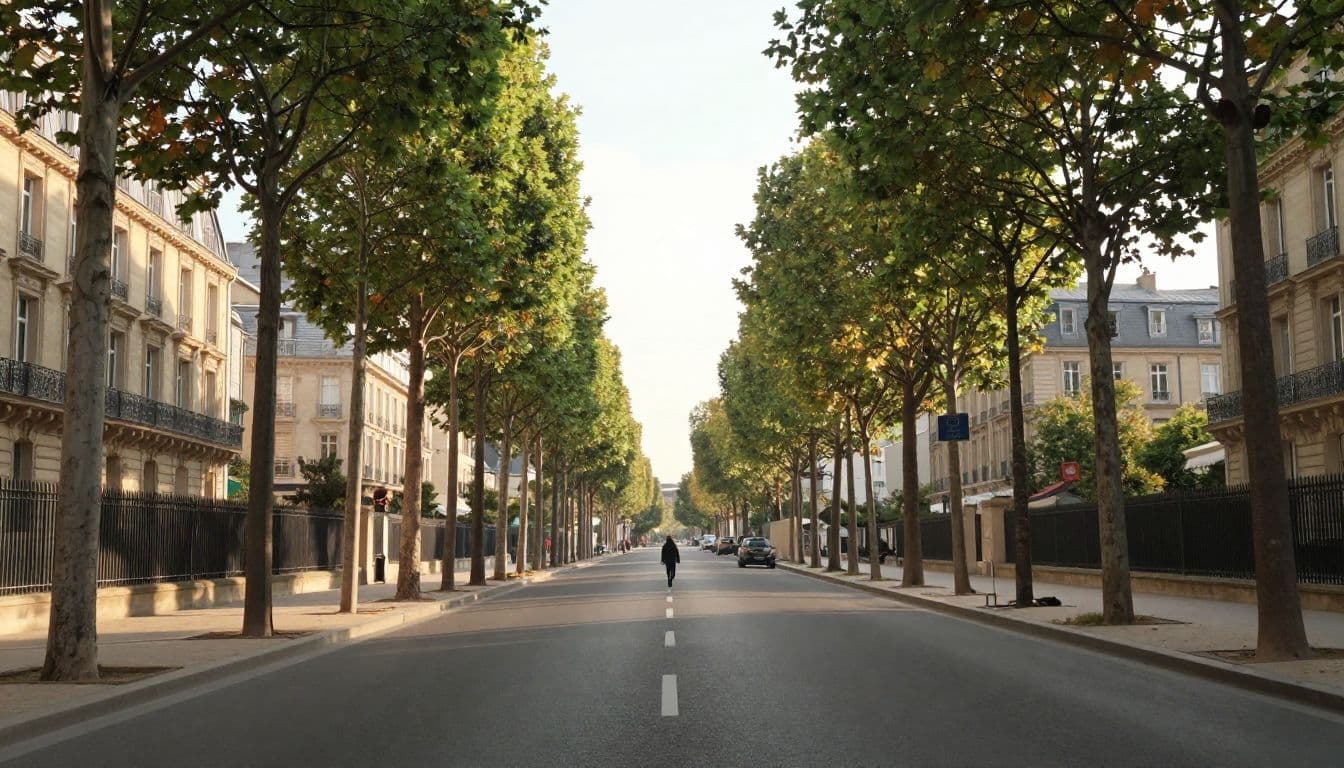
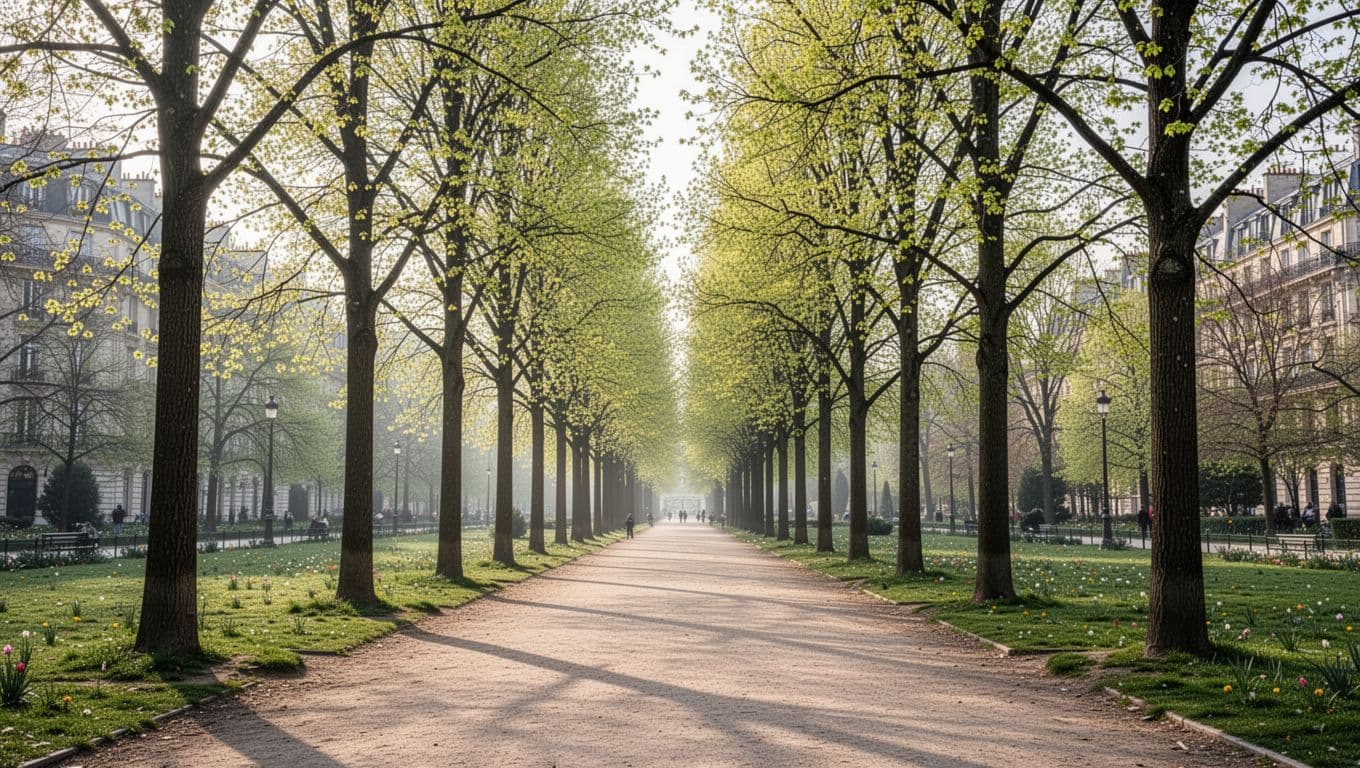
Porte Dauphine feels calmer and more residential than Porte Maillot, the Arc de Triomphe, or the Champs-Élysées. Tree-lined streets, wide avenues, and the nearby Bois de Boulogne create a less hectic setting for sleep and recovery.
You can still find practical basics nearby, including cafés, bakeries, pharmacies, supermarkets, and restaurants. However, quieter streets may have limited late-night dining, so check opening hours before race weekend. A peaceful room, reliable breakfast, and a comfortable bed may help you more than nightlife before an early start.
Porte Dauphine also connects well with central Paris, while keeping you close to the western race area. That balance makes it a strong choice for runners who want convenience without staying directly on a crowded tourist avenue.
Best Hotels Near Porte Dauphine for the Paris Marathon
The best hotels near Porte Dauphine for the Paris Marathon depend on your recovery priorities. A premium property can make race weekend easier, while a smaller hotel may offer better value and a more personal atmosphere. Before booking, confirm the current room facilities, breakfast schedule, luggage storage, elevator access, and cancellation policy directly with the hotel.
Luxury hotels for a comfortable race weekend
Saint James Paris is an upscale château-hotel in the 16th arrondissement, close to Porte Dauphine and the residential streets around Avenue Foch. Its spacious rooms, polished service, on-site dining, and wellness facilities suit runners who want an easy recovery day. Check the Saint James Paris official website for current facilities, room categories, and breakfast details.
Hôtel The Peninsula Paris, near the Arc de Triomphe, offers another high-end option. Rooms are typically generous by Paris standards, while the property provides strong service, in-room dining, and wellness facilities. These comforts matter after 26.2 miles, especially if you plan to spend the next day resting rather than crossing the city.
Luxury comes with a trade-off. Rates are high, and nearby dining often focuses on fine restaurants, hotel dining, or tourist areas rather than inexpensive cafés and takeaway meals. Ask about early breakfast, luggage storage, elevator access, and late checkout before assuming the hotel has a race-specific arrangement.
 ### Mid-range and business hotels near Porte Maillot
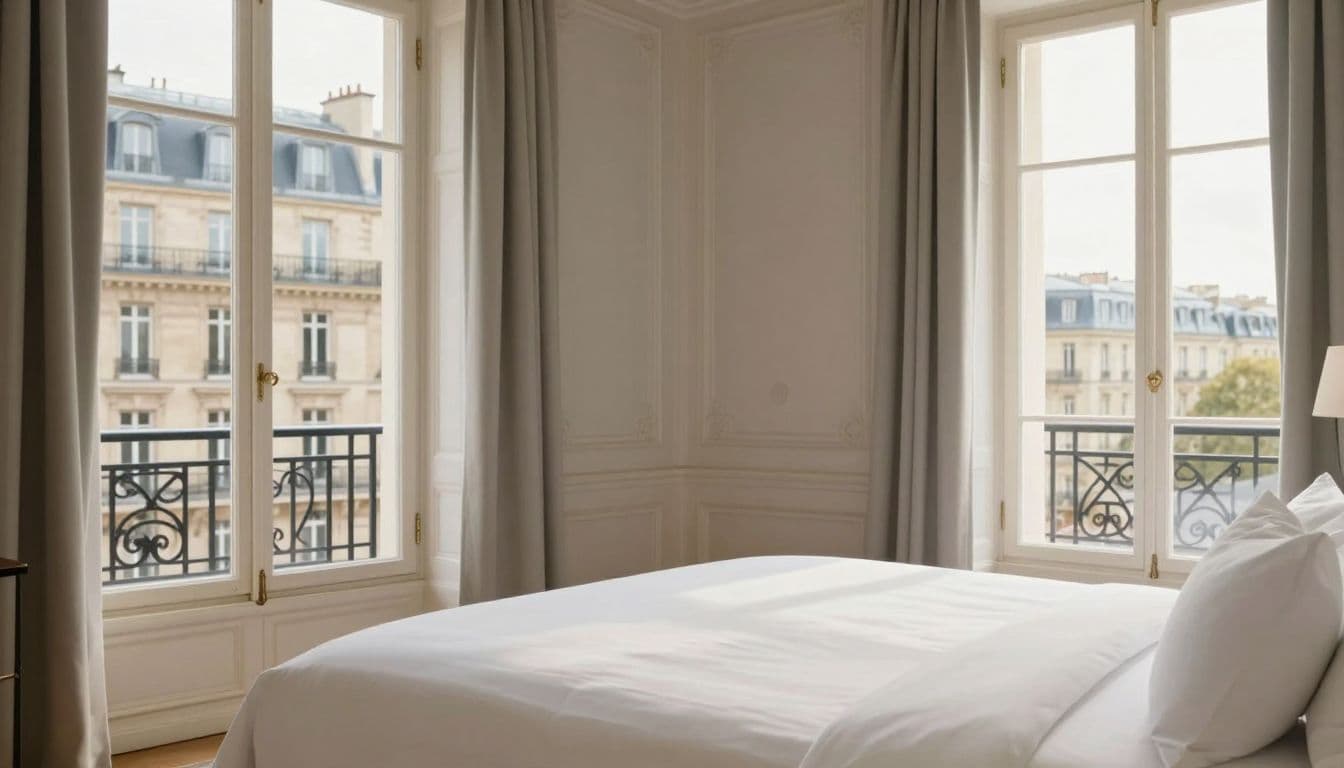
Porte Maillot offers practical transport and a wider range of prices. Hyatt Regency Paris Etoile is a large, full-service hotel near the convention center, with modern rooms, dining, elevators, and broad city views. Le Méridien Paris Arc de Triomphe and AC Hotel Paris Porte Maillot also appeal to runners who want recognizable service standards and straightforward access to Metro or RER connections.
Hôtel Fertel Maillot is a smaller, generally more budget-conscious choice near the same area. Room sizes and facilities can vary, so compare the exact room category before paying. For every hotel, confirm whether breakfast begins early enough for your schedule, whether windows block street noise, and whether the bathroom has a bathtub or walk-in shower.
Flexible cancellation can protect you if the race route, travel plans, or room needs change. Also ask how the hotel handles bags before check-in and after checkout.
Smaller hotels for a quieter, more local stay
Boutique properties around Trocadéro, Victor Hugo, Porte Dauphine, and the 16th arrondissement can feel less corporate. Hôtel Villa Nicolo, Hôtel Foch, Hôtel Duret, and Hôtel Pastel are examples to compare for couples or travelers who prefer neighborhood streets and a more personal setting.
These hotels may have smaller rooms, fewer elevators, shorter breakfast hours, or limited reception coverage. Some also have less space for luggage storage than large chain properties. Recent guest reviews can reveal street noise, stair access, and room-size issues that hotel descriptions leave out.
Before booking, confirm accessibility, elevator availability, luggage storage, breakfast timing, and reception hours in writing. A quieter local hotel can be a comfortable choice, but only when its practical limits match your race-weekend needs.
Porte Dauphine, Porte Maillot, or Trocadéro: Which Area Should You Choose?
The best neighborhood depends on your race-day priority. Porte Dauphine suits runners who value quiet nights and a shorter western-side walk, Porte Maillot offers the strongest transport options, and Trocadéro or Victor Hugo works best for sightseeing. Compare the trade-offs before choosing among hotels near Porte Dauphine for the Paris Marathon.
Stay at Porte Dauphine for quiet mornings and a short post-race walk
Porte Dauphine is a strong choice if sleep and recovery matter more than nightlife. The streets feel calmer than the areas around the Champs-Élysées, and the nearby Bois de Boulogne gives you open space for an easy pre-race walk or gentle recovery stroll. Its position near western Paris can also reduce the distance back to your hotel after the finish, depending on the official race layout.
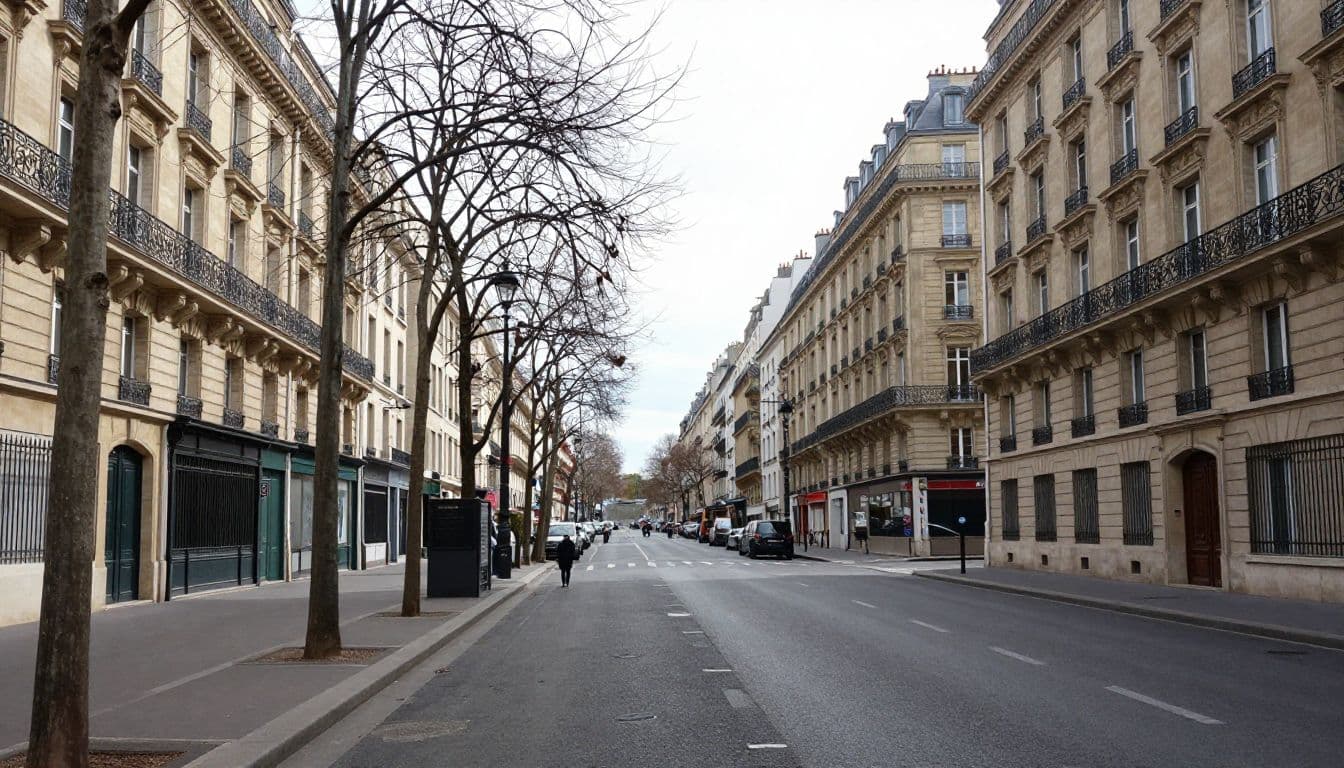 The trade-off is a smaller selection of late-night restaurants and casual dining spots. You may find cafés, bakeries, pharmacies, and neighborhood restaurants, but you should check opening hours before race weekend. Ordering an early dinner or confirming hotel room service can save you a tiring search after the race.
Porte Dauphine also requires careful race-day planning. Nearby streets may close, and the most direct route to the start or finish may not remain open to pedestrians. Check the official event instructions and current Paris transport updates before leaving your hotel.
Choose Porte Maillot for transport and more hotel inventory
Porte Maillot is often the most convenient base for travelers who want several ways to move around Paris. The Palais des Congrès area has access to Metro Line 1, buses, taxis, and RER connections where available. Those links can help with airport transfers, central Paris sightseeing, and travel between your hotel and the race area.
Large hotels and convention properties also give Porte Maillot more room types and price points than the quieter streets near Porte Dauphine. You may find standard rooms, family rooms, suites, accessible options, and flexible rates in the same area. That range makes it easier to match your budget or book multiple rooms for a group.
The area is busier, with heavier traffic and more convention-related activity. Ask for a room away from major roads if you are sensitive to noise. Transport access can also change during race closures. Metro entrances, bus routes, and station connections may have restricted access, so check current notices rather than relying on a normal weekday route.
Pick Trocadéro or Victor Hugo for sightseeing before and after the race
Trocadéro and Victor Hugo appeal to visitors who want classic Paris views alongside race access. You can reach the Eiffel Tower, museums, cafés, and wide viewpoints without making a separate sightseeing trip. Victor Hugo usually feels more residential, while Trocadéro attracts heavier tourist traffic.
Rates often run higher near major attractions, and availability can tighten during busy travel periods. Depending on the hotel, hills and longer walks may add strain after the marathon. Race-day navigation can also become more complicated because closures around central landmarks may block direct routes.
Choose Trocadéro or Victor Hugo if sightseeing ranks first. Pick Porte Maillot for transport, or Porte Dauphine for a calmer recovery base.
Race-Day Logistics From a Porte Dauphine Hotel
A hotel near Porte Dauphine can simplify the return journey, but race morning still needs careful planning. Confirm the current start, finish, bag-drop location, and road restrictions before you travel. Then build a plan that works even if your first route becomes unavailable.
 ### Plan the trip to the start line before race morning
Map the journey at the same early hour you will travel on race day. Check walking directions, Metro options, buses, taxis, and any hotel transfer service, then add a generous buffer for queues and diversions. The Paris Marathon normally draws large crowds, so station entrances, bridges, and roads may have restricted access.
Use the official race instructions and map to confirm your start wave, bag-drop point, security requirements, and current start location. Recent guidance has placed the start on the Champs-Élysées and bag drop near Avenue Foch, but organizers can change these arrangements. Recent Paris Marathon logistics guidance can help you understand the process, but always follow the instructions issued for your event year.
Keep a backup walking route saved on your phone, and carry the official race instructions offline or on paper. Leave time for a light breakfast, bathroom stops, clothing adjustments, hydration, bag drop, and security checks. If you take the Metro, don’t assume every entrance or connection will operate normally.
Make the finish and hotel return as easy as possible
After 26.2 miles, finding a taxi beside a closed avenue is a poor plan. Arrange a meeting place outside the busiest finish zone, such as a clearly named café or hotel lobby on an accessible side street. Avoid choosing a precise spot beside a barrier, bridge, or restricted road.
Share your hotel address in both languages:
- Hotel address: [write the official hotel name and address]
- French: “Je vais à [hotel name], [address].”
- English: “I’m going to [hotel name], [address].”
Carry a charged phone, portable battery, identification, and a small amount of cash. Family members should know that phone service can become unreliable in crowded areas. Confirm whether the hotel can hold luggage before check-in and after checkout, and ask about late checkout before race weekend.
Ask hotels about breakfast, showers, and recovery needs
Marathon weekend policies may differ from normal hotel policies, so request written confirmation. Ask these practical questions before booking:
- Does breakfast open early, or can the hotel provide takeaway food?
- Will hot water, elevators, and air conditioning be available throughout the morning?
- Can you reserve a quiet room away from elevators and major roads?
- Does the hotel offer laundry, late checkout, or post-race luggage storage?
- Is there a sauna, fitness area, or other recovery facility?
Also confirm the bathroom setup, access hours, and any extra fees. A reliable breakfast and shower can matter more than a stylish lobby after the race.
How to Choose and Book a Marathon-Friendly Hotel
Choosing among hotels near Porte Dauphine for the Paris Marathon requires more than checking star ratings or measuring map distance. Compare each property by sleep quality, race-day access, total cost, and how easily you can recover after 26.2 miles. Booking early also gives you more choice, especially when event-weekend demand raises rates and limits flexible rooms.
Use a runner-focused hotel checklist
Before booking, confirm these details on the hotel website or by email:
- A quiet room, comfortable mattress, and blackout curtains can protect your sleep before an early start.
- An elevator and private bathroom matter when stairs and shared facilities become difficult after the race.
- Reliable Wi-Fi helps with race updates, transport changes, and contacting your support team.
- Breakfast should open early enough for your schedule, or the hotel should offer takeaway food.
- Nearby bakeries, supermarkets, cafés, and restaurants give you practical meal options.
- Luggage storage helps if you arrive before check-in or leave after checkout.
- Flexible cancellation protects you if your travel plans or room needs change.
A hotel that looks close may still be inconvenient. A blocked avenue can force a long detour, while a route with stairs may be difficult with tired legs or limited mobility. Check the walking route from the actual hotel entrance, then review race-day closures and pedestrian access. The Paris Marathon hotel guide can help you compare areas near the start and finish.
Balance price, location, and recovery time
Paying slightly more for a shorter return trip can make sense after a full marathon. A nearby room may let you walk back, shower sooner, and avoid crowded trains or taxis delayed by road closures. However, a less expensive hotel can work well when it has strong Metro access, a reliable elevator, and a practical route that remains open.
Compare the full stay cost, not just the nightly rate. Include city tax, breakfast, airport transfers, taxis, luggage fees, and possible late checkout. A cheaper room across the city may cost more once you add transport and extra meals. Room size also matters if you need space for race gear, recovery supplies, or a travel companion.
Book as early as your plans allow, then check the cancellation deadline and any minimum-stay or event-weekend restrictions. Compare the hotel’s official website with reputable booking platforms, since one may offer better cancellation terms or included breakfast.
Book the right room, not just the right hotel
Request a courtyard-facing or higher-floor room if it reduces traffic and nightlife noise. Confirm that the elevator reaches your floor, especially if stairs would create a problem after the race. Avoid rooms beside bars, lifts, busy lobbies, or doors that connect directly to another room.
Hotel descriptions rarely guarantee a particular room location. Request the feature in writing, but don’t assume the hotel can promise it. Ask what happens if the request isn’t available, and choose a cancellation option that gives you time to reconsider. A comfortable room in the right part of the building can matter as much as the hotel’s neighborhood.
Make the Most of Paris Before and After the Marathon
A Paris Marathon weekend should include more than race logistics, but your sightseeing plan needs to protect your energy. Choose short outings before the race, reserve meals in advance, and save demanding museums or shopping for your recovery day.
Easy sightseeing near Porte Dauphine
Porte Dauphine makes it easy to enjoy Paris without crossing the city. You can view the Arc de Triomphe from a comfortable distance, stroll along part of the Champs-Élysées, or take the Metro toward Trocadéro for Eiffel Tower views. Trocadéro Gardens also offer a good place to pause, take photos, and watch the city without committing to a long walking route. The Paris Marathon route guide can help supporters combine sightseeing with race viewing.
Near your hotel, choose a brief walk through the Bois de Boulogne or along the quieter streets around Avenue Foch. Keep the outing flexible, with a café nearby if your legs feel tired. Check museum, attraction, and restaurant opening hours before leaving, since marathon-weekend schedules and crowds can affect your plans.
 Avoid building the day around hours on foot. Comfortable shoes help, but even good footwear won’t make an ambitious sightseeing schedule ideal before a marathon. A short view of the Eiffel Tower can be more useful than arriving at the start tired and rushed.
Where to eat before and after the race
Start your food search as soon as you book your hotel. Look for nearby bakeries, grocery stores, cafés, restaurants, and simple takeaway options on a map, then check their current hours and menus. Porte Dauphine and Porte Maillot have practical choices, but some businesses may close early or fill quickly during marathon weekend.
Reserve an early dinner rather than waiting until race day. Choose foods you already know your body handles well, and avoid treating the night before as a chance to experiment with an unfamiliar menu. Ask whether the hotel offers breakfast, room service, or takeaway food if you need an early meal.
After the race, convenience matters. A grocery store can provide familiar snacks and drinks, while a nearby café or takeaway counter may be easier than a crowded sit-down restaurant. Still, confirm Sunday hours because same-day dining can become difficult when streets close and demand rises.
Build in time for rest and recovery
Keep the weekend simple:
- Pick up your bib, check the race instructions, and take a short sightseeing break.
- Eat an early, familiar dinner, prepare your race gear, and get to bed on schedule.
- On race morning, allow extra time for breakfast, hydration, transportation, security, and bag drop.
- After finishing, return to the hotel, shower, eat, and keep the rest of the day low-pressure.
- Use the following day for a gentle café visit or brief attraction, then follow your own training and health plan.
Wear comfortable footwear, drink fluids according to your normal routine, and don’t add strenuous activities before or after the race. Major museums, extensive shopping, and long city walks can wait until your legs have had time to recover.
Choose Your Distance, Duration and Goal Time
Make three quick selections and open the exact plan built for your race target.
Looking for a Fully Personalized Training Plan?
The training plans above are an excellent choice if they match your goal. However, if you’d rather train with a plan built specifically around your current fitness, goal race, preferred training days, weekly mileage, and target finish time, our RDA Custom Training Plans provide a personalized solution. We also have running courses available for runners seeking to run faster from the mile to the marathon.
Why Choose a Custom Training Plan?
| Standard Training Plan | RDA Custom Training Plan |
|---|---|
| Follows a fixed schedule | Built around your schedule |
| Standard weekly mileage | Peak mileage customized for you |
| Fixed workout days | Train on the days you choose |
| Same structure for everyone | Designed around your current fitness |
| Static plan | Updated as your fitness improves |
| One-time purchase | Ongoing personalized coaching and support |
What You’ll Receive
- A training plan built specifically for your goal
- Personalized training paces
- Long runs, tempo runs, threshold workouts, interval sessions, recovery runs, and easy runs
- Peak weekly mileage matched to your experience level
- Flexible training schedule that fits your life
- Ongoing plan adjustments as your fitness improves
Ready to Train Smarter?
Stop guessing and start following a plan built specifically for you, your schedule, and your racing goals.
Frequently Asked Questions
Choosing among hotels near Porte Dauphine for the Paris Marathon involves more than checking the distance on a map. Race logistics, sleep quality, breakfast, cancellation terms, and your post-race plans can all affect the best choice.
Is Porte Dauphine a good place to stay for the Paris Marathon?
Yes, Porte Dauphine can be a strong choice for runners who want a quieter base in western Paris. Its location may make the journey back after the finish easier, but its value depends on the official route, start and finish locations, and transport conditions for your selected race year.
Check the latest Paris Marathon accommodation information alongside the organizer’s race instructions. A convenient neighborhood can become less practical if road closures block the most direct walking route.
How early should I book a hotel for the Paris Marathon?
Marathon weekend can create high demand, especially around Porte Dauphine, Porte Maillot, the Champs-Élysées, and other areas near the course. When possible, book several months ahead so you have more room choices and better access to flexible rates.
A refundable booking is often the safest first step. Review prices, cancellation deadlines, breakfast policies, and room availability again as the event gets closer, then change your reservation only when the savings justify the new terms.
Is it better to stay near the start or finish of the race?
Staying near the start usually gives you an easier race-morning journey, which can reduce stress before your wave begins. Staying near the finish gives you a shorter trip back when your legs are tired and public transportation may be crowded.
Decide which benefit matters more to you, then verify the official course and transport plan before booking. The start and finish locations, bag-drop arrangements, and road closures can change between race years.
Can I walk from Porte Dauphine to the marathon start?
That depends on the year’s start location, your walking pace, and the roads open to pedestrians on race morning. A route that looks manageable on a standard map may take longer when barriers, security zones, and diversions are in place.
Use the official race map and test the planned route before race day. Measure from your hotel’s entrance, check the route at the expected travel time, and keep a Metro or taxi alternative available.
Do hotels near Porte Dauphine offer early breakfast for runners?
Some hotels may open breakfast early, provide takeaway items, or arrange room service for marathon guests. However, these services vary by property and aren’t guaranteed as part of a standard reservation.
Ask the hotel directly about serving times, advance orders, and available food choices. You should also make a backup plan with familiar snacks, drinks, or items from a nearby grocery store.
What should I check before booking a hotel near the marathon?
Confirm current race access, cancellation terms, breakfast arrangements, noise levels, elevator access, luggage storage, and the total price. Also map the route back from the finish, including possible barriers and transport changes.
Ask the hotel to confirm important details in writing. Written answers can help you compare hotels and prevent surprises about breakfast, late checkout, storage fees, or room access.
Conclusion
Choosing among hotels near Porte Dauphine for the Paris Marathon comes down to how you want the weekend to feel. Porte Dauphine is the best fit for runners who value quieter streets, easier recovery, and a potentially shorter walk after the finish. Porte Maillot offers stronger transport connections and a wider range of hotels, while Trocadéro suits travelers who want sightseeing and landmark views alongside race access.
The closest hotel on a map isn’t always the easiest choice. Barriers, road closures, station changes, and pedestrian diversions can turn a short route into a tiring detour. Before booking, verify the official Paris Marathon route, start and finish areas, road closures, transit details, and each hotel’s breakfast, luggage storage, cancellation, and late-checkout policies for your race year.
Compare refundable rooms early, then choose the stay that supports sleep, race access, and recovery. The best hotel near Porte Dauphine is the one that makes the whole weekend easier, not simply the one closest to a map pin.


