

Best Hotels Near Place de la Concorde for the Paris Marathon
Before sunrise on Paris Marathon day, the city feels unusually still. You’re checking your bib, sipping coffee, and trying to protect your legs and focus before the crowds gather along the course.
Staying near Place de la Concorde can make race weekend calmer and more efficient, with central access to the start area, nearby metro connections, restaurants, and quiet places to recover after the finish.
The right hotel still depends on your assigned start area, budget, recovery needs, travel companions, and whether you plan to explore Paris after the race. A short walk to breakfast or the station can save energy, while an elevator, late checkout, luggage storage, and a comfortable room can matter as much as the nightly rate.
This guide compares hotels near Place de la Concorde for the Paris Marathon, along with nearby neighborhoods, walking and transit options, booking advice, race-morning logistics, and recovery-friendly features that support a strong performance. First, you’ll see which hotel locations make the most sense for your race plan.
Key Takeaways
- Hotels near Place de la Concorde reduce race-morning travel and keep major metro connections within reach.
- Choose your location based on your assigned start area, budget, recovery needs, and sightseeing plans.
- Prioritize an elevator, luggage storage, comfortable beds, nearby breakfast, and flexible checkout when possible.
- Book early because Paris Marathon demand can push rates higher and limit well-located rooms, as Paris marathon hotel guidance explains.
- A short walk often saves more energy than a lower room rate farther from the course.
How Close Is Close Enough for Race Morning?
A hotel near Place de la Concorde doesn’t need to sit beside your starting corral to be a good choice. The better test is whether you can reach the start with a predictable route, minimal transfers, and enough time to handle security, bag drop, and your wave.
A useful guide is:
- A five- to 15-minute walk: Usually the easiest option, especially if you want to avoid public transportation before sunrise.
- A 10- to 20-minute Metro ride: Often a strong choice when the route is direct and the station is close to your hotel.
- A longer transfer: Acceptable when the hotel offers a major price or comfort advantage, but allow extra time for station walks, platform changes, delays, and road closures.
A hotel that looks slightly closer on a map may still create more stress if it requires two Metro changes or a long walk to the correct entrance. On race morning, a reliable route matters more than saving a few hundred yards. Check the official race information before you book, then confirm your start corral, bag-drop location, wave time, security rules, and planned road closures before deciding when to leave.
Bag drop may be away from the start area, so runners carrying a change of clothes need to account for that extra movement. Current logistics guidance also notes the importance of reaching bag drop before heading to the assigned wave area, as outlined in this Paris Marathon race logistics guide.
What You Can Do Near the Hotel Before and After the Race
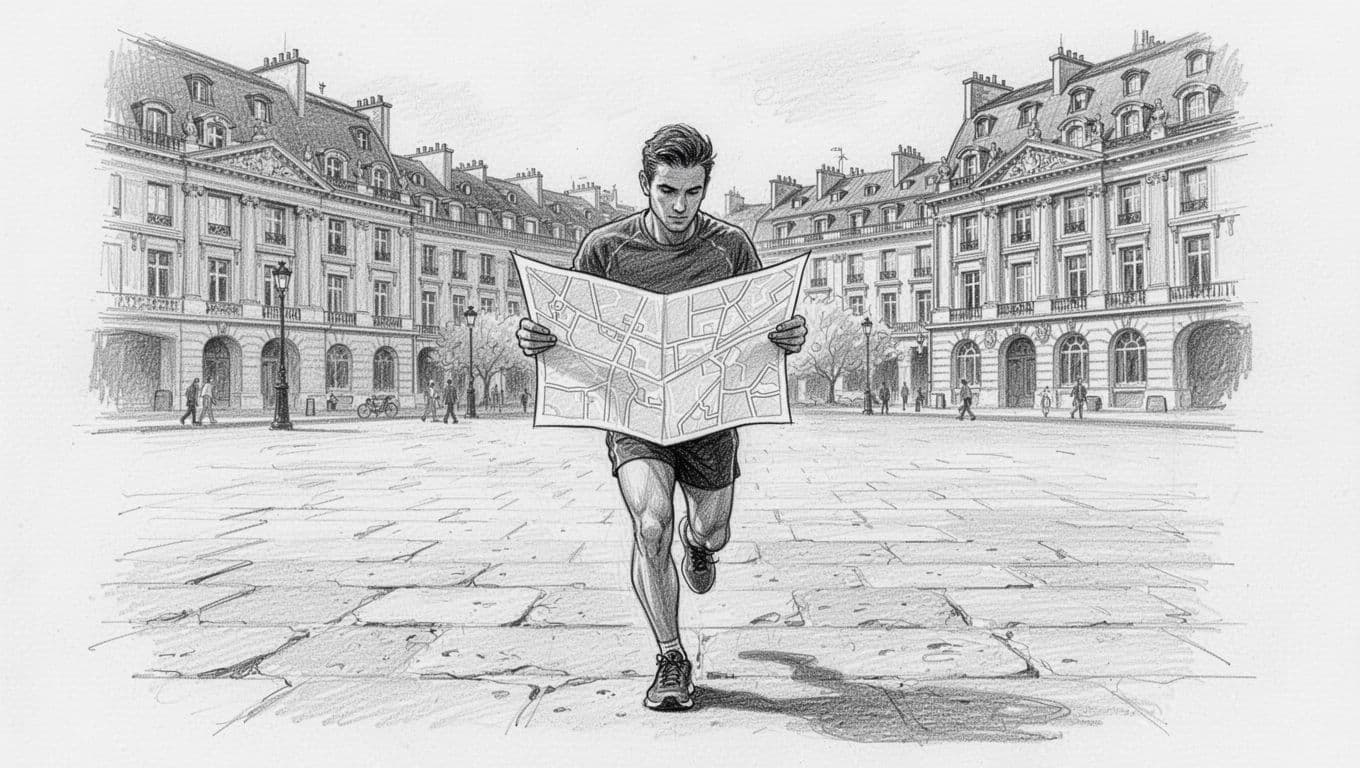
The area around your hotel should support your routine, not tempt you into an exhausting sightseeing day. A short shakeout walk can loosen your legs after travel, while a brief visit to a nearby landmark gives you a feel for Paris without adding much fatigue. Keep pre-race sightseeing short, avoid long museum visits, and return before your feet feel tired.
Check the neighborhood for practical stops before you arrive:
- A pharmacy can cover forgotten toiletries, blister supplies, or basic medications.
- A grocery store makes it easier to buy familiar breakfast foods, water, and race-day snacks.
- Nearby restaurants give you options without requiring a long evening walk or complicated reservation.
- A quiet café, hotel lounge, or peaceful square offers somewhere to sit when your room isn’t ready.
After 26.2 miles, convenience matters even more. Returning quickly to a shower, dry clothes, familiar food, and a comfortable bed can make the afternoon far easier. Choose a hotel with an elevator, luggage storage, and flexible checkout when possible. Those details may seem minor during booking, but they become valuable when every staircase and extra block feels expensive.
Luxury Hotels for Runners Who Want Maximum Comfort
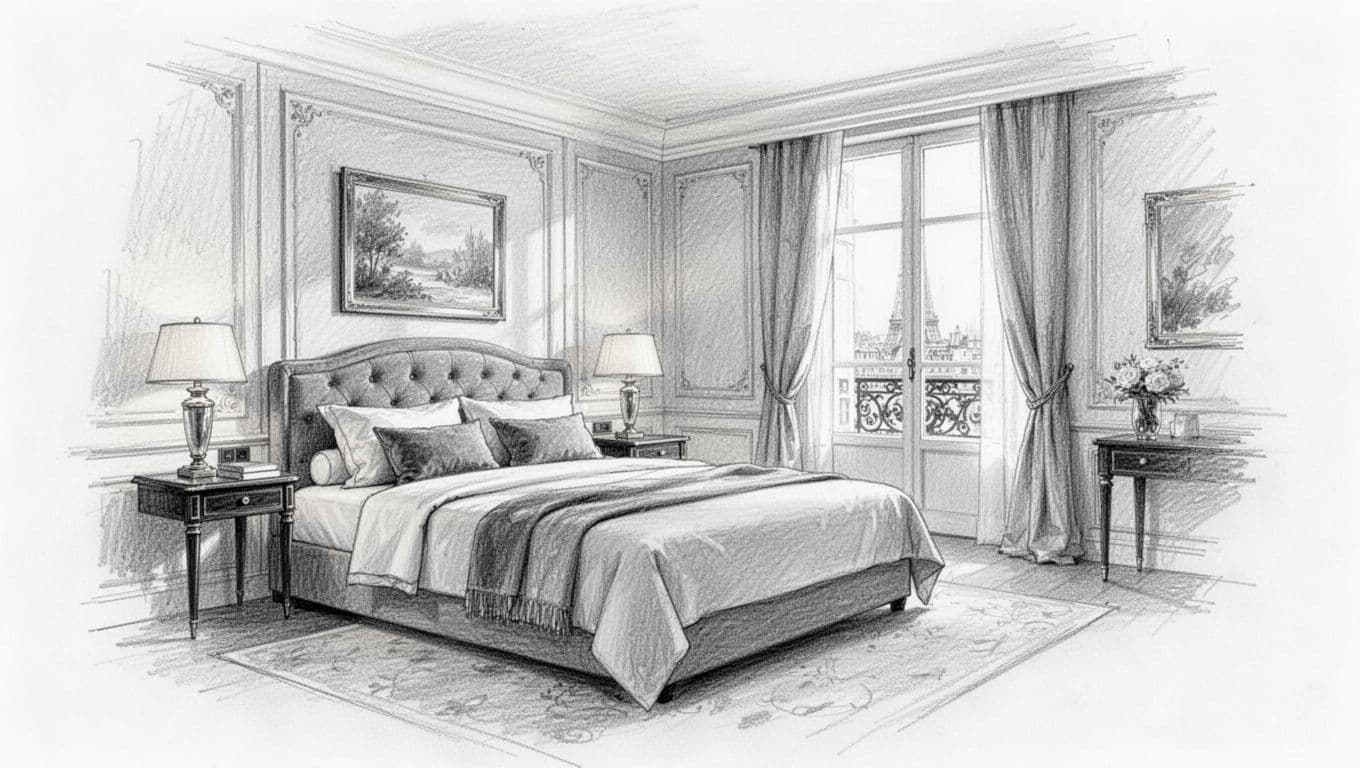
For runners who value sleep, privacy, and easy recovery, full-service hotels near Place de la Concorde can remove much of the friction from marathon weekend. Properties such as Hôtel de Crillon, Mandarin Oriental, Paris, Le Meurice, and The Westin Paris, Vendôme offer central locations with concierge support and higher service levels.
Luxury alone, however, doesn’t guarantee a runner-friendly stay. Ask whether the room is well soundproofed, whether the elevator is close, and whether the hotel can arrange breakfast before your start time or a post-race meal after the finish. Confirm these details directly before booking, since restaurant hours and special requests can change.
Boutique and Midrange Hotels With a More Personal Feel
Smaller hotels around Madeleine, Rue Saint-Honoré, Rue de Rivoli, and Opéra can feel more personal than large five-star properties. Hôtel de Castiglione offers a convenient base near the Champs-Élysées and Madeleine area, while Hôtel Brighton places you close to the Tuileries and Rue de Rivoli. Hôtel Opéra Richepanse suits travelers who want access to Madeleine, and Hôtel Duminy-Vendôme keeps the Louvre, Tuileries, and Place Vendôme within easy reach.
These locations work well when you want a short route to restaurants, Metro stations, and pre-race supplies. You can also walk to several central landmarks without committing to a long sightseeing day. Browse boutique hotels near Place de la Concorde to compare the surrounding options.
The tradeoff is space. Smaller properties may offer compact rooms, fewer recovery facilities, limited breakfast hours, or less seating for resting after the marathon. Some historic buildings also have narrow elevators or layouts that make moving around with luggage less convenient. Recent guest reviews can reveal details that room descriptions leave out, including street noise, bed comfort, elevator reliability, and how staff handle early departures.
How to Find Better Value Without Giving Up Race-Day Convenience
Paris Marathon demand can push nightly prices sharply higher, especially near the 1st and 8th arrondissements. Moving a few Metro stops away may reduce the rate while keeping Place de la Concorde manageable. Saint-Lazare and Opéra offer strong transit access, while Madeleine and Tuileries keep you closer to the central race-day streets.
The 9th arrondissement often provides more choice around Opéra and Saint-Lazare. Parts of the 16th can offer a calmer setting and larger rooms, although the route to the start may require more planning. Compare the full journey, not just the hotel address, including station walks, transfers, Sunday service, and likely road closures.
A refundable room booked early usually protects you better than waiting for a last-minute bargain. Once your race schedule and start area are confirmed, recheck prices and cancel only if the replacement has equal access and better value. Hotels near Place de la Concorde can help you compare locations, but verify policies directly with the property before payment.
Tuileries and the Louvre for the Shortest Central Walks
The Tuileries and Louvre area puts you close to Place de la Concorde, major landmarks, and some of Paris’s most practical walking routes. For runners, that central position can reduce race-morning decisions. You may be able to walk instead of relying on a Metro connection that could face temporary closures.
The area also comes with premium pricing. Hotels near the Tuileries, Rue de Rivoli, and the Louvre often charge more for their location, especially during marathon weekend. The tradeoff is a shorter route, easier access to landmarks, and less dependence on transfers.
Madeleine and Saint-Honoré for Food, Shops, and Easy Access
Madeleine and Rue Saint-Honoré offer a useful mix of restaurants, bakeries, pharmacies, grocery stops, and transit options. You can pick up coffee, breakfast items, blister care, or forgotten toiletries without crossing the city. Several streets also lead toward the Tuileries and Place de la Concorde, creating calm walking options before the crowds build.
The convenience comes with street activity. Restaurant deliveries, early commuters, taxis, and evening diners can create noise well beyond the main avenues. When possible, request a quiet room facing an inner courtyard, and ask the hotel whether the windows provide reliable sound insulation.
Before booking, confirm the hotel’s nearest station and check whether race-day closures could affect it. A station that looks ideal on a map may have restricted entrances or limited service during the event. Your backup route should include a walk toward the square, not only a Metro plan.
Saint-Lazare and Opéra for Transport and More Hotel Options
Saint-Lazare and Opéra usually give travelers a wider range of hotel prices, room sizes, and property types. The area also offers useful Metro and rail connections, which can help if your start instructions require travel beyond Place de la Concorde.
However, the streets are busier, the crowds are larger, and the walk to the square is longer. On race morning, select a direct, simple route and avoid any hotel that requires several transfers. Every platform change adds uncertainty when stations, entrances, or roads operate differently.
The neighborhood can work well for runners who want more choice without moving far from central Paris. Still, compare the entire route, including the walk from the hotel, station access, and possible barriers. A modestly cheaper room may lose its value if you spend race morning solving a complicated journey.
The 16th Arrondissement for a Quieter Post-Race Stay
The 16th arrondissement offers a more residential setting, which can suit runners traveling with family or planning a slower recovery day. Larger rooms, calmer streets, and access toward the western side of the marathon route may make the area appealing after the finish.
You will need more planning for the start, however. Race-day barriers can change the most direct route, and restaurants or grocery stores may be less convenient in some pockets. Check walking access, station openings, breakfast hours, and your return route before committing.
A quieter neighborhood can improve recovery, but no area should be assumed easy to reach during marathon closures.
For a post-race stay, comfort may outweigh a few extra minutes of travel. For race morning, verify current restrictions and leave enough time for detours.
Check Breakfast Hours, Kitchens, and Early-Morning Food Options
Race-day breakfast can shape your entire morning. Many Paris hotel dining rooms open too late for a marathon start, so confirm your food plan before choosing among hotels near Place de la Concorde for the Paris Marathon. A short walk to the start does not help if you leave hungry or rush through a meal you cannot digest.
Prioritize Quiet Rooms, Good Beds, and Reliable Climate Control
Sleep is part of your race preparation, especially when your alarm rings before sunrise. Street noise, late-night activity, elevators, neighboring rooms, and nearby construction can interrupt the rest your legs need. Hotels near busy streets may also have traffic, restaurant deliveries, or nightlife continuing after midnight.
Request a high-floor or courtyard-facing room, although the hotel cannot guarantee either request. Ask about soundproof windows, the location of elevators, and current construction before arrival. Recent guest reviews often reveal sleep-related complaints that hotel descriptions omit, including hard mattresses, thin walls, poor blackout curtains, or unreliable heating and air conditioning.
A comfortable mattress, cool room, and effective blackout curtains can make a basic room more useful than a stylish space with constant noise. If you tend to sleep warm or cold, confirm that guests can control the room temperature rather than relying on a central system.
Look for Runner-Friendly Services and Recovery Space
Small services become valuable after 26.2 miles. Confirm whether the hotel has working elevators, accessible stairs, luggage storage, and showers after checkout. A spacious shower or bathtub can help you clean up without feeling cramped, while extra towels make post-race recovery easier.
Ask about laundry service, in-room dining, and access to a quiet lounge where you can sit if your room is unavailable. A fitness room is a bonus, but it should never replace sleep, easy movement, nutrition, and hydration. After the race, your body needs comfort and fuel more than another demanding workout.
Breakfast deserves equal attention. Normal hotel breakfast hours may start too late for your wave, so ask whether the kitchen can prepare an early breakfast bag or arrange room service. A mini-fridge, kettle, and safe food-storage space can help you keep familiar items such as oatmeal, fruit, sports drink, or tested energy foods. Nearby grocery stores add another backup. Avoid experimenting with unfamiliar Parisian food on race morning, even if it looks appealing.
Read the Fine Print Before Paying a Marathon Weekend Rate
A low room rate may become expensive after taxes and add-ons. Compare refundable and nonrefundable bookings, minimum-night rules, city taxes, deposits, breakfast charges, and any resort-style fee. Also check the cancellation deadline, since missing it can turn a flexible plan into a costly one.
Before paying, confirm these details in writing:
- Your reservation dates and total occupancy are correct.
- The bed type matches your needs, including twin beds for shared rooms.
- Accessibility requirements and elevator access are recorded.
- Breakfast, early food, and late checkout policies are clear.
Late checkout may depend on availability, so ask about the exact cost and the latest possible departure time. Written confirmation gives you something concrete to reference if marathon-weekend policies change.
Plan the Route the Day Before, Then Walk or Test It
Race morning should feel familiar, even in an unfamiliar city. After choosing among hotels near Place de la Concorde for the Paris Marathon, check the official course and start-area instructions, then build a route that still works if a station entrance closes or barriers redirect foot traffic.
Find the nearest station expected to remain open, identify a backup station, and save both walking routes on your phone. If practical, take a short walk from the hotel the day before. Notice crossings, turns, public restrooms, road barriers, and places where crowds may narrow the sidewalk. Taxis can face the same closures and traffic restrictions as everyone else, so don’t make one your only race-morning plan.
Build a Simple Pre-Race Timeline
Work backward from your required arrival time rather than choosing a universal wake-up time. Your schedule should match the routine you’ve already tested in training and tune-up races.
Allow time for:
- Waking up and drinking fluids without rushing.
- Eating your familiar breakfast at a comfortable pace.
- Using the bathroom, dressing, and applying any anti-chafing products.
- Checking your bib, shoes, watch, phone, and nutrition.
- Completing a short warm-up only if it fits your normal routine.
- Reaching security or bag drop with a generous buffer.
Write the plan in your phone’s notes or on paper beside your bed. Include the time you leave the room, the route you will walk, and the latest point at which you will abandon the primary route for your backup. A few extra minutes can protect your focus when a crossing fills with runners.
Prepare for Bag Drop, Weather, and Changing Conditions
Pack the race bag before bedtime so you aren’t searching through luggage in the dark. Protect your bib from rain with a clear sleeve or plastic covering, while keeping all required details visible. Follow the event’s exact bag-drop rules, including the approved bag type, labeling instructions, collection process, and restricted-item policy. Leave anything prohibited in the hotel room.
A disposable warm layer, such as an old sweatshirt or inexpensive rain shell, can help during a cold wait before the start. Check the forecast the evening before and again after waking, but don’t rebuild your entire strategy around every small change. Bring clothing and nutrition you’ve already used successfully.
A room with a clear desk, chair, luggage bench, or open floor makes gear organization easier. Lay out your bib, shoes, clothing, and fuel in one place. That simple setup reduces decisions when your alarm rings.
Make a Post-Race Plan Before Your Legs Get Tired
Agree on a meeting point away from the finish area before race day. Crowds can make the immediate finish zone difficult to cross, so choose a recognizable café, square, or hotel entrance several blocks away. Set a backup meeting place in case the first location becomes inaccessible.
Charge your phone overnight and share the plan with companions. Carry water, a familiar snack, and dry clothing if your bag allows. Confirm whether the hotel can store luggage, provide a late checkout, or offer a post-race shower. Also ask how companions can reach the hotel if the fastest route changes because of closures.
Your return route should include walking and transit options. Once the race ends, tired legs make uncertainty feel larger, so decide the next steps while you still have energy.
Compare the Total Cost, Not Just the Nightly Room Rate
The cheapest nightly rate can become the most expensive choice once you add taxes, breakfast, transportation, and post-race inconvenience. When comparing hotels near Place de la Concorde for the Paris Marathon, calculate the full cost of the stay and the value of a simple race-morning route.
A slightly more expensive hotel may cost less overall if it includes breakfast, sits within walking distance of the start area, and offers flexible luggage storage. You may save on Metro fares, taxis, extra meals, and the energy required to manage a complicated route before sunrise. After the marathon, that short walk can feel worth far more than the original price difference.
Check these charges and conditions before you compare bookings:
- Local taxes and service charges added at checkout.
- Breakfast fees, especially when the dining room opens too late for your wave.
- Late-checkout charges or the cost of using a day room after the race.
- Luggage storage fees and the hotel’s policy after checkout.
- Parking costs if you’re driving into Paris.
- Room upgrades for a quieter room, better bed setup, or additional space.
- Cancellation penalties and the risk attached to nonrefundable rates.
A room priced $40 less per night may lose its advantage after a paid breakfast, a taxi around road closures, and a late-checkout charge. Protect your sleep and recovery first. Saving a small amount rarely makes sense if it leaves you rushing, underfed, or facing a long journey on tired legs.
When to Book for Marathon Weekend
Book as soon as your race plans are firm, particularly when you can find a refundable reservation with clear cancellation terms. Demand can narrow the selection around Place de la Concorde, Madeleine, the Tuileries, and nearby Metro connections. Early booking gives you more control over room location, bed type, breakfast options, and quiet-room requests.
Before committing, confirm the official Paris Marathon date, your expected travel dates, and the hotel’s actual availability. Marathon schedules and hotel policies can change, so read the cancellation deadline, deposit rules, minimum-stay requirements, and nonrefundable conditions carefully.
A flexible booking also gives you a responsible way to monitor rates. Save the reservation details, check comparable rooms periodically, and rebook only when the new option offers equal or better terms. Cancel the original room after the replacement is confirmed, and never rely on a speculative nonrefundable booking before your race and travel plans are secure.
Rate changes matter, but the best deal is the one that protects your morning. Compare the total price, route, sleep conditions, and included services together before you decide.
Choose Your Distance, Duration and Goal Time
Make three quick selections and open the exact plan built for your race target.
Looking for a Fully Personalized Training Plan?
The training plans above are an excellent choice if they match your goal. However, if you’d rather train with a plan built specifically around your current fitness, goal race, preferred training days, weekly mileage, and target finish time, our RDA Custom Training Plans provide a personalized solution. We also have running courses available for runners seeking to run faster from the mile to the marathon.
Why Choose a Custom Training Plan?
| Standard Training Plan | RDA Custom Training Plan |
|---|---|
| Follows a fixed schedule | Built around your schedule |
| Standard weekly mileage | Peak mileage customized for you |
| Fixed workout days | Train on the days you choose |
| Same structure for everyone | Designed around your current fitness |
| Static plan | Updated as your fitness improves |
| One-time purchase | Ongoing personalized coaching and support |
What You’ll Receive
- A training plan built specifically for your goal
- Personalized training paces
- Long runs, tempo runs, threshold workouts, interval sessions, recovery runs, and easy runs
- Peak weekly mileage matched to your experience level
- Flexible training schedule that fits your life
- Ongoing plan adjustments as your fitness improves
Ready to Train Smarter?
Stop guessing and start following a plan built specifically for you, your schedule, and your racing goals.
Frequently Asked Questions
Choosing among hotels near Place de la Concorde for the Paris Marathon involves more than checking the distance on a map. These answers cover the race-day details that can affect your sleep, breakfast, transportation, and recovery.
Is Place de la Concorde close to the Paris Marathon start?
That depends on the year’s official course and start arrangements. Place de la Concorde may be central to your hotel search, but it doesn’t automatically place you near your assigned start area.
Before booking, compare the hotel with the published start zone, corrals, security entrances, and bag-drop location. Check the walking route as well as Metro options, since road closures and restricted station entrances can change the most convenient journey.
What is the best area to stay for a first Paris Marathon?
A central neighborhood with a simple route to the start is usually the safest choice for a first-time Paris Marathon runner. Look for quiet rooms, nearby food options, flexible transportation, an elevator, and a manageable walk after the race.
Investigate hotels around the Tuileries, Madeleine, Saint-Honoré, and nearby parts of the 1st and 8th arrondissements. These areas can offer excellent access, but they aren’t automatic recommendations. Compare each property’s noise level, breakfast policy, room quality, and route to your assigned corral.
Can I get breakfast early at hotels near Place de la Concorde?
Some hotels open breakfast early for marathon runners, while others offer takeaway bags, room service, or a small selection of items. Policies differ by property, and a standard breakfast time may still be too late for your start.
Ask for the exact serving time and menu before booking. Bring familiar race-day foods as a backup, such as tested oatmeal, fruit, sports drink, or energy products. A nearby grocery store can also protect your plan if the hotel cannot provide food before departure.
Should I stay near the finish instead of Place de la Concorde?
Staying near the finish can shorten your return journey when your legs are tired. Staying near Place de la Concorde or the official start area can make the early commute simpler and reduce race-morning stress.
Base the decision on the published course, your assigned start, and your main priority. A finish-area hotel makes sense if post-race recovery matters most, but only choose it when you can reach the start without stressful transfers or uncertain connections.
Are hotels near Place de la Concorde expensive during marathon weekend?
Central Paris demand can raise prices, especially for popular properties, refundable rooms, and hotels within walking distance of major landmarks. Rates may also increase as race weekend approaches and availability shrinks.
Compare nearby areas such as Opéra, Saint-Lazare, and parts of the 16th arrondissement. Book early when possible, review the full cost with taxes and breakfast, and consider a refundable option while your travel plans remain flexible.
What should I ask a hotel before booking for race weekend?
Send the hotel a short list of practical questions before paying:
- Can you provide a quiet, courtyard-facing room?
- What time does breakfast start, and are takeaway bags available?
- Is the elevator open and easy to reach?
- Can you store luggage before check-in or after checkout?
- Are post-checkout showers available?
- What are the cancellation terms and final deadline?
- Will street closures affect hotel access or taxis?
- Is late checkout available, and what does it cost?
Written answers help you compare properties and prevent unpleasant surprises on race weekend.
Conclusion
The best hotel near Place de la Concorde for the Paris Marathon is not always the most luxurious property or the closest address on a map. The right choice protects your sleep, supports your normal fueling routine, limits travel stress, and makes the return after 26.2 miles easier. A short, reliable route can matter more than a larger room or impressive amenities.
Before booking, confirm the room type, bed comfort, noise level, breakfast hours, early food options, elevator access, luggage storage, late checkout, cancellation terms, and total cost. Compare the full race-day route, including walking time, Metro connections, station access, bag drop, and your backup plan.
Race details can change, so verify the latest Paris Marathon route, start instructions, transport updates, road closures, and hotel policies before you travel. Then organize your bib, shoes, nutrition, clothing, and breakfast the night before. When your hotel removes unnecessary decisions, you can reach the start calm, prepared, and ready to run the race you’ve trained for.


