

Hotels Near the New York City Marathon Finish Line
The silence of race morning in Central Park is deceptive because it masks the massive energy that builds toward the finish line on West Drive. After you push your body through 26.2 miles of New York City streets, those final blocks to the finish near Tavern on the Green often feel like the longest stretch of your life.
Securing the right hotel is your most practical strategy for recovery and peace of mind. The finish line is not at a single subway stop or hotel entrance, so understanding the geography of the park is essential.
You will find that proximity to this area reduces the stress of navigating post-race crowds and transit delays. This guide helps you compare the closest options, Upper West Side and Midtown stays, and budget-friendly choices while highlighting the runner-focused amenities that matter most.
The Best Areas for Hotels Near the New York City Marathon Finish Line
The race finish occupies the area around Tavern on the Green, near West 67th Street inside Central Park. Choosing a hotel here dictates how much you will walk when your legs are at their limit. While the park is vast, finding a location that minimizes your post-race journey is the most effective way to recover.
Upper West Side stays for the shortest walk back to your room
The Upper West Side is arguably the most convenient neighborhood for runners. You stay within walking distance of the finish line, allowing you to avoid the post-race subway crush entirely. This area offers a neighborhood feel with plenty of local spots to grab a quick post-race meal or stock up on supplies at local markets.
You will find a range of properties like the Beacon Hotel, Hotel Lucerne, Arthouse Hotel New York City, and the Wallace Hotel. These often feature larger rooms than their Midtown counterparts, providing you more space to stretch out and store gear. You also have easy access to pharmacies and grocery stores, which are helpful for last-minute needs.
Keep in mind that availability fluctuates wildly during marathon weekend. Book your stay early to ensure you secure a room. While some properties sit just blocks from the park, they might lack the full-service luxuries or high-end spas found in Midtown. This trade-off is usually worthwhile if your priority is limiting your walk after 26.2 miles.
Columbus Circle and Midtown hotels for finish-line access and city convenience
Columbus Circle acts as a perfect middle ground for those who want proximity to the park without sacrificing big-city amenities. You are close to the finish line, though the specific path back to your room depends on police barriers and crowd flow on race day.
Properties such as the Mandarin Oriental New York, 1 Hotel Central Park, Park Lane New York, Hilton Club The Quin New York, and the Westhouse Hotel New York place you in the heart of the action.
These hotels offer premium services including dedicated luggage storage and high-speed elevators, which are essential when you are exhausted. The subway connections here are excellent, linking you to the rest of the city if you need to travel elsewhere. Always check the official New York Road Runners map to understand how street closures might shift your walking route on race day.
Midtown and Upper East Side options when the closest rooms sell out
When the immediate vicinity of the finish line is fully booked, you can still find excellent options that require only a short commute. Midtown properties near Fifth Avenue, Carnegie Hall, and Rockefeller Center offer reliable, high-end accommodations. Likewise, the Upper East Side puts you near the park perimeter with a slightly quieter atmosphere.
Consider iconic locations like The Plaza, The Warwick New York, The Sherry-Netherland, The Lowell, or Loews Regency New York. While these require a slightly longer trek back from the park, they often provide a more peaceful environment for recovery. A short taxi or subway ride is often a small price to pay for the extra space or silence found in these neighborhoods. Evaluate if the trade-off in distance provides enough value regarding price or room comfort before you finalize your reservation.
Hotels Closest to the Finish Line, Compared by Runner-Friendly Features
Finding the right place to stay after you cross the finish line is just as important as your training plan. You need a room that supports recovery, reduces walking, and provides quiet comfort when you are physically spent. While location is the primary driver for booking, the specific amenities of a property determine how quickly you can transition from race-day exhaustion to rest.
Luxury hotels near Central Park for comfort after 26.2 miles
Luxury properties shine when you need a high-touch recovery experience. After covering 26.2 miles, the convenience of a concierge who can handle your gear or secure a late checkout is worth the cost. Hotels like the Mandarin Oriental, The Plaza, Park Lane New York, and The Lowell provide spacious rooms, plush bedding, and deep soaking tubs to ease muscle soreness.
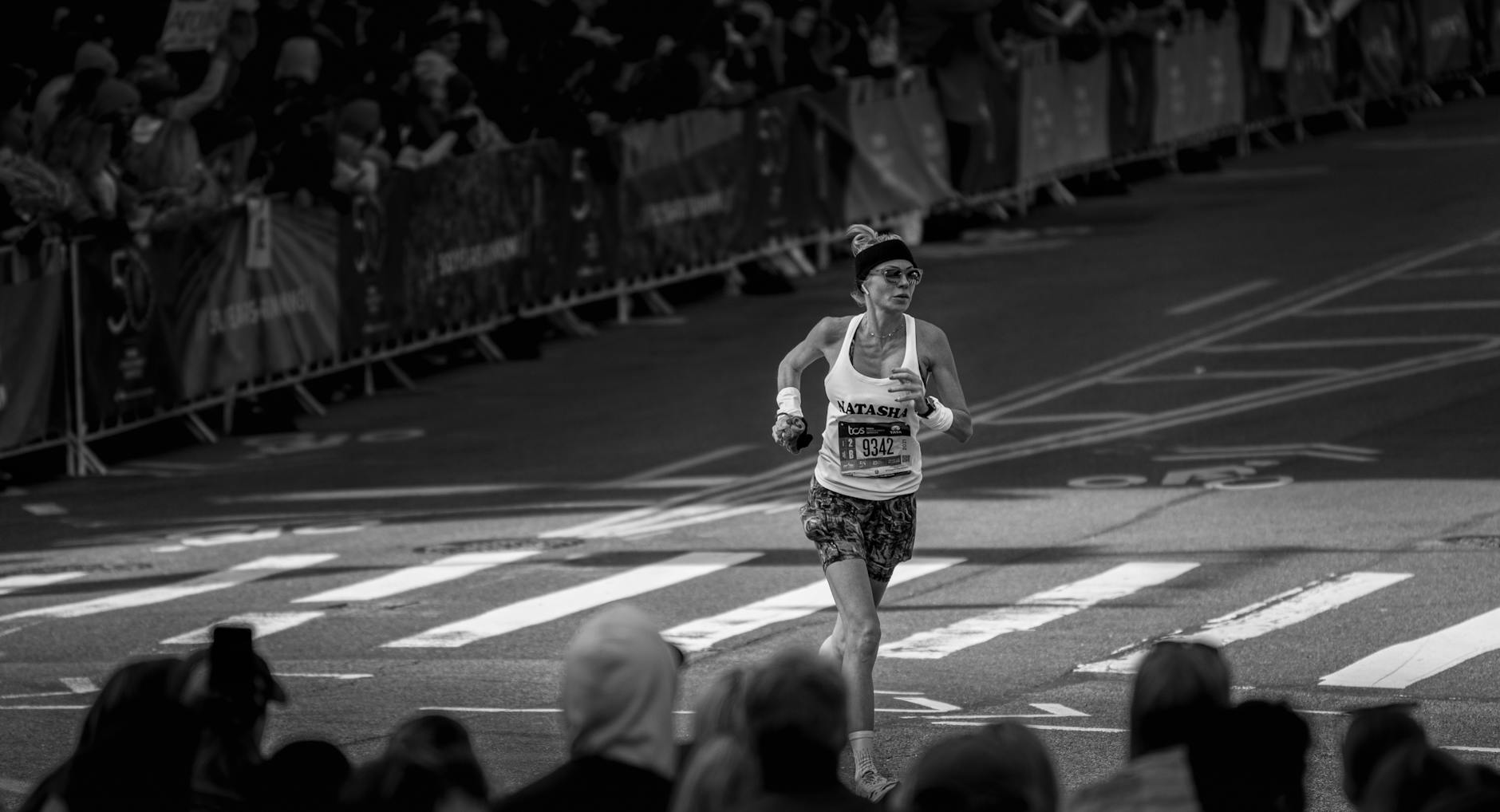
Photo by Derek French
These hotels often provide specialized services for marathon runners, such as pre-race meals or partnerships for post-race recovery supplies. You should request a quiet room on a higher floor to avoid street noise from the bustling city. Luxury rates skyrocket during marathon weekend, so carefully review cancellation policies and confirm exactly which amenities are included in your specific booking tier before finalizing your stay.
Midrange and boutique hotels that balance location with value
If you prefer a neighborhood feel over grand lobbies, consider properties like the Beacon Hotel, Hotel Lucerne, Arthouse Hotel New York City, and the Wallace Hotel. These Upper West Side locations are excellent for runners because they offer apartment-style rooms with kitchenettes. Being able to heat up a post-race meal or have a refrigerator for hydration supplies can prove more useful than formal room service.
These smaller boutique hotels offer a quieter atmosphere but may come with trade-offs. You might encounter slower elevator service, smaller fitness centers, or limited on-site dining compared to massive luxury towers. Always check the hotel website for specific accessibility features if you anticipate difficulty navigating stairs or long corridors immediately after your run. These properties provide a perfect balance of comfort and practical living without the premium price of Midtown grand hotels.
What to check before calling a hotel marathon-friendly
A hotel does not need to market a specific race package to be a perfect home base for runners. Focus your research on the features that actually help you recover. Use this checklist when you evaluate your options:
- Bathtub availability: A deep tub is essential for soaking sore muscles. Always verify this directly with the front desk.
- Climate control: Ensure your room has independent heating and cooling to keep your space at the ideal recovery temperature.
- Blackout curtains: Your body needs high-quality sleep immediately, so confirmed light control is non-negotiable.
- Convenient amenities: Look for a mini-fridge for nutrition needs, a microwave, and a reliable coffee maker.
- Logistics: Confirm the hotel’s policy on luggage storage and potential for late checkout.
- Support services: Locate the nearest pharmacies and grocery stores on a map to ensure you have quick access to ice, gels, and hydration.
Keep in mind that security zones around Central Park are fluid. Even if a hotel appears close on a map, police barricades may force you to walk several extra blocks. If you are managing an injury or traveling with spectators who have limited mobility, call the property to ask about the most accessible street-level entry points. Clear communication with the staff ensures your post-race experience remains calm and controlled.
How to Choose a New York City Marathon Hotel for Race Morning and Recovery
Your choice of hotel affects your entire race weekend. A room close to the finish line helps when your legs feel like lead, yet the surrounding streets are often packed with people and police barricades.
You need to balance the convenience of a short post-race walk against the potential noise of a bustling city neighborhood. Before you book, save the hotel address in your phone and identify two separate walking routes. Street closures shift throughout the day, so having a backup plan keeps you from wandering through the crowds while exhausted.
The ideal distance depends on your race-day priorities
Staying directly beside Central Park offers immediate relief the moment you cross the finish line. You can reach your room, shower, and rest within minutes. However, these blocks get crowded quickly.
A hotel a few blocks away might provide a quieter environment and easier access for a car or taxi. Look for a nearby subway stop, especially if your friends or family members need to navigate the city without being stuck behind road closures.
Consider the physical toll of your surroundings as well. If your hotel requires navigating several flights of stairs or a long, winding lobby walk, that adds stress to your recovery. Check if the building provides elevator access directly to your floor. Weather also plays a role in your comfort. On a cold or rainy day, minimizing your time spent walking on city pavement is a high priority.
The room features that matter most after a marathon
Your hotel room becomes a sanctuary the moment you step inside. You want a space that supports active recovery rather than just providing a place to sleep. Prioritize a room with a reliable refrigerator for your electrolyte drinks and post-race snacks. Having your own food on hand keeps you from dragging yourself back out into the crowds when all you want to do is sit down.
Look for these essential recovery features:
- A private bathroom with a deep tub for soaking your muscles.
- Blackout shades to help your body rest regardless of the time.
- Enough open floor space to stretch your calves and hamstrings.
- Responsive climate control to keep the room cool while you rest.
You might find that a high-end hotel gym is unnecessary. After 26.2 miles, gentle movement and sleep usually offer better results than a treadmill workout. Prioritize a quiet floor away from the elevators or street noise to ensure you get the rest you need.
How families and spectators should plan their hotel location
Spectators often have a harder race day than the runners. They deal with crowded sidewalks, limited street crossings, and the difficulty of tracking a runner through a massive field. If you are traveling with a group, prioritize a location with easy subway access and multiple exit routes. Being closest to the finish line is not always the best choice for supporters who want to cheer at multiple spots along the course.
Establish a clear meeting point outside the most restricted finish zones well before the race begins. The New York City Marathon crowds are dense, so mobile service can be spotty. Carry portable phone chargers and agree on a specific hotel lobby or landmark where you will reunite.
Families should seek out neighborhoods with diverse restaurant options, as they will spend a significant amount of time waiting and moving between transit hubs. By choosing a location that serves both the runner and the spectator, you turn a stressful day into a managed experience for everyone.
Race-Day Logistics From Your Hotel to the Finish Area
Navigating your way back to a hotel after the New York City Marathon requires as much preparation as the race itself. The finish area near Tavern on the Green sits within the heart of Central Park, where security measures and crowd control dictate how you exit the park.
Police barricades often block standard paths, forcing runners and spectators into specific patterns. You should treat the entire park as a restricted zone on race day. Always prioritize official updates from the New York Road Runners over standard GPS mapping apps, as those tools often fail to account for temporary street closures and secure entry points.
Walking routes to West Drive and the finish line
The finish line approach is tightly managed to ensure runner safety. You will exit the finish chute and move through the post-race village to collect your gear and medal before reaching public areas. If your hotel is only a few blocks away, you might feel tempted to take a shortcut, but physical barriers will likely stand in your way. Check the park entrance map provided in your runner guide to identify the nearest exit points for your specific hotel neighborhood.
If you have time, perform a test walk on the Friday or Saturday before the race to understand the terrain. Keep in mind that race-day conditions look different; what is an open path on Saturday will transform into a fenced-off corridor on Sunday. Expect massive crowds, detours, and longer travel times than you anticipate. Even a five-minute walk on a normal day can easily stretch into twenty minutes when you account for barricades and heavy foot traffic.
Using the subway, taxis, and rideshare during marathon weekend
Transit patterns in New York City shift dramatically when thousands of runners flood the streets. Subways remain the most reliable way to travel because trains run underneath the chaos on the surface. Station entrances and exits near Central Park frequently close or become one-way to manage the density of people. Always check the MTA website for service advisories before leaving your room.
Taxis and rideshare vehicles face significant hurdles near the finish line. Police routinely close avenues around the park, meaning your driver likely cannot reach your hotel door. If you choose to ride, ask your hotel staff to recommend a legal, accessible drop-off point that avoids the main road blocks. Never assume a car will reach the park perimeter, and be prepared to walk several blocks to meet your ride.
Where runners and supporters should meet after the finish
The finish village is a high-traffic area, and mobile phone service often struggles under the strain of thousands of devices. You should designate a meeting point well away from the immediate finish chute to avoid congestion. Choose a specific landmark or hotel lobby that provides a quiet environment for your reunion.
Since you might finish with a dead phone battery or poor signal, agree on a backup plan before you start the race. Keep your reunion plan simple by sticking to a pre-decided location and time window. Carry a small amount of cash, your race identification, and a portable charger in your gear bag. By planning for potential delays, you ensure that your post-race experience focuses on recovery rather than the stress of searching for family members in a dense crowd.
Booking Strategies and Typical Costs for Marathon Weekend Hotels
Marathon weekend turns the city into a focal point for thousands of athletes, which makes hotel inventory disappear at an alarming rate. When you search for hotels near the New York City Marathon finish line, you will notice that prices swell and availability tightens almost as soon as race entry confirmations arrive. Planning your stay requires a balance between budget and convenience, as the sheer demand during this weekend often leads to minimum night stays and strict deposit policies.
When to book a room near the marathon finish line
The smartest move is to secure a refundable reservation the moment you confirm your race entry. Most major chains allow you to book months in advance without a penalty, provided you cancel before the specified deadline. This creates a safety net while you coordinate your actual travel dates. If you can stay from Thursday through Tuesday, you gain more flexibility to navigate the post-race city congestion, though you should verify if your hotel enforces minimum stay rules during this high-demand period.
Avoid the temptation to wait for last-minute deals. Prices rarely drop as the race approaches, and your best options near the park will likely sell out long before race week begins. If your travel plans finalize later, keep checking back for cancellations, but prioritize locking in a baseline room early to avoid the stress of searching for a vacancy when the city is full.
How to compare the real cost of each hotel
Focusing only on the nightly rate leads to an incomplete picture of your travel expenses. When you evaluate options, calculate the total cost for your entire stay, as hidden fees can significantly inflate your final bill. Look closely for destination fees, taxes, and high parking costs if you are driving.
Consider the “hidden” value of proximity as well. A hotel within walking distance might carry a higher nightly price, yet it saves you the energy and potential taxi or subway costs associated with commuting from farther away. Conversely, a cheaper property outside the core may require more transit time or expensive rideshare surcharges during peak post-race traffic.
Balance these factors against your total trip budget, which should also include daily meals and any extra nights needed for travel. Always compare the direct price on the hotel website with aggregator sites, as direct bookings sometimes offer better cancellation terms or loyalty perks.
Useful questions to ask before confirming a reservation
Before you hit confirm, send a quick email to the property to clear up potential points of confusion. Having these answers in writing provides peace of mind when you arrive at a crowded hotel. Ask about their policies on late checkout, as having your room for a few extra hours after the race is invaluable for recovery.
Ask these questions to ensure your stay supports your race-day needs:
- What are the breakfast hours on race morning, and do you offer early grab-and-go options?
- Can you confirm if my room will be available for a late checkout on race day?
- Do you provide secure luggage storage for my bags after I check out but before my late-day departure?
- Are there any expected construction projects or elevator repairs during the weekend that might disrupt my sleep?
- Can you provide specific information on the best entrance for guests if local streets are closed to vehicle traffic?
- What are the firm cancellation terms, and is a deposit required at the time of booking?
Keep in mind that hotels might not have the final word on city access rules until official marathon plans are released. Remain patient, but continue to advocate for your needs by confirming any special requests in writing.
Common Mistakes When Booking a Hotel by the NYC Marathon Finish Line
Choosing where to stay for the marathon weekend often focuses on the map. You see a hotel a few streets away from the finish line and assume it is the perfect spot. However, the reality of race day in New York City is far more complex than a two-dimensional map suggests. Security zones, barricades, and massive crowds create barriers that turn a short walk into an exhausting journey. Avoiding these common traps ensures you arrive at your room ready to recover rather than more drained than when you finished.
Why the closest hotel is not always the easiest hotel
You might find a property that sits just a few blocks from the finish line on West Drive, yet reaching it requires navigating a labyrinth. Police enforce strict perimeters that shift throughout the day, often forcing runners into one-way pedestrian routes that wrap around entire city blocks. These barriers exist to manage the flow of thousands of people, but they complicate your post-race movement significantly.
A hotel that looks close on your screen often requires you to walk through a restricted entrance, past security checkpoints, and through crowded streets before you even find a lobby door. You need to value a clear, accessible route above raw distance. Prioritize hotels that have verified, direct access points during the race period.
A quiet room with a reliable elevator is worth more than saving two blocks of walking if those blocks involve fighting through throngs of spectators. Access to food, a place to elevate your legs, and a calm environment for sleep should guide your choice. Convenience is about the transition into recovery, not just how close you stand to the finish banner.
Planning for weather, fatigue, and unexpected delays
Your ability to make sound decisions drops significantly after 26.2 miles. Fatigue makes the simple act of navigating a hotel hallway or checking into a room feel overwhelming. Rain, wind, or extreme temperatures can turn a short walk into a miserable ordeal if your body temperature drops quickly. Always pack extra layers, including warm socks and a dry change of clothes, to keep in your gear bag for immediately after the race.
Unexpected delays are common, so you should keep a portable charger and extra hydration supplies within reach. If you are staying at a property with limited food options, bring snacks to keep in your room so you don’t have to venture out when your legs are stiff.
If you are traveling with family, verify if your chosen hotel is truly the best base for them. If your supporters plan to cheer from the Upper East Side or Brooklyn, being stuck behind race-day road closures near the finish line might make it harder for them to meet you.
Use this checklist before you finalize your reservation:
- Did you verify the shortest walking route from the exit of the finish village?
- Does the hotel offer an early check-in or late checkout policy for marathon participants?
- Is there an accessible pharmacy or grocery store within two blocks?
- Have you confirmed the hotel has a working elevator to your specific floor?
- Did you choose a room away from high-traffic areas like ice machines or stairwells?
- Does your room have a refrigerator for your post-race nutrition?
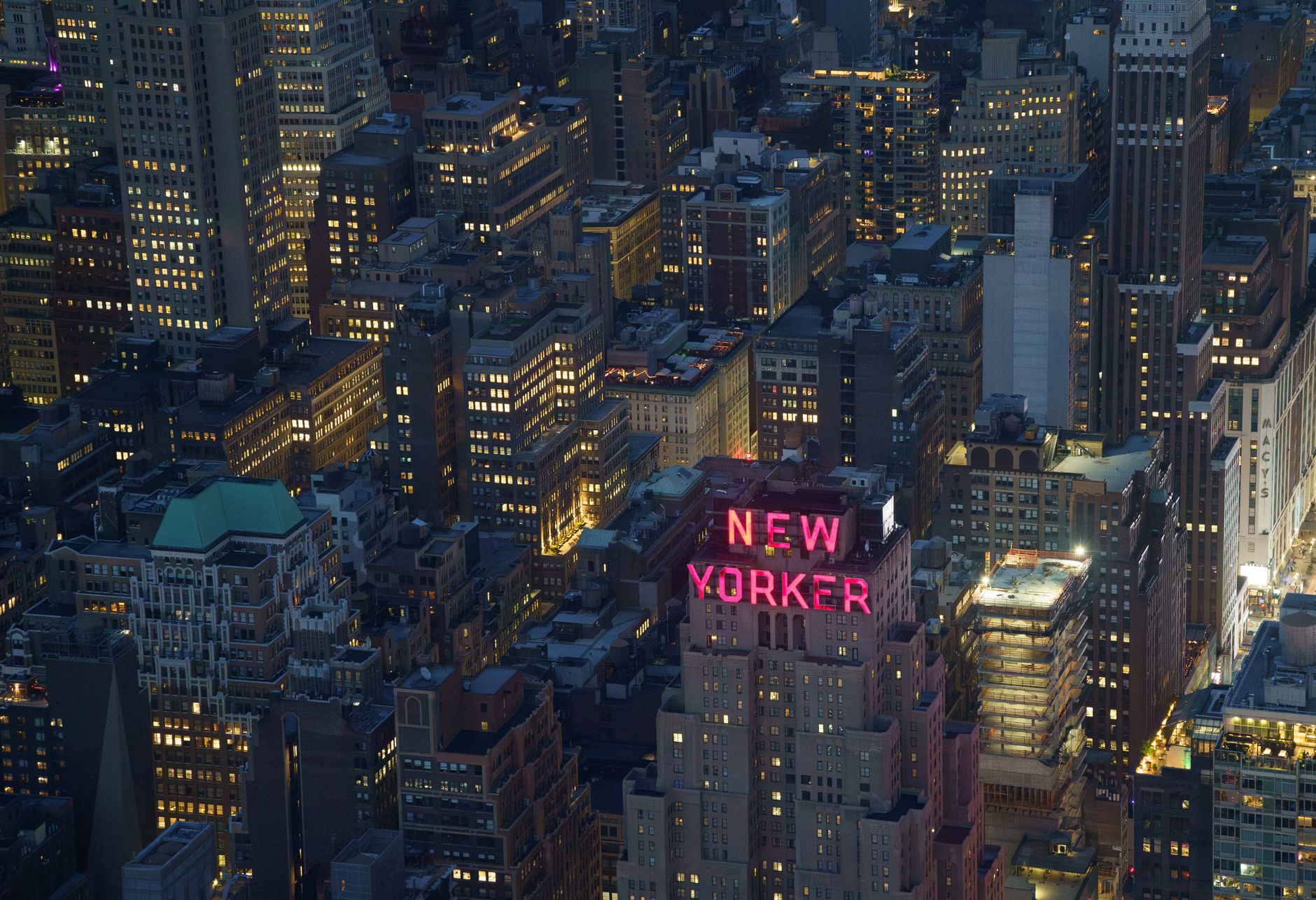
Photo by Mateusz Walendzik
Always treat your accommodation as a recovery tool. If the logistics of reaching a specific hotel seem complicated, look for hotels near new york city marathon finish line that offer better transit accessibility or simplified entry points. Taking the time to research these details keeps your focus on your goal.
A Simple Shortlist of the Best Hotel Types for Different Marathon Travelers
Finding the right home base for race weekend shapes your recovery and overall experience. Because everyone prioritizes different needs after crossing the finish line, your ideal stay depends on what you value most. Use these profiles to find the right match for your situation.
Best choice for runners who want to walk back after finishing
If your primary goal is to minimize time on your feet, focus your search on the Upper West Side and the area surrounding Columbus Circle. Staying here lets you reach your room without relying on subways or car services, which often face extreme delays due to road closures.
Before you book, look closely at a map to confirm your hotel entrance faces the side of the park with usable exit routes. You want to avoid any property that requires a long trek around a security perimeter. Prioritize hotels with reliable elevators and comfortable rooms, as these small details mean everything when your legs are exhausted.
Best choice for value, families, and longer stays
If you are staying in the city for several days or traveling with a support crew, space often beats luxury. Apartment-style rooms that include kitchenettes allow you to cook your own meals, which saves money and keeps your nutrition on track during the taper and recovery. Look for properties in the Upper West Side or slightly further out in Midtown where you get more square footage for your budget.
While these spots might require a short subway ride, the trade-off for a full kitchen, onsite laundry, and extra room for your family is worth it. Proximity to local grocery stores and pharmacies makes these areas a practical choice for anyone settling into the city for more than a quick overnight stay.
Best choice for supporters who want to explore New York City
Supporters often spend the race day navigating transit and scouting viewing spots, so they need a base with excellent connectivity. Choosing a hotel near major subway hubs in Midtown or select parts of the Upper East Side keeps you mobile while remaining close to museums, restaurants, and key race-viewing areas.
Map out your transit routes before the race begins so you know exactly how to reach the finish line from your hotel. Because cell service in dense crowds is unreliable, decide on a meeting place away from the immediate finish zone to ensure you and your runner reunite without extra stress.
Always verify your reservation policies and confirm that your selected hotel near the New York City Marathon finish line can accommodate your specific travel needs before the peak weekend demand begins. Checking these details early helps you build a solid foundation for a successful race experience.
Conclusion
The best hotel near the New York City Marathon finish line is the one that prioritizes your recovery. You need a room that offers a quiet space for sleep, a bathtub for your sore muscles, and enough room to keep your nutrition and hydration within reach. Choosing a location on the Upper West Side or near Columbus Circle minimizes your post-race walk, while Midtown options offer broader access to transit and dining.
Compare the total cost of your stay by factoring in taxes, mandatory fees, and the price of local transit. Verify your hotel’s policies on late checkout and luggage storage, as these services often change how you manage your departure. Always consult the official race maps for road closures to ensure your route back to the hotel remains accessible after the crowds arrive.
Thoughtful planning allows you to focus on the miles ahead without worrying about the logistics of your return. When you secure your accommodations with a clear recovery plan in mind, you protect your energy for the race. Supporters also benefit from this preparation, as a well-chosen home base helps everyone enjoy the city without the added stress of navigating blocked streets and transit delays.


