

Best Hotels Near Central Park for the New York City Marathon
The air is crisp, the streets are crowded, and thousands of runners move toward the finish line in Central Park. After 26.2 miles of effort, reaching your room quickly is the ultimate reward. Finding the right hotels near Central Park for New York City Marathon weekend can transform your experience from a stressful logistical puzzle into a memorable celebration.
Selecting your base depends on your budget, comfort preferences, and your specific plan for getting to the starting line on Staten Island. While some runners prioritize proximity to the post-race recovery zone, others focus on access to transportation hubs. You should also confirm current race logistics with New York Road Runners before finalizing your plans, as course details and start procedures often shift.
This guide covers the best hotel areas, specific property recommendations, and tips for managing your travel and budget. By planning ahead, you can spend less time worrying about transit and more time focused on your finish.
Why Staying Near Central Park Makes Marathon Weekend Easier
Securing lodging in the heart of Manhattan is the dream for many runners tackling the New York City Marathon. After running 26.2 miles, the last thing your body wants is a long, arduous journey back to a distant hotel room. Proximity to the finish line offers more than just a short walk, as it provides immediate access to a hot shower, warm clothing, and a quiet space to recover.
Being close allows family and friends to meet you easily without navigating the massive crowds that gridlock the city on race day. However, a room near the park does not automatically guarantee a stress-free experience. Central Park spans 843 acres, so the distance from your hotel entrance to your specific exit point matters far more than a generic description. Always check your precise route, as street closures and subway disruptions can make a short distance feel much longer on tired legs.
Finish-line convenience versus getting to the start
Planning for marathon weekend presents a dual-sided challenge. You prioritize staying near the finish to maximize rest afterward, but you still face the daunting reality of getting to the start line on Staten Island. The race begins in the early hours, and transit options are limited. You must research the specific official race transportation details for the current year rather than relying on standard weekend subway schedules. The official ferry and bus systems operate on strict timelines that shift annually.
Choose a hotel that offers a clear, predictable route to a major transit hub. Many runners prefer locations near Columbus Circle or the Upper West Side for their direct subway connections to the ferry terminals. If you plan to use a prearranged car service, ensure your hotel entrance is not located within a restricted race-day zone. Drivers often face significant delays near the park, so having a pickup point just outside the perimeter is a common way to avoid gridlock.
What runners should look for inside the hotel
Once you locate your ideal hotels near Central Park for the New York City Marathon, look closer at the interior amenities. A luxury view of the skyline matters less than the quality of your sleep. Request a room away from elevators and high-traffic corridors to minimize noise. A bathtub is a prized feature for soaking sore muscles post-race, and a separate room for stretching can be a massive benefit.
Consider these practical features when booking:
- Early fueling: Check if the hotel offers a race-day breakfast or a grab-and-go station for early starters.
- In-room storage: A refrigerator and microwave allow you to keep your pre-race nutrition stash ready.
- Logistics: Reliable luggage storage for late checkouts gives you more freedom after crossing the finish line.
- Accessibility: Elevators and proximity to the main entrance save you from walking extra miles inside the building.
If a quiet space is available, prioritize it over a room facing the street. Race-day nerves often make sleep difficult, and a peaceful environment is vital for your performance. Some hotels provide specific “marathon packages” that include perks like late checkout or extended breakfast hours. Always call the front desk to confirm these offerings, as they may require advanced notice to arrange.
The Best Hotel Areas Around Central Park for Race Weekend
Choosing where to stay changes your marathon experience. Your location affects how you reach the start line, how you handle pre-race nerves, and how quickly you recover after the finish. Every neighborhood around the park offers a distinct atmosphere, so pick one that matches your priorities.
Central Park South and Columbus Circle for the shortest walk after the finish
If your primary goal is minimizing movement after crossing the finish line, look at properties along Central Park South or near Columbus Circle. These locations place you within immediate walking distance of the final stretch. You gain the benefit of getting to your room quickly to shower and rest.
Consider these options if you prefer staying in the heart of the action:
- The Ritz-Carlton New York, Central Park: This hotel sits right on the edge of the park and provides a high level of comfort.
- 1 Hotel Central Park: This property focuses on sustainable design and offers a calm retreat in a busy area.
- Park Lane New York: This choice puts you in a prime spot for views and easy park access.
- The Quin: This hotel is another stylish option located just steps from the southern entrance to the park.
Being in this area comes with trade-offs. Expect high prices during marathon weekend as demand peaks. The streets are often packed with spectators and other runners, making the area loud and busy. Confirm your specific hotel entrance location with the property, as race day closures often restrict vehicle access near these blocks. You should also verify if your hotel has specific policies regarding early check-in or late checkout for marathon guests.
The Upper West Side for neighborhood comfort and easy dining
The Upper West Side offers a more residential feel compared to the bustle of Midtown. Many runners prefer this area because it provides easy access to grocery stores, casual cafes, and restaurants. If you want a lower-key environment that feels like a neighborhood rather than a tourist hub, this is a strong choice.
Research properties like the Hotel Beacon or the Arthouse Hotel New York City when building your shortlist. These hotels often provide more space, which helps when you need to organize your gear or stretch. While you gain comfort, remember to map the distance to your specific post-race exit point. Even a few blocks make a big difference when your legs are exhausted. Always confirm your walking route around the race barriers, as some streets close entirely for the event.
The Upper East Side and Midtown East for quieter stays and transit options
The Upper East Side attracts runners who value peace and quiet before the big day. The streets here are generally calmer, which helps you maintain focus during the final hours of your taper. While this neighborhood is not as close to the finish line, you gain a sense of seclusion that helps with rest.
Midtown East serves as a practical alternative with a broader inventory of hotels. This area provides excellent subway access, which helps you reach the ferry terminals or official bus boarding points with less stress.
Although these neighborhoods may require a longer walk after the race, you should compare total travel time across all your planned trips. A hotel with a slightly longer walk might offer better value or easier transit connections for your pre-race logistics. Check out official NYC transit maps to visualize how your hotel connects to the race start.
Hotels Near Central Park for Different Budgets and Travel Styles
Finding the right place to stay during marathon weekend requires balancing your specific recovery needs with the practical realities of New York City hotel pricing. Because demand spikes during the race, you should expect premium rates, minimum stay requirements, and strict cancellation policies across the board. Whether you choose a high-end property or a budget-friendly option, your total cost will involve more than just the nightly rate. Always factor in potential resort fees, meal costs, and the expense of navigating around race-day road closures before you finalize your reservation.
Luxury hotels for runners who want comfort at the finish
Luxury during marathon weekend goes beyond fancy lobbies or fine dining. It is about minimizing friction and physical stress when you need it most. After the race, a short walk to your room in The Mark or The Pierre New York can turn a grueling finish into a manageable experience. These properties offer deep soaking tubs, quiet environments, and attentive staff who understand the unique needs of exhausted athletes.
Other notable high-end choices include the Park Hyatt New York, The Ritz-Carlton New York, Central Park, and The Plaza. Each provides a restorative space that allows for immediate recovery. Focus on selecting a room that provides a buffer from street noise, as the city remains loud long after the last runner crosses the line.
While these hotels may not provide race-specific logistical support like dedicated shuttles, their prime location significantly reduces the mental load of getting back to base. Reducing the distance between the finish line and your bed is a luxury that pays dividends when your legs are stiff and your energy is depleted.
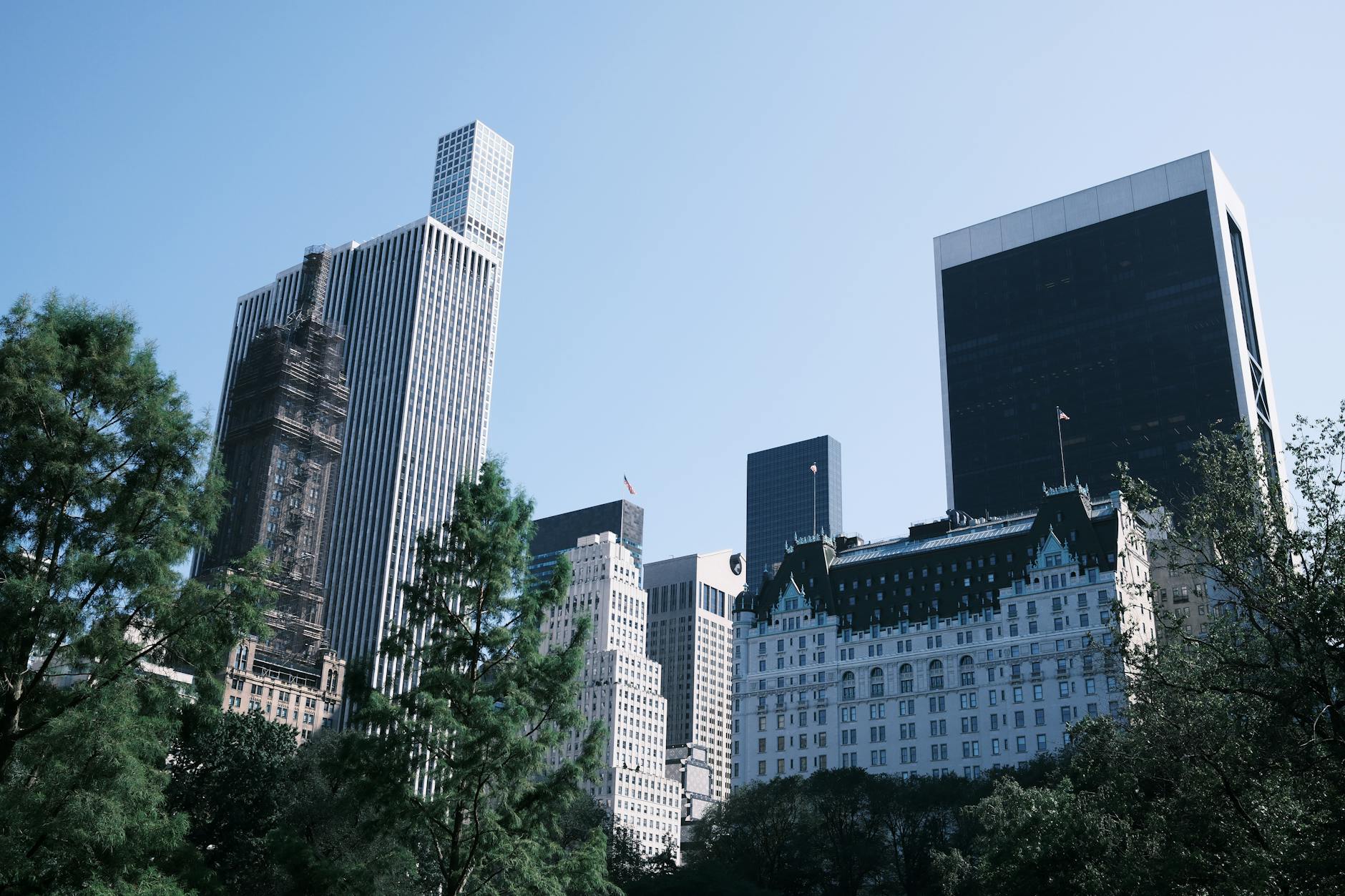
Photo by Mingyang LIU
Midrange and apartment-style stays for practical race planning
If you prefer more space to manage your gear and nutrition, apartment-style hotels are often the better path. Properties like the Hotel Beacon and Arthouse Hotel New York City provide kitchenettes equipped with refrigerators and microwaves. This setup helps you maintain your specific pre-race diet without relying solely on restaurants. Having a fridge for hydration supplies and a quiet corner to organize your race kit keeps your routine stable during the chaotic weekend.
When investigating these options, verify that you are booking with a licensed hotel rather than an unregulated rental. Check your cancellation terms carefully, as these properties often adjust policies for high-demand periods. Confirm exactly which kitchen tools are included in your specific room category, as some suites have full kitchens while others offer only basic coffee service. The extra square footage also proves helpful if you are traveling with family who need a place to wait while you are out on the course.
How to save money without staying too far from the park
You can manage costs effectively by looking at neighborhoods just beyond the immediate park perimeter. Staying on the Upper East Side or Upper West Side often provides a better value than Midtown, while still keeping you within reasonable reach of the park.
You should compare the total cost of your stay, including taxes and hidden fees, rather than just the base nightly rate. A slightly cheaper hotel that forces you to rely on expensive taxis or long, multi-transfer subway journeys might end up costing you more in time and money.
Follow these steps to keep your budget in check:
- Book your accommodation early to lock in refundable rates before the weekend prices surge.
- Search for hotels along major subway lines that offer a direct route toward your race-day transit hub.
- Compare the cost of a standard hotel room with a legal apartment-style stay, especially if you are traveling in a group.
- Factor in the cost of daily breakfast and convenience store runs for supplies, as buying these items near the park is expensive.
Check for properties that offer free Wi-Fi or included continental breakfasts to shave extra dollars off your daily expenses. By staying slightly further out, you gain access to local grocery stores and diners that are far more affordable than the high-end spots bordering the race finish.
How to Choose the Right Central Park Marathon Hotel
Picking a home base for race weekend requires balancing comfort against the logistical demands of a major city event. You have limited energy reserves after 26.2 miles, so your choice of lodging determines whether your recovery begins immediately or turns into an extended commute. Use this framework to filter the many hotels near Central Park for New York City Marathon weekend and find a space that actually supports your goals.
Score each hotel for sleep, distance, transit, and recovery
To narrow your search, assign a score from one to five for the categories that matter most to you. Focus on quietness, bed quality, distance to the finish, subway access, food options, room space, and the total cost. If a property is cheap but sits above a busy intersection or requires a long walk to the nearest train, it might be a poor fit for your specific recovery needs.
When reading recent reviews, pay attention to specific mentions of street noise, thin walls, or elevator wait times. If multiple guests complain about construction or housekeeping schedules, look elsewhere. Do not rely entirely on the polished descriptions found on booking platforms.
Call the hotel directly and ask the front desk staff whether rooms near the street are quiet or if they can guarantee a spot on a high floor away from the elevators. Ask about the specific room layout to ensure you have enough floor space for your foam roller and gear storage.
Check policies that matter on marathon weekend
Marathon weekend turns standard hotel policies into major variables for your race-day experience. Confirm the cancellation deadlines and deposit requirements well in advance, as last-minute injury or travel changes can be costly. Ask specifically about luggage storage if you plan to explore the city after checking out on race day. Verify the hotel breakfast hours, as you may need to depart long before the standard morning buffet opens.
Some hotels accept packages if you plan to ship your race nutrition or supplements, but you must ask for their policy in writing to avoid surprises. If you anticipate arriving early or staying late, inquire about early check-in or late checkout fees. Hotels rarely adjust their rules for runners, so getting these details confirmed via email provides you with a record if issues arise upon your arrival.
Plan for companions, spectators, and post-race recovery
Your hotel choice often hinges on the people traveling with you. If you bring family, prioritize properties with enough space for everyone to wait while you are on the course.
Research the availability of grocery stores or pharmacies nearby, as having easy access to hydration, snacks, and medical supplies is a lifesaver. Ensure the hotel entrance is accessible if your group includes children or elderly guests who might struggle with the massive crowds surrounding the finish line.
The finish area is a dense, high-traffic zone with restricted access. Establish a clear, pre-race meeting point with your companions that sits just outside the immediate race perimeter. Pick a hotel that offers a quiet lobby or a comfortable restaurant where your supporters can wait. If your companions understand the location and the exit route before you even start the race, you remove a layer of stress that often plagues families during the hectic post-finish reunion.
Race-Day Logistics From Central Park Hotels to the Marathon Start
Reaching the starting line on Staten Island is the first true test of your marathon weekend. While you chose to stay in hotels near Central Park for the New York City Marathon to ensure a comfortable finish, that same location means you must navigate an early, complex commute across the city.
Sunday morning travel patterns are not normal; the massive scale of the event dictates strict, specific transit windows. Planning this journey requires attention to detail, as small mistakes here can cost you valuable time or lead to unnecessary stress before you even lace up your shoes.
Build a reliable pre-dawn route to Staten Island
Your arrival time at the start village depends entirely on your assigned wave and corral. Check the official New York Road Runners start logistics frequently in the final days before the race. These guidelines change based on current construction, weather, or security needs, so never rely on information from past years.
Compare your options based on your specific start time:
- Official buses: These provide the most consistent experience. They depart from designated midtown locations, but you must reserve your spot well in advance.
- Staten Island Ferry: This remains the classic route for many runners. Map your subway path to the Whitehall Terminal, but add extra time for potential platform crowding or maintenance delays.
- Car services: Rideshares and taxis face extreme gridlock near the park. If you choose a private vehicle, set your pickup point at least four blocks away from your hotel to avoid road closures and staging areas.
Save offline maps to your phone because cell service often fails in transit hubs. Sign up for official text alerts regarding transit service changes. Call your hotel’s front desk to verify if they offer a dedicated race-day shuttle or an early breakfast service. Ask them to confirm which streets near your entrance remain accessible for vehicle pickups on Sunday morning.
Pack for the start, the course, and the finish
You will spend several hours outdoors waiting in the start village, so you must pack with the cold and your recovery in mind. Review the event bag policy to ensure your gear fits within permitted dimensions. Everything you wear to the start village should be clothing you feel comfortable donating; look for the official collection bins at the start.
Organize these essentials the night before:
- Required items: Carry your bib pinned to your outermost layer, your timing chip, and a valid photo ID.
- Discardable layers: Wear an old sweatshirt and sweatpants over your racing gear to stay warm while you wait.
- Fueling: Bring your energy gels and hydration supplies in your pockets or a race belt to avoid relying on village stations.
- Post-race recovery: Pack a dry change of clothes and slip-on shoes in your checked bag if you utilize the finish-line gear-check service.
Check the weather forecast for both Staten Island and Manhattan. The temperature difference between the open start village and the wind-shielded streets of the city can be drastic.
Return to the hotel after crossing the finish line
The area beyond the finish line is a controlled, high-density zone. You will walk a significant distance past the timing mats before you exit the park. Barriers and security personnel dictate your path, so follow all volunteer instructions. Your legs will stiffen during this walk, making the final blocks to your hotel feel longer than the race itself.
Coordinate a reunion plan with your family outside the secure area. Choose a landmark several blocks away from the park entrance to avoid the chaotic crowd density. Keep a physical card in your pocket with the hotel address and a secondary contact number in case your phone battery dies.
Before you head to the start on race morning, ask your hotel staff about late checkout policies and luggage storage for the afternoon. If you have a room nearby, your primary goal is to reach that shower and dry clothes as efficiently as possible. Avoid the temptation to linger in the public finisher zones if your body is signaling for rest.
When to Book and How to Avoid Marathon Weekend Hotel Mistakes
Securing the right lodging for marathon weekend is a high-stakes race of its own. Thousands of runners descend upon New York City simultaneously, which means room inventory vanishes months before the starting gun fires. You should finalize your travel arrangements as soon as you confirm your entry into the race. Wait too long, and you will find yourself pushed into expensive locations far from the start, which adds unnecessary stress to your pre-race routine.
Use a flexible booking plan before locking in a room
Start your search by identifying a property that offers a fully refundable rate. Booking a flexible room gives you the freedom to continue monitoring prices as the date approaches. If a better hotel near Central Park for New York City Marathon weekend drops in price or becomes available, you can cancel your initial reservation without financial penalty.
When you book, understand the difference between direct hotel websites and online travel agencies. Booking directly often grants you more leverage if you need to modify your reservation or request specific room features like a high floor or a quiet corner.
Travel agencies sometimes make it difficult to change booking details, and the hotel staff may lack the authority to assist you with issues managed by a third-party site. Always save your confirmation number in a digital folder and double-check the final cancellation date. Note that hotels operate on local time, so if your deadline is midnight, ensure you are looking at New York time to avoid being locked into a non-refundable stay.
Questions to ask before confirming a marathon stay
Do not rely solely on polished marketing photos when picking a home base. A room might look perfect on a map, but a quick conversation with the front desk can reveal hidden hurdles. Reach out to the property via email so you have their promises in writing, which protects you if an issue arises upon arrival.
Ask the following questions to ensure your stay supports your race-day needs:
- Can the kitchen provide a pre-race breakfast, or is there a 24-hour grab-and-go station nearby?
- Is there a refrigerator in the room to store your race-day hydration and nutrition supplies?
- Will the hotel store your luggage safely if you check out before the marathon ends?
- Are there ongoing construction projects, event noise, or thin walls that might disrupt your sleep?
- Can taxis or rideshare drivers reliably reach the entrance during race-day street closures?
- Is a late checkout possible for after the race?
- Are there hidden resort fees, significant security deposits, or minimum-night stay requirements that I should expect?
Knowing these details upfront allows you to prepare for the reality of a busy race weekend. If a hotel cannot accommodate your basic recovery needs, move on to the next option on your list. Your focus should remain on performance, not on fighting your own hotel for a simple request.
A Simple Shortlist of Central Park Hotels for Marathon Runners
Choosing your home base for the New York City Marathon is a practical exercise in logistics. You need a room that balances the physical toll of 26.2 miles with the reality of navigating Manhattan’s dense grid on race morning. The right choice shortens your recovery time and settles your nerves, yet options vary wildly depending on your personal priorities.
This shortlist categorizes representative hotels by their primary strength for race weekend. Please remember that hotel prices, availability, amenities, and race-week policies change frequently. These examples are not official marathon partners unless you verify those details directly with the properties.
- The Ritz-Carlton New York, Central Park: This choice offers a true luxury experience for runners who prioritize proximity above all else. Its location on the park edge provides immediate access to the finish area, which is a major advantage after the race. However, it commands premium rates and sits in a high-traffic area. Verify their specific early-breakfast offerings before you book.
- 1 Hotel Central Park: This hotel is an ideal retreat for those who appreciate sustainable, calm design. Its location keeps you close to the action without feeling like you are in the middle of a theme park. It is perfect for travelers who want a peaceful environment to manage their pre-race focus. Always ask about room placement to keep away from street noise.
- Park Lane New York: If your main goal is staying close to the park for your final walk back to the room, this hotel is a strong contender. The rooms offer iconic views, but the high demand means you must book well in advance to secure a reasonable rate. Check their specific policies on late checkout for marathon guests.
- The Mark: Located on the Upper East Side, this hotel suits runners who want a refined, quiet atmosphere away from the Midtown bustle. It is a bit further from the finish line, so you trade walking distance for a more secluded, restorative environment. Confirm their luggage storage policy if you plan to explore the city post-race.
- Hotel Beacon: This property is a reliable choice for runners who value extra space. Its kitchenettes allow you to prepare your own race-day meals, which is a significant benefit for managing your hydration and nutrition. It is further from the finish line, so map your route carefully to ensure you understand the post-race commute.
- Arthouse Hotel New York City: Featuring a creative aesthetic, this hotel offers a unique feel for travelers who prefer a neighborhood vibe over a standard hotel experience. The extra space in their suites helps when organizing gear, though you should verify which kitchen amenities are included in your specific room category.
Always reach out to the front desk via email to confirm your needs, as a written record of your requests helps if questions arise upon arrival. Prioritize a hotel that fits your recovery plan rather than just the lowest price, as the extra cost often pays for itself through reduced stress.
Conclusion
The best hotel near Central Park for the New York City Marathon is the one that protects your sleep, simplifies your post-race return, and supports your specific travel logistics.
You should prioritize proximity to the finish line in Central Park South if your goal is immediate rest, while the Upper West Side offers a neighborhood feel that helps keep your pre-race routine calm. Midtown and the Upper East Side remain reliable backups that provide excellent access to transit and broader price options.
Always verify current New York Road Runners transportation requirements and check your hotel’s specific policies before you commit to a nonrefundable rate. Confirming details like early-morning breakfast, luggage storage, and street access keeps your focus on the road instead of the fine print.
Thoughtful planning saves your energy for the miles, the crowds, and that unforgettable finish inside the park. A well-chosen room is an essential piece of your race-day performance.


