

Honolulu Marathon Travel Guide (Everything You Need to Know)
Picture yourself crossing 26.2 miles of tropical paradise as fireworks illuminate a warm predawn sky. Chasing a personal best in Hawaii demands much more than standard mileage because you’re dealing with heavy humidity, island logistics, and jet lag.
You need a solid plan before you even pack your running shoes. Follow this Honolulu Marathon Travel Guide to master every logistical detail and conquer race day.
Key Takeaways
- Secure your hotel and flights months in advance because island accommodations fill up rapidly before December.
- Adapt to the heavy tropical humidity by taking short, easy walks outside during the warmest afternoon hours.
- Plan your race morning transportation early since standard rental cars and public buses operate on limited holiday schedules.
- Hydrate consistently throughout your travel days to combat unexpected heat and beat early morning cramping.
Mapping Out Your Honolulu Marathon Travel Guide
Conquering a 26.2-mile tropical journey requires careful synchronization of every travel detail. Building a reliable timeline ensures you arrive on the island relaxed, rested, and ready to perform at your peak performance level.
When to Book Flights and Hotels
Securing your accommodations and airline seats early protects your budget from the steep price surges of December travel. Island hotels fill up fast as thousands of runners descend upon Waikiki for the race weekend. Most seasoned marathoners recommend locking in lodging at least six to eight months in advance.
December brings peak tourist season to Oahu, so waiting until autumn leaves you with limited options and inflated rates. Beyond financial savings, your arrival date dictates how well your body adapts to the five-hour time change from the mainland. Landing at least three or four days before the starting gun gives your circadian rhythm time to reset. Arriving early also leaves a comfortable buffer for delayed flights, keeping pre-race anxiety far away from your room.
Understanding the Registration Process
Securing a spot in the race is only your first step; managing the logistical requirements on the ground requires equal attention. Registration frequently sells out weeks before December, so attempting to register on the island is impossible.
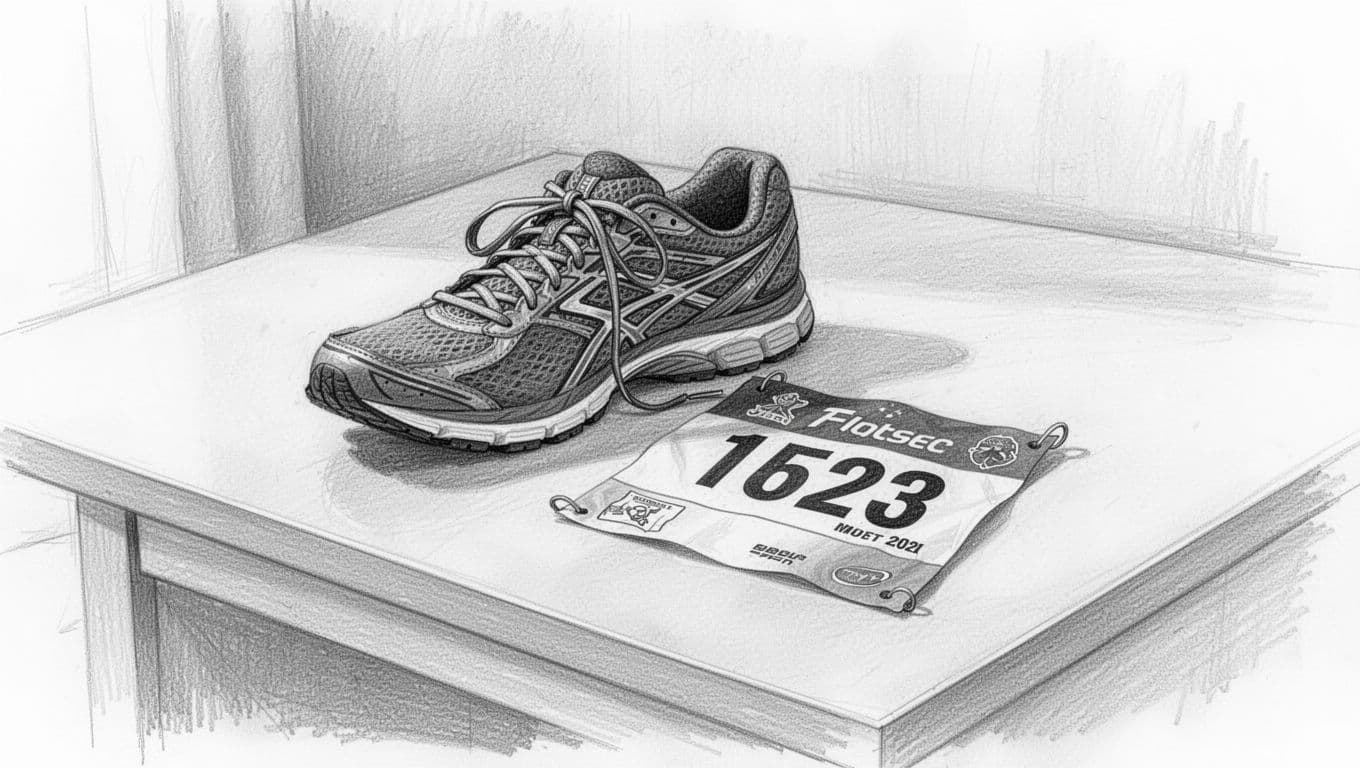
After you touch down on Oahu, head straight to the Hawaii Convention Center to collect your runner packet. Bring a government-issued photo identification card along with your digital confirmation QR code to breeze through the expo floor. Volunteers check these credentials before handing over your race bib and timing chip.
Double-check all emergency contact details printed on your bib before leaving the venue. Taking care of these administrative checkpoints early frees your mind to focus entirely on race morning pacing.
Finding the Right Place to Rest Your Legs
Your lodging choice on Oahu dictates how smoothly race morning unfolds. Balancing proximity to the start line with a restful environment protects your physical energy before the grueling 26.2-mile journey. Every endurance athlete needs a strategic home base that supports both pre-race preparation and post-race recovery.
Waikiki Beach Resorts for Easy Race Morning Access
Staying in Waikiki places you within walking distance of the start line on Ala Moana Boulevard. Many runners prefer properties right in the heart of the action to eliminate early morning transit stress. Reviewing the official hotels for the Honolulu Marathon helps you pinpoint partner resorts offering special runner perks and prime locations.
Stepping out of your lobby just minutes before the corrals open saves precious mental bandwidth. Public buses and taxis operate on limited holiday schedules, so staying nearby ensures you never miss the countdown. When your hotel sits blocks from the finish area, returning to your room post-race becomes a victorious stroll rather than an exhausting trek.
Quieter Neighborhoods for Deep Sleep
Waikiki buzzes with vibrant tourist energy, but some athletes require absolute quiet to secure deep sleep. Quieter pockets near Diamond Head or accommodations further along the coast offer a serene sanctuary away from late-night street noise. Choosing a peaceful rental or boutique hotel lets your nervous system truly unwind in the days leading up to the starting gun.
A calm environment significantly improves sleep quality when pre-race nervous energy threatens your rest. Although you sacrifice a short walk to the starting line by staying outside the tourist center, the trade-off pays off in deep, uninterrupted recovery hours. Plan your early morning drive carefully if you choose this route, allowing extra time for holiday traffic before the sun crests the tropical horizon.
Conquering the Course and Race Day Logistics
Your entire training block leads to this single morning on Oahu. Mastering the physical layout of the route transforms an intimidating island race into an unforgettable athletic triumph, especially when you know what waits around each tropical turn of your Honolulu Marathon Travel Guide journey.
Navigating the Start Line in the Dark
Thousands of runners gather on Ala Moana Boulevard long before sunrise while the air is already thick with tropical warmth.
Overhead, a massive fireworks display explodes into the dark sky to signal the start of the race, bathing the massive sea of athletes in bright color. Standing motionless in the packed corrals drains precious physical energy quickly, so keep your legs loose and sip water steadily. Do not let the humid morning air catch you off guard before the first mile marker appears.
Pacing Through the Diamond Head Climb
Rolling coastal hills greet you during the middle miles before the course delivers its signature test around the slopes of Diamond Head.
Conserving your leg strength early pays massive dividends when this late-race incline arrives to challenge your tired quads. Shorten your stride, pump your arms, and maintain a steady effort rather than chasing a fast split on the slope. Many runners burn out right here by attacking the hill too aggressively under the mounting morning sun.
Crossing the Iconic Finish Line at Kapiolani Park
Reaching Kapiolani Park brings an overwhelming wave of relief as cheering crowds line the final palm-shaded stretch. Volunteers place a heavy finisher medal around your neck while the cool Pacific breeze greets your sweat-soaked skin.
Take a moment to soak in the vibrant atmosphere and celebrate your hard-earned accomplishment beneath the trees. Walking slowly through the finish area helps your heart rate settle naturally while you collect your post-race refreshments and search for your cheering friends.
Island Nutrition, Fueling, and Hydration
Conquering a tropical marathon requires more than just logging miles because the island climate drains your electrolyte reserves faster than mainland running. Therefore, mastering your nutrition and fluid intake before race day protects your stamina against the humid Hawaiian air. Tropical heat accelerates dehydration, meaning your standard hydration strategy needs an upgrade long before you step onto the starting line.
Finding Pre Race Carbs in Honolulu
Stocking up on familiar carbohydrate sources is surprisingly simple once you know where to look across Oahu. Major supermarkets like Foodland, Safeway, and Whole Foods stock standard runner staples such as bagels, oats, and dry pasta. However, incorporating local island favorites like white rice or purple sweet potatoes gives your pre-race meals a distinct Hawaiian twist.
Local farmers markets also offer fresh tropical fruits, providing easily digestible glycogen stores without heavy fiber distress. Planning your grocery trips early in the week prevents stressful last-minute rushes down crowded aisles while tourists sweep the shelves clean. Renting a property with a private kitchen simplifies meal prep, allowing you to boil pasta or mix recovery shakes exactly how you prefer.
Post Race Celebration and Recovery Meals
Crossing the finish line demands a proper reward, and local cuisine delivers both comfort and essential recovery nutrients. Traditional Hawaiian plates featuring fresh ahi poke, grilled chicken, and steamed white rice provide the ideal ratio of lean protein and quick-digesting carbohydrates.
Many runners head straight to popular spots near Waikiki to refuel with a massive plate lunch after collecting their heavy finisher medals. If you prefer lighter fare, local acai bowls loaded with honey, granola, and fresh fruit restore depleted glycogen while cooling your core temperature.
Hydration remains critical long after the final mile, so sip coconut water continuously to replenish lost potassium and electrolytes. Celebrating your athletic achievement with authentic local food turns the physical triumph into a complete and unforgettable island experience.
Exploring Oahu Without Wasting Energy
After logging hundreds of training miles, your biggest enemy on Oahu isn’t the terrain; it’s your own eagerness to see everything at once. Walking miles through bustling shopping centers or hiking steep volcanic ridges before race weekend will drain your glycogen stores faster than you expect.
Therefore, pacing your sightseeing is just as vital as pacing your running splits. You need a strategy that feeds your curiosity while keeping your legs fresh for the starting line as part of your broader Honolulu Marathon Travel Guide experience.
Best Recovery Walks and Light Activities
Gentle movement keeps your circulatory system pumping blood to your muscles without adding structural fatigue. A slow, barefoot stroll along the firm sand at Waikiki Beach offers natural resistance training for your stabilizing muscles while keeping impact low. Alternatively, wander through the shaded paths of Kapiolani Park where towering banyan trees block the harsh midday sun.
For a touch of local history without the physical toll, visit the outdoor grounds of Iolani Palace. Walking slowly around the historic royal property lets you soak in Hawaiian culture while your legs stay comfortably loose.
Another excellent low-impact option is the Honolulu Museum of Art, where air-conditioned courtyards provide a cool, peaceful environment for light walking. Avoid long gallery routes that require hours of standing, and instead focus on short, purposeful visits that end with a seated break.
Stepping off the beaten path into tranquil spaces protects your energy reserves. Consider taking a leisurely catamaran sail off the coast, which gives you stunning views of Diamond Head from the water without requiring a single step of extra walking. Listening to your body remains your best guide during these pre-race days.
If your calves feel tight after twenty minutes of exploring, head back to your room and elevate your feet. Balancing gentle exploration with strict rest guarantees you will enjoy the island sights without compromising your performance.
Frequently Asked Questions
Preparing for a tropical 26.2-mile journey across Oahu brings up plenty of logistical hurdles. Endurance athletes often wrestle with last-minute uncertainties before stepping onto the starting line. Therefore, reviewing these common inquiries clears up final confusions and keeps your race week completely stress-free.
What time does the race start on race morning?
The race begins precisely at 5:00 AM while the tropical sky remains completely dark. Organizers launch a massive fireworks display over Ala Moana Boulevard to signal the official start. Arriving early ensures you find your assigned corral before the opening countdown echoes across the asphalt.
Can I pick up my race packet on Sunday morning?
Packet pickup is strictly unavailable on race morning. You must collect your bib and timing chip at the Hawaii Convention Center during the expo days prior. Missing this mandatory window means you cannot participate, so prioritize visiting the venue immediately after landing on the island.
How do I get back to my hotel after finishing?
Most participants simply walk back to their Waikiki accommodations from Kapiolani Park because the distance is entirely manageable on tired legs. Major roads remain closed to vehicular traffic for hours after the starting gun fires. Walking slowly helps your muscles flush out lactic acid while you navigate the festive post-race crowds.
Is there a baggage check service at the start line?
Organizers provide a reliable baggage check service near the start area on Ala Moana Boulevard. You must use the official clear plastic bag supplied in your runner packet for strict security reasons. Dropping your warm-up gear here ensures you have dry clothes waiting when you stumble out of the finish chute.
How should I manage transportation if I stay outside Waikiki?
Renting a car gives you complete flexibility if you choose a quieter retreat near Diamond Head or further up the coast. However, you must leave your rental property very early to beat the pre-race road closures and secure parking. Plan your exact driving route several days in advance so you avoid last-minute panic in the dark.
Conclusion
Chasing your goals across a tropical course requires careful preparation, but the payoff under the Hawaiian sky is entirely worth the effort. Crossing that finish line at Kapiolani Park delivers an unforgettable moment that you will cherish for the rest of your life.
Therefore, take action right now to secure your flights and lodging. Early planning turns a stressful race week into a smooth island adventure where your only focus is running your best race.


