

Hong Kong Marathon Review: Is This Race Worth Running?
The Standard Chartered Hong Kong Marathon (渣打香港馬拉松) moves at full speed on race day, as runners stream through crowded streets, tunnel stretches, and roads beside the harbor. That setting makes the Hong Kong Marathon memorable, but it also brings demands that can affect your pace and overall experience.
This review weighs the course, organization, crowd atmosphere, and practical challenges to help you decide whether the event fits your goals. Route layouts and race details can change by edition, so treat the current year’s official information as the guide for planning. Be sure to check out the RunDreamAchieve YouTube channel for weekly running tips. Looking for the best hotels for the Hong Kong Marathon? Make sure to book early to save money.
Key Takeaways
- The Hong Kong Marathon pairs busy city streets with tunnel sections and roads beside the harbor, creating a varied course that can make pace management harder.
- Crowds add energy throughout the event, but congested areas may affect how freely you can run, especially when the field is tightly packed.
- Plan transportation, arrival time, and pre-race logistics carefully. Check the official race information for current routes and event instructions.
- Expect the course and arrangements to change by edition. Review the latest details before setting pace goals or making travel plans.
Hong Kong Marathon Review: What to Expect on Race Day
The Standard Chartered Hong Kong Marathon is a large city event organized by the Hong Kong Association of Athletics Affiliates. It offers a marathon, a half marathon, and a 10K, giving runners different distance options. The event’s scale and urban setting create a lively atmosphere, while the course and crowds can make pacing and movement more demanding.

A city race with a big international field
The race brings together local runners and visitors from abroad, from first-time entrants to experienced athletes and elite runners. If elite competition matters to you, check the announced competitors and their credentials, including any Asian Games experience, since the field can change each year.
Rather than a quiet road route, the course runs through a dense, fast-moving city, where high-rises, major roads, and tunnel sections shape the experience. The setting gives the event a distinct sense of place, and spectators add energy along parts of the course.
That busy atmosphere comes with practical tradeoffs. Crowded start areas and packed sections of the route can limit how easily runners find their pace, especially early on. Meanwhile, long stretches on exposed roads or through tunnels may feel different from the city scenes that draw many visitors. For a current view of race options and event arrangements, check the official Hong Kong Marathon website.
Start areas, schedules, entry rules, and route details can change from year to year. Plan around the edition you’re entering rather than relying on a past participant’s account or an old course map.
Who is likely to enjoy this marathon?
First-time marathoners may enjoy the crowd support and the chance to experience Hong Kong on foot. However, beginners should study the course profile and race-day instructions before choosing a distance. A lively field can help keep spirits up, but congestion and route demands may make an even pace harder to hold.
Experienced runners chasing a time should weigh those same factors against their goals. Course conditions, start corrals, and crowded stretches can affect rhythm, so the event may suit runners who can stay patient when the road narrows or the pace shifts. Check the current route before deciding whether it fits a personal-best attempt.
For international visitors, the race offers a memorable way to see the city while sharing the roads with local runners. The travel experience adds appeal, though logistics require attention: confirm where your race starts, when to arrive, and how transportation works on race morning. Overall, the Hong Kong Marathon can reward runners who value a distinctive urban setting, provided they choose a distance and pace plan that match the course and crowd conditions.
How the Hong Kong Marathon Course Feels from Start to Finish
The Hong Kong Marathon changes character as the road moves through the city. Dense urban stretches give way to tunnels, elevated roads, and harbor views, so runners need to manage both effort and attention. Since the layout can change by edition, study the official Hong Kong Marathon course maps for the year you plan to race. In some editions, the route may start on Nathan Road in Tsim Sha Tsui, with the finish line at Victoria Park in Causeway Bay; check the current official course map to confirm the layout.
Tunnels, bridges, and long stretches of road
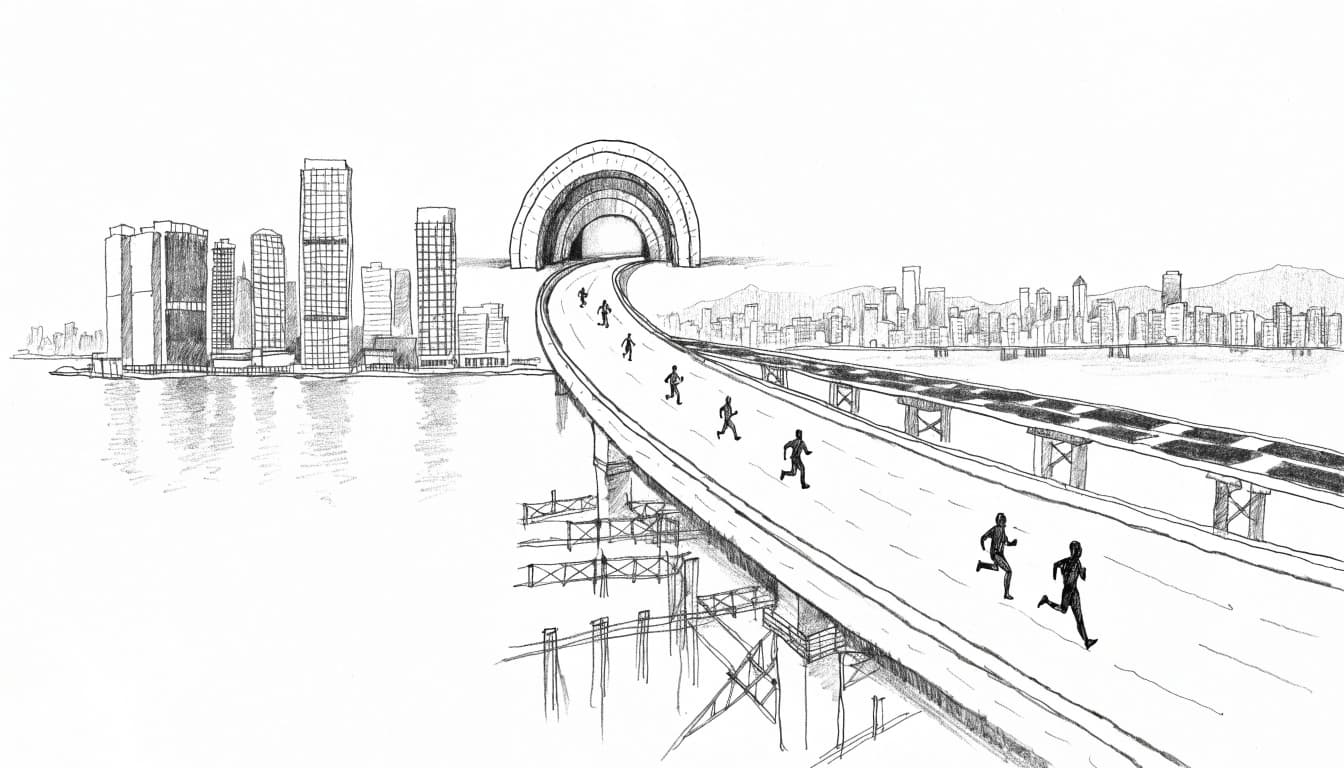
Tunnel sections can disrupt a runner’s sense of rhythm. The light drops as you enter, while sound from footsteps and the pack can echo off enclosed surfaces. Airflow may also feel different from the open road. As a result, pace can seem faster or slower than it really is, so use your watch and perceived effort rather than judging speed by the surroundings.
Elevated roads and bridges offer striking views, especially when the harbor and skyline open up. However, these sections can feel exposed, with little shade or shelter from wind. Long stretches may also provide fewer visual changes than the city streets, making it harder to stay engaged late in the race.
Course profile, turns, and pacing choices
The course profile matters as much as the landmarks. Depending on the edition, runners may encounter gradual inclines, bends, and long straight sections that affect how easily they settle into a steady pace. A climb that feels modest early on can become more noticeable after many miles, while repeated turns can interrupt rhythm and add small adjustments to your stride.
Before the event, review the current edition’s elevation profile and map. A flat-course pace plan may not account for the route’s climbs or changes in direction. Start conservatively, then adjust effort as the terrain allows. That approach helps you avoid spending too much energy early, especially if the course opens with crowded or unfamiliar sections.
Crowds, scenery, and the quieter miles
Harbor views and Hong Kong’s dense skyline give parts of the race a memorable backdrop. Spectators can add a welcome lift, particularly through busy stretches. Still, crowd support varies along the route, and some miles may feel more functional than scenic. Tunnels and exposed road sections can also limit the sense of connection with the city.
Prepare for those quieter stretches before the start. Set small goals, such as reaching the next aid station or holding a controlled effort through a long straight. The views can make the Hong Kong Marathon distinctive, but a steady plan and patience are what carry you through the full distance.
Choose Your Distance, Duration and Goal Time
Make three quick selections and open the exact plan built for your race target.
Looking for a Fully Personalized Training Plan?
The training plans above are an excellent choice if they match your goal. However, if you’d rather train with a plan built specifically around your current fitness, goal race, preferred training days, weekly mileage, and target finish time, our RDA Custom Training Plans provide a personalized solution. We also have running courses available for runners seeking to run faster from the mile to the marathon.
Why Choose a Custom Training Plan?
| Standard Training Plan | RDA Custom Training Plan |
|---|---|
| Follows a fixed schedule | Built around your schedule |
| Standard weekly mileage | Peak mileage customized for you |
| Fixed workout days | Train on the days you choose |
| Same structure for everyone | Designed around your current fitness |
| Static plan | Updated as your fitness improves |
| One-time purchase | Ongoing personalized coaching and support |
What You’ll Receive
- A training plan built specifically for your goal
- Personalized training paces
- Long runs, tempo runs, threshold workouts, interval sessions, recovery runs, and easy runs
- Peak weekly mileage matched to your experience level
- Flexible training schedule that fits your life
- Ongoing plan adjustments as your fitness improves
Ready to Train Smarter?
Stop guessing and start following a plan built specifically for you, your schedule, and your racing goals.
Registration, Travel, and Race-Day Logistics
The Hong Kong Marathon takes more planning than simply booking a flight and showing up. Entry procedures, bib collection, start locations, and transport arrangements can change by edition, so build your trip around the latest official instructions.
Getting a place and collecting your race bib
Register during the event’s published window, and follow the stated entry method for your chosen distance. Registration dates, entry options, qualifying rules, quotas, and fees vary by distance or entry category and edition. Check the official Hong Kong Marathon race information for current pricing and confirmed details before making travel plans. For a 2027 entry, wait for the official announcement to confirm dates and arrangements.
After entering, watch for confirmation messages and instructions about required documents or payment. Bib pickup usually takes place before the event, so don’t assume you can collect it at the start. International runners should allow time for travel delays and bib collection, and check the latest requirements for their distance before booking a tight itinerary.
Where to stay and how to reach the start
Choose a hotel based on reliable access to your assigned start area, not just proximity to downtown attractions. Start locations can differ by distance, and road closures or transit changes may affect the usual route on race morning. Check the event’s current transport guidance, then map a simple backup option in case your first plan falls through.
Arrive in Hong Kong with enough time to settle in, collect your bib, and confirm the route to the start. On race morning, leave earlier than you would for a normal city trip. A busy field and restricted roads can make last-minute transfers stressful, while an early arrival gives you room to handle small delays without rushing.
Weather, clothing, and race-morning planning
Hong Kong can feel cool at the start, humid, or warmer than expected once you begin running. Check the forecast close to race day and choose familiar clothing you’ve already tested in training. If you expect a long wait in the start area, bring a layer you can discard according to the event’s rules.
Drink normally before the race rather than trying to catch up with a large amount of water at the last minute. Also, plan time for the toilet before heading into your start area, where queues may move slowly. Keep your morning routine simple: set out your kit the night before, confirm transport, and leave enough time to reach your assigned start calmly.
Aid Stations, Crowd Support, and Race Organization
Support along the course can make a long race feel manageable, but runners should know what to expect before the start. The Hong Kong Marathon’s aid stations, volunteer crews, signage, medical support, and spectators all play a part in how smoothly the event unfolds. Check the current runner guide for your distance, since station locations and services can change between editions.
What to expect from hydration and medical support
Before race day, study the official aid-station map and note where water and sports drinks are available. Don’t assume the setup matches a previous year, or that every station offers the same supplies. The 2026 marathon runner guide is the place to confirm current course services and event procedures.
Use that information to compare on-course supplies with your usual fueling plan. If you rely on a particular gel, drink, or timing schedule, carry what you need rather than counting on the course to provide it. Practice taking fluids and fuel during training, and decide in advance whether you’ll slow briefly at busy tables or keep moving through them.
Medical support deserves the same attention, especially if you have a condition, allergy, or medication need. Read the event’s instructions for medical assistance, emergency contacts, and any required disclosures. Keep essential medication accessible, and tell a trusted companion what to do if you need help. During the event, follow staff directions and seek assistance promptly if you feel unwell.
How crowds and volunteers shape the experience
The Hong Kong Marathon’s large field brings an unmistakable buzz, especially near the start and in spectator-heavy areas. Yet the noise and encouragement won’t be constant. Some stretches feel lively, while tunnels and less accessible road sections may offer fewer cheers. Expect that shift, so your pacing plan doesn’t depend on crowd energy to carry you through every mile.
Volunteers help runners find the right station, understand directions, and move through busy areas. Clear signs make those decisions easier, but runners also need to stay alert. Look ahead for station markers, move toward the side you need before reaching a table, and avoid sudden stops in the middle of the pack. When picking up a cup, keep your line predictable and give other runners room.
A little preparation can turn a crowded course into a more orderly experience. Review the route and runner guide, know your fueling plan, and pay attention to volunteers and signs. Then you can take in the cheers without losing focus on the next turn or aid station.
Is the Hong Kong Marathon Worth Running?
For runners who enjoy big-city races, the Hong Kong Marathon offers a distinctive setting that’s hard to mistake for a standard road course. The skyline, harbor roads, and international field create a memorable event experience, but the Standard Chartered Marathon asks you to accept crowded sections, tunnel miles, and the cost of traveling to Hong Kong. Whether it’s worth it depends on what you want from the event.
The biggest strengths and the main drawbacks
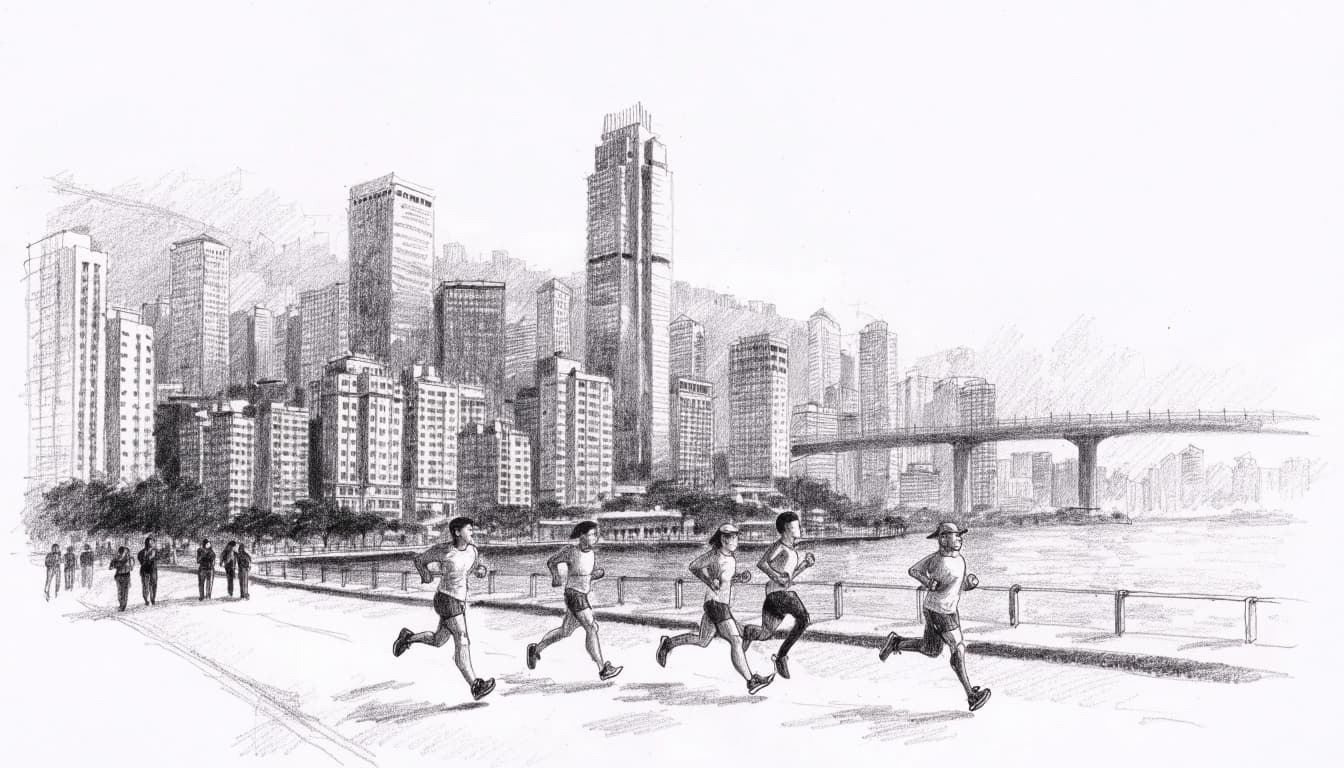
The clearest strength is the setting. Running through a dense international city, with harbor views and a large mix of local and overseas participants, gives the race a sense of occasion. The route’s bridges, elevated roads, and tunnels also make it feel different from a typical urban marathon.
That variety has a cost. Crowded stretches can limit your ability to pass or settle into a target pace, while tunnels bring noise and fewer visual cues. Long road sections may feel less scenic than the skyline suggests, and traffic noise can follow runners through parts of the course. For a personal-best attempt, those interruptions may be frustrating if you prefer a quiet, predictable route.
Travel adds another consideration. Flights, lodging, meals, and time away from work can make this a larger commitment than a local race. Weather deserves attention, too. Hong Kong’s climate varies through the year; the Hong Kong Observatory’s climate summary notes that January and December are usually among its driest months, but conditions still vary on race day. If humidity affects your pace, plan to race by effort and adjust expectations to the forecast.
The event is a strong fit for runners who value atmosphere and a memorable destination race. Those focused on a flat, quiet course, a controlled time trial, or lower travel costs may prefer another event.
Choosing the right distance for your goals
The marathon makes sense if you’re prepared for the training load and want the full course experience. It requires the most time for preparation and recovery, plus a longer time commitment. Choose it because the distance matches your fitness and goals, not simply because it’s the headline event.
A half marathon offers a substantial challenge while reducing the training burden and time on course. It can suit runners who want a meaningful race effort and a taste of the city without committing to 26.2 miles. The 10km works well for visitors with limited training time, newer racers, or anyone who wants to participate without building a marathon-length schedule.
All three distances can deliver a satisfying event. When comparing times, check the official course record and results information, and account for route changes. Compare the current routes and rules on the official competition rules page, then choose the distance that fits your preparation, travel plans, and reason for racing.
How to Prepare for a Strong Hong Kong Marathon
A strong Hong Kong Marathon starts with training that reflects the demands of the course, not just the distance. Practice steady effort on varied roads, prepare for humidity, and rehearse the fuel and gear you plan to use.
Practice steady pacing and controlled effort
Hong Kong’s humidity can make a familiar pace feel harder, while tunnels, bridges, and turns can make GPS readings jump or lag. Use pace as a guide, but judge your effort by breathing and how comfortably you can hold your rhythm. On climbs or in crowded sections, ease off rather than forcing your watch to show a target split.
Resist the urge to bank time early. The opening miles can feel quick when the pack is moving and the crowd is loud, but starting too fast can leave you paying for it later. In training, include long runs with sections at your planned marathon effort, then finish at a controlled pace instead of turning every workout into a test.
Practice staying patient when the road changes. Settle back into your rhythm after a turn or tunnel, and use landmarks or aid stations to break up long stretches. A steady effort that holds through the later miles is more useful than a fast start followed by a sharp slowdown.
Train for the weather and fuel you will use
When conditions allow, let some easy runs happen in warm, humid weather so your body can adjust gradually. Keep the effort comfortable, avoid the hottest part of the day when possible, and stop if you feel unwell. A review of heat-training research in the Scandinavian Journal of Medicine & Science in Sports recommends repeated heat exposure over one to two weeks for acclimatization; see the consensus recommendations on heat training.
Rehearse your fueling routine during long runs. Test the timing and amount of gels or other carbohydrates, and practice drinking while moving, especially if you expect to use aid stations. Don’t wait until race morning to find out that a product upsets your stomach or feels awkward to carry.
Use training to settle your clothing and equipment, too. Wear the shoes and socks you expect to race in, and check that your kit remains comfortable over several hours. Race day is for repeating a tested routine, not introducing new shoes, foods, or gear. If you want structure for your preparation, RunDreamAchieve offers marathon training plans and one-on-one coaching.
Frequently Asked Questions
A few practical details can affect how you plan for the Hong Kong Marathon, especially when schedules and route arrangements change by edition. Check the current race materials before booking travel or making a plan for race morning.
When is the Hong Kong Marathon usually held?
The race is commonly held early in the year, although the exact date varies by edition. Check the official Hong Kong Marathon race information for the announcement covering the year you plan to run, then book travel around those confirmed dates.
Is the Hong Kong Marathon course hilly?
The course includes road features such as inclines and elevated sections, but the exact profile depends on that year’s route. Review the official elevation profile before choosing a pace goal, since even gradual climbs can affect effort over a long race.
Can beginners run the Hong Kong Marathon?
Newer runners can take part if they meet the event’s rules and prepare with a suitable training plan. The full marathon is a major endurance challenge, so a half marathon or 10K may be a better first event if you’re still building distance.
What are the cut off times for each distance?
The time limits are 6 hours for the full marathon, 3 hours for the half marathon, and 2 hours for the 10K. Check the official Hong Kong Marathon race information for the current edition’s rules.
What should runners know about the weather?
Conditions can vary, and humidity may make the effort feel harder even when temperatures seem mild. Check the forecast close to the event, then adjust clothing, pacing, and hydration to match the conditions rather than relying on your usual pace alone.
How do runners get to the start line?
The best route depends on your race distance and assigned start area. Follow the event’s transport guidance, and check for road closures or transit changes close to race morning, since normal travel routes may not work as expected.
Conclusion
The Hong Kong Marathon can be a rewarding choice for runners drawn to a lively city course, striking urban views, and a large race-day crowd. Its tunnels, road sections, and busy stretches make pacing less predictable, while weather and travel logistics call for thoughtful preparation.
Runners who enjoy destination races and can stay flexible are most likely to appreciate the experience. If you prefer a quieter course or a controlled personal-best attempt, weigh those demands carefully before entering. Choose the distance that fits your fitness and goals, then build a training plan that prepares you for the course and expected conditions. The Hong Kong Marathon rewards preparation as much as enthusiasm.


