

Hong Kong Marathon Route: Tough Climbs & Iconic Views
Hong Kong’s lively streets can give race morning a festive start, but the Hong Kong Marathon route may also lead runners onto quiet highways and through tunnels where the city’s energy fades and the effort takes center stage. That contrast makes it important to know what lies ahead, rather than relying on the excitement of the opening miles.
The course details depend on your race distance and the event year, since organizers can update routes and logistics. We’ll help you build a clear picture of the course, plan your race-day approach, and identify what to confirm in the official event guide, including your start, finish, and route-specific instructions. First, here are the key points to keep in mind.
Be sure to check out the RunDreamAchieve YouTube channel for weekly running tips. Be sure to reserve your Hong Kong Marathon hotels early to save on higher costs later.
Key Takeaways
- The Hong Kong Marathon route can change by event year, so use the current official map rather than relying on older course descriptions.
- The full marathon covers 42.195 kilometers, while the event also offers half-marathon and 10K races.
- Expect a mix of city streets, highway sections, bridges, and tunnels, with quieter stretches that call for steady pacing.
- Choose your race distance based on your training, then study its course map for the start, finish, turns, and route-specific logistics.
- Before race day, check the official race information and course maps for current distances, instructions, and updates.
How the Hong Kong marathon route unfolds from start to finish
The Hong Kong Marathon route can feel like several races in one. Busy urban streets give way to broad roadways, exposed crossings, and enclosed tunnels before runners reach their finish area. The exact sequence depends on the distance and event year, so use the current official Hong Kong Marathon course maps to follow your race.
From Kowloon streets to the open road
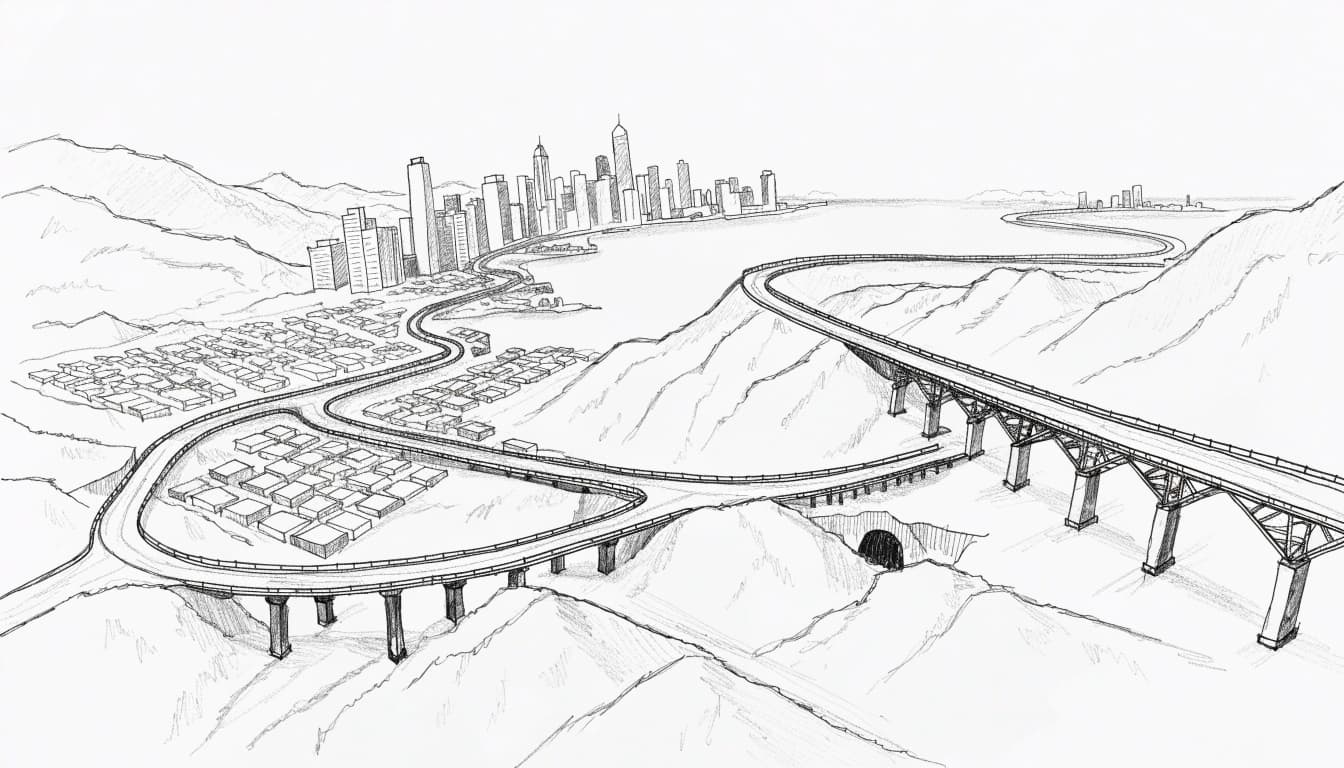
The opening streets bring the city close. Runners pass through a dense urban setting, with spectators, fellow athletes, and the energy of race morning all around them. That atmosphere can make the early kilometers feel easier than they are, so hold to your planned effort instead of chasing the crowd.
As the course leaves the tighter streets, it can open onto wider expressways and more exposed sections. The change is physical and mental: there may be more room to run, but fewer distractions and less shelter from wind or sun. Settle into an even rhythm and resist the urge to use the early excitement as a reason to bank time. A controlled start gives you more options when the course demands harder work later.
Bridges and tunnels bring a change in rhythm
Major crossings can add a different feel to the race. Recent course layouts have featured landmarks such as Stonecutters Bridge and Tsing Ma Bridge, as well as the Cheung Tsing and Nam Wan tunnels. The exact crossings vary by event year and race distance, so don’t assume every runner will encounter the same features.
Bridge grades can shift your effort even when your pace changes only slightly. Wind may feel stronger on exposed spans, while long straight sections can test concentration. In tunnels, the enclosed space, altered light, and road sound can make the miles feel different from those outside. Keep your effort steady through these transitions, and avoid surging simply because the terrain changes or the surroundings feel dramatic.
Where the race finishes, and what to check on the map
The finish location and final approach depend on your event edition and distance. Before race day, open the map for your specific race and trace the route all the way to the finish. Note where the finish area sits, which direction you approach from, and where the major turns occur.
Also check event updates for changes to the course or race-day logistics. A quick review can prevent confusion about which map applies to your start and finish. If you’re running with a pacing plan, match its landmarks to the current map rather than relying on an older course description. That way, you’ll know what the final stretch looks like before you reach it.
How the full, half, and 10K courses differ
The Hong Kong Marathon offers three race distances, but they don’t simply cover different lengths of the same course. Each brings its own demands, race-day experience, and planning needs. Check the current map and instructions for your distance before you settle on a pacing plan, since routes and logistics can change by year.
The full marathon rewards steady effort
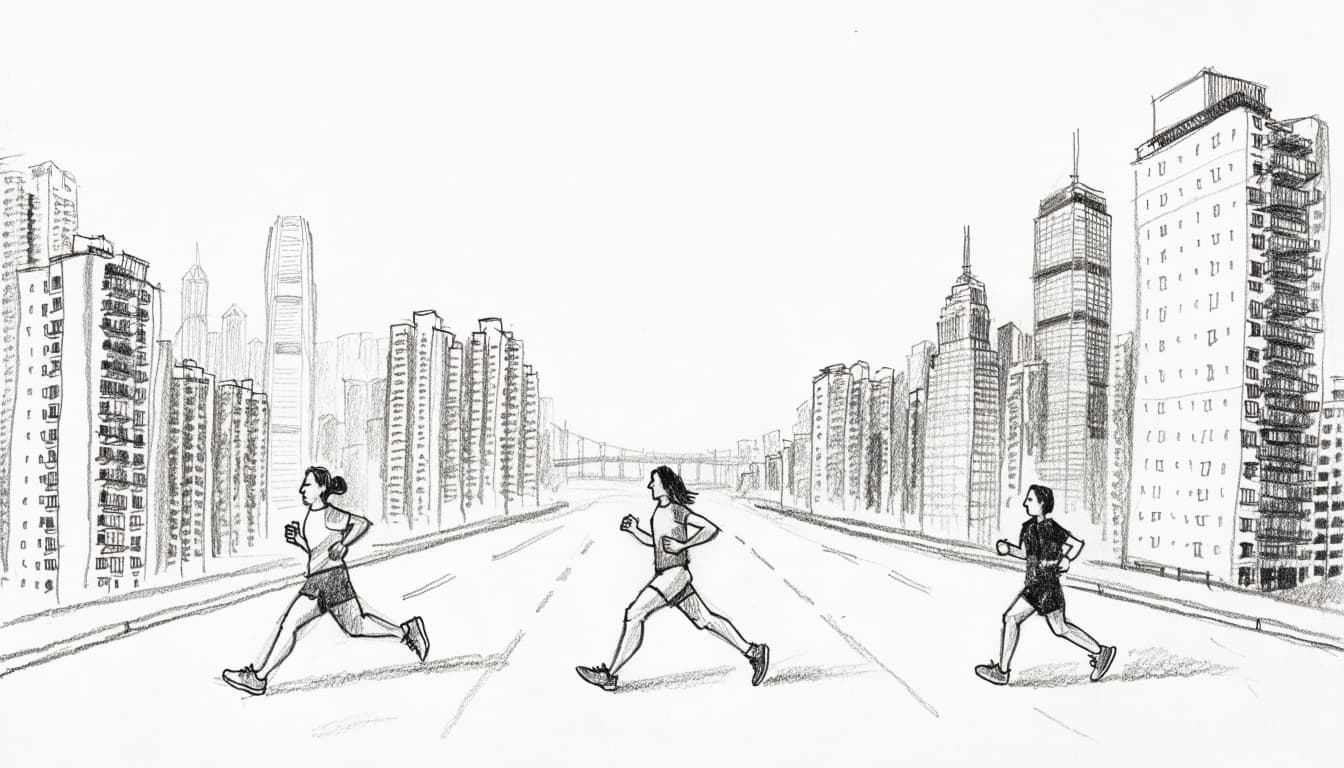
The full marathon asks you to manage your effort across the entire route, not just the lively opening streets. City roads may lead into long highway stretches, bridges, and tunnels, where terrain, exposure, and surroundings can change how the miles feel. A pace that seems comfortable early can become costly if you spend too much energy before the quieter sections.
Review the full course as a whole. Note where the route changes character and where you may need to stay patient, especially if crowds or wide-open roads tempt you to speed up. Your plan should account for sustained effort, fueling, and the later stages of the race, not just the first section.
Choose Your Distance, Duration and Goal Time
Make three quick selections and open the exact plan built for your race target.
Looking for a Fully Personalized Training Plan?
The training plans above are an excellent choice if they match your goal. However, if you’d rather train with a plan built specifically around your current fitness, goal race, preferred training days, weekly mileage, and target finish time, our RDA Custom Training Plans provide a personalized solution. We also have running courses available for runners seeking to run faster from the mile to the marathon.
Why Choose a Custom Training Plan?
| Standard Training Plan | RDA Custom Training Plan |
|---|---|
| Follows a fixed schedule | Built around your schedule |
| Standard weekly mileage | Peak mileage customized for you |
| Fixed workout days | Train on the days you choose |
| Same structure for everyone | Designed around your current fitness |
| Static plan | Updated as your fitness improves |
| One-time purchase | Ongoing personalized coaching and support |
What You’ll Receive
- A training plan built specifically for your goal
- Personalized training paces
- Long runs, tempo runs, threshold workouts, interval sessions, recovery runs, and easy runs
- Peak weekly mileage matched to your experience level
- Flexible training schedule that fits your life
- Ongoing plan adjustments as your fitness improves
Ready to Train Smarter?
Stop guessing and start following a plan built specifically for you, your schedule, and your racing goals.
The half marathon offers a shorter course day
The half marathon suits runners who want a shorter race than the full distance while still taking on a substantial endurance effort. It needs a pacing plan, too: starting too fast can make the later kilometers difficult, even when the race is shorter. Familiarity with your own course helps you set realistic expectations and stay composed through turns and changes in terrain.
Don’t assume the half shares the full marathon’s start, finish, or route sections. Check the official half-marathon runner’s guide and current course map for the details that apply to your event year. Then build your pace plan around the route you will actually run.
The 10K is a quick way to join the event
The 10K is a shorter-distance option for newer runners, experienced racers, and anyone who wants to take part without marathon-level training. Beginners can focus on finishing at a controlled effort, while experienced runners may use the race to pursue a faster pace. Either way, a little route preparation helps, especially if this is your first large road race.
The 10K may begin in a different location and follow different roads from the full and half marathons. Review the official 10K runner’s guide, along with the current course map and race instructions. Confirm your start and finish, then plan how you’ll reach the start area and leave the finish zone.
What the course feels like underfoot and in the weather
A Hong Kong Marathon course map shows where you’ll run, but it can’t show how the road feels after hours on pavement. Expect effort to shift with the grades, long open stretches, wind exposure, and changing light. Conditions and route details vary by year, so match your expectations to the current course and race-day forecast.
Plan for gradual climbs and long descents
Bridge approaches and highway ramps can add rolling changes in grade, even when the Hong Kong Marathon route looks mostly flat on a map. Some rises may feel gradual rather than steep, but they still ask for extra work. Long paved sections also keep the impact consistent, so small changes in effort can add up over the miles.
On climbs, shorten your stride slightly and run by effort instead of forcing your usual pace. Then let your pace return naturally as the road levels out. On descents, stay relaxed and avoid reaching far forward with each step. Chasing lost seconds downhill can tire your legs before the later miles.
Prepare for wind, sun, and tunnel transitions
Exposed bridges and highway stretches can feel breezy, while open sections may offer little shade. Hong Kong weather varies, and race-day conditions can differ from one year to the next. The Hong Kong Observatory’s climate overview describes seasonal patterns, but check the forecast close to race day. Even when temperatures seem manageable, warmth and humidity can make a sustained effort feel harder.
Tunnels bring a different set of sensations. Light may drop suddenly at the entrance, airflow can change, and the enclosed road can sound louder. Keep your eyes on the road as you enter and exit, especially if your pace group is close. Practice in the clothing you plan to race in, so you know how it feels during sustained running and changing conditions.
Keep your effort steady on wide roads
Broad roadways can make the pace feel easier than it is. With fewer turns and more room to run, runners may speed up without noticing, especially in the excitement of the opening kilometers. That early surge can cost energy you’ll want later, when the course has asked your legs to handle more pavement and elevation changes.
Choose a planned effort before the start and check it against how you feel, not just your watch. If the road opens up, hold your rhythm rather than using the space to pass aggressively. A controlled start gives you a better chance to stay strong through the later stretches of the race.
How to plan race day around the route
A good race-day plan starts before you leave your hotel or home. The Hong Kong Marathon route can involve different starts, transport arrangements, and finish procedures by distance and event year, so use the current organizer instructions as your source of truth.
Check your start area and transport before race morning
Confirm your assigned start location and the time you need to arrive. Then check how to reach the start, including any event-specific transit advice, road closures, or station changes. A familiar route may work differently on race morning when access restrictions and race traffic are in place.
Build extra time into your journey. Event crowds can slow the walk from a station or drop-off point, and a missed connection can add stress before the race begins. Check official travel and event updates close to race day, then save the details you need offline in case mobile service is busy.
Pack for a long wait and changing conditions
Lay out your race clothing, bib, shoes, and weather-appropriate layers the night before. A lightweight layer can help while you wait, but choose gear you can manage once it is time to start. Keep your bib easy to reach and follow the event’s instructions for attaching it.
Bag-drop rules, collection arrangements, and prohibited items can change. Check the current Hong Kong Marathon runner’s guide for the rules that apply to your race. If you plan to check a bag, pack only what the guide allows and leave enough time to reach the designated drop-off area.
Know where support and fueling fit into your plan
Study the published aid-station locations and any rules for personal support along the course. Then match your fueling plan to what you’ve practiced in training. Don’t assume a particular station spacing or product will be available unless the current event information confirms it.
If you plan to carry gels or other fuel, decide when you’ll take them before the start. Keep items accessible, and account for how your plan may change if the weather or your pace differs from expectations. Race-day support works best when it follows a familiar routine rather than an improvised one.
Plan your finish-area meetup in advance
Crowds, noise, and tired legs can make calls and texts difficult after you finish. Choose a clear meeting point outside restricted race space, and tell your friends or family exactly where to wait. Avoid vague plans such as meeting “near the finish,” since the area may have multiple exits and crowded walkways.
Check the event’s post-finish arrangements, including how runners leave the finish zone and collect checked bags. Share your plan before the race, when everyone has time to read it. A simple meetup point and backup message can make the trip home easier.
Train for the Hong Kong course without overcomplicating it
The Hong Kong Marathon route can change by year, but its bridges, ramps, tunnels, and long paved stretches offer useful training clues. Build steady road endurance, practice controlled effort on rolling terrain, and rehearse your race-day fueling. You don’t need to copy the course exactly to prepare well.
Practice effort changes with hills and bridge-style repeats
Choose a moderate hill or rolling route and run several controlled uphill repetitions. For example, after warming up, run four to six uphill efforts of about one to two minutes, then jog or walk back down to recover. Newer runners can start with fewer repeats; experienced runners can add repetitions while keeping the effort smooth.
On each climb, shorten your stride slightly and keep your upper body relaxed. Avoid sprinting to the top or forcing your usual flat-road pace. The goal is to practice maintaining form as the grade changes, then resume a steady rhythm when the road levels out.
Use long runs to test pace and fueling
Long runs give you a low-pressure setting to rehearse the effort and routine you want on race day. Include stretches near your planned marathon or half-marathon effort when appropriate for your training, but keep most of the run comfortable. Beginners should prioritize completing the planned time or distance without turning every long run into a race.
Practice taking fluids and fuel at intervals that suit your needs and the conditions. Test the products you plan to carry, including how they feel on your stomach while running. Since aid-station offerings and course details can change, don’t rely on an untested race-day product or strategy.
Build comfort with steady road running
Long paved sections reward patience and consistent mechanics. Add a sustained road run at an appropriate training effort, such as 20 to 40 minutes at a comfortably steady pace within a shorter workout. Runners with more experience can extend the steady segment, provided it fits their plan and recovery.
Use safe, legal routes such as public roads with sidewalks, park paths, or shared-use trails. Race roads may be closed or restricted outside the event, so don’t try to train on them. A familiar, uninterrupted route can help you focus on relaxed form and even effort without needing to replicate the marathon course.
Adjust training for warmth and humidity
Warm, humid weather can make a familiar pace feel harder. Reduce your pace or effort when conditions call for it, and build exposure gradually rather than forcing hard workouts in the heat. The consensus guidance on training in the heat supports gradual heat acclimatization and careful attention to conditions.
Drink according to your needs and the demands of the run, and practice your hydration routine during training. Keep easy days easy, especially after warm-weather sessions. If you feel faint, confused, nauseated, or unusually weak, stop running and seek help; don’t treat warning signs as a pacing problem.
Frequently Asked Questions
A few practical details can make the Hong Kong Marathon route easier to plan for, especially when the course or race-day arrangements change. Use the current event materials to confirm anything that affects your start, pacing, or support plan.
Does the Hong Kong Marathon route change every year?
Organizers may revise the course, start and finish arrangements, or other event logistics between editions. Even when familiar roads appear on the route, turns, access points, and race-day procedures can differ. Check the official map and runner’s guide for your specific race and event year before planning transport or pacing. Older articles and maps can offer context, but they shouldn’t replace the current instructions.
Is the Hong Kong Marathon course flat?
Much of the route uses paved roads, but that doesn’t mean the entire course is level. Ramps and bridge approaches can bring gradual climbs and descents, shifting your effort even when the grade looks modest. Expect your pace to vary with the terrain rather than forcing the same speed everywhere. Training on rolling roads can help you stay relaxed when the course changes slope.
Which race distance should a first-time runner choose?
The right distance depends on your training history, health, and personal goals. Choose an event you can prepare for safely with the time and experience you have, rather than picking the longest distance because race-day excitement makes it tempting. If you have a health concern or are unsure how to begin, talk with a qualified health professional before starting a training plan. A well-prepared 10K can be a better first race than an undertrained marathon.
Can spectators watch runners along the course?
Spectator access may be limited by road closures, restricted zones, and event rules. Before choosing a viewing spot, check the organizer’s current guidance for permitted areas and transport updates. The official competition rules can help clarify event requirements, but check the latest race notices for practical viewing instructions. Give yourself extra travel time, since road restrictions can affect routes between locations.
What should I study on the official route map?
Start by locating your race’s start and finish, then trace the course in the direction you’ll run. Look for elevation changes, aid stations, cutoff points, and any event-specific notices that could affect your plans. The map shows where key features sit, while the race guide explains the related procedures and rules. Read both together so you understand not just where you’ll run, but what to do on race day.
Conclusion
Understanding the Hong Kong Marathon route means more than memorizing turns. It helps you manage your effort across bridges, tunnels, and long road sections, prepare for changing weather, and stay present as the city unfolds around you.
Match your training to your chosen distance, and use the current official course map and event guide to confirm your route and race-day instructions. With a steady plan and realistic expectations, you can meet each section of the course with confidence and enjoy more of the experience.


