

HOKA Mach 7 vs Saucony Kinvara 16: Which Feels Better?
Both the HOKA Mach 7 vs Saucony Kinvara 16 comparison comes down to feel, not just specs. Both shoes are light, quick, and built for runners who want one pair that can handle easy runs, workouts, and longer miles.
The real question is which ride fits your stride better. The Mach 7 brings a softer, more cushioned feel, while the Kinvara 16 keeps things lean and responsive, so the difference shows up fast underfoot. Fit and value matter here too, because a shoe can look great on paper and still miss the mark once you lace it up.
If you want a broader look at how HOKA models compare, these Hoka running shoe reviews can help set the stage.
Next, it comes down to the details that matter most on the run, including cushioning, fit, and which shoe gives you more for the money.
What makes the Mach 7 and Kinvara 16 worth comparing
The HOKA Mach 7 vs Saucony Kinvara 16 comparison makes sense because both shoes sit in that sweet spot between easy mileage and faster work. Each one gives runners a lighter, less bulky option than a max-cushion daily trainer, but they get there in different ways.
That overlap matters if you want one pair that can handle a lot of runs without feeling heavy or overbuilt. If you’re also looking for broader options in that category, this best daily trainer running shoes guide is a useful place to compare the field.
The kind of runner each shoe is built for
The Mach 7 fits runners who want a softer, more energetic ride with a bit more cushion underfoot. It appeals to people who like a shoe that feels friendly on longer runs, yet still has enough snap for steady pace work.
The Kinvara 16 is aimed at runners who want a more traditional, low-profile, lightweight feel. It suits people who like to stay close to the ground and prefer a shoe that feels simple, direct, and quick without extra bulk.
If your first priority is comfort with some bounce, the Mach 7 makes sense. If you want a stripped-down ride that stays fast and light, the Kinvara 16 is the cleaner fit.
Why both shoes attract runners who want one shoe for many jobs
This matchup matters because both shoes can do more than one job. You can use either one as a daily trainer, then pick up the pace for intervals, tempo runs, or progression days.
They also work well as travel shoes because they pack light and cover a lot of ground. That flexibility is why runners compare them when they want one pair that can handle daily training, faster efforts, and everything in between.
In the sections ahead, the differences in ride, fit, weight, durability, and best use cases will show which shoe fits your running style better.
How the ride feels on easy runs, workouts, and long miles
The HOKA Mach 7 vs Saucony Kinvara 16 debate gets clearest when you stop looking at specs and start thinking about feel. One shoe wants to cushion the run a little more, while the other keeps the ride closer to the road and more direct.
That difference shows up on every kind of run. On easy days, you may want softness and less pounding. On workouts, you may want a shoe that reacts fast when the pace shifts. On long miles, comfort has to last after the first fresh few minutes.
Which shoe feels softer and more protective underfoot?
The Mach 7 feels softer right away. It gives you a more cushioned landing, so each step feels a little more buffered and less harsh on tired legs. That extra protection makes it easier to keep running when your stride gets sloppy late in the day.
The Kinvara 16 feels firmer and more connected to the ground. It still has enough cushion for daily miles, but the underfoot feel is simpler and more stripped back. If you like a shoe that lets you feel the road more clearly, that is where the Kinvara stands out.
For recovery runs, the Mach 7 is the easier pick. It has a more forgiving ride, and that can matter after speedwork or a tough long run. Runners who want more comfort for easy mileage may also like a higher-cushion option such as the Saucony Triumph 24 review.
The Kinvara 16 suits runners who want less shoe between them and the ground. It feels more natural if you like a lighter, leaner setup and do not need much cushion to feel good.
If your legs are beat up, the Mach 7 usually feels kinder. If you want a closer-to-the-ground ride, the Kinvara 16 feels more honest and direct.
Which one is faster when the pace picks up?
When the pace changes, the Kinvara 16 feels a little more eager. It has a quick turnover and a snappier response, so it works well for fartlek runs, short intervals, and progression runs. You press the pace, and the shoe seems ready to come with you.
The Mach 7 is still plenty capable for workouts, but it feels smoother than sharp. That makes it better for tempo runs and steady pickups than for hard, punchy repeats. It responds well, just with a softer edge.
For practical use, that means:
- Kinvara 16 for short intervals, strides, and faster fartlek sessions.
- Mach 7 for tempo runs, steady progression work, and controlled workouts.
- Either shoe for moderate training, if you want one pair that can cover a lot of paces.
Runners who like a more direct tempo feel often prefer the Kinvara. Those who want pace without a harsh ride usually lean toward the Mach 7. For a broader comparison of how the Kinvara line behaves in training, the Saucony Kinvara 16 review gives a useful look at its fast, lightweight personality.
What they are like at slower paces and longer distances
At slower paces, the Mach 7 stays smoother and easier to live with. It rolls along nicely on recovery days and keeps the ride from feeling flat, which helps when the run starts to stretch past the one-hour mark. The added cushion also helps the shoe stay comfortable when your form fades a bit.
The Kinvara 16 can still handle longer runs, but it asks a little more from you. If your form stays efficient, it feels light and efficient for miles. If your legs get tired, the firmer, lower-profile ride may feel less forgiving over time.
That is the real split in the HOKA Mach 7 vs Saucony Kinvara 16 matchup. The Mach 7 is the calmer, more protective choice for easy and long efforts. The Kinvara 16 is the better pick if you want a livelier shoe that keeps things simple and fast.
For runners who split the difference between both, the choice comes down to what bothers you more: extra softness that feels safe, or a firmer feel that keeps you closer to the road.
Fit, upper comfort, and lockdown are not the same in both shoes
Fit can matter more than stack height for many runners. A shoe can look perfect on paper, yet still feel wrong if the toe box pinches, the midfoot shifts, or the heel slips. In the HOKA Mach 7 vs Saucony Kinvara 16 comparison, that difference shows up fast once you start moving.
Toe box space and forefoot shape
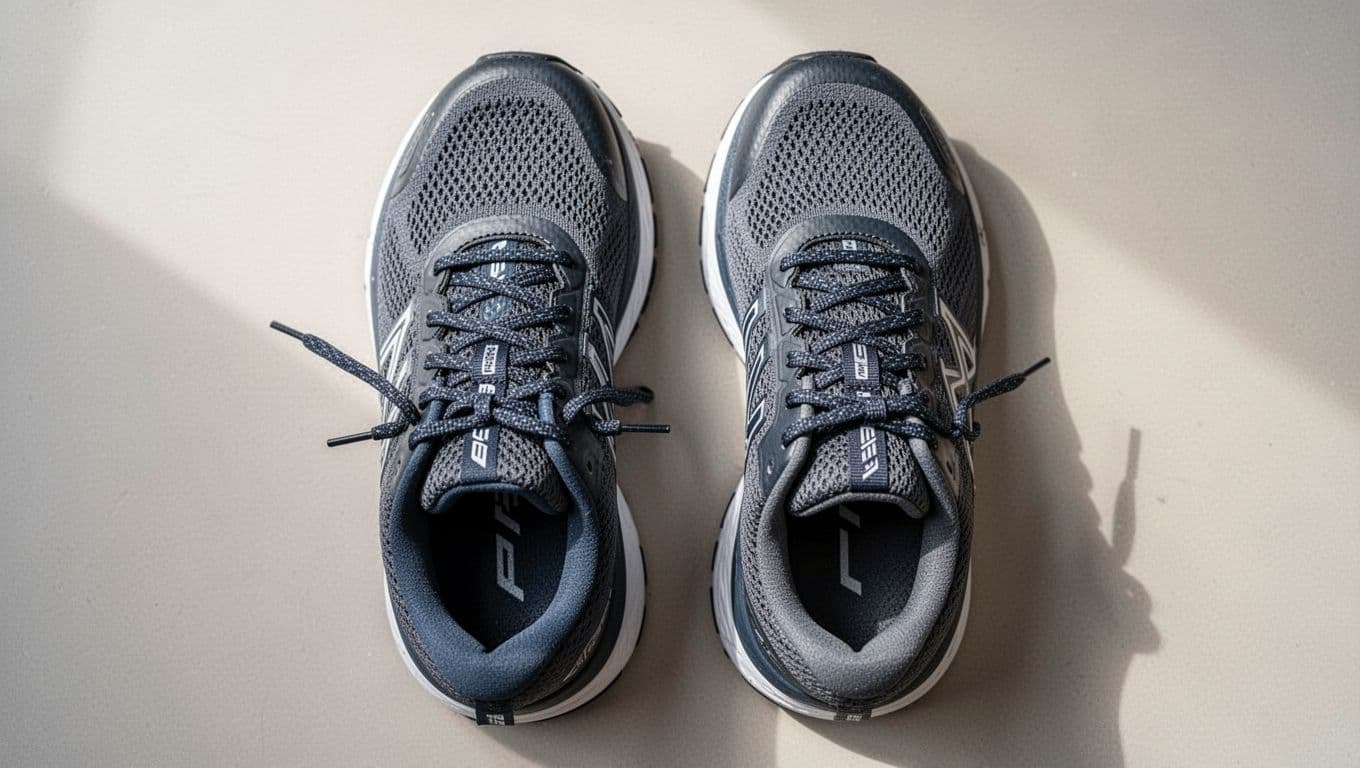
The Mach 7 usually feels a bit more forgiving up front, while the Kinvara 16 tends to feel more tapered and low-profile. That makes the Mach 7 easier for runners who want a little room for toe spread, especially on longer runs when feet swell.
The Kinvara 16 keeps the front of the shoe more focused and snug. If you like a cleaner, closer fit, that can feel efficient. If your forefoot is wider, or your feet tend to expand after a few miles, that narrow shape may feel less relaxed late in the run.
A roomier toe box can also help on days when you spend hours in the shoe, not just minutes. More space means less pressure on the toes, less rubbing, and a better chance of staying comfortable beyond the run itself. For runners who like a lightweight shoe with a bit more front-end room, the Kinvara 16 review gives a helpful look at how its fit plays out in real use.
Midfoot hold and heel security
The midfoot is where both shoes start to separate more clearly. The Kinvara 16 often feels more stripped down and close-fitting through the middle, which helps the foot feel planted during faster running and quick direction changes. It gives you that direct, wrapped-in feel without much extra material.
The Mach 7 is still secure, but it feels a little more relaxed overall. That can be a plus if you want comfort, though some runners may notice slightly less of that snug racing-like hold in sharp turns or faster intervals.
Heel security matters just as much. A stable heel keeps the foot from sliding when you accelerate, and it helps the shoe feel calm on cornering or pace changes. Runners who want a more locked-in fit for tempo work may prefer the Kinvara 16, while those who want a smoother, more forgiving hold may like the Mach 7 better.
When a shoe fits cleanly in the heel and midfoot, the whole run feels easier. When it doesn’t, you notice every small slip.
Upper feel, breathability, and sock-like comfort
The Mach 7 tends to feel softer against the foot, with an upper that leans into comfort and an easy-on feel. That makes it a strong choice for warm weather runs and long days on your feet, when you want the shoe to disappear a little.
The Kinvara 16 feels more minimal and a touch more structured. It still aims for lightness and airflow, but the overall feel is usually more precise than plush. If you like a snug, race-ready upper that holds shape well, that can be a plus. If you prefer a softer, more forgiving wrap, the Mach 7 has the edge.
For runners who care about comfort first, the upper can be just as important as the foam underfoot. A breathable, soft upper reduces hot spots and keeps the shoe from feeling tight when the miles add up. In that way, the better fit often comes down to what feels natural the moment you lace up, not just what the spec sheet says.
Weight, stack height, and the numbers that shape the run
Specs do matter, but only when you connect them to how a shoe moves under you. In the HOKA Mach 7 vs Saucony Kinvara 16 comparison, the numbers help explain why one shoe feels softer and more protective, while the other feels leaner and quicker.
A lighter shoe can still ride in very different ways. Foam type, stack height, heel-to-toe drop, and overall geometry all shape the feel on the run. If you only chase the lowest weight, you can miss the shoe that actually feels best after the first mile.
How lighter shoes can still feel different on the run
Weight is only part of the story. Two shoes can weigh close to the same and still feel nothing alike because the foam may compress differently, the platform may sit higher or lower, and the rocker may push you forward in a different way.
The Mach 7 feels lighter in motion than its cushioning suggests because the ride is smooth and the transition is easy. The Kinvara 16 feels lighter because it strips away extra bulk and keeps the ride direct. One feels like a soft springboard, the other feels like a quick, flat path.
That is why the lightest shoe is not always the fastest or most comfortable. A shoe can save a few grams and still feel harsh, awkward, or tiring if the shape does not match your stride. If you want a broader look at how those choices show up across models, running shoe buying guides can help you compare the basics more clearly.
For runners, the real question is simple:
- Do you want easy turnover? A lighter, lower shoe often feels more natural.
- Do you want less leg stress? A shoe with more foam may feel better, even if it weighs a bit more.
- Do you want one shoe for many jobs? Balance usually matters more than chasing the lowest number on the scale.
A shoe that feels fast on paper can feel flat on the road. The best match is the one that disappears under your foot.
Why stack height and drop can change the way your stride feels
Stack height changes how much foam sits between you and the ground. More stack usually means more cushion and a softer landing, while less stack gives you a firmer, more grounded feel. That changes how your legs absorb impact, especially when fatigue starts to build.
Heel-to-toe drop matters just as much. A higher drop shifts a little more load away from the calves and Achilles, while a lower drop asks those areas to work more.
That can make a shoe feel smoother for one runner and more demanding for another. Research on shoe geometry shows that stack changes can alter running style and stability, which is why the same shoe shape never feels the same to everyone, according to a recent study on stack height.
In practical terms, the Mach 7’s higher, softer setup can feel friendlier on longer runs because it buffers the foot more. The Kinvara 16’s lower, leaner feel can seem more natural if you like a close-to-the-ground stride and quicker ground contact.
If you tend to feel calf tightness, a lower drop may ask more from those muscles. If you want a smoother transition and less lower-leg strain, a slightly higher drop can feel easier right away.
That is why fit and size matter too, since even the best geometry can feel wrong if the shoe does not hold your foot correctly. For help with that part, choosing the right running shoe size is worth a look.
Durability, traction, and value for the money
If you run often, durability matters just as much as feel. A shoe can feel great on day one, but the real test is how it holds up after repeated pavement miles, a few wet mornings, and enough weekly use to start wearing down the rubber.
The HOKA Mach 7 vs Saucony Kinvara 16 comparison also gets interesting here because both shoes aim for light, quick daily use, but they do it with different priorities. One leans a little more toward comfort and versatility, while the other stays simpler and leaner.
What to expect from outsole grip on roads and light paths
On dry roads, both shoes should feel secure enough for everyday running. The Mach 7 usually gives a more confident, planted feel because of its broader, smoother ride, while the Kinvara 16 keeps things light and direct. On clean pavement, neither shoe should leave you wishing for trail-style traction.
Wet roads are a different story. Like most road shoes, both will lose some bite on slick paint, metal covers, or polished concrete. The Mach 7 has a slightly more forgiving platform, so it often feels steadier during easy cruising. The Kinvara 16 can still grip fine, but its lower, more minimal setup may feel a touch less reassuring if the surface gets sloppy.
For mixed surfaces like crushed path, park lanes, or packed dirt, the Mach 7 is usually the safer bet. It feels a little more adaptable when the route changes. The Kinvara 16 is better when the run stays mostly on pavement and you want a cleaner road feel.
For a broader look at how outsole wear changes over time, RunRepeat’s outsole breakdown gives a useful look at how rubber choice affects grip and wear.
If your routes often include damp streets or rough patches, a slightly more stable outsole matters more than a few grams of weight.
Which shoe gives better long-term value?
Value is not just about price. It also depends on how long the shoe lasts, how often you can use it, and whether it fits more than one kind of run. A shoe that handles easy days, workouts, and moderate long runs can save you money because you do not need a second pair right away.
The Mach 7 has a strong case for runners who want one shoe for many jobs. Its more cushioned ride can make it easier to use several times a week without beating up your legs. That makes the price feel fair if you run high mileage or rotate it heavily.
The Kinvara 16 is smart value for runners who want a lighter, simpler shoe with a lower purchase barrier. It makes the most sense if you already own a cushioned trainer and want a fast option for shorter runs or speed days.
A good way to judge value is simple:
- Weekly use: Which shoe can you wear most often without fatigue?
- Outsole wear: Which one holds up better on your usual roads?
- Role coverage: Which shoe can replace more than one pair in your rotation?
If you want to time your next purchase better, this replacement guide explains when miles start to add up. In short, the better value is the shoe that fits your weekly routine and stays comfortable after the first few hundred miles.
Which shoe should you choose based on how you run?
The best choice in the HOKA Mach 7 vs Saucony Kinvara 16 matchup depends on how you run most often, not just what feels good for a few minutes in the store. Your pace, your favorite distances, and how much cushion you want all point to the right shoe.
If you want a smooth ride that takes the edge off daily miles, the Mach 7 is the easier fit. If you want a lower, lighter shoe that feels quick and connected, the Kinvara 16 makes more sense. That split gets even clearer once you match the shoe to your running style.
Choose the HOKA Mach 7 if you want a smoother, more cushioned ride
The Mach 7 is the better choice for runners who want easy comfort without losing a lively feel. It gives you more protection underfoot, so daily miles feel softer and long runs feel less harsh. That matters if you run often and want one shoe that can handle a wide mix of training days.
This shoe fits newer runners well too, especially if they want a forgiving ride that does not feel stiff or demanding. The added cushion can make pacing mistakes feel less punishing, which helps when you are still building confidence.
It also suits runners who prefer a little more protection for longer runs. Once fatigue sets in, a smoother, more cushioned platform can feel like a helpful buffer between your feet and the road. The Mach 7 keeps the run feeling relaxed, even when the miles stack up.
Use the Mach 7 if you want:
- A softer landing on easy runs and recovery days
- A versatile daily trainer that can also handle steady workouts
- More comfort on longer efforts
- A lighter feel than a max-cushion shoe, but with extra protection
For many runners, that balance is the sweet spot. The Mach 7 feels friendly without feeling slow.
Choose the Saucony Kinvara 16 if you want a lower, more natural feel
The Kinvara 16 is the better match for runners who like ground contact, lightweight simplicity, and a more traditional training feel. It sits lower, feels leaner, and keeps the ride close to the road. If you enjoy a shoe that responds fast and stays out of the way, this one makes a strong case.
Speed-focused runners often prefer it for that reason. It works well for short workouts, strides, fartlek sessions, and quick runs where you want fast turnover more than soft cushioning. The shoe feels sharp without extra bulk, and that can make your stride feel more efficient.
It also makes sense for runners who do not want much shoe between them and the ground. Some people run better when they feel every step a little more clearly. The Kinvara 16 gives you that direct, stripped-back sensation without turning the shoe into a pure racing flat.
Use the Kinvara 16 if you want:
- A low, connected ride that feels natural
- A lightweight trainer for faster days
- Less bulk underfoot
- A simpler shoe for short workouts and quicker miles
If you like your shoes to disappear once the pace picks up, the Kinvara 16 is the cleaner pick.
If you can only buy one, here is the safer pick for most runners
For the widest range of runners, the HOKA Mach 7 is the safer all-around choice. It gives you more cushion, a smoother transition, and better comfort across different run types. That makes it easier to use as a daily trainer, a long-run shoe, and a shoe for moderate workouts.
The Kinvara 16 is the better pick only if you already know you like a lower, firmer, more minimal feel. It is excellent for runners who want speed and simplicity, but it asks for a little more from your legs. The Mach 7 is easier to recommend to more people because it covers more needs with fewer tradeoffs.
If you want one shoe that can do the broadest job with the least fuss, pick the Mach 7. If you want the more fun, direct, and stripped-down feel, go with the Kinvara 16.
Conclusion
The HOKA Mach 7 vs Saucony Kinvara 16 choice comes down to feel more than anything else. The Mach 7 is the better pick if you want a smoother, softer ride that stays friendly on easy days and longer efforts.
The Kinvara 16 makes more sense if you want a low-profile shoe that feels quick, direct, and close to the road. If you’re still deciding what fits your stride, this beginner running shoe guide can help you narrow down the basics.
If you want the safer all-around option, choose the Mach 7. If you prefer a lighter, more connected ride, the Kinvara 16 is the cleaner fit.


