

HOKA Gaviota 6 Review: Stability for Marathon Training
If you want one shoe that can handle long miles without feeling harsh, the HOKA Gaviota 6 is worth a close look. It’s built for runners who want soft cushioning, steady support, and a ride that feels dependable late in a marathon training block.
That matters when your legs are tired and your form starts to fade, because the wrong shoe can make easy miles feel harder than they should. This review looks at fit, ride, durability, and whether the Gaviota 6 works as a daily trainer for high-volume runs, or if a shoe like the Hoka Arahi 8 review might be a better match for your needs.
What the HOKA Gaviota 6 is built to do
The HOKA Gaviota 6 is built for runners who want steady support without a harsh ride. It fits best in the daily-trainer lane, where comfort, control, and repeatable miles matter more than quick turnover or race-day snap.
Who should look at this shoe first
If you run marathons, build high weekly mileage, or know your stride leans inward, this shoe deserves a close look. It also makes sense for heavier runners who want a stable base and for anyone who likes a soft shoe with a guided feel.
That support can be helpful when fatigue shows up late in a long run. As one guide to stability running shoes explains, overpronators and runners with low arches often benefit from that extra structure.
Runners who want a firmer, lighter, or more stripped-down feel may want to pass. The Gaviota 6 is built to calm the ride, not to feel fast and lively.
How it fits into a marathon training plan
In marathon training, the Gaviota 6 works best on the days when you want to stack miles and stay fresh. Use it for easy runs, recovery days, and long runs where pace control matters more than speed.
It can also handle high-mileage weeks well, because its job is consistency. The shoe helps you keep form together when your legs get tired, which is often when stability matters most.
For runners comparing support options, our stability shoe guide can help narrow the field. The Gaviota 6 is a good match if you want one trainer that stays dependable across the bulk of your marathon work.
If your goal is smooth, supported mileage, this shoe fits that job better than a speed-focused trainer.
First impressions, upper fit, and step-in comfort
The first thing you notice about the HOKA Gaviota 6 is how settled it feels right out of the box. The upper has a soft, padded feel, and the collar gives the shoe a cushioned, secure first touch that works well for long runs and easy daily wear.
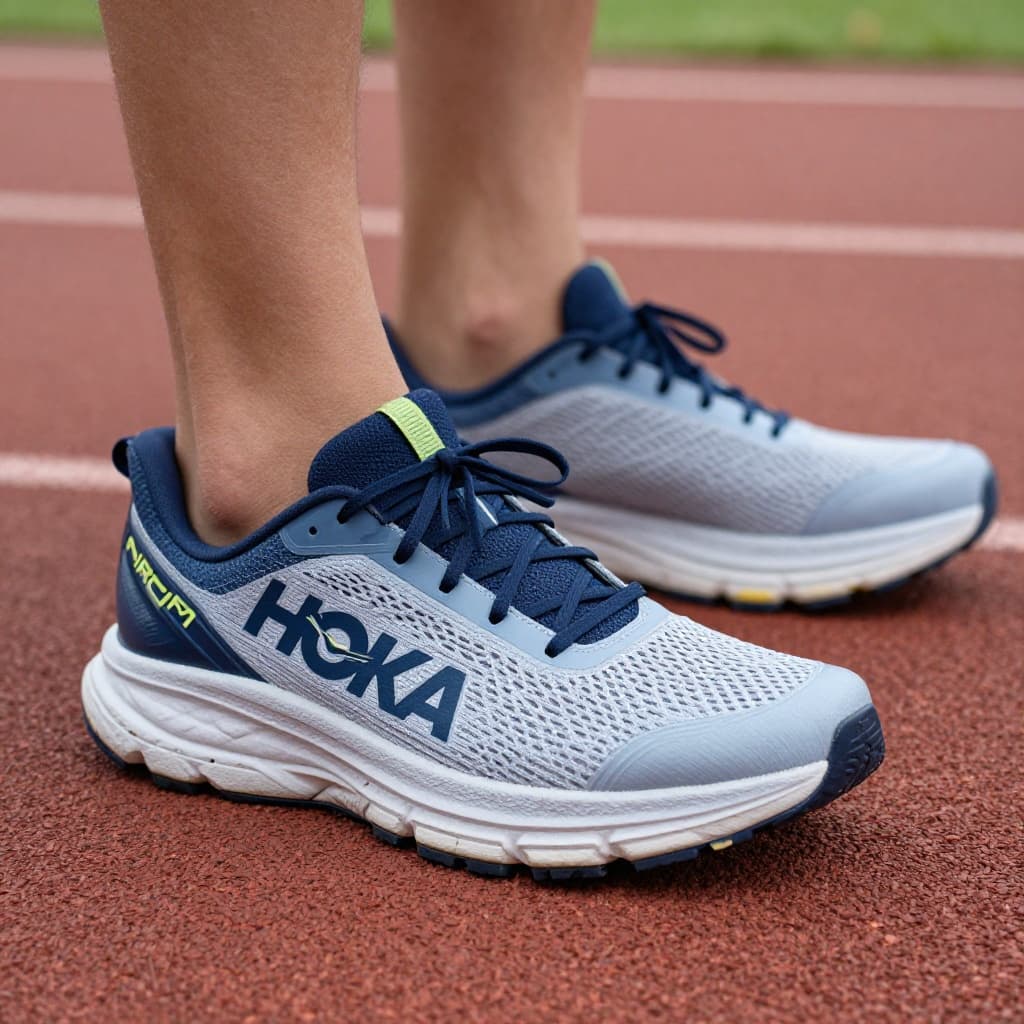
How the upper feels on the foot
The upper feels smooth and comfortable rather than stiff or scratchy. It wraps the foot with a plush feel, and the padding around the heel helps the shoe feel friendly the moment you step in.
That comfort matters on marathon training runs, when a rough upper can become annoying after an hour or two. The materials do feel a bit substantial, so this is not a featherlight, barely-there fit. Still, the tradeoff is a more secure and confidence-building hold.
Breathability is good enough for everyday use, though the upper does not feel ultra-minimal. If you want a cooler, stripped-back racing feel, this shoe will feel more like a protective shell than a mesh slipper. For many runners, that is a plus on high-mileage days.
The Gaviota 6 feels built for comfort first, then support, which is exactly what many long-run runners want.
Sizing and fit details runners should know
The Gaviota 6 runs true to size for most runners, so your usual running-shoe size is the best place to start. Toe room is solid, with enough space up front for swelling during longer runs.
Midfoot lockdown feels dependable, which helps the shoe stay steady when fatigue starts to change your stride. Runners who like a more precise hold will probably appreciate that.
Wide-footed runners should pay attention, since the fit can feel structured. If you usually sit between sizes or prefer a roomier forefoot, trying a wide option or checking supportive running shoes for female runners can help you compare fit profiles before you buy.
For runners who want a similar support feel in another model, the Mizuno Wave Horizon 7 review is also worth a look.
Stability support without a harsh ride
The HOKA Gaviota 6 handles support in a way that feels calm, not forceful. Instead of pushing your foot around, it gives you a wider landing spot and a steadier platform, so your stride feels guided when the miles start to pile up.
What kind of support the shoe gives
The support in this shoe comes through its shape and base, not a stiff correction block. The platform feels broad underfoot, and that helps reduce the side-to-side wobble that can show up when your legs get tired. You also get a sense of the shoe gently guiding the foot forward, which makes it easier to stay centered through the gait cycle.
That matters on long runs, because tired form can make every small movement feel bigger. The Gaviota 6 steadies the ride without making you feel locked in place. If you have used older stability shoes with firm posts, this one feels much more relaxed. It supports the stride without shouting about it.
A helpful way to think about modern support is that it works more through geometry and foam placement than hard correction, which matches what many newer stability models are doing, as Outside’s overview of modern stability shoes explains.
Why the ride still feels natural
Even with all that support, the Gaviota 6 does not feel rigid or overly corrective. The shoe bends and rolls in a way that feels smooth, so your foot can move through each step without fighting the platform. That makes the ride feel more like a guided stride than a controlled one.
This is where the shoe works well for marathon training. You get enough structure to stay steady on tired legs, but you still get a fluid transition from landing to toe-off. The result is a shoe that feels protective on long runs and easy to settle into on back-to-back training days.
For runners who want support without stiffness, that balance is the point. The Gaviota 6 keeps the run controlled, while still letting your stride feel like your own.
Cushioning and long-run comfort on marathon miles
The HOKA Gaviota 6 puts comfort front and center, and that matters most once your long runs start stretching past the easy portion of the workout. The midsole feels soft enough to take the edge off impact, but it doesn’t collapse into a mushy ride. That balance is a big reason this shoe works for marathon training, where you want protection without feeling like you are sinking into the foam.
How the cushioning feels at easy pace
At easy pace, the cushioning feels plush but controlled. The shoe gives you a soft first impression underfoot, yet it still keeps enough structure to feel balanced on the road. That makes it a good fit for daily miles, warm-up runs, and recovery jogs when you want your legs to relax.
The ride is soft enough to feel friendly, but not so soft that you lose awareness of the ground. That matters on slow days, because an overly squishy shoe can feel tiring after a while. The Gaviota 6 stays more stable than bouncy, so it works well when you just want to cruise.
For runners comparing how cushioning affects fatigue, this overview of cushioned running shoes gives a useful look at how softer midsoles can reduce pounding over time.
What happens when the miles add up
As the run gets longer, the Gaviota 6 keeps its comfort better than many max-cushion shoes. Around mile 10, the midsole still feels protective and smooth. By mile 15, that protection matters more, because your stride usually gets less tidy and your legs start asking for help.
The shoe does a good job of softening the repeated impact that comes with marathon training. Your feet feel less beat up, and the broad, stable base helps keep the landing zone steady when form starts to fade. That combination can make the last third of a long run feel more manageable.
The cushioning stays consistent enough that you don’t feel punished late in the run.
It also helps that the ride does not turn sloppy as the miles build. Some soft trainers lose their shape and feel vague late in a run. The Gaviota 6 stays more predictable, which gives tired legs a little more confidence.
Is it soft enough for recovery days
Yes, it works well for recovery days, especially if you like a shoe that feels easy on tired legs. The cushioning absorbs road shock well, and the support keeps your stride from drifting too much when you’re not moving at full strength. That makes it a smart choice after hard workouts or long marathon sessions.
Recovery runs should feel light on effort, and this shoe helps with that by taking pressure off your feet and lower legs. It is not a fast, lively rebound shoe, but that is fine here. On slower days, the goal is to protect your body and keep the running motion smooth.
If your training plan has a lot of mileage stacked close together, the Gaviota 6 can help you bounce back between sessions without beating up your feet. It is especially useful when you want one shoe that handles both long-run comfort and everyday recovery work with the same steady feel.
How the HOKA Gaviota 6 handles the road
The HOKA Gaviota 6 feels most at home on smooth pavement, where its broad base and soft landing work together. Under a steady stride, the shoe rolls forward in a calm way, so you get a ride that feels easy to trust over repeated miles.
Easy pace, steady pace, and marathon pace
At easy pace, the shoe feels best. The cushioning smooths out road shock, while the support keeps the foot centered, so relaxed miles feel controlled instead of sloppy. That makes it a strong choice for recovery runs and daily aerobic work.
At steady pace, the Gaviota 6 still feels composed. The transition from heel to toe stays smooth, and the platform gives you enough structure to keep your rhythm without fighting the shoe. It doesn’t feel quick in the snappy sense, but it does feel efficient for controlled marathon training.
Marathon pace is where it still holds up well, as long as you want stability more than pop. The shoe keeps the stride stable when fatigue starts to creep in, and that can matter a lot late in long training runs. For a closer look at how the model performs in broad testing, this Gaviota 6 review and another road-run breakdown both point to the same theme, solid support without a harsh ride.
Cornering, turns, and uneven pavement
On corners and quick direction changes, the wide platform gives the shoe a planted feel. You don’t get the nimble snap of a lighter trainer, but you do get confidence when you lean through a turn or shift pace on a neighborhood loop.
That stability also helps on uneven sidewalks and light path use. Small surface changes don’t throw the shoe off easily, and the base helps keep balance when the road has cracks, seams, or mild camber. The ride stays predictable, which is exactly what many marathon runners want on daily miles.
If your routes include broken pavement or lots of turns, the Gaviota 6 feels steady rather than twitchy.
For road running, that’s a good trade. It gives you a cushioned, controlled platform that feels built for consistency, not drama.
Weight, durability, and value for high-mileage runners
The HOKA Gaviota 6 is not trying to feel light on the foot. It is trying to feel stable, soft, and dependable over a lot of miles, and that changes how you should judge it. For marathon training, the real question is whether the extra structure pays off when your legs are tired.
Does the extra support add too much bulk
There is some bulk here, and you feel it most when you pick the shoe up off the shelf. On the run, though, that weight fades into the background more than you might expect if you value comfort and structure. The Gaviota 6 feels planted, and that planted feel can be worth a few extra ounces for runners who want less wobble late in a long run.
If you care most about a quick, airy ride, this shoe will feel heavy. If you care more about staying comfortable through high mileage, the tradeoff makes sense. Bigger runners, overpronators, and marathoners who want a calm platform are the people most likely to accept that weight without complaint.
How long it should hold up in training
The outsole looks ready for repeated road use, with enough rubber in the right spots to handle weekly training miles. For a daily trainer, that matters because the shoe needs to survive more than just a few long runs. A model like this should stay useful across an entire training block if you rotate it well and avoid grinding it into hard daily use.
The midsole should also hold up well for most runners during marathon prep. It will soften a bit over time, as all foam does, but it should keep its supportive shape long enough to justify the buy. RunRepeat’s HOKA Gaviota 6 review points to solid durability across the board, which matches the feel on the ground.
For value, the Gaviota 6 makes sense if you want one shoe to carry a lot of easy miles, recovery runs, and long runs. If you will actually use that support week after week, the price starts to look easier to defend.
How it compares with other marathon training shoes
The HOKA Gaviota 6 sits in a different lane than many marathon trainers. It is built for runners who want cushioning first, then stability, which makes it a strong choice if your long runs feel better with more structure underfoot.
Compared with neutral cushioned trainers
A neutral max-cushion shoe usually gives you a softer, freer ride. That works well if your stride stays steady and you don’t need much guidance. The Gaviota 6 feels more secure, with a wider base and a more planted landing, so it helps keep the foot centered when fatigue starts to build.
That difference matters late in marathon training. If your ankles or knees drift inward on tired legs, the Gaviota 6 can feel calmer and more controlled than a neutral shoe. A runner who wants that extra hand on the shoulder may prefer it over a plush neutral model that feels less anchored.
Neutral trainers still make sense if you want a looser ride and a lighter feel. However, if your priority is comfort plus guidance, the Gaviota 6 fits the bill better. For a broader look at how stability and neutral shoes differ, this marathon shoe guide is a helpful reference.
Compared with lighter stability shoes
Lighter stability shoes usually feel quicker and less bulky. They often work well for runners who want support without giving up much ground feel. The Gaviota 6 goes the other way, offering more protection, more cushion, and a more settled ride for easy miles and long runs.
That makes it less lively, but also more forgiving. If you want a shoe for workouts, tempo days, and faster turnover, a lighter stability trainer may fit better. If your training block is full of easy mileage and long efforts, the Gaviota 6 gives you more comfort when your legs start to wear down.
The tradeoff is simple, lighter stability shoes feel snappier, while the Gaviota 6 feels more protective and reassuring.
For runners comparing support-first options, Puma ForeverRun Nitro review is a good next stop if you want a steadier shoe with a different ride profile.
Final verdict, best uses, and who should buy it
The bottom line on the HOKA Gaviota 6
The HOKA Gaviota 6 makes sense for marathon training if you want a shoe that feels steady, soft, and easy to trust over long miles. It shines on easy runs, recovery days, and long runs where staying comfortable matters more than chasing pace. If your form gets sloppy late in training, the broad base and guided ride can help a lot.
This is also a strong pick for runners who want a supportive daily trainer without the hard feel of older stability shoes. The tradeoff is simple, it feels more protective than quick. That is fine if your weekly plan already includes a faster shoe for workouts.
Who gets the most value
You will get the most out of this shoe if you are:
- A marathon runner who wants steady support for high-mileage weeks
- A heavier runner who likes a stable, cushioned base
- An overpronator who wants guidance without a stiff correction feel
- A runner who uses one shoe for easy runs and long runs
If you want a firmer, lighter, more responsive trainer, this is probably not your best match. In that case, a more agile stability shoe may fit better. For runners who want a wider, calmer platform and dependable comfort, the Gaviota 6 is easy to recommend, and RunRepeat’s Gaviota 6 review backs up many of those same strengths.
Where it fits in your rotation
The Gaviota 6 works best as your easy-day and long-run shoe. Pair it with a lighter trainer or tempo shoe for workout days, then let this one handle the steady miles that build marathon fitness.


