

HOKA Gaviota 5 Review: Comfort, Stability, and Real-World Performance
Have you been seeking more details on Hoka shoes and looking for a Hoka Gaviota 5 review? So, I’ve been lacing up the Hoka Gaviota 5 for a bit now, and honestly, it’s been an interesting experience. Hoka’s known for its big, comfy shoes, and this one is no different. I wanted to see if it lived up to the hype, especially since it’s supposed to be a stability shoe. I’ve put it through its paces on a few runs and even just for walking around. Let’s break down what makes this shoe tick, or maybe not tick, depending on what you’re looking for. This hoka gaviota 5 review will cover all the bases.
Key Takeaways
- The Gaviota 5 features a new H-Frame stability system, which is a big change from the old J-Frame, aiming to help both overpronators and supinators.
- This shoe has a really wide base, especially in the forefoot, which contributes a lot to its stability and makes it feel solid underfoot.
- Comfort is definitely a highlight, with a good amount of cushioning, though it’s not the bounciest shoe out there; it’s better suited for slower runs and walking.
- The fit is more accommodating than previous models, with a roomy toe box, which is great news for people with wider feet.
- While it offers good traction and a smooth ride thanks to the Meta-Rocker, some might find the outsole durability a bit concerning due to the reduced rubber coverage.
An In-Depth Hoka Gaviota 5 Review
Alright, let’s talk about the Hoka Gaviota 5. This shoe has been getting some buzz, and for good reason. Hoka’s known for that super plush cushioning, and the Gaviota line is their go-to for stability. This fifth version aims to improve on what was already a pretty solid shoe, especially for folks who need a little extra support.
First Impressions of the Gaviota 5
Pulling these out of the box, the first thing I noticed was how… well, Hoka they look. Big, but in a good way. They have this soft appearance, and the forefoot felt a bit more generous than I remember from older models. Just walking around the house, three things stood out right away: the toe box felt roomier, the transition from landing to toe-off was smoother, and they just felt lighter than expected. It’s a good start, for sure.
Key Technical Specifications
Here’s a quick rundown of what you’re getting with the Gaviota 5:
- Price: $175 USD
- Weight: Around 10.2 oz (290g) for a men’s size 9
- Heel-to-Toe Drop: 6mm
- Upper: Breathable Creel Jacquard Mesh
- Midsole: Soft CMEVA foam with an early-stage Meta-Rocker
- Stability: H-Frame™ system
Get your supply of the Hoka Gaviota shoes today by clicking here.
Comparison to Previous Models
Compared to its predecessors, the Gaviota 5 brings some notable changes. The big one is the shift from the J-Frame to the new H-Frame stability system, which is designed to be more accommodating for a wider range of foot strikes. They’ve also tweaked the Meta-Rocker for a smoother roll. Some users might find this version a bit softer underfoot than the Gaviota 4, and the overall feel is generally lighter, which is always a plus.
The Gaviota 5 is positioned as a stable, cushioned trainer that works well for daily miles and recovery runs. It’s not really built for speed demons, but for comfort and support over longer, easier efforts, it seems to hit the mark.
It’s interesting to see how Hoka is refining its stability offerings. The Gaviota 5 feels like a step forward in making a supportive shoe feel more natural and less intrusive. We’ll get into the specifics of how that H-Frame works and what the ride feels like next.
Stability Features and Performance
The Innovative H-Frame Technology
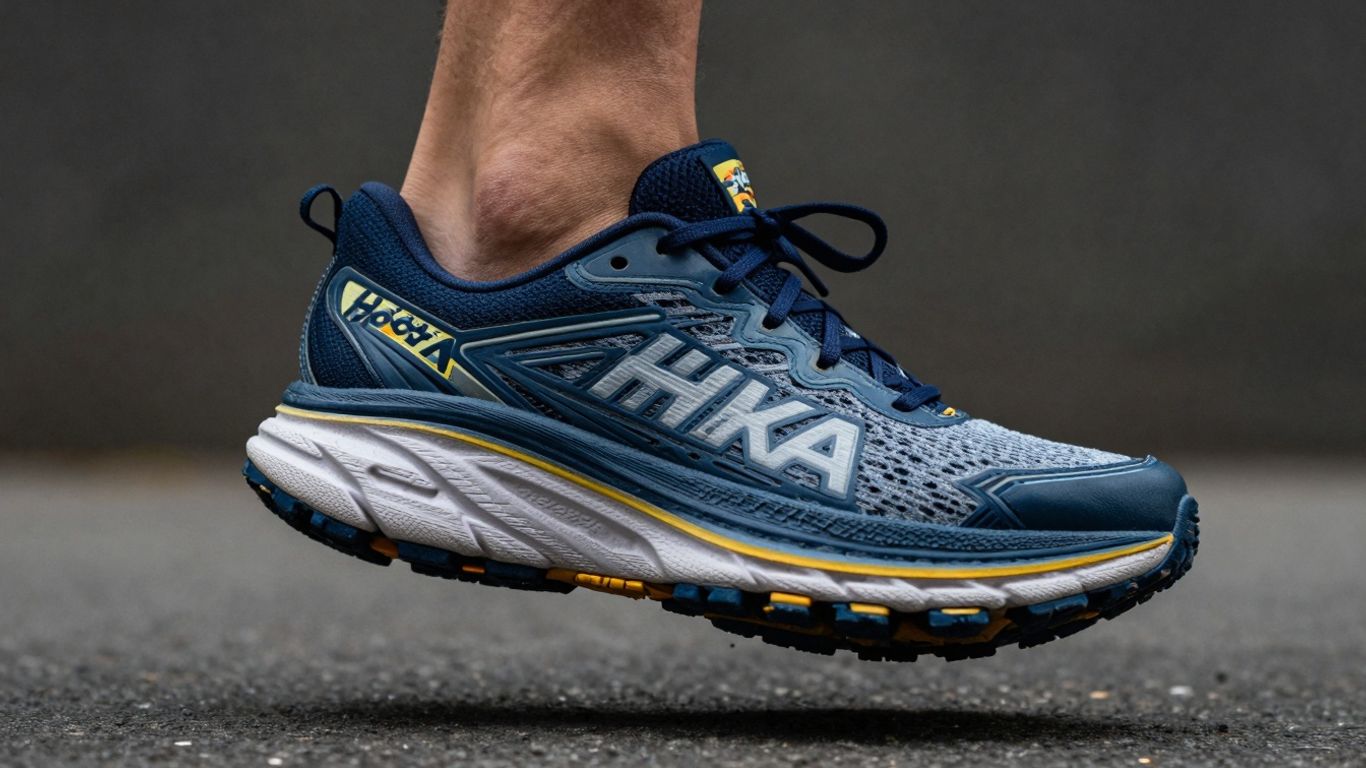
The Gaviota 5 really steps up its game with the introduction of Hoka’s H-Frame technology. This isn’t just some minor tweak; it’s a whole new approach to how the shoe supports your foot. The H-Frame is designed to cradle your foot from the heel, sweep across the arch, and extend towards the toe, offering a steadying sensation without feeling like your foot is locked down too tight. It’s a clever bit of engineering that aims to provide support exactly where and when you need it. It feels pretty solid, giving you confidence with every step, whether you’re just walking around or putting in some serious miles.
Lateral Stability and Torsional Rigidity
When it comes to keeping your foot stable, the Gaviota 5 does a commendable job. The H-Frame plays a big role here, helping to keep your foot from rolling too much side-to-side. This means you get a more controlled stride, which is especially nice on longer runs when fatigue can start to mess with your form. The shoe feels pretty stiff in a good way, not so much that it’s uncomfortable, but enough to prevent unwanted twisting. This torsional rigidity is key for maintaining a balanced feel, even when the ground isn’t perfectly flat.
Addressing Overpronation and Supination
This shoe is built with folks who overpronate in mind, meaning their foot rolls inward a bit too much. The H-Frame and the overall structure of the Gaviota 5 work together to gently guide your foot into a more neutral position. It’s not an aggressive correction, more like a helpful nudge. This can make a big difference in comfort and can help reduce strain on your feet and legs over time. For those who might supinate (foot rolls outward), the stable platform and supportive structure can also offer a more balanced ride, preventing excessive outward pressure. It’s a pretty balanced approach to stability.
Here’s a quick look at how it stacks up:
| Feature | Gaviota 5 Performance |
|---|---|
| Overpronation Control | Gentle guidance, not overly corrective |
| Supination Support | Stable platform aids balanced foot strike |
| Torsional Rigidity | Good, prevents excessive foot twisting |
| Overall Stability | Feels secure and balanced, especially on longer runs |
The stability system in the Gaviota 5 feels like a well-designed brace for your foot. It’s there to help, but it doesn’t feel like it’s fighting you. This balance is what makes it suitable for a wide range of runners looking for that extra bit of support without sacrificing comfort.
Cushioning and Ride Experience
Midsole Composition and Feel
The Hoka Gaviota 5 really leans into its plush cushioning, and honestly, it feels pretty great underfoot. They’ve used a softer EVA foam here, which makes a big difference compared to some earlier models that could feel a bit firm. It’s like stepping onto a soft mat, but with enough structure to keep you feeling secure. This shoe aims for a balanced feel, providing that signature Hoka softness without feeling mushy or unstable. It’s a noticeable upgrade, making longer efforts feel more comfortable.
Shock Absorption and Energy Return
When you’re out for a run, especially on harder surfaces, the Gaviota 5 does a solid job of soaking up impact. The cushioning is designed to absorb shock well, which is a big plus for tired legs or for anyone who spends a lot of time on their feet. While it’s not a super-bouncy shoe built for speed, there’s a subtle peppy-ness to the ride. It’s not just dead cushioning; you get a bit of energy back with each step, making the miles feel a little less taxing. It strikes a good balance between being soft and providing a bit of responsiveness.
The Meta-Rocker System
Hoka’s Meta-Rocker system is present here, and it plays a key role in how the Gaviota 5 feels when you’re moving. This design encourages a smoother transition from heel strike to toe-off. It helps the shoe roll forward naturally, which can make your stride feel more efficient and less effortful. This rolling sensation is particularly noticeable during longer runs, helping to keep your legs feeling fresher. It works with the cushioning to create a ride that feels fluid and consistent, almost guiding your foot through its natural motion.
Fit, Comfort, and Upper Design
Accommodating Toe Box and Width
Right out of the box, the Hoka Gaviota 5 feels pretty good. The upper is soft and supportive, and there’s a good amount of space up front. I noticed this right away – the toe area has a higher volume than some other Hoka models, which means you get plenty of room for your toes to spread out. This is a big win for comfort, especially on longer runs or if you just tend to like a bit more space.
It’s not so wide that your foot slides around, but it’s definitely more generous than what you might find in other shoes, making it a really forgiving option. This roomy toe box is a welcome change for many, offering a comfortable fit without feeling sloppy. It’s a nice departure from some previous Hoka models that could feel a bit too snug in the forefoot. The overall width feels just right, providing a secure yet comfortable embrace for your foot. This shoe really does offer an excellent fit and comfort right out of the box [3f28].
Heel Counter Stiffness and Fit
The heel counter on the Gaviota 5 is well-designed. It’s firm enough to keep your heel locked in place, preventing any unwanted slippage, but it’s not so stiff that it causes irritation. There’s a nice, secure feeling around the ankle, which is important for stability.
Even with the generous toe box, the heel provides a snug fit that makes you feel connected to the shoe. Some runners might notice a slight cut-off feeling near the top of the arch by the heel, but this sensation tends to fade as you spend more time in the shoe, adapting to your foot’s natural movement. The lower wrap around the ankle area is also a nice touch, adding to the overall comfort without feeling restrictive.
Breathability of the Creel Jacquard Mesh
The upper is made from a creel jacquard mesh, and it does a pretty good job of letting your feet breathe. It’s not overly dense, which helps keep things cool, especially on warmer days. This material wraps around your foot comfortably, providing a good balance of support and flexibility. While it’s breathable, it also manages to feel secure, which is a tricky balance to strike. The tongue is nicely cushioned, adding to that secure and comfortable feel. Overall, the upper design contributes significantly to the shoe’s comfort, making it suitable for both running and everyday wear.
Here’s a quick look at some of the upper’s features:
- Generous Toe Box: Ample room for toe splay.
- Secure Heel Counter: Locks the heel in place without irritation.
- Breathable Mesh: Keeps feet cool and comfortable.
- Cushioned Tongue: Adds to the overall snug and comfortable feel.
The combination of a roomy toe box and a secure heel fit is a standout feature of the Gaviota 5. It manages to provide a stable lockdown without sacrificing comfort, making it a great choice for a wide range of runners and walkers. This thoughtful design ensures that your feet feel supported and comfortable, mile after mile.
Outsole Durability and Traction
Outsole Design and Rubber Placement
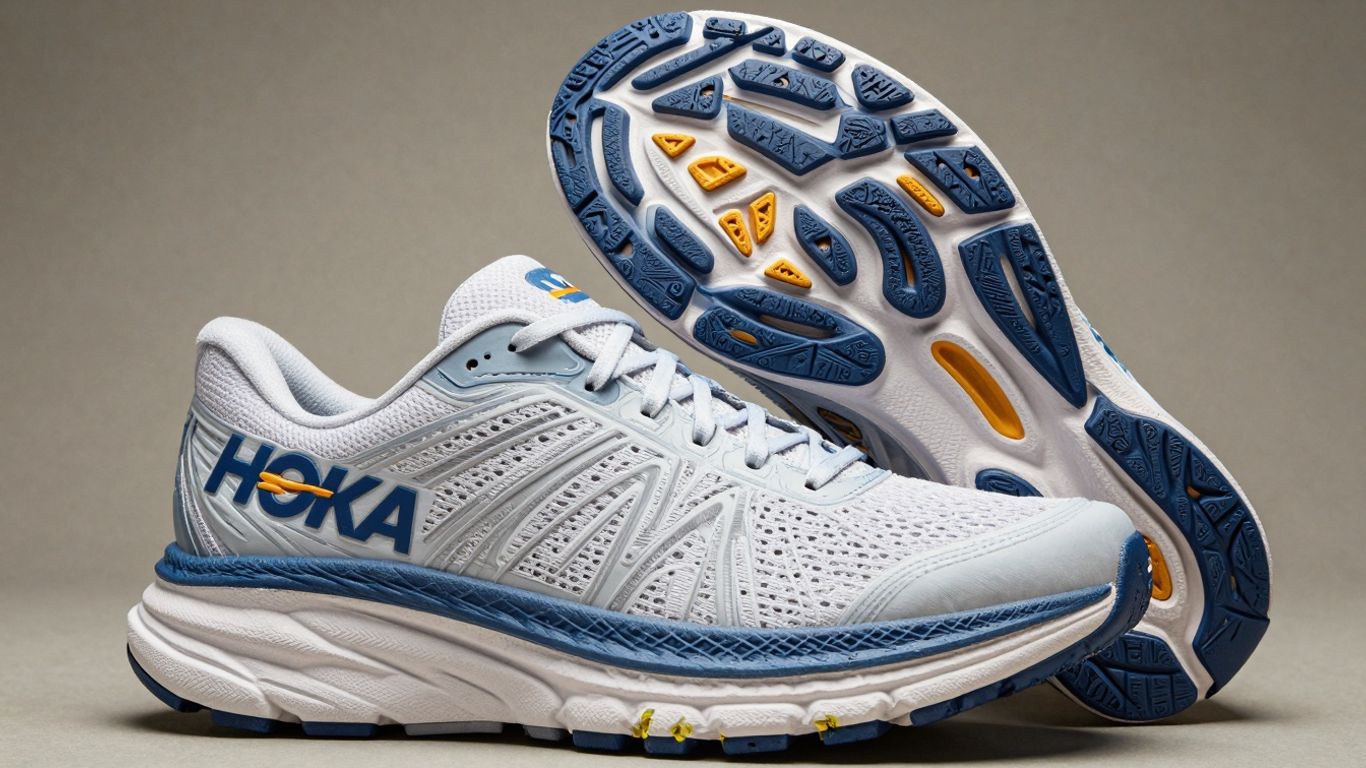
The Hoka Gaviota 5 features a thoughtful outsole design aimed at balancing grip and longevity. You’ll notice strategically placed rubber “circles” that run along the length of the shoe, both on the sides and at the tip. This approach means that not all of the midsole is covered by rubber, which helps keep the shoe lighter. However, this also means that some areas of the midsole are exposed and could wear down faster, especially if you tend to scuff your feet.
Traction on Various Surfaces
When it comes to grip, the Gaviota 5 performs pretty well. The rubber compound and the pattern of the outsole provide decent traction on a variety of surfaces, from dry pavement to slightly damp roads. It feels secure enough for daily runs and even for walking around town. It’s not designed for technical trails, but for its intended use on roads and lighter paths, it holds its own.
Considerations for Outsole Longevity
Durability is where things get a bit mixed. Lab tests show that the outsole wear is about average, with a measured wear of 0.9 mm after a specific test, which is slightly better than the average of 1.1 mm we’ve seen in other shoes.
The outsole thickness is also a bit generous at 3.8 mm, exceeding the average of 3.2 mm, which should help it last longer. However, the exposed midsole areas are a potential weak spot. While the rubber itself seems reasonably tough, the overall lifespan of the outsole might be limited by how quickly those unprotected midsole sections wear down.
The Gaviota 5’s outsole is a bit of a trade-off. Hoka opted for a design that keeps the shoe lighter by using rubber only in key areas. This works well for grip, but runners who are hard on their shoes, especially those with uneven wear patterns, might find the exposed midsole areas wear down faster than the rubber itself. It’s a decent setup for most, but perhaps not for the most aggressive foot-stylers or those with very specific wear patterns.
Here’s a quick look at some of the numbers:
| Feature | Hoka Gaviota 5 | Average Running Shoe |
|---|---|---|
| Outsole Wear (mm) | 0.9 | 1.1 |
| Outsole Thickness (mm) | 3.8 | 3.2 |
Weight and Overall Feel
Surprising Lightweight Construction
When you first slip on the Hoka Gaviota 5, you might expect it to feel a bit clunky, given its robust stability features. But honestly, it’s surprisingly light on the feet. It doesn’t feel like you’re lugging around extra weight, which is a big plus for any shoe, especially one designed for longer efforts or all-day wear. This lightness really contributes to a more natural stride, making it feel less like a chore and more like a smooth ride.
Get your supply of the Hoka Gaviota shoes today by clicking here.
Comparison to Category Averages
Compared to other shoes in the max-cushion stability category, the Gaviota 5 holds its own. While it might not be the absolute lightest option out there, it strikes a really good balance. You get a lot of cushioning and support without feeling like you’re wearing bricks. It’s definitely lighter than some of the older, more traditional motion control shoes, and it feels pretty comparable to other modern, plush stability options on the market. It’s not trying to be a minimalist racer, and that’s okay; its weight serves its purpose.
Impact of Weight on Performance
The weight of the Gaviota 5 actually plays a role in how it performs. That bit of extra heft, combined with the generous cushioning and stable platform, gives it a really grounded feel. This can be a good thing, especially on longer runs or when you’re just trying to cruise. It feels solid and dependable, which is exactly what you want when you’re looking for stability. It doesn’t feel sluggish, but rather, it feels like it’s built to go the distance comfortably. For everyday training and recovery runs, this weight feels just right.
So, Should You Buy the Hoka Gaviota 5?
The Hoka Gaviota 5 is a pretty solid shoe, especially if you’re looking for something that feels stable and has a good amount of cushion. It’s definitely better than some of the older models, thanks to that new H-Frame thing they’ve got going on, which seems to help out a lot of different foot types.
It rolls pretty smoothly, and honestly, it feels lighter than you’d expect for all the foam packed in there. The toe box is also way more roomy, which is a nice change. It’s not the best shoe if you’re trying to set speed records, but for everyday runs, walking, or just standing around, it does a good job. If comfort and support are your main goals, this one is worth checking out. I hope this Hoka Gaviota 5 review has been helpful.
Get your supply of the Hoka Gaviota shoes today by clicking here.
Frequently Asked Questions
What makes the Hoka Gaviota 5 good for stability?
The Gaviota 5 has a special H-Frame design in its middle part. This frame helps keep your foot steady and prevents it from rolling too much inward or outward, which is great if your feet tend to do that when you run.
Is the Hoka Gaviota 5 comfortable for long runs?
Yes, it’s designed for comfort! It has a lot of soft cushioning to absorb shock and a smooth, rocking shape that helps your foot roll forward easily with each step, making longer runs feel less tiring.
Does the Gaviota 5 have a lot of room for your toes?
Absolutely! The front part of the shoe where your toes go is extra wide and roomy. This means your toes can spread out naturally, which is super comfy, especially if you have wider feet.
How does the Gaviota 5 compare to older versions?
The Gaviota 5 is lighter and has a new H-Frame for better stability. It also has an earlier “rocker” shape, which makes your stride feel smoother and more natural compared to older models.
Is the Gaviota 5 good for running in wet weather?
It offers decent grip, even on wet surfaces, thanks to its rubber placement on the outsole. While it’s not specifically designed for extreme wet conditions, it should provide confidence on most roads, rain or shine.
Who would benefit most from wearing the Hoka Gaviota 5?
This shoe is perfect for runners who need extra support to keep their feet stable. It’s also great for people who stand or walk a lot and want a shoe that’s both cushioned and helps prevent foot fatigue.


