

HOKA Cielo X1 3.0 Review: Is This the Ultimate Marathon Super Shoe?
Hoka has come a long way from its early max-cushion days, and runners now expect more than soft landings. The hoka cielo x1 3.0 has drawn attention because it sits in the middle of that shift, where race-day speed and Hoka comfort have to work together.
If you care about PRs, the right racing shoe matters. Small changes in fit, foam, and weight can shape how fresh your legs feel late in a hard effort, and that’s why so many runners keep comparing options like the best Hoka models for daily training. The sections below break down what this shoe brings to the table and who it may suit best.
Key Design Updates in the Hoka Cielo X1 3.0
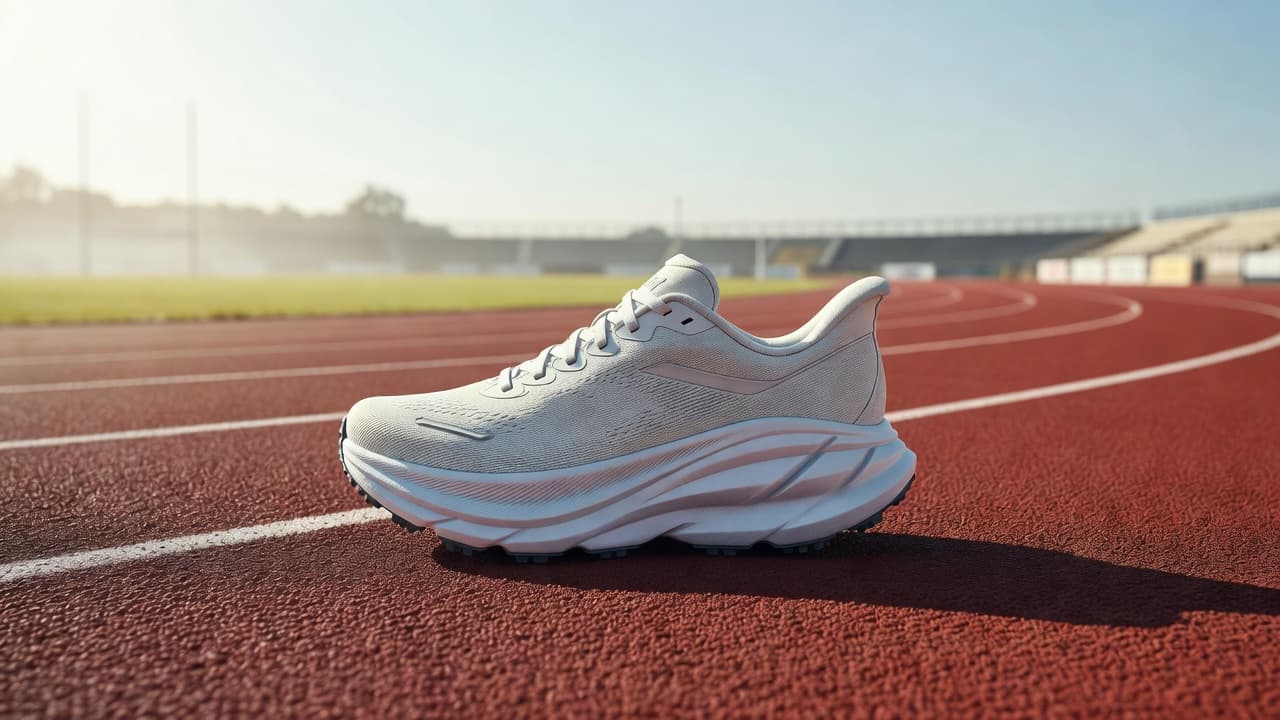
The latest iteration of the hoka cielo x1 3.0 reflects a clear move toward maximizing efficiency for race day. While Hoka remains known for its maximalist cushioning, this update strips away excess weight and refines the geometry to support a faster transition. You will notice that the shoe feels more aggressive underfoot, prioritizing energy return and stability during high-speed efforts. Whether you are aiming for a personal best or simply want a more responsive ride, these changes create a distinct feeling compared to the best Hoka running shoes of 2024.
Build Your Complete Race-Day Setup
The right shoe helps, but faster racing comes from better training, pacing, recovery, fueling, and execution.
More Guides for This Shoe
Redefining Energy Return with New Foam
The heart of the experience in this model is a revamped dual-layer PEBA midsole. PEBA is an industry standard for race shoes because of its ability to be both incredibly light and highly bouncy. Hoka adjusted the density of these layers to ensure the foam compresses efficiently without bottoming out during long runs.
This new foam compound focuses on snap rather than just softness. When your foot hits the ground, the foam absorbs the impact and releases that energy back into your stride almost instantly. For a deeper look at how this material performs in varied conditions, check out the Hoka Cielo X1 3.0 specs. The balance of cushion and responsiveness keeps your legs feeling fresh even after several miles of hard effort, which is a major advantage for marathoners.
Optimized Carbon Plate for Faster Transitions
Hoka paired the new foam with a redesigned carbon fiber plate that runs the full length of the shoe. Unlike older, flatter designs, this plate now features a more pronounced wing-like structure that cradles the foot. It works in tandem with the signature Hoka rocker geometry to push you forward.
The plate isn’t just about stiffness; it is about guiding your foot through a smooth transition from heel to toe. Because of the aggressive rocker shape, the shoe does a lot of the work for you, encouraging a quick turnover. You will find that the setup feels more natural for midfoot strikers who need a firm platform to push off from.
This combination of a curved plate and a rocker midsole ensures your stride remains efficient, as detailed in this Hoka Cielo X1 3.0 review. When you increase your pace, the interaction between the plate and the foam becomes even more apparent, providing a noticeable pop that helps maintain high speeds with less effort.
Performance Expectations on Race Day
The hoka cielo x1 3.0 is built for speed, but its true value emerges when you push the pace. Whether you are aiming for a sub-20 minute 5k or trying to shave minutes off your marathon personal best, the shoe responds to different energy levels.
At faster speeds, the rocker geometry encourages a quick transition that feels almost effortless. During slower, longer efforts like a marathon, the cushion keeps your legs from feeling completely beat up by the pavement. You get a snappy, responsive ride that doesn’t sacrifice the protection needed for high-mileage racing.
The lightweight upper is extremely breathable, keeping your feet cool even as your body temperature climbs during intense efforts. This combination of weight savings and comfort makes it a strong contender for anyone looking to optimize their race-day gear.
Stability at High Speeds
Running fast often feels precarious in lightweight shoes with high stack heights. However, the hoka cielo x1 3.0 addresses this concern with a wider base that provides a reliable platform for your feet. The geometry is wider at the midfoot and forefoot, which helps when you have to take corners at a high rate of speed. You will feel less wobble on turns compared to narrower racing models.
This stability is a confidence builder, especially when you are racing on uneven pavement or tight courses. The way the foam wraps up around the sides of the foot helps center you on the platform. It prevents your foot from spilling over the edge during sharp adjustments. You can lean into your stride without worrying about a shaky landing. This makes the shoe feel planted and secure even when your form begins to break down late in a race.
Durability
Racing shoes traditionally prioritize weight over long-term durability, but you should expect a reasonable lifespan from this model. The outsole rubber is strategically placed in high-wear areas, specifically under the forefoot and the lateral heel. This layout protects the exposed PEBA foam from premature shredding on rough surfaces. You will notice that the central part of the outsole remains exposed, which helps keep the overall weight low.
The foam itself is designed to maintain its rebound properties for several hundred miles. While it will eventually lose some of its initial spring, it doesn’t bottom out quickly. Many runners find they can get a solid block of training and a few key races out of a single pair before the transition feels less crisp.
If you want to maximize the life of your shoes, consider rotating them with durable daily training shoes for your easy runs. This ensures you have the maximum pop available for your most important workout sessions and race-day efforts.
Comparing the Cielo X1 3.0 to Other Elite Shoes
The market for elite racing footwear is crowded today. Every major brand pushes boundaries with new foam technology and carbon plates. When you look at the hoka cielo x1 3.0, you see a shoe that balances aggressive speed with a distinct Hoka ride. Comparing it to rivals helps clarify if it fits your specific mechanics and racing goals.
Balancing Cushion and Ground Feel
Many top-tier racers opt for extreme softness to save legs during marathons. The hoka cielo x1 3.0 takes a slightly firmer approach than some competitors. It prioritizes a snappy transition over a sinking, cloud-like sensation. If you prefer feeling the road surface while still having impact protection, this model likely appeals to you.
Some other popular marathon racers emphasize high-stack, ultra-squishy foam that feels less stable during tight turns.
The Cielo X1 3.0 avoids that “wobble” by using a wider base and a more structured midsole. This design choice makes it a reliable pick for courses with many corners. It offers a balance between ground connection and energy return that many runners appreciate during speedwork or race day efforts.
Analyzing the Rocker Geometry
Hoka is famous for its signature rocker shape. The hoka cielo x1 3.0 carries this tradition forward, but it feels more targeted toward aggressive propulsion than their daily trainers. Other brands often rely on flatter platforms that require more ankle flexibility from the runner. The rocker on the Cielo X1 3.0 does the heavy lifting for you by encouraging a forward-rolling motion.
If you struggle with calf fatigue late in a race, this rolling sensation often helps. It moves your center of gravity forward naturally. You don’t have to fight the shoe to find your turnover. Those accustomed to traditional flat-soled racers might need a few runs to adjust. However, once you find the rhythm, the efficiency gains become clear.
Weight and Upper Construction
Weight remains the primary obsession for racing shoe engineers. The hoka cielo x1 3.0 is competitive with other lightweight racers, though it isn’t always the absolute lightest on the scale. The upper uses a thin, breathable mesh that hugs the foot closely. This secure lockdown is vital when you pick up the pace.
Compared to more minimal racers, this shoe offers slightly more structure around the heel and midfoot. You might find this extra hold provides more confidence during long races. Runners who find other elite shoes too flimsy or unstable in the upper often prefer the refined, secure build of this model. It provides a technical fit without unnecessary bulk, keeping your foot locked onto the platform throughout your race.
Finding the Right Fit and Sizing
Getting the right fit is crucial for any race shoe, especially one as responsive as the hoka cielo x1 3.0. You need a secure lockdown to handle high speeds, but you also want enough room for your feet to swell during longer events. Most runners find that this model fits true to size. If you usually wear a size 10 in your daily trainers, you will likely find the same size works well here.
However, keep in mind that this is a specialized racing tool. The upper is thinner and more minimal than what you find on standard Hoka trainers. It is designed to be snug and locked down so your foot doesn’t slide around during fast corners. If you prefer a bit of extra room in the toe box or often wear thicker socks, you might want to try these on with your race-day gear to see how they feel.
Comparing Racing Fit to Daily Trainers
The fit of the hoka cielo x1 3.0 feels noticeably different from Hoka models like the Clifton or Bondi. Those daily trainers emphasize plush, forgiving comfort. The upper materials on those shoes often have more stretch and padding to accommodate a variety of foot shapes during long, slow miles. In contrast, this race-ready design focuses on performance and efficiency.
The midfoot lockdown on this model is tighter, which helps keep you centered on the carbon plate. You will notice less extra material around the arch compared to a typical training shoe. This snug feeling might surprise you at first if you are used to the relaxed nature of high-mileage cruisers.
Consider these points when deciding on your size:
- Stick to your usual running shoe size for the best performance.
- Expect a more precise, structured feel compared to daily trainers.
- Ensure the heel cup holds your foot firmly without any slipping.
- Test the fit with the thin socks you plan to wear on race day.
Because of the specialized construction, you might feel the shoe is slightly narrower in the midfoot. This isn’t necessarily a bad thing, as it provides the necessary stability when you run fast. If you typically need wide sizes in other brands, pay extra attention to how the midfoot wrap feels during your first few runs. Once you dial in the right size, the secure feel becomes a major benefit for maintaining your pace and focus.
How to Best Use the Hoka Cielo X1 3.0
The hoka cielo x1 3.0 is a specialized tool that delivers its best results when you understand its specific racing personality. It is not just another daily trainer; it is a precision instrument designed to help you hit specific speed targets on race day.
To get the most out of your investment, you should view it as a dedicated partner for your highest-intensity efforts. Using it too frequently for slow, easy miles might cause the specialized foam and carbon plate to wear down faster than intended. Save this shoe for days where performance matters most, such as tempo runs, interval sessions, or your primary goal races.
Breaking in Your New Racers
It is tempting to pull a fresh pair of racing shoes out of the box and head straight to the starting line. However, the hoka cielo x1 3.0 features an aggressive rocker geometry that changes the way your foot strikes the ground.
You need to give your lower legs and feet time to adjust to this unique mechanical loading. Jumping into a full marathon or a high-intensity race without any prior experience in these shoes can lead to calf tightness or foot soreness.
Aim to put at least 20 to 30 miles on the shoes before your goal race. This short break-in period serves a few key purposes:
- Verify fit: Use a few mid-distance runs to ensure the upper does not cause any hotspots or friction during your natural stride.
- Adapt the muscles: Your calves and Achilles tendons will experience different loads because of the rocker shape. Frequent use during shorter workouts helps these tissues strengthen and adapt.
- Understand the ride: Spend time at different paces to feel how the carbon plate responds to your specific mechanics. You will gain confidence knowing exactly how the shoe handles corners and transitions at your target race speed.
Think of these miles as a diagnostic phase. Take them out for a 5-mile tempo run, then a slightly longer 8-mile effort at a steady pace. If everything feels comfortable and your turnover remains smooth, you are ready to race.
By the time you reach the start line, the shoe will feel like a natural extension of your leg. You can then focus entirely on your effort rather than wondering if the fit or ride will cause trouble later in the race. This preparation is what separates a good race day from a frustrating one.
Conclusion
The hoka cielo x1 3.0 balances aggressive speed with the reliable comfort long-time Hoka fans expect. Its dual-layer foam and stiff carbon plate offer a responsive ride that performs best when you pick up the pace. This shoe is a strong choice if you want a stable, energetic platform for your next race day.
You will find the most benefit here if you are a performance-focused runner training for PRs. It suits those who appreciate a wider base for cornering and a natural rolling transition. If you are ready to upgrade your marathon training gear, this model provides the technical edge you need.


