

Hoka Challenger ATR 8 Review
The Hoka Challenger ATR 8 is built for runners who want one shoe that can handle both pavement and light trails without feeling out of place on either surface. It promises comfort, grip, and enough versatility to cover daily miles, easy long runs, and mixed routes.
If you’ve been trying to find a shoe that feels smooth on the road but still holds its own when the path gets rough, this review will help you sort out whether it fits your running style. For a useful point of comparison, it also helps to look back at the Hoka Challenger ATR 6 review and see how this line has grown.
Now let’s get into how the Hoka Challenger ATR 8 performs where it matters most.
What the Hoka Challenger ATR 8 Is Designed to Do
The Hoka Challenger ATR 8 is built for runners who want one shoe to handle mixed terrain without feeling clunky on the road. It is aimed at daily mileage, easy runs, and routes that shift from pavement to gravel, park paths, and smooth dirt.
Build Your Complete Race-Day Setup
The right shoe helps, but faster racing comes from better training, pacing, recovery, fueling, and execution.
More Guides for This Shoe
That middle-ground purpose matters. Some shoes feel great on asphalt but lose confidence off-road. Others bite hard on trails but feel stiff and heavy when the route turns back onto pavement. The Challenger ATR 8 is meant to sit between those two extremes.

The type of runner this shoe fits best
The Hoka Challenger ATR 8 fits runners who keep their training simple and steady. If you run most days, like easy miles, and mix in a little trail without planning a full off-road adventure, this shoe makes sense.
It also works well for runners who want one pair for mixed surfaces. Think pavement before the park, packed dirt on a rail trail, or a neighborhood loop that includes a few rough patches. For those routes, the shoe feels more natural than a pure road model and less aggressive than a hard-core trail shoe.
A good match usually looks like this:
- Daily runners who want a comfortable shoe for regular training
- Easy-mile runners who care more about smooth feel than fast turnover
- Moderate trail runners who stick to dry, mellow, or packed ground
- Mixed-surface runners who don’t want to switch shoes midweek
Runners on steep, muddy, or highly technical trails may want something tougher. A more aggressive trail shoe usually gives better bite, more protection, and a firmer feel when the ground gets messy. The Challenger ATR 8 is not built for that kind of chaos.
How it compares to a true road shoe and a true trail shoe
Compared with a true road shoe, the Challenger ATR 8 gives up a little pavement snap in exchange for more grip and protection. It still feels comfortable on asphalt, but the outsole and tread are there for a reason. They help when the route turns to dirt or loose gravel.
Compared with a true trail shoe, it feels smoother and easier on hard surfaces. Many trail models can feel overbuilt for road miles, almost like wearing hiking gear to a track workout. The Challenger ATR 8 avoids that. It keeps the ride friendly for everyday runs while adding enough traction for light off-road use.
The sweet spot is clear, it is a door-to-trail shoe first, not a mountain trail specialist.
That is why the Hoka Challenger ATR 8 stands out. It is made for runners who want comfort on pavement and confidence on mild trails, without buying a shoe that feels too narrow in its job. For a closer look at how Hoka’s trail line has evolved, the Hoka Speedgoat 4 trail tips offer a useful contrast.
First Impressions: Fit, Feel, and Step-In Comfort
The first few seconds in the Hoka Challenger ATR 8 set the tone fast. It feels soft underfoot, smooth around the foot, and ready for easy miles without much break-in drama. That matters because a shoe can have solid traction and still fail if the upper feels stiff or the shape feels off.
On initial wear, the shoe gives off a cushioned, relaxed vibe. The upper feels gentle against the foot, and the overall shape works well for runners who want comfort right away, not a shoe that needs time to settle in.
Upper comfort and lockdown
The upper hugs the foot in a way that feels secure without feeling harsh. Soft materials help the shoe avoid that stiff, board-like feeling some trail shoes have when you first put them on. The heel holds well, so the back of the shoe feels planted during walking and light running.
Midfoot lockdown is steady, especially once you snug the laces. The shoe does a good job of keeping the foot from sliding around, which helps on mixed surfaces where your stride can change a little from one step to the next. In the forefoot, the fit feels comfortable and forgiving, so your toes can move without feeling boxed in.
Breathability is solid for a trail-friendly shoe. It should handle everyday runs well, even on warmer days, without trapping too much heat. If you want a more detailed look at how the line has evolved, this Hoka Challenger ATR 8 review points to the same idea, a comfy fit with enough structure to stay controlled.
The shoe feels secure, but not tight. That balance makes the first impression better than many trail hybrids.
Sizing and width feel
Most runners should find the Hoka Challenger ATR 8 close to true to size. The fit leans comfortable rather than narrow, with enough room up front for natural toe movement. That matters on longer runs, when feet swell and a cramped toe box can turn into a problem fast.
The forefoot has a bit of breathing room, which helps the shoe feel easy to live in right away. Runners with average feet should feel at home, while those who like a very snug race fit may notice more space than expected. For daily training, that extra room is usually a plus.
A good fit usually comes down to three things:
- Toe room: enough space to let your toes spread on landing
- Midfoot hold: secure without pressure
- Length feel: room for swelling on longer outings
If your feet tend to run wide, the Challenger ATR 8 is more forgiving than many trail shoes. That makes it a practical pick for runners who want comfort first, then grip second.
How the Challenger ATR 8 Feels on the Run
The Hoka Challenger ATR 8 has a calm, steady ride that suits runners who want comfort first and speed second. It feels most at home on easy miles, long outings, and mixed routes where you do not want the shoe to fight the terrain.
What stands out right away is the balance. The cushioning feels generous, but the shoe still keeps enough shape to stay useful when the surface changes. That makes it a practical pick for runners who want one shoe for a lot of different weekly runs.
Cushioning that stays soft without feeling mushy
The midsole gives the Challenger ATR 8 a plush feel underfoot, especially at relaxed paces. Landings feel protected, and the shoe takes the edge off pavement and packed dirt without turning squishy or unstable. That matters on easy runs, when you want your legs to settle into a smooth rhythm.
For longer outings, the foam keeps the ride comfortable without losing all structure. You still feel the ground a bit, but not in a harsh way. The shoe absorbs impact well, which helps when your legs start to tire and you want a little extra relief.
That softer feel is one reason many runners look at the best trail shoes for beginners when they want comfort without a harsh trail ride. The Challenger ATR 8 fits that same mindset well.
The cushioning is most convincing when you run easy. Push the pace hard, and the shoe feels more like a cruiser than a speed shoe.
Smooth transitions on roads and packed trails
The ride has a smooth roll from heel to toe, which helps the shoe feel natural on pavement. That rolling sensation also carries over onto packed trails and gravel paths, so you do not get the awkward stop-start feel some trail shoes create on mixed routes. The Hoka Challenger ATR 8 keeps your stride moving with less effort.
Where it feels best is in that middle zone, easy road miles, smooth park trails, and firm dirt. It is not a lively, snappy shoe, so you should not expect a big pop when you pick up the pace. Instead, it offers a steady, predictable ride that keeps things comfortable.
If you want to compare it with another mixed-terrain option, the Nike Pegasus Trail 5 review gives a good side-by-side reference. Both shoes favor versatility, but the Challenger ATR 8 leans more into easy comfort.
Stability for uneven ground and daily training
The platform feels secure on gravel, hardpack, and mild trail surfaces. You can feel the base working under you, especially when the ground shifts a little, and that helps the shoe stay trustworthy for daily training. It does not feel sketchy on light off-road sections, which is the main thing most runners want from a door-to-trail shoe.
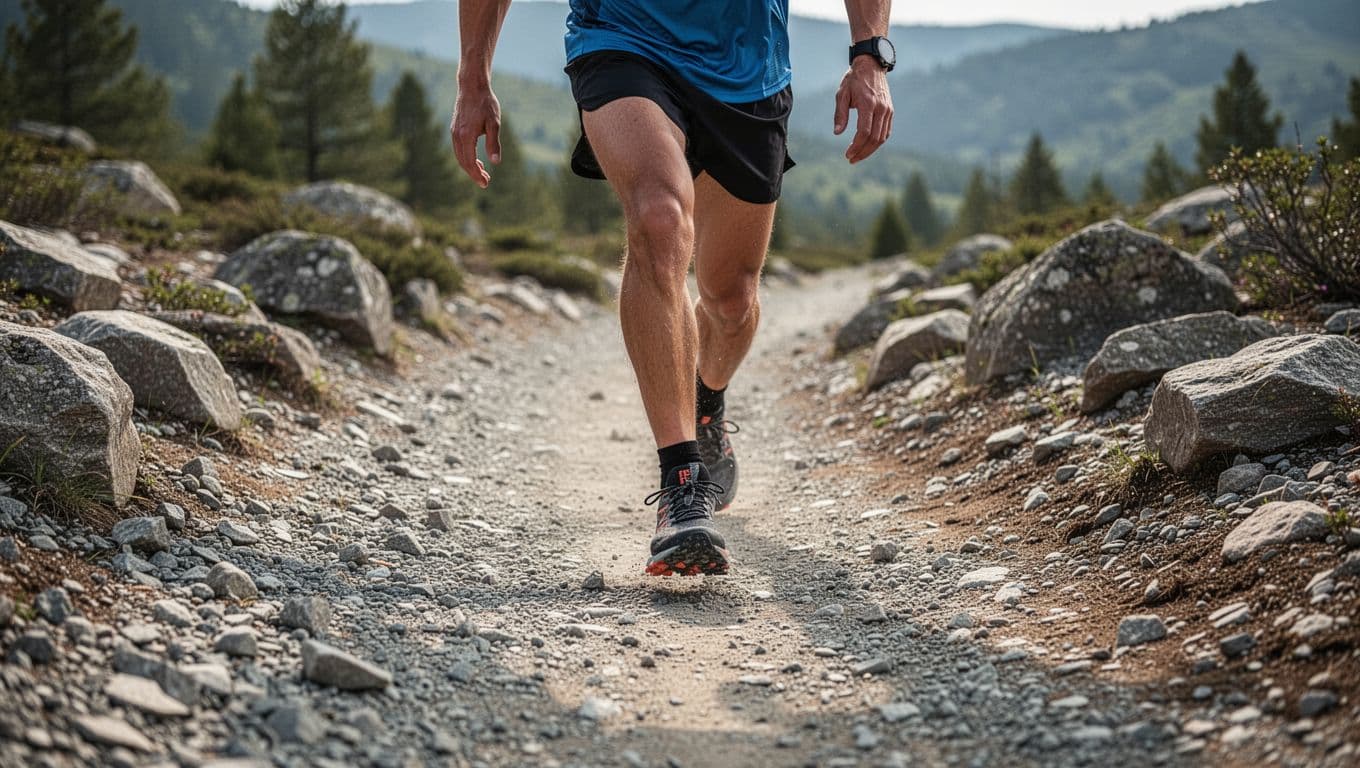
On mild trails, the shoe gives enough confidence to keep moving without second-guessing every step. Still, it is best on moderate terrain, not sharp, cambered, or highly technical ground. When the surface gets messy, you may want a more aggressive trail model with a firmer, more locked-in feel.
For runners who split time between roads and easier trails, that level of stability is enough. It keeps the shoe useful for day-to-day mileage and makes the hoka challenger atr 8 feel like a dependable all-around trainer, not just a niche trail option.
Traction and Outsole Performance on Real Terrain
The hoka challenger atr 8 handles traction the way a good hybrid shoe should, with enough grip for everyday trail use and enough restraint to stay smooth on pavement. It gives you confidence on firm ground, but it doesn’t pretend to be a mud shoe or a technical trail specialist.
That matters if your runs move across different surfaces. On the right terrain, the outsole feels steady and predictable. On the wrong terrain, the limits show up fast, which is exactly what you should expect from a shoe built for mixed use. For a broader look at how Hoka handles traction in a road-friendly setup, the Hoka Clifton 9 outsole grip comparison is useful context.
Where the grip works well
The outsole does its best work on dry dirt, park trails, and light gravel. These are the surfaces where the lugs can bite just enough without feeling harsh or overbuilt. You feel that most on packed ground, where the shoe stays calm and keeps your stride moving.
The tread pattern helps because it is made for easy release and steady contact. The lugs are spaced well enough to handle small bits of loose material, so the shoe doesn’t feel skittish when the path gets a little messy. On dirt paths and smooth trail loops, that balance makes the ride feel natural.
It also works well on light gravel because the rubber grabs the surface without overreacting to it. You don’t get the deep sink-in feel of a more aggressive trail shoe, but you do get enough hold to stay comfortable and stable. That is the sweet spot for a door-to-trail runner.
On firm, dry ground, the outsole feels like it knows its job. It gives you grip without trying to act like a mountain shoe.
In practical terms, that means the hoka challenger atr 8 feels at home on:
- Packed park trails
- Dry dirt paths
- Smooth gravel roads
- Mellow mixed-surface runs
The outsole also feels fine on wet pavement, but only in a basic, everyday way. It can handle drizzle and damp roads for normal running, yet it doesn’t offer the same confidence you’d want on slick, sloped, or uneven wet surfaces. Running Warehouse notes the HOKA Challenger 8 review in similar terms, especially for runners using it on mostly mellow terrain.
Where it starts to show limits
Once the surface turns muddy, steep, rocky, or very wet, the Challenger ATR 8 starts to show what it is not built for. The lugs are not deep enough for soft mud, so the shoe can lose bite when the ground gets sloppy. Loose wet dirt and slippery roots also ask for more outsole aggression than this shoe gives.
Rocky terrain is another weak spot. On dry rock, it can manage a careful step, but steep or wet stone calls for a shoe with better edge control and more precise grip. The Challenger ATR 8 keeps things comfortable, yet that comfort-first design leaves less room for hard trail confidence.
If your regular routes include these conditions, a more aggressive trail shoe is the better call:
- Deep mud or soft ground, where deeper lugs clear better and hold better
- Wet rocks and roots, where you need stickier rubber and more edge security
- Steep technical trails, where sharper traction and a firmer platform matter
- Very wet conditions, where shallow tread can start to slide sooner than you want
Outdoor GearLab says the Challenger 8 traction review works well on dry dirt, gravel, and pavement, but it loses ground once things get slick or technical. That matches real-world use. This shoe is best when the trail stays friendly.
In short, the hoka challenger atr 8 gives you reliable traction for light trail mileage, but it asks you to stay on the right side of rough terrain. If your runs are mostly dry, firm, and mixed, it fits well. If your weekends turn into mud, rocks, and steep climbs, you’ll want something more aggressive.
Key Features That Matter for Everyday Runners
Everyday runners count on shoes that stay comfortable and reliable mile after mile. The Hoka Challenger ATR 8 delivers practical details in its upper, protection, and weight. These elements keep it useful for training runs that mix roads and light trails. You notice them most during regular use, not just on test laps.
Breathability, overlays, and upper durability
The upper in the Hoka Challenger ATR 8 uses engineered mesh that pulls in air fast. It handles heat well on warmer runs, so your feet stay cooler than in thicker trail shoes. Overlays add strength around the toe and sides without extra bulk or stiffness.
Trail debris finds it hard to get through. Small rocks and dirt bounce off the overlays, and the mesh sheds dust easily. After regular miles on gravel and packed dirt, the upper holds up strong. It doesn’t tear or fray quickly, which makes it tough enough for weekly training.
That balance works because the materials flex with your foot. They never feel heavy or rigid, even after wet runs. For similar thoughts on mesh durability, check this Hoka Challenger 8 review.
Rock protection and underfoot security
The Hoka Challenger ATR 8 skips a full rock plate to keep the ride light. Instead, a thick midsole stack and reinforced toe bumper handle small rocks and roots on mild trails. You get solid underfoot security without a harsh feel.
On rougher packed dirt or gravel, the cushion absorbs impacts from fist-sized stones. It protects your soles well for everyday routes, yet it won’t stop sharp hits on technical ground. Runners can expect reliable defense for light trails, not extreme hikes.
The wide base adds stability too. Your foot stays planted when the path gets uneven. That setup suits daily runs where you hit occasional rough spots.
Weight and how it affects the ride
At about 9.5 ounces for a men’s size 9, the Hoka Challenger ATR 8 feels light for mixed-terrain training. It doesn’t drag you down on easy miles or drag during turnover. The weight blends into the ride, so you focus on your pace.
On longer runs, say 15 miles or more, it stays unnoticeable. The cushion carries the load without fatigue. Runners who log steady weekly miles appreciate that nimble sense.
For context on light trail weights, the Hoka Speedgoat 6 review compares similar uppers. Overall, this shoe keeps everyday efforts smooth and effortless.
What the Hoka Challenger ATR 8 Gets Right, and What to Think About
The Hoka Challenger ATR 8 shines in ways that match its role as a daily trainer for mixed surfaces. It delivers real comfort and ease for runners who log steady miles without chasing speed records. At the same time, it has clear limits on tougher terrain. You get a balanced view here to decide if it suits your runs.
Best reasons to choose it
Runners pick the Hoka Challenger ATR 8 because it handles comfort and versatility better than most hybrids. The cushioning stays plush for long easy runs, so your legs feel fresh after 10 miles or more. That soft ride works on roads and packed trails alike.
Versatility stands out too. You can wear it for neighborhood loops, park paths, or gravel routes without switching shoes. It feels natural in daily training because the upper breathes well and locks in your foot just right. No break-in needed; it fits from the first step.
Smooth shifts from road to trail keep your pace steady. The outsole grips firm dirt without clunking on pavement. For example, picture a sunny park run where asphalt meets gravel. The shoe rolls through without drama.
Here are the top wins that make it a go-to:
- All-day comfort: Thick foam absorbs impact, perfect for recovery days.
- Mixed-surface ease: Handles pavement, dirt, and light gravel in one shoe.
- Daily wear friendly: Light weight and breathable upper suit regular miles.
- Beginner trail ready: Gives confidence on mellow paths without intimidation.
If you run easy paces on moderate ground, this shoe fits your needs spot on. Runners with wider feet often like its forgiving toe box, as noted in HOKA Challenger 8 for wide feet.
Reasons some runners may skip it
Not every runner will love the Hoka Challenger ATR 8. Its traction falls short on technical trails, so steep rocks or mud can feel slippery. The lugs work for dry dirt, but wet roots or loose scree demand more bite.
It lacks a race-ready snap too. The soft stack feels stable at easy paces, yet it gets mushy when you push tempo. Speed workouts call for firmer shoes with quicker turnover. Protection stays basic as well. No rock plate means sharp hits on rough ground reach your soles faster than you’d like.
Other runners notice the higher stack creates a top-heavy feel on uneven paths. Cambered trails test stability, and the shoe can wobble there. If your routes turn rugged, consider options like the Hoka Speedgoat 7 review for better grip.
Keep these drawbacks in mind:
- Weak on technical terrain: Slides in mud, wet rock, or steep drops.
- Not for speed: Too cushy for fast intervals or races.
- Limited protection: Small rocks poke through on rough trails.
- Stack instability: Feels less planted on cambered ground.
Running Warehouse’s HOKA Challenger 8 review echoes this: great for smooth paths, but instability hits harder off-road. Weigh your terrain before you buy.
Is the Hoka Challenger ATR 8 a Good Buy for You?
You have read the details on fit, ride, and grip. Now the real question hits: does the Hoka Challenger ATR 8 match your runs? It boils down to your weekly mileage, typical terrain, and main goals. If you stick to easy paces on mixed surfaces, it delivers big. Runners who chase speed or tough trails often need more.
Runs and runners it suits best
This shoe shines for steady daily training on pavement plus light trails. Picture a 5-mile neighborhood loop that hits park gravel or packed dirt. The cushion soaks up those miles, and the grip keeps you planted without fuss.
It also fits easy long runs, like 12 miles through town parks on dry paths. Travel runners love it too, because unknown routes often mix roads and mellow trails. You get comfort for high mileage without packing extra pairs.
Most importantly, it works if your goals center on consistency over speed. Beginners easing into trails or volume builders find the plush ride keeps legs fresh.
When to pick a different shoe
Pass if your runs demand speedwork or tempo pushes. The soft stack lacks snap, so intervals feel sluggish. Mud lovers should skip it; shallow lugs slip in wet slop.
Technical trails call for better protection and bite. Steep rocks or roots expose its limits fast. In those cases, check Hoka running shoes review for firmer trail options.
Stick with the Challenger ATR 8 if your routes stay mellow. Otherwise, match your terrain first.
Conclusion
The Hoka Challenger ATR 8 delivers plush comfort and reliable grip for runners who mix roads with light trails. It excels on easy daily miles and packed paths, so you get one shoe that handles most training without drama.
That versatility makes it a top pick if your routes stay mellow and dry. Runners chasing technical terrain or speed need something else. Pick the Hoka Challenger ATR 8 when you want steady comfort over everything else.


