

HOKA Bondi 10 Review: Max Cushion Trainer Worth It?
So, HOKA dropped the Bondi 10, and I’ve been putting some miles on it. This shoe is all about that super soft, max cushion feel HOKA is known for, but with some tweaks. If you’re looking for a shoe that feels like running on clouds, especially for those long, slow days or when you need some recovery, you’ll want to hear about this. Let’s break down what makes the HOKA Bondi 10 tick.
Key Takeaways
- The HOKA Bondi 10 really leans into its massive midsole, offering a super soft and plush ride that’s great for comfort.
- Its engineered mesh upper provides decent breathability, and the padding around the heel and collar adds to that comfy, locked-in feel.
- While it’s built for easy miles and recovery, the shoe offers surprising stability for its height, making it feel secure.
- The ride is smooth thanks to the rocker geometry, helping you roll through your stride without much effort.
- This shoe is best suited for runners prioritizing maximum cushioning and comfort, especially for recovery runs, though it might feel a bit much for faster paces.
The HOKA Bondi 10: A Deep Dive Into Max Cushioning
Unpacking The Bondi 10’s Midsole Volume
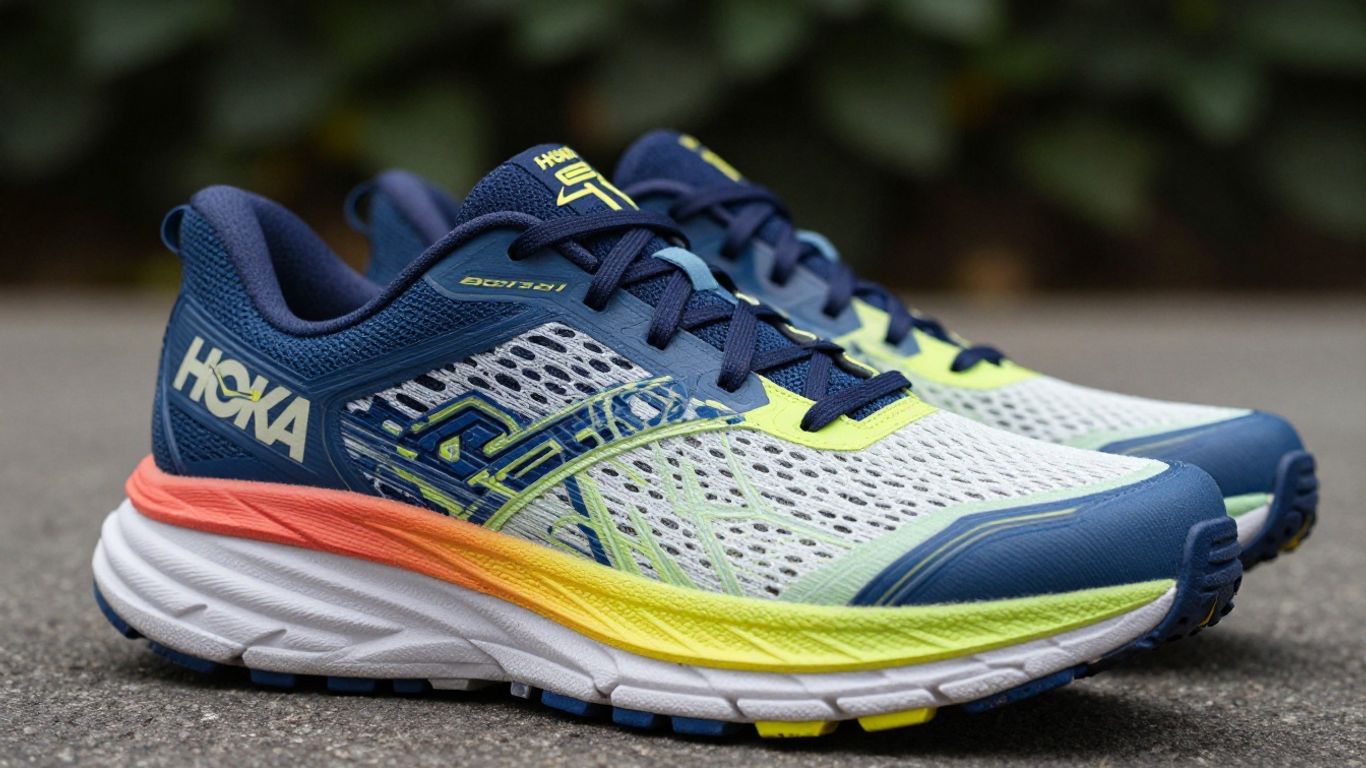
The HOKA Bondi line has always been about one thing: serious cushioning. When you first see the Bondi 10, the sheer amount of foam underfoot is pretty striking.
It looks like a lot, and honestly, it is. This isn’t a shoe that tries to be subtle about its purpose. The midsole is designed to absorb impact and provide a soft landing, no matter what kind of surface you’re running on. It’s built to feel protective, almost like running on clouds, which is exactly what many runners look for in a shoe like this.
Initial Feel: Comfort Without Compromise
Sliding your foot into the Bondi 10 for the first time, the immediate sensation is one of plush comfort. There’s no harshness, no poking or prodding.
Build Your Complete Race-Day Setup
The right shoe helps, but faster racing comes from better training, pacing, recovery, fueling, and execution.
More Guides for This Shoe
The shoe wraps your foot in softness from the moment you put it on. It feels accommodating, and that initial step-in comfort is a big part of the Bondi’s appeal. You don’t have to wonder if it’s going to feel good; it just does. This is a shoe that prioritizes that immediate, welcoming feel, making it a great option right out of the box.
The Bondi 10’s Plush Ride
When you start moving in the Bondi 10, that plush feeling really comes to life. The ride is incredibly soft, almost like running on a dense sponge. It smooths out the road, making even rough pavement feel much more forgiving. This shoe is built for comfort above all else, and the ride reflects that.
It’s not a shoe that’s going to feel fast or snappy; instead, it focuses on providing a gentle, cushioned experience for every step. It’s the kind of ride that makes you want to keep going, mile after mile, without your feet feeling beat up.
Upper Design And Comfort Features
Engineered Mesh For Breathability
The HOKA Bondi 10 uses an engineered mesh for its upper, and honestly, it does a pretty decent job. It feels soft right out of the box, which is always a good sign.
While it’s not the most breathable shoe out there, especially compared to some lighter trainers, it’s certainly not a sweatbox. For a max-cushion shoe, the breathability is acceptable, keeping your feet from feeling too swampy on longer runs.
It’s a step up from some older models where breathability was a bit of an afterthought. If you’re looking for something that can handle warmer weather without making your feet miserable, this is a solid choice, though maybe not for desert ultras. It’s a good middle ground, and for a shoe that’s built like a tank, that’s saying something. It’s not quite as airy as something like the Hoka Bondi SR, but it’s definitely not a closed-off feeling.
Plush Heel and Collar Padding
HOKA really went all out with the padding around the heel and collar on the Bondi 10. It’s super plush, almost like sinking into a comfy armchair for your ankles. This adds a significant layer of comfort, especially when you first slip the shoe on. However, this generous padding can sometimes lead to a bit of a fit challenge.
Some runners might find that the sheer amount of soft material makes it tricky to get a perfectly locked-down heel. It’s a trade-off: maximum comfort versus a super secure hold. You might need to play around with the lacing to find that sweet spot, especially if you’re prone to heel slippage. It’s a common issue with heavily padded shoes, and the Bondi 10 isn’t entirely immune.
Secure Lacing System
The lacing system on the Bondi 10 is pretty standard, but it works. The eyelets are well-placed, and the laces themselves are decent – not too stretchy, not too stiff. They allow you to cinch down the shoe to get a snug fit, which is important given the plushness of the upper.
Some runners might find the tongue a little short, and the top eyelets can feel a bit close to the ankle bone, especially if you tend to use them for extra lockdown. It’s something to be aware of, but for most people, it’s not a dealbreaker. You can usually get a good, secure feel without too much fuss. It’s a system that prioritizes comfort while still giving you the option for a firm hold when you need it.
Here’s a quick look at some upper-related specs:
| Feature | Bondi 10 (Approx.) |
|---|---|
| Tongue Thickness | 5.5 mm |
| Forefoot Upper Width | 98.4 mm |
| Heel Upper Width | 75.4 mm |
| Lace Stretch (1-5) | 2.8 |
| Heel Counter Flexibility (1-5) | 3.1 |
The upper on the Bondi 10 aims for a balance between a cozy, accommodating feel and a secure lockdown. While the generous padding is a big win for comfort, it can sometimes make achieving a perfect heel fit a bit of a puzzle. Experimenting with the lacing is key to getting the most out of this plush upper.
Performance And Ride Characteristics
The Midsole And Carbon Plate Synergy
The Bondi 10 really leans into its max-cushion identity, but the addition of a carbon plate changes things up a bit. It’s not like you suddenly have a super-stiff, propulsive shoe, but there’s a noticeable difference. The plate adds a layer of rigidity that helps keep the shoe from feeling too mushy, especially when you’re picking up the pace a little. It works with the generous foam to create a ride that’s both soft and surprisingly stable. Think of it as a gentle nudge forward rather than a forceful shove.
Stability For A Tall Shoe
Max cushion shoes can sometimes feel a bit wobbly, but HOKA has done a decent job here. The Bondi 10 has a wider base than you might expect, which really helps keep things grounded. Even with all that foam underfoot, it doesn’t feel like you’re going to tip over on uneven surfaces. The plate also contributes to this stability, preventing excessive twisting.
Transitioning Through Stride
This is where the metarocker and the carbon plate really team up. The shoe is designed to roll you forward smoothly from heel strike to toe-off. The plate helps to guide this transition, making each step feel more efficient. It’s not a super aggressive rock, but it’s definitely there, helping to reduce the effort needed to keep moving. The overall feeling is one of effortless rolling, even with the substantial cushioning.
The combination of the thick midsole and the carbon plate creates a unique ride. It’s soft enough for long, easy days but has enough structure to prevent it from feeling sluggish. The shoe encourages a smooth gait cycle, making it a good option for runners who want comfort without sacrificing a sense of forward momentum.
Here’s a quick look at some of the flexibility data:
| Test Parameter | Bondi 10 (N) | Average (N) | Change (%) |
|---|---|---|---|
| Flexibility (Room Temp) | 69.4 | 38.8 | 27.7 |
| Flexibility (After 20 min in freezer) | 88.6 | 50.0 | 35.5 |
| Longitudinal Flexibility (1-5, 5=stiffest) | 5 | 3.2 | N/A |
| Torsional Flexibility (1-5, 5=stiffest) | 5 | 3.4 | N/A |
Who Is The HOKA Bondi 10 For?
Ideal For Recovery And Easy Miles
So, who exactly is this shoe built for? If you’re someone who logs a lot of miles at a relaxed pace, or if you’re looking for something to help your legs bounce back after a hard workout, the Bondi 10 is a solid contender.
Think of it as your go-to for those days when you just want to cruise. It’s not really about speed; it’s about comfort and letting the shoe do the work. This shoe shines when you’re not trying to push the pace. It’s perfect for recovery runs, long slow distance (LSD) days, or even just for walking around if you’re on your feet a lot.
Runners Seeking Maximum Comfort
If your main goal in a running shoe is pure, unadulterated comfort, then you’ll likely find a lot to like here. The Bondi 10 is designed with a massive amount of cushioning, which means it absorbs a lot of the impact from the road.
This can be a real game-changer, especially if you’re dealing with any kind of aches or pains, or if you just want to feel like you’re running on clouds. It’s a shoe that prioritizes that plush, soft feeling underfoot above almost everything else. It’s a luxury cruiser for your feet.
Considerations For Faster Paces
Now, let’s talk about when this shoe might not be your first choice. While the Bondi 10 has a carbon plate, it’s not really designed to make you fly. The plate here is more about smoothing out the ride and improving transitions rather than providing a super-propulsive feel.
If you’re looking for a shoe to set personal bests in a 5k or hit those fast tempo intervals, you’ll probably want to look elsewhere. There are lighter, more responsive shoes out there that are better suited for speed work. The Bondi 10 can feel a bit clunky when you try to pick up the pace significantly.
Here’s a quick breakdown:
- Best for: Recovery runs, easy miles, long runs, walking, standing for long periods.
- Not ideal for: Speed work, tempo runs, racing, runners who prefer a firm, responsive feel.
- Key characteristic: Maximum cushioning for ultimate comfort and impact absorption.
While the Bondi 10 offers a lot of cushioning, it’s important to remember that ‘max cushion’ doesn’t always mean ‘fast’. The shoe’s design leans heavily into comfort, which can sometimes come at the expense of responsiveness when you try to run quickly. It’s a trade-off that many runners will happily make for the plush ride it provides on easier days.
Durability And Traction
Outsole Construction And Grip
The HOKA Bondi 10 features a strategically placed rubber outsole, designed to give you a good grip without adding unnecessary weight. While it’s not meant for aggressive trail running, it handles pavement, sidewalks, and even some light gravel paths with confidence.
The lug depth is moderate, providing enough bite for everyday surfaces. You’ll find the traction to be reliable for daily runs and walks, especially on dry surfaces. Wet pavement can be a bit slicker, as with many max-cushion shoes, but the wider platform does help keep you grounded. It’s built for the long haul on predictable terrain.
Potential Wear Points
Like most shoes with a lot of cushioning, the Bondi 10 has some exposed foam areas. These are typically in places that don’t see a lot of direct contact with the ground, which helps keep the weight down.
However, if you tend to scuff your feet or run on very abrasive surfaces frequently, these areas might show wear sooner. The rubber itself is on the softer side, which is great for grip, but it might wear down a bit faster than a harder rubber compound over many miles. It’s a trade-off for that plush feel.
All-Surface Traction
When it comes to everyday surfaces, the Bondi 10 performs well. Think of your typical road running, walking around town, or even standing for long periods.
The outsole provides a stable base, and the rubber compound offers decent grip. It’s not a shoe you’d pick for muddy trails or icy sidewalks, but for its intended purpose, maximum comfort on roads and paths, the traction is perfectly adequate. If you’re looking for a shoe with more aggressive grip for varied terrain, you might want to check out other Hoka running shoes.
The Bondi line has always prioritized comfort and cushioning, and the durability and traction reflect that. It’s built to last through many miles of comfortable, easy running, not to withstand the abuse of technical trails or racing.
Here’s a quick look at how the Bondi 10 stacks up in terms of outsole and flexibility compared to a general average:
| Feature | Bondi 10 (Est.) | Average Shoe | Notes |
|---|---|---|---|
| Outsole Thickness (Heel) | 2.3 mm | 3.5 mm | Thinner rubber for weight savings |
| Lug Depth | N/A | 3.0 mm | Moderate lugs for road grip |
| Flexibility (N) | 69.4 N | 38.8 N | Less flexible due to max cushioning |
| Longitudinal Flex (1-5) | 5 | 3.2 | Stiffer feel, aided by rocker geometry |
Comparing The HOKA Bondi 10
Bondi 10 vs. Previous Bondi Models
When you look at the Bondi line, each iteration usually brings subtle tweaks rather than a complete overhaul. The Bondi 10 continues this trend, building on the foundation laid by its predecessors. Think of it like updating your phone’s software – things get a bit smoother, maybe a new feature pops up, but it’s still fundamentally the same device you know.
The biggest changes often come down to the foam compound and how it feels underfoot. Previous models, like the Bondi 9, were already known for their serious cushioning. The 10 aims to refine that, perhaps offering a slightly different density or responsiveness without losing that signature plushness. It’s about fine-tuning that max-cushion experience.
Bondi 10 vs. Other Max Cushion Shoes
This is where the Bondi 10 really gets put to the test. Compared to other shoes that boast maximum cushioning, the Bondi 10 often stands out for its sheer volume of foam. While some competitors might offer a softer feel, or perhaps a bit more energy return, the Bondi 10 typically prioritizes that sink-in, protective sensation.
It’s less about bouncing back quickly and more about absorbing every bit of impact. If you’re looking for a shoe that feels like running on clouds, even after a long day, the Bondi 10 is a strong contender. Other shoes might try to balance cushioning with speed, but the Bondi’s main gig is comfort, plain and simple.
The Role Of The Carbon Plate
Now, this is an interesting point. Historically, the Bondi line has been all about that maximalist, unadulterated cushioning. Introducing a carbon plate, as seen in some past experimental Hoka models like the Bondi X, changes the game. A plate, especially a carbon one, is designed to add stiffness and promote a more efficient toe-off. It can make a super-soft shoe feel a bit more propulsive.
However, for a shoe like the Bondi, whose identity is built on plushness and shock absorption, a plate can sometimes feel a bit out of place. It might make the ride less forgiving or alter that signature smooth transition. The Bondi 10, in its standard form, generally sticks to its roots without a plate, focusing purely on delivering that ultimate soft landing. If you’re after a plated experience, you might be looking at Hoka’s other lines, or perhaps a different brand altogether.
So, Should You Get the HOKA Bondi 10?
Alright, so after putting some miles on the HOKA Bondi 10, what’s the final verdict? Honestly, if you’re looking for that super soft, cloud-like feel for your easy days or recovery runs, this shoe really delivers.
It’s like giving your feet a little vacation. It’s not trying to be a speed demon, and that’s okay. It does what it does best: provides a ton of comfort. If you’re already a fan of the Bondi line and want that familiar plushness, you’ll probably be happy here. Just don’t expect it to suddenly turn into a race day shoe. It’s a comfortable cruiser, plain and simple.
Frequently Asked Questions
What makes the HOKA Bondi 10 feel so soft?
The HOKA Bondi 10 has a super thick middle part, called the midsole, that’s packed with soft foam. This is what makes it feel like you’re walking on clouds and helps soak up a lot of the impact when you run.
Is the HOKA Bondi 10 good for running fast?
While the Bondi 10 is really comfy, it’s not really built for speed. Its extra soft cushioning can make it feel a bit slow when you try to run faster, as your feet might sink into the foam a bit too much.
Who would benefit most from wearing the HOKA Bondi 10?
This shoe is perfect for runners who want maximum comfort, especially on easy runs or when they need to recover after a hard workout. People who are on their feet all day might also find them very comfortable.
Does the HOKA Bondi 10 have a carbon plate?
The HOKA Bondi 10 does not have a carbon plate. It focuses purely on maximum cushioning and comfort without the added stiffness or propulsion that a plate provides. Previous models like the Bondi X did include a carbon plate.
How does the HOKA Bondi 10 compare to older Bondi shoes?
The Bondi 10 continues the tradition of being super soft and comfy. Compared to some older models, it might feel even more cushioned and less likely to cause discomfort in the arch. It’s designed to be a reliable comfort shoe.
Can I wear the HOKA Bondi 10 for everyday walking?
Absolutely! The HOKA Bondi 10 is fantastic for walking. Its plush cushioning and comfortable upper make it a great choice for just going about your day, especially if you’re looking for a shoe that feels soft and supportive.


