

HOKA Arahi 8 vs Brooks Adrenaline GTS 25: Stability Shoe Comparison
Picking the right stability shoe can save you a lot of trial and error, especially when both options already have strong followings. The HOKA Arahi 8 vs Brooks Adrenaline GTS 25 comparison matters because each shoe supports runners in a different way, and that changes how they feel on daily miles, easy runs, and longer training days.
If you’re new to running, building a steady routine, or looking for a reliable stability shoe for 2026, this matchup is worth your time. The Arahi leans into a lighter, smoother feel, while the Adrenaline GTS line has long been known for dependable guidance and a more traditional stability ride. That difference can matter a lot if you want comfort without losing support.
The best shoe here depends on how much guidance you want, and how soft or structured you like your daily trainer to feel.
In the sections ahead, you’ll get a clear look at how these two shoes compare so you can figure out which one fits your stride, your training, and your comfort needs better.
What makes these two stability shoes worth comparing
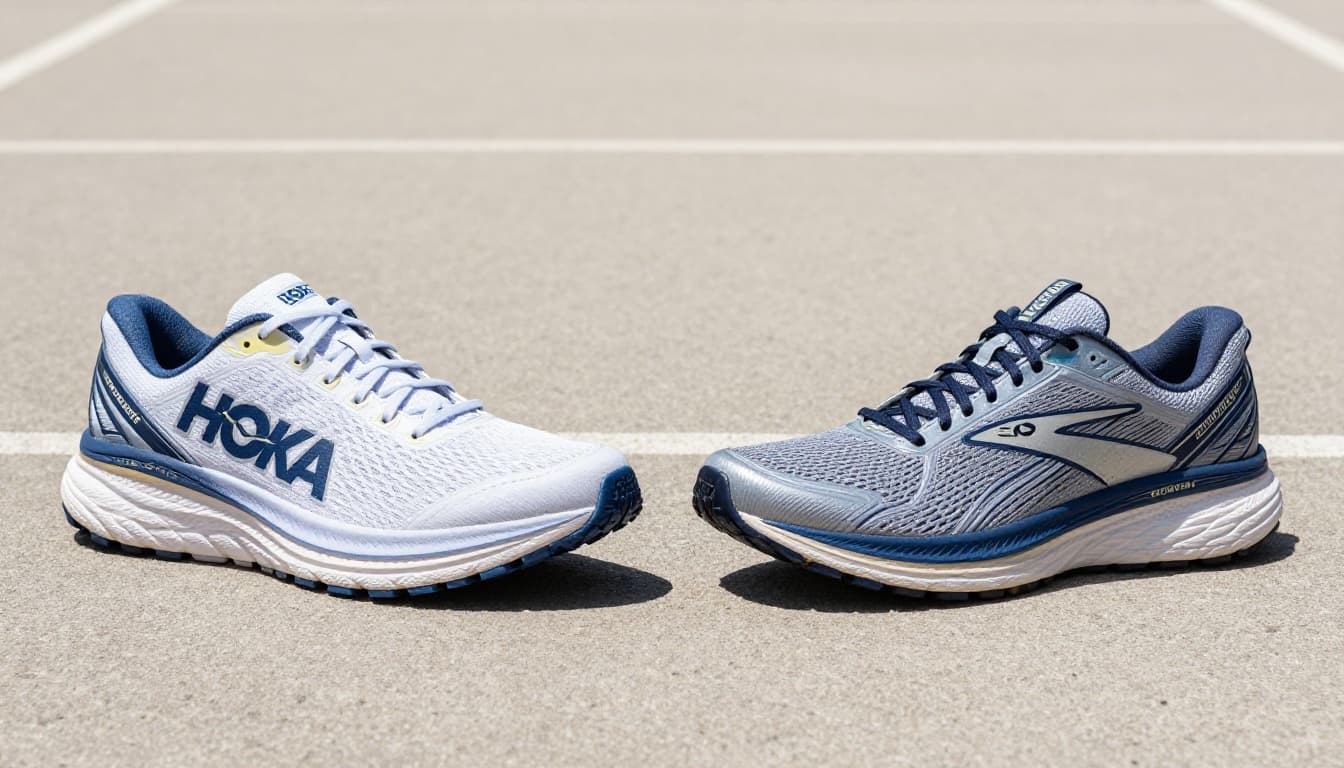
The HOKA Arahi 8 vs Brooks Adrenaline GTS 25 comparison makes sense because both shoes target runners who want support, but they do it in different ways. That matters if you want a daily trainer that feels steady without being harsh.
These are the kind of shoes many runners narrow down after a few weeks of regular training. One runner wants help staying centered on easy miles. Another wants extra confidence when long-run form starts to fade. A third just wants a shoe that feels stable enough for everyday use, especially when legs feel tired late in the week. For a simple look at who usually benefits from this category, Fleet Feet’s explanation of stability shoes breaks down the basics well.
The Arahi 8 and Adrenaline GTS 25 are also easy to compare because they sit in the same daily-running lane. They are built for repeat use, not just short test jogs. That means the real questions are practical ones, like which shoe feels softer, which one feels more guided, and which one you trust when the miles add up.
Who should look at a stability shoe in the first place?
Stability shoes are a smart option for runners who want a little more help underfoot. That often includes people with mild overpronation, runners coming back from a rough patch, or anyone who feels less stable as fatigue builds.
They can also help on longer runs, when small form changes show up more clearly. If your feet and legs get sloppy late in a workout, a stability shoe can feel like a steady hand on your shoulder. For some runners, that extra guidance is the difference between finishing strong and feeling like every step drifts a bit.
How HOKA and Brooks approach support differently
HOKA and Brooks both offer support, but they do not present it the same way. HOKA usually feels softer and more guided underfoot, with a ride that can feel smoother and a little more cushioned. Brooks tends to feel more traditional and structured, which is why many runners find it familiar right away.
That difference shapes the whole experience. If you like a shoe that feels mellow and gently corrected, HOKA may fit your taste. If you want something that feels more classic, firm in the right places, and easy to trust from the first run, Brooks has the edge. In other words, this comparison is less about which brand is better and more about which kind of support feels right on your feet.
How the fit and feel differ when you put them on
The first few steps tell you a lot about the HOKA Arahi 8 vs Brooks Adrenaline GTS 25 matchup. Both are stability shoes, but they shape your foot in different ways right away. One feels a little more relaxed and cushioned, while the other feels more planted and guided.
Toe box room, midfoot hold, and heel security
The Arahi 8 usually feels a bit more forgiving up front, with a toe box that gives your toes room to spread without feeling sloppy. The Adrenaline GTS 25 tends to feel more wrapped-in through the midfoot, which some runners like because it creates a secure, connected fit.
Heel hold also shapes the first impression. Brooks often locks the heel down with a more traditional, structured feel, while HOKA can feel smoother and less rigid around the back of the foot. That said, fit changes with width options and foot shape, so a runner with a narrow heel may notice a very different fit than someone with a wider forefoot.
Here’s a simple way to picture it:
- Arahi 8: roomier feel up front, softer wrap, easy-going step-in comfort
- Adrenaline GTS 25: snugger midfoot, firmer hold, more classic secure fit
If you want another stability reference point, the ASICS Gel-Kayano 31 stability review gives a useful comparison for how a shoe can feel stable without feeling bulky.
Which shoe feels softer or more structured at first step?
On first step, the Arahi 8 usually feels softer underfoot. It gives a cushioned, easy landing that can feel welcoming right out of the box. The Adrenaline GTS 25 feels more structured, with a firmer platform that some runners prefer because it feels steady and controlled.
You’ll likely notice that difference within the first few strides. If you like a shoe that feels plush and forgiving, HOKA has the edge. If you want a more grounded ride that feels stable right away, Brooks is the better match.
A first-run fit test matters more here than specs, because comfort and stability can feel very different once you start moving.
For runners comparing support shoes across brands, Brooks’ own Adrenaline line is a good point of reference for the shoe’s more traditional fit profile.
Cushioning and ride quality on daily runs
Cushioning is where the HOKA Arahi 8 vs Brooks Adrenaline GTS 25 comparison starts to feel personal. Both shoes can handle everyday miles, but they do it with a different mood underfoot. One feels more fluid and relaxed, while the other feels steadier and more familiar.
For daily running, that matters more than most specs. Your shoes need to feel good when the pace is easy, the legs are flat, and the run is just about getting the work done.
What the Arahi 8 is likely to feel like underfoot
The Arahi 8 should feel like the more guided, more cushioned-feeling option. HOKA shoes often create a soft landing with a rolling transition, so the ride feels smooth rather than harsh. That kind of geometry can make easy miles feel almost effortless, especially if you like a shoe that helps carry you forward.
The support also tends to feel subtle, not stiff. You get stability without the sense that the shoe is fighting your stride, which is a big reason many runners choose HOKA in the first place.
If you want support that feels gentle and cushioned, the Arahi style usually lands in that sweet spot.
On recovery days, that softer, more flowing feel can make a real difference. The shoe is likely to take the edge off tired legs without making the run feel clunky.
What the Adrenaline GTS 25 is likely to feel like underfoot
Brooks usually delivers a balanced ride that feels dependable from the first step. The Adrenaline GTS 25 is likely to keep that same personality, with stable support that feels familiar to a lot of runners. It should feel more controlled than plush, which can be a plus if you like a shoe that stays composed all the way through a run.
The ride is practical. It does not try to wow you with extra bounce or a super-soft sink-in feel. Instead, it gives you a steady platform that many runners trust for repeat miles, daily training, and plain old consistency.
That kind of ride works well if you prefer structure over softness. Some runners want a shoe that disappears into the background, and Brooks often does that better than flashier options.
Which one works better for easy miles and recovery days?
For slow, relaxed running, the Arahi 8 is the one that is more likely to feel soft and easy on the legs. Its cushioned, rolling ride can make recovery miles feel smoother, especially when you want a little comfort without extra weight.
The Adrenaline GTS 25, on the other hand, may feel more controlled and steady. That is a good thing if you want your easy runs to stay organized and your form to feel supported. It gives you less sink and more structure, which some runners prefer when they are logging frequent miles.
A simple way to separate them:
- Arahi 8: softer feel, smoother transitions, better for relaxed recovery days
- Adrenaline GTS 25: firmer balance, more stable feel, better for steady daily training
For runners who care most about comfort on tired legs, the Arahi 8 has the edge. For runners who want a consistent, dependable ride every time they lace up, the Adrenaline GTS 25 is the safer bet.
Stability, support, and natural movement: what kind of guidance do you want?
Both shoes aim to keep your stride steady, but they do it with a different feel. That matters if you want support that stays in the background, or if you prefer a shoe that reminds you where your foot is on every step. The HOKA Arahi 8 vs Brooks Adrenaline GTS 25 comparison really comes down to how much guidance you want when the miles start to feel long.
If you deal with mild to moderate pronation, both shoes can help keep you moving in a straighter line. The difference is in how they deliver that help. One feels softer and more natural, while the other feels more obvious and controlled.
How much guidance does each shoe give?
The Arahi 8 gives support in a gentler way. It should feel like a nudge, not a correction, which can be great if you want stability without a stiff ride. That lighter touch often helps runners stay comfortable late in a run, when form starts to drift and small mistakes feel bigger.
The Adrenaline GTS 25 is likely to feel more noticeable underfoot. Brooks usually builds stability into a more traditional platform, so the shoe feels guided from the start. For some runners, that extra structure brings confidence, especially when tired legs start rolling inward.
If you like a shoe that disappears once you settle in, the Arahi may fit better. If you want a shoe that stays present and keeps you centered, the Adrenaline has the edge.
Support that feels too strong can get distracting. Support that feels too mild can leave you unsure late in the run.
Which shoe feels more flexible, and which feels more locked in?
The Arahi 8 should feel more flexible and natural through the stride. It lets your foot move with a smoother transition, so the ride feels less rigid and more relaxed. That can be a big plus if you want freedom underfoot without giving up stability.
The Adrenaline GTS 25 should feel more locked in. It is built to keep your foot aligned, so the platform feels firmer and more planted. That gives you a steadier base, which can help if you like a shoe that feels secure on easy runs and long runs alike.
For runners deciding between the two, the choice is simple:
- Arahi 8 if you want softer guidance and more natural movement
- Adrenaline GTS 25 if you want a more controlled, planted feel
If you want another look at how stability shoes can feel when the support is tuned for daily miles, the Nike Structure 26 stability review is a useful comparison point.
Durability, traction, and everyday training value
When you commit to a daily trainer, you expect the shoe to handle the grind. Choosing between the HOKA Arahi 8 and the Brooks Adrenaline GTS 25 often comes down to how well they balance long-term wear with consistent performance on the road. Both models are built for high-mileage use, but they react to varied conditions in ways that can influence your choice.
Outsole grip for road running and light wet conditions
You should look for a rubber compound that bites into slick surfaces without feeling overly stiff. On standard road routes, both models provide enough surface area to maintain contact, even when sidewalks get damp after a light drizzle. You do not need deep lugs for road running, as those often feel clunky and wear down faster on abrasive concrete.
The goal is to find a balance between a sticky enough rubber to prevent slips and a durable enough compound to survive hundreds of miles. While some runners prioritize maximum grip, most road-focused stability shoes rely on geometry and rubber placement to keep you planted.
If you frequently run on varied asphalt or painted crosswalks, observe how the rubber is segmented. A pattern that allows for slight flex usually keeps more rubber on the ground, which improves stability. For those interested in how these design choices impact the run, these in-depth insights into running shoe outsoles provide a clear look at what happens at the surface level.
How long each shoe may stay useful for regular mileage
Durability is rarely just about when the rubber wears through. Most runners find that the foam loses its snap or supportive feel long before the outsole disappears. You can expect a solid 300 to 400 miles from either the Arahi 8 or the Adrenaline GTS 25 before you start to notice the midsole cushioning compressing.
Keep in mind that “freshness” is subjective. If you train in these every day, the foam undergoes constant stress and might feel dead sooner than if you rotate them with another pair. Brooks generally uses a robust foam setup that maintains its structure for a long time, whereas HOKA might feel softer but potentially packs out a bit faster depending on your weight and strike pattern.
If you want a budget-friendly stability running shoe to rotate alongside your primary pair, it can extend the life of both by giving the foam time to recover between runs. Watch for signs like increased soreness in your shins or feet, as these often signal that the shoe’s internal support has reached its limit, regardless of how the tread looks.
Which runner fits each shoe best?
Deciding between these two shoes often comes down to your personal history with running shoes and your specific training goals. While both models provide stability, they occupy different spaces in a runner’s rotation. Choosing the right one depends on whether you value a modern, plush ride or a classic, grounded feel.
Choose the HOKA Arahi 8 if you want a softer, smoother support shoe
The Arahi 8 is your best bet if you gravitate toward a contemporary, cushioned feel. HOKA designs this shoe for runners who want support that stays out of the way. If you find traditional stability shoes too rigid or heavy, the Arahi will likely feel like a refreshing change of pace.
It works exceptionally well for high-mileage training where you want to keep your legs fresh. The geometry of the sole encourages a smooth transition from landing to toe-off. This makes it a great choice for those long, easy days when you want to focus on your rhythm rather than the mechanics of the shoe.
If you appreciate a generous amount of foam and a rocker-shaped sole that helps carry you forward, you will feel at home here. It is ideal for the runner who wants a lighter shoe that still manages to keep the foot properly aligned through the gait cycle.
Choose the Brooks Adrenaline GTS 25 if you want dependable support and a classic ride
The Adrenaline GTS 25 caters to the runner who values consistency above all else. If you have worn support shoes for years, this model will feel familiar from the moment you lace it up. It provides a structured, steady platform that works well for those who prefer their shoes to feel secure and predictable.
Many runners choose this shoe because it avoids being overly soft or squishy. If you like to feel the ground beneath you and want a firm, responsive push-off, the Adrenaline is a reliable workhorse. It shines during daily training sessions where you need to know exactly how the shoe will react on every mile.
For those who want a structured fit that locks the foot into place, this remains a gold-standard option. It does not try to reinvent the wheel. Instead, it offers a refined, stable experience that millions of runners rely on for their daily miles. You can find more details on why consistency matters in how to choose your daily trainer.
What if you are between sizes, widths, or support needs?
Sometimes, your foot shape or personal comfort preference outweighs brand loyalty. If you are struggling to choose, the best step is to visit a local running store to try both on your feet. Small differences in the upper design or the volume of the toe box can change your entire outlook on a shoe.
Consider these factors when you compare them in person:
- Width availability: Both brands offer wide and extra-wide options, so do not settle for a tight fit if you have a broader foot.
- Arch height: A shoe that feels great on your friend might hit your arch differently, so walk around to test the internal support.
- Volume: Some runners have a “high volume” foot that needs more depth in the upper, which can make one shoe feel significantly more comfortable than the other.
If one shoe feels like it is pinching your pinky toe or putting too much pressure on your heel, move to the other. Your feet have unique needs, and the perfect shoe is the one that lets you forget you are wearing it. Taking a few minutes to walk or jog in each pair will reveal more than any spec sheet could ever tell you.
The bottom line: HOKA Arahi 8 vs Brooks Adrenaline GTS 25
Choosing between these two shoes ultimately depends on whether you prefer a modern, cushioned ride or a traditional, structured feel. While both excel at keeping your stride aligned, they approach stability from different design philosophies.
Key differences in the running experience
The HOKA Arahi 8 offers a plush, rocker-based ride. It excels if you want support that feels subtle and smooth. Its primary strength lies in its ability to keep your legs feeling fresh on longer, slower efforts without adding extra weight. You will notice the foam feels softer upon landing, which creates a more forgiving transition through your gait cycle.
In contrast, the Brooks Adrenaline GTS 25 provides a firm and reliable platform. It is the better choice if you value predictability and a secure, locked-in feel. This shoe does not try to change your natural stride; instead, it provides a stable foundation that remains consistent regardless of your pace.
If you dislike the feeling of a rocker sole or overly soft foam, the Adrenaline will likely feel more natural and responsive under your feet.
Making your final decision
If you want a shoe that feels light, soft, and modern, the HOKA Arahi 8 is the top candidate. It is a fantastic option for daily training where comfort is your biggest priority. If you prefer a classic, grounded trainer that offers high-level support and a familiar, structured fit, the Brooks Adrenaline GTS 25 remains the industry standard.
Many runners who have used the Adrenaline line for years will find this update hits all the right notes for a dependable, everyday workhorse. Your decision should come down to which sensation you enjoy more: the gentle, rocker-assisted cushion of the HOKA or the planted, steady guidance of the Brooks.


