

Hiking Trails in Iowa: Best Scenic Trails & Hidden Gems
Iowa’s hiking trails offer more variety than many people expect: quiet prairie paths, limestone caves, and wooded bluffs overlooking the Mississippi River. Each setting brings a different kind of outing, so the right hike depends on what you want to see, how much time you have, and what terrain feels comfortable.
Use this guide to find hiking trails that fit your plans and prepare with practical details about route choices, seasonal conditions, and access. Before you go, check current guidance from the park or land manager, since trail and cave access can change. Start by comparing Iowa’s most distinctive hiking destinations. Be sure to check out the RunDreamAchieve YouTube channel for weekly running tips.
Key Takeaways
- Hiking Trails in Iowa offer varied terrain, with prairie paths, wooded bluffs, and limestone caves across the state.
- At Maquoketa Caves State Park, a six-mile trail system connects caves with scenic overlooks; check the official park details before planning your route.
- Choose a trail based on distance, terrain, and the kind of scenery you want, since each setting creates a different hiking experience.
- Before heading out, review current park guidance for trail conditions and cave access, which can change with weather or maintenance.
Hiking Trails in Iowa: Find Caves, Bluffs, and Prairie Paths
Hiking trails in Iowa pass through settings that can feel worlds apart, from shadowed caves to open grassland and steep river bluffs. These destinations offer options for hikers who want rugged footing, quiet forest walks, or broad views. Check official maps and alerts before setting out, since weather, maintenance, and land-management rules can affect access.
Explore caves and rugged rock at Maquoketa Caves and Ledges State Park
Near Maquoketa, wooded paths at Maquoketa Caves State Park link cave entrances, limestone formations, and leafy stretches of trail. The mix suits hikers who enjoy exploring natural features and don’t mind slowing down to watch their footing. Some cave routes involve uneven ground, stairs, or low passages, so wear shoes with good traction and choose routes that match your comfort level.
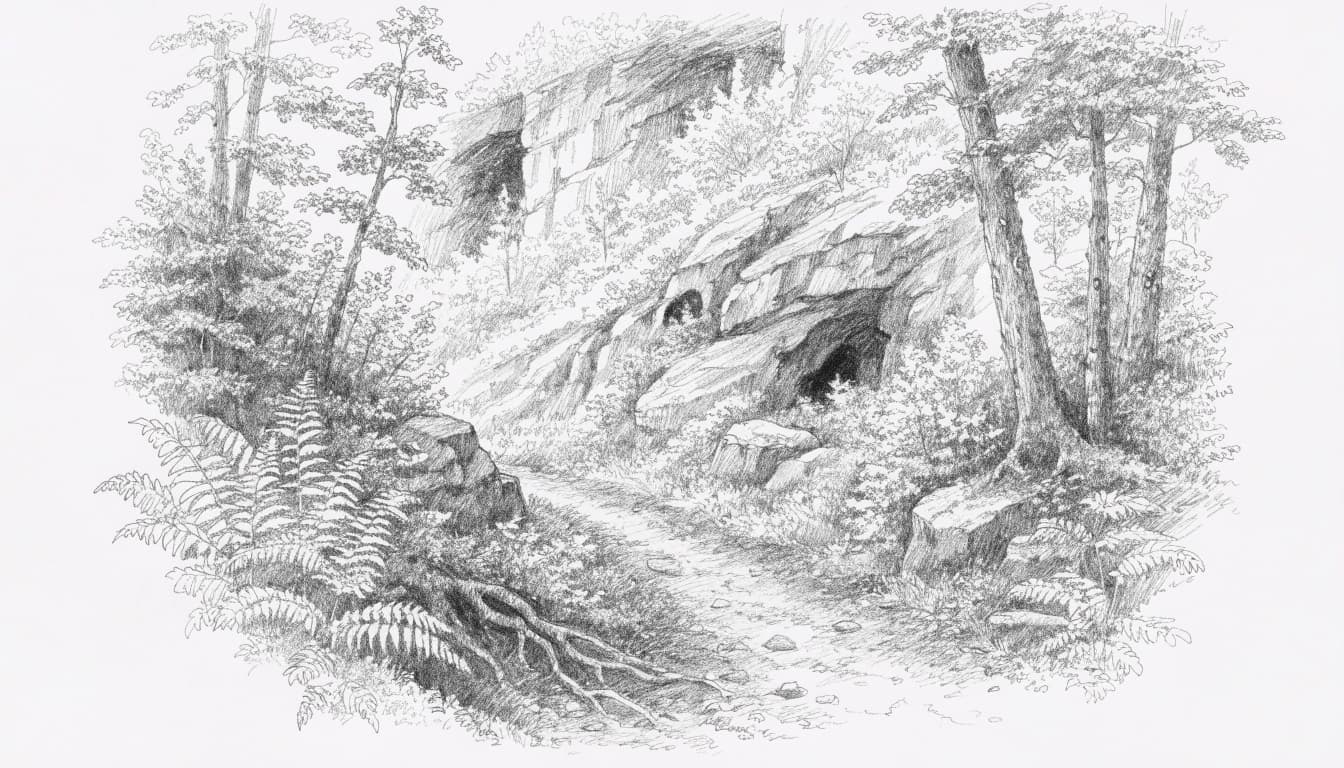
Near Boone, Ledges State Park trades caves for sandstone cliffs, ravines, and streamside scenery. Trails descend into a wooded canyon and climb toward views above the Des Moines River, making the park a good fit for hikers who like varied terrain. Before visiting either park, review the Maquoketa Caves park information and Ledges trail details for current conditions and access.
Follow wooded trails above the Mississippi at Effigy Mounds and Pikes Peak
At Effigy Mounds National Monument near Harpers Ferry, forest paths pass ancient earthworks and reach overlooks above the Mississippi River. The wooded setting and cultural history reward hikers who are comfortable with climbs and uneven surfaces. Stay on marked routes, and treat the mounds and other cultural sites with care.
Nearby Pikes Peak State Park, close to McGregor, pairs bluff-top views with river scenery and wooded valleys. It’s a strong choice for hikers seeking a scenic overlook, though some routes include steep sections. Check the official Pikes Peak trail information before choosing a route.
Find a wilder feel at Backbone State Park and Yellow River State Forest
Backbone State Park near Strawberry Point is known for rugged limestone features, wooded paths, and the narrow ridge called the Backbone. Hikers can explore rocky terrain beneath a forest canopy, while route choices suit a range of outings. Still, don’t assume every trail is an easy walk; use the park map to check distances and terrain.
For a larger forest setting, head to Yellow River State Forest near Harpers Ferry. Its marked trails pass through a quieter stretch of northeast Iowa, with routes that vary in length and difficulty. Review the Yellow River State Forest trail guidance and select a loop that fits your experience and available time.
Walk open prairie and rolling hills in the Loess Hills and Neal Smith refuge
The Loess Hills in western Iowa rise into steep, distinctive landforms shaped by windblown soil. Public trails cross ridges and valleys, offering hikers a striking change from the state’s wooded parks. Use the Loess Hills hiking guide to find public trail locations and plan around the terrain.
At Neal Smith National Wildlife Refuge near Prairie City, open prairie and oak savanna create a broad, sunlit walking experience. Exposed paths provide little shade and can feel hot or windy, so bring water and dress for changing conditions. Wildlife viewing is best done quietly and from a respectful distance. Check refuge rules and trail guidance before visiting.
Choose an Iowa Hike That Fits Your Time, Fitness, and Travel Plans
The best Iowa hike fits the day you have, the people in your group, and the ground you want to cover. Before choosing a route, factor in the drive, trail time, breaks, and time to explore an overlook or cave.
Pick a short walk, a half-day outing, or a full day on the trail
Start with your available time, then subtract the drive to and from the trailhead. Add room for water and snack breaks, photos, and any stop that might take longer than expected. A cave visit, for example, can slow your pace if you need to wait or move carefully over uneven ground.
For beginners and families with young children, choose a shorter route with a clear option to turn back early. That makes it easier to adjust if the group gets tired or trail conditions feel uncomfortable. Experienced hikers should check the total route distance and elevation change, not just the distance to a scenic feature. A short trail with a steep climb can take more effort than a longer, level path.
Choose Your Distance, Duration and Goal Time
Make three quick selections and open the exact plan built for your race target.
Looking for a Fully Personalized Training Plan?
The training plans above are an excellent choice if they match your goal. However, if you’d rather train with a plan built specifically around your current fitness, goal race, preferred training days, weekly mileage, and target finish time, our RDA Custom Training Plans provide a personalized solution. We also have running courses available for runners seeking to run faster from the mile to the marathon.
Why Choose a Custom Training Plan?
| Standard Training Plan | RDA Custom Training Plan |
|---|---|
| Follows a fixed schedule | Built around your schedule |
| Standard weekly mileage | Peak mileage customized for you |
| Fixed workout days | Train on the days you choose |
| Same structure for everyone | Designed around your current fitness |
| Static plan | Updated as your fitness improves |
| One-time purchase | Ongoing personalized coaching and support |
What You’ll Receive
- A training plan built specifically for your goal
- Personalized training paces
- Long runs, tempo runs, threshold workouts, interval sessions, recovery runs, and easy runs
- Peak weekly mileage matched to your experience level
- Flexible training schedule that fits your life
- Ongoing plan adjustments as your fitness improves
Ready to Train Smarter?
Stop guessing and start following a plan built specifically for you, your schedule, and your racing goals.
Match trail terrain to your group’s comfort level
A trail rating doesn’t tell the whole story. Stairs, exposed roots, loose rocks, mud, steep grades, and narrow paths all affect how a route feels. Limited shade can also make a sunny prairie walk harder on a hot day, while a pack adds strain on climbs and uneven surfaces.
Consider the needs of everyone in your group, including young children, older adults, and anyone with mobility needs. If an accessible route matters, check directly with the managing agency for current details. Route surfaces and access features can vary, even within the same park. Iowa DNR’s state park trail resources can help you locate trails and maps; check park notices before leaving, too.
Build a route around the region you want to explore
Where you’re staying can narrow the choices quickly. In northeast Iowa, river bluffs and forested hills offer a different outing from central Iowa’s open prairie. Eastern Iowa has wooded parks and cave landscapes, while western routes through the Loess Hills bring steep ridges and exposed paths.
Choose one main destination, then see whether another stop fits nearby. Check drive times and trailhead locations before combining parks, since a route that looks close on a map may involve a longer road trip. The Iowa state park alerts page lists current notices and closures; consult it along with the park’s official map for route access, parking, and restroom information. A little checking helps keep the day focused on the trail rather than extra time in the car.
Know when to hike Iowa’s trails for the best experience
Each season changes the feel of hiking trails in Iowa, but weather and trail conditions can vary from year to year. A warm spell may soften a spring path, while a sudden storm can change summer plans. Check park updates and the forecast before you go, then choose a route that fits the day.
Enjoy spring wildflowers, but expect mud and changing conditions
Spring brings fresh growth to Iowa’s woodlands, and seasonal flowers can make familiar trails feel new. The Iowa DNR’s woodland wildflower reports offer a sense of what may be blooming, though timing shifts with the weather.
That same thaw and rainfall can leave paths muddy, with wet stream crossings and soft ground underfoot. Temperatures may swing between chilly mornings and mild afternoons, so bring a layer and wear sturdy shoes with good traction. Check recent conditions before leaving, and stay off very soft trails when signs or park staff ask visitors to do so. Walking on saturated ground can widen muddy sections and damage trail edges.
Plan summer hikes around heat, shade, and daylight
Summer offers long days, but exposed prairie routes and sunny hillsides may have little shade. Heat and humidity can make a familiar distance feel harder, especially when you climb or carry a pack. Start early, bring enough water, and use sun protection. A shorter route is a sensible choice on especially hot or humid days.
Ticks are another reason to plan ahead when walking through grassy or wooded areas. Stay near the center of the trail when possible, use an appropriate repellent, and check your clothing and skin afterward. The CDC’s tick bite prevention guidance explains ways to reduce exposure. Also check local alerts for thunderstorms or other hazards, and turn back if conditions change.
Make fall colors and winter walks safer with a little extra planning
In wooded parks, fall color brings rich reds and golds to the trail. Yet fallen leaves can conceal rocks, roots, and uneven ground, so slow down and watch each step. Shorter daylight also makes it important to start with enough time to finish before dark.
Winter hikes can offer quiet paths and crisp air, but snow and ice change footing quickly. Dress in warm layers, bring traction suited to the conditions, and choose a shorter route when daylight is limited. Trail maintenance varies by park, so don’t assume a route is cleared or open in winter. Before setting out, check current park notices and adjust your plans if ice, deep snow, or severe cold makes the trail unsafe.
Prepare for a safer, smoother day on Iowa’s trails
A little planning helps turn a trail idea into a comfortable day outdoors. Before heading out, confirm your route and access, pack for the conditions, and know how to protect the places you visit.
Check maps, closures, parking, and rules before leaving home
Start with the land manager’s official page. The Iowa DNR trail map tool can help you locate routes in state parks, while National Park Service and U.S. Fish and Wildlife Service pages provide current information for sites they manage. Check the specific destination for maps, parking details, alerts, facilities, and regulations.
Trail access can change after storms, maintenance, or seasonal closures. Cave access may also differ from the rest of a park, and restrooms or other facilities may not be available year-round. Confirm what’s open on the day of your visit, then save an offline map in case cell service drops. Before you leave, tell someone where you plan to hike and when you expect to return. If your plans change, update them.
Pack for uneven ground, changing weather, and basic emergencies
Good footwear with reliable grip helps on roots, rocks, mud, and steep sections. Pack enough water for your route and the day’s conditions, plus snacks that are easy to eat during a break. Hot weather and rough terrain call for extra water and a slower pace, so allow more time than a trail-distance estimate might suggest.
A compact day-hike kit can cover most ordinary needs:
- Bring weather-appropriate layers, including a light rain jacket if rain is possible.
- Pack sun protection, such as a hat, sunglasses, and sunscreen.
- Use insect protection when conditions call for it, and check your clothing and skin after the hike.
- Carry a charged phone and a small first-aid kit for minor scrapes or blisters.
- Add a flashlight if there’s any chance your hike could run close to sunset.
Keep the load manageable, but don’t leave out basics just to lighten your pack. For a longer route, check whether you’ll pass a reliable place to refill water before deciding how much to carry.
Protect wildlife, cultural sites, and the trail itself
Stay on marked paths, especially where vegetation grows close to the trail. Stepping around mud or puddles can widen a path and damage nearby plants. Pack out food wrappers and other trash, and leave rocks, plants, and natural features where you find them. The National Park Service’s Leave No Trace guidance offers practical ways to reduce your impact outdoors.
Keep wildlife at a respectful distance, and never feed or approach animals. If you bring a dog, keep it leashed where required and check whether pets are allowed on your chosen route. At Effigy Mounds, respect the site’s cultural significance by staying on designated trails and never touching or disturbing earthworks or artifacts. Finally, check park-specific rules for pets, camping, and fires, since requirements differ between destinations.
Frequently Asked Questions
Iowa’s trails reward a little planning, especially when you’re choosing between wooded climbs, open prairie, and cave paths. These answers cover common details to check before you head out.
What are some of the most scenic hiking trails in Iowa?
For Mississippi River views, explore the wooded overlooks at Effigy Mounds National Monument or Pikes Peak State Park. Ledges State Park offers sandstone cliffs and ravines, while the Loess Hills feature steep ridges and open views across western Iowa. Each area has different terrain, so check the managing agency’s current map and route notices before choosing a hike.
Are there easy hiking trails in Iowa for beginners and families?
Many parks have shorter walks, but distance alone doesn’t determine difficulty. A brief route with steps, steep slopes, loose rock, or muddy ground may be harder than a longer, level path. Before traveling, use a current official map to review the route surface and elevation, then match it to your group’s comfort and mobility needs.
Can you hike at Iowa’s caves year-round?
Hiking near caves may be possible when cave access is restricted, but conditions and park rules vary with the season and weather. Maquoketa Caves State Park closes its caves from November 15 through April 1, according to the official park information. Check current notices before your visit, and never enter a cave or trail area marked closed or unsafe.
Are dogs allowed on Iowa hiking trails?
Pet rules differ by park, and some trails or natural areas may restrict dogs. Iowa state parks require pets to stay leashed, but check the state parks use rules and the specific site’s guidance before you go. Confirm leash requirements and any trail limits with the agency that manages your destination.
What should I bring on a day hike in Iowa?
Pack water, snacks, supportive footwear, weather layers, sun and insect protection, a charged phone, and a map you can use without cell service. The amount of water and gear you need depends on the route length, weather, and your own needs. For exposed prairie trails or steep, rugged paths, plan for the conditions rather than relying on distance alone.
Conclusion
Iowa’s hiking trails offer a memorable change of pace, whether you prefer a cave path beneath a forest canopy or a prairie route with wide-open views. Across the state, the scenery shifts from rolling grassland and prairie horizons to wooded bluffs above the Mississippi River. Choose the setting that calls to you, then pick a route that matches your time, fitness, and comfort on uneven ground.
Before you leave, check the Iowa DNR’s current park alerts and the destination’s trail information. Conditions and access can change, so a quick review helps you plan a smoother outing. Start at a comfortable pace, take time to notice the landscape, and stay on marked paths. Pack out what you bring in, and leave the trail as you found it. Then enjoy the first steps of your next Iowa hike.


