

Hiking Trails in Hawaii: Volcanoes & Tropical Paradise Trails
A single Hawaii hiking trip can take you through rain-soaked rainforest, across rough volcanic rock, along coastal cliffs, and into green valleys. That variety makes the islands unforgettable, but it also means trail conditions and difficulty can change sharply with the island, elevation, and weather.
Access rules vary, too, and a route that looks short on a map may involve steep climbs, mud, or exposed terrain. This island-by-island guide to hiking trails in Hawaii will help you compare scenery, choose a route that fits your experience, and prepare for a safer day outdoors. Start with the key takeaways, then use them to narrow down your hike. Be sure to check out the RunDreamAchieve YouTube channel for weekly running tips.
Key Takeaways
- Hiking trails in Hawaii range from rainforest paths to exposed volcanic ridges and coastal routes, so scenery and difficulty vary by island.
- Choose a route that matches your fitness, hiking experience, and comfort with steep climbs, muddy ground, or narrow trails.
- Check weather and current trail conditions before setting out, since rain can make rocks and slopes slippery.
- Pack enough water, sun protection, sturdy footwear, and a route plan; turn back if conditions become unsafe.
- Access rules differ by trail. For Kauai’s Kalalau Trail, review official permit and access requirements before you go.
How to Choose Among Hiking Trails in Hawaii
The right Hawaii hike depends on more than the view. Match the route to your available time, fitness, experience, and comfort with the terrain, then check current conditions before you go. A short trail can feel demanding when it climbs steeply or crosses slick ground.
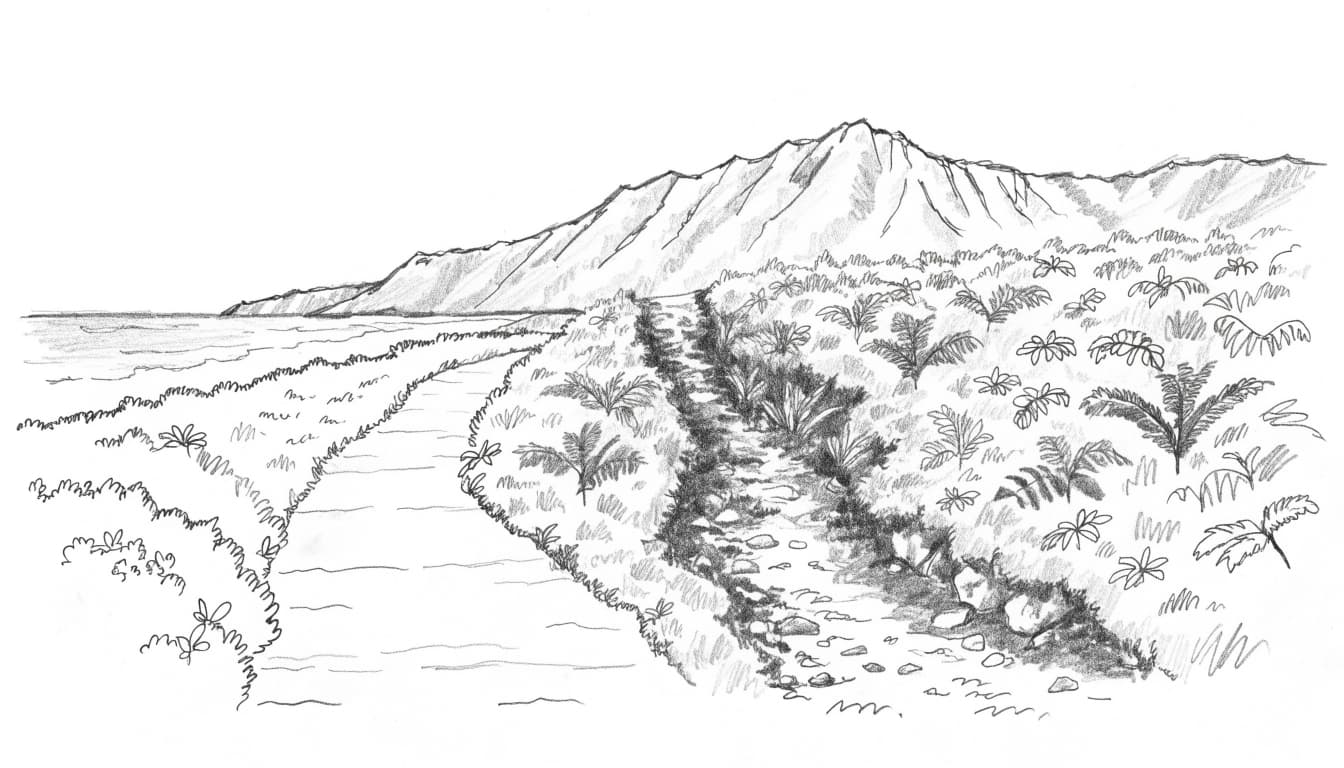
Look beyond mileage and elevation
Distance gives you a starting point, but it doesn’t tell the whole story. Steep climbs, heat, mud, exposed ridgelines, and stream crossings can slow your pace and raise the effort. A three-mile route over uneven volcanic rock may take longer than a longer, paved coastal walk.
Consider how much time you have for the full outing, including breaks and the return trip. If you’re new to hiking or traveling with children, choose a well-marked route with forgiving footing. More experienced hikers may prefer a longer climb or remote route, but should account for navigation and changing weather.
Hiking trails in Hawaii range from easy paved paths to strenuous routes through rainforest, across lava fields, and along narrow ridges. Choose the experience you want, then check whether the terrain suits your group.
Match the route to your conditions
Scenery can help narrow your options. Coastal trails offer ocean views and open sun exposure, while rainforest routes bring shade, mud, and slick roots. Volcanic trails can feel dry and hot, with rough, uneven surfaces underfoot. Pick the setting you’ll enjoy, but plan for its demands.
Weather also shifts quickly in Hawaii. A clear morning can give way to rain and wind, and wet ground can make a familiar route harder. The National Park Service advises hikers at Hawaiʻi Volcanoes National Park to check the forecast and prepare for changing conditions in its Hawaiʻi Volcanoes hiking tips.
Before settling on a trail, ask yourself:
- Does the route fit the time and energy you have today?
- Are you comfortable with its steepness, footing, and exposure?
- Have you checked recent weather and trail access information?
If the forecast or conditions don’t suit your plans, choose an easier route or save the hike for another day.
Oahu Trails for Crater Views and Coastal Scenery
Oahu is a strong choice for accessible hikes with striking views, from volcanic craters to wind-brushed coastlines. The island’s best-known routes can draw crowds, however, and some require advance planning. Check access rules and weather before you head out, then choose a trail that matches your comfort with sun, hills, and uneven ground.
Climb Diamond Head for a crater-top view
The Diamond Head (Lēʻahi) Summit Trail starts inside a volcanic crater near Honolulu and climbs to a lookout above the coast. The route is short, but the ascent is steep, with stairs and uneven sections near the top. Hawaii’s Division of State Parks describes the climb as strenuous, with a 560-foot elevation gain.
Because the trail gets busy, start early if you want a cooler walk and fewer people on the path. Bring water and sun protection, since much of the route is exposed. Reservations are required for out-of-state visitors, and popular time slots can fill up. Review the official Diamond Head trail details and make a park reservation before your visit.
Diamond Head suits hikers who want a compact, challenging climb with a wide payoff at the summit. Take your time on the descent, especially where the path narrows or the steps grow steep.
Choose Your Distance, Duration and Goal Time
Make three quick selections and open the exact plan built for your race target.
Looking for a Fully Personalized Training Plan?
The training plans above are an excellent choice if they match your goal. However, if you’d rather train with a plan built specifically around your current fitness, goal race, preferred training days, weekly mileage, and target finish time, our RDA Custom Training Plans provide a personalized solution. We also have running courses available for runners seeking to run faster from the mile to the marathon.
Why Choose a Custom Training Plan?
| Standard Training Plan | RDA Custom Training Plan |
|---|---|
| Follows a fixed schedule | Built around your schedule |
| Standard weekly mileage | Peak mileage customized for you |
| Fixed workout days | Train on the days you choose |
| Same structure for everyone | Designed around your current fitness |
| Static plan | Updated as your fitness improves |
| One-time purchase | Ongoing personalized coaching and support |
What You’ll Receive
- A training plan built specifically for your goal
- Personalized training paces
- Long runs, tempo runs, threshold workouts, interval sessions, recovery runs, and easy runs
- Peak weekly mileage matched to your experience level
- Flexible training schedule that fits your life
- Ongoing plan adjustments as your fitness improves
Ready to Train Smarter?
Stop guessing and start following a plan built specifically for you, your schedule, and your racing goals.
Follow the coast at Makapuʻu
For a different view, the Makapuʻu Point Lighthouse Trail follows a paved route above Oahu’s southeastern shore. The steady uphill grade can feel demanding in the heat, but the broad ocean views make it a popular choice for hikers who prefer a clear path over muddy or rocky footing. There is little shade, so carry water and wear a hat.
On clear days, the lookout gives you a sweeping view of the coastline and offshore islets. Go early to avoid the strongest midday sun, and stay on the path near exposed edges. The paved surface makes this route easier to follow, though its incline still calls for a comfortable pace and sturdy walking shoes.
Both hikes reward an early start, but they offer different challenges: Diamond Head has a steeper, more rugged finish, while Makapuʻu brings a longer, sun-exposed climb. Check current access information before setting out, and turn back if heat, wind, or trail conditions make the return unsafe.
Maui Hikes Through Bamboo Forests and Volcanic Landscapes
Maui offers two very different hiking experiences: a humid trail through bamboo in the island’s east, and high-elevation routes across Haleakalā’s volcanic terrain. Each calls for different preparation, so choose by conditions and experience as much as by scenery.
Walk through the bamboo on the Pipiwai Trail
In Haleakalā National Park’s Kīpahulu District, the Pipiwai Trail climbs through a lush, rain-fed landscape toward Waimoku Falls. Bamboo closes in around parts of the route, while roots, mud, and uneven ground can make the walk slower than its mileage suggests. The trail is commonly described as a roughly four-mile round trip, but check current park information before setting out.
Rain can change footing quickly, and streams or trail sections may be affected by weather. Wear shoes with reliable traction, carry water, and allow time for the return hike. The route’s dense greenery offers shade, but it doesn’t remove the need to prepare for a warm, damp outing.
Cross Haleakalā’s high volcanic terrain
The Summit District feels like another island. Trails such as Sliding Sands descend across the crater’s open, rocky terrain, where sparse vegetation offers little shade and the high elevation can make exertion harder. The route may look manageable on a map, but every descent adds climbing to the return.
Cold, wind, and sudden weather shifts can catch hikers off guard, even when conditions at lower elevations feel mild. Haleakalā National Park warns that summit trails are strenuous in part because high elevation means less oxygen with each breath. Read the park’s Haleakalā hiking guidance before choosing a route, especially if you haven’t hiked at altitude before.
Plan around access and changing conditions
The Kīpahulu and Summit districts sit far apart, so don’t plan to combine them casually in one outing. Check the park’s current alerts and conditions before driving, and confirm which roads, facilities, and trails are open. Conditions can change, and a route that was accessible on a previous visit may not be available today.
For either district, carry more water than you expect to need, bring layers for the summit, and set a turnaround time. If rain, altitude, or footing begins to affect your pace, shorten the hike or head back.
Kauai Hiking Trails for Cliffs, Valleys, and Waterfalls
Kauai’s green ridges, deep valleys, and rain-fed waterfalls make its hiking trails some of Hawaii’s most dramatic. The island also demands respect: steep drop-offs, muddy paths, and fast-changing weather can turn a scenic outing into a difficult hike. Choose a route based on the effort and preparation it requires, not just the view.
Start with a canyon viewpoint or forest trail
For a manageable introduction, visit the lookouts at Waimea Canyon State Park. Short walks near the viewpoints offer broad views into the canyon without committing to a remote, all-day trek. However, even shorter routes can have uneven or slick footing after rain, so wear shoes with traction and stay behind barriers.
For a longer outing, trails in Kōkeʻe State Park pass through native forest and along the rim of Waimea Canyon. Conditions vary by route; some paths become muddy and slippery, even when the weather looks clear at the trailhead. Check the state’s Waimea Canyon trail and park information and Kōkeʻe State Park details before choosing a hike. Rain, road closures, and limited parking can affect plans.
Treat the Na Pali Coast as a serious trek
The Kalalau Trail follows Kauai’s rugged north shore, where cliffs rise above the ocean and the route crosses exposed slopes and stream valleys. It offers a far more demanding experience than a short viewpoint walk. Steep, narrow sections, unstable footing, and changing weather require good fitness, careful pacing, and a realistic turnaround plan.
Access rules depend on how far you hike. A camping permit is required to continue beyond Hanakāpīʻai Valley, and permits and access arrangements can change. Before you set out, review the state’s Kalalau Trail permit and access information and its trail safety updates. Do not assume a route is open or safe because it was accessible during a previous visit.
Prepare for rain, mud, and changing access
Kauai’s lush scenery comes with frequent rain, which can make rocks, roots, and stream crossings hazardous. Check forecasts and official trail notices on the day of your hike, carry water and rain protection, and give yourself enough daylight to return. If heavy rain arrives or footing becomes uncertain, turn back.
A canyon overlook can deliver memorable views with modest effort, while a Na Pali trek calls for serious planning. Pick the route that matches your experience, then confirm current conditions before leaving.
Big Island Hikes Across Lava Fields and Rainforest
The Big Island offers strikingly different hikes, sometimes within the same day’s drive. You can cross dark lava, follow a shaded rainforest path, or look out over a rugged coastline. Each setting calls for different preparation, so check the route, weather, and access before setting out.
Cross exposed lava fields near Kīlauea
Hikes in Hawaiʻi Volcanoes National Park bring you close to the island’s volcanic terrain. The Kīlauea Iki route, for example, passes through forest before crossing the crater floor, where rough lava and open exposure shape the experience. On these trails, distance alone can understate the effort: sharp, uneven rock slows your pace and demands sturdy footwear.
Conditions and access near active volcanic areas can change as activity and hazards shift. Check the park’s current alerts and trail conditions before driving to the trailhead, and stay on open routes. The National Park Service also warns hikers about unstable ground and sharp volcanic rock in its park safety guidance. Carry water and sun protection, since much of a lava route offers little shade.
Find shade and waterfalls in the rainforest
On the island’s windward side, ʻAkaka Falls State Park offers a short paved walk through lush vegetation to views of ʻAkaka Falls. The humid air, dense greenery, and waterfall scenery create a sharp contrast with the exposed volcanic trails. The path is shorter and easier to follow, but wet surfaces can still be slippery.
Check the state’s ʻAkaka Falls park information before visiting, since sections may close after fallen trees or other damage. For a quieter forest hike, look into routes in the Hilo area, then confirm current access and footing locally.
Take in coastal views with care
At Pololū Valley, the lookout above the coast gives hikers a broad view of steep green cliffs and the ocean. The trail descends toward the valley floor on a steep, uneven path, so the return climb takes more effort than the short distance may suggest. After rain, mud can make the descent and ascent more difficult.
Wear shoes with traction, bring water, and leave time for the climb back. Across the Big Island, choose trails by terrain as well as scenery: lava fields are exposed and rough underfoot, rainforest paths can be slick, and coastal routes may involve steep grades.
Plan a Safer, More Respectful Hawaii Hiking Trip
Good preparation protects both your group and the places you came to see. Hawaii’s trails can shift from dry and exposed to muddy and slippery, while access rules may change after weather damage or maintenance. Check official information before you leave, then adjust your plans to the conditions on the day.
Check access and pack for the route
Before driving to a trailhead, review the land manager’s latest updates for closures, permits, reservations, parking limits, and other access rules. The state’s Hawaii hiking information can help you check state-managed trails, while the Nā Ala Hele Trail & Access Program provides guidance on using official routes. A trail shown as open in an older guide may have closed since it was published.
Pack water, sun protection, and shoes with good grip. A hat, sunscreen, and light rain layer can help with Hawaii’s changing exposure and weather. Carry enough water for the full outing, including the return, and bring a charged phone with your route saved for offline use. When a trail is popular or exposed, an early start can reduce heat exposure and leave more daylight for the hike back.
Stay alert and turn back when needed
Follow marked trails, even when a shortcut looks easy. Leaving the path can damage native vegetation, disturb wildlife, and put hikers on unstable ground. Keep a steady pace, watch for slick roots and loose rock, and give other hikers room on narrow sections.
Rain, strong wind, rising water, or worsening footing can make a route unsafe. Turn back if conditions change, someone in your group feels unwell, or you can no longer make good progress. A summit or waterfall is never worth risking a difficult return in poor conditions. Tell someone your route and expected return time before you set out.
Leave cultural and natural places undisturbed
Hawaii’s forests and trails are also cultural spaces. Respect signs and barriers, avoid touching or moving stones and other cultural features, and stay off private property. If a route crosses land you don’t have permission to enter, choose another trail.
Leave plants, rocks, shells, and wildlife where you find them. Keep a respectful distance from animals, and don’t feed or pursue them for photos. Pack out all trash, food scraps, and other waste, including items that seem biodegradable. These simple choices help preserve the trail and its surroundings for residents, wildlife, and future hikers.
Frequently Asked Questions
A few practical details can make it easier to plan a Hawaii hike around your group, the season, and trail rules. Keep in mind that access and conditions vary by island and park.
When is the best time of year to hike in Hawaii?
Hiking is possible year-round, but weather varies by island, elevation, and which side of an island you visit. November through March is generally the wetter season, so check the local forecast and trail updates before choosing a route. The National Weather Service explains how much rainfall can vary across the islands in its Hawaii climate summary.
Are Hawaii hiking trails suitable for children?
Some short, well-marked walks may suit families, while steep, exposed, or muddy routes can be demanding for young hikers. Choose a trail with a manageable return, plan extra time for breaks, and turn around if the terrain or weather becomes uncomfortable. Check age, access, and safety guidance for the specific park before you go.
Can I bring my dog on a Hawaii hiking trail?
Pet rules differ between parks and trails, and some popular routes prohibit dogs. Check the land manager’s rules before bringing a pet, and follow leash requirements wherever dogs are allowed. Hawaii State Parks’ pet rules explain the general requirements for state parks.
Is it safe to swim beneath waterfalls or in streams?
Swimming can be dangerous even when the water looks calm. Flash floods and rock falls can happen suddenly, and rain upstream may raise water levels without warning at your location. At Haleakalā National Park’s Kīpahulu District, the National Park Service advises visitors not to enter or wade in streams; check its Kīpahulu safety information before visiting.
Should I hike alone in Hawaii?
Solo hiking adds risk if you get injured, lose the trail, or encounter a sudden change in weather. If you go alone, choose a route within your experience, tell someone your plan and return time, and carry a charged phone with offline navigation. A hiking partner can provide help if conditions change or you need to turn back.
Do I need to reserve parking or permits for every trail?
No, requirements depend on the trail and managing agency. Some sites require reservations, permits, or other arrangements, while others don’t; check the official page for your specific destination before leaving. Don’t rely on an old guide or a past visit for current access information.
Conclusion
Hiking trails in Hawaii offer a remarkable range of terrain, but the right route is the one that fits your group’s fitness, experience, and comfort level. The most famous or demanding hike isn’t automatically the best choice; a well-matched trail lets you enjoy the scenery while making a safe return.
Before you go, check current access details and weather, then prepare for the conditions your route may bring. Give yourself time to walk at a steady pace and enjoy the views. Respect the land, stay on marked trails, and leave each place as you found it.


