

GPS Watch for Running
Back to RunDreamAchieve Courses
Finding the right gps watch for running can feel like a marathon in itself. There are so many options out there, and honestly, they all start to look the same after a while. But whether you’re just starting out or you’re a seasoned runner aiming for a new personal best, having the right tech on your wrist makes a difference. We’ve checked out a bunch of the latest models to help you figure out which gps watch for running is going to be your best training partner for 2026. Let’s get to it.
Key Takeaways
- The Garmin Forerunner 970 stands out as a top pick for its blend of advanced features, durability, and extensive training metrics, making it ideal for serious runners and triathletes.
- For those seeking a balance between smart features and solid running performance, the Apple Watch Ultra 3 offers hardware upgrades like a lap button and dual-band GPS, though it doesn’t match dedicated sports watches for battery life.
- The Coros Pace 4 is highlighted as a fantastic option for beginners and a great value choice, providing accurate tracking, long battery life, and detailed analysis in a user-friendly package.
- Garmin’s Forerunner series, like the 265 and 165, offers reliable performance and good value, especially when found on sale, catering to various runner needs from mid-range to beginner.
- Durability and extreme battery life are key for endurance athletes, with models like the Garmin Enduro 3 being specifically designed for ultramarathons and long-distance events.
1. Garmin Forerunner 970
Alright, let’s talk about the Garmin Forerunner 970. This watch is pretty much the top-tier option if you’re serious about running, especially if you dabble in triathlons. It packs in all of Garmin’s best running tech, and then some. What really stands out is the screen – it’s super bright, making maps and your stats easy to see, even when the sun is beating down. I found myself actually using the on-watch maps more than I expected, which is great for longer, more complicated routes.
Garmin added some cool new features this year, like ‘Running Tolerance.’ The idea is to help you push your limits without going too far and risking injury. It also works with a chest strap to give you Running Economy data, which is helpful if you want to fine-tune your form.
Here’s a quick rundown of what makes it tick:
- Multi-sport modes: Perfect for triathletes with specific profiles for triathlon and duathlon, plus you can create your own.
- Bright AMOLED display: Seriously, it’s one of the best I’ve seen, making maps and data pop.
- Advanced training metrics: Running Tolerance, Running Economy, and more to help you train smarter.
- Dual-band GPS: For really accurate location tracking, even in tricky spots.
While the battery life is decent, especially compared to some other smartwatches, don’t expect it to last for weeks on end if you’re using all the fancy GPS features constantly. It’s good, but not the absolute longest-lasting out there.
It’s not cheap, mind you, and if you’re not planning on doing triathlons or need the absolute brightest screen, you might find other options in Garmin’s lineup or from competitors that fit the bill. But if you want Garmin’s absolute best for running and multi-sport, the Forerunner 970 is a solid contender.
2. Coros Pace 4
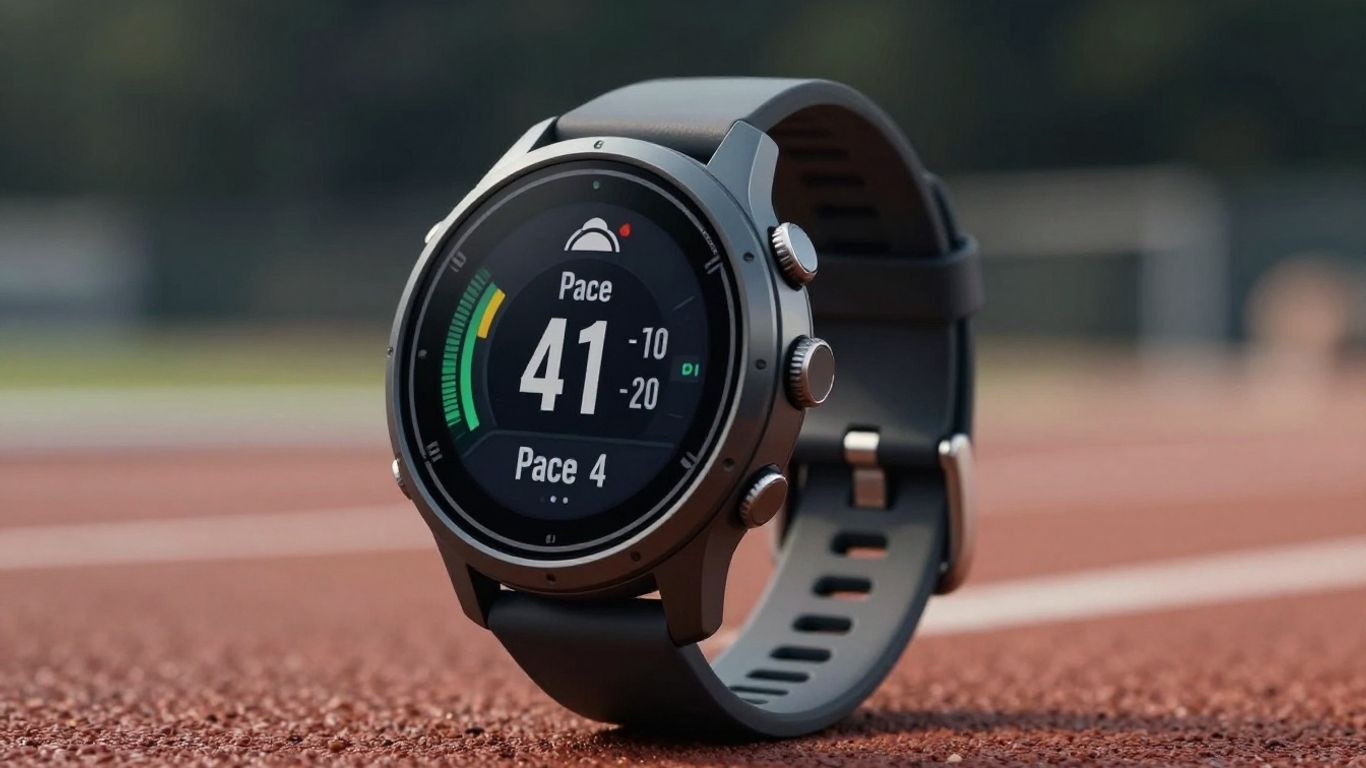
The Coros Pace 4 really steps things up, especially if you’re looking for a solid GPS watch without breaking the bank. It’s a fantastic option for runners who want reliable tracking and good battery life. This watch is often recommended as a top pick for most people because it balances performance and price so well.
One of the standout features is its GPS accuracy. It uses a dual-frequency connection, which means it’s really good at locking onto satellites, even in tricky spots like dense cities with tall buildings. You won’t have to worry about those weird, straight-line GPS errors that can mess up your stats for the first half-mile. It connects quickly, so you’re ready to go almost immediately.
Here’s a quick look at what it offers:
- Display: A bright AMOLED screen that’s easy to read, even in direct sunlight. It dims when you’re not looking but brightens with a flick of the wrist.
- Weight: Super light, especially with the nylon band. You’ll barely notice it’s there, which is great for long runs.
- Battery Life: Improved over the previous model, giving you around 31 hours in full GPS mode. That’s plenty for most runners, and even ultramarathoners will find it sufficient.
- New Features: Includes voice logging, which lets you record quick notes after your run that get transcribed in the Coros app. Pretty neat!
While the digital dial can be a bit fiddly when you’re wearing gloves, and the notification text might seem a little small to some, these are minor points. For the price, the Coros Pace 4 is a seriously good deal. It’s a great example of how you can get advanced features without paying a premium price, making it a smart choice for your running watch needs.
3. Garmin Venu X1
The Garmin Venu X1 is a bit of a hybrid, really. It looks like a stylish smartwatch you’d wear out to dinner, but underneath that sleek exterior is a pretty capable running watch. It strikes a good balance between looking good and performing well. I’ve been wearing it for a few weeks now, and honestly, it’s become my go-to for most things, not just runs. The 2-inch AMOLED display is super bright and clear, even when you’re out on a sunny morning run. It’s also really slim, only about 8mm thick, which is great because it doesn’t feel bulky on my wrist at all. You can wear it all day and night without it getting in the way.
It comes with over 100 sport modes, so whatever you’re into, it’s probably covered. I’ve used it for everything from trail running to gym workouts, and it’s always been quick to pick up the GPS signal. While it doesn’t have as many physical buttons as some of the more hardcore Garmin watches, if you’re used to a touchscreen interface like on an Apple Watch, you’ll get the hang of it quickly. The phone features are handy too, especially the Do Not Disturb setting when I’m trying to focus.
Here’s a quick look at some of its key features:
- Display: 2-inch AMOLED, bright and clear
- Design: Slim and lightweight, comfortable for 24/7 wear
- Activity Tracking: Over 100 sport modes
- Smart Features: Phone notifications, contactless payments
- Recovery Tools: Body Battery, Training Readiness
One thing to note is the battery life. It’s not going to last you a full week if you’re constantly using GPS, but for everyday use and moderate running, it’s pretty decent, usually lasting between 7 to 14 days depending on how you use it. It’s a solid choice if you want a watch that can do a bit of everything without being overly complicated or heavy. You can even find it at a good price right now, with a nice discount available on the Garmin Venu X1.
The Venu X1 really shines when you consider its versatility. It’s not just for runners; it’s for anyone who wants a smartwatch that can keep up with an active lifestyle while still looking good. The customization options for watch faces and straps mean you can really make it your own, too.
4. Garmin Forerunner 265
The Garmin Forerunner 265 is a solid choice for runners looking for a capable and feature-rich watch without breaking the bank. It really hits a sweet spot in Garmin’s lineup, offering a lot of what serious runners need in a package that’s still pretty user-friendly. The vibrant AMOLED display is a real standout, making it easy to see your stats at a glance, even when you’re out on a sunny day. It’s a big upgrade from the older MIP screens, and honestly, it just makes the whole experience feel more modern.
One of the things I appreciate about the Forerunner 265 is that it comes in two sizes: the standard 265 and the smaller 265S. This is great because not everyone has the same wrist size, and having options means more people can find a comfortable fit. I’ve heard from friends with smaller wrists that the 265S is a game-changer, fitting much better than some of the larger, more feature-packed models.
Here’s a quick look at what it offers:
- Display: Bright AMOLED screen for clear visibility.
- Sizes: Available in 265 and 265S for different wrist sizes.
- Tracking: Comprehensive running metrics, including VO2 Max and training status.
- Battery Life: Up to 13 days in smartwatch mode, 20 hours in GPS mode.
- Payments: Supports contactless payments via Garmin Pay.
While the watch itself is great, Garmin’s Connect app can be a bit of a mixed bag. It’s packed with data and insights, which is awesome, but sometimes it feels a little disorganized. Figuring out certain settings or customizing notifications can take a bit of digging. Still, for tracking your runs and analyzing your performance, it gets the job done.
The Forerunner 265 strikes a good balance between advanced features and ease of use. It’s a watch that can grow with you as your running progresses, offering plenty of data to help you improve without being overwhelming.
If you’re looking for a reliable running companion that won’t disappoint, the Forerunner 265 is definitely worth considering. It’s a well-designed running watch that offers a lot of bang for your buck. You can check out more details on the Garmin Forerunner 265.
5. Apple Watch Ultra 3
Alright, let’s talk about the Apple Watch Ultra 3. For a long time, if you were an Apple person and serious about running, you kind of had to compromise. Not anymore. This watch feels like Apple finally got what runners actually need. The screen is big and bright – a 1.93-inch OLED that’s super easy to see even when you’re pushing hard. Plus, that titanium case? It’s tough. I’ve banged mine around a bit, and it’s held up great.
What really makes it stand out is the customizable Action button. Seriously, being able to start a workout or mark a lap with just one press without digging through menus is a game-changer when you’re mid-run. It tracks all the usual stuff like cadence and vertical oscillation, but the big deal is the satellite calling. If you’re out on a trail run, far from any cell signal, you can still send an SOS. That peace of mind is huge, especially for those longer, more remote runs.
Now, is it perfect? If you’re a GPS accuracy fanatic, you might still lean towards Garmin. The Ultra 3’s GPS is good, really good even, but Garmin’s specialized tech seems to have a slight edge in really tricky spots, like dense woods or between tall buildings. But for most of us, it’s more than enough. It’s a fantastic all-around smartwatch that finally feels like a proper running watch too, especially if you’re already in the Apple ecosystem.
Here’s a quick look at some key specs:
- Battery Life: Up to 20 hours in full GPS tracking mode, and a whopping 72 hours in low power mode.
- Display: 1.93-inch AMOLED with a tough sapphire crystal.
- Connectivity: LTE, Satellite, Bluetooth, ANT+, Wi-Fi.
- Health Tracking: Includes blood oxygen, heart rate, sleep tracking, and even thermometer readings.
- Payments: Yes, it has contactless payment.
The Apple Watch Ultra 3 is a big step forward for Apple in the running watch space. It blends solid GPS performance with impressive safety features and all the smartwatch capabilities you’d expect. While it might not dethrone Garmin for pure GPS precision, it’s an excellent choice for runners who want a capable, durable, and well-integrated device.
6. Suunto Run
The Suunto Run is a watch that really focuses on what runners need. It’s got a bunch of sport modes, sure, but a lot of them are geared towards running, whether you’re hitting the trails, the track, or just doing your usual road miles. It feels pretty straightforward.
One thing you’ll notice is the button setup. It’s got three buttons, including a cool rotating crown, which makes it easy to flip through your stats and daily info. It might take a tiny bit to get used to if you’re coming from a different brand, but it’s pretty simple to figure out. Plus, it has a touchscreen, so you can use that if you prefer not to mess with buttons.
The strap is a bit of a mixed bag. It’s a Velcro-style textile, which keeps the watch light and secure. However, it doesn’t feel super fancy, and if it gets wet from sweat or rain, it can feel a little damp on your wrist. You do have to attach the strap yourself when you first get it, which is an extra step.
Battery life is decent, but not amazing. You’re looking at about 20 hours in performance mode and up to 40 hours if you’re really trying to save power. This means you’ll probably be charging it every two to three days, depending on how much you run and use it.
Here’s a quick look at some specs:
- Battery Life: Up to 20 hours (performance mode), up to 40 hours (power-saving mode)
- Display: AMOLED
- Navigation: Buttons and Touchscreen
- Sport Modes: 34 (with a focus on running)
While it doesn’t have fancy extras like offline maps or music streaming, it does track your runs accurately and has features for swimming and cycling too. It also keeps an eye on your sleep and recovery. It’s a solid, no-frills watch for runners who want reliable tracking without a lot of fuss.
7. Garmin Fenix 8
The Garmin Fenix 8 is still a pretty solid choice if you’re looking for a do-it-all watch, especially if you like the idea of something really rugged. It feels like Garmin’s flagship for a reason – it’s packed with features and built tough. You can get it with different screen types, like the bright AMOLED or a more traditional MIP display, and there’s even a slightly more basic ‘E’ version if you want to save a bit of cash.
What really sets the Fenix 8 apart is its mapping. You can load up huge areas of map data right onto the watch, which is super handy for finding your way around new trails or just exploring. It can even calculate routes for you without needing your phone, which is pretty neat when you’re out and about. Plus, it’s got this running power feature that helps you gauge your effort based on terrain and speed, not just pace. It’s a different way to think about your training.
Battery life is generally good, easily lasting over a week with regular use, though it doesn’t quite match the Enduro 3 for sheer longevity. The Pro versions, released in late 2025, added satellite messaging and even brighter screens, but they come with a hefty price tag and extra subscription costs. For most people, the standard Fenix 8 is probably the smarter pick.
Here’s a quick look at what makes it tick:
- Build Quality: Expect tough materials like titanium and sapphire crystal, making it ready for pretty much anything.
- Navigation: On-watch maps and route calculation are top-notch.
- Training Metrics: Features like running power give you new ways to track your performance.
- Screen Options: Choose between vibrant AMOLED or power-saving MIP displays.
While the Fenix 8 Pro models offer advanced satellite communication, the standard Fenix 8 provides a robust set of features for adventurers and runners alike, often at a more accessible price point. It’s a watch that balances durability with a wealth of functionality.
8. Garmin Enduro 3
If you’re the kind of runner who goes on adventures that last for days, or maybe even weeks, then the Garmin Enduro 3 is probably what you’ve been waiting for. This watch is built for serious endurance, and it really shows when you look at the battery life. It’s designed to keep going as long as you do, with solar charging that can push its already massive battery life even further.
Forget about charging it every other day. The Enduro 3 uses a special screen that actually uses sunlight to help power itself, meaning it can last for months in smartwatch mode under ideal conditions. Even with regular GPS use, you’re looking at weeks, not days. This makes it a fantastic choice for those ultra-marathons or long-distance trail running trips where finding a power outlet is pretty much impossible.
Here’s a quick look at what makes it stand out:
- Incredible Battery Life: We’re talking potentially 90 days with solar charging in optimal conditions. Even without constant sun, it easily lasts weeks.
- Built Tough: It’s got a sapphire screen for scratch resistance and 10ATM water resistance, so it can handle pretty much anything you throw at it.
- Surprisingly Light: Despite its rugged build and large 51mm face, it feels really light on the wrist, making it comfortable for 24/7 wear.
- Integrated LED Flashlight: Handy for those early morning or late evening runs when visibility is low.
While the screen isn’t as flashy as some of the newer OLED models out there – it’s a bit more subdued to save power – it’s perfectly clear, especially in bright sunlight. It also packs 32GB of storage for music and maps, though the map display isn’t quite as vibrant as on Garmin’s other watches. Still, for pure, unadulterated endurance and reliability, the Enduro 3 is hard to beat. It’s a low-maintenance powerhouse for the dedicated long-distance runner.
This watch is for the runner who prioritizes battery life and durability above all else. It’s not trying to be a flashy smartwatch; it’s a tool built for extreme conditions and extended use, making it a reliable companion for any epic journey.
9. Garmin Forerunner 165
Alright, let’s talk about the Garmin Forerunner 165. This watch is kind of like the solid, dependable friend in the running watch world. It’s not trying to be the flashiest or the most expensive, but it gets the job done, and honestly, for a lot of us, that’s exactly what we need. It’s got this really nice, bright AMOLED screen that makes everything look sharp and colorful, which is a big step up from older, duller displays. Plus, it’s pretty comfortable to wear, not too bulky, which is a win in my book.
One of the cool things is how it can act like a little running coach. It suggests workouts based on your sleep, stress, and activity levels, kind of like its ‘Body Battery’ feature. It’s not going to yell at you to get off the couch, but it definitely nudges you in the right direction. Battery life is decent too; I found it lasted about a week with regular use, which is pretty good for a watch with such a nice screen.
Now, it’s not perfect, of course. The build is mostly this tough plastic, which is fine, but it doesn’t feel as premium as some of the pricier options. You also won’t find on-watch maps here, and if you want music storage, you have to pay extra, and it’s only 4GB – feels a bit like going back in time. It also misses out on some of Garmin’s more advanced stats like Training Load and Readiness. So, if you’re a data nerd who needs every single metric, this might not be your top pick.
Here’s a quick rundown:
- Screen: Bright, colorful AMOLED display.
- Battery: Around a week of solid use.
- Coaching: Daily suggested workouts and Body Battery feature.
- Build: Lightweight, comfortable, but made of reinforced polymer.
- Missing: On-watch maps, advanced training metrics, large music storage.
If you’re looking for a capable running watch that won’t break the bank and offers a great display and useful training suggestions, the Forerunner 165 is a really strong contender. It hits a sweet spot for many runners who want good tech without all the bells and whistles (and the associated cost).
10. Garmin Forerunner 55
Alright, let’s talk about the Garmin Forerunner 55. This watch has been around for a bit, hitting the market back in 2021, which makes it one of the older models still kicking around in Garmin’s lineup. But honestly, just because it’s not the newest kid on the block doesn’t mean it’s not worth a look, especially if you’re trying to keep costs down.
It’s a solid, no-frills option for runners who want the basics without all the bells and whistles. It’s pretty small and doesn’t feel bulky on your wrist, which is a big plus for comfort during long runs. Plus, the battery life is pretty decent – you can get up to two weeks out of a single charge, which is great if you’re not someone who remembers to plug things in every night.
What’s cool is that even though it’s a more budget-friendly watch, it still throws in some neat features. You get daily suggested workouts, which is handy, and you can also tap into the free Garmin Coach feature for more structured training plans. It’s a nice way to get some guidance without paying extra.
However, it’s not all sunshine and rainbows. The screen is a MIP display, which is clear in bright light but doesn’t light up on its own – you need to use the backlight in the dark. It also lacks a barometric altimeter, so no tracking your stair climbs, and the heart rate sensor is an older generation. It’s okay, but it can be a bit slow to react sometimes and might give you some odd readings at the start of a run.
If you’re looking for a simple, reliable running watch that won’t break the bank, the Forerunner 55 is still a contender. Just be aware that newer models, like the Forerunner 165, offer more up-to-date tech if your budget allows.
Here’s a quick rundown of what you get:
- Display: MIP screen (clear in sunlight, needs backlight in dark)
- Battery Life: Up to 2 weeks
- Key Features: Daily suggested workouts, Garmin Coach support, basic GPS tracking
- Missing: Barometric altimeter, newer heart rate sensor, advanced smart features
11. Garmin Vivoactive 6
The Garmin Vivoactive 6 is a bit of a chameleon in the running watch world. It doesn’t scream “hardcore athlete” like some of its siblings, opting instead for a sleeker, more everyday look. This makes it a great choice if you want a watch that can track your runs but also blend in at the office or on a night out. It’s surprisingly light, too, which is a big plus for comfort, especially if you like to wear your watch 24/7 for sleep tracking.
This watch is a solid pick if you’re looking for a stylish, do-it-all smartwatch with some decent running features. It’s not going to replace a dedicated running computer, but for many, it hits a sweet spot.
Here’s a quick look at what it offers:
- Design: Minimalist and lightweight, with an attractive AMOLED display. It’s comfortable enough for all-day wear.
- Running Features: It’s got GPS and heart rate tracking, plus music storage so you can leave your phone behind. You can even load planned routes for basic navigation.
- Smartwatch Capabilities: Standard stuff like notifications, contactless payments, and a good selection of sport modes.
However, it’s not perfect. You won’t find the daily suggested workouts that some runners rely on, and the touchscreen can sometimes be a little too sensitive, leading to accidental stops during a run. It also lacks an altimeter for tracking stairs climbed.
While it aims for a broader audience, the Vivoactive 6 packs enough running tech to keep most casual to intermediate runners happy. Its blend of style and function is its main selling point, making it a versatile option for those who don’t want a watch that looks like it belongs on a marathoner’s wrist.
| Feature | Garmin Vivoactive 6 | Notes |
|---|---|---|
| Display | 1.2-inch AMOLED | Bright and clear |
| Water Resistance | 5ATM | Swim-ready |
| Weight | 1.3 oz (36 g) | Very light |
| GPS | Single-band | Good for general tracking |
| Battery Life | Up to 7 days | Varies with Always-On display usage |
| Music Storage | Yes | Phone-free listening |
12. Apple Watch Series 11
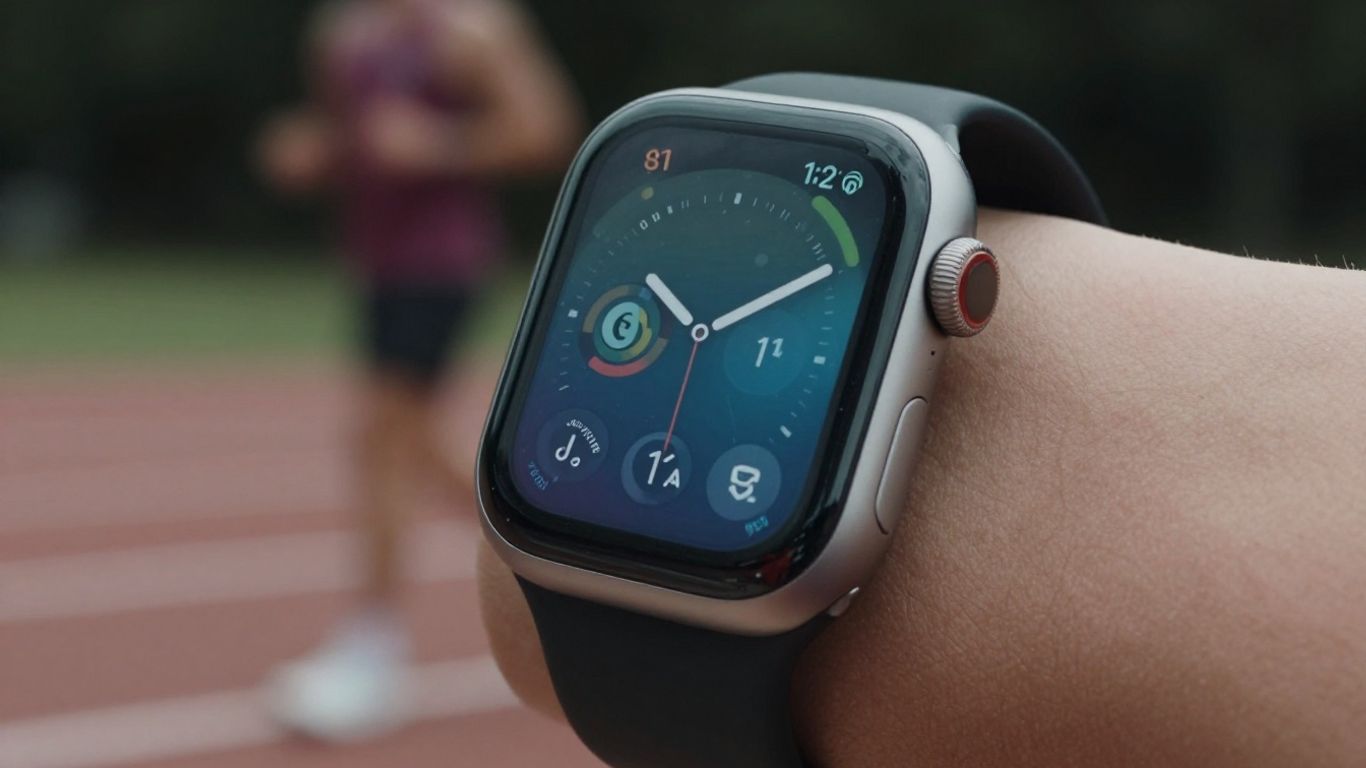
The Apple Watch Series 11 is a solid choice, especially if you’re already in the Apple ecosystem and appreciate a watch that looks good both on and off the run. It’s not exactly a hardcore running watch like some of the others we’ve looked at, but it gets the job done for many people. For beginners, it’s a really good starting point.
It does a decent job of tracking your runs, and with apps like Runna, you can get some pretty customized training plans. It’s a watch that feels at home whether you’re hitting the pavement or just going about your day. Plus, it charges up pretty fast, which is always a plus.
Here’s a quick look at some specs:
- Display: Always-on Retina display
- GPS: Built-in GPS
- Water Resistance: Water resistant 50 meters
- Connectivity: Wi-Fi, Bluetooth, optional Cellular
While the battery life isn’t going to win any awards, especially for longer runs, it’s enough to get you through a marathon. And the quick charging means you won’t be waiting around too long to get back to tracking.
The biggest drawback for serious runners is the lack of a dedicated lap button, which can be a bit annoying when you’re trying to quickly mark splits. But if you’re looking for a smartwatch that also handles your running needs well enough, the Series 11 is definitely worth considering, especially if you can snag it on sale.
13. Coros Pace 3
The Coros Pace 3 really hit a sweet spot for a lot of runners, and honestly, it’s easy to see why. For starters, it’s incredibly light. Seriously, you barely feel it on your wrist, especially with the comfy nylon band. It’s like it’s not even there, which is a big deal when you’re trying to focus on your run, not on a bulky watch.
One of the standout features is its GPS accuracy. Even when I was running through some pretty built-up areas with tall buildings, the Pace 3 kept a solid connection. No weird, straight-line detours on my map that didn’t actually happen. It just worked, which is what you want when you’re logging miles.
Here’s a quick look at what makes it a solid choice:
- Lightweight Design: Weighs around 30 grams, making it super comfortable for long runs.
- Excellent GPS: Dual-frequency GPS provides accurate tracking, even in challenging environments.
- Clear Display: The 1.2-inch screen is easy to read in bright sunlight and has an always-on option that dims when not in use.
- Good Battery Life: Expect around 11 days of use with daily runs, or up to 38 hours in continuous GPS mode.
- Versatile Tracking: Can track over 27 different activities, not just running.
The Coros app is also a big plus. It’s straightforward to use and gives you a good overview of your stats. You can even get training plans that sync right to your watch. It’s a great package for the price, offering a lot of what you’d find in more expensive watches.
While it might take a few extra seconds to lock onto GPS when you’re just sitting still, it’s usually ready to go before you even start moving. Plus, the battery life is pretty impressive, easily lasting over a week with regular use. For runners looking for a reliable, feature-packed watch without breaking the bank, the Coros Pace 3 is a really strong contender.
14. Garmin Forerunner 965
The Garmin Forerunner 965 is a really solid choice if you’re looking for a high-end running watch without quite hitting the absolute top price point. It packs in a ton of Garmin’s best features, like on-watch maps and really detailed tracking and analysis tools. Honestly, when you can find it on sale, it’s a tough watch to beat for the price.
It’s not quite as tough as some of the newer, pricier models like the Forerunner 970, which has a sapphire crystal display, and it doesn’t have a built-in flashlight like some others. But for most runners, the Forerunner 965 is a good-looking, lightweight watch that gives you pretty much everything you need and then some.
Here’s a quick look at some of its key specs:
- Screen: 1.4-inch AMOLED
- Water Resistance: 5 ATM
- GPS: Dual-band
- Battery Life: Up to 23 days (watch mode), 19 hours (dual-band GPS)
- Connectivity: Wi-Fi, Bluetooth, ANT+
The AMOLED display is a real standout, making it super easy to see your stats, even in bright sunlight. It’s also got a great selection of multi-sport modes, making it a good option if you dabble in triathlons or other events that combine running with cycling or swimming. Plus, the dual-band GPS means you get really accurate location tracking, which is always a plus when you’re out on the trails or in a city with tall buildings.
While it might not have all the bells and whistles of the absolute newest models, the Forerunner 965 strikes a great balance between advanced features, performance, and price, especially when you catch it during a sale. It’s a watch that serious runners will appreciate for its depth of data and usability.
15. Suunto Vertical 2
The Suunto Vertical 2 is a solid choice if you’re looking for a watch that can handle pretty much anything you throw at it. It feels like Suunto is really hitting its stride again with this one, bringing back that focus on performance that fans loved from their older models. The setup process can be a bit of a headache, with some initial pairing and update issues, but once you get past that, it’s pretty stable.
The AMOLED screen is a real standout, bright and clear even when you’re out in the bright sun. It makes checking your stats mid-run a breeze. While Suunto uses icons instead of text for some metrics, which takes a little getting used to, the GPS tracking is top-notch. It locks on fast and is incredibly accurate, pretty much matching my Garmin in tests. Battery life is also impressive, easily lasting through long runs and daily wear. It’s great to see the charger finally has strong magnets that actually stay put!
Here’s a quick look at some key specs:
- Battery Life: Up to 55 hours with dual-frequency GPS, 200 hours in Tour mode, and 16 days in smartwatch mode.
- Display: 1.5-inch LTPO AMOLED with a 466×466 resolution and 2,000 nits brightness.
- Biometrics: Includes Pulse Ox and HR monitoring.
While the touchscreen can sometimes be a bit inconsistent, especially when trying to move maps or switch between screens, these are minor annoyances in an otherwise well-engineered watch. It’s a strong contender for anyone serious about their training and outdoor adventures.
Overall, the Suunto Vertical 2 feels like a true comeback for the brand, offering a refined experience with fast hardware and a data-rich app. It’s a great option for runners and multi-sport athletes alike.
More GPS Watch for Running Reviews
Coros
Coros Pace 3 vs Garmin 55 Review
Garmin
Polar
Polar pacer pro review
Wrapping It Up
. Finding the right running watch for 2026 doesn’t have to be a marathon in itself. Whether you’re just starting out and need something simple and encouraging, or you’re a seasoned runner looking for all the bells and whistles, there’s definitely a watch out there for you. We looked at a bunch of different options, from budget-friendly picks to those with super long battery life and all the smart features you could want. Remember to think about what you actually need – accurate GPS is a must, of course, but also consider battery life, comfort, and any extra features that will help you reach your running goals. I hope this GPS watch for running post has been helpful.
Frequently Asked Questions
What’s the most important thing to look for in a running watch?
The most crucial feature is accurate GPS tracking. This helps you know your speed and how far you’ve run, which are super important for getting better.
Do I need a super expensive watch to start running?
Not at all! There are great beginner watches that are affordable and still give you good tracking and helpful advice to get you started safely.
What does ‘battery life’ mean for a running watch?
It tells you how long the watch can last on a single charge. Some watches last for days, while others can go for weeks, especially if you’re not using GPS all the time.
Can running watches play music?
Some can! Certain watches let you download music or connect to your phone so you can listen to tunes while you run, which can be really motivating.
What’s the difference between a sports watch and a smartwatch?
Sports watches are built mainly for tracking workouts with super accurate GPS and lots of sports features. Smartwatches are more like mini-phones on your wrist with apps and notifications, but they’re getting better at sports tracking too.
How do I know if a watch is good for long runs or marathons?
For long distances, you’ll want a watch with excellent battery life and accurate GPS. Some watches are specifically made for ultra-marathons and can last for days without needing a charge.
