

Eugene Oregon Marathon Race Review
Picture yourself running beneath Eugene’s tall, green canopy, with cool Oregon air in your lungs and the city’s deep running history shaping the miles ahead. Extensive bike paths and a strong local running culture create a setting that can feel both inspiring and demanding.
This review looks at the course, race-day experience, organization, cost, logistics, strengths, drawbacks, and the runners most likely to enjoy the event. The goal is simple: help you decide whether this race fits your target time, travel plans, budget, and expectations for a well-organized marathon.
Race details can change from year to year, including the date, entry fee, start time, aid-station setup, and course rules, so confirm the latest information on the official event website before completing registration. With those details in mind, let’s examine what the race offers and where it may fall short.
Remember, make sure to book your Eugene Marathon hotels early to save money.
Build Your Complete Race-Day Setup
The right shoe helps, but faster racing comes from better training, pacing, recovery, fueling, and execution.
More Guides for This Shoe
Key Takeaways
- The Eugene Oregon Marathon offers a scenic, runner-friendly course shaped by tree-lined roads, Eugene’s track heritage, and a supportive running culture.
- Race-day logistics are generally straightforward, but verify the latest official course details, including start time, time limit, age rules, and packet pickup.
- Registration costs change by entry period, so checking the current marathon pricing can help you plan your race budget.
- The event suits runners who value an organized experience and a memorable setting, though travel costs, nonrefundable entry fees, and changing race details deserve careful planning.
Eugene Marathon Review: What the Race Is Really Like
The Eugene Marathon reflects a city that takes running seriously without expecting every participant to perform like an elite athlete. Eugene’s identity as TrackTown USA adds history and atmosphere, while the race remains accessible to everyday marathoners, beginner runners, and travelers chasing a personal best.
The Eugene running culture adds energy without feeling overwhelming
Hayward Field and the University of Oregon give Eugene a rare connection to track history. The stadium has hosted generations of standout athletes, and its presence helps explain why running feels woven into the city’s identity. You can learn more about the facility through the University of Oregon’s facility overview.
Eugene’s athletic heritage also includes Steve Prefontaine, track and field tradition, and the Olympic Trials. Autzen Stadium adds another recognizable University of Oregon landmark, though that doesn’t mean the marathon course passes it.
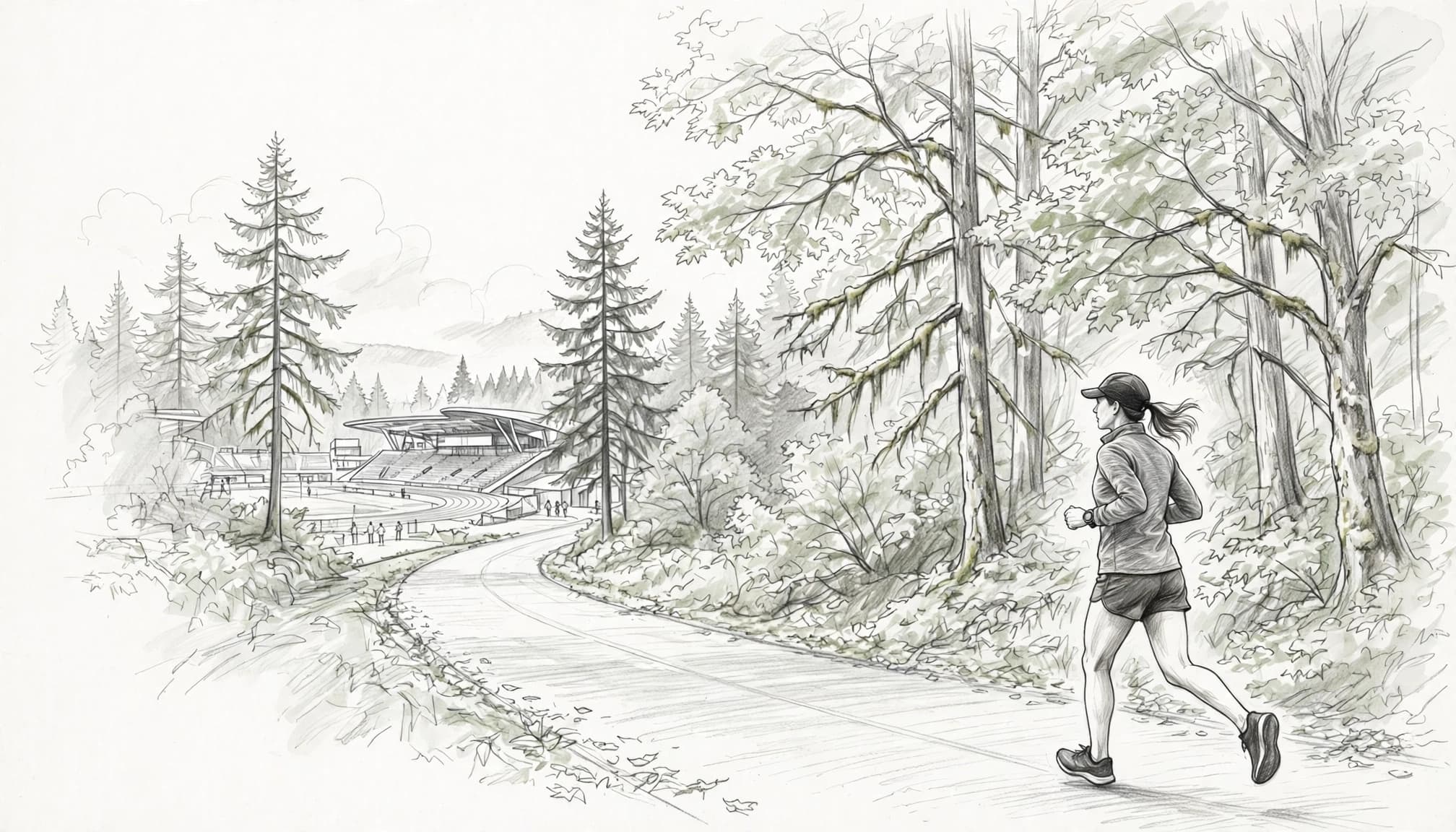
That background can lift your mood during a long race. A familiar track name, a well-used running path, or a volunteer who understands marathon fatigue can make the miles feel more connected to the city. Local running events, bike paths, and regular runners create an everyday atmosphere beyond race weekend. TrackTown USA highlights the area’s events, volunteer opportunities, and wider track-and-field culture on its official Eugene running site.
For some visitors, the setting feels like running in the footsteps of legends. Still, don’t expect large crowds on every stretch of the course. Some sections may feel lively, while others give you more space to settle into your pace. That balance suits runners who want encouragement without the noise and congestion of a major city marathon.
Who will enjoy this marathon most?
This race is a strong fit for runners who want a supportive destination marathon with a clear running identity. Beginner runners may appreciate the welcoming tone, while experienced athletes can use the measured road setting to practice pacing and race execution. Travelers can also compare the full-distance event with the half marathon option.
The marathon may suit you especially well if you value:
- A community-oriented race atmosphere rather than celebrity-level spectacle.
- A traditional road marathon that supports steady pacing.
- A city with visible track history and an active running scene.
- The chance to combine the race with Eugene’s parks, paths, and local culture.
However, another event may fit better if you want a huge major-marathon crowd, a mountain course, or a guaranteed cool race morning. Match the event to your training plan and travel preferences. Weather can change, and race details may vary by year, so confirm the specific event name, organizer, date, field size, and current format before booking travel.
Course Review: Hills, Surface, Scenery, and Personal-Best Potential
The route deserves more than a quick glance at its start and finish. Terrain, turns, exposed roads, green spaces, and aid-station spacing can shape your race as much as your fitness. Before registering or setting a goal time, study the official course map, then compare it with your training plan and race-day preferences.
What runners should check on the official route map
Start with total elevation gain and the location of longer climbs. A route can look flat overall yet include short rises that interrupt rhythm late in the race. Then examine the road surface, sharp turns, bridges, neighborhood sections, green spaces, and open stretches where wind or sun may affect your effort.
The route should also show practical race-day details:
- Aid stations and the distance between them.
- Restrooms, especially near the start, finish, and longer isolated sections.
- Narrow roads or shared-course areas that could create congestion.
- Turnarounds, where runners often lose rhythm or crowd together.
- Road closures and the streets affected before and during the race.
- The exact finish location, including how far it sits from parking, transit, or lodging.
Check whether the latest version confirms an out-and-back section or a route shared by different race distances. Don’t rely on an older review, training post, or screenshot because organizers can change roads, turns, aid stations, and the finish area from one year to the next. The latest version should guide your pacing plan, shoe choice, hydration strategy, and travel arrangements.
How the route may affect marathon pacing
A beginner-friendly route usually rewards patience and clear landmarks. Start controlled, even if the opening miles feel easy, then adjust effort on inclines instead of forcing your planned pace uphill. Chasing early splits can turn a manageable route into a long struggle after mile 20.
Use bridges, neighborhood changes, parks, or major turns to divide the race into smaller sections. A runner targeting a personal best might hold steady effort through a rise and regain speed gradually afterward. Someone focused on finishing comfortably could slow slightly on exposed or uphill sections, drink early, and protect energy for the final miles.
Elevation is only one part of the equation. Cool temperatures may support a strong effort, while rain can affect footing and clothing. Wind can make a flat road feel demanding, and strong crowd support may help you maintain focus when fatigue builds. Runners pursuing a Boston Marathon qualifying time should verify current certification and route conditions. A favorable route may support a fast result, but it can’t guarantee a course record. Your best race plan leaves room for the conditions you actually face.
Choose Your Distance, Duration and Goal Time
Make three quick selections and open the exact plan built for your race target.
Looking for a Fully Personalized Training Plan?
The training plans above are an excellent choice if they match your goal. However, if you’d rather train with a plan built specifically around your current fitness, goal race, preferred training days, weekly mileage, and target finish time, our RDA Custom Training Plans provide a personalized solution. We also have running courses available for runners seeking to run faster from the mile to the marathon.
Why Choose a Custom Training Plan?
| Standard Training Plan | RDA Custom Training Plan |
|---|---|
| Follows a fixed schedule | Built around your schedule |
| Standard weekly mileage | Peak mileage customized for you |
| Fixed workout days | Train on the days you choose |
| Same structure for everyone | Designed around your current fitness |
| Static plan | Updated as your fitness improves |
| One-time purchase | Ongoing personalized coaching and support |
What You’ll Receive
- A training plan built specifically for your goal
- Personalized training paces
- Long runs, tempo runs, threshold workouts, interval sessions, recovery runs, and easy runs
- Peak weekly mileage matched to your experience level
- Flexible training schedule that fits your life
- Ongoing plan adjustments as your fitness improves
Ready to Train Smarter?
Stop guessing and start following a plan built specifically for you, your schedule, and your racing goals.
Race-Day Experience, Organization, and Runner Support
A smooth Eugene Marathon morning depends as much on preparation as fitness. Packet pickup, transportation, restroom access, corrals, course support, and the finish area can either reduce stress or add friction before you settle into your rhythm.
What to expect before the starting line
Handle packet pickup and bib collection during the expo window listed in the current runner guide. Check whether the expo includes shoe vendors, nutrition products, race information, and gear check instructions. The official race-day details currently list gear check near Hayward Field, but opening times and policies can change.
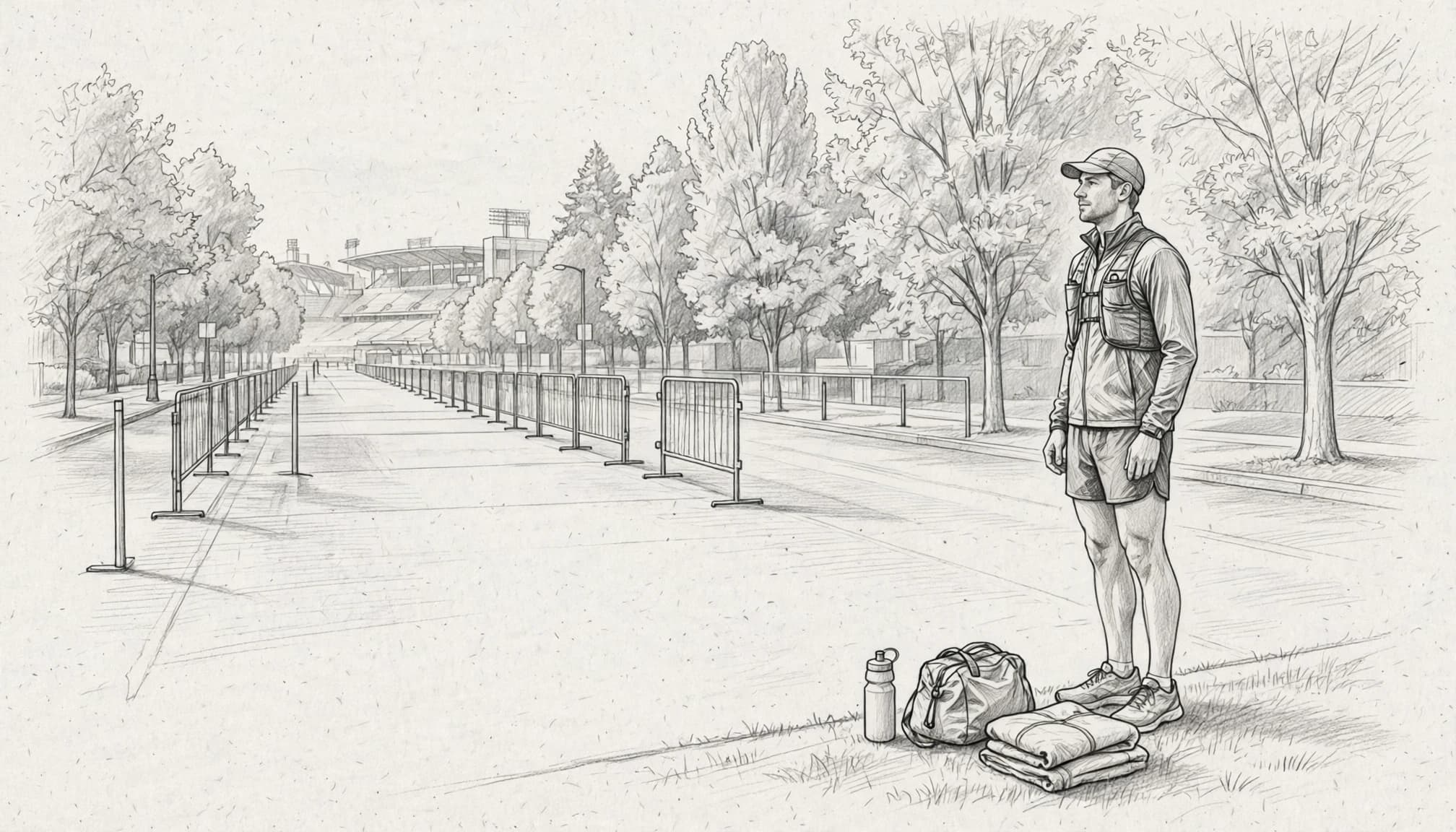
The day before, keep the plan boring. Pick up your bib, inspect the route, lay out your shoes and clothing, and eat foods you already tolerate. Confirm the marathon start time, corral assignment, parking or shuttle instructions, road closures, restroom locations, and gear-check rules. The event’s FAQ page can help, but the current runner guide should be your final reference.
On race morning, leave enough time for travel, parking, a restroom stop, a short warm-up, and movement through security or access points. Don’t rely on finding a last-minute parking space or testing unfamiliar transit before the starting line. Wear removable layers if the temperature is cool, fuel according to your practiced plan, and reach the correct corral before access closes. A few extra minutes creates calm; arriving late can force you to start rushed and cold.
Aid stations, volunteers, and the finish-line setup
Good support is easy to recognize. Course markings should make turns obvious, volunteers should give clear directions, and aid stations should leave enough room to slow without blocking runners. Medical staff and accessible support points matter even when you hope never to use them. Pacers, if offered in the current edition, can also help you hold an even effort.
Use aid stations efficiently by moving toward the side that matches your plan, slowing before reaching the table, and continuing once you have what you need. Carry familiar gels or other nutrition even when the race provides fluids or gels. Your stomach knows your training routine better than an untested course product.
At the finish line, look for a simple flow through medals, recovery food, water, medical support, and gear retrieval. Check whether toilets, post-race food, and bag collection sit near the finish or require a short walk. A well-marked finish area helps tired runners find their way without turning the final mile into another logistical problem.
Travel, Lodging, and Marathon Weekend in Eugene
Eugene is easy to reach, but race weekend still rewards careful planning. Fly into Eugene Airport, drive from Portland, Salem, or Bend, or arrive by train from Portland. If you fly, check current airport transportation options through the University of Oregon travel guide, which includes transit and rideshare information.
Book early if the marathon overlaps with a busy university event or another large weekend. Travel fatigue, unfamiliar meals, and sudden weather changes can affect your race before the starting gun.
Where to stay for an easier race morning
Hotels near downtown offer restaurants, coffee shops, grocery access, and a short ride to many race locations. However, they can cost more and may feel noisier during a busy weekend. Staying near campus puts you close to paths and race activity, but parking may become harder to find.
A property near the start area gives you the best chance of walking to the race. That convenience can protect sleep and reduce race-morning stress, especially if roads close early. Farther-out hotels and vacation rentals often provide lower rates, more space, and easier parking, but you’ll need a rental car or rideshare. Build extra time into the drive because marathon closures can change normal routes.
The race’s transportation and parking information should guide your final decision. Don’t assume free parking, late checkout, breakfast service, airport transportation, or runner shuttles are included. Ask the hotel about event-weekend policies before paying, including bag storage, early breakfast, cancellation terms, and late checkout.
What to pack for an Oregon marathon weekend
Oregon weather can shift between a cool morning, light rain, and bright sun. Pack for those changes without filling your suitcase with unnecessary gear.
- Bring your race shoes, tested socks, familiar clothing layers, and a backup outfit.
- Pack practiced gels or other nutrition, plus a hydration bottle or vest if you normally train with one.
- Add sunscreen, a light rain shell, a hat, and warm recovery clothes.
- Carry identification, race confirmation, travel details, and any required medical information.
- Include sandals or loose shoes for after the race, along with comfortable clothes for the trip home.
Plan one short shakeout run after arriving, then keep the rest of the weekend relaxed. A visit around campus can include Autzen Stadium, a nearby landmark rather than part of the marathon route, and a look at Eugene’s Olympic Trials history. An easy walk near the Willamette River offers recovery-friendly downtime. Choose familiar meals, buy backup groceries, and avoid turning the trip into a sightseeing marathon.
Cost, Value, and the Main Pros and Cons
The race costs more than its entry fee. Your real budget may include processing charges, travel, lodging, meals, parking, race gear, and recovery expenses after 26.2 miles. Check the official Eugene Marathon registration information for current entry tiers, fees, deadlines, and race policies before you commit.
Why the race may be worth the investment
The race offers value for runners who care about the setting as much as the finish time. Eugene has a respected running identity, a strong stadium and track history, and an atmosphere that feels more personal than a huge city event. For a first-time marathoner, welcoming volunteers and practical support may reduce the stress of managing a long race.
A destination weekend can add value, too. You can combine the marathon with local paths, parks, restaurants, and the city’s running heritage. Families may also enjoy companion activities, including the Kids Duck Dash if offered in the current edition. That appeals to traveling runners who want the event to feel like an experience rather than a single morning surrounded by barricades.
The investment makes the most sense when you value:
- A running-focused city with genuine track history.
- A supportive event atmosphere without major-marathon crowds.
- Useful aid stations, course markings, volunteers, and post-race services.
- A traditional road marathon that gives experienced runners room to focus on pacing.
- A memorable weekend for family members or friends who travel with you.
A personal-best runner may value racing in a city that understands running, while a newer marathoner may value calm logistics and encouragement more than a dramatic skyline. Neither benefit makes the race automatically worth the price. Your priorities decide that.
Potential drawbacks to consider before registering
Travelers should calculate the complete bill before calling the entry fee affordable. Add transportation, two or more hotel nights, meals, parking or rideshares, replacement gear, and possible massage or recovery costs. An earlier entry tier may offer a better price, but processing fees and nonrefundable policies can change the final number.
Weather also deserves attention. A cool morning can help performance, yet rain, wind, sun, or an unexpected temperature shift may change your clothing and pacing plan. Review current event information for road sharing, route changes, quieter stretches, aid-station placement, and the latest post-race layout.
Hotel availability may become a problem during busy campus weekends. Book early if location matters, then confirm cancellation terms before paying. Compared with a major city marathon, Eugene may offer fewer spectators and a less dramatic backdrop. That quieter feel suits some runners, while others need dense crowds to stay engaged late in the race.
The best decision comes from matching the tradeoffs to your goal. If you want a destination race with track history and a welcoming atmosphere, the total cost may feel reasonable. If you need guaranteed crowd energy, minimal travel, or the spectacle of a major marathon, another event may deliver better value.
How to Prepare for the Eugene Marathon With a Training Plan and Race It Well
A strong result in Eugene starts weeks before race morning. Build your approach around current fitness, recovery capacity, and possible course conditions. Consistency will help more than a few heroic workouts.
Build a training plan around your actual goal
Use a gradual 12- to 16-week training plan if you already have a running base. Increase weekly mileage carefully, schedule a long run most weekends, and keep most miles easy enough for relaxed conversation. Long runs build endurance, while easy mileage supports that work without exhausting you.
Your goal should match recent race results, training consistency, available recovery time, and likely conditions. Finishing comfortably requires patience and reliable fueling. An even-paced marathon demands controlled marathon-pace workouts. Runners targeting a Boston Marathon qualifying time need stronger preparation, but racing every training session will only leave them tired.
Beginner runners should prioritize completing the distance with steady effort. Experienced runners can add tempo sessions, marathon-pace blocks, and long runs that finish faster, but each workout needs a purpose. Include strength training once or twice weekly, then protect sleep and recovery days as seriously as hard sessions.
Fueling, hydration, and weather preparation
Practice every part of your race routine during long runs. Test gels, sports drinks, breakfast timing, and the amount of water your stomach can handle. Check what the race provides, then carry backup nutrition if the products or spacing don’t match your plan. Race day is the wrong time to try a new gel or breakfast.
Cool rain may call for light layers, a cap, and extra attention to chafing. If the morning turns warmer than expected, reduce clothing and drink more consistently. Wind can raise effort on exposed sections, so use effort rather than forcing an exact pace. Your training should include a few runs in conditions that resemble possible Eugene weather.
A simple race-day strategy for a strong finish
Arrive at the starting line calm and prepared, then start slower than race-day excitement suggests. During the opening miles, keep your breathing controlled and let crowded runners move ahead if they’re forcing the pace. Settle into planned effort once the course opens, take fluids early, and fuel on schedule before fatigue appears.
After halfway, reassess your breathing, legs, stomach, and pace. Break the remaining distance into short checkpoints, such as the next aid station or mile marker, instead of staring at every split. Use simple cues like “relaxed shoulders” and “smooth effort.” If your body still feels strong after mile 20, increase effort gradually and finish with control. A patient first half gives you the best chance to execute the race well.
Final Verdict: Is the Eugene Oregon Marathon Worth Running?
Yes, the event is worth running for athletes who want a well-supported road race in a city with real running history. Its strongest appeal is the balance between a serious race environment and a calmer, more personal weekend than you usually get at a major marathon.
Who should choose the event?
First-time marathoners can benefit from Eugene’s running-focused culture, clear race structure, and manageable destination setting. The event also suits experienced runners who want to practice disciplined pacing without the scale and congestion of a major city race.
Personal-best seekers should study the current course and weather forecast before setting an aggressive goal. Runners targeting the Boston Marathon should also check current course certification and qualifying standards. A steady road course can support a strong performance, but hills, turns, wind, rain, and crowded sections still matter. The race rewards runners who arrive prepared rather than those who depend on a perfect morning.
The strongest reasons to choose Eugene are:
- A memorable connection to Hayward Field and TrackTown USA.
- A supportive atmosphere that feels more personal than a major marathon.
- Enough race infrastructure for serious pacing, fueling, and finishing goals.
- A destination setting shaped by the University of Oregon, Autzen Stadium, and Olympic Trials history, along with parks, restaurants, and running paths.
How it compares with other marathon types
Compared with a large major marathon, the event generally offers less spectacle, fewer spectators, and lower citywide intensity. That can help runners who prefer space and focus, although athletes who rely on constant crowd noise may want a bigger event.
A small local marathon may cost less and require less travel, while a half marathon offers a shorter and different challenge. Eugene provides stronger destination appeal and a more established running identity. A scenic destination race may offer more dramatic mountain, coastal, or rural views, while this event combines tree-lined roads, urban access, and track history.
The main reasons to hesitate are the full trip cost, changing race logistics, possible weather shifts, and the quieter atmosphere on some course sections. The official 2026 registration announcement reported that all distances sold out in 2024 and 2025.
Your Eugene race decision guide
Choose it if you want a credible destination marathon, value running history, and prefer organized support without major-race crowds.
Think twice if you need a guaranteed flat course, dense spectator energy, minimal travel costs, or a highly dramatic natural backdrop.
Verify before registering the entry price, refund policy, course map, time limit, start time, packet-pickup rules, transportation, parking, road closures, aid-station offerings, and hotel availability. If those details match your goal and budget, Eugene is a smart choice for race weekend.
Frequently Asked Questions
The Eugene Marathon raises practical questions that course details and race reviews cannot answer alone. These details can affect your entry decision, travel plans, and race-day expectations, so confirm the current rules before making nonrefundable arrangements.
Does the Eugene Marathon sell out?
It can. Recent editions have drawn enough interest for the marathon and other distances to sell out before race days. Entering early gives you a better chance of securing your preferred distance and price, especially if you need to book flights or lodging.
Can someone else use my bib?
Usually, race organizers restrict bib transfers and name changes to specific procedures or deadlines. Don’t give your bib to another runner without written approval, because timing, medical information, and emergency contacts must match the registered participant. Check the current participant policy before assuming a transfer is allowed.
Is the race a Boston Marathon qualifier?
A runner may use an official finish as a qualifying performance if the current course is USATF-certified and the result meets the Boston Athletic Association’s standard for the runner’s age and gender. Verify the course’s current certification before relying on the result. Meeting the time only creates eligibility to apply. The Boston Marathon uses a separate application process, and qualifying times don’t guarantee entry.
Can spectators easily watch the race?
Spectators can usually reach several points around Eugene by walking, biking, driving, or using local transportation, but road closures may limit access. Choose viewing spots near major intersections or finish-area routes, then confirm the current spectator and parking guidance. Family members should agree on meeting locations because mobile service and crowd movement can make last-minute contact difficult.
What should I do if I get injured before the event?
Review the event’s deferral, cancellation, and refund rules before entering. Some policies allow a transfer to a future race or offer limited protection through an optional entry plan, while others make fees nonrefundable. If an injury affects your training, contact the organizer early and avoid racing simply because your travel is already booked.
Is the race suitable for beginner runners?
Yes, provided you arrive with a consistent training base and a realistic pacing plan. The event’s running culture, course support, and destination setting can help a first-time marathoner feel prepared, but the distance still demands months of endurance work, practiced fueling, and a patient opening half. Use the race as a controlled test of preparation rather than relying on atmosphere to carry you through the final miles.
Conclusion
This event brings together the qualities that make a race memorable: genuine running history, green surroundings, and a course setting that supports practical marathon goals. Eugene’s track heritage adds character, while the calmer atmosphere may appeal to runners who prefer focus over major-event spectacle.
The right choice still depends on your goals, budget, travel plans, and tolerance for uncertain weather. Before signing up, check the official event page for the latest route, schedule, entry details, transportation guidance, and runner information. Those updates matter more than any older review when planning your trip.
If Eugene fits your priorities, prepare with the same care you’d bring to any serious marathon. Study the route, practice your fueling, plan for changing conditions, and set a pace your training supports. Smart preparation, not race-day hype, gives you the best chance to enjoy the miles and finish with control.


