

Electrolyte Calculator for Runners
Running a marathon is tough. You put in all the miles, train your body, but then race day hits and you realize you forgot about something super important: electrolytes. It sounds complicated, but it really isn’t. We’re going to talk about how to figure out exactly what you need, using something called an electrolyte calculator for runners. This tool helps you get your fueling and hydration just right so you can perform your best and avoid those nasty cramps or that dreaded bonk. Let’s get you prepped.
Key Takeaways
- Understanding your personal sweat rate and the race conditions is key to figuring out how many electrolytes you need. An electrolyte calculator for runners can help with this.
- Sodium, potassium, and magnesium play big roles in how your muscles work and how your body stays hydrated. Not enough can lead to problems like cramps or feeling really tired.
- Practice runs are your best friend for testing out your hydration and fueling plan. Use these runs to see what works for your stomach and energy levels, just like you’ll do on race day.
- Don’t wait until you’re thirsty or feel low on energy to drink or eat. Start fueling early and consistently, sticking to a schedule you practiced during training.
- Be smart about what you eat and drink on race day. Stick to products you’ve tested, and have a plan for aid stations, but be ready to adjust if the weather or how you feel changes.
How Electrolytes Power Peak Performance in Runners
When you’re out there pounding the pavement, especially on those longer runs, your body is working overtime. It’s not just about burning calories; it’s a complex system that needs the right balance of everything to keep going strong. That’s where electrolytes come in. Think of them as tiny power-ups for your muscles and nerves. They’re minerals that carry an electric charge, and they’re super important for a bunch of things your body does, like keeping your fluid levels right and making sure your muscles can actually contract when you tell them to.
Essential Roles of Sodium, Potassium, and Magnesium
While there are a few key electrolytes, sodium, potassium, and magnesium are the big players for runners. Sodium is probably the most talked about because you lose a lot of it when you sweat. It helps your body hold onto water, which is obviously huge for staying hydrated. It also plays a role in nerve signals and muscle function. Potassium is another big one for muscle contractions and nerve signals, and it works with sodium to keep your fluid balance in check. Magnesium is involved in over 300 bodily processes, including energy production and muscle and nerve function. A dip in any of these can really throw a wrench in your performance.
How Sweat Rate Influences Your Needs
Everyone sweats differently, right? Some people are like sprinklers, while others barely glisten. This is called your sweat rate, and it’s a pretty big deal when it comes to electrolytes. If you’re a heavy sweater, you’re losing more sodium and other minerals with every mile. This means you’ll likely need to replenish them more often than someone who sweats less. Figuring out your sweat rate isn’t rocket science, but it does take a little effort. You can do it by weighing yourself before and after a run, accounting for any fluids you drank. The difference in weight, plus the fluid intake, gives you a good idea of how much you lost.
Common Marathon Symptoms of Electrolyte Imbalance
Ever hit a wall during a marathon and felt like your legs just wouldn’t move? Or maybe you’ve experienced those awful muscle cramps that feel like they’ll never stop? These can often be signs of an electrolyte imbalance. Other common issues include feeling dizzy, excessive fatigue, nausea, or even confusion. These aren’t just minor annoyances; they can seriously derail your race. Paying attention to these signals and understanding your body’s needs is key to preventing them.
| Symptom | Likely Cause |
|---|---|
| Muscle Cramps | Sodium/Potassium Depletion |
| Extreme Fatigue | Sodium/Fluid Loss |
| Dizziness/Lightheadedness | Sodium/Fluid Loss |
| Nausea | Imbalance/Overhydration |
Personalizing Your Electrolyte Intake with Calculators

Understanding the Electrolyte Calculator for Runners
So, you’ve heard about electrolytes, right? They’re those minerals like sodium and potassium that your body loses when you sweat. For runners, especially during long or intense efforts, keeping these levels balanced is super important. But here’s the thing: everyone sweats differently, and what works for your buddy might not work for you. That’s where an electrolyte calculator comes in.
It’s a tool designed to help you figure out your personal needs based on a few key factors. Think of it as a personalized roadmap for your hydration and fueling strategy, moving beyond generic advice to something that actually fits your body and your run.
Key Factors: Body Weight, Sweat Rate, and Race Conditions
To get a handle on your electrolyte needs, a calculator usually asks for a few pieces of information. First up is your body weight. This gives a baseline for how much fluid and electrolytes your body might need. Then there’s sweat rate, which is probably the most significant factor.
You can figure this out by weighing yourself before and after a run, accounting for any fluids you drank. A higher sweat rate means you’re losing more electrolytes and need to replace them more aggressively. Finally, race conditions matter a lot. Running a marathon in 80-degree heat and high humidity is a whole different ballgame than a cool, crisp fall race. The calculator will factor in temperature, humidity, and even the intensity of your effort to give you a more accurate picture.
Here’s a simplified way to think about sweat rate:
- Weigh yourself right before a run (naked or in minimal, dry clothing).
- Run for a set time (e.g., 1 hour) under typical conditions.
- Weigh yourself again after the run (towel off any sweat).
- Calculate the weight lost and add back any fluid you drank during the run. This gives you your approximate hourly sweat loss in pounds (or kilograms).
Practice Runs: Dialing in Your Individual Strategy
This is where the rubber meets the road, or rather, where your feet hit the pavement. You can’t just plug numbers into a calculator and expect perfection on race day. You’ve got to test it out. Use your long training runs to experiment with the amounts and types of electrolytes suggested by the calculator. Pay close attention to how your body feels. Are you getting cramps? Feeling unusually fatigued? Or maybe your stomach is upset? These are all signals that your current plan needs adjustment.
Don’t be afraid to tweak the numbers. The calculator provides a starting point, but your own experience during training runs is the ultimate guide. If you feel good, energized, and cramp-free, you’re likely on the right track. If not, it’s time to go back to the drawing board and adjust your intake based on what your body is telling you.
It’s all about finding that sweet spot where you’re adequately hydrated and fueled without feeling weighed down or experiencing digestive issues. This trial-and-error process during training is what will give you the confidence to execute your plan on race day.
Hydration and Fueling: Striking the Right Balance
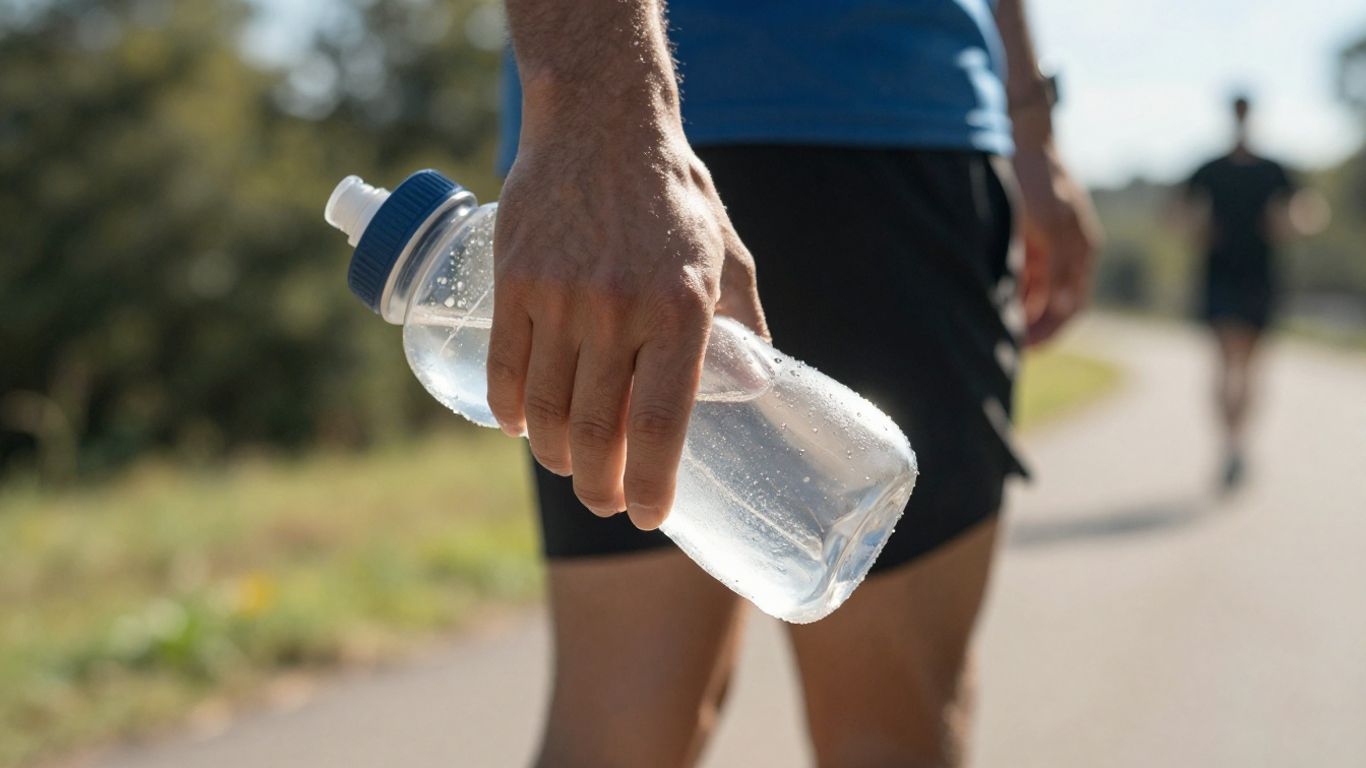
Okay, so you’ve got your electrolyte needs figured out, which is awesome. But what about the actual fluids and food? It’s not just about chugging water or shoving down a gel whenever you remember. You’ve got to get the timing and the amounts right, and honestly, it’s a bit of an art form. Think of it like this: your electrolytes are the spark plugs, but the fluids and carbs are the fuel and oil that keep the engine running smoothly.
Timing Your Electrolyte and Fluid Consumption
This is where a lot of runners trip up. You can’t just wait until you feel thirsty or your legs feel like lead. That’s already too late. For runs longer than about an hour, you need to start sipping fluids and taking in some fuel before you feel the need. A good starting point is to aim for a few ounces of fluid every 20-25 minutes. And for fuel, try to get something in every 30-45 minutes. It sounds like a lot, but it’s about keeping a steady supply going. Your body can only absorb so much at once, so consistent, smaller amounts are way better than one big gulp or a huge snack.
- Start fueling and hydrating early in your run.
- Aim for consistent intake, not just when you feel depleted.
- Listen to your body, but don’t rely solely on thirst as your cue.
Combining Carbohydrates with Electrolytes
This is where things get interesting. Most sports drinks and gels are designed to give you both carbs and electrolytes. Why? Because your body uses carbs for energy, and electrolytes help with fluid absorption and muscle function. When you’re sweating a lot, you’re losing both. So, taking them together makes a lot of sense. You don’t want to just drink plain water for hours on end, especially on a long, hot run, because that can actually dilute the electrolytes you do have in your system. And if you’re taking gels, chasing them with a few sips of electrolyte drink or water is a good idea to help them get absorbed.
The sweet spot for carbs during endurance efforts is often between 30 to 90 grams per hour, but this varies a lot from person to person. It’s best to experiment during training to see what your stomach can handle without issues.
Adapting Intake for Weather and Sweat Rate
This is a big one. If you trained in cool, dry weather and then race day is hot and humid, your fluid and electrolyte needs are going to skyrocket. You’ll likely sweat more, and therefore lose more. You might need to increase your fluid intake by 50% or even more on a hot day. Conversely, if it’s unexpectedly cold, you might not need as much fluid, but you might still need electrolytes to keep your muscles working right.
It’s all about being flexible and paying attention to the conditions and how you feel. Don’t be afraid to deviate from your planned intake if the weather is significantly different from what you trained in. Your calculator is a great starting point, but real-world conditions require real-time adjustments.
Choosing the Best Electrolyte Sources for Race Day
Tablets, Powders, Drinks, or Chews: Pros and Cons
When it comes to race day, you’ve got a bunch of options for getting those electrolytes in. It’s not just about picking something that tastes okay; it’s about finding what works best for your stomach and your race plan. Let’s break down the common types:
- Electrolyte Drinks: These are often your go-to. They mix fluids, carbs, and electrolytes all in one. Think of things like Gatorade Endurance or similar sports drinks. They’re easy to drink, especially if you’re not a fan of chewing while running. The downside? Carrying multiple bottles can be a pain, and sometimes the flavors can get a bit much over a long race.
- Electrolyte Tablets/Powders: You can drop these into your own water bottles. This gives you more control over your fluid intake and lets you mix your own electrolyte concentration. They’re lightweight and easy to pack. The catch is you still need to carry your water, and some people find they can upset their stomach if not mixed properly or if they’re sensitive to certain ingredients.
- Electrolyte Chews/Gummies: These are like little chewy candies packed with electrolytes and often carbs. They’re super convenient because you can pop them in your mouth without stopping. They’re also easy to carry in a small pouch. The main issue? Some runners find them hard to chew and swallow, especially when they’re breathing hard or in the later stages of a race. Plus, you still need to drink water with them to help them absorb.
- Salt Tablets: These are pure sodium, usually in a capsule. They’re great for heavy sweaters or very hot conditions where sodium loss is high. They’re small and easy to carry. However, they don’t provide carbs or other electrolytes, and taking too many without enough fluid can be risky. They’re best used as a supplement to other fueling strategies, not as your sole source.
Matching Products to Your Marathon Plan
Your choice really depends on your personal needs and how you’ve trained. If you’ve practiced with a specific sports drink on your long runs and your stomach handled it well, that’s a strong contender for race day. Maybe you prefer the simplicity of gels for carbs and then use electrolyte chews or tablets to cover your sodium needs. The key is consistency with what you’ve tested.
Here’s a quick look at how different products might fit:
| Product Type | Best For | Potential Downsides |
|---|---|---|
| Drinks | Easy hydration, combined fuel | Can be bulky, flavor fatigue |
| Tablets/Powders | Customizable intake, lightweight | Requires carrying water, potential stomach upset |
| Chews/Gummies | Convenient, portable, easy to consume | Can be hard to chew/swallow, need water |
| Salt Tablets | Heavy sweaters, hot conditions, sodium focus | No carbs, risk of dehydration if not paired with fluid |
Popular Brands Runners Trust for Race Fuel
There are tons of brands out there, and what works for one runner might not work for another. But some names pop up again and again in the running community. You’ll see brands like GU, Nuun, Skratch Labs, Maurten, and Clif Bar frequently mentioned. Many of these offer a range of products – gels, chews, and drink mixes – so you can often build a complete fueling strategy using just one or two brands. It’s worth checking out what’s available at aid stations on your race course, too, so you can familiarize yourself with those options during training.
Don’t be afraid to experiment during your training runs. What feels good on mile 10 might feel different on mile 20. Pay attention to how your body responds to different products and adjust your race day plan accordingly. It’s all about finding that sweet spot where you’re fueled, hydrated, and feeling good.
Common Mistakes with Electrolyte Planning—and How to Avoid Them
It’s easy to get caught up in the excitement of race day or the intensity of training, and sometimes, in the rush, we make simple mistakes with our electrolyte and hydration plans. These aren’t usually big, complicated errors, but small oversights that can really impact how you feel and perform. Let’s talk about some of the most common slip-ups and how to steer clear of them.
Underestimating Fluid and Electrolyte Needs
This is a big one. Many runners, especially newer ones, just don’t drink enough, or they don’t replace the right things. You lose more than just water when you sweat; you lose electrolytes like sodium and potassium. If you only chug plain water, you can actually dilute the electrolytes you do have, leading to problems like cramping or that heavy, sluggish feeling.
It’s not just about the volume of fluid, but the quality of that fluid. Think about your longest training runs – how much did you drink? Did you feel good the whole time? If not, you probably needed more, or something with electrolytes. Don’t guess; practice and pay attention to your body’s signals.
Waiting Too Long to Fuel or Hydrate
Another common pitfall is the “wait and see” approach. You might think, “I’m not thirsty yet,” or “I don’t feel tired, so I don’t need a gel.” But by the time you feel thirsty or truly fatigued, you’re already behind. Your body needs a steady supply of fluids and fuel to keep going. For longer runs, aiming to drink small amounts every 20-25 minutes and taking in fuel around the same interval is a good starting point. It feels like you’re fueling too early, but it’s about prevention, not reaction. You want to keep your energy levels and hydration topped off before they dip.
Trying New Products Without Race-Like Testing
Race day is absolutely not the time to experiment with a new energy drink, gel, or chew. Your stomach can be sensitive, especially under the stress of a marathon. What works for someone else, or what tastes good in a casual training run, might cause serious digestive distress when you’re pushing your limits. You need to test everything during your long training runs. This means using the exact products, in the exact amounts, at the exact intervals you plan to use them on race day. This helps you dial in what your stomach can handle and what actually gives you the energy you need.
Here’s a quick look at what to test:
- Energy Gels/Chews: Do they sit well? Do they provide sustained energy?
- Electrolyte Drinks: Are they palatable? Do they help prevent cramps?
- Combination Products: Do they offer both carbs and electrolytes effectively?
Your training runs are your laboratory. Use them to figure out what your body responds best to, not just in terms of taste, but in how it makes you feel and perform. Ignoring this step is like going into an exam without studying – you might get lucky, but it’s far more likely you’ll struggle.
Ignoring Weather and Individual Sweat Rate
We often train in conditions that are different from race day weather. If it’s hotter and more humid than you’re used to, your sweat rate will increase significantly. This means you’ll need more fluids and electrolytes than you might have calculated based on your average training. Conversely, if it’s unexpectedly cold, your hydration needs might be slightly lower, but you might need a bit more fuel to stay warm. Always check the forecast and be prepared to adjust your plan. Your personal sweat rate is also a key factor; some people are heavy sweaters, others less so. This is something you can estimate during long, hard efforts in various conditions.
Fine-Tuning Your Race Strategy Using an Electrolyte Calculator for Runners
So, you’ve crunched the numbers with your electrolyte calculator, and now it’s time to put that plan into action on race day. This isn’t just about knowing what to take, but when and how to take it. Think of your race strategy as a living document – it needs to be flexible.
Preloading Electrolytes Before the Race
Before you even hit the starting line, a little electrolyte prep can go a long way. This is about topping off your body’s stores so you’re not starting from behind. It’s not about chugging a whole bottle of sports drink right before the gun, though. That can lead to an uncomfortable sloshing feeling and an urgent need to find a porta-potty.
- Start 24-48 hours before the race: Begin incorporating electrolyte-rich fluids and foods into your diet. This could be a sports drink, a salty snack, or even just adding a pinch of salt to your meals.
- Race morning: Sip on a balanced electrolyte drink or water with an electrolyte tab in the hours leading up to the start. Aim for about 16-20 ounces (around 500-600 ml) spread out.
- Avoid overconsumption: The goal is to be well-hydrated and balanced, not waterlogged. Too much fluid right before the start can dilute your sodium levels.
Checkpoint Planning for Gels, Drinks, and Gummies
This is where your calculator’s output really comes into play. You’ve figured out your hourly needs for fluids and electrolytes, and now you need to map that onto the race course. Aid stations are your friends, but you can’t rely on them entirely. You need a plan that incorporates what they offer with what you carry.
- Map out your intake points: Based on your calculator’s recommendations (e.g., 200-500 mg sodium per hour), identify where you’ll take in fuel. This might be every 30 minutes for a gel, or every mile marker for a drink.
- Carry your own: Always have a backup of your preferred fuel (gels, chews, electrolyte tabs) in case aid stations run out, have something different than expected, or you miss one.
- Practice makes perfect: Use your long training runs to simulate race-day fueling. Did you feel good taking a gel at mile 10? Did that electrolyte drink at the aid station taste okay? This is the time to find out.
| Fuel Type | Typical Sodium Content (per serving) | Timing Example (per hour) | Notes |
|---|---|---|---|
| Sports Drink | 150-300 mg | 12-16 oz (350-475 ml) | Sip slowly; can be diluted if needed. |
| Electrolyte Tab | 200-500 mg | 1-2 tabs dissolved in water | Check label for exact mg per tab. |
| Energy Gel | 50-100 mg | 1-2 gels | Drink water with gels for absorption. |
| Chews/Gummies | 50-100 mg | 2-4 pieces | Easy to consume, good for variety. |
Real-Time Adjustments During the Race
Even the best-laid plans can go awry. Weather can change, your stomach might feel off, or you might simply be running faster or slower than anticipated. Being able to adjust on the fly is a skill that separates good runners from great ones.
Listen to your body. If you start feeling dizzy, fatigued, or get a cramp, it’s a signal. Don’t wait for your scheduled fuel stop if you feel you need something sooner. It’s always better to take a little extra fuel or fluid than to bonk or cramp.
- Monitor the weather: If it’s hotter and more humid than you trained for, you’ll likely need more fluids and electrolytes. Don’t be afraid to grab an extra cup at an aid station.
- Pace yourself: If you’re running faster than planned, you might be burning through fuel and electrolytes quicker. If you’re slower, you might need slightly less, but consistency is still key.
- Gut check: If a particular fuel source isn’t sitting well, switch to something else you have with you or try a different option at the next aid station. Sometimes a simple sip of plain water can help settle an upset stomach.
Remember, your electrolyte calculator is a starting point. Your race-day experience, combined with careful observation and a willingness to adapt, will truly help you master your miles.
Post-Race Recovery: Replenishing Electrolytes and Beyond
So, you’ve crossed the finish line. Awesome job! Now, your body is going to start the real work of fixing itself up, and what you do right after matters a lot. It’s not just about celebrating; it’s about smart recovery.
Importance of Immediate Rehydration
Think of your energy stores like a gas tank. During a marathon, you’ve pretty much drained it. The sooner you can start refilling, the better. Aim to get some carbohydrates in within 30 minutes to an hour after you finish. This doesn’t have to be a full meal; a sports drink, a banana, or some energy chews will do the trick.
The goal is to get those carbs in quickly to kickstart the replenishment process. This initial refuel is key for starting your recovery right. Don’t underestimate the power of simple foods like chocolate milk or a bagel with peanut butter; they can be just as effective as fancy recovery products. Remember to keep sipping water and electrolytes too, as you’ve lost a lot through sweat.
Optimal Foods and Drinks for Rapid Recovery
While carbs are for energy, protein is the building block for repairing all the tiny tears in your muscles that happen during a long race. You’ll want to include a good source of protein along with those initial carbs.
Something like a recovery shake, Greek yogurt, or even a turkey sandwich can provide the amino acids your muscles need to start rebuilding. It’s not about massive amounts right away, but rather consistent intake over the next day or two. A balanced diet rich in water and electrolytes is key for runners to replenish fluids and minerals lost during exercise. Incorporating nutrient-dense foods can significantly aid in recovery and performance. A well-balanced diet supports this.
Here’s a quick look at what to aim for in the initial recovery window:
- Carbohydrates: 50-75 grams to refill glycogen.
- Protein: 20-30 grams to start muscle repair.
- Hydration: Water and electrolytes to rehydrate.
Recovering from Dehydration and Muscle Cramps
For runs longer than 75 minutes, start drinking water at regular intervals. Aim for a minimum of 330 ml per hour and drink more if needed. Drink little and often — every 20 to 25 minutes is a good rule of thumb. If you’re a heavy sweater or running in hot or humid conditions, consider adding electrolytes. When using an energy gel, it’s a good habit to drink a small amount of water with it. This helps improve absorption and increases your fluid intake. If you experience muscle cramps, it’s often a sign that your electrolyte balance is off. Continuing to hydrate with electrolyte-containing fluids can help.
The most important thing is to get something in your system relatively quickly after crossing the finish line. Think of this post-race period as an investment in your future running. Giving your body the right fuel now means you’ll be ready to tackle your next challenge sooner and stronger.
Keep Running, Keep Fueling
Figuring out your personal electrolyte and fueling needs might seem like a lot at first, but it’s really just about paying attention to your body and practicing during your long runs. Don’t just guess on race day. Use what we’ve talked about to calculate what you need, test it out, and then trust your plan. It’s not about being perfect, it’s about being prepared so you can focus on enjoying the run and hitting those goals.
Frequently Asked Questions
Why are electrolytes important for runners?
Electrolytes are like tiny helpers in your body that help keep things like your muscles and nerves working right. When you run, you sweat out these helpers. Replacing them helps your body keep going strong, prevents cramps, and keeps you from feeling too tired or getting dizzy.
What are the main electrolytes runners need?
The most important ones for runners are sodium, potassium, and magnesium. Sodium is super important because you lose a lot of it when you sweat. Potassium helps your muscles work, and magnesium helps with muscle function and energy too.
How does my sweat rate affect how many electrolytes I need?
If you sweat a lot, you lose more electrolytes. So, someone who sweats a lot will need to take in more electrolytes than someone who doesn’t sweat as much, especially on long or hot runs.
What are some signs that I might not have enough electrolytes?
If you get bad muscle cramps, feel really tired suddenly, get dizzy, or have a headache during or after a run, it could be because you’re low on electrolytes. Sometimes, feeling confused or having nausea can also be signs.
How can I figure out how many electrolytes I need?
You can use an electrolyte calculator! These tools usually ask about your weight, how much you sweat, and the weather conditions. They help you get a good idea of how much sodium and other electrolytes you should aim for each hour.
When should I take electrolytes during a race?
It’s best to start taking them early and consistently, usually every 30 to 45 minutes. Don’t wait until you feel like you need them. Sipping on an electrolyte drink or taking chews regularly helps keep your levels balanced throughout the race.


