

Doha Marathon Review: Is Qatar’s Scenic Race Worth It?
Racing beside Doha’s waterfront gives the Doha Marathon, also known as the Ooredoo Marathon, a striking city setting, but the views are only part of what matters when you’re choosing a race. This practical, balanced review covers the event experience, course, weather, organization, and race-day logistics so you can decide whether it fits your goals.
Course layouts, race options, dates, and entry fees can change with each edition. Recent event patterns offer a useful guide, but you’ll need to confirm the current details before you register, especially if you’re traveling to Qatar.
Start with the key takeaways, then weigh the race’s strengths and challenges against the kind of marathon experience you want. Be sure to check out the RunDreamAchieve YouTube channel for weekly running tips. Remember, make sure to book your Doha Marathon hotels early.
Key Takeaways
- The Doha Marathon pairs a waterfront city setting with a largely flat course, which can suit runners targeting a steady pace. Check the event’s official page for the current route and race details.
- January is a more favorable time to race in Qatar, but conditions can still feel warm during a long effort. Plan your pacing and hydration for the forecast, not just the season.
- Crowd support may be limited along parts of the course, so prepare to manage your own focus and effort between spectator areas.
- Race options and logistics can change by edition. Confirm start times, transport, packet pickup, and course details before making travel plans.
- The Doha Marathon is a strong fit for runners who value a flat route and a distinctive waterfront backdrop over constant crowd energy.
Doha Marathon Review: What the Race Feels Like
The Doha Marathon is a scenic, open-road event with a different feel from a crowded city-center race. Its waterfront setting gives runners long views and room to settle into a rhythm, while the atmosphere may feel quieter between spectator areas. The overall experience suits runners who value scenery and steady pacing more than constant crowd noise.
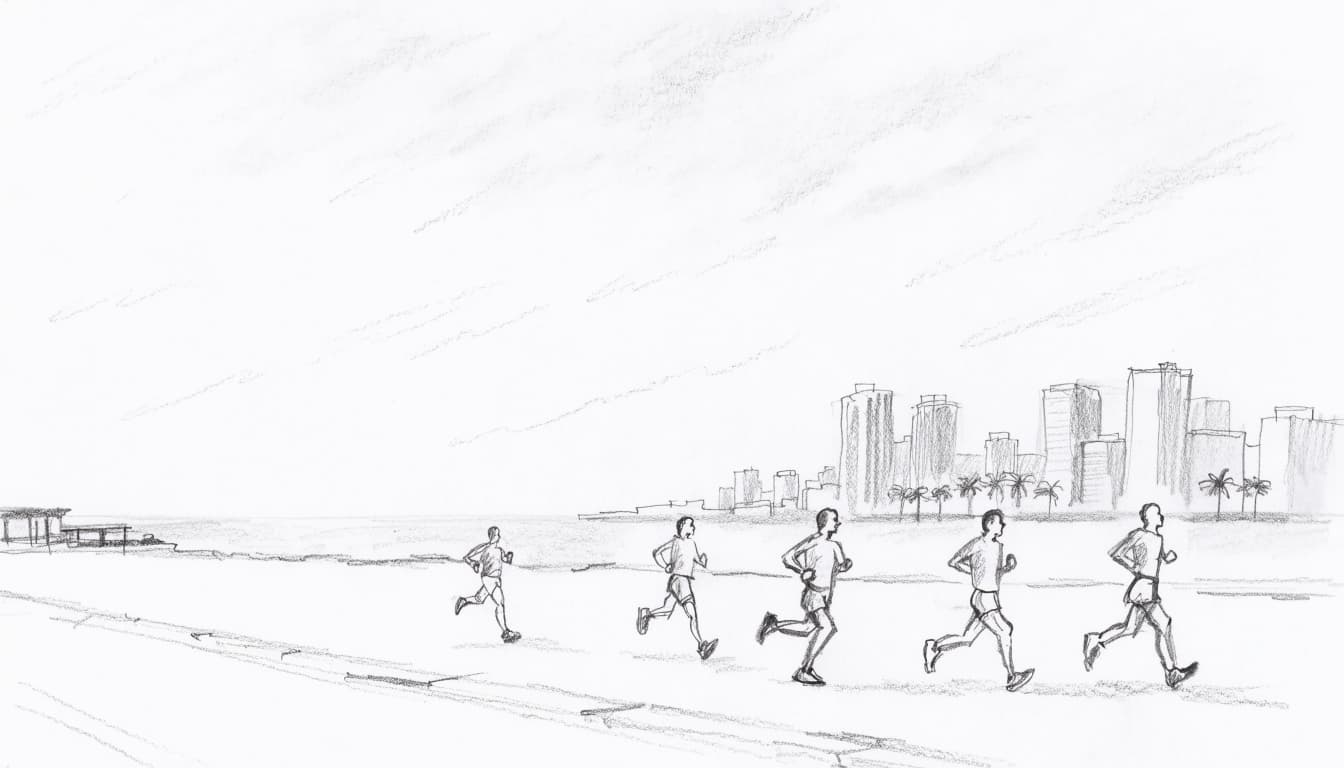
A spacious course with a waterfront backdrop
The race starts and finishes at Hotel Park, with the marathon route following the Doha Corniche. That puts much of the event beside the water, with the city skyline adding a distinct backdrop. The setting feels memorable without requiring a technical course or frequent turns to keep runners engaged.
The open waterfront can also mean less shade and fewer visual changes than a route through dense city streets. For marathoners, that makes pacing and mental focus important, especially later in the race. The official Doha Marathon race information outlines the current distance options and event details, which can change by edition.
Race-day atmosphere and who will enjoy it
The Doha Marathon offers more than the 42-kilometer event, with shorter distances that make the day accessible to runners with different goals and experience levels. That broader range gives the event a community feel, though the full marathon remains a substantial test that calls for sound preparation.
Crowd energy may vary along the route. Runners who draw motivation from packed sidewalks and frequent cheering could find quieter stretches less engaging. In contrast, those who prefer space to concentrate, control their effort, and take in the waterfront may appreciate the calmer feel.
Overall, the Doha Marathon is a strong choice for runners seeking a flat-feeling waterfront experience, a winter race setting, and options beyond the full distance. It may be less appealing if you want a constant festival atmosphere or a route packed with spectators. For the best fit, weigh the open setting and distance choices against your need for crowd support, then check the current race details before booking travel.
The Course, Scenery, and Conditions on Race Day
The Doha Marathon’s waterfront setting gives the race a strong sense of place, but the route and weather can shape your effort as much as the scenery. Since organizers may change course details between editions, use the current race guide and forecast to plan rather than relying on past accounts.
Waterfront views and the course layout
The route runs along Doha’s Corniche, where open views across the water offer a striking backdrop. The official 2026 race guide and route maps show the course for that edition. Check the latest map before race day, since start and finish points, turns, and route sections can change.
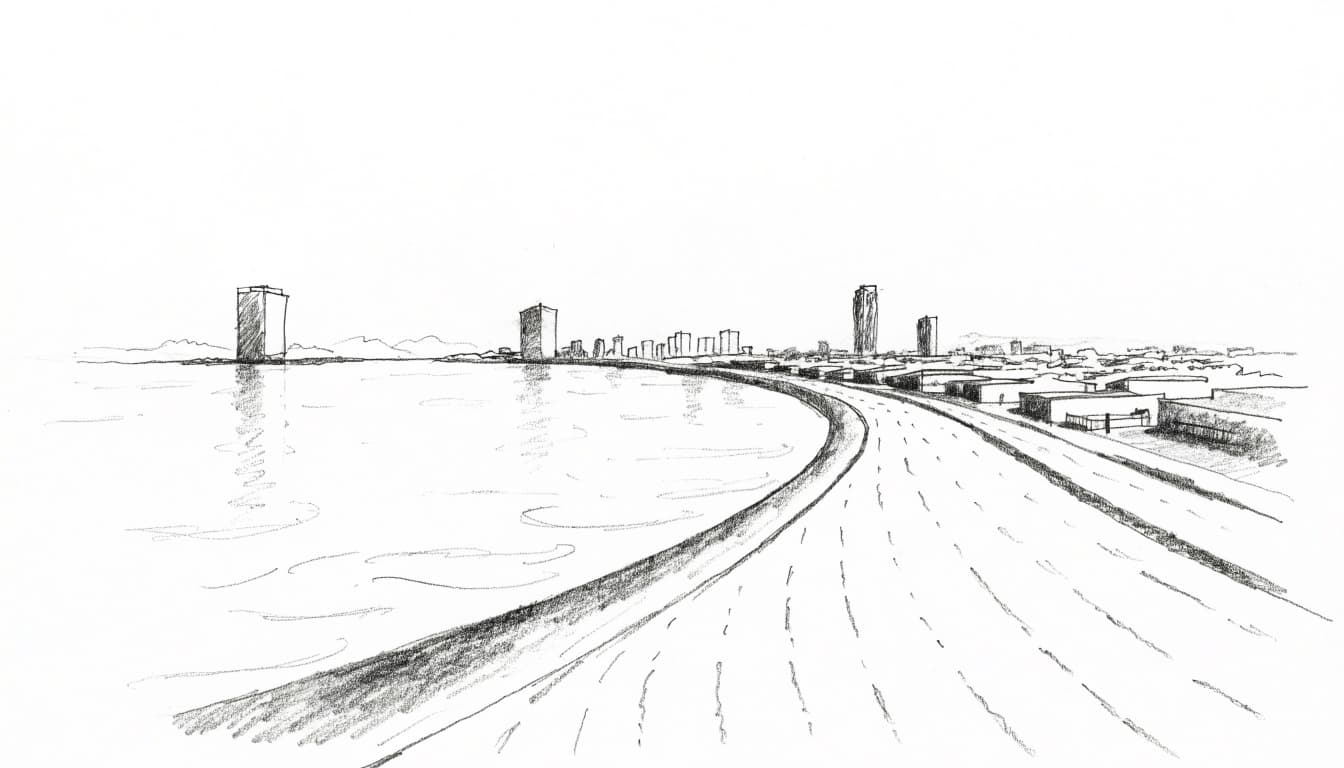
Before setting a pace plan, study the current route map for tight turns, out-and-back stretches, and any repeated sections. A flat-looking route can still interrupt rhythm if it asks you to turn often or cover the same exposed stretch more than once. The map and race guide are also the best places to confirm the running surface and elevation details; don’t assume every section is identical from one year to the next.
For runners chasing a time, a largely level profile can support even pacing, provided the route and conditions cooperate. Still, long straight sections may feel monotonous, and wind can make one direction harder than the other. Finish-focused runners can benefit from breaking the course into landmarks or aid-station intervals instead of counting down every remaining mile.
Weather, shade, and pacing in Doha
January can bring milder conditions than Qatar’s hotter months, but it doesn’t guarantee cool marathon weather. Race-day temperature, humidity, wind, and direct sun all affect how hard a planned pace feels. Check the Qatar Meteorology Department’s weather updates close to the event, then adjust your expectations to the forecast.
The Corniche’s open setting may leave runners exposed to sun and coastal wind. If temperatures rise, humidity feels high, or the wind picks up, start conservatively and judge effort rather than forcing goal pace. A pace that feels comfortable in cool, calm weather may become costly when heat builds or a headwind persists.
Shade can also be limited along open waterfront stretches, so practice your hydration and fueling plan in training. On race morning, pay attention to how your body responds in the opening miles. A controlled start gives you more room to maintain effort later, whether your main goal is a strong finish or a specific time.
Race Distances, Entry, and Event Organization
The Doha Marathon offers a choice of race formats, but the exact lineup and logistics can change by edition. Match the distance to your training and goals, then use the current race guide to plan registration and race morning.
Choosing a distance that fits your goals
The marathon is the biggest commitment, suited to experienced runners and first-timers who have completed a structured training cycle and want to cover the full 42.2 kilometers. The half marathon offers a substantial endurance challenge with less training time and recovery than the full distance. If you’re new to organized races or returning after a break, a shorter event can help you experience the course and race-day routine without taking on a marathon-length effort.
Shorter races and family or youth options depend on the edition’s official program. Check the current Doha Marathon race information before choosing, since distances, age requirements, and entry rules may change. Runners should also review cutoffs and eligibility conditions for their chosen event, rather than assuming every distance follows the same rules.
Choose Your Distance, Duration and Goal Time
Make three quick selections and open the exact plan built for your race target.
Looking for a Fully Personalized Training Plan?
The training plans above are an excellent choice if they match your goal. However, if you’d rather train with a plan built specifically around your current fitness, goal race, preferred training days, weekly mileage, and target finish time, our RDA Custom Training Plans provide a personalized solution. We also have running courses available for runners seeking to run faster from the mile to the marathon.
Why Choose a Custom Training Plan?
| Standard Training Plan | RDA Custom Training Plan |
|---|---|
| Follows a fixed schedule | Built around your schedule |
| Standard weekly mileage | Peak mileage customized for you |
| Fixed workout days | Train on the days you choose |
| Same structure for everyone | Designed around your current fitness |
| Static plan | Updated as your fitness improves |
| One-time purchase | Ongoing personalized coaching and support |
What You’ll Receive
- A training plan built specifically for your goal
- Personalized training paces
- Long runs, tempo runs, threshold workouts, interval sessions, recovery runs, and easy runs
- Peak weekly mileage matched to your experience level
- Flexible training schedule that fits your life
- Ongoing plan adjustments as your fitness improves
Ready to Train Smarter?
Stop guessing and start following a plan built specifically for you, your schedule, and your racing goals.
Registration, bib pickup, and race-day logistics
Registration deadlines, fees, and eligibility are edition-specific. Before booking travel, confirm your race registration, bib pickup dates and location, and whether someone else can collect your race kit. The official 2026 race guide explains that runners who can’t collect their race number in person may authorize someone else to pick it up; check the current guide for the required process. Check whether the timing chip is included with the race kit or issued separately.
Also look for your start time, start-area access instructions, baggage drop rules, and any restrictions on what you can bring. Plan how you’ll reach Hotel Park, where the Marathon Village is located, and check current parking and road-closure information before race morning. Spectators should use the event’s latest access guidance to choose viewing points and avoid closed sections.
What to expect from aid stations and support
Aid-station locations and services can vary by distance and edition. Check the current runner guide for water station locations, medical support, and how course marshals assist runners. Verify the finisher medal details there, too. Don’t assume every distance has identical coverage or services.
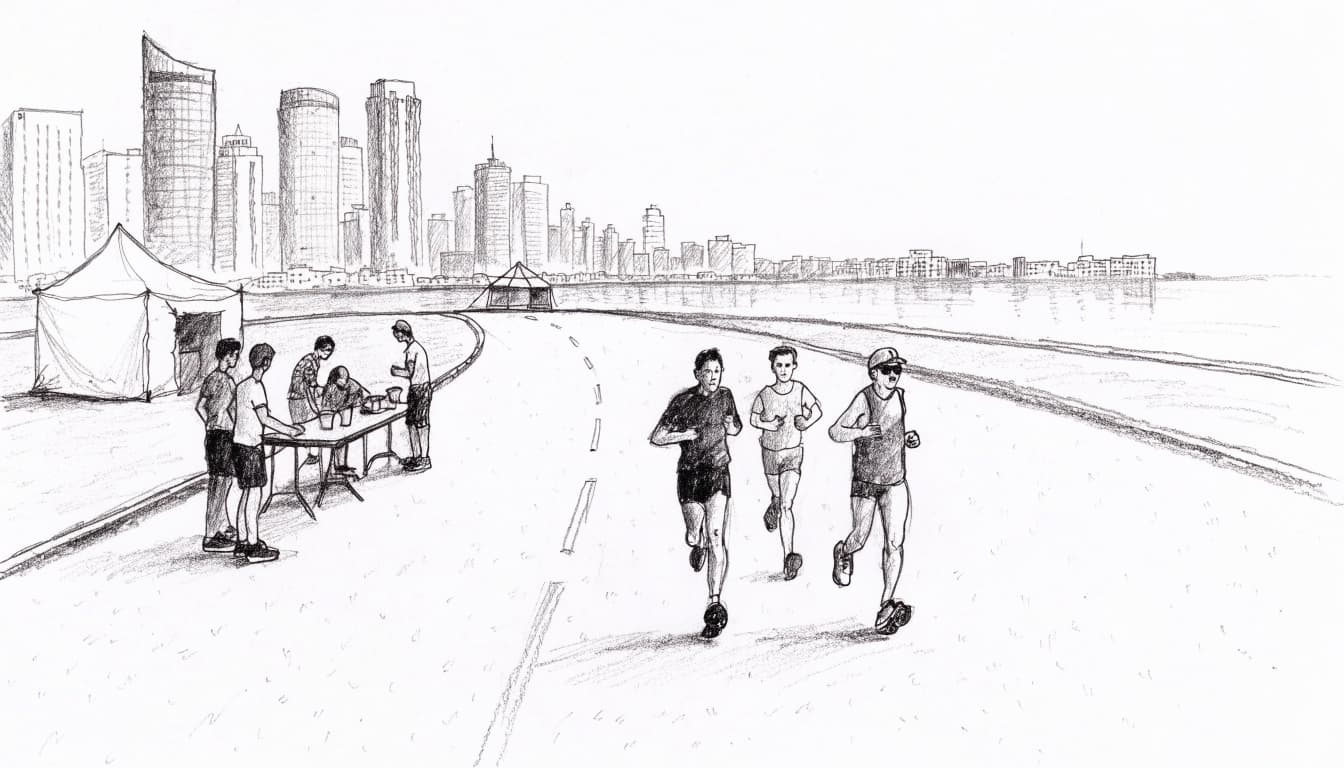
Finish-area services can also differ, so review the event instructions for post-race access and support. Once you know the aid-station spacing, plan your own hydration and fueling around it, especially if you’re racing the full or half marathon.
Training for the Doha Marathon and Preparing for Race Week
Preparation for the Doha Marathon should reflect the course you’ll actually run, not just a general marathon template. Build fitness around steady effort, practiced fueling, and a race-week routine that leaves room for travel and recovery.
Build fitness for a flat or exposed route
A flat course can make even pacing easier, but long, open stretches may feel demanding when wind or direct sun enters the picture. Use long runs to practice holding a controlled effort for hours, then add steady-paced segments that resemble your goal effort. Avoid turning every workout into a race rehearsal; consistency matters more than forcing pace in poor conditions.
Practice your planned gels, fluids, and timing during long runs, especially if you expect limited shade. Choose a safe, open route for occasional wind exposure, but don’t seek harsh conditions or compromise your safety. Once the organizers publish the course profile, check its turns, repeated sections, and exposed stretches. Adjust workouts to those details and to your own training history.
Arrive ready for Doha’s travel and time-zone demands
If you’re traveling internationally, arriving a few days before race day can give you time to settle in, collect your race number, and learn how you feel in the local routine. A major time change can disrupt sleep, so shift bedtime and waking time gradually when practical. The CDC’s jet lag guidance also recommends managing sleep and daily schedules around the destination’s time zone.
After landing, drink regularly and eat familiar meals rather than experimenting with new foods during race week. Keep runs short and easy, and avoid adding hard sessions to compensate for travel downtime. A simple routine helps: confirm the day’s schedule, prepare race clothing and nutrition, and leave enough time for meals and rest.
Before you go, check the event’s latest schedule and local transport information. Start times, road closures, packet pickup, and access to the start area can affect when you need to leave your hotel. Planning those details early keeps race morning calmer and lets you focus on your warm-up and pacing.
The Best and Hardest Parts of Running in Doha
The Doha Marathon offers a distinctive setting and multiple ways to take part, but the same open waterfront that makes the race memorable can also test your focus. Whether it suits you depends on your preferred race atmosphere, comfort with the conditions, and willingness to plan an international trip.
Why runners may love this race
Doha gives runners a striking change of scene. The Corniche, the waterfront, and the city skyline create a clear sense of place, especially for visitors who want their race to be part of a broader trip to Qatar. Runners who enjoy open views and a calmer setting may appreciate the space to settle into their own rhythm.
Distance choices also make the event accessible to different kinds of runners. A marathoner can build the trip around a full-distance goal, while newer runners or visitors with less training time can choose a shorter event when offered. Check the current Doha Marathon race options, since the lineup can change by edition.
For runners who have already raced familiar city courses, Doha adds a different setting and a chance to experience Qatar on foot. The appeal is less about nonstop crowd noise and more about combining a race with a distinctive destination. That can be especially rewarding for travelers who value the experience as much as a finishing time.
World Athletics listed the 2024 race as an Elite Label Road Race and awarded the 2025 edition Gold Label status.
What could make the race less enjoyable
Weather is a major variable. January is generally milder in Doha than the hotter months, but conditions can still feel warm during a long run, and sun or wind can raise the effort. The World Meteorological Organization’s Doha climate data offers a seasonal reference, not a forecast for race morning. Check the event-week forecast and be ready to adjust your pace.
The waterfront setting can also feel exposed. Long, open stretches may offer fewer visual changes than a route through busy neighborhoods, and quieter sections can feel repetitive if you rely on spectators for motivation. Runners who prefer frequent turns, dense crowds, or varied scenery may find the course less engaging.
International travel adds another layer of work. You’ll need to coordinate flights, lodging, race number pickup, local transport, and race-morning access, while also accounting for sleep and routine changes. Those details are manageable, but they require more planning than a local event. The race may be a better fit for runners who enjoy destination races and can arrive with enough time to settle in.
How the Doha Marathon Compares and Who Should Enter
The Doha Marathon offers a different experience from a packed urban race or a nearby community event. Its open waterfront route and destination setting appeal to runners who want room to focus, while weather and travel plans can shape the race as much as the course itself.
Compared with a large city marathon
Large city marathons often bring dense crowds, frequent course-side entertainment, and busy streets. A crowded urban road race contrasts with Doha’s more open Corniche route, which offers waterfront views and quieter stretches where runners can settle into a pace. However, anyone who relies on cheers to stay energized may find the atmosphere less consistent.
The scenery also shapes the effort. A waterfront course can feel spacious and scenic, but exposed stretches may offer less shade and fewer visual changes than city streets. If you’re choosing between races, consider whether you draw more motivation from crowds or from a calmer route.
Compared with a cool-weather personal-best attempt
Runners targeting a personal best should weigh Doha’s course profile against the conditions expected on race day. A largely flat route can support steady pacing, but warmth, humidity, sun, or coastal wind may make goal pace harder to sustain. A cool-weather race may be a more predictable choice if ideal conditions are central to your time goal.
The World Athletics marathon overview gives the standard distance as 42.195 kilometers. For that full-distance effort, base your decision on current course details and the forecast, not on the promise of a flat route alone. A realistic pacing plan matters more than chasing a time that doesn’t fit the conditions.
Compared with a local first race
A local event usually requires less travel and gives you familiar surroundings. Doha adds the logistics of an international trip, including flights, lodging, time-zone adjustment, and advance planning for race number pickup and race-morning transport. In return, runners get a destination experience and several race formats, depending on the edition.
For a first organized race, a shorter distance may be a better entry point than the marathon. Choose the full distance only if you’ve completed an appropriate training cycle and can manage the travel demands without disrupting recovery or preparation.
The Doha Marathon is a strong fit for runners who enjoy destination races, prefer open waterfront scenery, or want a steady course without relying on constant crowd energy. Runners prioritizing cool conditions, dense spectator support, or a low-planning first race may be happier with another event. Check the current distance lineup and race details before committing.
Frequently Asked Questions
These quick answers cover timing, race choices, first-time participation, time goals, and travel planning. Since event details can change, use the official information for your chosen edition before you make plans.
When is the Doha Marathon usually held?
The Doha Marathon is generally scheduled during the cooler part of the year, often in January. The official event announcement currently lists January 15, 2027, but dates may change between editions. Confirm the date for your race year before booking flights or lodging.
Which distances are available?
The race program can vary by year and may include the marathon, half marathon, relay, and shorter community events. Check the current race information for the complete lineup, then review the age rules for your chosen distance. The event’s participation terms list eligibility requirements, which can differ by race.
Is the Doha Marathon suitable for first-time runners?
It can be, if you choose a distance that matches your training and current fitness. A shorter event may be a more comfortable first race than the full marathon, which requires consistent preparation and long-run experience. Also consider the forecast and course exposure when deciding what feels manageable.
Can runners use the Doha Marathon to set a personal best?
A goal time may be possible, but a flat-feeling route alone doesn’t guarantee a fast result. Course layout, turns, weather, pacing, and preparation all affect performance, so review the current map and adjust your goal to race-day conditions. Start conservatively if heat, humidity, or wind makes your planned pace feel too hard.
Where can readers find past winners and records?
Check the official archive for race results and representation from Ethiopia and Kenya. Verify whether a specific edition’s men’s winner or women’s winner represented Ethiopia or Kenya rather than assuming nationalities recur. Confirm any course record against the official results for that edition.
What should runners check before traveling?
Confirm the race date, course map, registration terms, bib pickup schedule, transport plan, and baggage rules in the latest event guide. International visitors should also check the Qatar entry requirements that apply to their nationality and passport.
Conclusion
The Doha Marathon is a strong choice for runners drawn to Qatar, open waterfront scenery, and a range of race options. Its largely flat-feeling route may suit steady pacing, but warm conditions, sun, wind, and quieter stretches can shape the experience. International visitors should also allow time to manage travel, bib pickup, and race-morning transport.
Before you commit, check the official details for your chosen edition, including the route, schedule, entry rules, and race-day logistics. Then compare the latest forecast with your training and goals. With realistic pacing and a well-planned trip, the Doha Marathon can make for a rewarding destination race.


