

Denver Colfax Marathon Expo Review
Arriving in Denver for marathon weekend, you’ll see race banners along the streets, runners comparing plans over coffee, and Colfax Avenue gathering its familiar energy. Before the starting line, the Denver Colfax Marathon Expo is where that excitement becomes practical preparation.
The expo is more than a packet pickup stop. You’ll collect your bib and race materials, confirm event details, browse running shoes and gear, and pick up useful information for the weekend ahead. A few minutes of planning there can help you avoid last-minute stress, especially if you’re traveling to Denver or racing the marathon for the first time.
This guide covers the details runners need, including expo dates and location, what to bring, transportation options, activities to expect, race-day preparation, and common mistakes that can disrupt your plans. Official information can change, so confirm the latest details with the Denver Colfax Marathon before you travel. First, let’s look at when and where the expo takes place and how to plan your visit.
Looking for the best hotels for the Denver Colfax Marathon? Make sure to reserve your room early to save on costs.
Build Your Running Performance System
Move from research to action with training, recovery, nutrition, pacing, and performance tools built for runners.
More Guides for This Runner Goal
Key Takeaways
- Visit the Denver Colfax Marathon Expo on Friday or Saturday to collect your bib, race shirt, and event materials before race morning.
- Bring photo identification, your registration details, and any required confirmation so packet pickup stays quick and simple.
- Review transportation, parking, start-line access, and hotel timing before arriving in Denver, especially during busy race weekend hours.
- Use the expo to confirm race information, browse running gear, and avoid buying unfamiliar products for race day.
- Check the official race weekend details for current expo hours, location updates, and packet pickup rules.
What to Know About the Denver Colfax Marathon Expo
The Denver Colfax Marathon Expo is where race-weekend plans become tangible. Marathon, half marathon, relay, and other participants usually visit the expo for packet pickup, participant information, sponsor booths, official merchandise, and last-minute race guidance.
Before you travel, check the official marathon information and your participant email for the current location, opening hours, entry rules, and pickup requirements. Details can change each year, and a missed expo visit can create a serious problem if race-day pickup isn’t available.
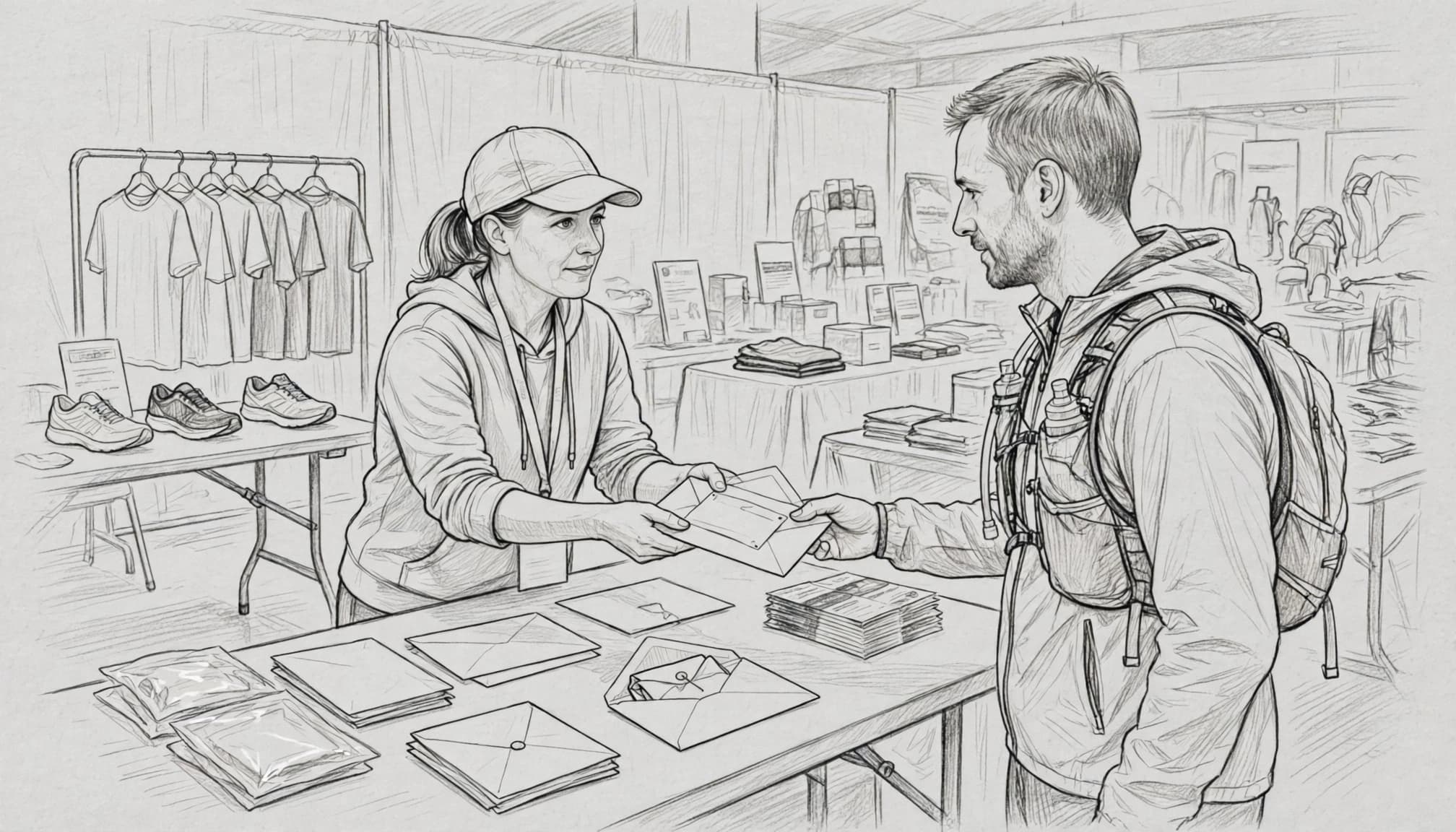
What runners can usually pick up at the expo
Your packet contents depend on your event and the current race year. Most participants can expect some combination of:
- A race bib with your assigned number and event information.
- Timing details, including the location of the timing chip or tag.
- An official race shirt, if your registration includes one.
- Gear bag instructions, including where to check and collect personal items.
- Course maps, aid station information, and start-line guidance.
- Safety instructions, emergency procedures, and rules for race-day equipment.
The marathon, half marathon, and relay may use different bib systems or instructions. Relay runners should also review team logistics, exchange points, and any materials assigned to the group. The official half marathon page provides event-specific packet information, while relay participants should review the marathon relay details.
Before leaving the Denver Colfax Marathon Expo, inspect everything at the pickup table. Confirm your name, race distance, bib number, and event assignment. Check the shirt size and look for any instructions that apply to your entry.
A bib error becomes harder to fix after you leave the expo, so report it while staff can still correct the record.
If your name is misspelled, your distance is wrong, or your bib doesn’t match your registration, speak with an expo representative immediately. Don’t wait until the start line. Staff can also explain missing items, timing questions, gear bag rules, and safety procedures.
Who needs to attend, and what can someone else collect?
Individual pickup is the simplest option. You attend the expo, show the required identification or registration confirmation, sign any remaining waiver, and receive your materials. Some events allow another person to collect a packet, but authorization rules differ by race and year.
Your representative may need your confirmation email, a copy of your identification, a signed authorization form, or proof that required waivers are complete. Some race distances may impose different rules, and relay teams can have separate team-packet procedures.
Race-day exceptions should never be assumed. Current Denver Colfax race pages state that marathon and half marathon packets are picked up before race day, with no race-day packet pickup listed. Read the official packet pickup policy and your participant email before making travel plans. If illness, delayed travel, or another problem could prevent expo attendance, contact the race organizers as soon as possible.
How to Plan Your Visit to the Denver Colfax Marathon Expo
A smooth expo visit starts before you leave your hotel. The Denver Colfax Marathon Expo can become crowded, especially near opening and closing times, so plan your transportation, documents, and pickup window in advance. Your goal is simple: collect your race materials, confirm key details, and leave enough energy for race day.
Check the current location, hours, and pickup deadlines
Expo locations and schedules can change from year to year. Before traveling, review the official race weekend schedule and your participant emails for the exact address, parking instructions, public transit options, session times, and final packet pickup deadline.
Save the confirmation email on your phone, then take a screenshot in case cell service is slow inside the venue. Write down the building name and pickup window as well. A familiar Denver landmark may help with directions, but the official race communication should guide your final plans.
Arriving early often means shorter lines and more room to ask questions. However, avoid cutting your visit too close to the deadline. Traffic, parking delays, a missed train, or a long registration line can turn a simple pickup into a stressful scramble. The official marathon information confirms that packets are collected before race day, so don’t assume you can fix a late arrival at the start line.
What to bring with you
Pack for a quick, comfortable errand rather than a full day away from your hotel. Keep these items easy to reach:
- Bring a government-issued photo ID and your registration confirmation.
- Save any authorization paperwork if another person is collecting your packet.
- Carry a charged phone, plus a small charger or power bank.
- Take a payment method for official merchandise or other purchases.
- Bring a small bag for your shirt, bib materials, maps, and gear.
Comfortable shoes matter because even a short expo visit can involve walking, waiting, and standing on hard floors. Wear light clothing that works with Denver’s changing temperatures, especially if you’ll walk between transit stops, parking areas, and the venue.
A simple plan also helps settle pre-race nerves. Know where you’ll go first, what you need to collect, and when you’ll leave. If you have a question about your bib or event assignment, ask staff before departing.
How long should you spend at the expo?
Allow roughly 30 to 90 minutes for the expo, although that is a planning estimate rather than an official race rule. A quick packet pickup may take less time when lines are short. Shopping, attending a talk, meeting friends, or finding your way through a busy venue can extend the visit.
Marathoners should resist treating the expo as an all-day shopping trip. Extra walking and prolonged standing can leave your calves and feet tired before the race begins. Browse with a purpose, but avoid testing unfamiliar shoes, nutrition products, or recovery tools the day before your marathon.
Once you have your bib, shirt, required instructions, and answers to your questions, head back to your hotel or another restful setting. Protecting your legs is part of race preparation, too.
What You Will Find Inside the Marathon Expo
The Denver Colfax Marathon Expo helps turn race-weekend uncertainty into a clear plan. First-time visitors can expect packet pickup areas, course information, sponsor displays, official merchandise, running products, and conversations with people who understand race preparation.
Collect your bib and required materials first. After that, move through the expo with a purpose. The best visit gives you useful answers without leaving your feet tired before race morning.
Choose Your Distance, Duration and Goal Time
Make three quick selections and open the exact plan built for your race target.
Looking for a Fully Personalized Training Plan?
The training plans above are an excellent choice if they match your goal. However, if you’d rather train with a plan built specifically around your current fitness, goal race, preferred training days, weekly mileage, and target finish time, our RDA Custom Training Plans provide a personalized solution. We also have running courses available for runners seeking to run faster from the mile to the marathon.
Why Choose a Custom Training Plan?
| Standard Training Plan | RDA Custom Training Plan |
|---|---|
| Follows a fixed schedule | Built around your schedule |
| Standard weekly mileage | Peak mileage customized for you |
| Fixed workout days | Train on the days you choose |
| Same structure for everyone | Designed around your current fitness |
| Static plan | Updated as your fitness improves |
| One-time purchase | Ongoing personalized coaching and support |
What You’ll Receive
- A training plan built specifically for your goal
- Personalized training paces
- Long runs, tempo runs, threshold workouts, interval sessions, recovery runs, and easy runs
- Peak weekly mileage matched to your experience level
- Flexible training schedule that fits your life
- Ongoing plan adjustments as your fitness improves
Ready to Train Smarter?
Stop guessing and start following a plan built specifically for you, your schedule, and your racing goals.
Race information, course maps, and runner support
Look for course maps and race-information displays before you start shopping. Use the map to identify the start line, finish area, major turns, aid stations, restroom locations, medical support points, and any sections that may affect your pacing. Also review start-wave instructions, gear-check procedures, road closures, and cutoff information for your event.
The Colfax Marathon course passes through recognizable Denver areas and landmarks, but older race descriptions may no longer match the current route. Use the official Colfax course map as your reference, especially if you’re planning transportation around road closures or meeting someone along the course.
Ask an expo representative about medical stations, heat concerns, injury support, and what to do if you cannot continue. Save the official race information on your phone, then take a photo of important signs or printed instructions. A screenshot is useful when cell service is slow or the expo feels crowded.
Official merchandise and useful running gear
Official merchandise often includes race shirts, jackets, hats, socks, and other Colfax-branded items. You may also find local running stores, shoe and apparel companies, hydration products, gels, recovery tools, and accessories for future training.
The simple buying rule is use familiar products on race day. If you’ve never tested a gel, hydration mix, pair of socks, or shoe model, the expo isn’t the right place to introduce it before a marathon. Instead, compare options, ask questions, and stock up for later training runs.
Shoes deserve extra caution. A comfortable shoe on an expo floor still needs testing over several runs before you trust it for 26.2 miles. The same applies to compression gear, anti-chafing products, hydration belts, and unfamiliar nutrition.
Before paying, check the size, fit, exchange rules, and return policy. Some purchases may be final sale, while others may require tags or proof of purchase. Keep receipts with your race materials so they don’t disappear in your hotel room.
Talks, demonstrations, and local running connections
The expo may include seminars, athlete appearances, coaching sessions, physical therapy information, product demonstrations, or conversations with Denver running clubs and local coaches. These events can help you understand pacing, recovery, strength work, injury prevention, and race-day nutrition.
Choose sessions that match your immediate needs. A first-time marathoner might benefit from a pacing discussion, while an experienced runner may prefer advice about fueling or managing the final miles. You don’t need to attend every presentation simply because it’s available.
Your legs also need a quiet schedule. Standing through several talks, walking every booth, and carrying shopping bags can add unnecessary fatigue before the start. If rest is your priority, collect the information you need, ask one or two focused questions, and leave while you still feel fresh.
How the Expo Fits Into Your Denver Race-Weekend Strategy
The Denver Colfax Marathon Expo should fit into your larger race plan, not compete with it. Use the visit to settle travel details, confirm race logistics, and remove small questions that could distract you on race morning.
Plan your expo trip around meals, sleep, hydration, weather, and transportation to the start line. A calm visit protects your energy and gives you a clear schedule for the hours that follow.
Prepare for Denver’s altitude and changing weather
Runners arriving from lower elevations may notice Denver’s altitude, dry air, strong sunshine, or cool early-morning temperatures. Those conditions don’t require dramatic changes, but they do reward a realistic plan. Review Denver’s altitude and climate guidance before traveling, then pack for conditions that may shift throughout the day.
Drink normally and consistently rather than forcing excessive water before the race. Bring familiar skin protection, including sunscreen and lip balm, because bright sun and dry air can feel harsher than expected. Clothing layers also help when the morning starts cool and the afternoon becomes warmer.
Avoid aggressive last-minute workouts, extra mileage, or unusual recovery routines after you arrive. Your training is already complete. Use the expo to gather information, then give your body a steady rhythm through dinner, bedtime, and race morning.
Use the expo to finalize pacing and fueling plans
The expo is the right place to confirm practical details that affect your race strategy. Check aid station spacing, available sports drinks, water locations, gel policies, restroom access, and course support. If the race provides a specific drink, learn its brand and flavor before deciding how much you will carry.
Build your plan around products and quantities you tested during training. Pack the gels, chews, or drink mix you already tolerate, and don’t replace a familiar routine with an unfamiliar sample from a sponsor booth. The same rule applies to shoes, socks, anti-chafing products, and supplements.
Pacing deserves one final review, too. Consider your fitness, the course profile, expected weather, and how altitude may affect your effort. However, the expo is for solving logistical questions, not redesigning your entire marathon strategy the day before the race.
Protect your legs after packet pickup
Excitement can turn a short expo visit into hours of walking, standing, shopping, and sightseeing. Set a departure time before you arrive, then leave once you’ve collected your packet and answered the questions that matter.
Wear comfortable shoes and limit sightseeing on foot after pickup. If your legs feel heavy, spend time seated or elevate them briefly while you review the next day’s schedule. You don’t need an elaborate recovery routine, only less unnecessary time on your feet.
Eat familiar foods at normal portions, follow your planned sleep routine, and set out your race clothes before bed. Check your transportation to the start line, including departure time, walking distance, parking, or transit connections. With those details settled, you can return to the hotel, protect your rest, and approach race morning with fewer decisions left to make.
Common Denver Colfax Marathon Expo Mistakes to Avoid
Most expo problems come from small oversights, not difficult race logistics. A missing ID, rushed packet pickup, unfamiliar fuel, or forgotten transportation plan can create stress before the race even begins. Use the Denver Colfax Marathon Expo to settle those details early, then protect your energy for race day.
Do not leave bib problems until race morning
Check your bib before leaving the pickup table. Confirm your name, race distance, number, and any timing information. If the bib is missing, damaged, assigned to the wrong event, or doesn’t match your registration, speak with expo staff immediately. A correction is much easier while the registration team is available than at a crowded start line.
The current Denver Colfax Marathon packet information states that marathon packets are picked up before race day, with no race-day packet pickup listed. Therefore, don’t assume you can replace a lost or incorrect bib on Sunday.
Keep the bib flat and secure in your race bag or hotel room. Avoid folding, cutting, taping over, or altering any timing component attached to it. Follow the official instructions for pinning or attaching the bib to your clothing, and don’t remove timing materials unless race staff specifically tells you to do so.
Do not let shopping replace race preparation
Free samples and attractive gear can make the expo feel like a running store built for race weekend. However, unfamiliar gels, supplements, sports drinks, socks, shoes, or anti-chafing products can cause stomach trouble, blisters, or discomfort when you need consistency most.
Buy only what fits your existing plan. If you tested a particular gel during training and need more, the expo may be a useful place to restock. A new shoe or fuel product belongs in a later training session, not in your marathon kit the next morning.
The same caution applies to clothing and equipment. A shirt may feel comfortable for five minutes under bright expo lights, yet rub after two hours of running. Save experiments for future workouts, when you can test one change at a time.
Before leaving home or your hotel, run through this short pre-expo checklist:
- Pack photo identification, registration confirmation, and any required authorization forms.
- Save the participant email and current expo details on your phone.
- Confirm your pickup deadline and leave enough time for traffic or transit delays.
- Review the route to the expo, hotel, start line, and parking or transit locations.
- Bring familiar race fuel, clothing, and equipment rather than relying on samples.
- Plan to leave before prolonged shopping and standing drain your legs.
Read every event email, even if you’ve raced before. Updated hours, pickup rules, transportation details, and course instructions can change. If a registration, bib, or packet issue appears, take it to the official help desk before departing and keep any corrected paperwork with your race materials.
Frequently Asked Questions
The final details often matter most when race weekend arrives. These answers address practical questions that can still surface after you’ve reviewed packet pickup, transportation, and expo planning.
Can I transfer my Denver Colfax Marathon entry to another runner?
Don’t give your bib to someone else without written approval from the race organizers. Bib transfers can affect registration records, emergency contacts, timing results, and course eligibility. Contact the Denver Colfax Marathon directly before race weekend if illness, injury, or travel problems prevent you from competing.
What should I do if my travel is delayed before packet pickup?
Check your remaining pickup options as soon as you know your travel has changed. Ask whether an authorized representative can collect your packet, then review the required documentation before sending someone to the expo. Keep your confirmation email available, and don’t assume race-day pickup will be available because the official marathon information says packets are collected before race day.
Can I attend the expo if I’m running the 10-mile race?
Yes, the expo supports several events during Denver Colfax race weekend. However, your bib instructions, shirt details, and pickup requirements may differ by distance, so review the official Urban 10-Miler information before you arrive. Use the event page tied to your registration rather than relying on instructions for the marathon or half marathon.
Should I bring my race shoes to the expo?
Usually, you don’t need to bring them. Wear comfortable shoes for walking and standing, then inspect any new footwear at the expo without treating it as a race-day replacement. If you plan to buy shoes, use them during future training sessions first, because an expo-floor fit doesn’t reveal how they will feel over several miles.
What should I do with my bib after I leave the expo?
Keep it flat, dry, and easy to find in your hotel room. Place it with your race outfit, timing instructions, safety pins, and familiar fueling products so you aren’t searching for anything before sunrise. Don’t fold, cut, cover, or alter timing components attached to the bib.
Is it worth visiting the expo more than once?
For most runners, one focused visit is enough. Return only if you need to correct registration information, collect an item that staff asked you to retrieve, or attend a scheduled presentation that directly supports your race plan. Otherwise, extra walking and standing can take energy away from the start line, so finish your errands and give your legs a quieter evening.
Conclusion
The Denver Colfax Marathon Expo is your final checkpoint before race morning. Verify the official expo location, hours, pickup deadline, and event instructions before you travel. Bring your photo ID, registration confirmation, and any authorization documents you may need. Once you arrive, pick up your bib and race materials, then check your name, race distance, timing information, shirt, and packet instructions before leaving.
Use the venue to resolve practical questions about the course, aid stations, gear check, start-line access, transportation, and race-day procedures. Browse with purpose, but avoid unfamiliar shoes, fuel, clothing, or recovery products that could disrupt a routine you’ve already tested. The best expo visit is organized and purposeful, not exhausting, so leave enough time to return to your hotel, eat familiar food, prepare your kit, and protect your sleep.
With the details settled, you can experience Denver, enjoy the Colfax atmosphere, and focus on executing the race plan you built in training. A calm packet pickup and a clear race-day schedule give your preparation room to work when you reach the start line.


