

Daichi 9 vs Nike Pegasus Trail 6: Which Trail Shoe Fits You Best?
Choosing between the Daichi 9 vs Nike Pegasus Trail 6 comes down to how and where you run. Both are trail shoes, but they don’t feel the same once the ground turns loose, rocky, or mixed with pavement.
If you want sharper grip, more cushioning, or a closer fit, the differences matter fast. The right pick can feel smooth on easy runs, steady on longer miles, and more controlled when the trail changes underfoot, so the details here matter. For a broader look at how trail shoes handle dirt and distance, see this Nike Wildhorse 9 trail shoe analysis, then keep going to see which of these two fits your running best.
What matters most when comparing these two trail shoes
The Daichi 9 vs Nike Pegasus Trail 6 comparison gets easier once you stop treating every trail the same. A smooth park path, a rocky hillside, and a root-filled forest floor ask for different things from your shoes, and that changes the answer fast.
Some runners want a shoe that feels calm on dirt roads and crushed gravel. Others need something that stays composed when the trail gets messy, uneven, or wet. That is where the real choice starts.
Build Your Complete Race-Day Setup
The right shoe helps, but faster racing comes from better training, pacing, recovery, fueling, and execution.
More Guides for This Shoe
Trail type changes everything
Smooth dirt roads reward a shoe that rolls easily and feels efficient mile after mile. Light singletrack asks for a little more grip and stability, but it still doesn’t punish a softer, more forgiving ride. In those settings, a shoe can feel fast and natural without needing a very aggressive outsole.
Rocky paths and wet roots change the equation. Now you need traction that bites, plus a platform that keeps your foot from sliding around when the ground tilts or shifts. A shoe that feels great on tame trails can feel vague or unstable once the surface gets rough.
That is why trail shoes are often a compromise between speed, grip, and protection. REI’s road vs. trail running shoe guide makes the same basic point, trail shoes usually bring more traction and protection because the ground demands it. In this matchup, one shoe may fit easy dirt and mixed paths better, while the other may feel more at home on tougher terrain.
Comfort, grip, and protection are the big three
Comfort matters because you feel it first. If a shoe rubs, pinches, or feels harsh underfoot, your attention shifts away from the run and toward your feet. Over longer efforts, that small annoyance can become the thing that ruins the day.
Grip is what keeps you moving with confidence. Better traction helps on loose dirt, slick leaves, and angled turns, but more grip can sometimes come with a firmer or more specialized ride. Protection works the same way, since thicker overlays, rock guards, and sturdier uppers can add security while also making a shoe feel less flexible.
That is the tradeoff most runners face. You usually give up a little softness to gain stability, or you sacrifice some ground feel to get more shielding from rocks and roots. The best choice is the one that matches how hard the trail pushes back.
The right trail shoe often feels less impressive on paper and more right underfoot.
Who should care most about this matchup?
Road runners moving onto trails should pay close attention here, because the first trail shoe usually needs to feel friendly and predictable. If you mostly run packed dirt, gravel paths, or the kind of trail that still feels half-road, comfort and smoothness may matter more than heavy-duty grip.
Newer trail runners are in the same boat. A shoe that feels stable, forgiving, and easy to trust can build confidence faster than one that chases extreme traction. For that runner, the safer pick is often the shoe that feels natural on mixed terrain, not the one with the most aggressive look.
Experienced runners looking for a daily trail trainer have a different problem. They already know what rough ground feels like, so they tend to care more about how the shoe behaves over repeated miles. A daily trainer needs enough protection for uneven routes, but it also has to stay comfortable when the trail is calm.
If you run a little of everything, this matchup matters even more. The best answer depends on what your week really looks like, not what the marketing photo shows.
Daichi 9: what kind of runner is it built for?
The Daichi 9 is built for runners who want a trail shoe that feels steady, familiar, and ready for mixed use. It is the kind of shoe that fits easy training days, modest trail outings, and runners who value control more than a wild, bouncy ride.
In the Daichi 9 vs Nike Pegasus Trail 6 comparison, this shoe makes its case by staying practical. It does not chase a soft road-shoe feel, and it does not try to act like a race day rocket. Instead, it aims for a balanced ride that can handle dirt, packed paths, and a little rough ground without feeling fussy.
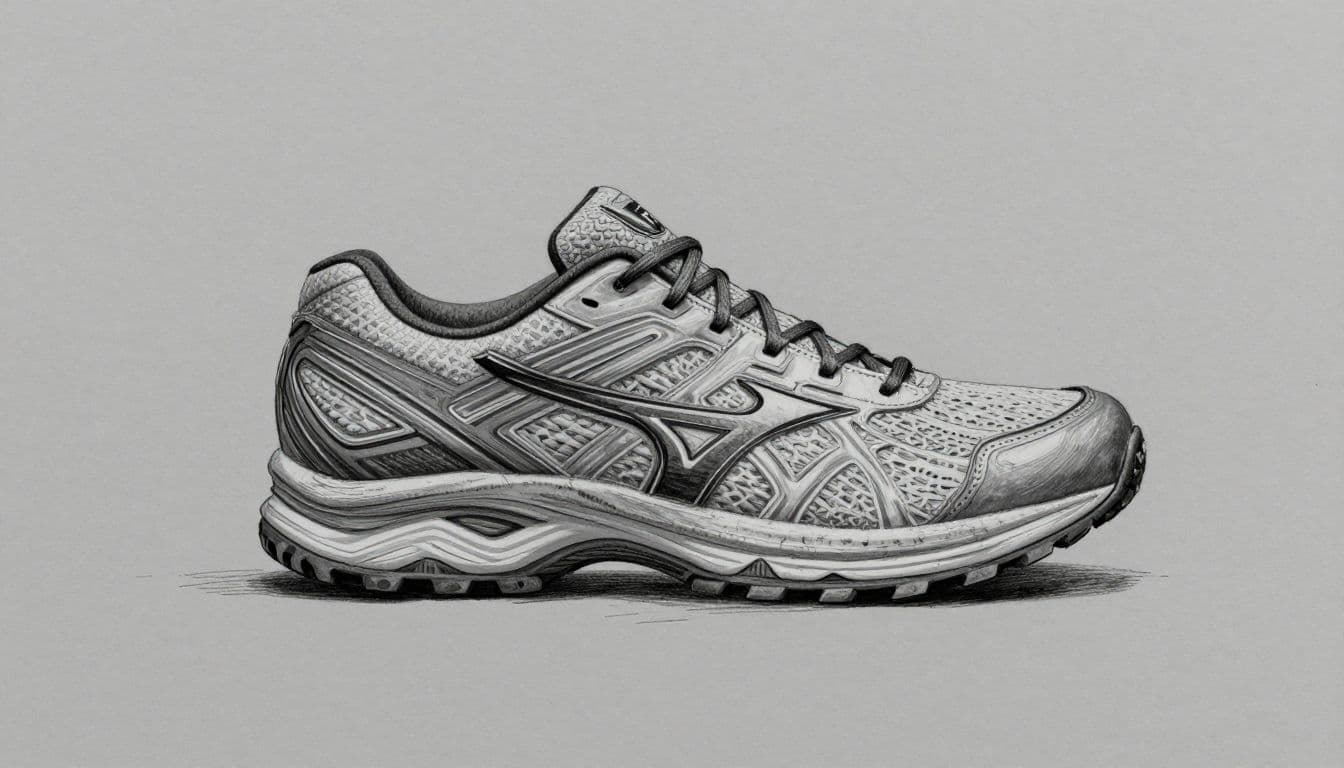
Ride feel and cushioning on the trail
Underfoot, the Daichi 9 leans into a balanced, controlled ride. It should feel comfortable for steady trail miles, but not so soft that it sinks or feels vague on uneven ground. That balance matters when you run at an easy pace and still want the shoe to feel calm and dependable.
For relaxed training runs, the cushioning should take the edge off packed dirt and light gravel. Longer outings are where that same feel helps most, since the shoe can stay composed when your legs start to fade. You get enough comfort for repeated miles, plus enough firmness to keep the shoe from feeling mushy.
The Daichi 9 feels best when you want steady footing more than a plush bounce.
Runners who prefer a firmer trail platform often like this kind of setup. It gives a clearer sense of the ground, which helps on narrow paths and uneven sections. If you want a shoe that feels smooth without getting overly soft, this is the lane it fills.
Outsole grip and traction on mixed ground
The Daichi 9 is best suited to mixed trails, dirt, and packed paths. That is where its grip should feel most useful, because the outsole can stay confident without needing extreme lugs for deep mud or loose alpine terrain. On dry or lightly damp ground, it should feel secure and predictable.
On light mud, it can still hold its own, but it is not the kind of shoe you buy for sloppy, saturated conditions. Uneven surfaces are a better match, since a stable platform and dependable tread matter more there than aggressive bite. In other words, it should feel at home on the kind of trails many runners actually use week after week.
Here is where the grip should shine most:
- Packed dirt and fire roads: smooth, steady traction
- Gravel and firm singletrack: reliable footing with little fuss
- Lightly wet trails: enough control for cautious, normal running
- Loose or deep mud: more limited, so confidence drops
That mix makes the Daichi 9 a practical choice for runners who split time between trail surfaces. It is not a specialist mud shoe. It is a steady partner for routes that change a little, but not wildly.
Fit, upper, and all-day comfort
The upper should matter a lot for runners who stay out for a while, and the Daichi 9 looks built to keep things secure without feeling harsh. A good trail upper holds the foot in place, yet still leaves enough room up front for swelling on longer runs. That balance helps when the miles stack up.
Runners with average-width feet will likely appreciate a fit that feels snug without being tight. If the toe box has enough room to let your toes spread on descents, that will add comfort fast. Too little room can create hot spots, especially when the trail points downhill for long stretches.
The best long-run fit usually feels like this:
- Secure through the midfoot, so the foot does not slide around
- Comfortable in the forefoot, so toes can move naturally
- Smooth around the collar and tongue, so irritation stays low
If the Daichi 9 gets these details right, it becomes a strong option for runners who want comfort without slop. That is the sweet spot for trail training, because a shoe that stays calm mile after mile makes the whole run feel easier.
Nike Pegasus Trail 6: where it stands out
The Nike Pegasus Trail 6 fits runners who want one shoe for more than one surface. It feels at home on paved connectors, park paths, crushed gravel, and mellow dirt, so it suits runs that start on the road and finish on the trail.
That broad appeal is the main reason it stands out in the Daichi 9 vs Nike Pegasus Trail 6 matchup. The Pegasus Trail 6 is not trying to be the most aggressive trail shoe in the rack. Instead, it aims to feel easy, steady, and useful on the kinds of routes many runners actually do.
The ride feels smooth first, then protective. That matters because it lets the shoe work across easy paces, steady aerobic runs, and relaxed weekend miles without feeling awkward. If you want a trail shoe that does not demand a specific pace, this one makes sense.
It should feel friendly underfoot on long outings, too. The cushioning gives you enough softness to keep the run comfortable, but the shoe still needs to stay controlled when the path changes or the pace picks up. That balance gives it a wide comfort zone.
Runners who split their time between road and trail will probably like it most. The Pegasus Trail 6 should feel natural when you leave the sidewalk and roll onto hard-packed dirt. For a deeper look at the earlier model, our Nike Pegasus Trail 5 review shows how this line has long aimed at easy, mixed-terrain miles.
The Pegasus Trail 6 works best when you want comfort first, plus enough control to leave the pavement behind.
For a rough sense of how this family has been received in testing, RunRepeat’s ACG Pegasus Trail review notes that the outsole grip improved while the ride stayed comfortable and easygoing.
Grip and confidence on light trails
The outsole is strongest on light trails, not wild ones. On dirt paths, gravel, park loops, and firm singletrack, the shoe should feel dependable enough for normal training runs. That gives it a lot of everyday value, because many runners spend most of their time on exactly those surfaces.
Where it helps most is in the middle ground. A dry park trail, a gritty bike path, or a mixed loop with a few short dirt sections all suit this shoe well. It gives you enough bite to feel steady, without making the ride feel clunky on pavement.
There are limits, though. Loose mud, steep climbs, slick roots, and rocky mountain routes can push it past its comfort zone. Once the ground gets more technical, you may want a shoe with deeper lugs and a firmer hold.
A simple way to think about its grip:
- Best for: dirt paths, gravel, park trails, and light singletrack
- Still workable for: wet pavement and firm, damp ground
- Less ideal for: deep mud, sharp rock, and steep technical trails
That range is exactly why the Pegasus Trail 6 feels so useful. It gives you confidence on the kind of ground that fills most mixed-route runs, then starts to show its limits when the trail gets serious.
Upper support and everyday fit
The upper should help the Pegasus Trail 6 feel easy to wear for long stretches. A good fit here means secure lockdown through the midfoot, a comfortable collar, and enough forefoot room for natural toe spread. When those pieces work together, the shoe can stay comfortable as the miles pile up.
Breathability matters, especially for runners who use this shoe in warm weather or on longer road-to-trail efforts. A lighter, more open upper helps keep the shoe from feeling hot and stiff. That kind of comfort is a big reason many runners reach for a hybrid trail shoe in the first place.
Fit preference will matter, though. Runners with average feet or those who like a more forgiving, everyday feel will likely appreciate this shoe most. If you prefer a very snug, race-style hold, it may feel a bit too relaxed for hard technical terrain. If you want room to move and a fit that does not fight you, it should land in a good place.
The Pegasus Trail 6 makes the most sense for:
- Runners who mix road and trail in the same run
- People who want a comfortable daily trainer for mild trails
- Anyone who values an easy fit over a locked-down race feel
That is where it stands out. It is broad, practical, and easy to live with, which gives it a real edge for mixed-surface running.
Daichi 9 vs Nike Pegasus Trail 6 on the things runners notice first
The first few steps usually tell you more than a spec sheet does. In the Daichi 9 vs Nike Pegasus Trail 6 matchup, the feel underfoot, the grip, and the way each shoe handles mixed terrain shape the decision fast.
If you want a shoe that feels calm on longer trail runs, the answer may lean one way. If you care more about easy road-to-trail use, the other shoe may make more sense. That split becomes clear once the miles and the ground start changing.
For steady, longer trail sessions, the Daichi 9 looks like the stronger match if you want a more planted, controlled feel. It should hold its shape well as the miles add up, which matters when you want support without extra bulk underfoot.
The Pegasus Trail 6 feels like the softer, friendlier option for mixed routes, but that comfort can come with a more relaxed ride. On long trail runs, that can be a plus if you want less pressure on your feet. Still, if the route gets rocky or uneven, a more defined platform often feels better late in the run.
Underfoot fatigue depends on more than cushioning alone. A shoe that keeps you centered can leave your legs fresher because you waste less energy correcting every step. That is where the Daichi 9 may pull ahead for runners who stay out for a while on dirt roads, rolling singletrack, and steady climbs.
If your long run feels better when the shoe stays calm and precise, the Daichi 9 has the edge.
For runners who want to compare comfort across trail models, Trail Run Mag’s comfort test roundup gives a useful sense of how much shoe feel changes once the terrain gets rough.
Which one grips better when the trail gets messy?
When the trail turns loose, damp, or uneven, the Daichi 9 should feel more secure. It sounds like the better choice for runners who want their shoes to bite into dirt and stay composed when the ground shifts.
The Pegasus Trail 6 handles light trails well, but it is built more for blended use. On dry dirt and firm gravel, it should feel dependable enough. Once the surface gets slick, muddy, or root-heavy, confidence can drop faster than you want.
Loose dirt rewards a shoe with a more assertive outsole. Damp ground asks for traction that holds without sliding, and uneven terrain needs a platform that doesn’t twist with every step. That combination usually favors the shoe with the stronger off-road focus.
A simple breakdown looks like this:
- Loose dirt: Daichi 9 feels more locked in
- Damp ground: Daichi 9 should hold better
- Uneven terrain: Daichi 9 offers the safer feel
- Light, dry trails: Pegasus Trail 6 is still very usable
For runners who want a broader look at what makes trail shoes secure, Outdoor Gear Lab’s trail shoe guide explains how stiffness and stability change traction feel on rough ground. That same idea shows up here, too, because more structure often means more confidence when the surface gets messy.
Which shoe is easier to wear for mixed road and trail miles?
The Pegasus Trail 6 is the easier shoe to wear when your run starts on pavement and ends on dirt. It should feel smoother on the road, then transition onto the trail without making your stride feel choppy.
The Daichi 9 can handle mixed miles, but it is likely to feel more trail-first. That means it may seem a little more serious on pavement and a little less fluid when you use it as a commuter shoe to the trailhead. If you run door to dirt often, that difference matters.
The Pegasus Trail 6 fits better into everyday routines because it does not ask you to change much between surfaces. You can jog through neighborhoods, cross a park path, then head into light trail without feeling like you picked the wrong shoe. For many runners, that convenience is the whole point.
If your weekly routes look like this, the Pegasus Trail 6 makes more sense:
- Road miles to reach the trail
- Short park loops with dirt sections
- Easy recovery runs on mixed surfaces
- One-shoe use for errands, commuting, and training
The Daichi 9 is better when the trail is the main event. The Pegasus Trail 6 is better when the trail is only part of the run.
Which one feels more stable and controlled?
Stability is where the Daichi 9 starts to separate itself. It should feel more anchored underfoot, which helps when you cut across cambers, step over roots, or descend on uneven ground.
The Pegasus Trail 6 still aims for control, but it leans toward comfort and versatility. That makes it easier to wear, yet a little less exact when the trail gets technical. On fast turns or slanted ground, that difference in platform feel becomes easy to notice.
A stable shoe does more than stop ankle wobble. It also helps you trust your line on the trail, so you can look ahead instead of staring at every foot placement. The more controlled shoe usually feels better when your cadence changes or the trail keeps tossing small surprises at you.
If you want a shoe that stays settled on rougher terrain, the Daichi 9 fits that brief better. If you want a lighter, more forgiving ride for easier days, the Pegasus Trail 6 still makes a lot of sense. For runners building off-road confidence, expert advice for off-road runners can help you match shoe feel to trail habits, not just shoe specs.
Stability shows up most when the trail tilts, twists, or drops suddenly.
The cleanest takeaway is simple. Choose the Daichi 9 if you want more grip, more control, and a stronger trail-first feel. Choose the Pegasus Trail 6 if you want easier road-to-trail transitions and a softer, more relaxed ride.
How these shoes compare for different kinds of runners
The Daichi 9 vs Nike Pegasus Trail 6 choice gets clearer when you match each shoe to a real runner profile. One feels more trail-first and steady, while the other feels easier to live with when your runs cover pavement, park paths, and mellow dirt in the same loop.
That difference matters because most runners do not run the same trail every day. Some need a shoe that feels calm on first outings. Others want comfort for long, slow miles. A few need more grip and control once the ground turns rough. The better fit depends on which type of runner you are.
If you are still learning trail basics, the Nike Pegasus Trail 6 is the easier shoe to trust. It should feel more forgiving on mixed routes, and that softer, smoother ride can take some pressure off your first few trail sessions. When every root and rock feels new, that calm underfoot matters.
Comfort
The Pegasus Trail 6 is also easier to wear because it feels less demanding on the run. It works well on roads, gravel, and light dirt, so you do not need a perfect trail to make it useful. For newer runners, that flexibility lowers the stress of picking the wrong route.
The Daichi 9 is more trail-focused, which can be a plus later. At the start, though, its firmer, more controlled feel may seem a little more serious than you need. If you want a first trail shoe that feels friendly instead of sharp, the Pegasus Trail 6 is the safer bet.
For runners just getting started, beginner-friendly trail running tips can help you build confidence before you worry about more technical shoes.
Best choice for road runners trying trails
Road runners usually want a shoe that feels familiar right away. That points to the Pegasus Trail 6, because it keeps a smooth, easy ride that feels closer to a regular trainer than a hard-core trail shoe. When you step off pavement and onto uneven ground, that familiar feel can make the transition less awkward.
The Daichi 9 may feel more exact, but it also asks for a little more trail comfort. If you are used to road shoes, that can make it feel firmer and more specialized than you want on your first off-road miles. The Pegasus Trail 6 meets you halfway, which is exactly what many road runners need.
A road runner usually wants three things from a first trail shoe:
- Easy transition from pavement to dirt
- Enough grip for light trails and park paths
- A familiar ride that does not feel harsh
That is why the Pegasus Trail 6 fits this group so well. It gives you room to learn how your stride changes on loose ground without making every step feel like a test. For a broader training base, trail running training plans for beginners can help you build the legs and confidence to move beyond easy routes.
Best choice for long training days and easy mileage
For relaxed training runs, recovery miles, and longer easy days, the Daichi 9 has the edge if you want a shoe that stays composed for the full outing. It should feel more planted when the miles stretch out, which helps when you want comfort without a floppy ride. That kind of steadiness makes a difference on long, low-stress runs.
The Pegasus Trail 6 is still a solid easy-mile option, especially if your route mixes road and trail. However, it feels more like a comfort-first hybrid than a pure trail trainer. On simple outings, that works well. On longer off-road days, the Daichi 9 may give you more confidence and less foot fatigue.
If you picture a long Saturday run on dirt roads, rolling hills, and a few uneven patches, the Daichi 9 is the shoe that sounds more settled. It should handle repetition well, and it gives you the sort of underfoot control that keeps easy pace days from feeling sloppy.
For easy mileage on actual trails, a calm platform often matters more than extra softness.
Best choice for rougher or more technical terrain
When the route gets rocky, root-filled, or unpredictable, the Daichi 9 is the stronger pick. It should offer more confidence because a trail-first shoe usually brings a more stable base and a grip pattern built for rougher footing. That matters when your attention shifts from pace to placement.
The Pegasus Trail 6 can handle light dirt and moderate paths, but sharper terrain can push it past its comfort zone. On technical sections, a shoe that feels a little more anchored can help you stay relaxed. You want less second-guessing and more trust with each step.
The Daichi 9 is the better fit if your trail days include:
- Uneven ground with quick changes in footing
- Rocks, roots, and loose turns
- Descents where control matters more than softness
- Trails that stay rough for long stretches
For runners who spend time on harder routes, that extra control can feel like a handrail on a steep stairway. It does not make the trail easy, but it does make it more manageable.
For a deeper look at what makes a shoe stable on rough ground, iRunFar’s trail shoe guide offers a useful comparison of trail models across different terrain needs.
In short, the Pegasus Trail 6 is the friendlier choice for newer runners, road runners, and mixed-surface mileage. The Daichi 9 is the better match for runners who want more control, more confidence, and a stronger hold when the trail gets rough.
Price, value, and which shoe gives you more for the money
Price matters, but value matters more. A shoe earns its keep when it fits your routes, holds up over time, and makes you want to keep running in it.
In the Daichi 9 vs Nike Pegasus Trail 6 comparison, the better buy depends on how you train. One shoe may cost a little more up front, yet give you more use on rough trails. The other may feel like the smarter spend if you run a mix of roads and light dirt. That is where the real value question lives.
The best everyday value goes to the shoe you can wear most often without feeling limited. For many runners, that points to the Nike Pegasus Trail 6. It fits more situations, from road-to-trail runs to easy park miles, so it can replace more than one shoe in a weekly rotation.
Durability
That broader range gives it a strong value case. If a shoe handles pavement, hard-packed dirt, and casual trail work, you get more miles per dollar. You also spend less time wondering whether today’s route is the “right” one for your shoes.
The Daichi 9 can still be a strong value, but in a narrower lane. If your runs lean toward dirt paths, rougher ground, and more technical footing, that extra trail focus can pay off. You may not use it as often on pure road runs, but when you do hit the trail, it should feel more at home.
For runners who want one pair to do a lot, the Pegasus Trail 6 may stretch farther across the week. For runners who stay off-road more often, the Daichi 9 may give more useful miles before it feels out of place. REI’s trail-running shoe buying guide makes the same point well, a shoe is worth more when its build matches the ground you actually run.
A shoe that fits your routine can be worth more than a shoe with a higher spec sheet.
When paying more makes sense
Pay a little extra when the shoe matches the terrain you run most. If your trails are rocky, uneven, or slick with loose dirt, the Daichi 9 can justify the cost because it gives you more control and protection where it counts. That matters when a cheaper, more general shoe starts feeling vague or unsure.
It also makes sense to spend more if comfort on rough ground is the priority. A shoe with better hold, stronger traction, and a more planted feel can save energy over long runs. That is a fair trade if you spend hours on the same kind of trail each week.
A higher price can be smart in a few common cases:
- You run technical trails often and want a steadier platform.
- You train long on uneven ground and need more confidence late in the run.
- You want one trail-first shoe instead of a hybrid that does a little of everything.
The RunRepeat trail shoe pricing guide notes that trail shoes often sit around a higher average price than road shoes, so the real question is not “Which one is cheaper?” It is “Which one gets used enough to earn its price?” If the Daichi 9 matches your terrain, the extra spend can feel justified. If your runs stay light and mixed, the Pegasus Trail 6 may be the better value because it does more jobs with one pair.
Final verdict: Daichi 9 or Nike Pegasus Trail 6?
The winner depends on where you run most often, but the split is clear. The Daichi 9 is the better pick for runners who spend more time on rough, uneven trails and want a shoe with more grip and control. The Nike Pegasus Trail 6 is the safer all-around choice if your runs mix pavement, gravel, and light dirt.
The Daichi 9 makes the most sense when the ground gets loose, rocky, or a little messy. It should feel more planted underfoot, which helps when you want a shoe that stays calm on uneven terrain and gives you confidence on technical sections.
That stronger trail focus also makes it a better match for runners who value stability over softness. If your routes include steep dips, quick turns, or long stretches of dirt and gravel, the Daichi 9 is the shoe that sounds ready for that work. It feels like a trail tool first, and that is its edge.
For runners who want a more trail-first feel, a model like the Saucony Peregrine 16 review gives a useful point of comparison, since it also leans toward sharper grip and faster trail handling.
Choose the Pegasus Trail 6 if you want one shoe for more surfaces
The Pegasus Trail 6 is the easier shoe to live with if your runs start on roads and end on trails. It should feel smoother, friendlier, and more versatile on mixed routes, so you can use it for everyday miles without thinking too hard about the terrain.
That broader comfort zone is what makes it the better all-around option. It handles light trails well, feels natural on pavement, and gives you enough cushion for relaxed training days. If your runs are usually more mellow than technical, the Pegasus Trail 6 is the one that fits more situations.
If you run mixed routes most of the time, the Pegasus Trail 6 is the safer pick.
The simple bottom line
If you want the shoe that is better for rougher trails, more grip, and more control, pick the Daichi 9. If you want the shoe that works better for road-to-trail runs, easy mileage, and everyday comfort, pick the Nike Pegasus Trail 6.
For most runners, the Nike Pegasus Trail 6 is the safer all-around choice. The Daichi 9 is the better specialist when the trail is the main event. If your week includes a lot of mixed ground, go Pegasus Trail 6. If your routes lean off-road and demand more bite, go Daichi 9.
Conclusion
The Daichi 9 vs Nike Pegasus Trail 6 choice comes down to where your feet spend the most time. The Daichi 9 is the better pick when the trail gets rough and you want more grip and control. The Pegasus Trail 6 makes more sense when your runs mix pavement, dirt, and light trail, and you want a smoother, more forgiving ride.
That is the cleanest way to decide. Match the shoe to your terrain, your fit preference, and how much structure you want underfoot, then the right option becomes obvious.
If your routes are mostly mixed and mellow, the Pegasus Trail 6 fits well. If your trails ask for a firmer, more confident step, the Daichi 9 is the sharper tool.


