

Daichi 9 vs ASICS Fuji Lite 7: Which Trail Shoe Fits You Best?
Choosing between the Daichi 9 vs ASICS Fuji Lite 7 comes down to how you run the trail, not just how light you want your shoes to feel. One of these shoes leans more protective and versatile, which matters when your route changes from smooth dirt to uneven rock, roots, or wet patches. The other feels faster and more agile, which can be a better match when you want quick turnover and a shoe that stays out of the way.
That difference matters for runners who split time between easy trail miles, short trail races, and mixed terrain. If you want a shoe that feels ready for more than one kind of run, the choice will look different than if you care most about speed and a nimble ride.
Trail shoes can blur together on paper, but on the ground the details change how confident you feel on climbs, turns, and descents. If you’ve also been weighing other lightweight options like the Saucony Peregrine 16 performance review, this comparison will help you narrow what matters most.
The right pick depends on your terrain, your pace, and how much protection you want underfoot. In the sections ahead, the differences between the Daichi 9 and ASICS Fuji Lite 7 become much easier to see, so you can choose the shoe that fits your trail running goals with less guesswork.
Build Your Complete Race-Day Setup
The right shoe helps, but faster racing comes from better training, pacing, recovery, fueling, and execution.
More Guides for This Shoe
What each shoe is built to do on the trail
The Daichi 9 vs ASICS Fuji Lite 7 comparison starts with a simple split in feel. One shoe is built to stay calm when the ground gets messy, while the other is built to feel quick and light when you want to keep moving. That difference shapes everything else, from how steady you feel on off-camber turns to how much energy you save on faster sections.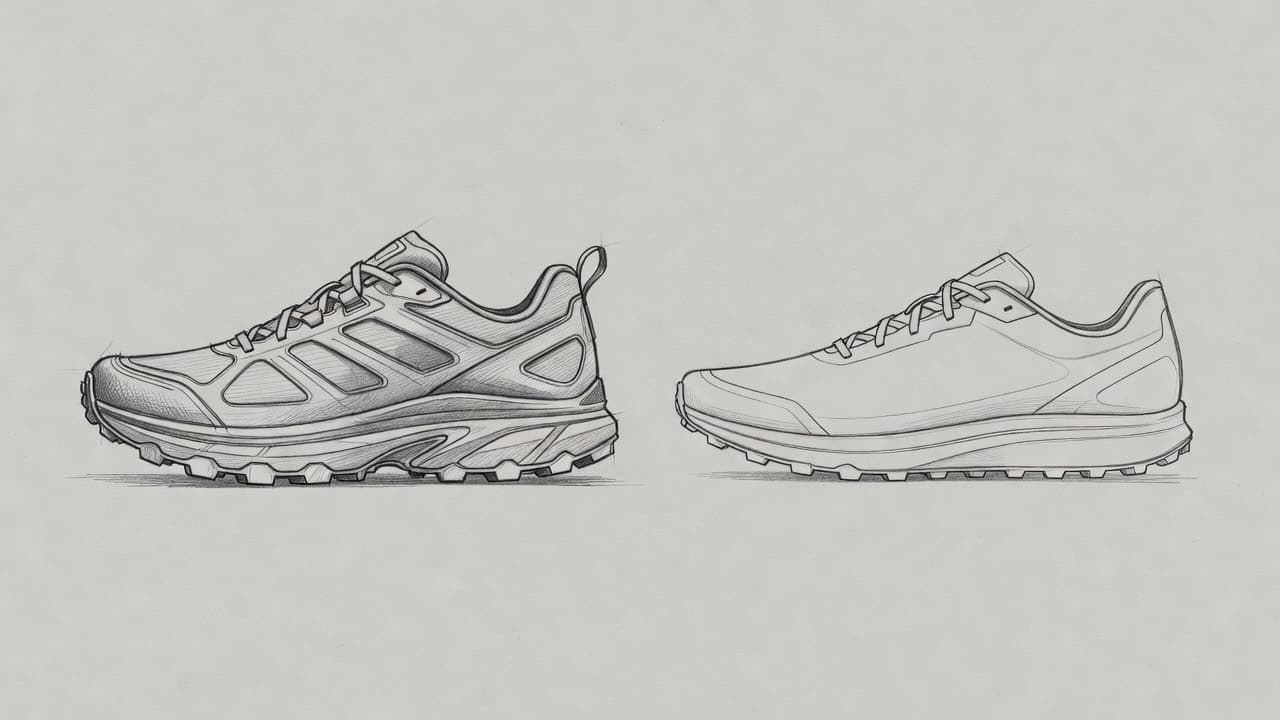
The Daichi 9 is made for runners who want a shoe that feels settled when the trail changes its mind. It gives off a planted, protective feel, so roots, loose rock, and uneven dirt do not feel as sharp underfoot. That extra calm matters on longer runs, when tired legs start asking for more help from the shoe.
It also fits well in a rotation for days when the route is less predictable. If you want a shoe that can handle a bit of everything without feeling twitchy, the Daichi 9 makes sense. It is the kind of shoe you reach for when control matters more than quickness, similar to the steadier feel discussed in the ASICS Gel Trabuco Terra 3 review.
ASICS Fuji Lite 7: the lighter, quicker feel for nimble running
The Fuji Lite 7 goes the other way. It feels lighter on the foot and more willing to move with you, which helps when you want easy turnover and a lively ride. On smoother trail, that can feel freeing, almost like the shoe gets out of the way and lets your stride stay open.
Runners who like a responsive trail shoe often gravitate to this kind of feel. It works well for shorter efforts, tempo-style trail runs, and days when you want speed without a heavy ride. If you prefer a shoe that encourages fast feet and sharp direction changes, the Fuji Lite 7 fits that role better than a more protective daily trail option. For a broader look at the type of trail shoe that balances grip and comfort, see my thoughts on the Nike Wildhorse 9.
How the fit and upper change the run
Fit shapes how a trail shoe feels the moment you lace it up, but it also changes how you run once the trail starts leaning hard to one side. A secure upper keeps your foot calm when the ground shifts, while a roomy or softer upper can make longer miles feel less tense. In the Daichi 9 vs ASICS Fuji Lite 7 comparison, that difference matters just as much as grip or stack height.
When the trail tilts, your foot wants to slide. On steep climbs, you want the heel to stay put and the midfoot to feel locked in, so you are not wasting energy shifting inside the shoe. On fast descents, that same hold helps keep your toes from smashing forward with every step.
The Daichi 9 gives off a more secure, steady feel, which helps when the path gets rough or angled. That kind of hold can make a runner feel planted on off-camber ground, where a loose upper can turn every step into a small correction.
The Fuji Lite 7 feels more stripped down and quick, so it can feel nimble when you want speed. That lighter build is a plus on smoother trail, but runners who like a lot of upper structure may notice less wrap and less protection when the surface gets messy. For more on how upper shape affects trail fit, the ASICS Fuji Speed 4 fit and feel review offers a useful point of reference.
On technical terrain, lockdown is not a luxury, it is part of control.
Comfort over long miles versus a close, race-ready feel
Over longer runs, a little more room in the upper can keep the shoe from feeling harsh. Your feet swell, your stride softens, and a slightly more forgiving fit can reduce hot spots across the forefoot or pressure around the laces. That is where a shoe like the Daichi 9 can feel easier to live in when the miles stack up.
The Fuji Lite 7 leans closer to a race-ready fit. It hugs the foot more tightly, which can help if you want a sharper connection to the trail and less movement inside the shoe. Runners with narrow feet often like that feel, because it creates a more direct, confident step.
A simple way to think about it is this:
- More room helps on long, steady trail days.
- More hold helps when pace, turns, and footing get demanding.
- A protective upper can feel calmer on mixed terrain.
- A lighter upper can feel faster when you want less between you and the ground.
If you care most about comfort and a relaxed fit, the Daichi 9 has the edge. If you want a closer, more responsive feel, the Fuji Lite 7 makes more sense.
Cushioning, ride, and how the shoes feel underfoot
The biggest difference between these two trail shoes shows up once the ground starts to wear on you. Cushioning changes how much shock reaches your legs, while the ride tells you whether the shoe feels smooth, lively, or a little flat under pressure. When the miles get long, those details stop being small.
Which shoe feels smoother on long trail miles?
The Daichi 9 feels smoother when the run stretches out and the trail keeps asking for more. Its more protective underfoot feel helps soften repeated impact on packed dirt, hard gravel, and rocky sections, so your legs do not feel as beat up late in the run. That matters most when you move from fresh and quick to tired and steady.
The Fuji Lite 7 feels lighter and more nimble, but it does not mute the trail as much. Early on, that can feel fast and clean. Later, especially on rougher routes, the firmer ride may ask more from your feet and calves. If you like a shoe that keeps you aware but still comfortable, it can work well. If you want the shoe to carry more of the load, the Daichi 9 is easier to trust.
According to REI’s trail-running shoe guide, trail shoes need to balance grip, protection, and comfort because trail surfaces change fast. That balance is exactly where these two models split.
Which one gives more ground feel and trail feedback?
The Fuji Lite 7 gives you more trail feedback. You feel the surface sooner, which helps on technical trails where quick adjustments matter. That connected feel can make a shoe feel sharper on roots, small rocks, and uneven turns because your foot gets a clearer read on what is below it.
The Daichi 9 softens more of that feedback. That can be a plus on longer runs, but too much cushion can blur the trail and make the shoe feel a little less precise. If you like to sense every shift underfoot, the Fuji Lite 7 will feel more direct. If you want more buffer and less chatter from the ground, the Daichi 9 is the calmer choice.
More cushion helps when fatigue rises. More feedback helps when the trail gets technical.
For runners comparing Daichi 9 vs ASICS Fuji Lite 7, the choice comes down to this: the Daichi 9 feels smoother and more forgiving, while the Fuji Lite 7 feels snappier and more connected.
Grip, traction, and control when the trail turns tricky
When the surface changes under your feet, traction matters as much as cushion. A shoe can feel great on the first mile, then lose its edge the moment wet dirt, loose stone, or a slick rock slab shows up. That is where the Daichi 9 vs ASICS Fuji Lite 7 split becomes very practical.
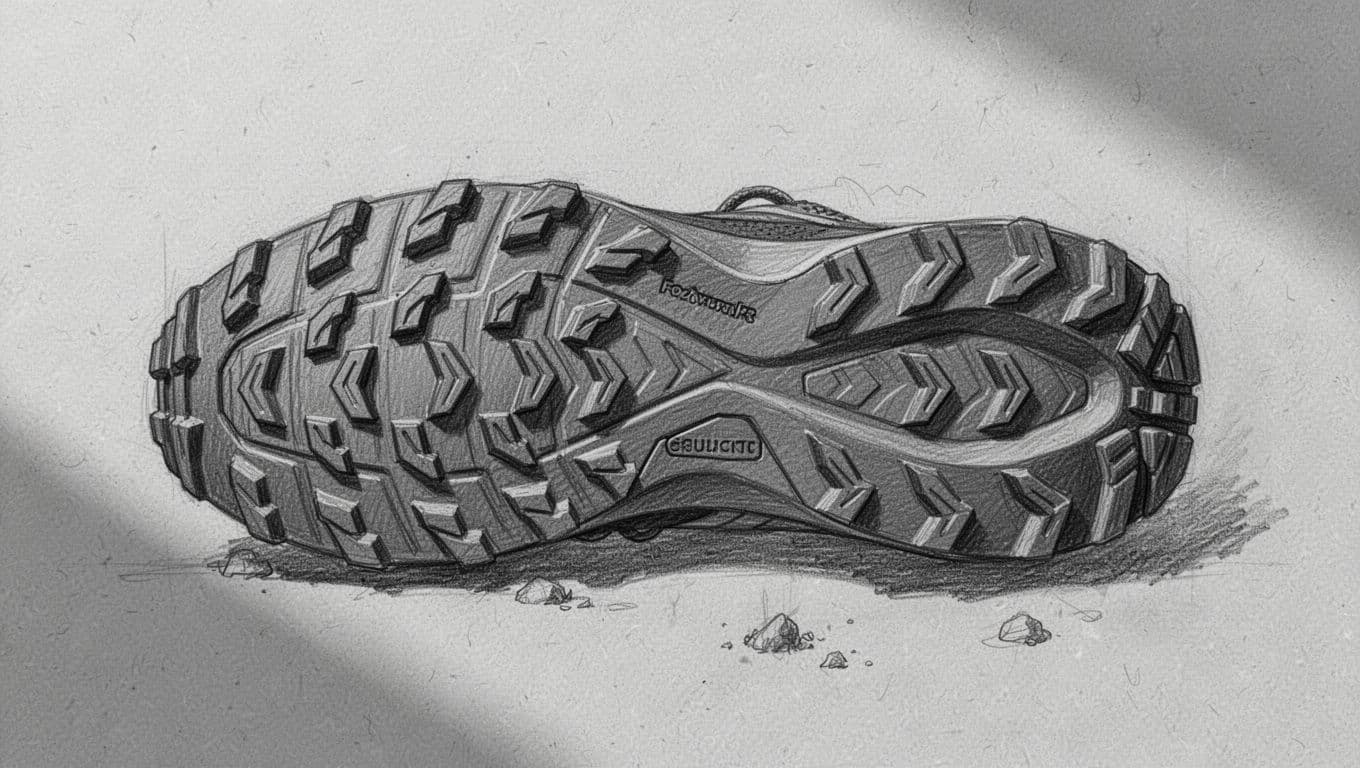
On wet dirt, the shoe with the more confident outsole usually feels less sketchy right away. The Daichi 9 is the kind of shoe that tends to feel steadier when the trail turns soft or damp, because a more rugged outsole gives you a better sense of bite underfoot. You feel that extra hold most on push-off, when your foot wants to slip back instead of driving forward.
The Fuji Lite 7 feels quicker and lighter, which is nice on smoother trail, but that lighter feel can come with less planted traction when the ground gets slick. On loose dirt or gravel, it may still move well, yet you can notice a little more slide before the outsole settles in. That is fine for runners who stay relaxed and light on their feet, but it matters when the path is steep or uneven.
Wet ground, loose dirt, and rocky paths
Rocky trails tell a similar story. On hardpack and dry rock, both shoes can feel usable, but the Daichi 9 usually gives more confidence when the terrain turns mixed. The extra grip helps when you are stepping from stone to dirt to root in one short stretch. If you want a broader look at how trail tread affects footing, the REI trail-running shoe guide breaks down why outsole traction matters on changing terrain.
The best grip is the one you stop thinking about.
A simple way to judge this is by how often you correct your stride:
- More corrections usually mean less confidence on the surface.
- Fewer corrections usually mean the outsole is doing its job.
- Stable landings matter more when the trail is wet or uneven.
- Quick turnover helps only if your footing stays secure.
When outsole bite matters more than speed
Fast-feeling trail shoes can make you want to run faster, but speed loses value when you start guarding every step. If a shoe feels lively yet slides on corners, you spend more energy fixing your line than holding pace. That is where control wins.
The Fuji Lite 7 makes sense when the trail is smoother and you want a nimble ride. It feels light on transitions, so short efforts and rolling paths can feel easier to push. The tradeoff shows up when the route gets loose, because a more speed-first shoe can ask for cleaner foot placement and quicker reactions.
The Daichi 9 is the safer call when the trail gets messy. It may not feel as snappy, but it gives you a stronger base when the surface shifts under you. On mild mud, for example, the extra bite helps you keep moving without that split-second hesitation that can break rhythm on technical ground.
Control should win when:
- The trail is wet or patchy with mud.
- Loose gravel sits on top of hard ground.
- You are descending and need braking grip.
- The route has sharp turns or off-camber sections.
A lighter shoe can still be the right choice for race day or faster trail miles. Even then, traction has to meet the terrain halfway. Otherwise, the shoe feels quick on paper and cautious in motion.
For runners comparing Daichi 9 vs ASICS Fuji Lite 7, the difference is simple. The Fuji Lite 7 feels better when the path is friendly and the pace stays up. The Daichi 9 feels better when the trail gets rough, because traction and control start to matter more than that airy, fast-first feel.
Who should choose the Daichi 9 and who should pick the Fuji Lite 7?
The choice gets easy once you match the shoe to the run you actually do. The Daichi 9 is the safer pick for runners who want more protection, more stability, and less fuss on uneven ground. The Fuji Lite 7 fits runners who want a lighter, quicker feel and care more about speed than shelter.
Choose the Daichi 9 if you want more protection and stability
Pick the Daichi 9 if you want a trail shoe that feels calm when the surface turns uneven. It suits runners who spend time on rougher routes, longer efforts, or trails where footing changes every few steps. The shoe makes more sense if you dislike feeling every sharp edge underfoot.
This is the better option for runners who want a safer, more dependable ride on technical terrain. If your trail days often include steep descents, rocky climbs, loose gravel, or damp ground, the Daichi 9 gives you more reassurance. It helps keep your stride steady when fatigue starts to blur your form.
The Daichi 9 also fits runners who prefer a little extra buffer on long runs. When your legs get tired, a protective shoe can feel like a steady hand on your back. That matters if you run for hours, head into mixed conditions, or simply want fewer surprises from the ground.
Choose the Daichi 9 if you:
- Run longer trail miles and want more underfoot comfort.
- Train on rough, uneven, or less predictable terrain.
- Want extra stability on descents and off-camber sections.
- Prefer a shoe that feels planted over one that feels fast.
For runners who value confidence more than speed, the Daichi 9 is the more practical choice. It is built for control first, which is exactly what many trail runners need on demanding days. If your routes often feel like a puzzle of rocks, roots, and loose patches, this shoe keeps more pieces in place.
Choose the Fuji Lite 7 if you want a faster, lighter trail shoe
Pick the Fuji Lite 7 if you want a shoe that feels nimble the moment you start moving. It is a better match for runners who like quicker turnover, shorter trail sessions, and a shoe that does not feel bulky. The lighter feel helps when you want the trail to feel open instead of armored.
This shoe works well for runners who like speed on dirt. It feels more natural on smoother paths, rolling singletrack, and race-day efforts where you want to stay light on your feet. If you care about agility and quick direction changes, the Fuji Lite 7 feels more responsive than a more protective option.
It also fits runners who do not want extra shoe around them. Some trail shoes feel like they are asking for a long hike. The Fuji Lite 7 feels more like a run shoe with trail grip, which is why it suits faster workouts and shorter outings so well.
Choose the Fuji Lite 7 if you:
- Run short to moderate trail sessions.
- Want a lighter shoe for race day or tempo work.
- Stick to smoother or less technical trails.
- Prefer a close, quick-feeling ride without bulk.
For runners who like to stay connected to the ground and keep the pace honest, the Fuji Lite 7 is the cleaner fit. It gives you speed and freedom, as long as the trail does not demand too much protection.
If your first concern is staying protected, choose the Daichi 9. If your first concern is moving fast, choose the Fuji Lite 7.
Best match by distance, terrain, and training day
The easiest way to decide is to match the shoe to the run on your calendar. A shoe can look good on paper and still feel wrong on the wrong day. That is why the Daichi 9 vs ASICS Fuji Lite 7 comparison works best when you think in real training use, not abstract features.
For easy trail miles, the Daichi 9 is usually the better match if the route is rough or mixed. It keeps the run comfortable and steady, so you can focus on effort instead of every rock underfoot. The Fuji Lite 7 can handle easy miles too, but it shines more when the trail is smooth and your pace picks up naturally.
For tempo work on dirt, the Fuji Lite 7 makes more sense. It feels quicker under pressure and does not drag your stride down. If you want a shoe that helps fast running feel less forced, that lighter setup is the better tool. The Daichi 9 can still work here, but it feels more like a control shoe than a speed shoe.
Short Trail Racing
For short trail races, the Fuji Lite 7 is the sharper pick on cleaner terrain. It lets you move with less bulk and more snap. On rougher race courses, though, the Daichi 9 may be the smarter option if the route includes long rocky stretches or slick turns.
For longer adventures, the Daichi 9 usually wins. More protection and stability matter more when the miles pile up and the trail keeps changing. If the plan includes fatigue, uneven footing, or a full day on your feet, the more settled ride is easier to trust. For broader trail shoe context, RunRepeat’s trail shoe guide is helpful when you want to compare how different designs handle grip, cushioning, and terrain.
A simple rule helps here:
- Pick the Daichi 9 for longer runs, rough trails, and mixed terrain.
- Pick the Fuji Lite 7 for shorter efforts, smoother trails, and faster running.
- Pick the shoe that matches your most common route, not your rarest one.
That last point matters most. A shoe that fits your normal trail will help more than a shoe you only love on ideal days.
Conclusion
The Daichi 9 vs ASICS Fuji Lite 7 choice comes down to one clear tradeoff, more protection and steadiness, or more speed and lightness. If your runs lean rough, long, or unpredictable, the Daichi 9 gives you a calmer ride and more confidence when the trail starts throwing rocks, roots, and loose ground at you.
The Fuji Lite 7 makes more sense when you want a lighter shoe that moves fast and stays quick underfoot. It feels best on smoother trails, shorter efforts, and race days where you want the shoe to disappear and let your stride lead.
If you still want to compare more options after this matchup, the best trail running shoes guide can help you sort choices by terrain and feel.
Pick the shoe that matches your usual trail, your usual distance, and the way you like the ground to feel underfoot. That choice will pay off far more than chasing a shoe built for someone else’s run.


