

Daichi 9 Durability: How Long Does It Last on Trails?
How much Daichi 9 durability you get depends on more than the outsole. If you’re using this shoe for trail runs, daily training, or mixed terrain, you want to know whether it can handle sharp rocks, packed dirt, and repeated miles without losing its feel too soon.
The Daichi 9 draws attention from runners who care about grip and ground feel, but long-term wear tells the fuller story. Upper strength, midsole life, outsole traction, and how the shoe handles rough trails all shape how long it stays useful. A shoe can look solid on day one and still break down fast if one part gives out early.
That’s why the real question is who the Daichi 9 is built for, and how far its build can go before performance starts to fade.
What the Daichi 9 is built to handle on the trail
The Daichi 9 is built for runners who spend time on mixed ground and want a shoe that feels steady, protected, and ready for repeat use. It’s not made for delicate, groomed paths alone. It’s meant for the kind of trail run where dirt turns to gravel, the surface gets choppy, and your shoes take a few hits before the run is over.
Build Your Complete Race-Day Setup
The right shoe helps, but faster racing comes from better training, pacing, recovery, fueling, and execution.
More Guides for This Shoe
That matters when you judge Daichi 9 durability. A trail shoe can only last so long if it starts out underbuilt. The Daichi 9’s value comes from how it balances protection, traction, and a shape that stays composed when the trail gets rough.
A quick look at the shoe’s trail-ready design
The outsole coverage is another part of the story. More rubber underfoot usually means better resistance to abrasion, especially when you spend a lot of time on dirt, gravel, and rough rock. You want that rubber to take the hit first, not the softer foam beneath it.
The platform shape matters too. A stable, grounded base helps the shoe stay calm when you land on angled roots or loose stones. In other words, the design is trying to protect both the shoe and your stride at the same time.
A trail shoe shows its true build quality after repeated contact with rocks, grit, and off-camber ground.
Who tends to get the most out of it
The Daichi 9 makes the most sense for runners who need one shoe to do more than one job. Daily trail runners will appreciate it because regular use exposes weak points fast, and this kind of build is meant to take that wear in stride. Light hikers can also benefit if they want a shoe that feels more athletic than a hiking shoe but still offers real protection.
It also fits runners who spend a lot of time on dirt, gravel, and moderate rocks. Those surfaces punish shoes in different ways, with sharp edges, sliding debris, and constant friction. For a runner using the Saucony Peregrine 16 performance review or comparing options like the ASICS Gel Trabuco Terra 3 review, use case matters as much as mileage.
If your routes are smooth and soft, almost any trail shoe can seem durable. Once the terrain gets rough, the real test begins.
Daichi 9 durability starts with the outsole
Outsole wear tells you a lot about how long the Daichi 9 will stay useful. The rubber is the first part to meet the ground, so it takes the hits before the foam or upper starts to complain. If that layer wears down fast, the shoe loses traction, confidence, and part of its trail-ready feel.
The type of ground matters just as much as the miles. Soft dirt usually gives the outsole a break, while hard rock, gravel, and pavement grind it down faster. That’s why a shoe can feel tough early on and still lose life quicker than expected once the miles pile up on harsher surfaces.
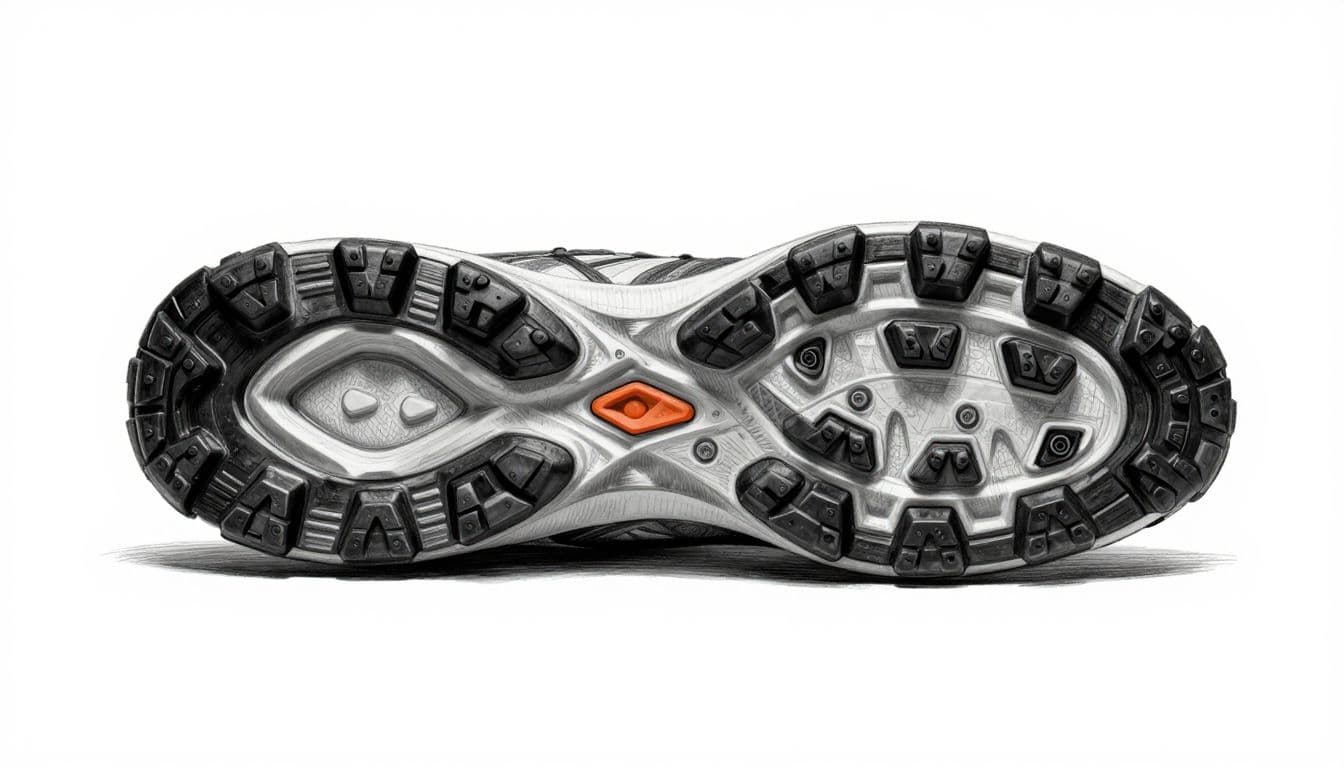
How the lugs hold up on dirt, rocks, and pavement
On soft trail surfaces, the lugs can hold their shape for a long time because the ground gives a little. Dirt and pine needles spread the pressure out, so the outsole wears more slowly and the tread keeps its edge longer. That is where the Daichi 9 can feel most at home.
Harder ground changes the story. Gravel acts like sandpaper, and rocks press directly into the lugs with every step. Pavement is even harsher for a trail shoe, because the rubber gets constant friction on a flat, unyielding surface. If you mix in road miles, the outsole can look strong at first but fade faster than you expect.
For runners who want a broader view of trail shoe wear, this durability guide for Brooks Launch 12 shows how surface choice affects lifespan in a similar way.
Why traction matters for long-term use
Traction is easy to judge on day one. Long-term traction is the real test. As the lugs flatten, the shoe loses bite on loose dirt, wet rock, and off-camber trails. The grip may still exist, but it starts to feel blunt instead of confident.
That change affects how the shoe runs. You may notice less control on climbs, more slipping on descents, and a softer, less exact feel during turns. In short, worn traction changes the shoe’s purpose, not just its look.
When lugs smooth out, the shoe can still be wearable, but it stops feeling like a true trail tool.
What to watch for as the outsole ages
A worn outsole gives clear warning signs if you know where to look. Rounded lugs are the first clue, especially on the forefoot and heel, where contact hits hardest. Those high-wear zones often go shiny or smooth before the rest of the outsole catches up.
Keep an eye on how the shoe behaves on damp ground too. If it used to bite well and now slides sooner, the rubber has likely lost some of its edge. You might still use the shoe for dry, easy runs, but wet or technical trails will expose the wear fast.
A simple check helps:
- Rounded edges on the lugs mean the tread is losing its sharp hold.
- Smooth patches under the heel or forefoot point to repeated hard contact.
- Less grip on wet ground shows the outsole is no longer doing its best work.
If you want a reference point for how another daily trainer shows wear over time, the Asics Gel Pulse 15 durability review is useful for comparing outsole and foam breakdown.
The bottom line is simple. The Daichi 9 can last well when you keep it on trail-friendly ground, but pavement and gritty surfaces will shorten its outsole life sooner. Watch the lugs, watch the grip, and the shoe will tell you when it still has trail miles left.
How the upper and overlays affect daily wear
The outsole may take the first hit, but the upper decides how fresh the shoe still feels after the miles add up. On trails, brush scrapes the sides, mud loads the mesh, and rocks catch the toe with every stumble or misstep. Over time, that mix can stretch soft fabric, wear through thin spots, and loosen the clean shape of the shoe.
Mesh, reinforcement, and abrasion resistance
Trail uppers need airflow, but they also need armor in the right spots. Fine mesh can feel light and cool, yet it can wear well if the shoe uses smart reinforcement around the toe, midfoot, and lower sidewalls. That extra material acts like a shield, taking the scrape instead of letting the mesh shred first.
The Daichi 9’s upper follows that idea well. You want a shoe that breathes on warm runs, but you don’t want it to fray the first time it brushes a rock or snags on thorny trail growth. Good overlays let the upper flex without giving up too much toughness.
For runners who want a broader trail-shoe reference point, REI’s trail running shoe guide does a solid job of showing why toe caps and strong materials matter on rough ground.
Breathable doesn’t have to mean fragile, as long as the shoe puts reinforcement where the trail hits hardest.
Toe protection and sidewall coverage
The toe area takes repeated abuse on technical trails. Roots rise up at the wrong moment, rocks hide under leaves, and loose debris gets kicked forward with every step. A strong toe cap helps the shoe shrug off those hits, and it also protects your foot from direct impact when the trail turns mean.
Sidewall coverage matters too. When the upper wraps farther down the sides, it guards the mesh from scuffs during narrow passages, rocky climbs, and off-camber landings. That extra coverage can slow down wear in the places that usually age first, especially if you run often on uneven, debris-filled terrain.
The best trail shoes use these protections without turning the upper stiff. If the build is too rigid, the shoe loses comfort and starts to feel clunky. If it is too soft, the fabric wears too fast. The sweet spot is a shell that flexes, but doesn’t fold under pressure.
Where upper wear usually shows up first
Upper wear rarely appears everywhere at once. It usually starts in the same pressure points that get the most movement and friction. After a few hard runs, those spots tell you a lot about how the shoe is holding up.
Keep an eye on these areas:
- Toe flex zones, where the shoe bends most during push-off.
- Lace areas, where repeated tightening can loosen stitching or crease the fabric.
- Inside forefoot, which often rubs against the big toe and catches on trail debris.
If you notice thinning mesh, frayed edges, or stretched overlays, the upper is starting to show its age. Small scuffs are normal, but open tears or soft spots mean the shoe has been pushed past easy miles. That is especially true if you run through mud, brush, or rocky switchbacks on a regular basis.
The upper often gives early warning before the outsole looks worn out. So when you inspect the Daichi 9 after a tough run, look at the fabric as closely as you look at the lugs. The shoe may still grip well underfoot, yet the top can already be telling you how much life is left.
Does the midsole stay lively after enough miles?
The Daichi 9 can still look clean on the outside while the foam underfoot starts to fade. That matters on trails, where a shoe has to cushion repeated strikes, steady your stride, and keep your legs fresh over longer runs. When the midsole loses life, the shoe may still be usable, but it stops feeling as smooth and supportive.
Signs the cushioning is breaking down
Midsole fatigue usually shows up in the feel of the run before it shows up in the shoe. If the Daichi 9 starts feeling flatter, that is often the first clue. The foam may still look normal, but the bounce is gone and the landing feels more direct.
Pay attention to how your body reacts after familiar routes. If your legs feel more sore than usual, or your feet feel beaten up on runs that once felt easy, the cushioning may be fading. A shoe should not suddenly make the same trail feel harder.
A few signs stand out:
- Flatter ride: The shoe feels less springy and more dead underfoot.
- Less shock absorption: Rocks and hard ground feel sharper on contact.
- More soreness: Your calves, arches, or knees may complain sooner.
A worn midsole can hide behind a clean-looking upper and outsole.
You can also notice changes in stability. If the shoe feels less centered or more sloppy through turns, the foam may not be holding its shape as well. For a simple replacement check, this shoe wear guide gives a solid baseline for what dead cushioning feels like in daily use.
How trail surfaces can wear the foam faster
Mileage alone does not tell the full story. Two runners can log the same distance and get very different results from the same shoe. Rough trails, rocky descents, and long stretches on hard ground compress foam faster than soft dirt does.
Heavier runners often notice this sooner. More body weight means more force on every landing, so the midsole gets packed down faster. The same goes for runners who spend a lot of time on hard-packed fire roads or mixed road-to-trail routes, because the foam has less chance to recover between impacts.
The type of run matters too. Long runs beat on the same zones again and again, especially the heel and forefoot. Over time, that repeated pressure can make the Daichi 9 feel tired even if the outsole still has life left.
That is why Daichi 9 durability is about more than visible wear. A shoe can look fine, yet still lose the lively feel that makes long trail miles easier to manage. If the cushioning feels flat, the shoe is telling you it has moved past its best days, even if the upper and lugs still look solid.
Real-world mileage, weight, and running style all change the answer
There is no single mileage number that tells you when the Daichi 9 is done. Two runners can wear the same shoe on the same trail and get very different results, because body weight, pace, stride, and terrain all change how fast the shoe wears down.
That is why Daichi 9 durability should be judged by use, not by a fixed rule. A light runner on soft dirt will usually see the shoe hold its shape longer than a heavier runner hammering rocky descents. Add frequent training, road connectors, and quick downhill running, and the wear pattern changes again.
Lighter runners usually place less force into each landing, so the midsole and outsole get a smaller hit with every step. That lower load can slow visible wear, especially on the heel and forefoot, where the shoe takes the most abuse. Over time, the lugs may stay sharper and the foam may keep its feel a bit longer.
Still, weight is only part of the story. A light runner who attacks sharp rocks, runs hard on technical trails, or uses the shoe several days a week can wear it out faster than expected. Smooth miles help, but trail style matters just as much.
If you want a broader view of how trail mileage changes across different models, Altra Olympus 7 durability analysis offers a useful comparison point.
How heavier runners and fast descents add stress
Heavier runners compress the foam more on every landing, and that pressure adds up fast on long descents. Downhill running drives the foot into the shoe with extra force, almost like a hammer tapping the same spot over and over. The result is faster midsole packing and quicker outsole rounding.
Fast descents also increase braking forces. Each sharp turn, quick stop, or off-camber landing shifts stress into the sidewalls and outer edges of the shoe. That is where you may notice the Daichi 9 losing its clean, stable feel first, even if the upper still looks fine.
For a simple reference on how terrain affects wear, this trail shoe lifespan guide explains why rocky and steep routes shorten shoe life.
Training frequency and shoe rotation
Running the Daichi 9 every day keeps the same foam and rubber under constant pressure. That repeated stress gives the shoe less time to rebound between runs, so wear can show up sooner. A shoe used for every workout often looks tired before it truly hits its mileage ceiling.
Rotation helps. If you alternate the Daichi 9 with another trail shoe or even a road shoe for easy sessions, you spread the load across more pairs and give the materials a break. That can help the foam recover between uses and slow the breakdown of the outsole.
A simple rotation plan can look like this:
- Trail days: Use the Daichi 9 for rough ground and technical routes.
- Easy recovery runs: Use a different shoe when the route is smooth.
- Long runs: Save the Daichi 9 for days when you want its protection most.
The most useful way to judge durability is to match the shoe to your own habits. Mileage matters, but so do your weight, your terrain, and how hard you run it.
How to make the Daichi 9 last longer
A trail shoe lasts longer when you treat it like gear, not disposable race-day candy. The Daichi 9 can handle plenty of miles, but mud, moisture, and rough surfaces will chew through it faster if you leave it dirty or keep using it on the wrong ground.
Small habits matter here. A few minutes after each run can protect the outsole, keep the upper in shape, and help the foam recover between outings. That is especially useful after wet weeks, sloppy trail sessions, or back-to-back runs when every part of the shoe gets hammered.
Cleaning and drying the right way
After a muddy run, knock off the loose dirt before it dries and hardens. A soft brush or damp cloth works well for the outsole and upper, and it keeps grit from grinding into the fabric later. If the lugs pack with mud, the shoe loses traction faster and starts to feel older than it is.
Let the shoes dry on their own in a cool, open spot. Pull out the insoles if they’re soaked, loosen the laces, and give the inside room to breathe. For a quick reference on post-run care, Saucony running shoe performance includes practical maintenance advice that applies well to trail shoes too.
Heat is the fast way to ruin good foam. A dryer, radiator, or direct sun can make the materials age before their time.
After wet runs, stuff the shoes lightly with paper or a dry towel if needed, then replace it once it gets damp. That helps them dry faster without trapping moisture inside. Just avoid aggressive washing, because harsh scrubbing can break down stitching and soft overlays.
Using them on the right terrain
The Daichi 9 lasts longer when you keep it on surfaces that fit its purpose. Dirt, packed trail, gravel, and moderate rock are fine. Long road sections, sharp pavement edges, and abrasive concrete are where the outsole starts to vanish sooner.
If your route includes a few miles of road to reach the trailhead, the damage adds up. That extra friction flattens the lugs and dulls the ride, even when the rest of the shoe still looks fresh. A better move is to save the Daichi 9 for the rougher parts of your week and use another shoe for smooth or paved runs.
This kind of rotation helps the shoe stay in its lane. It keeps the rubber where it belongs and slows down the kind of wear that turns a trail shoe into a tired all-rounder.
When it makes sense to retire them
A shoe can look fine and still be done. When traction fades on wet dirt, loose gravel, or angled roots, the outsole is telling you it has lost its bite. If you start slipping in places that used to feel secure, the Daichi 9 is nearing the end of its useful trail life.
Cushioning is the next clue. When the ride feels flat, firm, or harsh on familiar routes, the midsole has likely packed down. You may also feel more leg fatigue after runs that used to feel normal.
Upper damage matters too. Watch for tears near the toe, stretched mesh, or broken overlays that change the fit. If the shoe no longer locks in well, or the upper rubs in new spots, it’s past the stage where simple care can fix it.
A clean shoe that still grips, cushions, and fits well is worth keeping in rotation. Once those three start to fade together, it’s time to move on.
Conclusion
Daichi 9 durability comes down to how the shoe handles real trail work. The outsole, upper, and midsole all play a part, but the ground under your feet decides how fast each one wears down.
On soft dirt and moderate trails, the Daichi 9 can stay in good shape for a long time. On rock, gravel, and pavement, the tread smooths out sooner, the foam feels flatter, and the upper starts to show where the miles have landed hardest.
That is why the best way to judge this shoe is by feel, not by looks alone. If the grip still bites, the upper still holds its shape, and the ride still feels steady after long runs, the shoe still has work left in it. When those signs start to fade together, the answer is clear, and the trail will tell you before the shoe does.


