

Copenhagen Half Marathon Route Guide
Race morning in Copenhagen has a special energy: city streets fill with runners, crowds gather along the course, and the route winds through neighborhoods with distinct character. Before you plan your splits or choose where friends should cheer, check the official course map for the current race edition. Organizers can change the Copenhagen Half Marathon route, so confirm the details before traveling or racing.
A clear picture of the course helps you pace with purpose, prepare for turns and crowd shifts, and avoid surprises on race day. You’ll find a practical route overview, pacing advice, and planning tips to help you arrive ready to run your best. Remember, make sure to reserve your Copenhagen Half Marathon hotels early to save on higher pricing later.
Key Takeaways
- Check the official Copenhagen Half Marathon course map before race day for the current route, hydration stations, and course features.
- Break the 21.097-kilometer course into manageable stages, adjusting your effort as turns, neighborhoods, and crowd support change.
- Start at your planned half-marathon effort instead of chasing early excitement; hold steady through the middle, then press late if you feel strong.
- Review your pacing, fueling, and race-day logistics in advance, so you can follow a clear plan when the streets get loud.
What to expect on the Copenhagen Half Marathon route
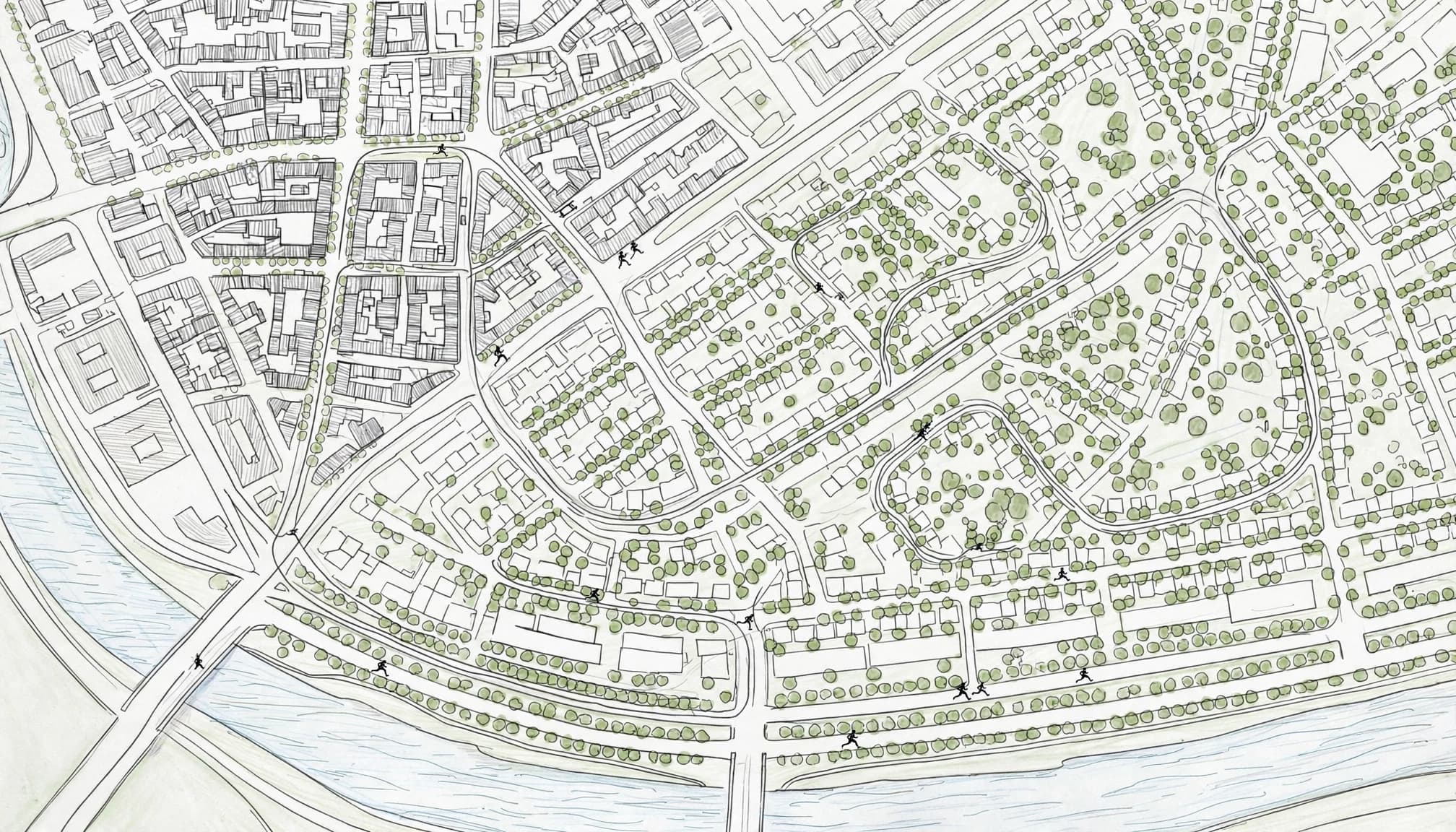
The Copenhagen Half Marathon covers 13.1 miles through a compact, lively city. Its route commonly connects Frederiksberg with central Copenhagen and neighborhoods such as Nørrebro and Østerbro, though the exact streets and direction can change from year to year. Expect an urban race, with stretches of local streets, busier central areas, and broad avenues that give runners room to find their rhythm.
How the neighborhoods shape the race
The neighborhoods give the course a changing feel. Residential streets in Frederiksberg and parts of Østerbro can feel intimate, with runners passing apartment buildings, corner shops, and spectators close to the curb. In Nørrebro, the street scene may feel busier and more varied, while central Copenhagen brings a denser city backdrop and larger crowds.
Build Your Running Performance System
Move from research to action with training, recovery, nutrition, pacing, and performance tools built for runners.
More Guides for This Runner Goal
Between those areas, wider avenues can offer a welcome chance to settle into pace. However, the course is not one long straight road. Turns and changes in street width can disrupt your stride or make it harder to judge effort, especially when the field is crowded. Look ahead for room, take corners smoothly, and avoid making sudden moves to pass.
The start and finish have commonly been near Øster Allé and Fælledparken in Østerbro. Treat that as a general orientation point, not a guarantee: confirm the current start and finish locations on the official map before race weekend. The event’s official course information can help you understand the route and its surroundings.
How to read the official course map
Open the edition-specific map before you travel, then trace the full route rather than relying on a remembered course from a previous year. First, locate the start and finish, then follow the kilometer markers to see where the race changes direction or passes through unfamiliar areas. That overview can help you plan your effort and choose useful meeting points for friends.
Next, check the aid-station locations and any marked course features. If you plan to take fluids or fuel at specific points, knowing where they appear helps you avoid last-minute decisions. Also look for road closures, access restrictions, and updates about route changes, especially if spectators need to reach the course by transit or on foot.
Save a copy or review the interactive map before race weekend, when mobile service or a busy schedule can make searching less convenient. Then check it again for updates. The current edition’s map is the best reference for exact streets, turns, and race logistics.
Follow the route through its key race stages
Treat the Copenhagen Half Marathon route as three pacing stages, not a turn-by-turn script. The streets, crowds, and race-day atmosphere will change around you, so keep your effort steady and check the official map for the edition you’re running. Exact landmarks and kilometer locations can change.
Settle into the opening miles
A large starting field can compress your first steps, while music and spectators may tempt you to surge as soon as the road opens. Resist that pull. Find a safe pocket, let the crowd settle, and run by effort until you have room to reach your planned pace.
In the first few kilometers, focus on relaxed breathing and smooth strides rather than passing every runner who starts faster. Small pace spikes can add up before you’ve found your rhythm. Aim to reach the early part of the race feeling controlled, with enough reserve to respond if the course narrows or turns.
Stay steady through the middle miles
Once the field spreads out, use the middle portion to lock into a repeatable rhythm. Copenhagen’s urban streets bring turns, changes in crowd density, and stretches with different amounts of running room. Look ahead before changing lanes, take corners without cutting across other runners, and avoid weaving to chase a few seconds. Repeated surges cost energy and can disrupt your pace.
Course markers help you check whether effort and pace still match your plan, especially when the surroundings make distance hard to judge. Review the official Copenhagen Half Marathon course map for this year’s kilometer points and hydration stations. Decide in advance where you expect to drink or take fuel, then approach each station calmly. Moving toward a table at the last second can cause a sudden slowdown or a collision.
Save focus for the final miles
Late in the race, familiar streets can feel longer as fatigue builds. Your stride may shorten, and it can take more concentration to hold the same effort. Break the remaining distance into manageable pieces, then check your posture and breathing at each kilometer marker instead of reacting to every surge around you.
Before race day, study the map’s final approach so you know which streets and turns come near the end. Don’t assume a familiar landmark signals the finish; follow the course markers and organizer guidance for the current edition. When the finish is close, use the crowd’s energy without sprinting too early. Keep your form compact, maintain a strong effort, and increase your pace only if you can do so without losing control.
Understand the course’s surface, turns, and elevation
The Copenhagen Half Marathon is widely known as a fast city course, in part because its urban terrain is generally flat. Still, a low-hill profile doesn’t guarantee an uninterrupted rhythm. Pavement, turns, road features, and crowd movement can all change how the route feels beneath your feet.
Is the Copenhagen half marathon course flat?
For most runners, the course feels flat compared with races that include sustained climbs. That makes it easier to settle into a steady effort, but small rises and dips still matter. Bridge approaches, ramps, and changes in road level can briefly ask more of your legs, especially late in the race when fatigue has built.
Turns also affect pace. Even on level ground, a sharp corner can interrupt your stride or force you to slow behind other runners. Rather than trying to make up every lost second immediately, ease back into your planned effort after the turn. That approach protects your energy and helps you avoid surging.
The streets are paved, but surfaces may vary by block. Drain covers, painted road markings, seams, and uneven patches can affect footing, so keep your eyes a few steps ahead in busy stretches. For the specific route and features in your race year, check the current Copenhagen Half Marathon course information alongside the organizer’s map and runner guide. Course details can change between editions.
Plan for pavement, turns, and crowded sections
If most of your training happens on soft trails or a treadmill, add some runs on paved roads. This gives your legs time to adapt to the firmer surface and helps you practice holding a relaxed stride on streets. You don’t need to run every workout on pavement; a few regular sessions can make race day feel more familiar.
Practice turning at training pace, too. Look through the corner, follow the natural curve, and leave space rather than cutting across another runner’s line. On race day, sudden side steps and weaving can waste energy or create contact, particularly where the course narrows.
Early crowding may make passing difficult, even when you feel ready to move faster. Start in the area that matches your expected pace, then wait for clear space before passing. Road markings and course signs can help you stay oriented, but follow race officials’ directions and the current runner guide for confirmed instructions. With a steady opening effort and patient cornering, you can keep the course’s small disruptions from dictating your pace.
Choose Your Distance, Duration and Goal Time
Make three quick selections and open the exact plan built for your race target.
Looking for a Fully Personalized Training Plan?
The training plans above are an excellent choice if they match your goal. However, if you’d rather train with a plan built specifically around your current fitness, goal race, preferred training days, weekly mileage, and target finish time, our RDA Custom Training Plans provide a personalized solution. We also have running courses available for runners seeking to run faster from the mile to the marathon.
Why Choose a Custom Training Plan?
| Standard Training Plan | RDA Custom Training Plan |
|---|---|
| Follows a fixed schedule | Built around your schedule |
| Standard weekly mileage | Peak mileage customized for you |
| Fixed workout days | Train on the days you choose |
| Same structure for everyone | Designed around your current fitness |
| Static plan | Updated as your fitness improves |
| One-time purchase | Ongoing personalized coaching and support |
What You’ll Receive
- A training plan built specifically for your goal
- Personalized training paces
- Long runs, tempo runs, threshold workouts, interval sessions, recovery runs, and easy runs
- Peak weekly mileage matched to your experience level
- Flexible training schedule that fits your life
- Ongoing plan adjustments as your fitness improves
Ready to Train Smarter?
Stop guessing and start following a plan built specifically for you, your schedule, and your racing goals.
Choose a pacing plan that fits this fast city course
The Copenhagen Half Marathon route can reward steady pacing, but a fast course doesn’t mean you should chase a personal best from the opening mile. Build a plan around effort, practice it in training, and leave room to adjust when the streets or conditions change. For first-time half marathoners, consistency matters more than an ambitious split; for experienced runners, patience can protect the strong finish a personal best requires.
Keep the early excitement from setting your pace
At the start, run by feel until the field opens. Music, spectators, and runners surging around you can make an easy effort feel slow, but weaving through traffic or accelerating to pass often costs more than it saves. Find a safe pocket, keep your breathing controlled, and settle toward goal pace once you have room.
GPS pace may jump around among tall buildings and frequent turns. Check your watch at course markers or over a longer stretch rather than reacting to every instant reading. If the pace briefly drops in a crowd, hold your effort and ease back into rhythm when space returns.
Use aid stations and race fueling with a plan
Check the current runner guide before race day for aid-station locations and the drinks or fuel on offer. The event’s refreshment-zone tips can help you prepare for taking fluids in a busy field. Practice your fueling schedule in training with familiar gels or sports drink, and use the same timing on race day when conditions allow.
Approach a station with a decision already made. Move toward the side you plan to use, take a cup without stopping suddenly, and keep moving as you drink. If you need to slow down, look behind you first and move clear of the main flow. For a first half marathon, a simple plan you have rehearsed is more dependable than trying new products midrace.
Adjust your goal to the day’s conditions
Wind, temperature, rain, and crowded roads can all change the pace that feels sustainable. A headwind or wet pavement may call for more effort at the same speed, while warm conditions can make a goal split costly early. Stay flexible and follow perceived effort instead of forcing a personal-best pace when the course doesn’t support it.
A simple way to divide the 13.1 miles is to keep the opening 3 miles controlled, hold a steady effort through roughly mile 10, then assess how much you have left for the closing 3.1. These are effort cues, not fixed pace targets. Rehearse goal-pace segments and fueling during training so race day feels familiar; if you feel strong late, gradually increase effort rather than making one sharp surge.
Plan your start, spectators, and race-day travel
A strong race-day plan covers more than your pace. Confirm where to go, how supporters can reach the course, and where you’ll meet after the finish. The Copenhagen Half Marathon’s start groups, access rules, road closures, and transit conditions can change, so follow the current organizer guide and local transit notices.
Reach the start area without a last-minute rush
Before race weekend, check your bib details and assigned start group, including its arrival time and location. Review the official runner information and start details for bag-drop rules, toilet locations, and entry instructions. Don’t assume procedures from a previous year still apply.
Plan your route to the start, then allow extra time for crowds, security checks, and streets closed to traffic. Public transit may be easier than driving, but check current service notices before leaving. Race-day changes can affect routes and station access, so build in a backup option and avoid cutting your arrival time close.
Pick spectator spots that are easy to reach
Supporters will have a better chance of seeing you if they choose one or two viewing points near transit, rather than trying to cross the city to follow the race. Check the official spectator guide and current course map for accessible streets, crossing rules, road closures, and estimated runner times. Access can vary by location, so don’t count on crossing the course wherever it looks convenient.
Agree on a meeting point before the start, and choose a clear location away from the finish-area crowds. Share a specific landmark or street corner, plus a backup spot in case phone service is slow or you miss each other. Runners can also share an estimated finish time, but leave room for delays.
Make a simple plan for the finish and recovery
After 13.1 miles, it’s easy to lose track of one another in a busy finish area. Set a reunion point outside the densest crowds, and make sure both runner and supporters know how to get there. Check the event’s rules for finish-area access and baggage before deciding who can meet you near the finish.
Pack food, fluids, and a warm layer for after the race, especially if you’ll spend time waiting outdoors. Keep essentials with a supporter or in an approved bag drop, depending on the event rules. Once you’ve recovered enough to move comfortably, follow your planned transit route rather than making travel decisions amid the finish-area rush.
Frequently Asked Questions
Race-day details can change between editions, so use the current organizer information alongside your pacing plan. These answers cover common questions about the Copenhagen Half Marathon route and getting to the start.
How long is the Copenhagen Half Marathon?
A half marathon is 13.1 miles, or 21.1 kilometers. The certified Copenhagen course is measured and set to the official race distance. Your GPS watch may record a little more or less because of turns, signal interruptions, and the exact path you run through the field.
Where does the Copenhagen Half Marathon start and finish?
Start and finish locations can vary with the race edition and event setup. Check the current official course map and race guide for confirmed locations, access points, and directions. An old map or last year’s travel plan may send you to the wrong place.
Can spectators cross the course during the race?
Crossing access depends on road closures and race-day instructions, so spectators shouldn’t assume every street will be passable. Use approved crossings, follow staff directions, and check the organizer’s spectator guidance before choosing where to watch. Planning around a permitted crossing can save a long detour.
Is the course suitable for a first half marathon?
Many first-time half marathoners may find the urban route approachable, thanks to its generally flat profile and strong crowd support. Still, 13.1 miles demands preparation, and a suitable training plan helps you manage pacing and fatigue. Practice on pavement and prepare for turns and crowded sections, especially near the start.
When should runners arrive at the start?
Follow the arrival instructions for your assigned start group, since schedules and access procedures can differ by edition. Allow enough time for transit, any security or entry checks, toilets, and a warm-up. If bag drop is available and you plan to use it, include that step in your schedule too.
Conclusion
The Copenhagen Half Marathon route is generally flat, but a confident race takes more than chasing pace. Know the course, start patiently, and adjust when crowds, turns, or weather change how the streets feel. That steady approach gives you room to run with control early and respond to your strength in the final miles.
Before race day, check the current official course map and event guide for route details, aid stations, start instructions, and spectator access. With a clear plan and the flexibility to adapt, you can meet the course ready to run your own race.


