

Cloudswift vs Cloudmonster: Choosing Your Ideal Running Shoe
Finding the right pair of shoes often feels like a gamble between comfort and speed. You want a responsive ride, but you also need enough protection to handle your weekly mileage without leaving your legs feeling beat up.
The Cloudswift vs Cloudmonster debate captures this tension perfectly. It is a choice between urban agility and the plush, maximalist support you crave for longer sessions.
Understanding how these two models perform will help you decide which one earns a spot in your rotation. Whether you are prepping for a race or building consistency, picking the right footwear is a foundational aspect of your training.
Understanding the Cloudswift Design
The Cloudswift serves as a purpose-built tool for the concrete landscape. Its design philosophy centers on agility and responsiveness, prioritizing the specific demands of city running. When you navigate sharp corners or transition between sidewalk surfaces, the shoe provides a secure, locked-in feel that keeps your stride efficient.
Build Your Complete Race-Day Setup
The right shoe helps, but faster racing comes from better training, pacing, recovery, fueling, and execution.
More Guides for This Shoe
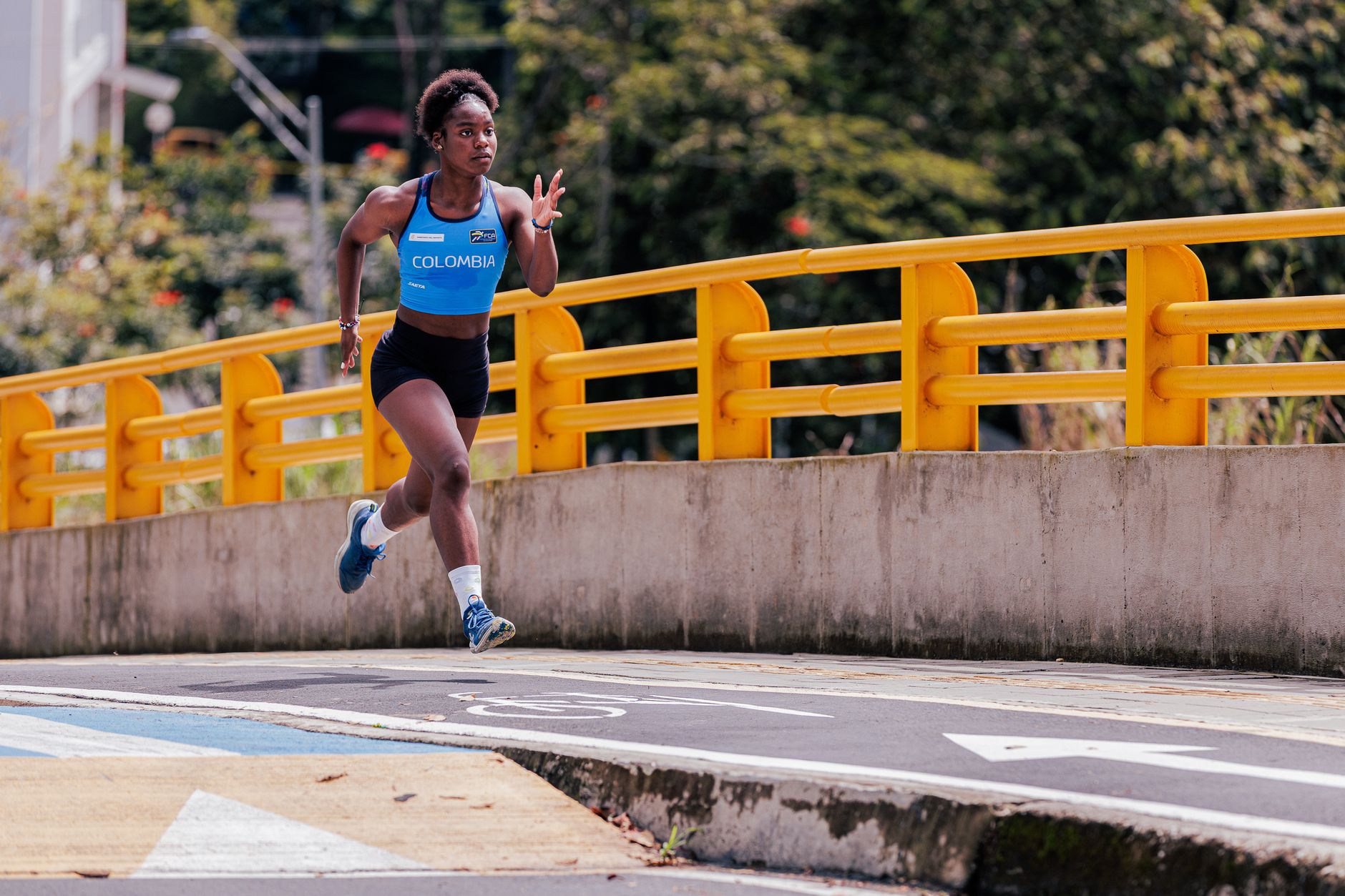
Photo by CRISTIAN CAMILO ESTRADA
Engineers focused on a slimmer profile to ensure the shoe remains unobtrusive during technical maneuvers. By utilizing Helion superfoam, the midsole manages to provide enough cushioning for impact protection without sacrificing the ground feel necessary for quick adjustments. The upper construction integrates a sock-like fit that wraps around your foot, minimizing internal movement when you change direction suddenly or dodge obstacles on busy streets.
Why Urban Runners Love the Swift
City running introduces variables that standard road shoes often struggle to handle. You frequently face sudden stops at intersections, uneven pavement, and constant changes in rhythm. The Cloudswift thrives here because it keeps a firm contact point with the ground. This stability is vital when you are navigating tight city turns or accelerating away from a traffic light.
Unlike max-cushion models that can feel somewhat disconnected from the road, this shoe balances impact absorption with a responsive toe-off. The Helion foam compound is tuned specifically for these high-frequency movements. It compresses just enough to absorb the harshness of concrete while remaining firm enough to return energy efficiently.
If your daily route requires constant speed adjustments or rapid foot strikes, you will notice how the shoe maintains its composure under pressure. It provides the confidence to tackle urban terrain without feeling like you are fighting against excessive material or unstable platforms.
Best Use Cases for Daily Training
Incorporating the Cloudswift into your routine helps you tackle specific workout intensities. Because of its responsive nature, it functions well during tempo sessions where you need a stable platform to maintain a hard pace. If you are following a structured marathon training plan, you can rely on this shoe for those intervals where turnover and ground contact time matter most.
While it lacks the massive stack height found in the Cloudmonster, that reduced bulk is an advantage for track work or road repeats. You gain a more natural movement pattern that aids in strengthening your lower legs during higher intensity efforts.
For recovery runs, the shoe offers sufficient comfort, though some runners prefer a more maximalist feel for days when their legs feel particularly fatigued. Its versatility makes it a reliable partner when your training demands agility over sheer cushion. You can seamlessly switch from a moderate distance day to a sharp, fast-paced effort without changing your footwear.
The Cloudmonster Experience Explained
When you step into the Cloudmonster, the difference is immediate. It moves away from the agile, ground-connected feel of a typical daily trainer and toward a sensation of pure, unadulterated comfort. This model relies on oversized foam elements that prioritize impact protection above all else. For those who log heavy miles, this shoe transforms the way the road feels beneath your feet.
Maximalist Cushioning for Long Miles
The heart of the Cloudmonster is its exaggerated geometry. The massive midsole features the largest cloud elements found in the brand lineup, designed to compress and snap back with every stride. This isn’t just about soft foam, because the rocker shape plays a vital role in how you move.
As you land, the curved sole encourages a smooth transition from your heel or midfoot toward a forceful toe-off. This rocker geometry reduces the work your ankles and calves perform during the gait cycle, which keeps your legs fresher for longer durations.
By softening the initial impact, this design acts as a buffer for your joints. If you frequently struggle with soreness after back-to-back long runs, the sheer volume of cushioning absorbs the repetitive stress that usually travels up to your knees and hips. It creates a protective layer between your body and the hard asphalt. You will find that this setup makes the miles pass with less physical toll, effectively shielding your frame from the mechanical beatdown of high-volume training.
Who Needs More Underfoot Support
The Cloudmonster suits runners who prioritize recovery and comfort over raw speed. While the Cloudswift vs Cloudmonster debate often centers on tempo versus ease, the monster version shines brightest on those high-mileage weeks where durability is the priority. If your training schedule involves long Sunday runs or back-to-back efforts, the extra underfoot material provides the necessary relief to stay consistent.
This model works best for runners with a neutral foot strike who want to minimize the impact of repetitive pavement pounding. It doesn’t force your foot into a specific path, but instead provides a stable, cushioned platform that supports a natural stride.
If you are aiming to increase your weekly training volume, having a shoe that manages fatigue is essential. The “monster” aspect comes from the combination of high energy return and the forgiving nature of the platform, allowing you to maintain a steady cadence without the typical soreness that arrives during peak training cycles. It is a reliable partner for any runner looking to protect their longevity in the sport.
Cloudswift vs Cloudmonster: A Direct Comparison
Choosing between these two models requires a clear look at their technical specifications. While both rely on advanced foam technology, they cater to distinct mechanical needs and training goals. Understanding how weight, geometry, and foam density influence your stride helps you match the shoe to your specific running goals.
| Feature | Cloudswift | Cloudmonster |
|---|---|---|
| Primary Use | Tempo and daily urban runs | Long, easy-effort recovery runs |
| Midsole Feel | Firm, responsive, snappy | Plush, deep, rocker-assisted |
| Stack Height | Moderate | Maximalist |
| Ideal Terrain | Asphalt and concrete paths | Road, light trail, and pavement |
The Cloudswift is the leaner, more aggressive option, while the Cloudmonster occupies the maximalist end of the spectrum. You will notice the difference the moment you lace them up.
Feel the Difference in Energy Return
The midsole behavior defines the experience in the Cloudswift vs Cloudmonster comparison. When you push the pace, the Cloudswift reacts with a snappy, immediate transition. Its Helion foam maintains a firm profile, which provides a reliable platform for high-cadence turnover.
At faster speeds, you feel connected to the ground, allowing for precise foot placement on tricky city surfaces. During an easy jog, however, this firmness might feel too rigid for some, as the lack of deep compression doesn’t offer that “soft” landing sensation many seek for recovery days.
In contrast, the Cloudmonster changes the sensation completely. It utilizes oversized cushioning elements that compress significantly upon impact. During slow, easy miles, this creates a pillowy ride that mutes the harshness of the road.
When you decide to pick up the pace, the aggressive rocker geometry kicks in to propel you forward. This creates a smooth, rolling sensation that makes maintaining a faster pace feel less taxing on your lower leg muscles. While it lacks the raw, ground-feel responsiveness of the Cloudswift, it gains a mechanical advantage that keeps your legs feeling fresh over long durations.
Durability and Longevity for Your Miles
Outsole construction plays a major role in how long your shoes stay effective. The Cloudswift features rubber reinforcements placed strategically in high-wear zones to handle the abrasive nature of concrete. This targeted design keeps the overall weight low while ensuring the shoe maintains its grip during sharp turns.
Because the foam is denser, it resists compression set, meaning the ride quality remains consistent even as the mileage on the shoe climbs into the hundreds. It is a durable choice for runners who subject their gear to the constant friction of city streets.
The Cloudmonster uses a broader base of rubber to protect its large cloud elements. This design offers excellent surface coverage, which contributes to its longevity over long training blocks.
Because the foam is softer, the upper and internal structure might show signs of use before the midsole loses its bounce. The deep grooves between the cushioning pods act as flex points, preventing the rubber from cracking prematurely under repetitive stress. If you prioritize protection and comfort for high-mileage training weeks, the rugged build of the Cloudmonster stands up to the task quite well.
How to Choose the Right Pair for Your Goals
Your running goals dictate the type of gear you need in your closet. While both the Cloudswift and Cloudmonster offer high-quality construction, their personalities diverge significantly when you pick up the pace or push for distance. Identifying your primary objective is the most effective way to determine which shoe secures a place in your rotation.
Matching Your Training Style to the Shoe
If your weekly schedule revolves around short, intense bursts of speed, the Cloudswift is your better companion. Its firm midsole responds instantly to foot strikes, providing the ground feel necessary for track intervals or tempo sessions on slick pavement.
You gain an advantage when navigating corners or dodging obstacles, as the shoe stays stable rather than shifting under your weight. Speed work requires a reactive platform that doesn’t waste energy through excessive compression, and this model handles those demands with ease.
Conversely, if your training focuses on building an aerobic base through high mileage, the Cloudmonster is the clear winner. Its maximalist design absorbs the repetitive impact that accumulates over a ninety-minute long run, keeping your legs fresh for the next day.
Rocker
The pronounced rocker shape facilitates a smooth, rolling transition, which helps you maintain a steady cadence without overworking your calves. When the goal is to increase your total time on feet or complete your first long-distance race, this shoe offers the protective cushioning you need.
If you find yourself stuck at a plateau, remember that consistency often outweighs raw speed. You can effectively improve your running stamina by prioritizing easy-effort miles and gradual progression. A shoe like the Cloudmonster supports this journey by minimizing the muscle damage associated with long training blocks. By reducing the physical toll of every mile, you recover faster and return to your next session with more energy.
Choosing between the two depends on what you value more in a given workout:
- Responsiveness: Choose the Cloudswift for tempo runs, intervals, and city racing where ground contact time matters.
- Impact Protection: Choose the Cloudmonster for recovery runs, long endurance efforts, and days when your primary goal is simply to accumulate mileage.
Your shoe choice is an investment in your training longevity. A runner who mixes fast, hard efforts with long, slow recoveries might eventually find value in owning both models. This rotation allows you to stress different energy systems while giving your joints the specific support they require. Match the technology to the workout, and you will see better results across the board.
Common Questions from Runners
Navigating the technical details of running footwear leads to many questions. Whether you are curious about the Cloudswift vs Cloudmonster fit or how each model handles daily wear, these insights clear up the uncertainty.
Can I use the Cloudmonster for speed training?
The Cloudmonster design prioritizes comfort and high-mileage cushioning. While its rocker geometry helps maintain a steady rhythm, it is not as responsive as a dedicated tempo shoe.
You might find the bulky midsole lacks the ground feel needed for sharp intervals or track repeats. If your speed sessions require rapid, precise movements, the Cloudswift remains the better tool. Runners often choose the Cloudmonster for long, steady efforts where saving their legs from fatigue is the priority.
Which model is better for my daily commute?
The Cloudswift is the superior option for runners who tackle city environments. Its construction provides the stability necessary for navigating uneven sidewalks, tight turns, and sudden stops. The firm foam keeps your foot secure, preventing the lateral shifting that often occurs in softer, maximalist shoes. If your daily route is a mix of concrete and busy intersections, you will appreciate the locked-in feel that this model offers.
How do these shoes affect my recovery time?
Recovery is a major factor in any consistent training program. The Cloudmonster acts as a buffer between your body and the hard ground. Its significant foam volume absorbs impact, reducing the mechanical stress that accumulates during high-volume weeks.
Using this shoe on easy recovery days allows your joints to feel less beat up, which keeps you ready for your next quality session. Conversely, the Cloudswift is built for efficiency rather than pure impact absorption. It is best to alternate these models to ensure you balance responsiveness with the protection your muscles need to repair.
Conclusion
Selecting the right footwear requires a focus on your unique biomechanics rather than the marketing trends surrounding a specific brand. Both shoes offer specialized benefits, so your choice should depend entirely on whether you need the agility of the Cloudswift or the protective cushioning of the Cloudmonster.
Evaluate your training routine and determine if you prioritize speed on urban surfaces or long-term durability during recovery efforts. Once you define these clear objectives, the best path for your progression often becomes obvious.
If you struggle to determine which gear supports your long-term goals, seek professional performance coaching for structured guidance. Aligning your equipment with a purposeful training strategy remains the most effective way to improve your results.


