

Chicago Marathon Hotels Guide: Where Runners Should Stay
Wondering where to stay for the Chicago Marathon? Race weekend in Chicago can feel electric, and your hotel choice can shape the whole experience before you ever toe the start line. The best Chicago Marathon hotels do more than give you a place to sleep, they keep race morning simple, make recovery easier, and put you within reach of the expo, transit, and the finish-area buzz.
If you’re running, cheering, or traveling with family, location matters almost as much as rate and room size. The right stay cuts down on stress, saves energy, and helps you move through marathon weekend with a lot less friction. Here’s how to choose a hotel that fits the race, not the other way around.
Why your hotel choice can make or break Chicago Marathon weekend
For marathon weekend, a hotel is more than a place to drop your bag. It shapes how much energy you keep in reserve, how calm you feel before the start, and how easy life is after you cross the finish line in Grant Park. The best Chicago Marathon hotels remove small problems before they stack up, and race weekend already has enough moving parts.
Location matters because the city itself becomes part of your race plan. A room that puts you close to the start, the finish, transit, or your favorite pre-race breakfast spot can save time, reduce stress, and keep your legs fresher for 26.2 miles. Course and amenities from the Chicago Marathon show how centered the race is around Grant Park, so staying nearby often changes the whole rhythm of the weekend.
Plan Your Complete Marathon Weekend
Choosing the right hotel can reduce race-day stress, shorten travel time, improve sleep, and make your entire marathon weekend smoother.
More Chicago Marathon Hotel Guides
What runners need most the night before 26.2
Sleep comes first. You may not sleep perfectly the night before a marathon, but a quiet room, a comfortable bed, and less hallway noise can make a real difference when your nerves are already awake. A hotel on a busy block or next to late-night traffic can turn pre-race jitters into a long, restless night.
Early access to breakfast matters just as much. Many runners want something simple and familiar before heading out, whether that’s oatmeal, toast, a banana, or coffee with enough time to settle. If the hotel breakfast starts too late, you end up rushing, and rushing is the last thing you want on race morning.
A calm room environment also helps you keep your head clear. Small details count here:
- Quiet floors can lower noise when guests are coming and going early.
- Easy check-in saves you from standing around after travel.
- Late checkout gives you breathing room after the race and a chance to shower before you leave.
The best race-night hotel room feels boring in the best way. Nothing noisy, nothing complicated, nothing that wakes you up at 3 a.m.
That kind of setup helps your body stay focused on the only hard part that should matter, the run itself.
Why families and spectators have different hotel needs
Supporters usually live by a different clock. Runners want quiet, a short walk to the start, and an early breakfast. Families and spectators often want the opposite, a hotel near the finish, restaurants, public transit, and places to spend time while they wait for updates.
That difference matters because the race course spreads people out. A family member may want easy access to the finish area in Grant Park, while another person would rather stay near the Loop or a neighborhood with more food options and sightseeing. The spectator guide from Choose Chicago’s marathon info is a good reminder that transit access can matter just as much for cheering as it does for racing.
The smartest booking often balances both sides of the trip. If one hotel keeps the runner rested but leaves the support crew stranded, the weekend gets harder than it needs to be. On the other hand, a hotel that works for sightseeing but adds a long, stressful trip to race morning can cost the runner precious energy.
A simple way to decide is to rank the priorities before booking:
- Runner comfort first, if the goal is a strong race.
- Spectator access next, if family plans to move around the course.
- Transit and dining options, so everyone can get where they need to go without friction.
When both groups know what matters most, the hotel becomes part of the plan instead of a problem to solve later.
A good Chicago Marathon stay should fit the weekend’s pace. For runners, that means sleep, breakfast, quiet, and a short route to the start. For families and spectators, it means easy movement, good food, and a location that keeps them close to the action without turning race day into a scavenger hunt.
The best neighborhoods for Chicago Marathon hotels
The smartest Chicago Marathon hotels are the ones that fit your race plan, not just your sightseeing list. Some neighborhoods put you closer to the finish, others make transit easier, and a few give you a calmer place to sleep after a long day on your feet.
If you want the shortest path to race morning calm, think in terms of distance, transit, dining, and recovery. The right neighborhood can shave stress off both Saturday and Sunday, which matters when your schedule is already packed with expo pickup, carb-loading, and early alarms.
Here’s a quick way to compare the strongest options:
| Neighborhood | Best for | Main tradeoff |
|---|---|---|
| Grant Park area | Finish-line convenience, family access | Books early, usually costs more |
| The Loop | CTA access and race-day flexibility | Can feel busy and corporate |
| River North and Streeterville | Food, comfort, and recovery | Slightly less direct for some race-day moves |
| West Loop and Fulton Market | Quieter sleep and strong dining | Transit planning matters more |
Each area works for a different type of runner or spectator. The best choice depends on whether you want the easiest finish-area walk, the cleanest transit plan, or a calmer post-race base.
Near Grant Park and the finish line
Staying near Grant Park is the simplest option for runners who want to keep race weekend easy. After 26.2 miles, even a short walk can feel long, so a hotel close to the finish area can be a gift for tired legs. Family members also like this area because they can get to the finish zone without turning the day into a transit puzzle.
That convenience comes with a cost. These rooms often book early, and rates can climb fast as race weekend gets closer. If this location is your top priority, lock it in early and expect to pay more for the advantage.
For many travelers, this is the closest thing to a low-friction race weekend. You’re near the action, close to post-race reunions, and within reach of the city’s most important marathon landmarks.
If you want the easiest finish-line experience, this is the area to target first.
The tradeoff is simple, comfort and convenience are high, but availability can disappear before you finish your training block.
The Loop for transit and race-day flexibility
The Loop works well for runners who want strong CTA access and a more flexible weekend. Downtown hotels here put you near major train lines, so getting around the city feels easier before and after the race. That matters when you’re heading to the start, meeting family, or making a quick stop for dinner and supplies.
This area also keeps you close to downtown services, which helps when you want coffee, a pharmacy, or a quick meal without crossing half the city. The start area is also within easier reach than it would be from neighborhoods farther west or north. For runners who like to keep options open, that flexibility can reduce race-weekend stress.
The Loop does have a busier feel, especially during the workweek and around major hotels. Still, if your priority is efficient movement, it stays near the top of the list for Chicago Marathon hotels. Chicago Transit Authority route and schedule information can help you map your ride before race morning, which is always better than figuring it out in a hurry.
River North and Streeterville for food, comfort, and easy recovery
River North and Streeterville are strong all-around choices for marathon weekend. You get plenty of hotel options, easy access to restaurants, and a setting that feels a little more relaxed after the race than the heart of the Loop. That matters when you’re hungry, tired, and ready for a real meal.
These neighborhoods also work well for groups. One person can grab breakfast, another can rest in the room, and everyone still has plenty of dining choices within a short walk. Streeterville also keeps you close to key downtown spots, while River North gives you a lively but manageable base for the weekend.
Both areas keep you within a short ride or walk of the marathon’s core areas, so you’re not stranded far from the finish or the transit network. In short, they strike a practical balance, not too loud, not too far, and rich in places to recover over dinner.
A simple way to think about them:
- River North gives you more restaurant energy and a wider hotel mix.
- Streeterville feels a bit more polished and calm, with easy access to the lakefront.
- Both work well if you want comfort without giving up proximity.
More Chicago Marathon Hotel & Accommodation Guides
Choosing where to stay for the Chicago Marathon can make race weekend much easier. Staying near Grant Park can simplify your start and finish logistics, while neighborhoods such as The Loop, South Loop, River North, Streeterville, and the Magnificent Mile offer different combinations of convenience, dining, transportation, and sightseeing. Use the guides below to find Chicago Marathon hotels and accommodations that fit your race-day plans, budget, and travel needs.
Start & Finish Line Hotels
- Best Hotels Near the Chicago Marathon Start Line
- Best Hotels Near the Chicago Marathon Finish Line
- Best Chicago Marathon Hotels Near Grant Park
Chicago Marathon Expo Hotels
Chicago Marathon Neighborhood Hotels
- Best Chicago Marathon Hotels in The Loop
- Best Chicago Marathon Hotels in South Loop
- Best Chicago Marathon Hotels in River North
- Best Chicago Marathon Hotels in Streeterville
- Best Chicago Marathon Hotels in the Magnificent Mile
- Best Chicago Marathon Hotels Near Millennium Park
Transportation & Airport Hotels
Budget, Luxury & Family Hotels
- Cheapest Hotels for the Chicago Marathon
- Best Luxury Hotels for the Chicago Marathon
- Best Family Hotels for Chicago Marathon Weekend
- Last Minute Hotels for the Chicago Marathon
Hostels
Vacation Rentals
- Best Vacation Rentals for the Chicago Marathon
- Cheap Vacation Rentals for the Chicago Marathon
- Best Family Vacation Rentals for the Chicago Marathon
- Best Luxury Vacation Rentals for the Chicago Marathon
Chicago Marathon Airbnb Guides
- Best Airbnb Near Grant Park for the Chicago Marathon
- Best Airbnb Near the Chicago Marathon Start Line
- Best Airbnb Near the Chicago Marathon Finish Line
- Best Airbnb in The Loop for the Chicago Marathon
- Best Airbnb in South Loop for the Chicago Marathon
- Best Airbnb in River North for the Chicago Marathon
- Best Airbnb Near Union Station for the Chicago Marathon
- Best Airbnb Near Public Transit for the Chicago Marathon
- Best Airbnb With Parking for the Chicago Marathon
- Best Airbnb With a Kitchen for the Chicago Marathon
- Best Large Group Airbnb for the Chicago Marathon
- Best Pet Friendly Airbnb for the Chicago Marathon
- Best Airbnb for Chicago Marathon Spectators
- Last Minute Airbnb for the Chicago Marathon
West Loop and Fulton Market for a quieter stay with great dining
West Loop and Fulton Market appeal to runners who want a calmer place to sleep and a strong food scene nearby. The streets can feel a little less hectic than the core downtown hotel zones, and that quieter setting helps when you’re trying to protect your rest before the race. After all, a good night’s sleep can feel like extra miles in your legs.
Dining is a major draw here. You’ll find plenty of restaurants for pre-race dinner or a post-race meal with family, and the neighborhood has a local feel that many runners enjoy. The hotel selection may not sit as close to the marathon action as Grant Park or the Loop, but it still gives you a solid home base.
Transit planning matters more in this area, though. You’ll want to check your route in advance, especially if you need an easy move to the start or finish on race day. That extra planning is manageable, but it’s part of the deal when you choose a neighborhood with more breathing room.
For runners who value dinner options and a calmer sleep environment, West Loop and Fulton Market can be a smart fit. The stay feels less rushed, which can help the whole weekend settle into a better rhythm.
Chicago Marathon hotels by budget, from value stays to upscale comfort
Chicago Marathon hotels come in three clear lanes: budget-friendly, mid-range, and upscale. Each one can work well for race weekend, but the right choice depends on how much comfort you want, how much walking you can tolerate, and how much planning you want to do before sunrise on race day.
A lower price can be smart, but only if the hotel still supports your race plan. If you save money and end up far from transit, stuck with late breakfast, or dealing with thin walls, the bargain starts to wear off fast. The best choice is the one that keeps the weekend steady for you, your travel partner, or your whole team.
Budget-friendly hotels that still work well for race weekend
Cheaper Chicago Marathon hotels can make sense for solo runners or groups that want to spend more on food, gear, or post-race plans. The key is to look past the nightly rate and check what the stay actually gives you. A low price only helps if you can still get to the start, sleep well, and eat early enough to avoid race-morning stress.
Focus on hotels near reliable transit, because that can save you more than a fancy lobby ever will. Clean rooms matter too, since a simple, well-kept room is easier to relax in than a stylish one with a noisy hallway or poor maintenance. Early breakfast, even if it’s basic, can also be a huge win when you need something simple before heading out.
A budget hotel works best when it has:
- Easy CTA access, so you can get around without rideshare delays.
- Quiet rooms or interior-facing layouts, which help if you’re a light sleeper.
- Early breakfast options, even if the menu is limited.
- Secure luggage storage, useful if you arrive before check-in or leave after checkout.
A cheap room is only a good deal if race morning still feels manageable.
For couples and teams, budget stays can work if everyone agrees on priorities ahead of time. One runner may care most about sleep, while another wants proximity to the finish area or expo. A lower rate is helpful, but it should never force you into a stressful commute with tired legs and a tight timeline.
Mid-range hotels that balance comfort and cost
This is where many runners land, and for good reason. Mid-range Chicago Marathon hotels usually give you the comfort you need to rest, plus the convenience that keeps the weekend from feeling chaotic. You’re paying for fewer headaches, not just a nicer room.
At this level, the details start to matter more. A firmer bed, better blackout curtains, a stronger shower, and a decent breakfast can shape how you feel on race morning and after the finish. For many runners, that middle ground is the sweet spot between saving money and protecting performance.
The amenities that matter most here often include:
- Reliable Wi-Fi, useful for checking race updates and coordinating with family.
- On-site breakfast, especially if it starts early.
- Walkable access to restaurants, so dinner stays simple.
- Fitness rooms or recovery spaces, even if they’re basic.
- Flexible check-in or checkout, which helps with travel timing.
For solo runners, this category keeps things simple without feeling stripped down. Couples often like it because one person can rest while the other handles logistics. Teams benefit too, since a mid-range hotel often gives you enough shared space and comfort without pushing the budget too high.
If you want a practical guide to neighborhood fit and transit access, this Chicago Marathon hotel stay guide is a useful cross-check before you book. The best mid-range stay usually feels calm, well-located, and easy to use, which is exactly what race weekend needs.
Upscale hotels for runners who want a smoother recovery
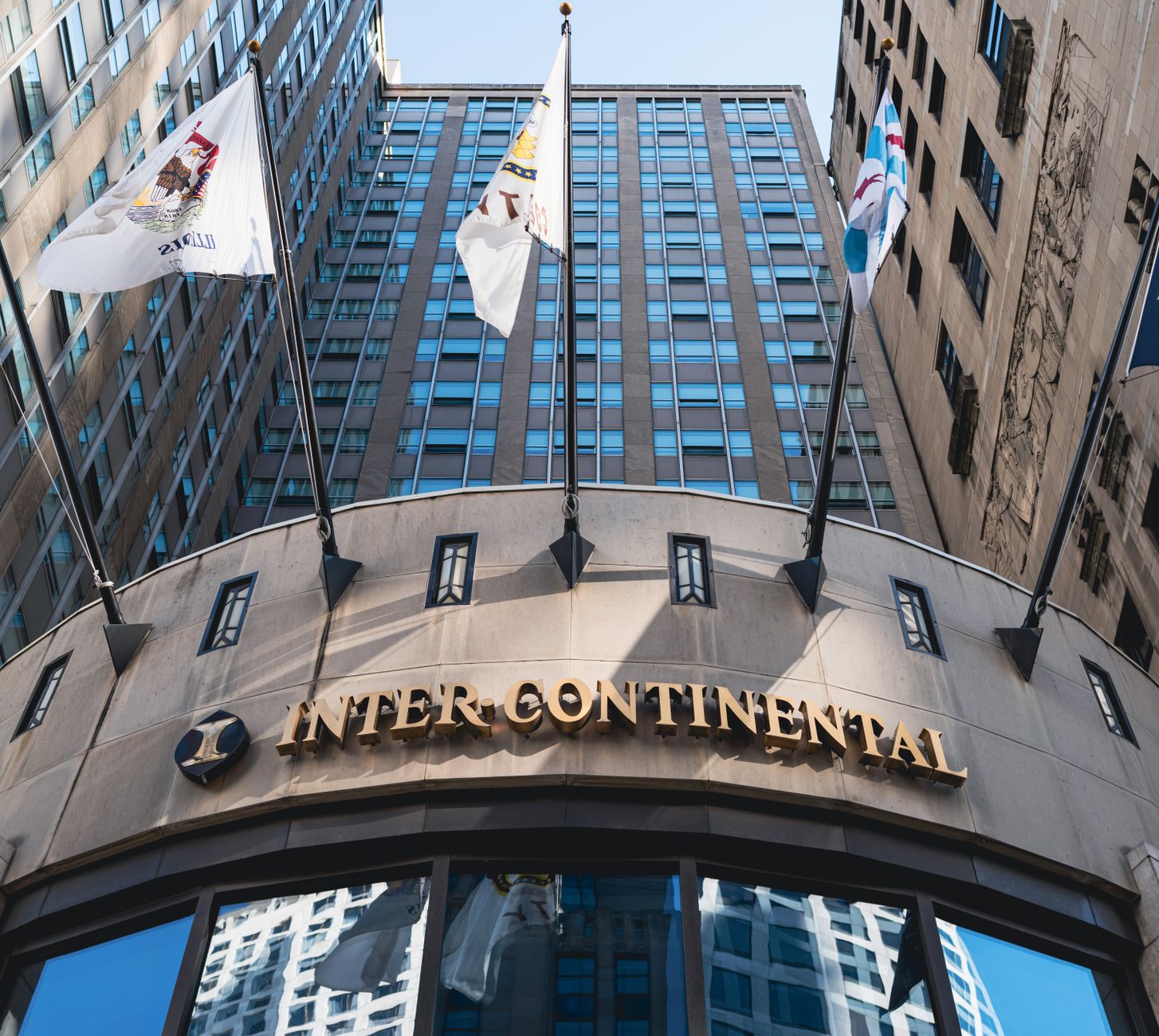 Photo by Otto Rascon
Upscale Chicago Marathon hotels are best for runners who want race weekend to feel more like a reset. You get stronger bedding, better dining, more polished service, and usually a calmer room experience. After a hard marathon, those details can feel less like luxury and more like recovery tools.
Look for plush bedding, quieter floors, and a room that blocks out city noise well. Good dining also matters because race weekend meals should be simple, dependable, and easy to time around your start. A hotel restaurant, room service, or nearby upscale dining can make pre-race dinner and post-race recovery much easier.
These hotels often add extras that help after the finish:
- Fitness centers, for light movement or a shakeout before the race.
- Spa access, which can be useful for massage, soaking, or general recovery.
- More flexible service, including late checkout and help with luggage.
- Better in-room comfort, like larger bathrooms and stronger climate control.
Upscale stays fit runners who treat marathon weekend like a mini reset, not just a race. That often includes couples celebrating a goal race, solo runners who want to decompress, or teams that want a polished base for the whole weekend. If your priority is waking up rested, recovering well, and ending the trip without feeling wrung out, this budget tier makes sense.
What to look for before you book Chicago Marathon hotels
Race weekend moves fast, so your hotel needs to do more than look nice in photos. The best Chicago Marathon hotels remove small problems before they start, which means less scrambling on Sunday and a better shot at arriving calm, fed, and ready. Focus on the details that affect your sleep, your meals, your recovery, and your route to the start or finish.
A hotel can feel perfect for a normal city trip and still miss the mark for marathon weekend. Breakfast may start too late, the room may face a noisy street, or the walk to transit may be longer than you expected. Check the practical pieces first, then book the room that makes race day feel simple.
Breakfast hours, coffee, and race-morning food
Marathon morning starts long before a typical vacation day. If you usually eat breakfast at 8 a.m., race day may require food much earlier, sometimes while the city is still waking up. That makes early breakfast service and in-room coffee more than nice extras, they are part of your race plan.
A hotel with grab-and-go options gives you backup if the main breakfast line is slow or your stomach wants something small and familiar. Oatmeal, bananas, toast, bagels, and coffee can be enough when timing matters more than variety. When a hotel starts breakfast early, you spend less energy hunting for food and more energy staying relaxed.
If breakfast opens late, the whole morning feels rushed before you even leave the room.
Check the hotel site before you book, and confirm whether breakfast starts early enough for your wave. The Chicago Marathon hotels, travel, and parking page is also worth reviewing, because it can help you match your stay to the race schedule instead of guessing after you arrive.
Late checkout, luggage storage, and post-race showers
After the finish, even small comforts matter. A hotel that offers late checkout, luggage storage, or a place to rinse off can save the day when your legs feel heavy and your timing window is tight. Without those options, you may end up standing around in sweaty race gear or rushing to catch a ride before you feel ready.
This is where Chicago Marathon hotels can make recovery easier. If you can change clothes, rest for an hour, or pick up your bags without a hard deadline, the rest of the day feels less chaotic. A post-race shower also helps if you plan to meet family, go to dinner, or head home soon after finishing.
Ask the hotel about these details before you commit:
- Late checkout policy, so you know how much time you really have.
- Bag storage availability, especially if you arrive early or leave late.
- Shower access after checkout, if the property allows it.
- Room rest time, which gives you a chance to sit down before traveling.
Those small favors can feel huge after 26.2 miles. A hotel that handles the messy parts well gives you more space to recover and enjoy the rest of the weekend.
Quiet rooms, bed comfort, and recovery-friendly amenities
Sleep matters more than almost anything else the night before a marathon. That starts with a quiet room, sturdy blackout curtains, and a mattress that supports real rest instead of tossing and turning. Street noise, elevator traffic, and thin walls can wear you down fast when your nerves are already active.
Bed comfort is personal, but it should never be an afterthought. If you know you sleep best on a firmer mattress or need a room away from the ice machine, ask before you book. A good room layout can make the difference between a light, broken night and something that actually feels restful.
Recovery-friendly features help after the race too. Look for simple extras like:
- Ice machines, useful for cooling sore muscles.
- Fitness rooms, helpful for a short shakeout or light mobility work.
- Blackout curtains, which support better sleep before and after the race.
- Temperature control, because a room that runs too warm can wreck sleep.
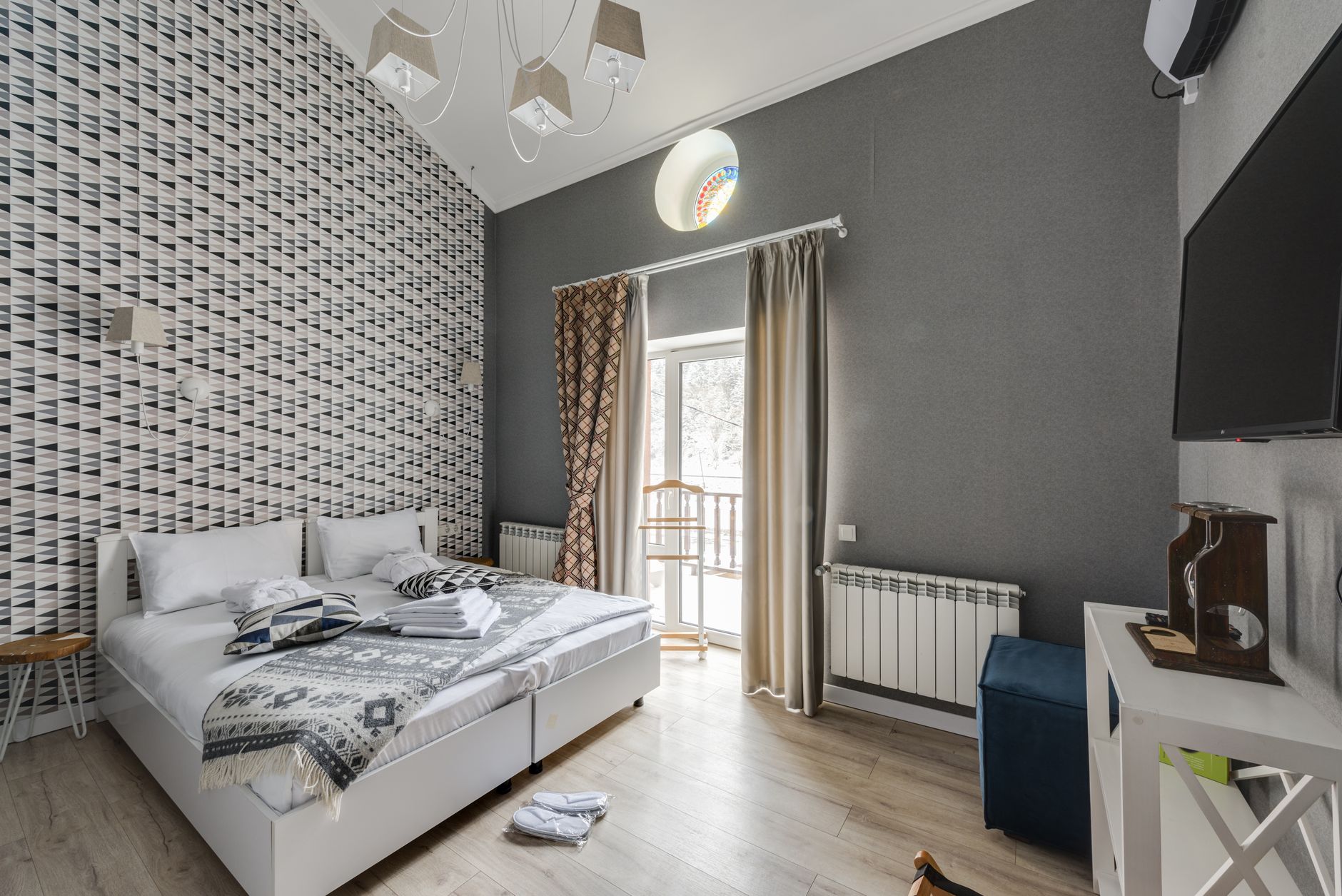
Photo by Max Vakhtbovych
A polished room matters less for style than for recovery. After a hard run, you want a space that helps your body settle down, not one that keeps you alert and restless.
Transit access and walking routes to the start or finish
A nearby train stop or a clean walking route can take a lot of pressure off race morning. If you know exactly how long it takes to reach the start, you can wake up with a plan instead of a guess. That kind of certainty helps more than a fancy lobby ever will.
Before booking, check the route to the start or finish, not after. A hotel that looks central on a map may still require a long transfer, a crowded station, or a confusing walk with closed streets on race day. If you have to piece together directions the morning of the marathon, you’re already behind.
The smartest approach is to test the route in advance and compare it with your race timing. A short walk to transit, an easy ride, or a direct path to Grant Park can remove a lot of noise from the day. That matters even more if you’re traveling with family, because the right location makes it easier for everyone to meet up after the race.
Use this as your final check before you book:
- Confirm the nearest train stop or bus route.
- Estimate the walk time in race shoes, not dress shoes.
- Check whether the hotel sits on a direct path to the start or finish.
- Make sure the route still works if streets close early.
A hotel that fits your route, your breakfast window, and your recovery needs is usually the right one. When those pieces line up, race weekend feels a lot more manageable.
How to book the right room at the right time
Race weekend changes the booking game. The closer you wait, the more likely you are to see higher rates, fewer room types, and less flexible policies, especially near Grant Park, the Loop, and other high-demand areas. If you want the right hotel, the right room, and a price that still feels sane, timing matters almost as much as location.
When to book for the best mix of price and choice
Prime Chicago Marathon hotels near the race route tend to disappear early. The best rooms, especially those with easy access to Grant Park or strong transit links, often get claimed by runners and spectators as soon as race weekend starts filling calendars. If you wait too long, you may still find a room, but the best-fit options usually go first.
Planning ahead matters more here than on a regular city trip because marathon weekend creates a tight demand spike. You are not competing with standard tourist traffic alone, you are competing with thousands of runners, family members, and support crews who all want the same two or three nights. That pressure pushes prices up and shrinks choice fast.
A good rule is to book as soon as your race plans are set, then keep watching rates if you want to re-check later. Many travelers use a refundable reservation first, then adjust once travel details are final. That gives you a better shot at locking in a solid room without committing too early to a bad fit.
One practical mistake is waiting for a last-minute deal. On marathon weekend, last-minute often means fewer options, longer walks, or a room that works on paper but fails in real life. A hotel that looks affordable late in the game can cost you more in transit, sleep, and stress.
A few habits help you stay ahead:
- Book early if you want a finish-line or transit-friendly location.
- Compare several room types before picking the cheapest visible rate.
- Check multiple dates if you can arrive Friday or leave Monday, since one extra night can change the price.
- Watch for refundable options so you can revise plans if needed.
The safest move is simple: book the room you can live with, then refine the plan later if needed.
How to compare cancellation rules and hidden fees
The nightly rate is only part of the price. Before you book, read the cancellation policy, look for deposit rules, and check whether the hotel adds a resort fee, destination fee, or parking charge. Those extras can change a fair-looking rate into an expensive one very quickly.
Refundability matters because marathon plans can shift. Travel delays, training injuries, and schedule changes happen, so a flexible policy has real value. A cheaper non-refundable rate may look tempting, but it can become a bad deal if your plans move even a little.
Pay close attention to these items before you confirm:
- Cancellation window so you know how long you can change plans without a penalty.
- Deposit timing because some hotels charge a full or partial deposit right away.
- Parking costs since downtown parking can add a big daily charge.
- Resort or facility fees because they often sit outside the displayed room rate.
- Tax details so you compare final totals, not just the base price.
The real comparison is the total stay cost, not the headline rate. A room that appears cheaper by $30 a night may end up more expensive after fees, parking, and a strict cancellation policy. That is why reading the fine print matters just as much as choosing the neighborhood.
A good booking rule is to compare the final amount before taxes and after fees, then decide whether the flexibility is worth the difference. For marathon weekend, it often is.
Booking for a group, family, or running club
When you need multiple rooms, the best strategy changes again. Instead of hunting for the lowest single rate, focus on room blocks, suite options, and a hotel that keeps everyone close together. One easy meeting spot can save a surprising amount of time when people arrive at different hours or head out at different times.
Room blocks work well for running clubs, families, and groups of friends because they make coordination easier. They can also help you keep the group in one hotel, which matters when you want a shared breakfast plan, a common lobby meeting point, or a quick post-race reunion. If a full block is unavailable, ask about connecting rooms or nearby rooms on the same floor.
Suites can be worth the higher price when the group needs extra space. A suite gives people room to stretch, eat, rest, and sort gear without turning the whole stay into a traffic jam. That flexibility matters most when you have one runner, one cheer squad, and a pile of race-day bags in the mix.
For groups, the best hotel is the one that lowers friction. Look for a lobby that works as a meeting spot, a breakfast area large enough for everyone, and a location that makes it easy to split off and reunite later. When the hotel layout supports the trip, race weekend feels calmer for everyone involved.
Ways to make your hotel stay easier on race day
A good hotel takes a lot of weight off race weekend, but your habits inside that room matter too. When you arrive with a plan, the morning feels steadier, your meals stay simple, and you waste less energy on small decisions. That leaves more room for the only thing that really matters, showing up ready to run.
Arrive early enough to settle in before the expo and shakeout run
Rushing into Chicago can leave you feeling scattered before race weekend even starts. Bags pile up, plans get fuzzy, and your nervous system stays in travel mode when it should be settling down.
Give yourself enough time to unpack, hang up race clothes, and put your shoes where you can see them. A calm arrival also gives you space to hydrate, grab a familiar snack, and take the edge off the pre-race nerves before the expo or shakeout run.
A hotel room works best when it feels like a base camp, not a pit stop. Once you drop your bags, slow everything down a little. That simple pause can make the rest of the weekend feel far more controlled.
Use the hotel as your base for carb loading and hydration
Race-eve meals should stay easy, familiar, and low-drama. Pick foods you already trust, keep portions comfortable, and avoid turning dinner into an experiment. The goal is to feel fueled, not stuffed.
Hydration works the same way. Sip water through the day, keep an electrolyte drink nearby if that usually works for you, and don’t wait until bedtime to catch up. A hotel room makes this easier because you can keep bottles visible and refill them without guessing.
A few simple habits help:
- Keep dinner plain and familiar.
- Snack before you get too hungry.
- Sip water steadily, not all at once.
- Avoid heavy, messy, or overly spicy foods late.
Build a simple race-morning plan before you go to sleep
Lay everything out before bed so you’re not searching for socks at 4 a.m. Set your alarm with enough buffer for breakfast, bathroom time, and a few extra minutes of calm. Then place your bib, shoes, gels, watch, and clothes where you can grab them without thinking.
Also map your route out of the hotel before you sleep. Know whether you’re walking, taking transit, or meeting someone outside. When that piece is clear, the morning feels more like a routine and less like a scramble.
A short checklist can keep the night simple:
- Set your alarm.
- Put breakfast time on the clock.
- Lay out every piece of gear.
- Confirm your route and departure time.
Final thoughts on choosing Chicago Marathon hotels that fit your goals

Photo by Karl Solano
The best Chicago Marathon hotels are the ones that fit the way you want race weekend to feel. If you want the shortest walk to the finish, pick location first. If you need more sleep and less noise, choose comfort and quiet. If you are watching your budget, make sure the savings do not create a hard race-morning commute.
Match the hotel to your race priorities
Your hotel should support the part of the weekend that matters most to you. For runners, that often means a calm room, early breakfast, and easy access to the start or finish. For families and spectators, it may mean transit, dining, and a neighborhood that keeps everyone moving without stress.
A simple filter helps:
- Performance-first runners usually do best near Grant Park or the Loop.
- Comfort-focused travelers often prefer River North, Streeterville, or West Loop.
- Budget-minded guests should stay near transit and check the full cost, not just the nightly rate.
Balance comfort with logistics
A beautiful room does little good if race morning turns into a puzzle. Check breakfast hours, late checkout, luggage storage, and your route to the start before you book. Those small details can decide whether the weekend feels smooth or scrambled.
The right hotel makes race day feel manageable before you ever lace up.
Book the stay that lowers stress
The best choice is usually the one that saves energy where you need it most. Sometimes that means paying more for convenience. Other times, it means choosing a quieter neighborhood and planning transit ahead of time.
When the hotel fits your sleep, your budget, and your race plan, everything else gets easier. You wake up with less friction, recover with less hassle, and spend more time enjoying Chicago instead of solving logistics. That is what turns race weekend into a better memory, not just a place to sleep.


