

Best Cheap Hotels Near the Singapore Marathon
Finding an affordable room for the Singapore Marathon can be tough, especially when race-weekend demand pushes rates up and limits your choices. The closest hotel isn’t always the best value: a quiet room with an easy ride to the current start area may help you rest well without stretching your budget.
The right neighborhood depends on the year’s course, start and finish locations, and your race-morning plans. We compare areas to consider, Singapore Marathon hotel examples, likely costs, and booking choices, so you can weigh convenience against price.
Since event dates, routes, and access details can change, check the official Singapore Marathon information for your year before you book. Start by comparing the neighborhoods that can make race morning easier. Be sure to check out the RunDreamAchieve YouTube channel for weekly running tips.
Key Takeaways
- Cheap hotels near the Singapore Marathon may be easier to find outside the immediate race area, especially when you compare transit access with the room rate.
- Check the course and start location for your race year before booking. The official 2025 marathon course details list the F1 Pit Building as the start.
- Compare neighborhoods by race-morning travel time, transport options, and how easily you can return to your room after finishing.
- Look beyond the nightly rate: account for taxes, transportation, and cancellation terms to compare the real cost of each stay.
Cheap Hotels Near the Singapore Marathon: Which Areas Make Race Morning Easier?
Your hotel’s location can affect how early you need to wake up, how much you spend on transport, and how easily you can get back after the race. Compare each neighborhood against the event’s current start and finish points, since the route and logistics can change by year.
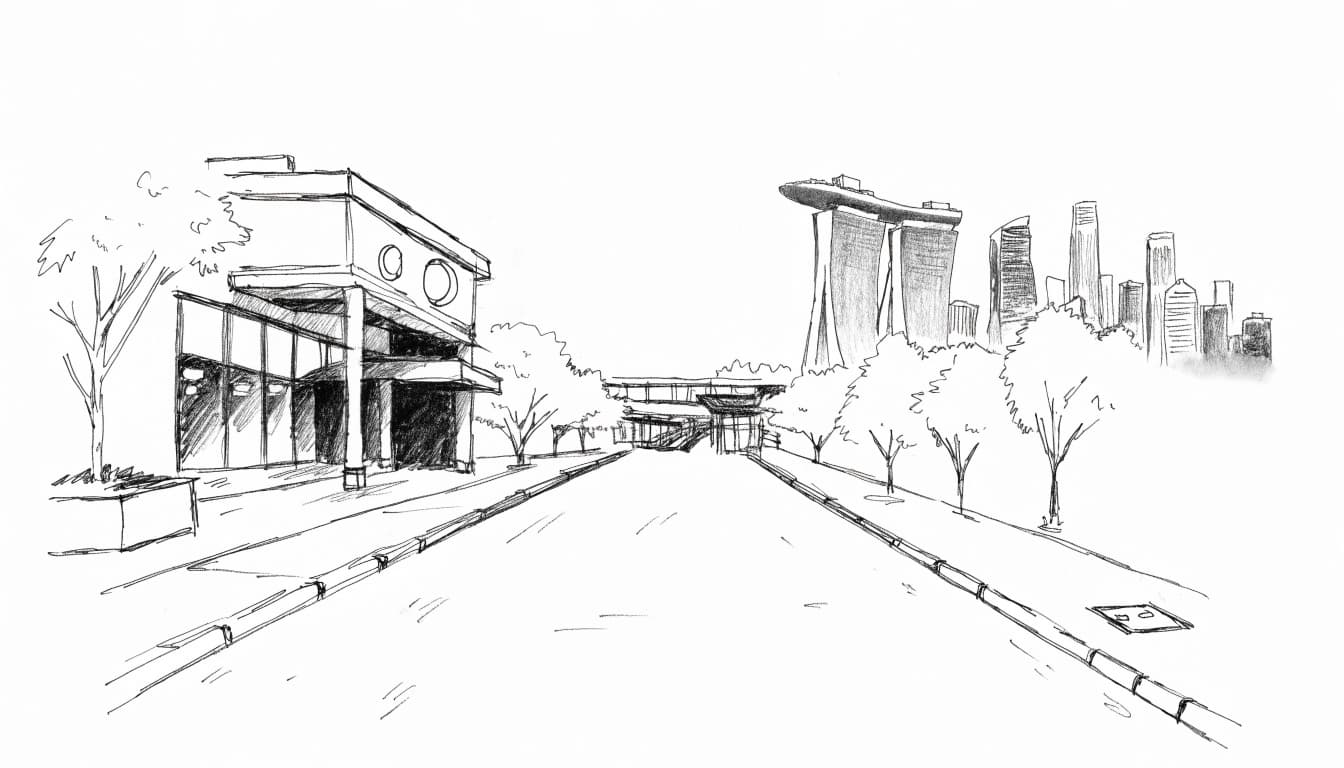
Stay around Marina Bay or the Downtown Core for a shorter trip
Marina Bay and the Downtown Core put many hotels close to central attractions, restaurants, and major transport links. Depending on the course, staying here may make race morning simpler and leave you more time to explore Singapore before or after the event. You may also find it easier to return to your room after finishing.
The trade-off is price. Rooms in the most central areas can cost more, especially during a major event weekend, so compare the total stay cost rather than focusing only on location. A nearby room is useful only if its price and race-day access work for your plans.
Before booking, check the hotel’s actual walking route to the start and finish locations for your race year. A map pin labeled “Singapore Marathon” may not show where you need to arrive, and roads or pedestrian access can affect the route. For the 2025 event, the official Singapore Marathon FAQ listed the F1 Pit Building as the start and The Padang as the finish. Check the current event details before choosing a hotel.
Look to Bugis, Bencoolen, and Lavender for a value and transit balance
Bugis, Bencoolen, and Lavender can offer central access without placing you beside the most popular attractions. These areas have a mix of accommodation and dining options, which may help you find a room that fits your budget while keeping race-day travel manageable.
MRT access can make the trip easier, but count the full journey rather than the ride alone. Check how far the hotel is from the station, whether the route requires a transfer, and how you will reach the station before dawn. Then review event-day service notices for your race year, since schedules and access arrangements may affect your plan.
A room a little farther from the course can still be practical if the station is nearby and the route is straightforward. On the other hand, a low rate may lose its appeal if reaching the start requires a long walk or several transit connections.
Consider Chinatown, Clarke Quay, or Kallang if the price is right
Chinatown and Clarke Quay offer access to restaurants and central sights, while Kallang may suit runners who find a better room rate farther from the main tourist areas. Each comes with a different balance of dining, transit, and travel time, so compare specific hotels instead of assuming an entire neighborhood is inexpensive.
Event-weekend rates can vary, and a lower nightly price does not guarantee an easier race morning. Check the expected journey to the start, including walking time, station access, transfers, and any event-related service changes. Distance alone can be misleading, especially when the route requires a detour or a connection.
The most useful comparison is the total journey time to the current start point, alongside the room rate and your return trip after finishing. A hotel that costs slightly more may save time and effort; a farther stay may be better value if the transit route is direct.
Affordable Singapore Hotel Options to Compare for Race Weekend
Start with a shortlist, then compare the room and full cost for your specific dates. Hotel Boss, V Hotel Lavender, Hotel Mi Bencoolen, ibis budget Singapore Selegie, ibis budget Singapore Clarke Quay, and lyf Funan Singapore are useful names to investigate across central areas. None is guaranteed to be the cheapest or available on race weekend, and rates can rise as the event approaches.
Compare compact budget rooms with simple mid-range stays
A low nightly rate may come with a compact room, so study the photos and room description before booking. Check the bed size, whether there’s floor space for your race bag and suitcase, and whether the room has a window. Photos can also help you judge how close the bed is to the bathroom and whether the layout gives you room to stretch or organize gear.
Choose Your Distance, Duration and Goal Time
Make three quick selections and open the exact plan built for your race target.
Looking for a Fully Personalized Training Plan?
The training plans above are an excellent choice if they match your goal. However, if you’d rather train with a plan built specifically around your current fitness, goal race, preferred training days, weekly mileage, and target finish time, our RDA Custom Training Plans provide a personalized solution. We also have running courses available for runners seeking to run faster from the mile to the marathon.
Why Choose a Custom Training Plan?
| Standard Training Plan | RDA Custom Training Plan |
|---|---|
| Follows a fixed schedule | Built around your schedule |
| Standard weekly mileage | Peak mileage customized for you |
| Fixed workout days | Train on the days you choose |
| Same structure for everyone | Designed around your current fitness |
| Static plan | Updated as your fitness improves |
| One-time purchase | Ongoing personalized coaching and support |
What You’ll Receive
- A training plan built specifically for your goal
- Personalized training paces
- Long runs, tempo runs, threshold workouts, interval sessions, recovery runs, and easy runs
- Peak weekly mileage matched to your experience level
- Flexible training schedule that fits your life
- Ongoing plan adjustments as your fitness improves
Ready to Train Smarter?
Stop guessing and start following a plan built specifically for you, your schedule, and your racing goals.
Bathroom setup matters after a race. Look for details on whether the shower is enclosed or sits within a wet-room layout, and confirm which amenities the room includes. If noise could affect your sleep, check guest comments for mentions of street sounds, neighboring rooms, or busy common areas. A room facing a main road may feel different from one overlooking an interior space.
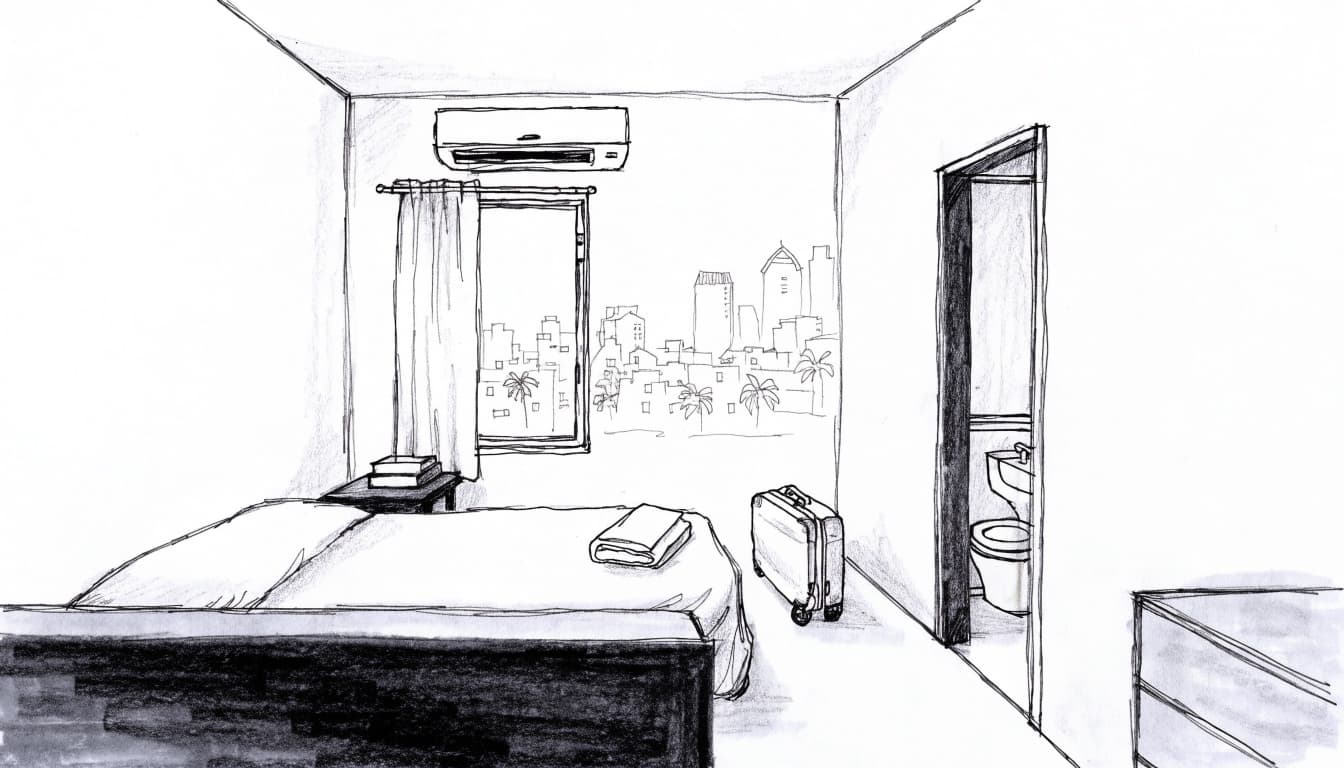
For a one- or two-night stay, a basic room may be enough if you mainly need a clean place to sleep, shower, and store your belongings. However, a little more space can be worth paying for if you’re traveling with a partner, carrying bulky gear, or staying several nights. Compare the actual room categories rather than assuming every room at a property has the same layout. Room size, amenities, and policies vary by property and room type.
Check hotel features that matter before an early race start
Race morning may begin before hotel breakfast service, so confirm what the property can support. Check whether the room has reliable air conditioning, whether elevators serve guest floors, and whether the hotel offers luggage storage if you’ll check out before the event. Also find out where you can refill water or obtain drinking water before leaving.
A quieter room can help you get more rest before an early start. When booking, request a room away from elevators or busy public areas, but ask whether the hotel can confirm that request. For example, V Hotel Lavender’s official site describes its location near Lavender MRT, though you should still plan the current event-day route to the start.
Most importantly, contact the hotel directly about an early breakfast, takeaway food, or coffee. Don’t assume these options are included or available before dawn. Confirm the departure time you’ll need, then ask about front-desk hours, taxi arrangements, or other transport help if the hotel offers it.
Use hotel names as a shortlist, then compare the full stay
Compare the same dates and room type across the hotel’s own booking page and other booking channels. For instance, Hotel Boss’s official site gives you a starting point for checking its current offer. Then review the final price, including taxes, service charges, deposits, and when payment is due.
Cancellation terms can change the value of a booking, especially if your travel plans are still in flux. Check whether you can cancel without a fee, when that deadline falls, and whether the property charges your card now or later. Compare those details with the room’s size, location, and included amenities.
A low headline rate may not be the best deal if it comes with a restrictive policy or a room that doesn’t suit your needs. Choose the stay that fits your budget, race-morning route, and recovery plans, based on the full booking terms rather than an unverified claim about special race-day service.
Choose a Race-Ready Hotel Without Paying for the Wrong Location
A hotel can look close to the course on a map and still be awkward to reach on race morning. When comparing cheap hotels near the Singapore Marathon, judge each stay by its route at your actual departure time, not distance alone. A clear transit plan and a calm place to sleep may matter more than being beside a start-area landmark.
Check the current start, finish, and road-closure map first
The Singapore Marathon’s start and finish locations, course, and road restrictions can change between editions. Before you book, check the event’s latest route and travel guidance, including the official race-day travel and road-closure information. Then map the hotel-to-start journey for the time you need to leave, since a daytime route may not reflect early-morning access.
Check the finish location, too. You may want a different route back after the race, when tired legs, crowds, or closures can make a short-looking trip feel longer. Proximity only helps when the route is accessible on race day.
Plan MRT, taxi, and walking routes for race morning
MRT can offer a predictable trip around road closures, but the first train may not match your start-time needs. Check the current operating hours with Singapore’s Land Transport Authority rail guidance, then account for the walk to the station, transfers, and station-to-start distance. Event notices may also affect access around busy areas.
A taxi or ride-hailing car can reduce walking, yet closures and pickup restrictions may force a drop-off farther away. Allow time for that final walk, and don’t assume a driver can reach the hotel entrance or start gate. Walking is simplest when the route is open and manageable in the dark, heat, or rain. Before booking, compare all three options and choose a backup that doesn’t depend on a particular road staying open.
Protect sleep, recovery, and race-day routines
A short commute won’t help much if the room keeps you awake. Read recent guest comments for noise issues, and ask for a quieter room when booking, such as one away from elevators or busy street-facing areas. The hotel may not be able to guarantee room placement, so treat the request as a preference rather than a promise.
Also consider what you need the night before: a familiar meal nearby or a way to bring food back, shower access after the race, and enough space to lay out your kit. Check when breakfast begins instead of assuming it will be available before an early start. Packing shoes, bib supplies, clothes, and a small snack the night before can make the morning feel less rushed.
Make the right choice for runners, families, and spectators
For runners, a short, dependable trip and a quiet room often deserve more weight than extra amenities. Families and spectators may care more about nearby food, places to sit between viewing points, and an easy return trip with children after the finish. The best location depends on who is traveling and how they plan to spend the day.
Groups should confirm the room’s stated capacity and bed setup before booking. Then map the return journey from the finish, not only the outbound trip to the start. If your group plans to split up, check whether everyone can reach the hotel independently by walking or transit. A slightly less central stay can be better value when the route works for the whole group and leaves everyone with a comfortable place to recover.
Keep Your Singapore Marathon Hotel Costs Under Control
Race-weekend demand can narrow your hotel choices, so compare options early and judge each booking by its full cost. A cheap room only saves money if its location and terms still work for your race plans.
Book early, but understand the cancellation rules
Booking early gives you more room types and neighborhoods to compare before event demand reduces availability. Start with a shortlist that includes your preferred area and one or two practical alternatives. Then compare the same dates and room type across booking channels, since a headline rate can hide different conditions.
Flexible cancellation can protect you if your travel dates or race plans change. Compare the refundable rate with the prepaid rate, and check the exact cancellation deadline, not just the phrase “free cancellation.” Some policies require you to cancel by a set time in the hotel’s local time zone. Also confirm when the property charges your card and whether a deposit is refundable.
A prepaid room may cost less, but that saving comes with less flexibility. Choose it only when your dates are firm and you understand the refund terms. If plans remain uncertain, paying more for a cancellable booking can prevent a larger loss later.
Compare the total price, not just the nightly rate
Before choosing a room, calculate what you will pay for the entire stay. Include taxes, service fees, breakfast, deposits, and any payment or currency-conversion conditions shown at checkout. Check whether breakfast is included, and whether its serving hours fit your race-morning schedule. If not, the included meal may have little value to you.
Transport belongs in the comparison, too. Estimate the cost and time of reaching the start, then consider your return journey after finishing. Singapore’s LTA journey planner can help you check routes and estimated travel times. The LTA fare calculator can help estimate public transit fares.
A slightly higher room rate may come out cheaper overall if it avoids extra rides or a long, complicated trip before the start. However, don’t pay a premium for proximity without checking the actual route and access arrangements for your race year. Compare the total stay cost alongside how much time and effort the location saves.
Know when a hotel farther away is still a smart deal
A hotel outside the central areas can be good value when it offers a direct, dependable trip to the event. The key is to test the real journey at the time you need to leave, rather than relying on a daytime estimate. Check the walk to the station, transfers, first-service times, and the final walk to the start.
Road closures can change access even when a hotel looks close on a map. Review current event travel information and allow for walking from a drop-off point or transit stop. Then consider how you’ll get back after the race, when fatigue and crowds may make a longer route feel harder.
Saving a little on the room isn’t worth a stressful departure that depends on a tight connection or an uncertain ride. Choose the farther hotel when its route is simple, its total cost is clearly lower, and you have enough time to reach the start without rushing.
Frequently Asked Questions
Choosing a budget hotel is only part of race-weekend planning. These details can help you avoid surprises when you arrive, check out, or head back after the finish.
Can I leave my bags at the hotel after checkout?
Many hotels offer luggage storage, but each property sets its own rules and hours. Ask the front desk whether it can hold your bags after checkout, and find out where you can collect them after the race. For example, Marina Bay Sands’ luggage storage FAQ describes storage through its Bell Desk, but don’t assume another hotel offers the same service.
Should I book a room for the night after the race?
If you want to shower, rest, and avoid traveling immediately after finishing, an extra night may be worth the cost. This can be especially helpful if your flight or onward trip leaves later that day. Compare the added room charge with the time and comfort it gives you, and check the checkout time before deciding.
Can I count on late checkout after the marathon?
No, late checkout depends on the hotel’s availability and policy, and it may come with an extra fee. Contact the property before booking if you expect to need the room after the standard checkout time. If the hotel can’t confirm late checkout, ask whether it can store your luggage and whether a shower or changing area is available.
Does hotel luggage storage replace the marathon’s gear-bag service?
No. Hotel luggage storage is separate from the event’s gear-bag service, which has its own rules, locations, and collection process. Check the official Singapore Marathon FAQ for current race-year details, then decide what you need to carry to the event and what can stay at the hotel.
What should I check if I’m traveling with a supporter?
Confirm the room’s maximum occupancy and bed setup before booking, especially if children or multiple adults are sharing. Then consider whether your supporter can reach viewing areas and return to the hotel using the same transport plan. A room that fits the group comfortably can be more practical than choosing the lowest rate for a smaller room.
What should I do if I arrive before hotel check-in?
Ask the hotel whether it can store your bags before check-in and whether an early room is available for an added fee. Early access isn’t guaranteed, so keep essentials such as medication, a change of clothes, and race-day items in a bag you can reach easily. That way, you won’t need to unpack everything while you wait.
Conclusion
The best cheap hotels near the Singapore Marathon are the ones that fit your race-day routine, not simply the ones closest to the course. Check the current start and finish locations, then choose a hotel with a straightforward trip and a room where you can rest well.
Before booking, compare the full price, transport costs, and cancellation terms. A sensible stay keeps race morning simple and protects your sleep, without relying on the lowest headline rate or paying extra for an address that offers little practical benefit.


