

Best Cheap Hotels Near the Maui Marathon
Before sunrise, Maui’s roads are dark and quiet, with ocean air moving through the palms as runners pin on bibs and prepare for 26.2 miles. On race morning, a hotel room is more than a place to sleep, because early access to the start line, a calm night, and a comfortable space for post-race recovery can shape your entire weekend.
The cheapest hotel near the Maui Marathon isn’t always the best value. A lower nightly rate can disappear after you add parking, resort fees, transportation, breakfast, or extra travel time before the race. You can often find a better stay by comparing the full cost and weighing location against sleep, convenience, and recovery needs.
This Maui Marathon hotels guide will show you where to look for affordable lodging, which Maui areas may offer better rates, and how to compare hotels before booking. You’ll also find practical ways to choose a room that fits your race plan without overspending. Hotel prices and race logistics can change, so confirm current details on the official Maui Marathon website and with each property before you reserve your stay.
Key Takeaways
- Compare the full stay cost, including nightly rates, resort fees, parking, breakfast, and race-day transportation.
- Choose lodging that protects your sleep and keeps the start line, packet pickup, and recovery meals within easy reach.
- Consider Kihei, Wailea, and nearby areas when beachfront resorts exceed your budget.
- Book early, then confirm current race logistics through the Maui Marathon guide and your hotel.
- A practical room with reliable air conditioning, a refrigerator, and late checkout may serve you better than a cheaper, less convenient stay.
How to Find Cheap Hotels Near the Maui Marathon
“Cheap” can mean the lowest nightly rate, the lowest total trip cost, or the best value for race weekend. Those are different targets. A low-rate room in Kahului may cost more after transportation, while a slightly pricier room in Kihei could protect your sleep and simplify race morning.
Plan Your Complete Marathon Weekend
Choosing the right hotel can reduce race-day stress, shorten travel time, improve sleep, and make your entire marathon weekend smoother.
More Maui Marathon Hotel Guides
Start by comparing the main lodging zones. Kaanapali and other West Maui areas put you near many race services but often carry resort pricing. Kihei can offer a wider mix of condos, small hotels, and vacation rentals. Wailuku and Kahului may provide practical rates, airport access, and major roads. Nearby communities can work too, provided the drive fits your start-time plan.
Start with the race map, not the hotel search box
Before booking, check the official Maui Marathon website for your race year’s course map, start and finish locations, start time, packet-pickup instructions, and participant updates. Those details should determine your lodging radius, not a search filter that sorts rooms by distance.
A room that appears close on a map may sit behind a slow resort exit, a winding local road, or a route affected by race closures. Maui also has limited travel corridors, so a few miles can take longer than expected. The Hawaii Department of Transportation has previously warned drivers about closures connected to the event, including early-morning restrictions.
Packet pickup can change the calculation as well. If you must collect your bib the afternoon before the race, a hotel near the start line may save a second cross-island trip. On race morning, a room near a major road with reliable parking may be easier than a closer property with complicated access.
Use this quick comparison before reserving:
- Compare the full price for every night, not only the advertised rate.
- Estimate the drive at the time you must leave, then add a buffer for closures and parking.
- Check whether the room supports sleep, with air conditioning, low noise, and suitable bedding.
- Confirm parking rules, breakfast hours, cancellation terms, and late checkout.
- Consider your recovery needs, including food access, a refrigerator, and a comfortable place to rest.
What a budget room really costs on Maui
The checkout total is the number that matters. Taxes, resort fees, parking, cleaning charges, deposits, transportation, and breakfast can turn a cheap hotel near the Maui Marathon into an expensive stay.
Race-weekend demand can also push prices higher and reduce flexible inventory. Compare the final total for your entire stay across hotels, condos, and nearby communities. A room with free parking and a kitchen may beat a lower-rate resort once meals and race-day transportation enter the calculation.
Book only after checking the cancellation deadline. Plans, flights, and race logistics can shift, and a flexible reservation may be worth a small rate difference when inventory is tight.
Best Maui Areas for Affordable Race-Weekend Lodging
The best lodging area depends on more than the nightly rate. Compare each part of Maui by value, convenience, atmosphere, and race-day practicality, then calculate the full cost of getting to the start line. A condo with a kitchen may beat a cheaper hotel once meals, parking, and transportation enter the budget.
West Maui: closest to the action, but often pricier
Kaanapali, Napili, Kapalua, and nearby West Maui communities appeal to runners who want a short trip to the course area. Depending on the current race route, staying nearby can simplify packet pickup, reduce race-morning driving, and make post-race recovery easier. Check the official Maui Marathon website for the current course, start location, road closures, and event updates before choosing a hotel.
The tradeoff is demand. Resort hotels, independent properties, condo rentals, and small inns in West Maui can command higher rates during race weekend, especially when rooms near the course are limited. However, a kitchenette, included parking, and walkable access to cafes or casual restaurants can offset some of that premium. You may spend more on the room but less on meals, rental-car use, and race-day stress.
Wildfire recovery, local housing rules, and changing hotel operations can also affect availability in West Maui. Confirm that the property is operating normally, accepts your dates, and sits near the current route rather than an older course map. A hotel that looks ideal on a past listing may no longer offer the same services or access.
Kihei and South Maui: more space and useful amenities
Kihei can work well when you want more room, a beach-town setting, and practical amenities. Condo rentals and smaller hotels often include kitchens, refrigerators, laundry access, or living areas that give you space to prepare food and recover after a long run. Grocery stores and casual restaurants also make it easier to avoid expensive resort meals.
The longer drive to West Maui is the main concern. Race morning may require an early departure, and traffic, parking limits, or road closures can change the timing. Before booking, estimate the drive at the hour you must leave, then add time to find parking and reach the start area.
Check whether parking is included, whether the property has strict check-in times, and how the cancellation policy handles changes. A flexible booking can protect your budget if the course, flights, or travel plans shift.
Wailuku and Kahului: practical value near services
Wailuku and Kahului often suit runners who care more about sleep and logistics than resort scenery. Airport-area hotels, independent inns, and practical chain properties can place you near grocery stores, restaurants, rental-car agencies, medical services, and major roads. Those conveniences matter when you need breakfast supplies, ice, fuel, or a quick replacement item before race day.
The atmosphere feels more local and functional than beachfront. That may be a fair trade for a runner focused on a quiet room and manageable costs. Still, calculate the complete trip to the start line, including fuel, parking, and possible pre-dawn travel. The Maui Marathon race details can help you verify the listed start and finish locations, but confirm final details with the event organizer.
Vacation rentals, hostels, and small inns
Vacation rentals, hostels, and small inns can offer better value than standard hotels, but the comparison needs more than the advertised nightly rate. Shared rooms usually cost less, while private rooms provide more privacy. Kitchens can reduce pre-race meal costs, and laundry access helps when you’re traveling with running gear.
Read the full terms before paying. Look for minimum stays, cleaning charges, deposits, service fees, house rules, check-in hours, and cancellation deadlines. Confirm the property’s legal operation, recent reviews, exact location, and current availability.
A shared room may save money, yet other guests can make it harder to get the quiet sleep your race plan requires. For marathon weekend, a private room with a kitchen may offer a better balance than the lowest-priced bed. Always verify access instructions and race-day transportation before finalizing the reservation.
Budget-Friendly Places to Check First
Affordable race-weekend lodging takes a little detective work. Start with established budget and midrange properties in Kahului, Wailuku, Kihei, and West Maui, then compare independent inns, condo-style stays, and reputable hostels. Examples may include Maui Beach Hotel, Maui Seaside Hotel, and Days Inn by Wyndham Maui Oceanfront, if they are operating and accepting reservations for your dates.
Check the official Maui Marathon website first for current race details and any lodging guidance. Then compare major booking sites with each property’s direct website. A direct reservation may show different cancellation terms, packages, or fees, but never assume it is cheaper until you compare the final total.
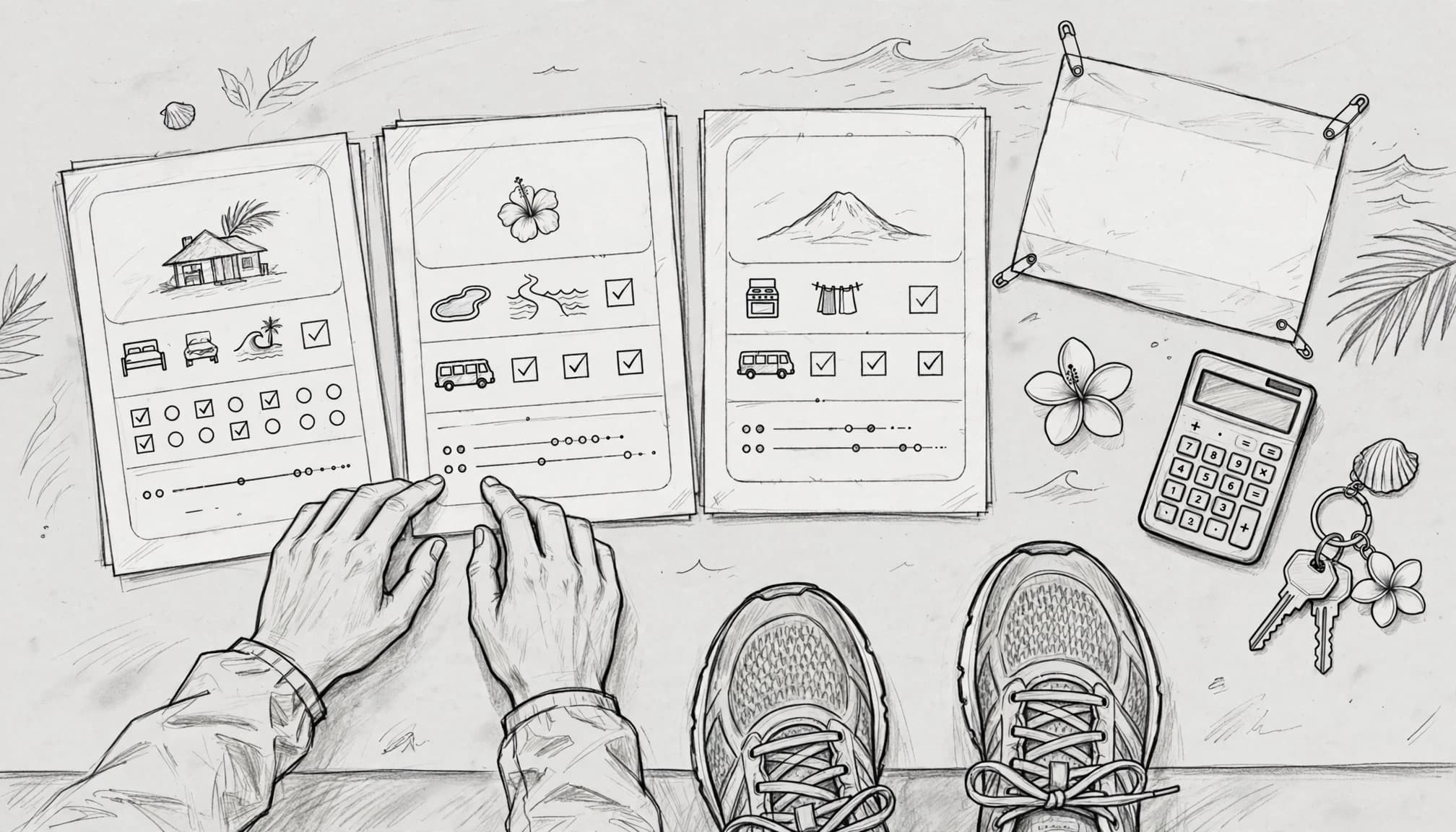
How to compare real hotel listings without overpaying
Open several listings side by side and use the same dates, number of guests, and room requirements for each search. Before choosing a cheap hotel near the Maui Marathon, check:
- The final total, including taxes, resort or airport fees, parking, and deposits.
- The room type, bed arrangement, and whether everyone gets enough space to sleep.
- Noise exposure, especially rooms near roads, pools, elevators, or late-night gathering areas.
- Kitchen access, refrigerator space, breakfast availability, and nearby groceries or restaurants.
- Wi-Fi, air conditioning, checkout time, and race-morning access to the property.
- The actual driving route to the start, not only the distance shown on a map.
A refundable rate may justify a small premium when airline schedules, illness, or race plans could change. Read the cancellation deadline carefully, since some policies become nonrefundable several days before arrival. Also confirm each property’s current reviews, parking rules, breakfast hours, race-weekend minimum stays, and fees directly with the hotel.
Choose Your Distance, Duration and Goal Time
Make three quick selections and open the exact plan built for your race target.
Looking for a Fully Personalized Training Plan?
The training plans above are an excellent choice if they match your goal. However, if you’d rather train with a plan built specifically around your current fitness, goal race, preferred training days, weekly mileage, and target finish time, our RDA Custom Training Plans provide a personalized solution. We also have running courses available for runners seeking to run faster from the mile to the marathon.
Why Choose a Custom Training Plan?
| Standard Training Plan | RDA Custom Training Plan |
|---|---|
| Follows a fixed schedule | Built around your schedule |
| Standard weekly mileage | Peak mileage customized for you |
| Fixed workout days | Train on the days you choose |
| Same structure for everyone | Designed around your current fitness |
| Static plan | Updated as your fitness improves |
| One-time purchase | Ongoing personalized coaching and support |
What You’ll Receive
- A training plan built specifically for your goal
- Personalized training paces
- Long runs, tempo runs, threshold workouts, interval sessions, recovery runs, and easy runs
- Peak weekly mileage matched to your experience level
- Flexible training schedule that fits your life
- Ongoing plan adjustments as your fitness improves
Ready to Train Smarter?
Stop guessing and start following a plan built specifically for you, your schedule, and your racing goals.
When a condo or shared stay beats a standard hotel
A condo can lower the per-person cost when you split it with trusted race companions. A kitchenette may also reduce spending on breakfast and recovery meals, while a living area gives you room to organize shoes, fuel, and race clothing.
However, savings can disappear under cleaning fees, service charges, deposits, or a required minimum stay. Shared bathrooms and uneven sleep schedules can also create problems when one runner wakes before dawn and another returns late. Ask who controls the thermostat, how quiet hours work, and whether parking is guaranteed.
Read the refund policy before sending payment, especially for independent rentals or hostels. The Maui Oceanfront Marathon lodging page can provide another comparison point, but verify that any listed property matches your event, dates, and current race logistics. For marathon weekend, dependable access, solid sleep, and a clear cancellation policy are worth more than a low rate that leaves your plans uncertain.
How to Save Money Without Sacrificing Race-Day Sleep
The cheapest room near the Maui Marathon can become expensive if it ruins your sleep, creates a stressful pre-dawn drive, or causes you to miss packet pickup. Use this simple rule: pay more for sleep and reliable race access, then save on extras that do not affect performance.
Book the right room, not just the lowest rate
Before booking, confirm the details that protect your night. A comfortable bed, dependable air conditioning, blackout curtains, and quiet surroundings matter more than an ocean view when you have an early start. Also check for a refrigerator, microwave, coffee maker, usable bathroom setup, and an elevator location that won’t place you beside constant foot traffic.
Request a room away from pools, bars, elevators, stairwells, and busy roads. If possible, ask for a room on an upper floor or at the quieter end of the property. Always confirm the request with the hotel, because a preference is not a guarantee.
Late-arrival policies deserve attention too. If your flight arrives after the front desk closes, ask how you’ll receive keys and whether the property can hold your reservation. Save the response in writing so you aren’t trying to solve access problems after a long travel day.
Cut food and transportation costs with a simple plan
Buy familiar groceries after you arrive, especially foods you already tolerate before long runs. Pack race-day snacks from home when airline rules allow, then use the room refrigerator for breakfast items, drinks, and recovery food. A microwave or coffee maker can reduce the need for expensive restaurant meals.
An affordable hotel breakfast helps only when the menu matches your routine and opens early enough. A cheaper room with no breakfast may still cost less if you prepare your own meal. Avoid testing unfamiliar foods before race morning.
Transportation requires the same full-cost comparison:
- A rental car offers control but adds fuel, parking, taxes, and rental fees.
- Rideshare service may work for one trip, but availability and prices can change before dawn.
- A hotel or race shuttle can reduce stress, but confirm its schedule and pickup location.
- Included parking may justify a slightly higher room rate if you plan to drive.
Never rely on an unconfirmed race shuttle. The Maui Marathon race details may list transportation information, but verify current schedules with the organizer and hotel. Limited late-night rideshare availability can also make a distant property less practical.
Use booking protections wisely
Flexible dates can reveal lower rates, especially when you compare nearby arrival days and book before race-weekend demand rises. Check the hotel’s direct rate, then compare it with booking sites, loyalty points, member discounts, and credit card benefits. A direct-booking guarantee may help, but read its conditions before assuming it applies.
Refundable rooms usually cost more, while nonrefundable rates offer less protection if flights, health, or race plans change. Travel insurance may help in some situations, but coverage depends on the policy and exclusions.
Read the cancellation deadline in Maui local time, not your home time zone. Before paying, save written confirmation of the room rate, taxes, fees, parking terms, cancellation policy, and late-arrival instructions. These records make it easier to spot unexpected charges and confirm what you actually booked.
A Race-Ready Hotel Checklist for Maui Marathon Weekend
A race-ready hotel should remove decisions, not create new ones. Before you reserve, confirm that the room, transportation, meal options, and checkout plan support your race schedule. Then prepare everything the night before, when your legs and mind still have energy.
Questions to ask the hotel before you reserve
Call or message the property with practical questions, and save the answers in writing. Ask:
- Can I check in late, and will someone provide access if I arrive after the front desk closes?
- What time is checkout, and do you offer late checkout for marathon guests?
- Can I store luggage before check-in or after checkout?
- Is the room near an elevator, pool, road, parking area, or construction zone?
- Are quiet hours enforced, and can you place me in a low-noise room?
- Does the room include a refrigerator, microwave, coffee maker, or access to a shared kitchen?
- What time does breakfast begin, and will food be available early enough for race morning?
- Is parking included, guaranteed, and accessible before sunrise?
- Does the property offer a shuttle, and where does it pick up and drop off?
- Is there a guest laundry, and are nearby restaurants or grocery stores open early?
- Will construction affect building access, parking, elevators, water, or room noise?
- Are there race-weekend restrictions, minimum stays, event fees, or road-access limits?
Hotel staff may know the property well, but they may not know current race operations. Confirm the start time, course, packet pickup, parking instructions, road closures, and transportation through the official Maui Marathon website. Check again before travel because event details can change.
What to pack when the room is part of your race strategy
Pack the items that make your routine feel familiar. Bring breakfast foods you have already tested, water bottles, electrolytes, race shoes, your bib, safety pins, and clothing layers for changing weather. Add sunglasses, socks, sunscreen, anti-chafing supplies, and any prescribed medication you need.
Recovery items can include a massage ball, compression gear, comfortable sandals, and familiar pain-relief products that you already use safely. Pack chargers, a backup battery, earplugs, and any sleep aid you have used before. A small cooler can protect food and drinks during travel, but confirm that the hotel permits it.
Race weekend is a poor time to test new gels, supplements, shoes, sleep products, or recovery tools. Familiar choices reduce stomach trouble and last-minute decisions.
How to handle late arrival, checkout, and recovery
Before your flight, confirm the late check-in process and keep the instructions accessible offline. If your room won’t be ready when you arrive, ask whether the hotel can store your bags securely. You may also need luggage storage after the race if late checkout isn’t available.
Ask about late checkout as soon as you book. Some properties cannot offer it because of full occupancy, so create a backup plan. Confirm whether you can shower in a fitness area, hospitality space, or another designated room after checking out.
Arrange your post-race meal before race morning. Choose a nearby restaurant with suitable hours, or stock the room with familiar recovery food. If you plan to drive, verify parking access after checkout and keep enough water, dry clothes, and snacks in the car.
Use this compact timeline to avoid preventable surprises:
- Several weeks out: Confirm registration, packet pickup, the course, start-line access, and transportation.
- As soon as possible: Book lodging with clear cancellation terms and ask the hotel’s race-weekend questions.
- Before travel: Check official road notices, parking instructions, weather, and flight timing.
- The night before: Lay out clothes, pin your bib, charge devices, prepare breakfast, and set alarms.
- Race morning: Leave with enough time for parking, walking, security, and unexpected delays.
- After the finish: Collect your belongings, hydrate, eat, shower if possible, and rest before driving.
A calm checkout plan gives your tired body fewer problems to solve. That is one of the best features a hotel can provide.
Common Mistakes That Turn a Cheap Hotel Into an Expensive Stay
A low room rate can hide costs that appear only after booking. It can also create race-day problems that money cannot quickly fix. Before choosing among cheap hotels near the Maui Marathon, compare the full trip, not just the nightly price.
The map-distance mistake
A hotel may look close to the start line because the map shows straight-line distance. Your actual drive could take much longer once you account for winding roads, elevation changes, resort entrances, parking, and race closures. Maui’s limited road network can turn a short-looking trip into an early-morning logistics problem.
Open the likely driving route and check the estimated travel time at the hour you need to leave. Then look for current road notices, posted detours, parking instructions, and the official race schedule. The Hawaii DOT marathon traffic notice shows why a normal vacation route may not work on race morning.
A common error is assuming the hotel’s shuttle will solve everything. Ask for the pickup time, stop location, reservation rules, and return schedule. If the answers are vague, plan as if you need your own transportation.
The hidden-fee and minimum-stay mistake
The advertised rate rarely tells you what the stay will cost. Add taxes, resort or destination fees, parking, cleaning charges, deposits, breakfast, rental-car costs, and race-day transportation before comparing properties. A three-night minimum can also make a low nightly rate more expensive than a higher-priced room with flexible dates.
Write down the full total for every option. If four runners share one room, divide the complete stay cost by four, not just the base rate. However, don’t pack too many people into a room simply to lower the price. Crowded sleeping arrangements, limited bathrooms, and different wake-up times can damage recovery.
A nonrefundable booking is another common mistake. Reserve a refundable room while flights, race details, or work plans remain uncertain, even if the rate is slightly higher. Check the cancellation deadline in Maui time and save the terms.
The sleep and recovery mistake
A noisy room beside a pool, elevator, road, or late-night gathering area can cost more than a resort upgrade. Poor temperature control, an uncomfortable bed, bright lights, or a late arrival can shorten sleep before 26.2 miles. A glamorous view means little if you start the race tired.
Choose a reliable room over a stylish but unpredictable property when the difference is affordable. Check recent reviews for construction, air conditioning, noise, cleanliness, and access changes. Contact the hotel directly if listings seem outdated.
Also respect posted quiet hours, follow road closures, and avoid restricted or unsafe areas. Race routes pass through local communities, so don’t bypass barriers or treat closed roads like shortcuts. A calm, well-planned stay protects your safety, your recovery, and the people who live along the course.
Frequently Asked Questions
A few booking questions still matter after you’ve compared Maui’s main lodging areas. Use the answers below to match your room, budget, and race plan without relying on an attractive nightly rate alone.
What is the cheapest area to stay for the Maui Marathon?
There isn’t one area that stays cheapest every year. Race dates, hotel demand, resort fees, parking charges, and remaining inventory can change the comparison.
Wailuku and Kahului may offer practical rates near services and major roads. Kihei can provide value through smaller hotels and rentals, while West Maui may cost more but reduce race-day travel. Compare the complete stay total before deciding which area actually saves money.
How far should I stay from the Maui Marathon start line?
Choose based on the confirmed start location, road closures, transportation plan, and your tolerance for an early departure. A room that looks close on a map may require a slow route, complicated parking, or access around closed roads.
Use the official course information and a real driving route at your expected departure time. The Hawaii DOT race traffic notice lists a 5 a.m. start for its published event notice, but confirm the details for your race year.
Are vacation rentals cheaper than hotels on Maui?
A legal vacation rental may cost less when several runners share it and use the kitchen for breakfast and recovery meals. Extra space, laundry, and a refrigerator can also reduce spending during a longer stay.
However, cleaning fees, service charges, deposits, and minimum stays can erase the savings. Check current operating rules, recent reviews, cancellation terms, exact location, and parking before paying.
Should runners stay near the airport or in West Maui?
Airport-area lodging can simplify arrival, grocery shopping, rental-car pickup, and access to practical services. West Maui may offer greater race convenience and a more relaxing resort setting after the finish.
Compare the total price, sleep quality, transportation needs, and race timing. If staying farther away creates a pre-dawn drive, the lower room rate may not justify the added fatigue.
Can I find last-minute cheap hotel rooms during race weekend?
You might find a lower rate after a cancellation, but waiting carries real risk. Race demand can reduce inventory, raise prices, and leave you choosing between poor locations or nonrefundable rooms.
Book a refundable backup early, then keep checking for a better option. Switch only when the original reservation can be canceled without a penalty and the replacement has confirmed access.
What should I confirm before paying for a Maui Marathon hotel?
Check the exact property address, final total, cancellation deadline, parking rules, check-in hours, bed setup, race-day route, and transportation plan. Also confirm the property’s current operating status, especially if older listings show services that may have changed.
Save the confirmation, fee breakdown, and hotel messages offline. Before race day, review official event updates and current road restrictions, including the published Maui race road-delay information, so your lodging plan matches actual access.
Conclusion
Finding cheap hotels near the Maui Marathon takes more than sorting by the lowest nightly rate. Compare lodging in West Maui, Kihei, Wailuku, and Kahului, then calculate the full cost with taxes, fees, parking, meals, and transportation included. The best budget hotel protects your energy, sleep, and race-morning confidence while keeping the trip affordable.
Before booking, verify the current course, start time, packet pickup details, road closures, and transportation plans through the official Maui Marathon website. A practical room with dependable air conditioning, a quiet setting, food access, and flexible cancellation terms may support your race better than a cheaper property that creates extra travel or recovery problems.
Confirm the official course details, shortlist three lodging options, and compare their complete refundable prices. Then reserve the best value for your actual race plan, not simply the lowest advertised rate. A well-chosen room gives you fewer decisions before sunrise and more focus for the miles ahead.


