

Can You Run a Marathon in the Brooks Trace 4?
The Brooks Trace 4 Marathon gets attention for a simple reason, runners want a shoe that feels good on long miles without wasting money on features they won’t use. If you’re trying to decide whether it can handle marathon training, race day, and the workouts in between, comfort, durability, ride feel, and value are the right things to judge first.
That matters even more when your week includes easy runs, tempo work, and long runs that leave your legs flat. For a broader look at how it compares with other options, see this guide to choosing marathon running shoes.
This breakdown keeps things practical, so you can decide whether the Brooks Trace 4 fits your mileage, your pace, and your budget. If you’re also dialing in recovery, energy, and hydration, a few extra basics like sleep support, focus and energy, and endurance hydration can help round out your race prep.
What the Brooks Trace 4 brings to marathon training
The Brooks Trace 4 fits marathon training best when you want a shoe that feels predictable, comfortable, and easy to live with week after week. It does not try to be flashy, and that works in its favor for runners who care more about steady mileage than a dramatic ride.
Build Your Complete Race-Day Setup
The right shoe helps, but faster racing comes from better training, pacing, recovery, fueling, and execution.
More Guides for This Shoe
For many runners, marathon prep is built on repetition. Easy runs, recovery days, and long runs ask for a shoe that stays calm underfoot and doesn’t fight your stride. That is where the Trace 4 starts to make sense, especially if you want a simple training partner without paying for features you may never use.
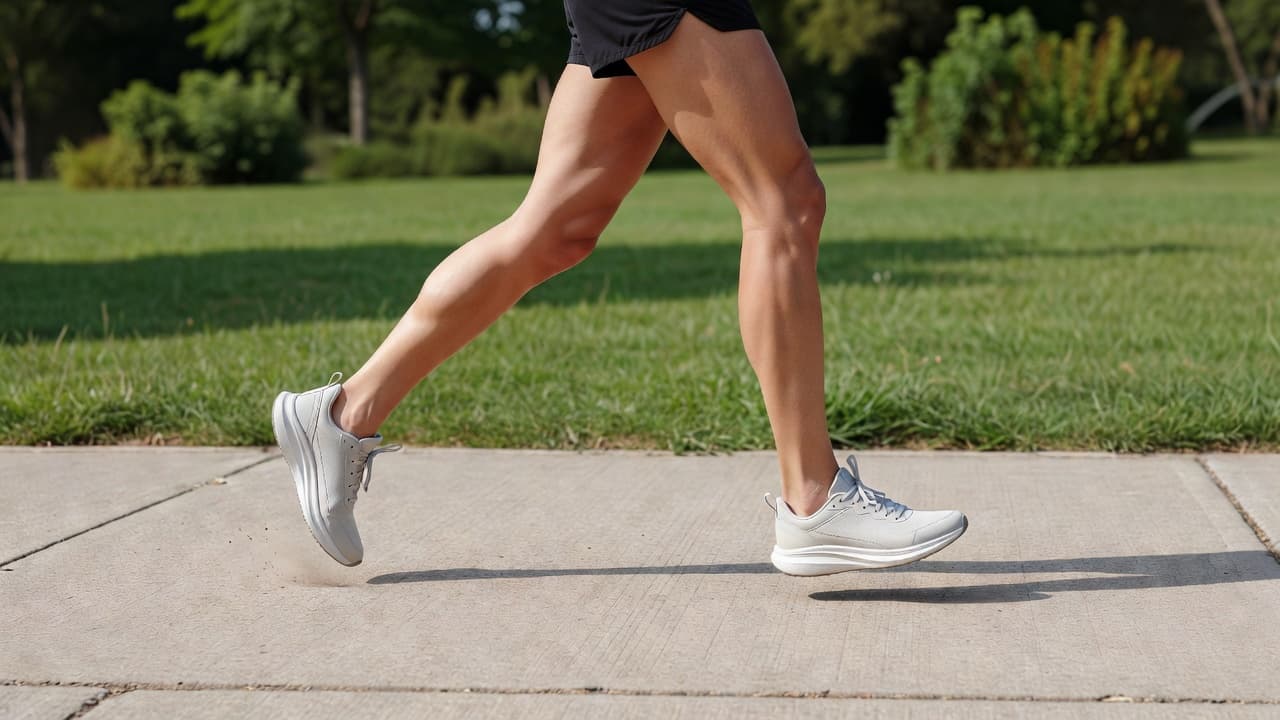
The Trace 4 feels soft enough to be comfortable, but it doesn’t sink in too much. That balance matters because marathon training shoes need to cushion impact without making your legs feel dull or disconnected from the ground.
On a short first run, you’ll likely notice the easy step-in comfort and a stable, guided feel. The shoe stays composed rather than lively, so it works well when you want a relaxed pace. On a longer run, that steadiness becomes more useful because the ride feels familiar mile after mile, instead of changing character as fatigue builds.
The cushion is best described as moderate and controlled. It gives you enough protection for regular training, while the firmer side of the ride helps keep the shoe from feeling sloppy. If you like shoes that feel plush and bouncy, this may seem a little plain. If you want something stable and trustworthy, that plainness is part of the appeal.
The Trace 4 is the kind of shoe that disappears in a good way. You notice the comfort first, then the lack of distraction.
Recovery runs and easy mileage can also go better when the rest of your routine is solid. Good sleep, steady hydration, and enough energy support all matter just as much as the shoe itself. For a simple refresher on the basics, see sleep support options, energy and focus tips, and hydration for endurance.
Who the Brooks Trace 4 is best for
The Brooks Trace 4 is a strong fit for beginner runners, neutral runners, and marathoners who want a budget-friendly daily trainer. It also makes sense for runners building mileage on a budget, since it covers the basics without asking you to spend race-shoe money on training days.
It works especially well if you want one dependable shoe for easy runs, recovery runs, and lighter long-run days. The ride is simple, the feel is stable, and the price point usually makes it easier to buy a second pair when training volume climbs.
Runners who want a different model may want more cushioning, more bounce, or a lighter speed feel. If you chase tempo sessions, fartleks, or marathon pace work often, a faster shoe may suit you better. The Trace 4 is more about dependable miles than pace chasing.
A good fit here usually looks like this:
- Beginners who want an easy first training shoe.
- Neutral runners who prefer a stable, no-drama ride.
- High-mileage runners who want an affordable option for daily use.
- Marathoners on a budget who need a trainer for long runs and easy days.
If you want a deeper look at the shoe itself, this Brooks Trace 4 review breaks down how it performs on real runs.
How it compares to a typical daily trainer
In the daily trainer category, the Trace 4 lands where many runners need it most, right in the middle of comfort, support, and value. It is not built like a light speed shoe, so it won’t feel snappy when you want to open up your stride. At the same time, it is not a big max-cushion cruiser either, so it avoids the bulky feel some runners dislike.
That middle-ground setup makes it useful for marathon training blocks. You can take it out for easy days, use it on moderate long runs, and rely on it when you want a shoe that stays consistent instead of exciting. For a lot of runners, that is the point.
Compared with faster shoes, the Trace 4 gives up some pop and turnover help. Compared with max-cushion models, it gives up some softness and stack height. In exchange, you get a more straightforward ride that feels easier to trust when the miles start to add up.
If you want one shoe that does the job without much fuss, the Trace 4 fits that brief well. It is a daily trainer first, and that is exactly why it can earn a place in marathon training.
Can the Brooks Trace 4 handle marathon miles?
The Brooks Trace 4 can handle marathon miles for the right runner, but it does best as a steady trainer rather than a flashy race shoe. If you want a shoe that stays predictable, keeps your legs protected, and doesn’t distract you late in the run, it has a real case.
What matters most in a marathon shoe is how it feels when fatigue shows up. Early comfort is easy to find. The real test comes after mile 16, when small pressure points, dead foam, or a shaky landing can turn into a bigger problem.
Long-run comfort after the first hour
The Trace 4 holds its shape well enough for long training runs, but it doesn’t feel like a soft luxury cruiser. That matters because some shoes feel great at mile 3 and flat at mile 18. This one stays more even, which helps if you prefer a stable, no-drama ride over a big, pillowy landing.
Hot spots are still a real concern on marathon day. The upper needs to stay smooth over the top of the foot, and the toe box needs enough room for swelling. If you know your feet expand late in long runs, try the shoe after your feet are already warm, not just during a quick store test.
A few signs tell you whether the Trace 4 is holding up for you:
- No heel slip, because sliding turns into blisters fast.
- No arch rubbing, especially once sweat builds up.
- No forefoot pinch, since feet spread later in the run.
- A consistent cushion feel, even when your stride gets heavier.
If your long runs stay comfortable in a pair, marathon day gets a lot easier. Sleep, energy, and hydration also shape how your feet feel late in the run, so the shoe is only part of the equation. A good marathon prep routine should still include sleep support, energy focus, and endurance hydration.
A marathon shoe does not need to feel exciting at mile 2. It needs to stay calm at mile 22.
If you want more context on how this model performs over distance, the Brooks Trace 4 review is a useful place to compare long-run feel with everyday training use.
Stability when your form gets tired
Later in the marathon, your stride usually gets less clean. Your hips drop a little, your landing gets louder, and each step asks more from the shoe. That is where the Trace 4’s steadier platform helps.
The shoe does a decent job of keeping the foot centered, so it can feel reassuring when your legs start to fade. It does not have aggressive support features, but the base is firm enough to help smooth out lazy mechanics and keep the landing from feeling sloppy.
That said, it won’t fix major form breakdown. If you need strong guidance or very soft cushioning to stay upright late in races, you may want more shoe underfoot. For runners with a normal gait and moderate fatigue, though, the Trace 4 gives enough structure to stay useful deep into long efforts.
The main thing to watch is how the shoe behaves when you start overstriding. If the landing feels harsh or unstable as fatigue builds, it may be better as a training shoe than a marathon racer. Still, for many runners, that controlled feel is exactly what keeps the last miles manageable.
Pace range for training and race day
The Brooks Trace 4 makes the most sense at easy and moderate speeds. It fits recovery runs, long runs, and steady mileage where comfort matters more than turnover. In that role, it feels dependable and simple.
For marathon pace work, it can still work if you are a runner who likes a firmer, grounded feel. It won’t add much snap, so it may not help much when you want to run faster with less effort. Tempo runs are possible, but the fit depends on your stride and how much pop you want from the shoe.
A quick pace guide helps set expectations:
| Run type | Fit for the Trace 4 | Why it works |
|---|---|---|
| Recovery runs | Strong fit | Easy, controlled, comfortable |
| Easy runs | Strong fit | Smooth ride without pressure |
| Long runs | Good fit | Stable enough for steady mileage |
| Marathon pace | Fair fit | Works best for relaxed, efficient runners |
| Tempo work | Runner-dependent | Fine for some, too plain for others |
| Fast intervals | Poor fit | Not built for speed |
For most runners, the Trace 4 is better as a training shoe than a race-day weapon. It can absolutely cover marathon miles, but it does that best when the goal is control, comfort, and consistency. If you want a shoe that helps you keep the effort in check, it earns a close look.
Fit, sizing, and comfort details runners should know
Fit can make or break a marathon shoe, even when the cushioning and ride feel right. The Brooks Trace 4 Marathon case is no different. If the shoe feels snug in the wrong spots or loose where you need control, long miles will expose it fast.
Toe box space for swelling feet
A marathon toe box should give your toes a little breathing room without letting the foot slide around. That extra space matters because feet often swell on long runs, especially in heat, humidity, or race-day nerves.
The Trace 4 gives runners a straightforward fit that works best when you do not cram the front of the shoe. If you like a close, performance-style fit, you may be fine in your usual size. If your feet widen during long efforts, a bit more room up front can help keep toenails and forefoot pressure in check.
Sock choice matters too. A thin, smooth running sock can free up a little space, while a thicker sock may make the shoe feel tighter than it should. Lace tension plays a role as well, because you can keep the forefoot comfortable without giving up heel hold.
For runners who want to compare the Trace line with its earlier fit profile, the Brooks Trace 3 review is a useful reference point.
Heel lock and midfoot security
A secure heel and midfoot keep the shoe from feeling sloppy when fatigue sets in. That matters in a marathon, because even small slips can turn into hot spots, blisters, or a nagging pressure point by the later miles.
The Trace 4 does a solid job here for most neutral runners. It is not aggressive, but it holds the foot well enough for steady training and long efforts. If the heel stays planted and the midfoot feels supported, you usually get a cleaner stride and a little more confidence late in the race.
When the fit is off, you feel it fast. A loose heel can rub the back of the foot, while a tight midfoot can create a pinching sensation across the arch or top of the foot. That is why a secure fit should feel calm, not cramped.
True-to-size or size up?
For most runners, the safest starting point is true to size. That usually gives you a familiar fit and enough room to judge whether the toe box feels right once you start moving.
Sizing up can make sense if you have wider feet, use thicker socks, or know your feet swell a lot during long runs. Some runners also size up a half step for marathon day, then use a firmer lace pattern to keep the heel locked down. That can be a smart move if the front of the shoe feels too close in your regular size.
A few quick fit checks help before race day:
- Your toes should have space to spread.
- Your heel should stay in place on downhills.
- The top of the foot should feel snug, not tight.
- The shoe should still feel good after 30 to 60 minutes.
Comfort also depends on the rest of your race prep. Good sleep, steady energy, and smart hydration all affect how your feet feel late in a run. A few basics like sleep support, energy and focus, and endurance hydration can help keep the shoe feeling better when the miles get long.
How the Brooks Trace 4 performs in real marathon training
The Brooks Trace 4 Marathon works best when your training week is built on repeatable miles. It feels steady, comfortable, and easy to trust, which matters more than flash when your runs start stacking up. If you want a shoe that handles the grind without asking for much attention, this one makes a strong case.
It is also useful to keep expectations clear. The Trace 4 is not trying to be a race-day rocket, so its value shows up in the work between the start line and the finish line. That includes easy days, long runs, and the occasional faster session when you want one shoe that can do a little of everything.
Easy miles and recovery runs
The smooth transitions help a lot here. Each step rolls forward in a simple, predictable way, and that matters on recovery days because you do not want your shoe asking for extra work. Instead, it lets you settle into an easy rhythm and keep the run light.
That makes it a smart choice for runners who want to stay consistent after harder workouts. Good recovery also depends on the rest of your routine, including sleep, food, and hydration, so the shoe works best when those pieces are in place too. A helpful place to start is sleep support for runners, because better rest often makes easy mileage feel easier.
The Trace 4 is especially appealing if you like your recovery shoes to feel stable rather than marshmallow-soft. It keeps the run controlled, which can reduce the sense that your legs are wobbling through every stride.
Long runs and marathon pace practice
Long runs are where marathon training gets real, and the Trace 4 handles them with steady, practical comfort. It gives enough protection for time on feet, yet it does not feel so soft that you lose the road under you. That balance helps when you need to hold rhythm for an hour or more.
Marathon pace practice is also a decent fit, as long as you expect a grounded ride instead of a lively one. The shoe does a good job of staying out of the way, so you can settle into pace work without fighting the foam or feeling like the shoe is dragging. For runners who want one shoe that feels dependable at a steady clip, that is a real plus.
Still, the Trace 4 has limits. It supports marathon pace work better than it supports aggressive fast running, and it rewards smooth mechanics more than raw turnover. If you want more help pushing pace, a lighter and springier trainer will do more for you.
A simple way to think about it is this:
- Easy long runs feel natural and comfortable.
- Steady marathon pace reps feel controlled and repeatable.
- Late-run fatigue feels manageable because the shoe stays stable.
- Very fast pace changes feel less fluid than they would in a quicker shoe.
The Trace 4 gives you a stable platform for long efforts, which matters more than excitement when the mileage climbs.
For runners who also need help keeping energy up during marathon blocks, focus and energy support can matter just as much as shoe choice. Long-run quality often depends on how well the whole week is built, not just how the shoe feels at the start.
Short workouts and uptempo days
The Trace 4 can handle faster training in a limited way, but it is not built for speed-first sessions. For tempo runs, it works best when the pace is controlled and the workout stays moderate. You can move in it, but you will feel its plain, steady character once the effort climbs.
Intervals and sharp fartlek sessions are where the shoe starts to show its ceiling. It does not have the snappy response that makes fast changes feel easy, so quick surges can feel a little flat. If your workout is short and relaxed, it can still get the job done. If the plan calls for true speed, you will probably want something more responsive.
That said, the Trace 4 does have one advantage on uptempo days, it keeps the ride calm. Some runners like that because it stops them from overreaching early in a workout. Others will miss the quick toe-off and lighter feel that a speed shoe brings.
A practical breakdown looks like this:
| Workout type | How the Trace 4 performs | Best use case |
|---|---|---|
| Tempo runs | Fair to good | Steady efforts at controlled pace |
| Fartlek sessions | Fair | Short pickups with generous recovery |
| Intervals | Limited | Shorter reps, not all-out speed |
| Hill repeats | Fair | Moderate effort, not sprint-heavy work |
If your marathon plan only includes one or two moderate speed sessions each week, the Trace 4 can stay in the rotation. It just should not be your first pick for workouts that depend on quick turnover. For recovery between harder days, hydration for endurance training also helps keep your legs ready for the next run.
Brooks Trace 4 Marathon pros and cons to weigh before buying
The Brooks Trace 4 Marathon makes sense for runners who want a simple, steady shoe more than a flashy one. Its strengths show up in comfort, ease of use, and value, while its limits show up when you want more cushioning, more bounce, or a stronger race-day feel.
That tradeoff matters because marathon shoes do different jobs for different runners. A shoe that feels great on easy miles may still fall short when pace picks up, and a shoe that feels quick may not hold up well over long training weeks.
The biggest strengths for marathon runners
The Brooks Trace 4 works well for runners who want a dependable daily trainer. It feels comfortable right away, which helps during long marathon buildups when you are logging a lot of repeat miles.
Its ride is also easy to live with. The shoe stays stable, the cushioning feels moderate, and the overall feel is calm rather than demanding. That makes it a good match for runners who prefer a predictable landing and a smooth transition through the stride.
Another plus is how approachable it feels for newer runners. If you are training for your first marathon, a shoe that does not ask much from your form can be a relief. It gives you enough protection for easy runs, recovery days, and moderate long runs without feeling overly complicated.
The Trace 4 also fits high-mileage training well because it keeps the focus on comfort and consistency. You can use it for the bulk of your weekly miles, then save your faster shoes for workouts that need more snap.
The Trace 4 does have clear limits. Runners who want more cushioning for long marathon days may find it a little plain, especially if they like a softer, more protective feel late in the run. It gets the job done, but it does not feel like a max-cushion shoe.
Cushion
It also lacks the bounce that many runners now expect in a race-oriented model. If you want a shoe that helps you turn over faster with less effort, this one may feel flat. That is fine for steady training, but less ideal for race-day push.
Heavier runners may want to look at shoes with more foam underfoot, especially for long efforts on tired legs. Speed-focused runners may also want something lighter and more responsive. For a broader Brooks comparison, Runner’s World’s Brooks shoe guide shows how different models fit different needs.
A few common reasons to shop elsewhere include:
- You want a softer ride for long marathon miles.
- You need more rebound for pace work and race day.
- You prefer a lighter shoe for faster turnover.
- You want more protection if you run on tired, heavy legs.
Best use cases for different runner types
The Brooks Trace 4 Marathon fits best when your goal is simple, dependable training. First-time marathoners can use it as a no-nonsense option that keeps the focus on building mileage instead of adjusting to a complicated shoe.
Budget-conscious runners also get a lot of value here. If you want one shoe that handles easy runs, recovery runs, and some long-run work, the Trace 4 covers a lot of ground without a high price tag.
Runners building fitness with daily miles will appreciate the steady feel most of all. The shoe is not trying to be a speed shoe, so it works better when your priority is consistency. That makes it a strong pick for marathon blocks built around repetition, not hype.
It is a safer buy if you want:
- A comfortable trainer for everyday mileage
- A stable shoe for long, steady runs
- A lower-cost option for marathon prep
- A simple setup that does not distract from training
If your marathon plan leans more toward comfort and control than speed and bounce, the Trace 4 fits that script well.
How to get more out of the Brooks Trace 4 on race day
Getting the most from your gear starts long before the starting gun fires. While the Brooks Trace 4 is a reliable daily trainer, you can definitely lean on its stable, predictable nature during a marathon. By focusing on how you prepare your shoes and your body, you can ensure that the final miles feel as controlled as the first ones.
Race-day setup that supports comfort
Preparation is the secret to avoiding those nagging issues that tend to pop up late in a race. Start by breaking your shoes in well before the big day. You should aim for at least 40 or 50 miles in the pair you plan to wear. This ensures the foam settles into your unique gait and the upper softens enough to move with your foot.
Next, pay attention to your lacing pattern. Since your feet naturally swell during a marathon, you don’t want to tie them too tight at the start line. Try a runner’s loop or a heel-lock lacing technique to keep your foot secure without putting excessive pressure on the top of your arch. Also, choose a synthetic or wool-blend sock that wicks moisture away. Cotton socks hold sweat, which creates friction and leads to blisters.
Hydration, fueling, and energy support
Even the best running shoes cannot compensate for a lack of internal fuel. Marathon success relies heavily on how well you manage your energy levels from mile one to the finish. If you neglect your intake, your form will suffer regardless of the gear on your feet.
You should practice your fueling strategy during your long training runs. This helps your stomach adapt to specific gels or chews before the stress of race day. In addition, consistent fluid intake keeps your muscles functioning correctly when the intensity rises. If you are looking for ways to keep your engine running smoothly, check out these resources for endurance hydration and specialized energy and focus support. Staying on top of these habits ensures your legs stay fresh enough to get the most out of your training.
Recovery after the marathon
What you do once you cross the finish line matters just as much as your training miles. The goal is to jumpstart your body’s repair process so you can avoid long-term soreness. Start by keeping your legs moving with a light walk, as this helps circulate blood and flushes out metabolic waste.
Focus on getting high-quality sleep in the days following the event to allow your tissues to recover. Nutrition also plays a big role in how quickly you bounce back, so prioritize hydration and replenishment immediately. If you need help structuring your post-race routine, these recovery and sleep supplements can provide the extra support your body needs to heal. Taking a few extra days to rest fully will make your eventual return to training much easier.
Conclusion
The Brooks Trace 4 Marathon is a solid partner for runners who prioritize a steady, no-nonsense training feel over high-tech bells and whistles.
It excels as a daily trainer for those who want comfort and reliability during the long hours of marathon preparation. If you need a shoe that maintains a consistent ride without unnecessary weight or complexity, this is a reliable choice for your rotation.
Consider other options if you require maximum cushioning for sensitive joints or an aggressive, bouncy feel to hit personal records.
The best way to judge this shoe is to track how your legs feel during long training blocks, as well as your recovery speed between sessions. Remember that your sleep quality and mental energy and focus are just as important as your footwear. Proper endurance hydration also keeps your body functioning well when the mileage starts to climb.
Pick the shoe that supports your specific gait and goals today, then train with confidence.


