

Brooks Trace 4 Half Marathon Review: Ready for 13.1 Miles?
The Brooks Trace 4 half marathon conversation starts with one simple question, can this shoe handle 13.1 miles without getting in your way? For runners who want a steady trainer that feels comfortable, holds up well, and still works on race day, that question matters.
This review looks at fit, comfort, durability, and how the Trace 4 handles the demands of half marathon training and racing. It also helps you judge whether it makes sense for your own setup, especially if you’re balancing long runs with race prep.
If you’re comparing it with other Brooks options, that context matters too, and a shoe like the Brooks Hyperion Elite 3 for half marathons gives a useful point of reference.
What the Brooks Trace 4 brings to half marathon training
The Brooks Trace 4 Half Marathon setup makes the most sense when your training week has variety. You need a shoe that can handle easy mileage, long runs, and the occasional workout without feeling out of place on any of them.
Build Your Complete Race-Day Setup
The right shoe helps, but faster racing comes from better training, pacing, recovery, fueling, and execution.
More Guides for This Shoe
That matters because half marathon training is never just one pace. Some days ask for relaxed cruising, others call for steady effort, and race prep usually adds a little speed. A shoe that only feels good in one lane gets old fast.
Why half marathon runners care about a shoe like this
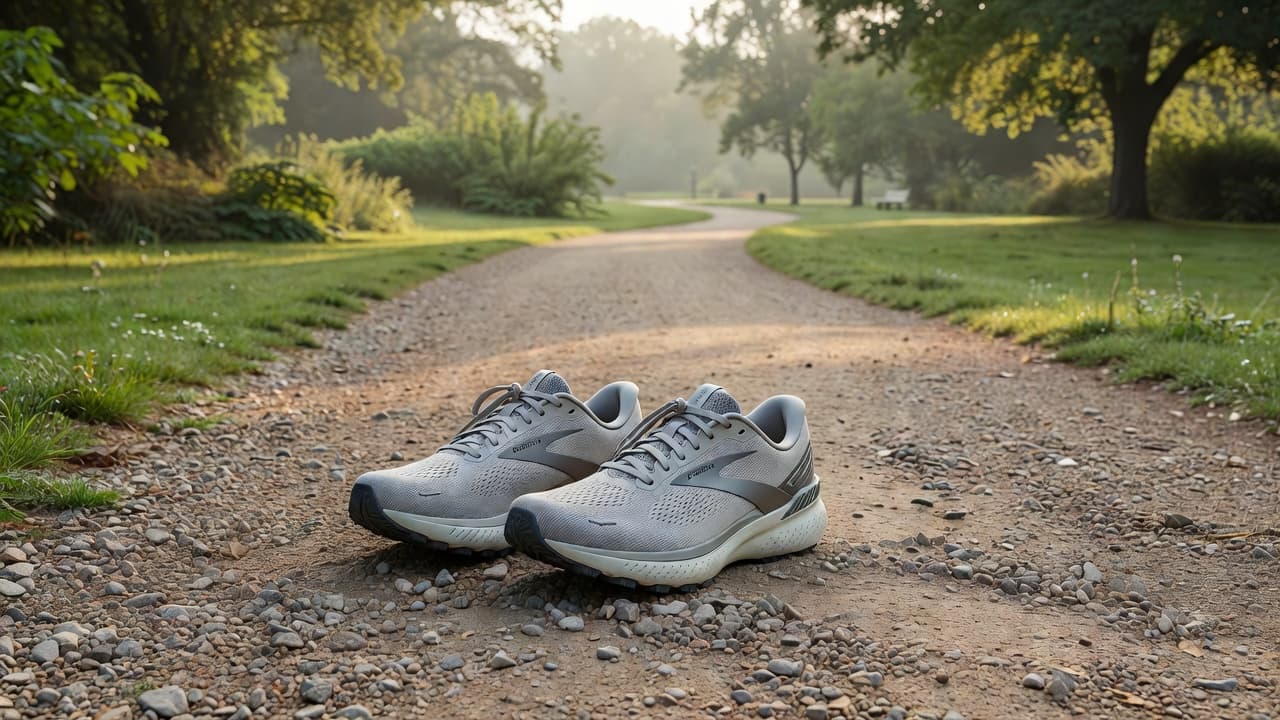 Half marathon training puts a shoe through a real test. Long runs ask for comfort over time, easy miles need a smooth ride, and workouts call for enough responsiveness to keep your legs awake. If a shoe feels good only when you jog slowly, it won’t do much for the full plan.
That is why runners pay attention to balance. A trainer like the Trace 4 has to feel stable on tired legs, cushioned enough for weekly volume, and light enough that it doesn’t drag during quicker efforts. It should be the pair you reach for without second-guessing it.
You also want consistency. When you stack weeks of training, small annoyances become big ones. A shoe that rubs, feels clunky, or loses its shape can make a long block feel longer. For many runners, the goal is simple, one shoe that can cover most sessions with minimal drama.
A good half marathon trainer does not need to be flashy. It needs to show up every week and handle the work.
Who the Brooks Trace 4 seems best for
The Trace 4 looks best suited to runners who want a simple, dependable daily trainer. Beginners often like shoes like this because they are easy to understand, easy to wear, and less demanding than race-focused models. Neutral runners may also appreciate the straightforward feel, especially if they want a shoe that just gets out of the way.
It also makes sense for runners building toward 13.1 miles on a budget. If you want one pair for steady mileage, long runs, and light workout days, this kind of shoe can cover a lot of ground. It is a practical choice for anyone who values comfort and reliability more than plated speed or aggressive design.
That said, the Trace 4 is strongest as a training partner, not a specialist. Runners chasing a sharper race-day feel may prefer something faster for the start line, while still keeping the Trace 4 in the rotation for the miles that build the fitness.
For more context on how to structure that build, these half marathon training tips can help you connect shoe choice with the rest of your plan.
Fit, feel, and comfort over long miles
The Brooks Trace 4 Half Marathon makes its case through comfort that holds up after the first few miles fade. That matters more than a sharp look or a trendy shape, because the shoe has to feel good when your form gets a little sloppy and your legs start to tire.
Long runs expose everything. A shoe can feel fine in the first mile, then start to press, rub, or feel sloppy by mile nine. That is why fit and comfort matter so much for half marathon training and race day. Recovery habits also play a role, so smart sleep support for recovery, energy and focus choices, and hydration for endurance all help your shoes feel better because your body feels better.
How the upper supports all-day comfort
That kind of comfort becomes more valuable the longer you stay on your feet. On a short run, almost any shoe can feel fine. After an hour or more, small pressure points and poor airflow become hard to ignore. If you want a similar everyday feel in another Brooks model, the Brooks Ghost 18 review gives a useful comparison for runners who care about easy mileage comfort.
A stylish upper might catch your eye in the store, but it won’t matter much at mile 10. Comfort wins when the run gets long, the weather gets warm, and you just want a shoe that stays out of the way.
Lockdown and stability during steady pacing
The Trace 4 should feel secure enough for steady half marathon pacing without squeezing the foot. A snug midfoot and heel hold can make a big difference here, because it helps the shoe stay calm when your stride stays repetitive for miles.
That secure feel also cuts down on distractions late in the run. When your shoe shifts too much, you notice every step. When the fit stays locked in, you can focus on pace, breathing, and finishing strong. For runners who want a slightly more cushioned feel in a Brooks trainer, the Brooks Glycerin 23 fit and feel guide is a helpful point of comparison.
A stable, comfortable fit does not need to feel aggressive to work well. It just needs to stay dependable when the pace settles and the effort builds.
How the Trace 4 handles daily training miles
The Brooks Trace 4 Half Marathon works best when you want one shoe to cover a lot of ordinary mileage. It feels built for the steady stuff, the runs that make up most of your week, and that matters more than any flashy feature list.
For daily training, the real test is simple. Does it stay comfortable after a hard workout, hold up on a long run, and still feel usable when you need another pair of miles tomorrow?
The Trace 4 answers those questions with a calm, predictable ride that suits runners who want less fuss and more consistency. If you want a deeper look at the shoe itself, the Brooks Trace 4 review gives more context on the full build and feel.
Easy runs and recovery days
On easy days, the Trace 4 should feel relaxed enough to let your legs settle down. The cushioning is soft in a practical way, not overly plush, so it gives you a gentle landing without making the shoe feel mushy or slow.
That balance matters after a workout or long effort. Your body wants comfort, but it also wants a shoe that keeps moving smoothly. The Trace 4 fits that lane well because it encourages an easy rhythm instead of asking you to work for every step.
For runners who spend a lot of time on recovery miles, the shoe’s steady feel is a plus. It should not distract you with a harsh heel, a stiff forefoot, or any odd pressure points. Instead, it feels like a low-key daily partner you can wear when you just want to get the miles done.
Long runs before race day
You should notice that the ride stays even when your stride gets less polished. The shoe may not feel exciting, but it should feel trustworthy. That kind of underfoot protection helps when you are logging miles on tired legs and still need to finish strong.
A good long-run shoe does not have to feel fast. It has to keep your feet from paying for the last few miles.
For half marathon training, that steady protection is a big deal. If the shoe keeps pressure off your feet and stays comfortable when your form starts to sag, it earns its spot in the rotation. That same training mindset pairs well with smart recovery habits, including sleep support for recovery and hydration for endurance.
Can it handle a few faster sessions too?
The Trace 4 can handle some faster work, but only within reason. It is fine for light tempo runs, short pickups, and strides, especially if you want one shoe that does a little bit of everything. Still, it does not have the snap of a true speed shoe.
That means you can use it for controlled sessions where pace changes matter more than raw turnover. It should feel stable enough for moderate effort, and the ride should stay smooth when you pick up the pace. For many runners, that is enough.
If you want a shoe that feels more alert during workouts, you will notice the limits here. The Trace 4 is better as a reliable trainer that can also touch faster running, not a shoe built around pace day. If your training includes sharper sessions, pairing it with another option makes sense, especially when energy and focus are part of the plan. The best energy and focus support can help round out those harder training days.
For a broader comparison with another Brooks daily option, the Brooks Trace 4 affordable running shoe overview is useful if you want to see how it fits into a simple rotation.
If you want one shoe to absorb most of your weekly miles, the Trace 4 handles that job well. It is most convincing on easy runs and long runs, then still useful when a few faster minutes show up in the plan.
Brooks Trace 4 Half Marathon Race-Day Pros and Trade-Offs
The Brooks Trace 4 Half Marathon choice makes sense for runners who want race day to feel calm and familiar. It gives you a steady platform, a comfortable fit, and a ride that does not ask much from you before the gun goes off. That can be a real advantage when nerves are high and you want a shoe that feels like part of the routine.
Where the shoe helps on race day
The Trace 4 brings a low-stress feel that suits a half marathon well. It is comfortable right away, so you do not spend the opening miles thinking about hot spots or pressure points. That matters more than many runners expect, because a calm shoe helps you stay calm too.
Its simple ride also works in your favor. You get a predictable landing and a smooth transition, which is useful when you want to settle into rhythm early and hold it. For a runner who values consistency over flash, that can feel like a steady hand on the wheel.
The shoe also makes sense for runners who want a half marathon option without a complicated setup. You lace it up, start moving, and get on with the work. If your focus is on what to eat before a half marathon, sleep, and hydration, the Trace 4 fits neatly into that simpler race-day mindset. Good recovery sleep support, smart energy and focus support, and hydration for endurance all help the shoe feel better too, because your legs are fresher when you toe the line.
A shoe that feels calm at mile one often feels even better at mile ten.
Where faster runners may want more
Runners chasing a PR may want more snap than the Trace 4 gives. The shoe is stable and comfortable, but it does not have the lively pop that makes some racing shoes feel electric under pace. If you want that quick rebound sensation, this pair may feel a little flat.
It also lacks the more advanced race-day cushioning found in premium plated shoes. Those models often feel more propulsive, especially when you are holding pace deep into the race. In comparison, the Trace 4 feels more like a dependable trainer that can race, not a true racing specialist.
That trade-off matters most for stronger runners and aggressive pacing plans. If your goal is to run your best possible split and squeeze every second out of the course, you may prefer a shoe with more response. Runner’s World shoe reviews often highlight that same split between comfort-first trainers and more responsive race shoes, and the gap is real when pace matters.
For many runners, though, that is not a deal-breaker. The Trace 4 is a sensible pick when you want reliability more than fireworks. If your race strategy is built around controlled effort, smart pacing, and staying relaxed, it can still do the job well.
How it compares with other Brooks running shoes
The Brooks Trace 4 sits in a simple spot within the Brooks lineup. It is built for runners who want an easygoing daily trainer, not a plush cruiser or a sharp race shoe.
That makes the comparison useful. Once you place it next to Brooks’ softer trainers and faster options, its purpose becomes clear fast. It gives you dependable comfort, but it stays more direct and less bulky than the max-cushion shoes.
For a broader look at where it fits in the brand’s lineup, the Brooks running shoe model guide is a helpful place to start.
Trace 4 versus higher-cushion trainers
That extra cushion can feel great if your legs need more protection. It often takes the edge off pavement and helps reduce the harsh feel of repeated miles. Brooks describes the Trace 4 as a comfort-first road shoe, while its more cushioned models are built to offer more softness and support for daily wear and longer efforts on the road, as shown on Brooks’ Trace 4 product page.
The trade-off is feel. A higher-cushion trainer usually feels plusher but also a bit more muted, while the Trace 4 gives you a more direct ride. If you like a shoe that stays light on its feet and does not swallow the road, that matters.
The main difference is simple:
- Trace 4 feels lighter and more straightforward for everyday mileage.
- Higher-cushion Brooks models feel softer and more protective for long, easy runs.
- The Trace 4 is better when you want comfort without too much bulk.
- The plush models are better when softness is your top priority.
If you want a shoe for relaxed long runs and recovery miles, the cushier Brooks options usually win. If you want one shoe that stays easy to wear and does not feel oversized, the Trace 4 makes more sense.
Trace 4 versus race-focused shoes
Race-focused Brooks shoes are built for speed first. They usually feel lighter, snappier, and more aggressive than the Trace 4, which helps when you want quick turnover and a more explosive toe-off.
That difference shows up right away. A racing shoe often asks you to run fast, while the Trace 4 lets you run comfortably. For half marathon training, that can be a better fit for runners who want one pair that handles daily miles, steady runs, and the occasional workout without feeling twitchy.
The Trace 4 also has an easier personality. You don’t need race-day legs to enjoy it, and you don’t need perfect form to get value from it. Some runners prefer that because training is where most of the work happens, and the shoe should feel stable when the plan gets repetitive. If you want a little more context on pace work, this half marathon pacing strategy guide pairs well with a shoe like this.
Race shoes can be exciting, but they are not always the best choice for everyday use. They often feel firmer, more narrow in purpose, and less forgiving over a full training block. The Trace 4 gives up that snap, yet it keeps things calmer and more practical.
For runners who split the difference, that is the appeal. A comfortable trainer like the Trace 4 can handle most of the week, while a faster shoe waits for race day or key workouts. If you want one pair that feels steady, reliable, and easy to live with, the Trace 4 earns its place. When your goal is pure speed, a race shoe wins. When your goal is consistent training, the Trace 4 fits better.
If your half marathon build also depends on sharp focus, it helps to support the rest of your routine too. Smart energy and focus support, solid hydration for endurance, and good sleep support for recovery all make those training miles feel more controlled.
How to choose the right shoe for your half marathon goal
Finding the right shoe for a half marathon is more about knowing your specific goals than buying the most expensive gear on the shelf.
You want a partner that matches your training, protects your feet over 13.1 miles, and gives you confidence when race day arrives. Whether you are aiming for a personal best or simply crossing the finish line with a smile, your shoe choice plays a direct role in how your legs feel during and after the effort.
Best choice for finish-first runners
If your primary goal is to complete the half marathon comfortably, prioritize predictability above everything else. You need a shoe that stays reliable when your form starts to break down in the final miles. A daily trainer that offers a stable, consistent platform helps you manage your energy without forcing you to fight the ground.
Comfort is the biggest factor for runners who want to enjoy the process. Look for a shoe with enough cushioning to absorb the repetitive impact of road running, yet enough structure to keep your feet feeling fresh. Shoes like the Brooks Trace 4 are excellent in this regard because they provide a straightforward, balanced ride that doesn’t demand perfection from your stride.
When you aren’t chasing a specific time, you can focus on the environment and your own pace. A shoe that feels secure and comfortable allows you to stay relaxed from start to finish. You should also support your body with proper hydration for endurance to keep your muscles functioning well through the final stages of the race.
Best choice for runners chasing a faster time
When you plan to race aggressively, your needs shift toward efficiency and energy return. You might want a shoe that feels more responsive, helping you turn over your legs quickly when the effort increases. These shoes often incorporate lighter foams or specialized plates to help you maintain a faster pace with less perceived exertion.
However, moving toward a more responsive option doesn’t mean you should ignore comfort. Even a fast shoe must fit well enough to prevent blisters or pressure points during a long race. Many runners prefer to train in a reliable shoe for most of their miles while using a more responsive pair for speed work and race day itself.
If you decide to step up your performance, focus on how the shoe feels during high-effort workouts. Do you feel a clear benefit from the added response, or does the shoe feel unstable when you get tired? Your training sessions are the perfect time to test this. Pair your hard work with focused energy and support to ensure your internal engine matches the performance of your footwear.
How fit and comfort should guide your decision
Your own foot shape and history are the best guides for any shoe decision. A shoe that works perfectly for a friend might cause you pain if it doesn’t match your arch, width, or heel shape. Always prioritize how the shoe feels on your foot over any marketing claims or glowing reviews you read online.
Consider your personal history with injuries when you choose your race-day gear. If you have had issues with your calves, shins, or feet in the past, choose a shoe that offers the support you trust. It is never a good idea to experiment with a completely new type of shoe on race day. Stick with a model that has proven itself during your long training runs.
Think about the shoes you already enjoy wearing during your weekly mileage. If a specific brand or model consistently keeps you injury-free, that is a strong indicator of what you should wear for your half marathon. Additionally, prioritize your physical recovery alongside your equipment. Using supplemental support for sleep and recovery can help your body absorb the training load, making it much easier to stay comfortable in the shoes you choose for the race.
| Factor | What to Consider |
|---|---|
| Foot Shape | Does the toe box provide enough room? |
| Injury History | Do you need more support or stability? |
| Training Trust | Have you successfully run long distances in them? |
| Weight | Does the shoe feel light enough for your goal? |
Your best choice is the one that lets you forget about your feet while you run. When you find that match, you can focus entirely on the road ahead.
Final take on the Brooks Trace 4 for the half marathon distance
The Brooks Trace 4 is a straightforward, reliable partner for anyone tackling the half marathon distance. It avoids unnecessary complexity and focuses on providing a stable platform for your daily mileage. If you want a shoe that keeps things simple while you build your fitness, this model deserves a spot in your rotation.
Why this shoe earns its keep
You need a trainer that handles the grind of 13.1-mile training blocks without causing drama. The Trace 4 delivers a consistent feel from your first mile to your final long run. It provides enough cushion for protection, but it remains light enough to keep your legs moving during easy efforts and steady-state runs.
Many runners find that a no-nonsense shoe often leads to fewer issues over time. Since you aren’t dealing with aggressive geometry or complex foam layouts, the ride stays predictable. You can focus on your half marathon pacing strategy rather than wondering how your feet will hold up by mile ten.
balancing training with recovery
Your performance depends on how well your body absorbs the miles you log. A reliable shoe like the Trace 4 helps you manage the impact, but it cannot do the work alone. Your overall approach to recovery will determine if you reach your goal feeling strong or burnt out.
Integration with other healthy habits is the secret to staying consistent during your build. Focus on these areas to support your progress:
- Quality rest: You should prioritize recovery sleep support so your muscles can repair themselves between hard efforts.
- Mental clarity: Maintaining your energy and focus helps you stay disciplined on those tough mornings when motivation fades.
- Fluid intake: Proper hydration for endurance prevents fatigue and keeps your joints moving smoothly during long, hot runs.
Making the final call
The Trace 4 is best for runners who value practicality. It performs exceptionally well when your goal is to finish your half marathon feeling good and maintaining a steady rhythm. While it may not provide the explosive pop that specialized race shoes offer, it provides the peace of mind that comes from knowing your gear is dependable.
If you are currently deciding on your race-day setup, look at your training logs. Do you prefer a shoe that stays out of your way and provides a familiar feel? If so, this model is a solid choice. Trust the training you have done, pair it with a consistent recovery plan, and enjoy the miles on race day.
Conclusion
The Brooks Trace 4 is a dependable, no-fuss trainer that works well for many half marathon runners. It provides a stable ride and consistent comfort without the bulk or price of more complex models. This shoe is a smart pick if you value a simple, reliable training partner over flashy race-day features.
Your training progress depends on how your body handles the load. You should pair your shoe choice with solid recovery habits like getting proper sleep support, maintaining focused energy levels, and practicing smart hydration for endurance. These habits help you finish your miles feeling strong.
Take a look at your training logs to see if your current setup gives you the comfort you need. If you prefer a shoe that stays out of your way, this model is a great choice. Trust the work you have put in, stick to your plan, and enjoy the miles on race day.


