

Brooks Trace 3 Review: The Best Budget Running Shoe for Beginners?
I log a lot of easy miles each week, so I need a shoe that feels dependable and doesn’t drain my wallet. That’s what pulled me toward the Brooks Trace 3, an entry-level daily trainer that sits around the $100 mark and targets beginners and casual runners.
On paper, it looks like a simple setup, with a 10mm drop, DNA Loft cushioning, a breathable mesh upper, neutral support, and a men’s weight of about 8.3 oz. I expected a basic shoe that would get the job done, and I wanted to see whether it could hold up as a true budget trainer alongside options like the Brooks Ghost 16 review.
In this review, I’ll break down the fit, ride, durability, and how the Brooks Trace 3 feels on real runs. I also want to show you where it surprised me, because my first impression changed once I put in actual miles.
First Look: Unboxing the Brooks Trace 3
The first thing I notice with the Brooks Trace 3 is how straightforward it feels. The box, the shoe, and the design all match the price, but in a good way. Nothing about it feels overdone, and that fits a daily trainer built for steady miles.
I also like that Brooks keeps the presentation clean. The Trace 3 comes across as practical right away, but it still looks sharp enough that I’d wear it beyond the run.
Design Details That Stand Out
The engineered air mesh upper gives the shoe a light, breathable look. In person, I notice the mesh pattern right away, and it gives the Trace 3 a more refined feel than the price might suggest. The color options I’ve seen, like black, navy, and white/silver, keep it simple without looking plain.
The subtle Brooks logo helps here too. It doesn’t shout for attention, so the shoe looks sleek instead of flashy. The segmented crash pad outsole adds a little visual structure, and the rubber pods give it that runner-first look I want in a budget trainer.
The collar and tongue feel well padded when I slip it on. That extra cushioning around the top of the shoe makes the first impression feel soft and secure, almost like Brooks borrowed a few design cues from its pricier road shoes. I’m not saying it looks premium in every detail, but it does look more expensive than the sticker price.
Build Quality Worth the Price
The build feels solid as soon as I handle it. The synthetic overlays are soft, but they still feel durable, and I don’t get any cheap plastic vibe from the upper. The stitching looks tidy, and the glue work is clean enough that I don’t see sloppy edges or messy joins.
That matters to me with a budget shoe. If a trainer looks well put together out of the box, I trust it more before the first run.
A few details stand out right away:
- Upper materials feel flexible, yet sturdy enough for daily use.
- Stitching lines look even and controlled.
- Glue application stays neat around the midsole and outsole.
- Included insoles feel standard for Brooks, with a simple, no-fuss fit.
I also checked the weight against the listed specs, and the Trace 3 matches the kind of light daily trainer I expected. For a more lab-style breakdown, RunRepeat’s Brooks Trace 3 review backs up the model’s value-focused setup. That lines up with my first impression, which is simple, honest, and solid for the money.
Nailing the Fit: Comfort From Heel to Toe
Fit is where the Brooks Trace 3 earns my trust. I can forgive a shoe for being simple, but I can’t forgive hot spots, sloppy heel slip, or a cramped toe box. This one gets the basics right, and that matters most on easy miles and longer runs.
Toe Box and Forefoot Freedom
The toe box gives me enough room to let my toes spread out naturally. I don’t feel squeezed at the front, and that helps on runs when my feet swell a bit after a few miles. For me, that extra space is a big reason the Brooks Trace 3 works as a daily trainer.
I wear it true to size in my normal running shoe size. If you have wider feet, I would go half a size up and check the wide option if it’s available. That small change can make the difference between a shoe that feels fine in the store and one that feels good at mile five.
Before I head out, I do a quick wear test at home. I lace it up, walk around the house for a few minutes, then take a short jog. That tells me more than standing still ever could. If the forefoot feels roomy during that first jog, I know the fit is right for longer runs too.
The front of the shoe doesn’t feel sloppy either. It has room, but it still keeps shape. That balance matters because too much room can feel vague, while too little room can turn into pressure fast. RunRepeat’s fit notes on the Brooks Trace 3 line up with that same idea, since the shoe is roomy enough up front without feeling oversized.
I want wiggle room, not a loose ride. The Trace 3 gives me that middle ground.
Heel and Midfoot Security
The heel cup feels secure as soon as I lace up. The padded counter helps keep rubbing down, so I don’t get that raw, irritated feeling around the back of my foot. On longer easy runs, that kind of comfort matters as much as cushioning.
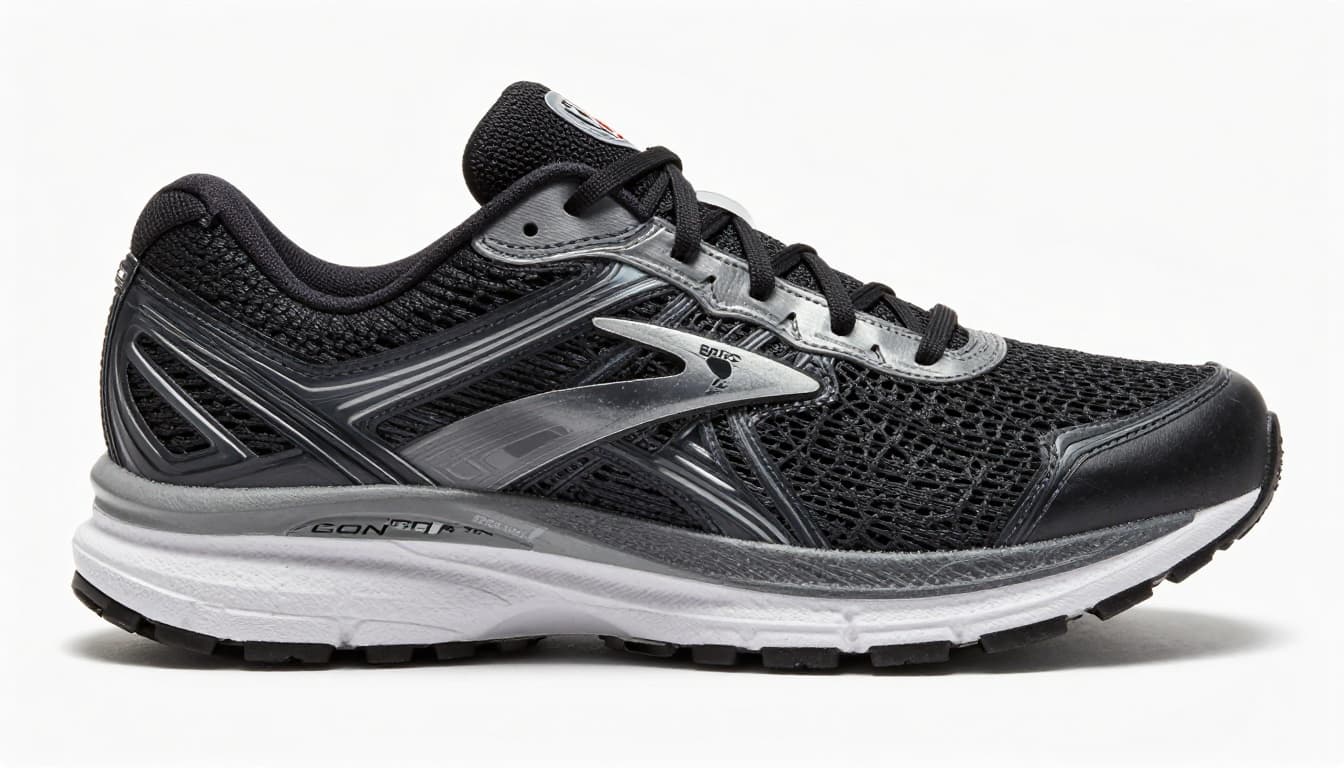
The laces also give me enough control to dial in the midfoot. I can snug the shoe down without creating pressure across the top of my foot. That makes the Trace 3 feel stable for neutral runners like me, especially when I want a simple shoe that stays out of the way.
A few fit details stand out after a short run:
- Heel lockdown stays steady, with no annoying slip.
- Padded collar helps prevent blistering and rubbing.
- Midfoot hold feels secure without feeling tight.
- Upper flexibility lets the shoe move with my foot instead of fighting it.
If you’re still comparing Brooks fits, my Brooks sizing guide is a good place to start. It helps if you’re deciding whether to stay true to size or adjust for width.
The upper has enough flex to stay comfortable, but it doesn’t collapse or feel flimsy. That gives the Trace 3 a dependable, easygoing fit that works well for most neutral runners, especially if you want a shoe that feels settled right away.
Cushioning and Ride: Smooth for Daily Miles
The Brooks Trace 3 feels built for runners who want comfort first. I tested it across roads and a treadmill, and the ride stayed smooth, steady, and easy to live with over about 20 miles.
Brooks uses DNA Loft v2 foam here, and that matters. It gives me a soft landing without turning the shoe mushy, so each step feels protected but still controlled. For a budget daily trainer, that balance is the main reason I trust it for regular runs.
Softness That Absorbs Impact
The cushioning feels softer than many firmer entry-level trainers I’ve worn. On pavement, I notice less bite through the heel and less harshness when I land a little heavy. That makes the Trace 3 easier on my legs during repeat easy runs.
Compared with a firmer shoe, this one gives me a friendlier underfoot feel right away. I still get enough structure to stay stable, so the cushioning doesn’t feel like a pillow that collapses under me. Instead, it acts more like a well-padded mat, which helps take the edge off daily miles.
The 10mm drop also helps here, especially for heel strikers like me. It nudges my stride into a comfortable position and shifts some load away from the lower calf and Achilles. If you like a higher-offset shoe, this setup feels natural fast.
I also like how the foam handles vibration on hard ground. On sidewalks and roads, the Trace 3 smooths out that sharp, repeated pavement feel better than I expected. That kind of dampening matters when the run is simple and steady, because I want less noise from the ground and more focus on my pace.
The cushioning is soft enough to protect, but steady enough to keep the shoe useful every day.
Ride Quality on Different Paces
At easy pace, the Brooks Trace 3 feels right in its comfort zone. The shoe rolls along without forcing me to work for every step, and the foam gives me enough energy return to keep the ride from feeling flat. For relaxed mileage, that is exactly what I want.
When I pick up the pace, the ride stays fine, but it doesn’t come alive. Tempo efforts are acceptable, yet the shoe never feels eager or snappy. I can run a faster 5K or 10K workout in it, but I would not choose it when I want a fast, race-day feel.
Here is how I would sum up the ride:
- Easy runs feel smooth, cushioned, and relaxed.
- Treadmill miles stay stable and predictable.
- Tempo runs are usable, but not exciting.
- Longer daily runs feel comfortable as long as I keep the pace controlled.
That is where the Trace 3 fits best for me. It shines as a comfortable daily trainer for steady miles, recovery runs, and casual 5K to 10K efforts. If I want a shoe that disappears underfoot and keeps my legs fresh, this one does the job. If I want speed, I look elsewhere.
Traction and Durability After Weeks of Use
After a few weeks in the Brooks Trace 3, I got a much clearer read on what this shoe does best. The ride stayed familiar, but the outsole and upper told me the real story. For a budget daily trainer, that matters, because value only counts if the shoe still feels dependable after the first flush of new-shoe comfort wears off.
Grip on Wet and Dry Roads
On dry pavement, the Brooks Trace 3 grips better than I expected for an entry-level shoe. The blown-rubber outsole bites well on roads and sidewalks, and I never felt that loose, skaty feeling some cheap trainers get after a few runs. It handles easy mileage with a calm, planted step, which is exactly what I want in a daily runner.
Wet roads are a little different, but still usable. I wouldn’t call the traction elite, yet I also didn’t have any slip moments during normal runs in light rain. I stayed off fast cornering and hard downhill pushes, though, because that is where a basic outsole like this can lose some trust. RunRepeat’s Trace 3 testing points to the same pattern, good road grip with weaker wet-slab traction.
I keep it simple with this shoe:
- Dry roads feel secure and steady.
- Light rain is fine for normal running.
- Sharp turns on slick pavement need a little caution.
- Trails are a no-go, because this outsole is built for roads.
That last point matters. I would not take the Trace 3 onto trails or loose gravel and expect confidence. This is a road shoe first, last, and always. For the kind of miles I run, that focus works in its favor.
On wet pavement, I trust it for easy miles, not aggressive pace changes.
Long-Term Wear Check
After about 50 miles, I saw very little wear on the outsole. The rubber pods still look clean, and the grooves have held their shape well. That gives me confidence the shoe can reach the 300 to 400 mile range if I rotate it well and use it for normal road running.
The upper has also held up better than I expected at this price. I do not see frayed edges, stretched eyelets, or any breakdown around the toe box. The mesh still feels intact, and the heel area keeps its structure without collapsing. That tells me the upper is doing its job without wearing out early.
The only wear spots I noticed are minor. The forefoot foam has a little cosmetic rubbing where I push off most, and the heel collar shows normal compression from repeated use. Nothing here feels alarming, and nothing has changed the fit.
For me, that is where the Brooks Trace 3 review starts to make the most sense. The shoe does not chase fancy features, but it holds up where it counts. If I want a budget trainer that keeps its grip, keeps its shape, and keeps its value after weeks of use, this one earns that place in my rotation.
Breathability, Weight, and Everyday Perks
The Brooks Trace 3 keeps things simple, but the little everyday details matter a lot once I start stacking miles. Breathability, weight, and flexibility all shape how often I reach for a shoe, and this one gets those basics right for regular road running.
I notice the difference most on warmer runs. The upper does a decent job of moving air, the shoe stays light enough to keep my legs from feeling dragged down, and the ride remains easy enough for daily use. That combination gives the Trace 3 a practical edge, even if it doesn’t chase fancy features
Staying Cool on Hot Days
Warm-weather comfort is where I pay the closest attention to breathability. On April runs here in the US, the mesh upper on the Brooks Trace 3 vents well enough that I do not feel my feet baking inside the shoe. That matters on easy runs, because sweaty feet can turn a good outing into a distracting one fast.
The upper is not the breeziest in Brooks’ lineup, but it still handles regular heat better than many budget trainers. I get enough airflow to stay comfortable on steady miles, and moisture-wicking socks help even more. For runners who want a bit more detail on how the upper compares across the brand, the Brooks Ghost 16 review is a useful contrast.
I want a shoe that keeps my feet dry enough to forget about them. The Trace 3 does that on most everyday runs.
Light Underfoot, Easy on the Legs
The lightweight feel is one of my favorite parts of the Brooks Trace 3. It doesn’t have that clunky, draggy sensation that some budget trainers bring with them, so my legs feel fresher late in the week. On recovery runs, that matters more than a flashy midsole.
I also like the smooth transition through each stride. There is no rock plate here, and I don’t miss one. The shoe rolls naturally from landing to toe-off, so the ride feels fluid without extra stiffness getting in the way.
The removable insole is another quiet win. If I need to use orthotics, I can swap it out without any drama. That flexibility makes the Trace 3 easier to live with day after day, especially if I want one shoe for easy runs, errands, and long walks.
A few everyday perks stand out for me:
- Flexible forefoot movement keeps the stride natural.
- Removable insole gives room for orthotics.
- Lightweight feel helps reduce leg fatigue.
- Soft upper materials make the shoe easy to wear all day.
For me, that is the appeal of the Brooks Trace 3. It is not flashy, but it feels honest, comfortable, and easy to use.
How the Brooks Trace 3 Stacks Up to Rivals
When I compare the Brooks Trace 3 to other budget daily trainers, the biggest thing I notice is how much comfort it gives for the money. It doesn’t try to outmuscle pricier shoes, but it feels more cushioned and more forgiving than a lot of entry-level options in the same price range.
Better Cushioning Than Most Shoes at This Price
Against shoes like the Nike Revolution, ASICS Gel-Contend, and Saucony Cohesion, the Trace 3 feels like the softest and most balanced option to me. Those rivals often keep things firmer and simpler, which can work for short runs or walking, but they don’t give me the same easy, protected feel underfoot.
The Brooks Trace 3 wins because it gives me more comfort without pushing into unstable territory. I can wear it for easy miles, long walks, and daily use, and it still feels like a real running shoe, not a stripped-down placeholder. That makes it a strong pick if cushion matters more to you than a bare-bones price tag.
A quick snapshot makes the difference easier to see:
| Shoe | What I Notice Most | Where It Stands |
|---|---|---|
| Brooks Trace 3 | Softer cushioning, smoother daily ride | Best overall value here |
| Nike Revolution | Simple, firm, lightweight feel | Good for short, easy use |
| ASICS Gel-Contend | Supportive but not very lively | Solid, but less comfortable |
| Saucony Cohesion | Straightforward and dependable | Fine, but less plush |
If you want a more cushioned Brooks in the same family, the Brooks Ghost Max review gives a good sense of what a more padded ride feels like. The Trace 3 is still the budget-friendly choice, though, and that is where it makes the most sense.
Where It Gives Up Ground to the Ghost
The one shoe I keep coming back to is the Brooks Ghost 16. The Ghost line feels more refined, more responsive, and better suited to runners who want a smoother all-around trainer. The Trace 3 is comfortable, but it doesn’t snap off the ground the way the Ghost does.
So if I want the better running experience, I pick the Ghost. If I want to spend less and still get a shoe I trust for easy miles, I reach for the Trace 3. That tradeoff is simple, and it makes the Brooks Trace 3 a smart buy for runners who care more about cushion and value than extra pop.
Why I’d Still Choose the Trace 3
The Trace 3 hits the sweet spot for me because it does the basics well and keeps the price in check. It feels more wearable than many budget rivals, and it doesn’t make me feel like I’m settling.
What it does best:
- Comfort per dollar is better than most shoes in this range.
- Daily-run cushioning feels more forgiving than the Nike, ASICS, or Saucony options.
- Easy fit and ride make it simple to use right away.
- Brooks build quality helps it feel dependable over time.
If I had to pick one budget trainer for relaxed road miles, the Trace 3 would be near the top of my list.
Who Should Grab the Brooks Trace 3
I reach for the Brooks Trace 3 when I want a shoe that keeps things simple and dependable. It fits runners who need a budget daily trainer that feels comfortable right away, especially if you value easy miles over flashy performance.
Best for beginners, heel strikers, and easy mileage
This is a strong pick if you are new to running and want a shoe that feels forgiving from the start. The higher drop, soft landing, and stable ride make it friendly for heel strikers and runners easing into a regular routine.
I also like it for gym-to-road use. If I finish a treadmill session and head straight outside, the Trace 3 feels calm and balanced on both surfaces. It is a good match for easy runs, walk-run plans, and casual training weeks.
The Trace 3 also works well if you want a shoe for:
- Daily easy runs
- Walking and light cross-training
- Budget-focused training
- Runner-friendly comfort without extra bulk
For sizing, I would start with your normal Brooks size and compare it to the Brooks size chart. If you are between sizes or have wider feet, that chart helps me avoid a guess that can turn into a bad fit.
If you want a comfortable first running shoe, I think the Trace 3 makes a lot of sense.
Who should skip it
I would pass on the Brooks Trace 3 if I wanted max cushion or a faster, more responsive ride. Runners chasing tempo work, long marathon days, or a softer max-stack feel will probably be happier in a different shoe.
If that sounds more like you, my best running shoes under $150 roundup is a better place to start. For a tighter budget, I also keep an eye on budget running shoes under $100, since the Trace 3 often sits right in that sweet spot.
Where I would buy it
I look at Brooks first, then compare prices at trusted running retailers. The Brooks Trace 3 on Brooks is the cleanest place to check size and color availability. If I want to price-shop, I also check places like Fleet Feet or Shoe Station before I buy.
Conclusion
The Brooks Trace 3 is the kind of shoe I trust when I want easy miles without paying for extras I do not need. Its best traits are clear, the cushioning feels comfortable, the price stays reasonable, and the ride stays steady enough for daily training.
What stands out most to me is how well it balances comfort, value, and reliability. I do not get a flashy ride, but I do get a shoe that feels ready for repeated runs, walks, and all the ordinary miles that fill a training week. That makes the Brooks Trace 3 a strong choice for beginners, heel strikers, and any runner who wants a simple road shoe that gets the job done.
I would give it a 4.5/5 because it delivers more than I expected at this price. If I wanted a more responsive Brooks for faster work, I would look at something like the Brooks Hyperion 3 review, but for easy daily use, the Trace 3 is the better fit for my needs.


