

Brooks Launch 12 vs Mizuno Wave Rider 29: Best for Daily Miles?
Finding a reliable daily trainer is often the biggest hurdle for any runner who wants to stay injury-free and consistent. You need a shoe that balances protection with enough ground feel to keep your workouts engaging day after day.
The Brooks Launch 12 vs Mizuno Wave Rider 29 debate brings two long-standing staples of the neutral running shoe world to the forefront. Both models provide the structural support you need to handle high mileage without weighing you down on faster efforts.
Choosing the right pair often comes down to personal preferences regarding midsole foam density and overall upper fit. Getting to know the nuances in their ride and long-term durability will help you decide which one matches your unique running mechanics.
Understanding the Ride and Feel of Each Shoe
Every runner has a unique preference for how a shoe should feel underfoot. While the Brooks Launch 12 vs Mizuno Wave Rider 29 might look like similar neutral trainers at a glance, their mechanical designs create very different experiences on the road. Knowing how each shoe reacts to your foot strike helps you match the right technology to your training goals.
Build Your Complete Race-Day Setup
The right shoe helps, but faster racing comes from better training, pacing, recovery, fueling, and execution.
More Guides for This Shoe
The Responsive Energy of the Brooks Launch 12
The Brooks Launch 12 is a standout choice for those who value a lightweight and snappy experience. It is designed to get out of your way, making it a favorite for speed work, tempo runs, or days when you want to pick up the pace.
Because the shoe focuses on a streamlined build, it avoids the heavy, bulky foam found in maximalist trainers. This weight reduction allows you to turnover your legs faster without feeling like you are dragging extra material with every stride. If you enjoy a shoe that feels quick and nimble, the Launch 12 provides the immediate response you need to keep your cadence high.
The foam used in the midsole provides a crisp, energetic bounce. It does not feel mushy or overly soft, so your energy transfers directly into the pavement. Many runners find this firm responsiveness ideal for intervals where you need to feel connected to the ground. It remains a reliable partner for those who prefer a traditional, close-to-the-road feel during fast training sessions.
The Balanced Stability of the Mizuno Wave Rider 29
If you prefer a shoe built for consistency and long-term comfort, the Mizuno Wave Rider 29 is a reliable workhorse. This model relies on a unique plate technology that sets it apart from traditional foam-only trainers.
The signature Wave plate acts as a mechanical stabilizer for your foot. Instead of just relying on foam density to manage impact, the plate disperses shock across a larger surface area. This results in a smooth transition from heel to toe, helping your foot move naturally through the gait cycle. It is an excellent choice for daily mileage where you want to protect your legs from the repetitive stress of long runs.
While the Brooks Launch 12 focuses on agility, the Wave Rider 29 prioritizes a stable platform that keeps your form consistent mile after mile. The cushioning provides a blend of firmness and comfort that feels steady rather than bouncy. Many runners reach for this shoe when they are logging high volume because it offers a predictable ride that holds up well during those final, tired miles of a long run.
| Feature | Brooks Launch 12 | Mizuno Wave Rider 29 |
|---|---|---|
| Primary Goal | Speed and agility | Consistency and comfort |
| Midsole Feel | Snappy and responsive | Stable and smooth |
| Ideal Use | Tempo and interval work | Daily training and long runs |
| Tech Focus | Lightweight foam | Wave plate transition |
This difference in construction means one shoe might feel like a race-day companion, while the other feels like a trusted partner for your weekly base miles. Finding your ideal fit often depends on whether you prioritize the quick, snappy feedback of a lightweight trainer or the stable, supportive transition of a classic daily runner.
Comparing Fit, Comfort, and Upper Construction
How a shoe sits on your foot determines whether you enjoy your run or count down the minutes until it ends. While the midsole technology grabs most of the attention in the Brooks Launch 12 vs Mizuno Wave Rider 29 comparison, the upper construction dictates your daily experience. Both shoes offer refined materials, yet they cater to different sensations and foot shapes.
How the Brooks Launch 12 Fits Your Foot
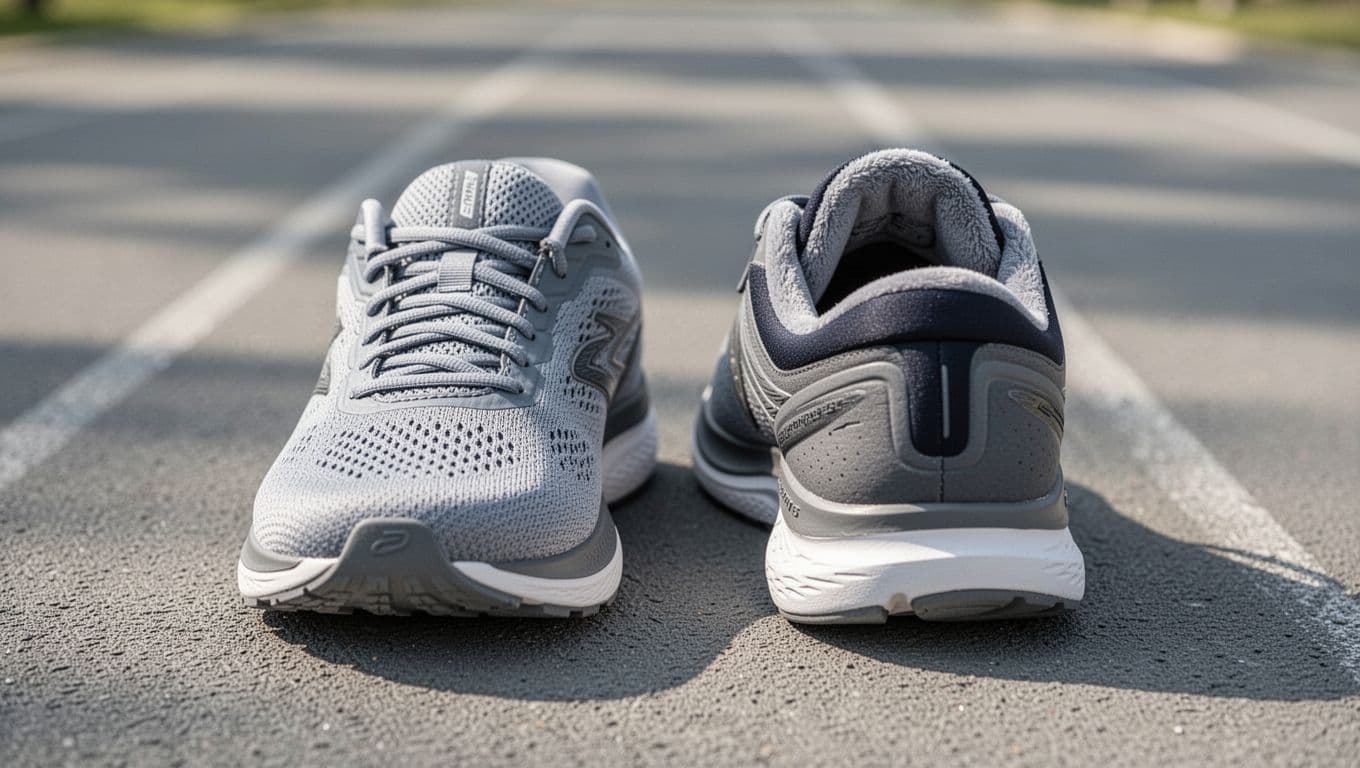
The Brooks Launch 12 centers its design on a lightweight engineered mesh that focuses on simplicity and performance. This material feels thin against the skin, which maximizes breathability during warm weather runs or high-intensity workouts. Because the mesh is lightweight, it avoids the trapped heat often found in heavier, more structured trainers.
The fit is secure without feeling restrictive. It provides a reliable lockdown through the midfoot, keeping your foot centered over the platform during sharp turns or faster paces. Because of this streamlined profile, the Launch 12 accommodates various foot shapes well.
If you have concerns about how to determine your ideal running shoe fit, this model is a great starting point because it doesn’t try to force your foot into an aggressive shape. The toe box offers enough room for natural toe splay, ensuring you feel stable and capable when you need to push off the ground.
Why Runners Choose the Mizuno Wave Rider 29 for Comfort
Mizuno takes a different route by prioritizing a premium, plush environment for your feet. The Wave Rider 29 feels substantial the moment you step into it, thanks to generous padding in the tongue and collar. This extra cushioning prevents heel slippage and creates a soft, locked-in feel that lasts for many miles.
If you struggle with avoiding foot pain with properly fitted running shoes, the structure here helps by reducing pressure points around the ankle. The internal material is soft and moisture-wicking, which keeps your feet comfortable even when your training volume increases during heavy mileage weeks.
While some runners prefer the minimal feel of the Brooks, others find that the extra padding in the Mizuno makes the shoe feel like a reliable, familiar friend. It is built to minimize distractions, so you can focus entirely on your rhythm and form rather than worrying about tightness or hot spots.
Durability and Value for the Daily Runner
Finding a shoe that survives your training cycle is just as important as the initial comfort. Both the Brooks Launch 12 and the Mizuno Wave Rider 29 offer solid construction, but they handle high mileage differently. You should consider how the outsole rubber wears down and whether the midsole foam maintains its energy return after several months on the road.
Long-Term Wear and Tear Expectations
Most road runners expect their daily trainers to last between 300 and 500 miles. Several factors determine exactly when you need a replacement, including your running surface, body weight, and strike pattern. Rough asphalt wears out rubber much faster than smooth track surfaces or rubberized paths.
The Brooks Launch 12 features a lighter outsole layout designed for quick turnover. Because the rubber is distributed to prioritize weight savings, you might notice signs of wear along the lateral heel or the forefoot sooner if you are a heavy heel striker. It remains a durable option for those who prioritize agility, but check your wear patterns every few weeks to monitor the thinning of the tread.
Mizuno often uses high-abrasion carbon rubber that offers impressive longevity. The Wave Rider 29 is built to withstand heavy daily use, making it a reliable choice for runners who log significant volume on unforgiving pavement. You can usually squeeze extra mileage out of the Wave Rider simply because the outsole rubber is thicker and tougher than most lightweight alternatives.
Shoe Rotation
Rotating your footwear is a practical habit to extend the life of your shoes. When you alternate between two pairs, the foam has more time to decompress after each run. This simple practice prevents the midsole from packing out prematurely and helps the upper materials hold their shape longer. If you are curious about how to prolong running shoe life, incorporating a second pair into your rotation is the most effective approach.
Consider these factors when assessing your current pairs:
- Check for uneven wear on the heel, as this often indicates a need for gait correction or a more supportive model.
- Press your thumb into the midsole foam to test for excessive softness, which indicates the cushioning has lost its rebound.
- Inspect the upper for fraying near the toe box, which can signal that the shoe is becoming too tight or losing its structural integrity.
The Brooks Launch 12 vs Mizuno Wave Rider 29 comparison highlights a common trade-off in the industry. You generally choose between the lightweight, performance-oriented materials of the Launch or the robust, high-mileage design of the Wave Rider. Both provide excellent value, provided you match them to your weekly distance and personal durability needs. Choosing the right partner for your daily miles ensures you stay on the road rather than sidelined by worn-out gear.
Which Shoe Is Right for Your Specific Training Needs?
Selecting the correct model requires an honest look at your weekly routine. While both shoes function well as daily trainers, they serve different purposes depending on your intensity and volume. Matching your runner profile to the distinct characteristics of the Brooks Launch 12 vs Mizuno Wave Rider 29 will streamline your decision and ensure you get the most out of your gear.
Best Scenarios for Choosing the Brooks Launch 12
The Brooks Launch 12 is your go-to partner when your primary goal is speed. Its lightweight design feels almost invisible on the foot, making it ideal for sessions where you need to move quickly. If your training log includes frequent tempo runs or track intervals, you will appreciate how this shoe allows for a natural, fast turnover without extra bulk.
Consider reaching for this model in these specific scenarios:
- Speed work and intervals: The firm foam provides a direct energy return, helping you hit those fast splits on the track or the road.
- Shorter daily efforts: If you prefer a feeling of agility on your standard three-to-five-mile runs, the weight savings make this shoe feel snappy and fun.
- Race day warm-ups: The streamlined profile makes it a great choice for shorter distances where you want a responsive, minimal feel underfoot.
- Foot strike precision: If you enjoy feeling connected to the ground, the lower stack height gives you the feedback necessary to adjust your form in real time.
This shoe shines when you want to pick up the pace and feel light on your toes. It does not carry the extra structural elements that define heavier trainers, which makes it perfect for runners who prioritize performance over maximum plushness.
Why the Mizuno Wave Rider 29 Excels for Marathon Training
When your training schedule shifts to long, endurance-focused efforts, the Mizuno Wave Rider 29 becomes a reliable ally. The combination of the signature Wave plate and balanced cushioning provides a stable platform that supports your mechanics as fatigue sets in. This is why many runners prefer it for high-volume base building where consistency matters more than raw speed.
The Wave Rider 29 excels during these types of efforts:
- Long weekend runs: The stable platform disperses impact forces effectively, which helps keep your legs fresh during those double-digit mile efforts.
- Consistent base building: Because the construction is durable, you can count on the shoe to feel the same from the first mile to the five-hundredth.
- Recovery miles: If you need a shoe that provides comfort without being overly soft or mushy, the structured feel here keeps your stride smooth and protected.
- High-mileage rotations: The robust outsole rubber resists wear on hard surfaces, ensuring the shoe maintains its integrity throughout a full training cycle.
Think of the Wave Rider as the reliable workhorse of your rotation. It minimizes the physical toll of high-mileage weeks by offering a predictable ride and a secure fit.
If you find yourself frequently dealing with tired legs after long sessions, the structural support in this model is a significant benefit. Choosing the right shoe is all about knowing your training priorities; pick the Launch for your fastest efforts and the Wave Rider for your longest days.
Conclusion
Choosing between the Brooks Launch 12 vs Mizuno Wave Rider 29 depends entirely on your training goals for the season. The Launch 12 is a responsive partner for your faster efforts, while the Wave Rider 29 provides the stable comfort needed for long, consistent miles.
Both shoes are excellent trainers that offer great value for any runner. The most effective way to decide is to visit a local shop and try both pairs on your feet.
Pay close attention to how your body reacts to the different levels of cushioning and support during a short jog. Your comfort and confidence during those miles matter more than any technical specification found on a box.


