

Brooks Hyperion Elite 5 vs Nike Alphafly 3: Which Super Shoe Wins?
If you’re choosing a super shoe for race day, Brooks Hyperion Elite 5 vs Nike Alphafly 3 comes down to more than speed. Both are built to help you race hard, but they don’t feel the same once you lace them up.
The Hyperion Elite 5 may appeal if you want a lighter, more direct ride, while the Alphafly 3 is known for its soft, propulsive feel that many runners like over longer efforts. Fit, foam feel, weight, race distance, and value all matter here, because the best shoe for your friend isn’t always the best one for you.
That matters most when you’re deciding whether you want a fast, stripped-back racer or a more cushioned marathon option. Up next, we’ll compare how each shoe runs so you can pick the one that matches your goals, not just the hype.
Why Brooks Hyperion Elite 5 vs Nike Alphafly 3 is a real race-day decision
These two shoes target the same goal, but they do it in different ways. That is why this choice matters for runners who care about pace, feel, and how their legs hold up late in a race.
The Brooks Hyperion Elite 5 leans toward a more familiar, direct race-day feel. The Nike Alphafly 3 goes harder on cushion and bounce, which can feel amazing when the miles pile up. If you want a shoe that feels quick and controlled, the Brooks will catch your eye. If you want a more protective ride for longer efforts, the Nike often looks like the safer bet.
If you are comparing broader race-day options too, Brooks race-day models can give you a useful reference point for what feels light and quick.
The right shoe is the one that matches your stride, your pacing plan, and how much cushioning you want after 10 or 20 miles.
What kind of runner each shoe is built for
The Brooks Hyperion Elite 5 fits runners who want speed without feeling pushed too high off the ground. It should appeal to runners who like a more direct connection to the road, including many heel strikers who want a stable, familiar landing. It can also work well for efficient runners who like a firm, fast turnover and do not want a huge stack underfoot.
The Nike Alphafly 3 is built for runners who want more cushion and more propulsion. It tends to suit runners who like a softer landing and a stronger rebound, especially forefoot and midfoot runners who stay smooth late in races. If you want the shoe to do more of the work for you, the Alphafly 3 is the more obvious match.
How race goals change the better pick
For a 5K, the Hyperion Elite 5 can make more sense if you want a sharp, light feel and fast cornering. The Alphafly 3 can still work, but its extra cushion may feel like more shoe than you need.
For a 10K, the gap narrows. Both shoes can handle fast pacing, but the choice depends on whether you want a firmer, quicker ride or more bounce under tired legs.
For a half marathon, the Alphafly 3 starts to look stronger for many runners because comfort matters more as the race stretches on. Still, if you race best in a lower, more connected shoe, the Brooks can feel faster in practice.
For a marathon, the Alphafly 3 often has the edge for runners who want max cushioning and help late in the race. The Hyperion Elite 5 is the better call if you prize control, lighter feel, and a more traditional race shoe shape.
For runners comparing marathon-ready shoes, long-distance running shoe picks can also help frame what works best when the distance gets serious.
Brooks Hyperion Elite 5 vs Nike Alphafly 3: design and underfoot feel
The biggest difference between these two shoes shows up the moment you step in. The Brooks Hyperion Elite 5 aims for a lighter, more connected ride, while the Nike Alphafly 3 is built to feel soft, springy, and protective over long miles.
That design gap changes everything underfoot. One shoe invites quicker turnover and more ground awareness. The other gives you a thicker cushion, a stronger toe-off, and more help when your legs start to fade.
How the Brooks Hyperion Elite 5 likely feels at tempo and race pace
The Hyperion Elite 5 should feel sharp and fast when you hit tempo pace. Its lower, more direct setup can make each step feel snappy, which helps if you like to stay close to the ground and hold a steady rhythm.
That kind of ride often works well for runners who want control. A lighter, firmer feel can help you stay precise through strides, corners, and pace changes. It can also make the shoe feel more efficient for shorter races or faster sessions, where you want quick turnover more than a soft landing.
If you like a race shoe that feels quick and stripped back, the Brooks leans that way. For a broader look at how this model stacks up in race-day use, the Brooks Hyperion Elite 5 review offers another useful perspective.
Why the Nike Alphafly 3 feels more like a marathon machine
The Alphafly 3 is built around a different idea. It gives you a plush step-in feel, a thick and forgiving platform, and a very clear sense of forward push. The ride feels more cushioned, but it still wants to move fast.
That matters when the race gets long. By the late miles of a marathon, tired legs often need more than speed, they need protection. The Alphafly 3 gives you that buffer, so the shoe can feel smoother when your form starts to break down.
Its underfoot feel also tends to feel more forgiving over imperfect pacing. If you surge, settle, then surge again, the shoe usually keeps the ride calm. That is a big reason many runners trust it when they want help holding pace after the halfway mark.
Stability, cornering, and confidence when the pace changes
When you start cutting through turns or changing pace, the differences get even clearer. The Hyperion Elite 5 often feels easier to place on the road because it sits lower and feels less bulky. That can make downhill sections and sharp cornering feel more controlled.
The Alphafly 3 can still handle pace swings well, but its taller, more cushioned build may feel less planted for some runners. If your form gets sloppy late in a race, the extra foam can feel comforting. At the same time, runners who want a very secure, close-to-the-ground sensation may trust the Brooks more.
If you value control on turns and surges, the Brooks may feel safer. If you want more cushion when fatigue hits, the Nike usually feels more reassuring.
Both shoes are fast, but they solve the race-day problem in different ways. The Brooks gives you a firmer, more direct line to the pavement. The Nike gives you more bounce, more cushion, and more help when the miles start to stack up.
Fit, lockdown, and sizing differences that matter on race day
Race-day fit can make or break both shoes. A fast midsole helps, but a poor fit turns every mile into a small problem that keeps growing. If your foot slides, squeezes, or shifts under load, the best foam and plate in the world won’t save the run.
That is why Brooks Hyperion Elite 5 vs Nike Alphafly 3 comes down to more than cushion and speed. You want enough room to move, enough hold to stay stable, and enough security to keep your form clean when fatigue sets in.
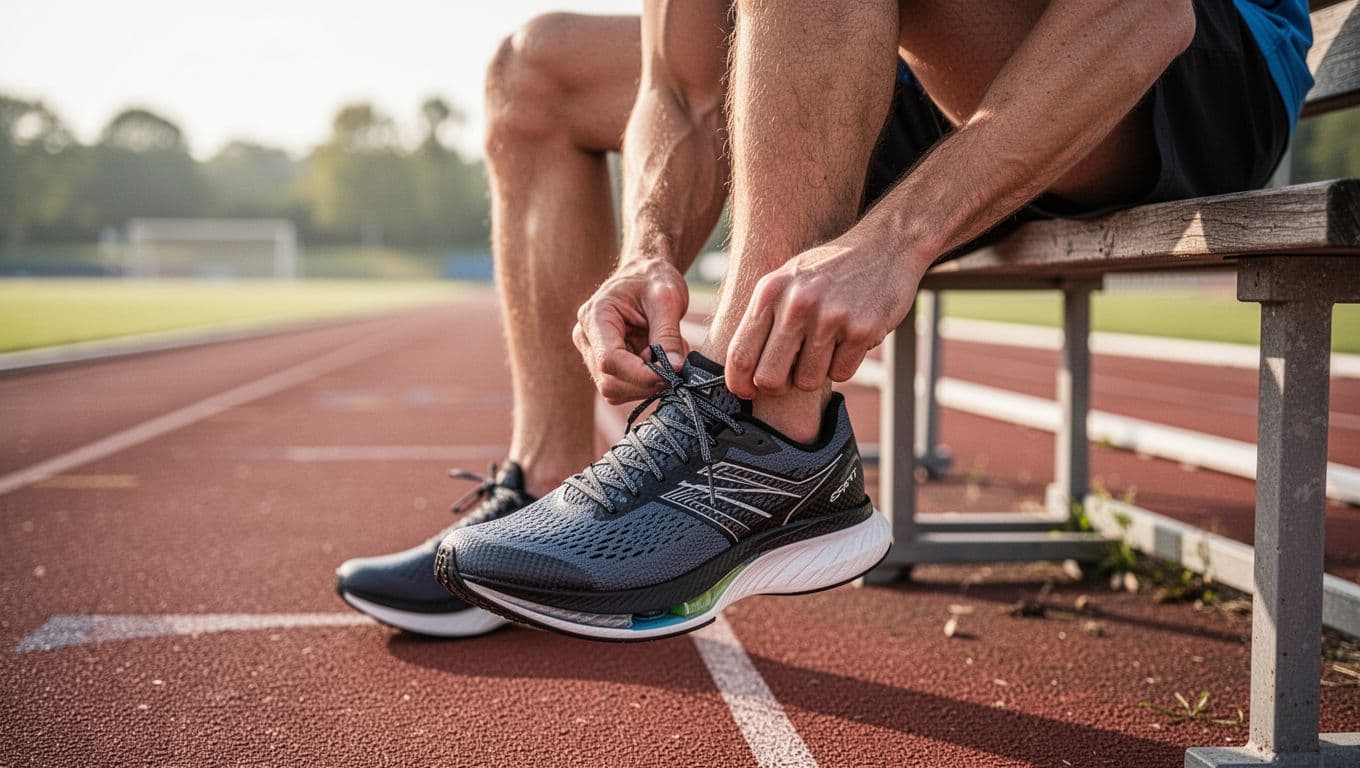
Toe box shape matters more in a race shoe than many runners expect. A little extra room can help your toes spread, which matters when feet swell during longer efforts. It also gives you a better chance of staying comfortable late in a marathon, when pressure points start to show up.
The Nike Alphafly 3 often feels roomier up front for many runners, which can help if you want more forefoot space or plan to race long. The Brooks Hyperion Elite 5 may suit runners who like a more precise fit and do not want extra movement in the front of the shoe.
If you have a wider forefoot, or your toes often hit the front of race shoes, lean toward more space. If you prefer a snug, race-ready feel and like your shoe to hold the foot closely, a tighter fit may feel faster and more secure. A useful fitting reference is how to choose running shoe size, especially if you shop online.
Midfoot and heel lockdown under pressure
Good lockdown should feel secure without feeling pinched. When you corner, accelerate, or descend, your foot should stay planted in the shoe instead of sliding forward or lifting in the heel. That matters even more in a super shoe because the stack height can magnify any sloppy fit.
The upper should hug the midfoot so the shoe moves with you, not against you. In practice, that means no hot spots, no heel lift, and no need to retie every few miles. If the shoe feels locked in during a few hard strides, it usually holds up better on race day.
A good race fit feels calm when you change pace. Your foot stays in place, and the shoe disappears.
Sizing clues for first-time buyers
Most runners should start with their normal size, then test for toe room and heel hold. If the forefoot feels cramped, or if you race longer distances and expect swelling, half a size up can be the smarter move. If your heel slips or the midfoot feels loose, staying at your normal size may be the better call.
Try both sizes if you can, because small differences matter in race shoes. Wear the socks you plan to race in, lace the shoes as you would on race day, and take a short jog or fast walk. If the shoe feels tight before the start line, it usually feels worse after 10 miles.
The best choice is the one that feels secure, not just fast. When fit is right, the shoe helps your stride. When fit is off, even the quickest racer becomes hard to trust.
Weight, stack height, and what they mean for real performance
On paper, weight and stack height look like simple numbers. On race day, they shape how a shoe feels at mile 2, mile 12, and mile 24. That is why the Brooks Hyperion Elite 5 vs Nike Alphafly 3 debate is not just about specs, it’s about how those specs affect your stride when you’re fresh and when you’re fading.
A lighter shoe can feel quicker right away. Your legs notice less bulk, your turnover may feel sharper, and the shoe can seem easier to flick through during strides or surges. That is part of the appeal of a stripped-down racer like the Hyperion Elite 5.
Still, lighter does not automatically win for everyone. If a shoe gives up too much cushion or support, you may lose efficiency once fatigue sets in. Over a marathon, that tradeoff matters because smooth form matters more than a few grams on the scale.
For some runners, a slightly heavier shoe with better foam and energy return helps them hold pace longer. The Alphafly 3 fits that profile well, since it gives more protection and bounce when the miles start to bite. In other words, the fastest-feeling shoe in your hand is not always the fastest shoe at mile 20.
A useful way to think about it is this:
- Lighter shoes can feel snappier and more direct.
- More cushioned shoes can preserve form when your legs tire.
- The best choice depends on how long you need the shoe to feel good.
If you want a deeper look at Brooks’ race-day direction, this Hyperion Elite 4 PB review helps show how Brooks builds fast, efficient racers.
How stack height changes the ride over long miles
Stack height changes how much shoe sits between you and the ground. A lower stack usually feels more stable and controlled, which helps runners who like a firmer, more connected ride. A higher stack adds more foam, more protection, and often more comfort over long miles.
That extra foam can feel great when your form starts to slip. It softens impact, takes some sting out of the road, and can make marathon pace feel less punishing. Research in PMCID: PMC11280980 notes that higher stack heights can reduce loading rates, although they can also affect contact time and stability in different ways. Higher stack and runner response
More stack can help late in a race, but too much can make a shoe feel less precise when you need quick changes in rhythm.
That is the real tradeoff. If you want protection and a smoother landing, the Alphafly 3’s taller platform makes a strong case. If you want quicker transitions and a lower, more controlled feel, the Hyperion Elite 5 is easier to trust. The best race shoe is the one that keeps you efficient when your legs are no longer fresh.
Which shoe is better for your race distance and pace
The better shoe depends on how far you race and how hard you want to push. The Brooks Hyperion Elite 5 vs Nike Alphafly 3 choice gets clearer once you match each shoe to your pace, your comfort needs, and how long you need the shoe to feel good.
If you race short and fast, you may care most about a quick snap off the ground. If you race longer, you may care more about cushion that stays kind to your legs after the first surge fades. That is where these two shoes split into very different jobs.
For the half marathon, both shoes make sense, but they suit different runners. The Alphafly 3 usually has the edge if you want a smoother, more cushioned ride that feels friendly from mile 1 to mile 13.1. It keeps the legs fresher, which helps when you want to hold steady pace without forcing every step.
The Hyperion Elite 5 fits runners who want a firmer and more responsive feel. If you like to race with a quick cadence and a direct ground connection, it can feel more natural at half marathon pace. That more compact ride may also help if you prefer a shoe that feels lively rather than plush.
A useful way to split the decision is simple:
- Choose the Alphafly 3 if you want more comfort, more bounce, and a softer landing.
- Choose the Hyperion Elite 5 if you want a lighter feel, faster turnover, and more road feedback.
If your half marathon pace sits close to threshold effort, comfort matters a lot. A shoe that feels great early but punishes you late is a poor trade. For runners comparing other half marathon options, ASICS Magic Speed 5 racing review gives a good reference point for a more responsive setup.
Best choice for the marathon
For the marathon, the Alphafly 3 is the safer pick for most runners. The extra cushioning and more protective feel can make a big difference after mile 20, when every step starts to cost more. It helps reduce the sense that the road is beating you up.
The Hyperion Elite 5 can still work for marathon racing, especially if you already like a lower, more direct shoe. Some runners feel more confident in a shoe that stays connected to the ground, even when the pace gets tough. Still, marathon success often comes down to how much support you want when fatigue builds.
That is why marathon preference usually splits into two camps. Runners who want more cushioning and support tend to prefer the Nike. Runners who want more control and a firmer ride may stay with the Brooks. If you are pacing conservatively and want protection for the back half, the Alphafly 3 is hard to ignore. For a broader marathon shoe comparison, Nike Vaporfly 4 marathon racing review can help you compare a different fast option with less bulk.
If your main fear is fading late, pick the shoe that protects your legs best, not the one that feels fastest in the store.
Best choice for 5K and 10K racing
For 5K and 10K racing, the Hyperion Elite 5 often feels like the cleaner fit. Shorter races reward a snappier ride, fast transitions, and a shoe that gets out of the way. The Brooks usually lines up well with that kind of effort, especially if you like to attack the race from the first mile.
The Alphafly 3 can still race well at these distances, especially if you like a cushioned feel and want every bit of help at speed. Some runners prefer that extra softness even in shorter events because it keeps the shoe comfortable and stable when they open up their stride. If you run hard but want less impact, the Nike can still make sense.
The difference is simple. For sharper, more direct racing, the Brooks usually feels better. For a smoother ride with more cushion underfoot, the Nike still has appeal. If your 5K or 10K pace is aggressive and you want a shoe that feels nimble, the Hyperion Elite 5 is usually the more natural match.
Value, durability, and who gets the most from each pair
Deciding between the Brooks Hyperion Elite 5 and the Nike Alphafly 3 involves looking past the initial sticker price. These shoes are expensive investments in your race-day performance. You want to understand how they hold up over time and whether their specific features align with your personal goals.
How long each shoe may last with race-day use
Super shoes generally have a shorter lifespan than standard daily trainers. The high-rebound foams used in these models compress and lose their spring after a certain number of miles. You might notice the outsole rubber wears down quickly, especially if you land heavily or run on abrasive surfaces.
Foam breakdown is usually the true limiting factor. After roughly 100 to 150 miles, the lively “pop” that defines these racers often fades. Using these shoes strictly for key workouts and race days extends their life significantly. If you reserve them for your hardest intervals or goal races, you can preserve that energetic sensation for when you need it most.
- Limit exposure: Wear them only during race-specific sessions to keep the midsole fresh for the starting line.
- Surface matters: Stick to smooth road or track surfaces to prevent premature wear on the outsole rubber.
- Rotation: Keeping a dedicated daily trainer for your easy miles allows the race shoe to recover and prevents unnecessary structural fatigue.
Which runner gets the better value
Value isn’t simply about the price tag on the box. It is about how much confidence and physical assistance the shoe provides when your goal is on the line. If a specific shoe keeps your legs feeling fresh until the final mile of a marathon, it delivers immense value regardless of its cost.
The Nike Alphafly 3 often feels like a better investment for runners tackling long distances, like the half or full marathon. Its construction is built specifically to protect your legs from the pounding of high-volume road racing. If you struggle with leg fatigue or muscle soreness late in a race, the protective benefit of this shoe can be the difference between hitting your target time and falling short.
Conversely, the Brooks Hyperion Elite 5 represents a stronger value for runners who prioritize control and a direct road feel. If you find high-stack shoes unstable or bulky during faster efforts, you will likely get more out of the Brooks.
It delivers a snappy, efficient experience that rewards runners who want a more traditional connection to the pavement. Investing in the shoe that matches your natural stride will always pay off more than buying based on price alone. Ultimately, the best value comes from the pair that makes you feel capable, secure, and ready to compete from the first mile to the finish.
Final verdict: Brooks Hyperion Elite 5 or Nike Alphafly 3?
Choosing between these two racing shoes depends on your unique stride, your history with injury, and your specific goals for race day. While both models utilize modern carbon-plate technology and high-performance foams to boost efficiency, they prioritize different physical sensations.
The Brooks Hyperion Elite 5 excels if you want a reliable, stable, and more direct connection to the ground. It favors runners who prefer a firm ride that doesn’t feel like you are balancing on a thick platform.
If you want a shoe that keeps you precise through sharp corners and provides immediate feedback during your toe-off, the Brooks is a fantastic candidate. It is a workhorse that feels fast, light, and predictable when you are pushing the pace.
On the other hand, the Nike Alphafly 3 is a master of energy return and impact protection. It is the better choice for runners who want to maximize their cushion to stay comfortable through the later miles of a marathon.
The generous foam and aggressive rocker profile do a lot of the heavy lifting, which helps preserve your legs when you hit that inevitable fatigue. If your priority is finding a shoe that feels energetic and forgiving over long-distance efforts, the Alphafly 3 is the clear winner.
Ultimately, ignore the marketing hype and focus on how you feel during your hardest training sessions. If you enjoy a traditional racing feel, stick with the Brooks. If you want the maximum possible cushion to dampen road impact during a long event, choose the Nike. Both options are top-tier, and you will find success with either as long as the fit matches your foot shape and your race-day needs.
Conclusion
The right choice between the Brooks Hyperion Elite 5 vs Nike Alphafly 3 depends on your race distance, foot shape, and personal feel, rather than just the brand name.
Both shoes use advanced technology to improve speed, but they serve different goals. If you prefer a stable, firm platform that keeps you connected to the ground, the Brooks model is a strong pick. If you want maximum cushion to save your legs over a long marathon, the Nike option is typically better.
You should prioritize the pair that feels most natural to your stride during hard efforts. Before you commit to a purchase, it is helpful to check how to choose running shoe size to ensure the best fit. Trust your own experience over the marketing, and choose the shoe that makes you feel confident and ready on race day.


