

Brooks Glycerin Max Review: Worth the Upgrade?
If you want soft cushioning without feeling like your shoe is working against you, the Brooks Glycerin Max is going to get your attention fast. It’s built for runners who want a plush underfoot feel, but still care about how the shoe moves when the miles stack up.
That balance matters, because max-cushion shoes can feel great at first and fall flat later. The real question is whether the Glycerin Max stays comfortable, holds its shape on longer runs, and gives you enough stability to feel confident mile after mile.
It also has to justify the price, which is where a lot of runners pause. If you’ve liked the ride of shoes like the Brooks Ghost Max, this model may sound familiar, but the details still matter.
This review looks at comfort, fit, ride feel, stability, and value so you can decide whether the Brooks Glycerin Max fits your running needs.
Build Your Complete Race-Day Setup
The right shoe helps, but faster racing comes from better training, pacing, recovery, fueling, and execution.
More Guides for This Shoe
What the Brooks Glycerin Max is designed to do
The Brooks Glycerin Max is built for one main job, give you a very soft, smooth ride without feeling unstable. It sits in the max-cushion part of the lineup, so comfort comes first, but it still needs to handle everyday miles, easy runs, and longer outings with confidence.
Inside Brooks, this shoe belongs near the top of the cushioning scale. It offers more stack height and more softness than traditional daily trainers like the Ghost, so the ride feels plusher right away. If you want a simple comparison point, the Brooks running shoe model overview helps place it beside other common Brooks options, including neutral trainers and stability shoes.
That matters because the Glycerin Max is not trying to be a basic daily workhorse or a support shoe with guidance features. Instead, it is aimed at runners who want maximum comfort and less road feel underfoot. Compared with a stability model like the Adrenaline GTS, it gives you more soft cushioning and a more neutral, relaxed feel. Compared with a more traditional trainer, it feels bigger, softer, and more protective.
The Glycerin Max is the kind of shoe you pick when cushioning matters more than a quick, snappy ride.
The runner profile it seems built for
This shoe makes the most sense for easy-mile runners, long-run runners, heavier runners, walkers, and anyone who likes a soft landing. If your legs feel beat up after hard training days, that extra foam can make the next run feel easier on your body. It can also work well for runners who spend a lot of time on their feet and want a shoe that feels forgiving.
Brooks appears to have made the Glycerin Max for people who want comfort without moving into a bulky, awkward ride. In other words, it is for runners who want their shoe to feel more like a padded cruiser than a firm, race-ready tool. If you prefer a firmer, more responsive feel, this one may feel too soft for your taste.
For a closer look at how Brooks describes the shoe’s cushioning focus, the official Glycerin Max page is a useful reference point.
How the Brooks Glycerin Max feels underfoot
The Brooks Glycerin Max feels built around softness first, then everything else. Underfoot, it gives you a thick, protected platform that takes the edge off hard pavement and makes easy miles feel gentler.
That comfort comes with a clear tradeoff. You get less road feel and less of that close-to-the-ground connection some runners want, but you gain a ride that stays calm and forgiving when your legs start to tire.
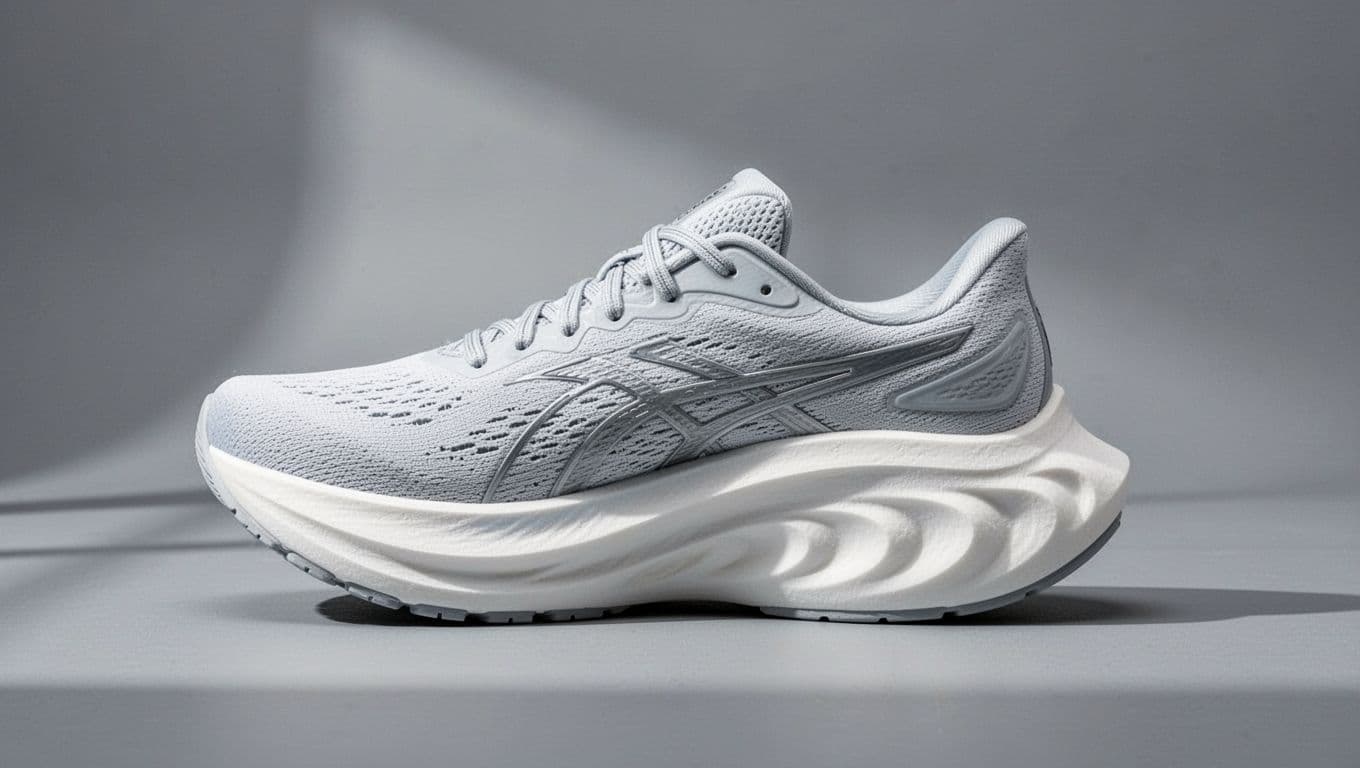
Midsole cushioning and stack height
The midsole is the first thing you notice, because the shoe sits tall and feels seriously cushioned. That extra foam creates a softer landing and helps reduce the sharp hit you can get on longer runs or rougher roads.
It also changes the way the shoe feels in a bigger way. You’re not just getting more padding, you’re getting a more insulated ride. That can feel great if you like comfort, but it also means the shoe won’t feel especially connected to the ground.
More foam usually means more protection, but it also means less feedback from the road.
For runners who want a max-cushion option, that’s the point. The shoe gives you a roomy, cushy base that feels smooth and protective, especially when compared with lower-stack daily trainers. If you want a closer comparison inside Brooks, the Brooks Ghost Max 3 performance review is a useful reference point.
Ride smoothness on easy runs and long runs
On relaxed runs, the Glycerin Max feels easy to settle into. The cushioning absorbs impact well, and the transition through the stride feels steady instead of choppy. That matters on days when you just want the miles to disappear.
Over longer runs, the shoe stays comfortable because the foam keeps the ride from feeling harsh late in the run. Your legs still have to do the work, of course, but the shoe helps lower the stress on each landing.
This is where the Glycerin Max makes the most sense. It feels like a shoe that wants to keep you cruising, not pushing.
Responsiveness when you pick up the pace
When you speed up, the shoe is usable, but it doesn’t feel eager. Moderate efforts are fine, yet the ride stays more plush than lively. If you add pace, the shoe won’t fight you, but it also won’t help you snap off quick turnover.
That makes it better for easy running than speed work. The foam feels protective and stable enough for steady efforts, though the high-stack build naturally softens the push-off a bit.
If you want a smooth cruiser for daily miles, the Brooks Glycerin Max delivers. If you want a shoe that feels sharp at faster paces, this one will probably feel too mellow.
Fit, upper comfort, and everyday wearability
The Brooks Glycerin Max feels built for comfort as soon as you step in. The fit leans secure rather than sloppy, and the shoe gives you a soft, padded feel that works well for runs, walking, and long days on your feet.
The toe box feels closer to average than roomy, but it doesn’t feel cramped either. There is enough space for natural toe movement on most runs, and the front of the shoe avoids that boxed-in feeling some cushioned trainers create.
Runners with narrow or standard-width feet should feel at home right away. If you like extra toe splay, the Glycerin Max may feel fine for easy miles, but it won’t feel wide-open. Those with wider feet may want to try it on first, or look for a wider size if available. The shape is practical, and it gives you comfort without a lot of excess space.
Upper materials, breathability, and lock-in
The upper feels soft and premium, with enough structure to hold the foot without pressing hard. That mix matters, because a max-cushion shoe can feel sloppy if the upper is too loose. Here, the Glycerin Max keeps the foot in place with a calm, planted feel.
Breathability is solid for a shoe this cushioned. Airflow is good enough for daily training and casual wear, although it does not feel as airy as a stripped-back speed shoe. The collar and tongue add to the comfort, and the padding helps the shoe feel easy to wear for longer stretches.
Heel hold is one of the stronger points. The back of the shoe feels secure, so you don’t get much sliding or distraction on the run. For runners who care about step-in comfort and all-day wearability, that balance is hard to ignore.
The Glycerin Max feels like a shoe you can wear for a morning run, a full workday, and an evening walk without needing to think about your feet.
If you want a sense of how this kind of plush fit compares with other Brooks models, Brooks Levitate 7 fit and plush comfort gives a useful point of reference. External feedback lines up with that first impression too, with several wearers noting a comfortable step-in feel and true-to-size fit in customer reviews of the Glycerin Max.
Stability and support in a high-cushion shoe
A max-cushion shoe can feel amazing, but it also raises a fair concern: does all that foam make the ride wobble? With the Brooks Glycerin Max, the answer leans more stable than many runners expect. The shoe has a broad base, and that wider platform helps it feel more settled than a tall stack would suggest.
How stable it feels at slower paces
At walking pace and easy runs, the Glycerin Max feels planted enough for most neutral runners. The wide base gives you a steady landing, and the shoe does a good job of keeping the ride calm when your cadence drops. It feels best when you keep things relaxed and let the shoe roll naturally.
That said, the softness is still there. If you land heavily or drift inward at the ankle, you may notice some compression before the platform firms up again. For everyday comfort, though, the shoe feels controlled and predictable. It works well for standing, walking, and recovery miles, where stability matters more than speed.
Who may need a more supportive option
Runners with strong overpronation may want more guidance than this shoe provides. The Glycerin Max offers support through its shape and base width, but it does not act like a true stability shoe. If you need firm correction, a model from the best running shoes for overpronation will likely suit you better.
It may also feel too soft for runners who like a firmer platform. If you prefer a shoe that feels anchored and direct underfoot, the plush ride here can seem a little high and mellow.
Brooks Glycerin Max compared with similar max-cushion shoes
The Brooks Glycerin Max enters a crowded segment of the running market. Many brands now offer high-stack trainers built specifically for impact protection and long-term comfort. Comparing this model against its peers helps clarify exactly what kind of ride you are getting.
A standard daily trainer, such as the Brooks Ghost, typically keeps a moderate stack height to maintain a sense of ground feel. The Glycerin Max abandons this philosophy in favor of maximum protection. It features a significantly higher stack height and a much more voluminous foam package than a traditional shoe.
Runners often upgrade to a max-cushion model when they notice their legs feel beat up after routine runs. The extra foam density here acts like a shock absorber for your joints. You aren’t just getting more material under your foot; you are getting a different sensation. Traditional trainers focus on versatility, but this shoe prioritizes impact absorption. It is the better choice if your goal is reducing muscle soreness during high-volume training blocks or recovery periods.
How it stacks up against other max-cushion options
The market for plush, high-stack shoes is competitive, with options like the Hoka Bondi or New Balance Fresh Foam More dominating the conversation. Where the Brooks Glycerin Max distinguishes itself is in the balance of its transition. While some competitors can feel like walking on marshmallows, this shoe provides a structured, rolling sensation that keeps you moving forward efficiently.
Compared to models like the Hoka Bondi, which often feels wider and more planted, the Glycerin Max feels slightly more energetic upon impact. It avoids the brick-like stiffness that some runners report with other ultra-plush trainers. If you find other max-cushion options too heavy or sluggish, you might prefer this setup.
It manages to feel substantial without being overly burdensome on the foot, keeping the weight manageable despite the sheer amount of foam used. For further reading, check out this Brooks Glycerin Max vs HOKA Skyflow comparison to see how specific geometries influence your gait.
When the Glycerin Max is the better pick
You should choose the Glycerin Max when comfort is your absolute priority. It excels on recovery runs where your main goal is simply putting in miles without stressing your body. Because the ride is so protective, it is also a standout choice for long weekend runs or days when you spend significant time on your feet.
This model serves as a “cruiser” for your running collection. It works best in these situations:
- Recovery days: The plush foam dampens impact forces when your legs are tired and need a break from firm pavement.
- Easy long runs: It keeps your feet feeling fresh through the final miles of a long effort.
- Walking and standing: If your job requires you to stand all day, the consistent underfoot support is often more comfortable than a thinner, responsive racing shoe.
- Injury-prone runners: Anyone dealing with recurring soreness will appreciate the extra layer of foam between them and the road.
If you are curious about how this specific model stacks up against other gear, you can browse our full Brooks Glycerin Max review for more details. While it isn’t a replacement for a fast tempo shoe, it is a reliable, protective tool that makes everyday mileage feel much easier.
Is the Brooks Glycerin Max worth the price?
Deciding if a premium shoe provides enough value depends entirely on what you want from your running experience. The price tag on the Brooks Glycerin Max sits at the higher end of the market, which makes sense given the amount of cushioning technology packed into the midsole.
You are paying for advanced foam materials that prioritize impact protection and a smooth, consistent ride. Whether that cost is justifiable comes down to how often you run and how much you value long-term comfort during your training.
What kind of runner gets the most value
You will likely find this investment worthwhile if your primary goal is protecting your joints during high-volume training. Runners who regularly put in long miles or spend hours on their feet will appreciate how the shoe mitigates the repetitive impact of pavement. If your legs often feel heavy or sore after runs, the added foam density makes a noticeable difference in recovery.
This model also serves those who view running as a therapeutic, lower-intensity activity. If you prefer steady, easy miles where comfort is the main objective rather than setting a personal best, the cost is easier to justify.
You are essentially paying for the ability to log more miles with fewer aches. It functions as a specialized tool for your rotation, specifically for those days when you want to pamper your feet and keep your body feeling fresh for the next session.
When a different shoe may be the smarter buy
Sometimes, a premium-priced shoe is simply more than you need. If you prefer a lean, snappy trainer for short, fast workouts, the extra weight and softness of the Brooks Glycerin Max might actually hinder your performance.
You could find the ride too pillowy or lacking the ground feedback that makes a faster shoe feel exciting. In those cases, you might save money and get better results with a lighter, more versatile daily trainer.
You should also look elsewhere if you are on a strict budget. While the build quality is high, plenty of reliable options exist at a lower price point that handle standard daily training perfectly well.
If you don’t require the maximum level of cushioning for your typical runs, paying for extra foam you don’t utilize is not the best use of your gear budget. Consider whether you truly need the highest level of protection or if a standard neutral trainer would be enough to keep you comfortable and moving consistently.
Conclusion
The Brooks Glycerin Max stands out for runners who prioritize high-level impact protection and a plush, consistent ride. It is an excellent choice for recovery days, long weekend runs, or anyone who spends extended time on their feet and needs extra padding to keep legs feeling fresh.
Because of the generous foam, you should skip this model if you want a lightweight, snappy shoe for speed work or racing. The primary tradeoff for that luxury cushioning is a heavier build and a less responsive feel underfoot.
If your goal is to reduce soreness and enjoy a smooth, forgiving experience on the road, this shoe delivers on that promise. It is a reliable partner for steady miles when speed is not the focus. You will find that the stability is surprisingly good for a high-stack trainer, making it a safe bet for most neutral runners.
Choose this model if you value comfort above all else during your training. It is a premium investment in your daily running health, providing the support you need to keep moving comfortably. Take a moment to check your current rotation, and if your legs feel tired after routine runs, these could be your next essential pair.


