

Brooks Catamount 5 vs Salomon Genesis: Which Trail Shoe Wins?
Finding the right trail shoe can feel like a tall order when you have two excellent options staring back at you. Choosing between the Brooks Catamount 5 vs Salomon Genesis often comes down to your personal stride and the type of terrain you encounter most. Both models perform well, but they offer distinct rides that cater to different runner preferences.
If you enjoy a snappy, energetic feel underfoot, one of these shoes will likely stand out as your favorite. Conversely, if you prioritize a locked-in fit and technical precision on rocky paths, the other might be your perfect match. Understanding how these features align with your training needs is essential for any long distance runner looking to improve.
Both brands have developed high-performance footwear that keeps your feet comfortable for hours on the trail. You deserve a shoe that works with your mechanics rather than against them. Let’s look at the specific differences that will help you decide which model earns a spot in your rotation.
Design Philosophy and Intended Use
Every trail runner knows that gear choices impact performance. When you compare the Brooks Catamount 5 vs Salomon Genesis, you see two distinct philosophies at play. One brand prioritizes ground feel and speed, while the other focuses on endurance and security. Understanding these core design goals helps you pick the right tool for your specific terrain and training style.
Build Your Complete Race-Day Setup
The right shoe helps, but faster racing comes from better training, pacing, recovery, fueling, and execution.
More Guides for This Shoe
Brooks Catamount 5 for Speed and Versatility
The Brooks Catamount 5 is built for runners who view the trail as a place to move quickly. Its design centers on a lightweight construction that refuses to weigh you down during high-effort workouts.
The midsole foam provides significant energy return, which creates a snappy, responsive sensation underfoot. This makes the shoe an excellent partner for fire roads and non-technical dirt paths where maintaining a steady pace matters most.
Because it is so nimble, this shoe excels when the trail surface remains predictable. It offers enough cushion for longer runs but keeps the stack height manageable to prevent that disconnected feeling on winding paths. If you want a shoe that mimics the energetic transition of a road flat while providing the necessary grip for mixed surfaces, this model delivers. It is about efficiency and keeping your stride fluid across moderate terrain.
Salomon Genesis for Rugged Durability
When you shift your focus to the Salomon Genesis, you see a complete departure from the lightweight speed-first approach. This shoe is a powerhouse of protection. Its construction feels substantial, surrounding the foot with durable materials that withstand sharp rocks, thick brush, and uneven mountain terrain. If you regularly encounter technical paths where footing is uncertain, this build offers the stability you need to stay confident.
The design philosophy here prioritizes long-distance comfort and structural integrity. Rather than just being fast, the Genesis acts as a shield between your feet and the punishing nature of mountain trails. Its secure fit ensures your foot stays locked in place, preventing slippage during rapid descents on loose dirt or mud.
Runners who face harsh conditions often find that the extra weight is a worthwhile trade for the level of protection and durability this model provides. Whether you are navigating jagged ridgelines or steep technical sections, this shoe is made to last.
Comparing Performance Features
When evaluating the Brooks Catamount 5 vs Salomon Genesis, you quickly notice how different their mechanical foundations feel. Performance on the trail is rarely just about weight; it is about how the midsole interacts with the ground and how the upper keeps your foot secure during rapid changes in direction. These technical differences dictate whether a shoe feels like a fast, responsive racer or a protective, stable companion for rugged mountain miles.
Midsole Feel and Energy Return
The ride of the Brooks Catamount 5 is defined by its focus on responsiveness. It utilizes DNA Flash nitrogen-infused foam, which provides a light, bouncy sensation that encourages a quick turnover.
If you enjoy a shoe that feels snappy and propulsive on groomed singletrack, this midsole is designed for you. It keeps your stride feeling efficient, almost like a road racing shoe adapted for dirt. Because the foam is relatively firm, it provides excellent ground feel, allowing you to react instantly to changes in the trail surface.
On the other hand, the Salomon Genesis leans into a more dampened, stable experience. It uses Energy Foam, which offers a softer impact without feeling mushy. This foam excels at absorbing vibrations and shock, especially when you are pounding out miles on hard-packed trails or rocky technical descents.
While the Catamount wants to spring you forward, the Genesis aims to keep you comfortable and composed. It is a more forgiving ride that reduces leg fatigue over long outings, making it a reliable choice for endurance runners.
The following table highlights the key technical differences between these two approaches:
| Feature | Brooks Catamount 5 | Salomon Genesis |
|---|---|---|
| Midsole Focus | Snappy energy return | Stable vibration dampening |
| Ride Profile | Firm and responsive | Cushioned and protective |
| Best Terrain | Smooth dirt and fire roads | Technical and rocky trails |
| Primary Goal | Speed and efficiency | Endurance and comfort |
Ultimately, your choice depends on whether you value that energetic snap or a more refined, impact-absorbing feel underfoot. If you want to dive deeper into how different foams affect your training, check out our guide on running shoe selection.
Upper Comfort and Lockdown
Foot security is vital when you are navigating technical terrain. The Salomon Genesis uses the signature Quicklace system, which is a staple for many mountain runners. This system allows you to tighten the fit with a single pull, creating a consistent, locked-in feel across the entire midfoot.
It is especially useful if you prefer to adjust your tension on the fly or if you want to keep your laces tucked away from snagging brush. The fit is generally more precise and enveloping, which gives you confidence when cornering on loose, uneven ground.
The Brooks Catamount 5 sticks to a more traditional lacing setup. This design offers a bit more flexibility, as you can easily customize the pressure points across your instep. For many, this is preferable because it avoids the “one-size-fits-all” pressure that some pull-cord systems can create.
The lockdown is still very secure, but it feels more relaxed than the aggressive hold of the Salomon. If you find that specialized lacing systems sometimes pinch your foot, you will likely appreciate the simple, reliable nature of the traditional laces on the Brooks model.
Ultimately, the best upper is the one that disappears on your foot during a long run. The Genesis feels more like a supportive shell, while the Catamount 5 feels more like a standard, well-ventilated athletic shoe. If you find yourself struggling with foot movement inside your shoes, consider how your current training volume might necessitate a more secure, technical fit for your next pair.
Traction and Outsole Performance
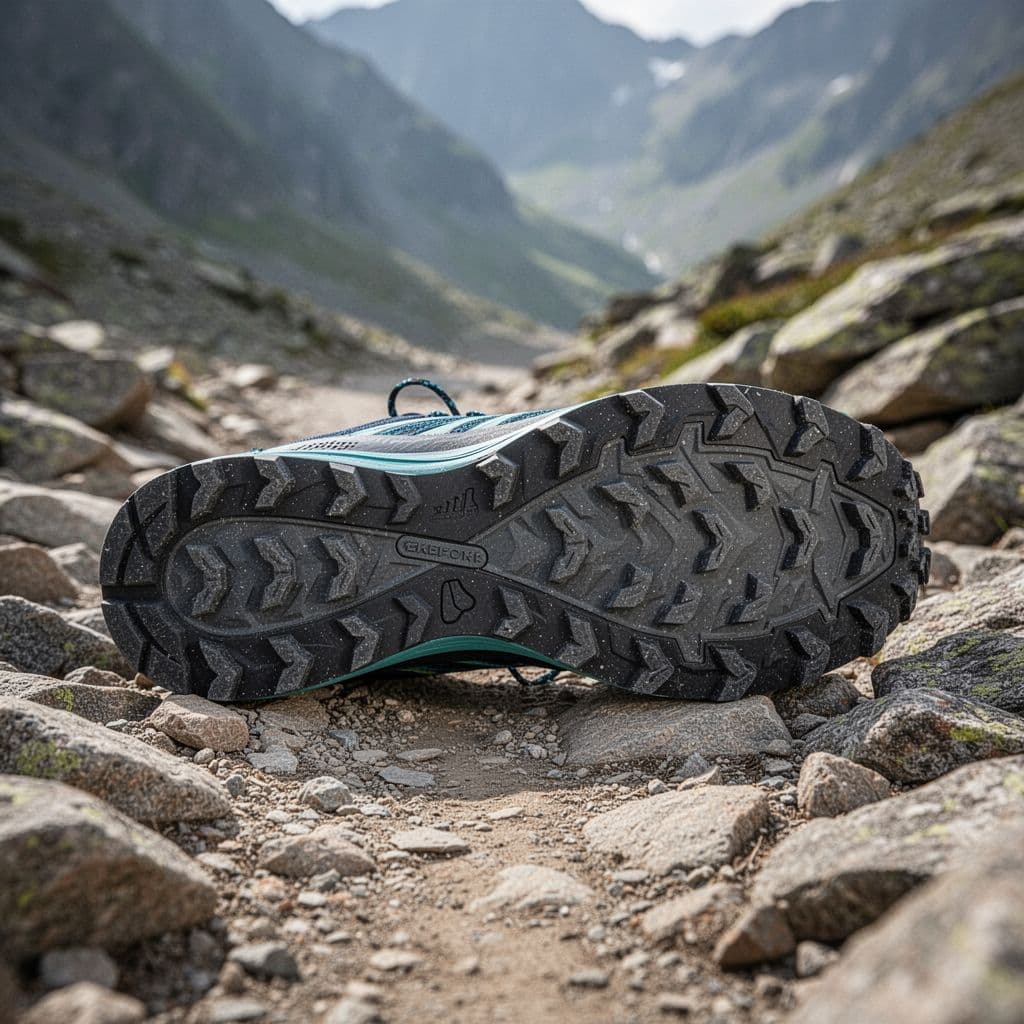
When you head into the mountains, the ground beneath your feet dictates your confidence. The Brooks Catamount 5 vs Salomon Genesis showdown reveals two distinct approaches to grip. One shoe functions like a track spike for dirt roads, while the other acts like a lugged tire for deep mud and rocky scrambles. Understanding these differences is a core part of mastering trail running efficiency.
Grip on Wet and Technical Trails
The Salomon Genesis relies on its All-Terrain Contagrip rubber to handle chaos. The lugs are multidirectional and spaced to shed mud as you run, which keeps the shoe from gaining weight in sloppy conditions. When you encounter loose rock or slick roots, the tacky compound bites into the surface. It offers a secure platform that allows you to commit to technical descents without second-guessing your footing.
In contrast, the Brooks Catamount 5 utilizes a more focused lug pattern meant for speed on packed surfaces. Its TrailTack rubber is impressive on dry dirt and gravel where you need a quick transition.
However, it struggles slightly more than the Salomon when you face thick, deep mud or loose, wet shale. If your local trails involve lots of steep, technical climbing, the extra depth and aggressive geometry of the Genesis provide a notable advantage.
The following breakdown illustrates how their grip holds up across common trail conditions:
| Surface Type | Brooks Catamount 5 | Salomon Genesis |
|---|---|---|
| Packed Dirt | Excellent | Good |
| Loose Rock | Good | Excellent |
| Deep Mud | Moderate | Superior |
| Slick Roots | Moderate | Very Good |
Ultimately, choose the shoe that matches the weather and terrain you encounter most. If you prefer staying on groomed paths and fire roads, the Brooks model keeps you light and fast. If you prefer advanced trail running training advice that takes you deep into the backcountry, the Salomon is the better companion.
Longevity and Wear Patterns
Rubber compound durability is a common point of contention for frequent trail runners. You want a shoe that keeps its grip long after the midsole starts to lose its spring.
The Salomon Genesis uses a denser, slightly harder rubber that resists abrasion well. Even after hundreds of miles on granite-heavy trails, the lugs maintain their shape and provide consistent traction. It is a workhorse that handles high mileage with minimal signs of premature balding.
The Brooks Catamount 5 uses a stickier, softer rubber blend to maximize immediate traction. This performance-oriented rubber often provides a better initial feel on rock, but it tends to wear down faster than the harder compounds found on more rugged options. You might notice the outer edges of the lugs rounding off after a long season of heavy use. This is a common trade-off for runners who prioritize maximum friction and agility over pure outsole longevity.
If you rotate your shoes, the Brooks model performs best as your dedicated race or tempo day shoe. The Salomon Genesis is a solid pick for your daily high-mileage trainer where you need the soles to survive the abuse of weekly mountain outings. Keeping an eye on your wear patterns helps you decide when to retire a pair, ensuring you always have the best grip available for your next long-distance effort.
Which Trail Runner Should You Pick?
Deciding between the Brooks Catamount 5 vs Salomon Genesis depends on the specific demands of your training and the terrain you frequent. Both shoes excel in their respective categories, but they serve different types of runners. Your choice should reflect whether you prioritize raw speed on smoother trails or reliable protection when navigating challenging, unpredictable mountain landscapes.
Choosing for Speed and Race Day
If you focus on shorter, fast-paced trail races or daily runs on well-maintained dirt paths, the Brooks Catamount 5 is your top choice. This shoe feels light, snappy, and responsive.
It caters to runners who want to maintain a high turnover without feeling weighed down by heavy materials. Because it emphasizes energy return, it performs best on fire roads and singletrack that does not require extreme agility.
Consider this model if you appreciate a traditional lacing system that allows for a customized fit across the top of your foot. You will enjoy the firm, propulsive sensation as you navigate moderate climbs and rolling terrain. It is a fantastic option for runners who want a shoe that mimics the feel of a road flat while still offering the grip necessary for dry, predictable dirt surfaces.
Choosing for Rugged Adventure and Ultras
The Salomon Genesis is built for the opposite environment. It is the better pick for long-distance efforts, ultra-marathons, or technical mountain trails where durability and stability are non-negotiable. Its robust construction acts as a shield against sharp rocks, roots, and debris. If you find that your feet become fatigued on rocky or uneven terrain, the impact-dampening properties of this shoe provide a noticeable upgrade.
The signature Quicklace system offers a secure, locked-in feel that stays put regardless of how steep or technical the descent becomes. This precision is vital when you are navigating loose shale or muddy corners. If you regularly spend hours in the backcountry, the extra weight of the Genesis is a small trade-off for the security and confidence it brings to your stride.
Matching Your Personal Needs
Selecting the right pair of shoes often comes down to your personal history and current goals. Take a moment to assess what currently bothers you most during your runs.
- The Speed-Focused Runner: You likely prefer the Brooks Catamount 5 if you feel sluggish in heavier shoes or if you predominantly train on groomed paths. This shoe keeps your legs fresh by minimizing excess material and maximizing ground feel.
- The Technical Mountain Runner: You should lean toward the Salomon Genesis if you deal with sharp, jagged terrain or if your feet struggle with stability during long descents. The added protection and reliable grip help you maintain your long distance running form even as fatigue sets in.
- The Seasonal Rotator: Many runners keep both in their closet. Use the Catamount for your fast tempo sessions and local race days, and rely on the Genesis for high-mileage training weeks in the mountains.
Ultimately, your perfect shoe is the one that allows you to forget about your feet and focus on the trail ahead. If you are unsure where your training fits on this spectrum, evaluating your total weekly running mileage is a great starting point.
A runner tackling 50 miles a week on technical peaks needs the rugged stability of the Genesis, while someone mixing in speed work on local trails will enjoy the efficiency of the Catamount. Match the shoe to your most frequent terrain, and you will see immediate improvements in your comfort and confidence on the run.
Final Verdict on Your Trail Journey
Choosing the right footwear is a personal process because no two runners share the exact same movement patterns. While comparing the Brooks Catamount 5 vs Salomon Genesis highlights clear performance gaps, the best decision remains rooted in your own biomechanics and your specific environment.
Your feet are your primary connection to the earth, so you need a shoe that respects your unique structural needs rather than one that forces you into a specific gait.
Assessing Your Individual Requirements
Consider how your body responds after two or three hours on the trail. If you feel excess tension in your arches or ankles, the structural support of the Salomon Genesis often provides the necessary relief to keep you moving comfortably. Many runners find that the firmer, more precise hold of this shoe reduces unnecessary fatigue when navigating technical, rocky patches.
Conversely, if your primary concern is maintaining a light, snappy turnover on smoother paths, the Brooks Catamount 5 is a much better companion.
It prioritizes efficiency and responsiveness, which helps you stay fast on fire roads and rolling singletrack. Think about your most frequent runs and identify whether you prioritize protection or speed. Often, the shoe that makes you forget you are wearing anything at all is the one that fits your stride best.
Making the Final Decision
You can think of your shoe choice as a foundational element of your training plan. When you pick a model that aligns with your terrain, you lower your risk of injury and increase your time spent in a flow state. If you still feel uncertain about which path to take, revisit your goals for the upcoming season.
- Choose the Brooks Catamount 5 if you want a lightweight, energetic ride for daily training on groomed trails or fast-paced race efforts.
- Choose the Salomon Genesis if you need extra security, deep traction, and durability for rugged, technical mountain outings or long-distance ultramarathons.
The right choice isn’t just about the features on paper; it is about how the platform interacts with your stride over many miles.
Whether you lean toward the snappy response of Brooks or the armored comfort of Salomon, test them both if you can. Your feet will provide the final word once you log your first few miles on the dirt. Taking the time to match your gear to your personal biomechanics is the most effective way to improve your overall experience as a trail runner.
Conclusion
Your final decision hinges on whether you value a quick, snappy feel or a protective, secure ride on technical paths. If you prefer fire roads and speed, the Brooks model is likely the better choice. On the other hand, choose the Salomon option if you spend your days on rocky, unpredictable terrain.
The best way to know is to visit your local running store and try both pairs on for size. Many shops let you jog on a treadmill or test the fit on varied surfaces. You can also review our how to choose running shoes guide to refine your search even further. Trust your feet, as they provide the most accurate feedback during your first few miles on the trail.


