

Brooks Catamount 4 Review | Lightweight Trail Racing Shoe Breakdown
The Brooks Catamount 4 is built for runners who want trail speed without giving up too much underfoot protection. If you race on mixed terrain, chase fast training days, or want one shoe that can handle longer efforts without feeling bulky, this model deserves a close look.
What matters most in a shoe like this is how it balances speed, grip, and comfort when the trail starts asking more from you. This review looks at whether the Catamount 4 keeps that balance in check, and how it compares with the Brooks Catamount trail performance review that set the bar for this line.
You’ll get a clear read on where it feels quick, where it protects well, and where it may ask you to give up a little softness for pace. By the end, you’ll know whether the Catamount 4 fits your kind of running, especially if long-distance comfort still matters on race day.
First Impressions: A Fast Shoe That Feels Ready for the Trails
The Brooks Catamount 4 looks and feels like a shoe built to move. It has a slim shape, a light ride, and an upper that feels close and purposeful rather than bulky or soft. That first impression matters, because this shoe makes its intent clear before you even hit the dirt.
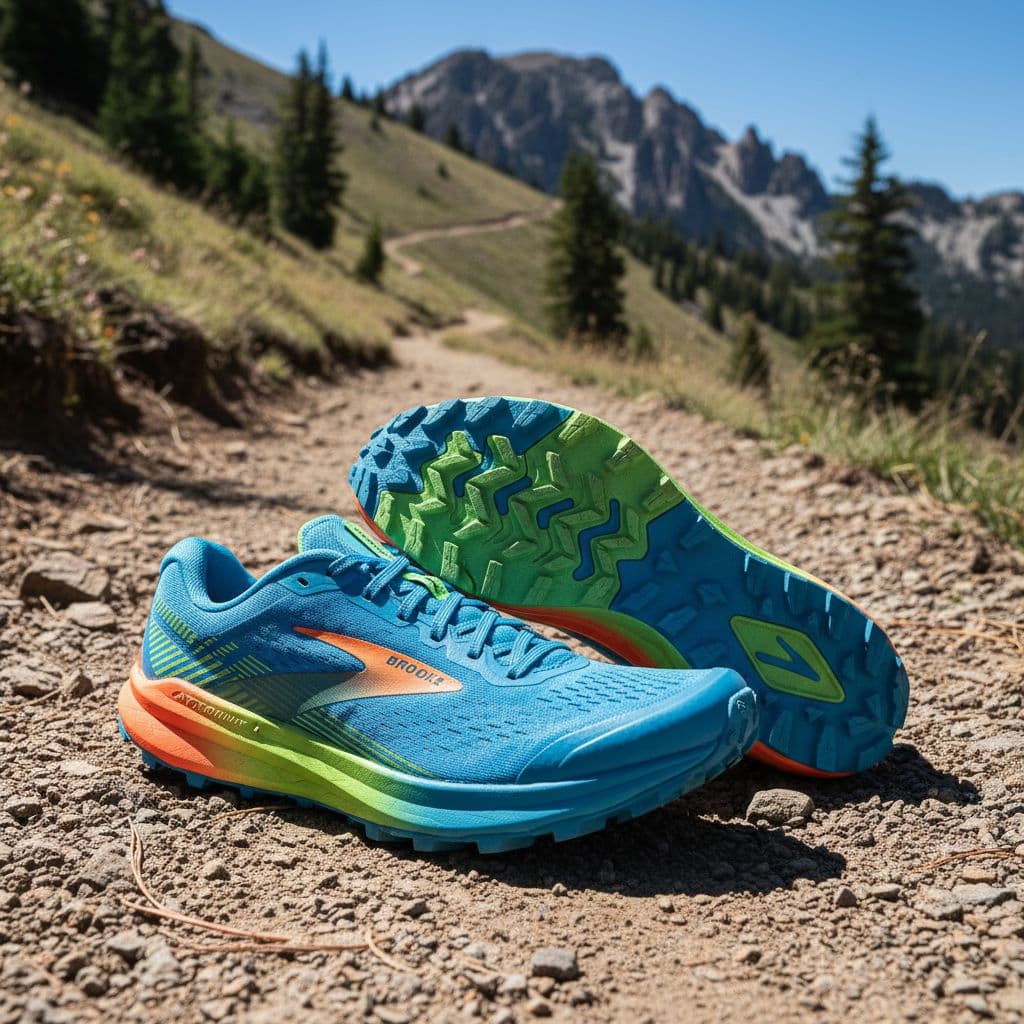
It fits the profile of a trail racer, not an everyday cruiser. If you want a shoe that feels quick on your feet and ready for faster efforts, this one makes sense fast. For a simple side-by-side look at how trail shoes differ from road models, REI has a helpful breakdown of trail-running shoe basics.
Who the Catamount 4 is best for
This shoe is a strong match for trail racers, faster runners, and anyone who wants a light shoe for short to mid-distance off-road efforts. It suits runners who care about pace, ground feel, and a snappy toe-off more than pillowy comfort.
It also makes sense if you want a single shoe for hard workouts on dirt, rolling trails, or race day efforts. Runners who like a more direct feel underfoot will notice the appeal right away. If you want more context on what to look for in race-ready trail gear, this trail running gear guide covers the basics well.
Where it may fall short is just as clear. If you want a soft, highly cushioned shoe for long recovery runs, this is probably not the best fit. The same goes for runners who want a very stable platform with a wide, planted feel.
The Catamount 4 is built for speed first, comfort second.
How it compares to a typical trail trainer
A typical trail trainer is usually wider, softer, and more relaxed. It gives you more cushion for long days and more room for easy miles, but it can feel slower when you pick up the pace.
The Catamount 4 feels different because it trims the extra bulk and focuses on performance. The shape is slimmer, the ride feels more precise, and the whole shoe seems aimed at moving quickly over dirt and mixed terrain. For runners who want a more forgiving, comfort-first option, that can feel a little stripped back. For faster trail work, it feels efficient and direct.
A trail trainer is there for mileage. The Catamount 4 is there for effort. That difference shows up right away in how eager it feels when you start running.
Ride Feel: How the Brooks Catamount 4 Performs at Speed
The Brooks Catamount 4 feels built for runners who want pace to stay front and center. It has enough structure to keep you moving with control, yet it avoids the soft, sink-in feel that can slow you down on steep climbs or quick race efforts.
Responsiveness on climbs and fast efforts
When the trail tilts up, the Catamount 4 responds with a firm, efficient push. The midsole does not feel plush or overly bouncy, but it does feel tuned for quick turnover and steady power. That matters on climbs, where a shoe that wastes energy can make every step feel heavier than it should.
The ride has a balanced snap rather than a soft spring. You get a clear sense of where the shoe wants to go, and that helps when you’re pushing pace on rolling terrain or attacking a short hill repeat. Compared with a more cushioned trail trainer, it feels sharper and more direct.
If you liked the lighter, quicker feel of the Brooks Catamount 3 trail performance review, the Catamount 4 stays in that same performance lane, with a ride that still favors speed over softness. It rewards efficient runners most, especially when the pace picks up and the effort gets honest.
The Catamount 4 feels best when you stay on the gas and let the shoe work with your stride.
Ground feel and trail connection
The Catamount 4 gives you enough trail feedback to stay connected without feeling harsh. Underfoot, it feels controlled and precise, so you can read the trail and make quick adjustments on the fly. That kind of connection matters when the surface gets uneven, because it helps you trust each footstrike.
On technical ground, the shoe feels stable enough for fast running as long as you stay light on your feet. It does a good job of keeping the ride focused, which helps when you’re threading through rocks, roots, or off-camber sections. For race day, that precise feel can build confidence because you know what the shoe is doing under pressure.
According to WearTesters’ Catamount 4 performance review, the updated plate setup is aimed at a snappier ride. That lines up with the way this shoe communicates the trail, direct, lively, and ready to move quickly rather than mask the ground beneath you.
Comfort over longer efforts
For longer runs, the Catamount 4 stays comfortable in a practical way, but it never turns plush. The fit and cushioning hold up well enough for sustained efforts, yet the shoe still asks your legs to do some of the work. That makes it better for shorter races, hard workouts, and moderate-distance trail events than for all-day trail outings.
If you want a shoe that disappears under you on long, slow miles, this one may feel a bit firm. Still, that firmness is part of the appeal for runners who want efficiency and a more race-ready feel. It keeps energy loss low, and that can help late in a fast effort.
For all-day comfort, there are softer options out there. The Catamount 4 is more of a speed tool than a plush cruiser, so it works best when performance matters more than maximum cushioning.
Upper and Fit: Secure, Light, and Built for Movement
The Brooks Catamount 4 keeps the upper simple in the best way. It feels close, light, and ready for fast trail running, with enough hold to stay calm when the terrain gets messy. That matters on race day, because a shoe that shifts around can cost you rhythm fast.
Lockdown in the heel and midfoot
The heel and midfoot fit feel dialed in for speed. The upper holds the foot in place without a lot of extra bulk, so the shoe stays connected when you corner, descend, or push the pace on uneven ground. That close fit gives the Catamount 4 a race-ready feel, and it helps when you want quick foot placement instead of extra movement inside the shoe.
The midfoot hugs well enough to keep the shoe stable, yet it doesn’t crush the top of the foot. That balance matters on longer runs and harder efforts, because a shoe that feels too tight can turn distracting fast. Here, the fit feels secure first, but still usable for a full race or fast workout.
If you like a locked-in feel and usually run in performance-oriented trail shoes, this should feel familiar. If you prefer a roomier, more relaxed upper, it may feel a little precise at first. For runners comparing this line with other Brooks trail options, the Catamount Agil fit notes are a helpful reference point for how Brooks handles snug trail fits.
Toe box space and comfort
The toe box is on the narrower side of average, but it still gives enough room for a controlled, race-focused fit. Your toes don’t feel squeezed in a harsh way, yet this is not a wide, forgiving front end. Runners with broader feet may want to size up or skip it if they prefer more spread in the forefoot.
That matters even more on long descents. Feet swell, toes move forward, and a tight toe box can start to feel cramped late in a run. The Catamount 4 handles that better than some slim race shoes, but it still works best for runners who already like a closer fit.
If you already know you need extra forefoot space, the Catamount 4 will probably feel too specific.
The front of the shoe feels more race-oriented than all-day comfortable, which is fine if speed is the goal. For a broader view of how this model stacks up in the toe and upper area, Outdoor Gear Lab’s Catamount 4 review echoes the same pointed but accommodating shape.
Breathability and trail-ready durability
The upper breathes well, which is a big plus for faster trail running and warm-weather efforts. Air moves through the mesh without much resistance, so the shoe avoids that heavy, swampy feel that can show up in thicker trail uppers. It feels light on foot, and that helps the whole shoe stay race-focused.
At the same time, the material still feels durable enough for real trail use. It can handle dirt, light brush, and repeat wear without feeling fragile. That balance is important, because a race shoe still needs to survive more than one hard outing.
For runners who want one shoe for both racing and sharper training sessions, the upper makes sense. It feels built for speed, but it doesn’t come across as disposable. That said, it is still more about moving fast than taking a beating through rough, messy miles.
Midsole and Cushioning: Light Protection Without Feeling Clunky
The Brooks Catamount 4 keeps cushioning in a useful middle lane. It gives you enough underfoot protection to take the edge off hard trail miles, but it never feels soft enough to slow the shoe down. That balance matters because trail racing asks for two things at once, comfort and speed, and this shoe leans into both without going overboard.
How much cushioning it really has
The cushioning feels moderate, with a firm edge that keeps the shoe light and responsive. You do get more protection than a stripped-down minimalist racer, but you don’t get the deep, sink-in softness of a max-cushion trail shoe.
That makes the Catamount 4 a strong fit for runners who want quick ground contact and enough comfort for longer efforts. For short races and fast workouts, the foam feels plenty protective. For ultra-long runs, especially on rough ground, the firmer ride may feel a little sparse if you want a softer landing late in the day.
The best way to read it is this: it cushions impact, but it doesn’t hide the trail. If you like a shoe that stays lively and close to the surface, that tradeoff makes sense. If your priority is all-day softness, you may want something with more stack and a plusher feel.
Stability on uneven ground
The midsole platform feels steady enough for roots, rocks, and quick corrections. It does not wobble much underfoot, which helps when the trail changes shape fast or when you have to land on a slant. That calm, controlled feel matters more here than deep foam would, because too much softness can make technical terrain feel sloppy.
On cambered surfaces, the shoe holds its line well if you keep an active foot. It feels most reliable when you stay light and quick, rather than heavy and flat-footed. The platform gives you a solid base, so you can trust your steps without feeling locked into one rigid position.
That said, the Catamount 4 is still a lightweight racing shoe, not a beefy stability model. On rough, off-camber descents, your own footwork matters a lot. For runners who want a fast shoe with a stable enough ride for technical trails, that is a good trade. For a broader look at terrain-friendly trail options, Brooks trail shoe guidance can help you compare what different builds are meant to handle.
Energy return and efficiency
The ride feels more efficient than bouncy. It helps you turn over quickly, especially when the pace picks up, and it keeps wasted movement to a minimum. You feel encouraged to run with a clean cadence because the shoe responds fast without needing a big bounce to feel useful.
That works well on race efforts and tempo-style trail runs. The cushioning and plate setup give the shoe a little pop, but the bigger story is control. You get a forward, tidy ride that supports quick transitions and steady climbing, which is often more valuable on trails than a flashy rebound.
Runners who like a fast, direct feel will get more from this cushioning than runners chasing soft rebound.
If you like trail shoes that help you stay sharp over speed changes, the Catamount 4 fits that style well. It feels efficient when you surge, settle, and surge again. That makes it a smart option for runners who want protection without losing rhythm, especially on runnable trails where pace still matters.
Traction and Outsole Grip: Where the Catamount 4 Stands Out
The Brooks Catamount 4 delivers traction that makes sense for speed-focused trail running. It feels most at home on hard-packed dirt, dry gravel, and mixed trails where you want confident footing without a heavy outsole dragging you down.
The grip pattern is built for quick movement, so the shoe stays responsive when the trail changes shape. It also keeps the ride light, which matters when you are racing or pushing the pace in training.
Grip on dry, loose, and technical trails
On dry dirt, the Catamount 4 grips well and feels predictable. The outsole bites enough to keep your stride steady, so you can turn corners without second-guessing each step. That confidence shows up on climbs too, where the shoe holds its line and lets you drive forward with less slipping.
Loose gravel is a little more mixed, but still manageable. The shoe gives you enough purchase to stay controlled during fast training runs, especially if you keep your cadence quick and your steps light. On quick descents, the grip feels reassuring because the outsole helps you brake without sliding all over the place.
Technical trails are where the Catamount 4 feels useful, not flawless. It handles roots, rocks, and uneven ground best when the surface is dry and you stay alert. The traction supports aggressive running, which is exactly what you want in a trail racer.
For a broader look at how this outsole has been tested, Outdoor Gear Lab’s Catamount 4 review gives a clear picture of its dry-trail strengths and limits.
If you run mostly on fast, dry singletrack, the Catamount 4 feels confident and efficient.
What to expect in wet or muddy conditions
Wet rock is where the grip becomes more modest. The outsole still works, but you need to be more careful with foot placement, especially on smooth surfaces or steep, polished slabs. It does not have the same locked-in feel you get from a shoe built purely for slick terrain.
Mud is another limit to keep in mind. The lugs are not deep enough to turn the Catamount 4 into a mud specialist, so soft ground can pack underfoot and reduce traction. In shallow mud, it can still move well enough, but deep or sticky sections will slow it down.
For runners who race in mixed weather, that means the shoe is best treated as a dry-to-lightly-damp option. It can handle some moisture, yet it is not the pair you want when the course is soaked and sloppy. WearTesters’ Catamount 4 review also points out that the outsole is grippy on wet surfaces, but not made for heavy mud.
Outsole durability for frequent runners
The outsole looks built to hold up well through race training. The rubber should keep its grip for a long time if you mostly run on dirt, packed trails, and moderate gravel. That matters because trail racers often want a shoe that can take repeated workouts before the tread starts to fade.
The real question is how the grip changes with use. With regular miles on rough rock or abrasive surfaces, you may see some wear on the lugs sooner than you would on softer trails. Even then, the outsole should stay useful for a solid stretch of training, especially if you rotate it with another shoe.
For frequent runners, that makes the Catamount 4 a practical pick. It is not the kind of outsole that feels overbuilt or sluggish, but it also doesn’t seem delicate. If you want a lightweight trail racer that can handle a training block and still feel sharp on race day, this one has the kind of durability that keeps it in the mix.
Where the Brooks Catamount 4 Makes the Most Sense
The Brooks Catamount 4 is at its best when speed matters and the trail is runnable. It feels made for runners who want a light, quick shoe for races and fast sessions, not a soft cruiser for easy mileage. That makes its sweet spot pretty clear once you look at race type, terrain, and how often you want to use it.
Best races and distances for this shoe
The Catamount 4 makes the most sense for short trail races, fast half-marathon efforts, and quick mountain events where you still want protection but don’t want extra weight. It feels especially good when the course has climbs, descents, and runnable singletrack that rewards a steady, efficient stride.
For many runners, this is the kind of shoe you pull out for:
- 5K to 10K trail races, where quick turnover matters most
- Trail half marathons, especially on firm or mixed terrain
- Mountain races up to marathon distance, if the course is not too brutal
- Fast tempo runs on dirt, when you want race-day feel in training
- Hill repeats and trail workouts, where a lighter shoe keeps the effort honest
It works best when the ground is firm enough to let the shoe stay lively. Dry singletrack, packed gravel, and rolling race courses are a great match. If you want a general reference point for terrain and distance choices, this trail shoe roundup makes the same basic point, shorter and faster efforts do well in lighter trail shoes, while longer events often ask for more cushion.
If your race plan is aggressive and the trail is runnable, the Catamount 4 fits that script well.
When another trail shoe may be better
The Catamount 4 is not the right call for every trail day. If you run long, rocky routes or spend a lot of time on rough, technical terrain, you may want more cushion and protection. A shoe with a thicker midsole can save your legs when the miles stack up.
You may also want a different model if stability is a bigger concern. Runners who prefer a wide, planted base, or those who need extra help on uneven ground, may feel better in a more stable trail trainer. The same goes for anyone who wants a softer landing on recovery runs.
A different shoe may make more sense if you often run:
- Ultra-distance trails, where foot fatigue becomes a bigger issue
- Very rocky routes, where more underfoot protection helps
- Wet, muddy courses, where deeper lugs usually grip better
- Easy daily runs, where comfort matters more than pace
For runners who are just getting started on the trails, a more forgiving option can also be a smarter first pick. A page like best trail running shoes for beginners is a better place to start if you want more comfort and less performance focus.
How it fits into a shoe rotation
The Catamount 4 works well as the fast shoe in a rotation. You can pair it with a cushioned trail trainer for easy miles and long outings, then save the Catamount 4 for workouts, race prep, and race day itself. That way, each shoe does one job well.
A simple rotation might look like this:
- Cushioned trail trainer for long runs, recovery days, and rougher routes
- Brooks Catamount 4 for speed work, hill sessions, and trail races
- More rugged mountain shoe for technical terrain, steep descents, or bad weather
That setup keeps the Catamount 4 fresh and focused. It also gives you a better answer to a common question: do you want one shoe to handle everything, or a small group of shoes that each shine in a different spot? For most runners who race trails, the second option works better.
If you only want one trail shoe, the Catamount 4 can still cover a lot of ground. Still, it shines most when you treat it as a fast specialist, not a do-it-all daily trainer.
Final Verdict: Is the Brooks Catamount 4 Worth It?
The Brooks Catamount 4 is worth it if you want a lightweight trail shoe that feels quick, stable enough, and ready for race day. It gives you the best mix of speed and protection when the course is runnable, and it stays honest about what it is: a performance-first trail racer with moderate cushioning.
Why it earns a place in the category
The Catamount 4 does a strong job of balancing light weight, grip, and a precise ride. It feels fast on climbs, controlled on mixed terrain, and secure enough for race efforts where you want the shoe to disappear under you. That makes it a smart pick for runners who value pace more than plush comfort.
It also fits well into a two-shoe setup. If you already use a cushioned trainer for easy miles, the Catamount 4 becomes the sharper tool for workouts and races. For runners who want a direct comparison with a more protective Brooks option, the Brooks Cascadia 16 trail shoe review shows how much more cushion and coverage a max-protection model can bring.
Who should buy it, and who should skip it
Buy it if you race trails, train on dry to mixed terrain, and like a firm, efficient feel. It makes sense for speed-focused runners who still want enough protection for longer efforts.
Skip it if you want soft cushioning, a wide platform, or a shoe for muddy, highly technical routes. In those cases, a more rugged or more cushioned model will serve you better.
Final call
The Brooks Catamount 4 earns its spot among lightweight trail racing shoes. It is fast, dependable, and easy to trust when the pace matters. It is not the most forgiving trail shoe, but it does its job well, and that is exactly why it works.


