

Brighton Marathon Weekend Review: Is It Worth It? Course, Crowds & Value
Before sunrise, Brighton seafront is already awake. Runners gather near the start line in layers of old clothes, the English Channel dark beyond the barriers, while volunteers direct nervous athletes toward their corrals and the promenade fills with footsteps, chatter, and the sharp anticipation of race morning.
This Brighton Marathon Weekend review looks at more than the marathon itself. It considers the wider race weekend, the course experience, organization, crowd support, travel logistics, cost, and the overall value for runners deciding whether Brighton deserves a place on their race calendar. The route offers memorable seaside views and an energetic atmosphere, but the exposed sections, late-race fatigue, crowded areas, and practical demands of a major city race deserve equal attention.
Event details can change each year, including dates, entry fees, start times, transport arrangements, and race rules, so confirm current information with the official organizer before booking travel or committing to a training plan. The goal here is a balanced review that weighs Brighton’s scenery and support against the parts that may test your patience, pacing, or budget. First, I will look at what race morning and the marathon course are actually like. Remember, book your Brighton Marathon hotels early to save.
Key Takeaways
- Brighton Marathon Weekend combines a scenic seaside route with a lively city atmosphere and strong spectator support.
- The exposed waterfront sections can challenge pacing, especially when wind and late-race fatigue arrive together.
- Crowded start areas, busy sections, and race-day logistics require careful planning before traveling.
- Value depends on your priorities, since atmosphere and views may justify the cost for some runners.
- Check the official Brighton Marathon Weekend details for current dates, fees, transport, and race rules.
Brighton Marathon Weekend Review: The Race at a Glance
Brighton Marathon Weekend combines a major-city marathon with a full weekend of running, spectators, and seaside energy. The main race attracts runners seeking a first marathon experience, a personal best, or simply a memorable day on the South Coast. Compared with a small local race, Brighton feels larger, louder, and more carefully staged, but that scale also brings extra travel and crowd-management demands.
The seafront start and finish create a memorable race setting
Race morning begins beside the English Channel, where cool sea air mixes with nervous conversation, coffee, and the steady movement of runners toward their corrals. The promenade gives the opening miles a dramatic backdrop. Open water sits beside the route, Brighton’s pier adds a familiar landmark, and spectators gather behind barriers with cameras, flags, and shouted encouragement.
That setting can lift your mood before the physical work begins. A first-time marathoner gets a strong sense of occasion, while an experienced runner may use the energy to settle into goal pace. As the course moves through Brighton and nearby communities, the atmosphere changes. Some sections feel dense and festive, while others give you more space to focus on breathing, rhythm, and fueling.
The same coastline that makes the race beautiful can also expose you to wind, bright sun, or chilly weather. Conditions may shift during several hours on the road, so pack clothing for waiting around and don’t ignore sunscreen. A runner who prepares only for a calm, mild morning may spend valuable energy managing discomfort before the race reaches its hardest miles.
What the race weekend offers beyond the marathon
The weekend format gives companions more to do than wait at one finish line. Packet pickup and the race expo provide the practical starting point, while spectator areas let family and friends plan where they can see runners without following the entire route. Check the official Brighton Marathon Weekend details for the current expo arrangements, event schedule, transport guidance, and entry information.
Associated races can widen the weekend’s appeal. Depending on the year, the program may include a 10K and children’s or youth events, allowing family members to take part at a distance that suits them. Recent event listings have included Kids & Teens Mini Mile races, although you should confirm each activity before making plans.
That mix makes Brighton a better choice for a shared weekend than a stand-alone marathon. Non-runners can enjoy the seafront, restaurants, shops, and race-day atmosphere, while runners still get a serious event with a substantial field. The tradeoff is clear: Brighton offers strong scenery and occasion, yet it won’t feel as quiet or personal as a small community race.
For many entrants, the best reasons to register are the coastal setting, broad spectator support, and choice of associated events. The main drawbacks are exposure to weather, busy public spaces, and the higher costs that often come with a destination race. If you want a large, memorable marathon weekend, Brighton fits. If you prefer simple logistics and a low-key start line, a local race may suit you better.
How the Brighton Marathon Course Feels From Start to Finish
The Brighton Marathon course changes character as fatigue builds. Early crowds and coastal views create plenty of excitement, but the road eventually demands steady pacing, efficient fueling, and patience. The route is generally manageable for a first marathon or destination race, while personal-best runners must respect the wind, turns, and rolling sections.
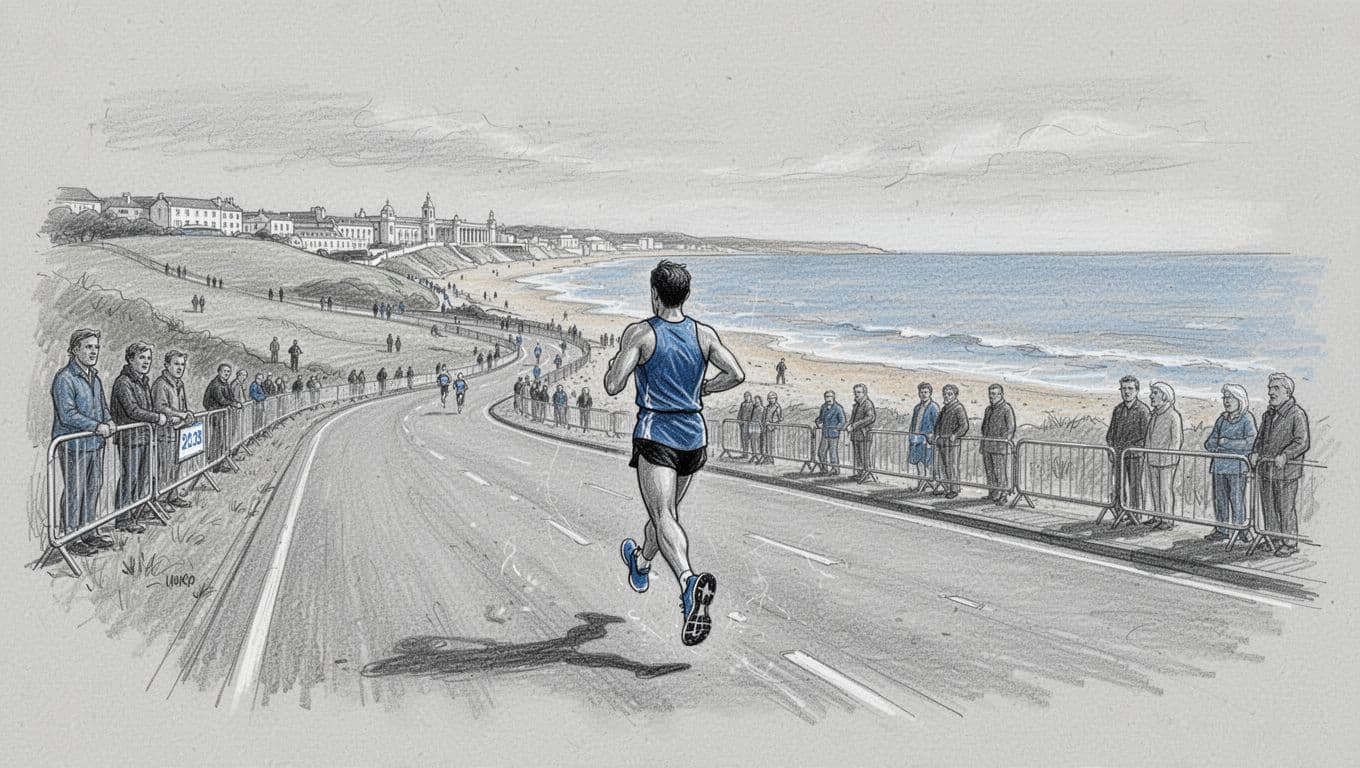
Early miles: control the excitement before the coast opens up
The opening miles can feel deceptively easy. A large field carries you forward, spectators bring plenty of noise, and race-day adrenaline makes goal pace feel slower than it really is. Wide sections may still feel crowded, especially while runners settle into position and pass one another.
Hold back anyway. Settle close to your planned marathon pace, leave room for the course to develop, and judge effort instead of chasing every runner nearby. If your breathing feels too sharp or your watch shows a pace well below target, ease off before the excitement creates a problem.
The course includes early rises, so don’t treat the first downhill or clear stretch as free speed. The official Brighton Marathon course information lists climbs at several points, with roughly 500 feet of total elevation gain. The surface is mainly paved road, but frequent turns and changing road width can interrupt your rhythm.
Middle miles: manage rhythm, exposure, and mental fatigue
Once the novelty of the coastline fades, the middle section becomes a test of routine. The sea remains beside you, yet scenery alone can’t carry the effort for another hour or more. Exposed stretches may bring a headwind, and even a modest breeze feels expensive when you hold it against tired legs.
Keep your form relaxed. Drop your shoulders, soften your hands, and maintain a compact stride rather than reaching for extra speed. Take fluids at planned stations, fuel before you feel empty, and keep your effort steady when the wind slows your pace. Chasing the watch into a headwind often costs more than it gives back.
Break the race into small sections instead of thinking about the full remaining distance. Focus on reaching the next aid station, holding form through the next few miles, or staying with a sensible group. When the road bends or narrows, avoid sharp accelerations around runners. Smooth movement saves energy and reduces frustration.
The coast gives Brighton its identity, but it also removes shelter. Treat wind direction as part of your pacing plan, not as an unexpected interruption.
Final miles: use the crowd without relying on it
The closing miles bring heavy legs, reduced concentration, and a stronger temptation to bargain with your goal pace. Turns can feel longer than expected, while the finish-area atmosphere gradually pulls attention toward the end. Supporters may give you the lift needed to keep moving, but crowd noise can’t replace energy you spent too early.
Save enough for a controlled push after the hardest work is behind you. Time-focused runners should protect their pace early, then assess the final miles by breathing, form, and remaining strength. First-time marathoners can use the same approach at a more comfortable effort, aiming to keep running rather than forcing an impressive split.
As the finish approaches, let the spectators help without depending on them. Look ahead, shorten your focus to the next landmark or turn, and keep your arms moving when your legs feel heavy. Brighton works well as a memorable first marathon or relaxed destination race, while a personal best is possible for runners who pace the opening miles with discipline.
Race Organization, Crowd Support, and Runner Experience
A large marathon feels good when small decisions happen at the right time. Clear communication, visible marshals, sensible queues, and well-placed aid stations let you focus on pacing instead of solving problems. Brighton Marathon Weekend generally offers a polished major-race setting, but the exact layout and services can change each year, so check the current runner guide before race morning.
Aid stations, fueling, and the practical details that matter
Use the published aid-station plan to decide when you will drink and fuel. The official Brighton Marathon event information lists the current course provisions, but don’t assume last year’s products will appear at every station.
Practice with the same type of drink, gel, or carbohydrate source whenever possible. If your plan depends on a particular flavor, dosage, or timing, carry enough backup nutrition to protect it. Taking an unfamiliar gel late in a marathon can cause stomach trouble, while drinking too much at once may leave you feeling bloated or nauseated.
Approach stations with a plan. Move toward the side where tables are less crowded, slow slightly before reaching for a cup, and take small, regular sips. You should also check the runner guide for toilets, medical points, bag drop rules, start-pen access, and the finish-area process. The official course information is the best place to confirm current facilities and locations.
Spectators and volunteers make the hard miles feel lighter
Brighton’s strongest emotional asset is its public support. Local residents, visiting families, volunteers, musicians, and organized cheering points can change the feel of a difficult mile within seconds. A quiet stretch may leave you alone with your breathing, then a dense crowd near a landmark can make the same effort feel lighter.
Volunteers matter just as much. A calm marshal at a turn, a clear direction toward the correct pen, or a steady hand offering water removes friction when concentration starts to fade. That practical support often matters more than a loud finish-line welcome.
Crowd noise still varies by location. Don’t build your pacing strategy around constant encouragement, because exposed or residential sections may feel much quieter. Save encouraging messages from family for planned points, and carry your own mental cues for maintaining effort when the road becomes subdued.
Where a large event can feel stressful
Mass participation brings predictable pressure points, although each edition may handle them differently. Toilets can develop long lines before the start, baggage collection may take time after finishing, and narrow sections can force runners into slower traffic. Long walks between transport, the start pens, bag drop, and the finish area can also surprise anyone who arrives without a plan.
Meeting spectators requires similar preparation. Barriers, road closures, and the size of the course may make an apparently short distance difficult to cross. Agree on one or two realistic meeting points, and tell supporters what you will wear rather than relying only on a phone signal.
Read the current race communications carefully. Note your entry wave, transport instructions, baggage deadline, toilet locations, medical procedures, and finish-area exit route. A well-run marathon cannot remove every queue, but clear information helps you choose where waiting is unavoidable and where a few minutes of planning can prevent unnecessary stress.
Planning a Brighton Marathon Weekend That Runs Smoothly
A smooth Brighton Marathon Weekend depends on decisions made before race morning. Book lodging around your start-line route, pack for changing coastal weather, and give companions a simple plan they can follow without crossing the entire city.
Where to stay and how to get around race morning
Staying near the seafront or start area reduces travel stress and lets you walk to your corral. You can wake at a normal time, eat in your room, and avoid depending on a crowded train or a delayed bus. The tradeoff is cost, noise, and limited availability, especially during a popular race weekend.
Hotels near Brighton station can offer a useful middle ground. They may provide better rail access and more dining choices, although you still need to check the walking distance to bag drop and the start. A quieter or less expensive room outside the center can work well for runners traveling from outside Brighton, provided you confirm the first available train, bus, or taxi option before booking.
Road closures can affect cars, buses, taxis, and spectator travel for much of the day. Check the Brighton Marathon Weekend FAQs when the current year’s details are released, since closure timings and transport arrangements can change. Don’t assume a short map distance means a quick journey.
Plan the complete route:
- Walk from your lodging to the start or transport stop.
- Allow time for security, toilets, bag drop, and finding your race pen.
- Check where you collect your bag after finishing.
- Add a practical buffer without setting your alarm hours earlier than necessary.
A short walk after waking can help you loosen up, but a long hike in cold rain is a different problem. Visit the start area the day before if possible, then follow a simple morning plan.
What to eat, pack, and wear for a coastal marathon
Keep race-weekend meals familiar. Choose the breakfast you used during long-run training, drink normally, and avoid testing a rich restaurant meal the night before. Pack food if your lodging does not guarantee an early breakfast.
Your race bag should include:
- Shoes and socks you have already tested on long runs.
- Gels, chews, or drink mix that your stomach tolerates.
- Lightweight layers for the start, plus a rain shell if the forecast demands one.
- Sunscreen, sunglasses, and a hat for unexpected warmth.
- A dry change of clothes and warm post-race snacks.
- Recovery footwear that feels comfortable on tired feet.
Coastal conditions can change quickly. Wind may make a cool morning feel raw, while bright sun can turn the same exposed route warm later. Test every important item in training, including your shoes, nutrition, layers, and sunscreen. Race morning is a poor time to discover that a seam rubs or a gel upsets your stomach.
After finishing, walk gently for a few minutes, collect your bag, drink steadily, and eat carbohydrates with some protein. Then change into dry clothes, put on comfortable shoes, and keep the rest of the day easy.
How to plan the weekend for family and friends
Spectators should choose one accessible viewing point rather than attempting an ambitious route across Brighton. Crowds, barriers, road closures, and slow crossings can make two nearby locations feel far apart. A spot near a major road, station, or clearly named landmark is easier to find than a precise curbside position.
Family members also need a plan for cold, wind, rain, or sun. They should bring layers, water, snacks, and a fully charged phone. Agree on the runner’s clothing before the race, then choose one reliable meeting point after the finish, away from the busiest exit.
That meeting point should be comfortable enough for a tired runner to reach without extra searching. If phone service becomes unreliable, a fixed location gives everyone a better chance of reuniting. One well-planned sighting and a clear finish arrangement usually create a better experience than chasing the race around town.
Is the Brighton Marathon Worth the Entry Fee and Training Commitment?
Brighton Marathon Weekend is worth the investment when you want your marathon to feel like a major personal occasion, not only a timed run. The coastal setting, loud support, destination appeal, and wider race program can make months of training feel connected to one memorable weekend. However, the value depends on how you handle travel, crowds, weather, and the demands of marathon preparation.
The best reasons to choose Brighton
Brighton’s seafront gives the race an immediate sense of place. You run beside the English Channel, pass recognizable landmarks, and finish in a city where your family can eat, explore, and celebrate after the race. That scenery matters when training becomes repetitive. A clear destination on the calendar can give your long runs more purpose.
The crowd support adds another layer. Spectators and volunteers create bursts of energy along the route, especially when tired legs make each mile feel heavier. You still need disciplined pacing and fueling, but the noise can help you stay engaged when your motivation drops.
The full weekend format also improves the experience for traveling runners. Family members can join shorter events, visit the expo, or enjoy Brighton while you race. Check the official spectator guide before traveling, since viewing points and transport arrangements affect how easily supporters can reach you.
For many runners, Brighton feels celebratory because the race has a recognizable setting and a strong public identity. A small-town marathon may offer friendlier logistics and more personal attention, but Brighton gives your training a larger stage.
The biggest tradeoffs to think about first
The entry fee is only one part of the budget. Lodging, transportation, meals, parking, and extra nights can raise the real cost of a Brighton Marathon Weekend. Demand may also make hotels and trains more expensive or harder to book close to race day.
Large fields bring energy, but they also create queues and congestion. Start areas, toilets, baggage collection, transport hubs, and popular spectator points may feel crowded. If you want a calm morning with minimal waiting, the scale could become tiring before the race begins.
Weather deserves equal attention. Coastal roads can expose you to wind, sun, or cold conditions, and those factors can affect both comfort and pacing. A major city marathon may provide a similarly electric atmosphere with more urban variety, while a smaller race often gives you a quieter, simpler course.
Ask yourself four practical questions before entering:
- Does the race fit your budget after travel and lodging?
- Can you train for the marathon without compromising recovery or other commitments?
- Will crowds and exposed weather affect your race strategy?
- Do you want a personal-best setup, or a weekend you will remember for years?
Who will enjoy it most, and who may prefer another race
Brighton suits first-time marathoners who want support, scenery, and a strong sense of occasion. It also fits destination runners who plan to make the race part of a longer weekend. Personal-best seekers can enjoy it too, provided they accept that crowding, turns, wind, and race-day pressure require careful execution.
Choose a smaller marathon if you want quiet roads, shorter queues, and more control over your routine. Runners chasing their fastest possible time may prefer an event with a flatter-feeling rhythm, fewer distractions, and less travel uncertainty.
Brighton is a strong choice when atmosphere is part of the goal. If your only priority is a controlled personal best, another race may offer better value for your entry fee and training commitment.
Choose Your Distance, Duration and Goal Time
Make three quick selections and open the exact plan built for your race target.
Looking for a Fully Personalized Training Plan?
The training plans above are an excellent choice if they match your goal. However, if you’d rather train with a plan built specifically around your current fitness, goal race, preferred training days, weekly mileage, and target finish time, our RDA Custom Training Plans provide a personalized solution. We also have running courses available for runners seeking to run faster from the mile to the marathon.
Why Choose a Custom Training Plan?
| Standard Training Plan | RDA Custom Training Plan |
|---|---|
| Follows a fixed schedule | Built around your schedule |
| Standard weekly mileage | Peak mileage customized for you |
| Fixed workout days | Train on the days you choose |
| Same structure for everyone | Designed around your current fitness |
| Static plan | Updated as your fitness improves |
| One-time purchase | Ongoing personalized coaching and support |
What You’ll Receive
- A training plan built specifically for your goal
- Personalized training paces
- Long runs, tempo runs, threshold workouts, interval sessions, recovery runs, and easy runs
- Peak weekly mileage matched to your experience level
- Flexible training schedule that fits your life
- Ongoing plan adjustments as your fitness improves
Ready to Train Smarter?
Stop guessing and start following a plan built specifically for you, your schedule, and your racing goals.
Frequently Asked Questions
A few practical questions often remain after weighing the course, atmosphere, and cost. These answers can help you decide whether Brighton Marathon Weekend fits your goals and how to prepare for the details that vary by race year.
Can I defer or transfer my Brighton Marathon entry?
Entry changes depend on the organizer’s current terms, the race date, and whether places remain available. Don’t assume you can transfer your bib to another runner, since unauthorized changes can create problems at registration and on race day. Review the latest Brighton Marathon Weekend information before entering, especially if an injury, illness, or schedule conflict could affect your plans.
What should I do if I get injured before race day?
Stop trying to protect your entry at the expense of your recovery. A marathon places heavy stress on your muscles, tendons, joints, and cardiovascular system, so persistent pain deserves assessment from a qualified medical professional. Contact the event organizer about the available deferral or withdrawal options, then return to training only when you can run without changing your stride.
Is the Brighton Marathon suitable for runners who use a wheelchair?
The route and race procedures may include separate requirements for wheelchair participants, adaptive athletes, and assisted runners. Course width, start arrangements, equipment rules, and support policies can affect whether the event is appropriate for you. Contact the organizer directly before registering and ask for the current accessibility guidance rather than relying on a previous year’s details.
Can I run Brighton without following a formal marathon plan?
You can reach the start line without a rigid schedule, but you still need progressive long runs, regular recovery, and a clear fueling strategy. A formal plan helps you control training load and arrive healthy instead of trying to make up missed miles late in the buildup. If this is your first marathon, use a structured approach that leaves room for work, sleep, strength training, and minor setbacks.
How should I plan recovery after the race?
Treat the first several days as recovery, not as a test of toughness. Walk gently, eat regular meals with carbohydrates and protein, drink normally, and prioritize sleep before returning to easy running. Most importantly, wait until soreness has settled and your stride feels natural before adding speed or hills.
Where can I confirm last-minute race changes?
Check the organizer’s latest runner communications, event page, and race guide during race week. Start times, bag-drop instructions, transport plans, road closures, and course services can change after you publish your travel plans. Save important details offline on your phone, and keep the official instructions available on race morning in case cell service becomes unreliable.
Conclusion
Brighton Marathon Weekend brings together a scenic coastal course, lively crowd support, and the polished feel of a major city race. The English Channel, Brighton’s seafront, and the finish-line atmosphere give the event a strong sense of occasion, while busy start areas, exposed roads, changing weather, and travel costs require careful planning. The organization can help reduce race-day stress, but runners still need to prepare for queues, road closures, and the practical demands of a large event.
Runners who want their marathon to become a memorable weekend in the city should seriously consider Brighton. It suits first-time marathoners, destination runners, and experienced athletes who value atmosphere as much as the clock. Those seeking the quietest course, simplest logistics, or most controlled personal-best setup may be happier at a smaller race.
The best Brighton experience begins before race morning. Pace conservatively, practice your fueling plan, check the current runner information, and treat the event as both a marathon and a weekend in Brighton. With that approach, you can enjoy the support and scenery while saving enough energy for the miles that demand the most from you. Preparing well gives every runner a fair chance to finish the distance with pride.


