

Big Sur California Marathon Review
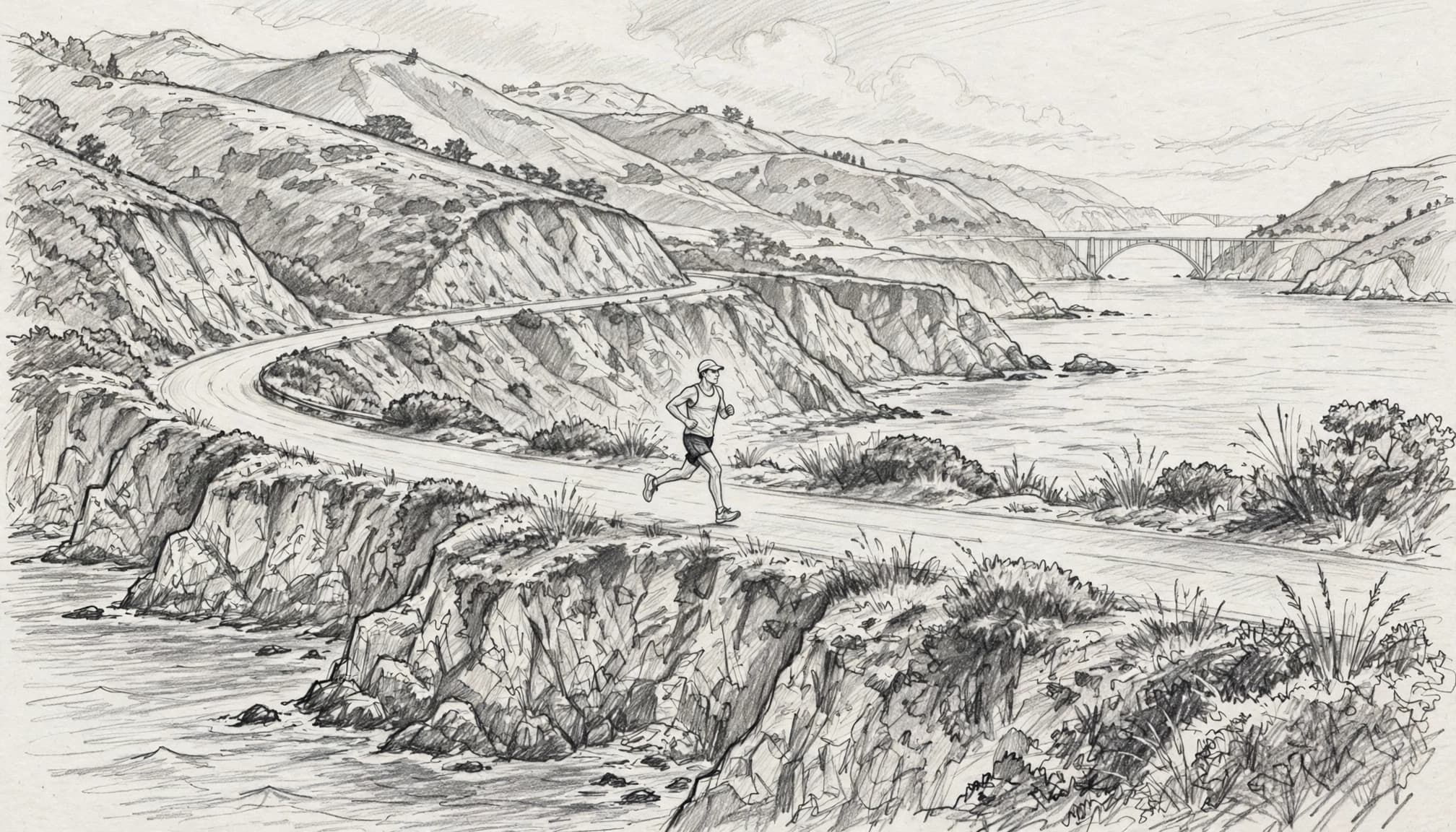
The Pacific Ocean rolls beside you as you run highway one, with Big Sur’s cliffs rising on one side and cold ocean air filling your lungs. The scenery is unforgettable, but a beautiful course can still demand smart pacing and serious preparation.
This Big Sur Marathon review looks beyond the postcard views. It covers the course, hills, weather, race-day logistics, crowd support, training demands, cost, and overall value. Drawing on official details from the Big Sur International Marathon, it shows why this race suits runners seeking a memorable major goal.
You’ll see why the race appeals to destination runners, while those chasing a flat, fast personal best may prefer another event. Bring your goals and expectations into focus as we examine what the course requires and what runners receive in return.
The destination adds another layer, whether you’re comparing marathon tours & travel options or mapping a Boston to big sur trip. Looking for the best hotels near the Big Sur International Marathon? Make sure to reserve early to save money.
Build Your Complete Race-Day Setup
The right shoe helps, but faster racing comes from better training, pacing, recovery, fueling, and execution.
More Guides for This Shoe
Key Takeaways
- The big sur international marathon offers extraordinary Highway 1 scenery, with ocean views, coastal cliffs, and the Bixby Creek Bridge.
- Its rolling hills and exposed coastal conditions make the course demanding, especially for runners chasing a personal best.
- A six hour time limit requires steady pacing and realistic race-day planning, according to the official marathon details.
- Entry, travel, lodging, and transportation can make this a costly destination race. Marathon tours & travel packages may include a guaranteed race entry, but check their terms carefully.
- Choose Big Sur for the experience and challenge; select a flatter marathon if speed is your main goal.
Big Sur California Marathon Review: Is This Scenic Race Worth It?
The Big Sur California Marathon is worth it when you want a destination race with unforgettable scenery, a demanding point-to-point route, and an atmosphere that feels bigger than an ordinary road marathon. It isn’t the best choice for every runner, though. If your main goal is a flat-course personal best, the hills, wind, and travel demands may work against you.
For runners who value the experience, the Big Sur marathon offers a rare combination of coastal beauty and serious competition. It can also support a Boston Qualifier attempt for athletes who train specifically for rolling terrain and pace changes. The course is officially certified, giving qualifying performances a proper foundation. You can review the official course certification details before registering for the Big Sur International Marathon.
Quick rating for the Big Sur race
| Category | Rating | What to expect |
|---|---|---|
| Scenery | 5/5 | Ocean views, cliffs, redwoods, and iconic Highway 1 scenery |
| Course difficulty | 4.5/5 | Rolling hills, exposure to wind, and a demanding late-race effort |
| Organization | 4.5/5 | Strong planning around a remote, point-to-point course |
| Crowd support | 4/5 | Memorable aid stations and entertainment, with quieter stretches between them |
| Logistics | 3/5 | Shuttle planning, lodging, parking, and travel require preparation |
| Value | 4/5 | Excellent for an experience race, less compelling for a pure speed goal |
The setting drives much of the race’s appeal. You run along the California coast while the Pacific Ocean opens beside you, then pass landmarks that make the miles feel distinct. The route has enough visual variety to keep your attention when fatigue begins to build.
Who should run it?
Big Sur suits runners who want a destination marathon with a strong sense of occasion. It also fits athletes who enjoy challenging courses and can adjust effort instead of forcing one rigid pace across every mile.
A Boston Qualifier attempt is possible, but the course demands disciplined preparation. Train on hills, practice controlled downhill running, and use effort-based pacing when coastal weather shifts. A guided course tour or route orientation can also help you understand the major climbs before race day. Meanwhile, runners chasing a flat-course personal best should compare Big Sur with a faster route before committing.
Big Sur isn’t part of the Abbott World Marathon Majors, so compare it as a separate destination experience rather than a majors race. The race is expensive and logistically involved, but you can plan independently or compare marathon tours & travel itineraries. If you choose marathon tours & travel, verify whether the package includes lodging, transfers, race entry, and course transportation. Choose Big Sur for the road, the views, and the challenge. Choose another marathon if your only measure of success is the clock.
The Big Sur Course Brings Ocean Views, Rolling Hills, and Bixby Bridge
The big sur california marathon follows a point-to-point route along highway one, beginning near Big Sur and finishing in Carmel. Ocean views and famous landmarks make the miles memorable, but exposed roads, wind, and repeated climbs demand disciplined effort.
A pre-race course tour can help you understand the route before race morning. Nearby sights, including majestic redwoods, belong to the broader itinerary rather than the marathon course itself.
What the First Half Feels Like Along Highway 1
The opening miles feel peaceful compared with a typical city marathon. Highway One stretches beside the Pacific Ocean, with cliffs, coastal vegetation, and long views replacing buildings and dense crowds. That quiet setting can make the early miles feel easier than they are.
The terrain changes gradually. Some sections rise, others fall, and the road rarely settles into one predictable rhythm for long. Meanwhile, the scenery can pull your attention away from your watch, breathing, fluids, and fueling. A fast opening pace may feel natural beside the water, but the cost often appears later.
The surrounding area also offers separate sightseeing options. The 17-mile drive provides another coastal outing, but it isn’t part of the marathon course. Nearby majestic redwoods can also fit into a longer California itinerary.
Settle into a controlled rhythm before reaching the major landmarks. Run by effort rather than forcing your goal pace, especially when wind or an early climb changes the feel of the road. Check your effort at regular intervals, drink before thirst becomes urgent, and fuel according to your plan instead of waiting for fatigue.
How to Handle the Bixby Bridge Climb and Other Hills
Bixby Creek Bridge is one of the race’s defining sights. The bridge, ocean, and surrounding cliffs create an unforgettable moment, while musical support near the climb gives runners an extra lift. A course tour can help you recognize this landmark without underestimating its physical demand.
Shorten your stride as the road tilts upward. Keep your upper body relaxed, protect a steady cadence, and accept a slower pace without treating it as a problem. Trying to preserve flat-course pace on every climb can raise your effort too early.
The course includes more than one meaningful change in elevation. Training only for a single long hill misses the repeated stress of rolling roads. Practice climbing, settling into pace, and running controlled descents so your legs learn to respond without wasting energy. The official marathon course map offers a useful elevation profile across the route.
Why the Final Miles Can Feel Tougher Than Expected
Late in the race, familiar scenery no longer provides the same distraction. Even the memory of bixby creek bridge may feel distant, while wind exposure, rolling pavement, and accumulated fatigue make it harder to hold good form. Conservative pacing and early fueling protect the final miles better than trying to bank time near the start.
As you approach Carmel, the route begins to feel more like a finish than an open coastal journey. That shift brings an emotional lift as you near carmel california, but the course still rewards patience. A final course tour, supported by marathon tours & travel planning resources, can help you prepare for the transition. This race isn’t easy for every runner or impossibly hard for every runner. Your experience depends on preparation, weather, pacing, and how well you manage the first half.
Race-Day Logistics That Can Shape Your Big Sur Experience
The race is point to point, so race morning requires more planning than parking near the start. Your lodging, shuttle time, clothing, packet pickup, and meeting plan can shape the entire day. Marathon tours & travel providers may coordinate several of these details, but confirm every inclusion before booking.
Getting to the Start and Back From the Finish
Transportation deserves attention as soon as you book your room. Runners staying in Monterey, California, Carmel, Big Sur, or nearby communities face different drive times and road access. A Boston to Big Sur itinerary may also require an extra arrival day for delays and recovery.
Because the course starts south of the finish in Carmel, your morning plan can’t rely on a simple out-and-back route. Marathon tours & travel options may include transfers, while independent runners must organize their own transportation. A private course tour can also help you understand the route, but it isn’t an official race service.
Official buses or race transportation usually offer the cleanest solution. Check the big sur international marathon website for current shuttle, bib, baggage, and start-line rules before race weekend. Policies, shuttle locations, start times, and cutoff details can change.
Leave more time than your map suggests. Coastal traffic, weather, restroom lines, security procedures, and shuttle loading can all slow the morning down. If marathon tours & travel providers handle transportation, confirm pickup times and luggage limits directly.
Family members shouldn’t promise to meet you at the finish curb. Road closures and crowded parking can make a direct pickup frustrating. Choose one designated meeting area, share it in advance, and consider having spectators watch from an accessible point before returning to Carmel.
Choose Your Distance, Duration and Goal Time
Make three quick selections and open the exact plan built for your race target.
Looking for a Fully Personalized Training Plan?
The training plans above are an excellent choice if they match your goal. However, if you’d rather train with a plan built specifically around your current fitness, goal race, preferred training days, weekly mileage, and target finish time, our RDA Custom Training Plans provide a personalized solution. We also have running courses available for runners seeking to run faster from the mile to the marathon.
Why Choose a Custom Training Plan?
| Standard Training Plan | RDA Custom Training Plan |
|---|---|
| Follows a fixed schedule | Built around your schedule |
| Standard weekly mileage | Peak mileage customized for you |
| Fixed workout days | Train on the days you choose |
| Same structure for everyone | Designed around your current fitness |
| Static plan | Updated as your fitness improves |
| One-time purchase | Ongoing personalized coaching and support |
What You’ll Receive
- A training plan built specifically for your goal
- Personalized training paces
- Long runs, tempo runs, threshold workouts, interval sessions, recovery runs, and easy runs
- Peak weekly mileage matched to your experience level
- Flexible training schedule that fits your life
- Ongoing plan adjustments as your fitness improves
Ready to Train Smarter?
Stop guessing and start following a plan built specifically for you, your schedule, and your racing goals.
Weather, Clothing, and Fueling on the Coast
Coastal weather can change quickly. A cool, calm start may give way to bright sun, damp air, or strong wind along exposed sections of Highway 1. Check the forecast close to race day, then prepare clothing that lets you adjust without carrying unnecessary weight.
A disposable outer layer or inexpensive warm-up garment can help during the early wait. Wear tested shoes, socks, shorts, and shirts, since race morning is a poor time to discover chafing or pressure points.
Use the race’s aid-station information to build a fueling plan. Decide where you’ll take water, electrolytes, carbohydrates, and caffeine if you use it. Practice drinking while moving during training, and carry familiar fuel if you prefer a specific brand or timing pattern.
Race-Week Timing, Lodging, and Expo Planning
Build enough time into your schedule for arrival, the health & fitness expo, the race, and recovery. A four-night package may provide a more relaxed buffer than a three-night package, especially when travel or sightseeing is involved. Some marathon tours & travel providers may list options such as the Portola Hotel & Spa, but verify current availability and what each package includes.
Don’t assume a package includes a guaranteed race entry. Confirm entry status, transfer rules, hotel nights, transportation, meals, and cancellation terms before paying. Visit the health & fitness expo according to its current schedule, and leave time for packet pickup rather than treating it as a quick stop.
A pre-race pasta dinner can fit neatly into the evening before the race, but choose familiar foods and reasonable portions. If you arrive early, an optional 17-mile drive can add sightseeing without replacing rest. A course tour may help with route familiarity, though private or package activities remain separate from official race operations.
What the Aid Stations and Spectator Support Add
Volunteers, music, and memorable performances can lift your mood when the road feels long. Still, entertainment should support your race plan rather than interrupt it. Know what each aid station offers, slow slightly when needed, and take fluids before fatigue makes the decision for you.
The famous course moments may create an emotional surge, especially near Bixby Bridge. Enjoy them, but return your attention to posture, effort, breathing, and fueling. Marathon tours & travel providers may also outline post-race transportation and meeting points, which can simplify recovery.
If your booking includes access to a VIP finishers tent, confirm its location and guest policy beforehand. Otherwise, choose a simple meeting point away from the finish chute. The best race-day logistics leave enough mental space to appreciate the scenery without letting excitement dictate your pace.
Before race weekend, check the big sur international marathon site again for final shuttle, baggage, expo, and start-line instructions. Small schedule changes can affect the entire day.
How Hard Is the Big Sur Marathon for Different Runners?
The race is challenging without being out of reach. Its rolling hills, exposed coastal roads, wind, and point-to-point logistics demand more preparation than a flat city marathon. Your goal matters just as much as your experience.
Is It a Good First Marathon?
The race can work well as a first marathon when you have enough training time. It suits runners who care more about the experience than a specific finish time. Ocean views, memorable landmarks, and quieter stretches can make the distance feel meaningful. However, you need to accept a finish-focused goal and prepare for changing effort across the course.
A beginner should build long-run endurance while adding regular hills. Practice climbing without forcing pace, running controlled descents, fueling early, and staying relaxed when the road rises. Mental strength matters too, because the course may feel harder once tired legs take over.
A course tour can help you preview the hills and identify sections that may require controlled effort. You should also watch for a strict time goal, limited hill experience, or inconsistent long runs. The official race information lists a six hour time limit, so confirm that your expected pace fits the race requirements.
If your only goal is completing a first marathon with fewer variables, a flatter city course is usually safer. The race isn’t automatically a poor beginner option, but it allows less room for rushed preparation or aggressive pacing mistakes.
Can You Run the Race for a Personal Best or Boston Qualifier?
Experienced road racers can pursue a personal best or Boston qualifier here, but the course never promises a fast result. Weather, coastal wind, hills, pacing, and individual strengths can change the outcome. Review the official Big Sur Marathon information and confirm the big sur international marathon requirements before building your race plan.
Use a realistic pace strategy rather than trying to bank time early. Study the course, let effort guide you on climbs, and protect your legs on descents. A runner who handles rolling terrain well may perform better than expected. Someone accustomed to flat routes may lose time despite strong fitness.
For runners whose only priority is maximizing qualifying odds, a flatter marathon usually offers better control. The race is better suited to athletes who value the experience and have trained for its demands.
How the Course Compares With a Flat City Marathon
A large city marathon often provides wider roads, denser crowds, frequent landmarks, and simpler transportation. Those features can make pacing feel steady and logistics more predictable.
The race offers a more personal atmosphere, but its narrow coastal setting includes quieter miles, fewer spectators, hills, turns, and greater exposure to weather. Organized marathon tours & travel services may reduce the logistical burden for distant runners, but they can’t replace focused hill training.
The scenery can lift your focus, yet it can also hide how much effort you’re spending. Unlike events in the Abbott World Marathon Majors, this destination race isn’t designed around the same large-city racing environment.
Choose the race when you want a demanding destination experience. Choose a flat city course when predictable pacing and stronger qualifying odds matter most.
How to Train for the Hills, Wind, and Long Coastal Miles
Big Sur rewards runners who prepare for changing effort, not those who collect random hard workouts. Build durable legs with a complete marathon plan that combines long runs, rolling terrain, controlled descents, strength work, fueling practice, and recovery.
Build Hill Strength Without Overloading Your Legs
If you train on flat roads, add hills gradually. Begin with rolling routes during an easy run, then progress to long runs that include steady climbs and descents. After your legs adapt, add uphill intervals such as six to eight controlled repeats of 60 to 90 seconds. Run them with strong form, not an all-out sprint.
Hill training for power is different from simply collecting steep miles. Power work uses short, purposeful efforts with full control. A long route packed with steep climbs creates fatigue, but it may not improve your ability to produce force efficiently. You need both, but they belong in a planned progression.
Strength training should support your running rather than compete with it. Include calf raises, split squats, glute bridges, hamstring exercises, and anti-rotation core work. Schedule demanding hill sessions away from your longest run, and keep easy days genuinely easy.
Runners coming from flat terrain should increase hill exposure slowly. Sore calves, tight Achilles tendons, or altered stride mechanics are signs to reduce the load, not push through it.
Practice Race Fueling and Effort-Based Pacing
Use long runs to rehearse every part of your race plan. Practice taking carbohydrates at regular intervals, drinking before you feel desperate, and using electrolytes in conditions that cause heavy sweating. Test gels, chews, sports drink, and caffeine during training because race morning is the wrong time to discover stomach trouble.
The American College of Sports Medicine hydration guidance supports planning fluid replacement around exercise duration and conditions. Your needs depend on heat, sweat rate, body size, and access to aid stations, so record what works during long efforts.
On Big Sur climbs, follow breathing and effort instead of forcing marathon pace. Shorten your stride, relax your shoulders, and let the pace slow. Once the road flattens, regain rhythm gradually rather than sprinting to recover every lost second.
Start conservatively, especially during the first 10 miles. If wind or heat increases, adjust your pace target before fatigue forces the decision. A practical backup plan might mean switching from a time goal to an effort range while protecting steady fueling and forward progress.
Use the Final Training Weeks to Arrive Fresh
The final weeks should reduce fatigue while preserving your running rhythm. Taper length and volume depend on your training history, weekly mileage, injury status, and marathon experience. Keep some short, controlled faster efforts if they fit your plan, but avoid last-minute hill workouts or fitness tests.
Prioritize sleep, easy running, light mobility, and familiar meals. Don’t try to gain fitness through extra mileage when recovery now has greater value. During race week, review transportation, weather, clothing, fluids, fuel, and pacing before race morning arrives.
A calm taper gives you room to respond if coastal wind or heat changes the plan. Fitness gets you to the starting line; freshness helps you use it.
Cost, Lodging, and the Overall Value of This California Destination Race
The big sur marathon costs more than a typical local road race once you add entry fees, travel, lodging, meals, transportation, and race merchandise.
A marathon tours & travel package may bundle some of those expenses, but compare its inclusions carefully. The official big sur international marathon page currently lists a $325 entry fee for random drawing winners, but prices and policies can change, so verify current details before making nonrefundable plans through the official marathon information.
Where Runners Commonly Stay and What to Book Early
Monterey usually offers the best balance of restaurants, grocery stores, parking, and hotel choices in monterey california. It is farther from the start, but race transportation can make that trade-off manageable. Marathon tours & travel itineraries often use Monterey for its practical location and broader hotel supply.
Carmel puts you close to the finish and gives you walkable restaurants, galleries, and coastal views, although rooms often cost more and fill quickly. If available through a marathon tours & travel provider, Portola Hotel & Spa can offer a convenient finish-area base. Big Sur lodging provides the shortest access to the starting area, yet it has fewer food options, limited room supply, and higher prices during race weekend.
Nearby communities may offer better rates, but you could face longer drives and more complicated morning transportation. A marathon tours & travel provider may list Portola Hotel & Spa alongside other lodging options, so compare shuttle access, breakfast hours, and checkout policies rather than choosing by location alone.
A room near the finish isn’t automatically the easiest choice. The marathon starts south of Carmel, so you still need a dependable plan for reaching the start before dawn. Ask marathon tours & travel companies about shuttle access, parking rules, and baggage handling before booking. A hotel that offers breakfast at 5 a.m. or stores bags after checkout can be more useful than one with a scenic view.
Coastal California accommodations can disappear months ahead of race weekend. When possible, choose a refundable reservation, then compare prices as the event approaches. Account for extra nights if you want recovery time or sightseeing, along with meals, fuel, local transportation, and merchandise.
Is the Experience Worth the Extra Travel Cost?
For the right runner, the expense buys more than a marathon entry. A marathon tours & travel package may include a Highway One itinerary, an optional course tour, and a nearby 17-mile drive sightseeing stop. Depending on the provider, it could also include a pre-race pasta dinner, health & fitness expo access, or a vip finishers tent. Confirm each inclusion before assuming it comes with registration.
You may also receive live performances, memorable aid stations, a distinctive finisher medal, and a race atmosphere built around a rare destination. A longer marathon tours & travel itinerary can pair the race with a four-night package for extra acclimation and recovery, while a three-night package may suit runners with limited vacation time.
For travelers planning a Boston to Big Sur trip, a four-night package allows more sightseeing, including the 17-mile drive, while a three-night package keeps the schedule tighter. An optional course tour can also help you understand the Highway One route before race morning. This experience is different from destination travel connected to the abbott world marathon majors, since Big Sur is not part of that series.
However, value drops if you want the cheapest marathon, the largest spectator crowds, or simple point-to-point logistics. Travel delays, early transportation, expensive rooms, and coastal weather add variables that a local race may avoid. Before booking a marathon tours & travel itinerary, review its cancellation terms and consider travel insurance. The big sur international marathon’s registration and cancellation policies also deserve attention before payment. Package terms may differ from official race rules.
Use this checklist before committing:
- Choose Big Sur if the scenery and destination experience matter as much as your finish time.
- Confirm that your budget covers entry, lodging, meals, transportation, and at least one extra night if needed.
- If choosing a marathon tours & travel option with a guaranteed race entry, verify the package terms, eligibility requirements, and transfer rules.
- Compare a four-night package with a three-night package based on acclimation, sightseeing, and recovery needs.
- Book early if you need a specific hotel location, breakfast schedule, parking arrangement, or refundable rate.
- Select another marathon if your priority is the lowest cost, a flat course, or the simplest race morning.
The Biggest Pros and Cons From This Big Sur Marathon Review
The Big Sur marathon earns its reputation through scenery, atmosphere, and challenge. However, the coastal setting also creates extra costs, transportation demands, weather exposure, and pacing risks.
The biggest advantages
- Coastal scenery makes every section feel distinct. Highway 1, ocean cliffs, Bixby Creek Bridge, and majestic redwoods create a route you’ll remember long after the soreness fades.
- The course offers a true destination-race experience. Some marathon tours & travel itineraries add a course tour or visit to 17-mile drive, helping runners experience more of the coastline.
- Volunteers and musical entertainment add energy. Support becomes especially valuable on exposed or quieter stretches. The big sur international marathon relies on more than 2,500 volunteers across more than 40 areas, according to the official volunteer information.
- The finish carries real emotional weight. After hours beside the Pacific, reaching Carmel gives the race a strong sense of arrival. Confirm whether your booking includes the pre-race pasta dinner, VIP finishers tent, health & fitness expo, and finisher medal.
The biggest drawbacks
- Travel costs can rise quickly. Entry fees are only the beginning. A marathon tours & travel package may include lodging at portola hotel & spa, but compare a four-night package with a three-night package before booking.
- Race morning requires careful planning. Because the route is point to point, runners need dependable transportation to the start. Marathon tours & travel can simplify transfers, but confirm pickup times, bus access, bib requirements, and loading procedures in the official marathon transportation details.
- Weather can change your race plan. Wind, sun, cool air, and coastal dampness may affect comfort and pace. You need flexible goals and tested clothing rather than one rigid prediction.
- Crowd support is uneven. Some areas feel lively, while other sections leave you with open road, ocean, and your own thoughts. That quiet can be peaceful, but it offers less outside motivation when fatigue arrives.
- Aggressive pacing can punish you. Rolling hills and exposed roads may not seem severe early. If you chase flat-course pace too soon, the final miles can become a long fight to maintain form.
Who should register for Big Sur?
Register if you want a scenic, challenging destination marathon and are willing to prepare for hills, logistics, and changing conditions. Marathon tours & travel may help with planning, but you’ll still need realistic training and race goals.
The race suits runners who measure success by the full experience as well as the finish time. It isn’t an Abbott World Marathon Majors event, so don’t choose it expecting that series’ format or prestige.
Choose another event if you need the lowest travel cost, dense spectator coverage, simple transportation, or the best possible odds of a personal best. A flatter marathon gives speed-focused runners more control.
Frequently Asked Questions
The race combines beautiful scenery with demanding conditions and detailed race-day logistics. These answers address practical questions about the course, cost, and preparation.
Is the race beginner-friendly?
It can be, but the word beginner matters less than your training and goal. A first-time marathoner with consistent long runs, hill preparation, and a finish-focused plan may handle it well.
However, the course gives you less room for rushed preparation or aggressive pacing. Practice climbing and controlled descents, then accept a slower pace on hills instead of forcing your flat-course goal pace.
What makes the Big Sur Marathon famous?
The race follows Highway 1 beside the Pacific, with coastal cliffs, open ocean views, and the iconic Bixby Bridge along the route. Musical performances add energy during key sections, including the famous bridge area.
Its point-to-point format also shapes the experience. You begin near Big Sur and finish in Carmel, so the race feels like a journey through the coast rather than repeated city blocks.
Does the race sell out?
Registration availability can vary, so check the Big Sur International Marathon website for current status, entry procedures, and deadlines. Don’t assume that waiting will leave your preferred option available.
Marathon tours & travel providers may offer entry guidance or bundled race arrangements. Popular destination races attract runners who also need time for flights, lodging, transportation, and training.
Can marathon tours & travel simplify lodging?
It can, especially when availability is limited near the start and finish areas. Compare what each option includes before choosing a package.
A four-night package may allow more time for travel, packet pickup, and recovery. A three-night package may cost less while still covering the essential race schedule. Some current arrangements may include the portola hotel & spa, so confirm the hotel and dates before booking.
How can I preview the route before race weekend?
A course tour can help you understand the major climbs, descents, exposed sections, and turning points. Use the official map alongside elevation information to plan realistic effort levels.
If you can’t visit in advance, review course videos and elevation charts. Marathon tours & travel itineraries may also include local sightseeing, so leave enough time for rest and course preparation.
What should I wear for the race?
Choose clothing from the race-week forecast, not from an average-weather assumption. Wind, cool start-line temperatures, sun, rain, and coastal dampness can all affect comfort on an exposed course.
Wear shoes, socks, and clothing you’ve already tested during long runs. Use removable layers only when the race rules explain how discarded or stored items are handled, and bring sun or rain protection when conditions call for it.
How early should I arrive in the Monterey and Big Sur area?
Arrive with enough time to absorb travel delays, collect your packet, confirm transportation, and sleep properly before race morning. The right schedule depends on your travel distance, lodging location, and pickup requirements.
Official race instructions control shuttle times, start-line access, bib rules, and baggage procedures. Review them before booking transportation, then build extra time into your morning rather than relying on an optimistic drive estimate.
Are there pacers available during the race?
The latest Big Sur International Marathon instructions don’t list official pace groups, but policies can change by year. Verify the current race guide before assuming pacers will be available.
If no official groups are offered, use effort-based pacing, a personal pace band, or a training partner. These options can help you manage hills, wind, and changing conditions without chasing an unrealistic split.
Is the race a good marathon for a boston qualifier attempt?
It can work for a well-prepared runner who handles hills, wind, and changing weather effectively. Still, those variables make the result less predictable than a flat marathon, especially when your qualifying margin is narrow.
Compare the course with your strengths before making it a single high-stakes attempt. If you perform well on rolling terrain and have trained for effort-based pacing, the race may suit you. If you need maximum control over splits, a flatter event is usually the safer choice.
Conclusion
The big sur marathon suits runners seeking a meaningful race experience, not an easy personal-best attempt. It rewards patience, hill strength, and preparation for coastal weather.
Before registering, verify current details for the big sur international marathon through official sources. marathon tours & travel can help with entry planning, while a course tour may help you understand the route.
Compare marathon tours & travel options carefully. One may offer a four-night package, while another provides a three-night package. Check lodging, transportation, and cancellation terms before booking.
Some marathon tours & travel itineraries include a pre-race pasta dinner or the 17-mile drive. Others may include access to a vip finishers tent, a finisher medal, or lodging at the portola hotel & spa.
For travelers comparing marathon tours & travel arrangements, confirm whether flights or transfers, including boston to big sur, are covered. Clear inclusions can make the final cost easier to evaluate.
With the right plan, you can finish strong beside the pacific ocean and carry home a memory that lasts longer than the soreness. Review the final itinerary with marathon tours & travel before committing.


