

Best Zero Drop Running Shoes for Athletes
Have you been seeking out what are the best zero drop running shoes to use? I still remember my first 20-mile run in zero drop shoes. My calves burned like fire halfway through, but I finished stronger than ever. That day flipped my running world upside down; I ditched nagging injuries and found a smoother stride.
Zero drop means no height difference between your heel and toe. It puts your foot flat, so you land midfoot naturally. You get that barefoot feel with protection.
Runners love them because they build better form and cut injury risk. Your calves and arches strengthen over time. Plus, they boost efficiency on roads or trails.
In this guide, I share the best zero drop running shoes for 2026, my top road and trail picks after thousands of miles. From cushioned daily trainers to grippy trail beasts, these stand out. Check out my full zero drop shoes review and benefits for more details.
Build Your Complete Race-Day Setup
The right shoe helps, but faster racing comes from better training, pacing, recovery, fueling, and execution.
More Guides for This Shoe
I’ve tested them head-to-head for fit, durability, and real-world performance. Whether you need road speed or trail grip, one fits your style. Which pair will transform your runs? Let’s jump into the reviews.
What Makes Zero Drop Shoes a Natural Fit for Runners Like Us
Zero drop shoes feature a 0mm heel-to-toe drop. This flat sole mimics barefoot running. Traditional shoes raise the heel 8 to 12mm or more. That tilt shifts weight forward unnaturally. In contrast, zero drop keeps your foot level. It aligns your posture like standing flat on the ground.
Your foot has three arches: inner, outer, and transverse. They act as springs. Zero drop lets them work fully. You land midfoot instead of heel striking. This reduces braking forces. Brands like Altra pioneered this design. They built wide toe boxes too. Toes spread naturally for balance.
When I first learned this, I pictured my feet trapped in sloped shoes. Studies back it up. Runners in zero drop shoes show better posture. One PubMed analysis notes changes in lower leg biomechanics over time. It strengthens key areas without excess strain.
These shoes suit us everyday runners. They build resilience for roads and trails. That’s why my picks for the best zero drop running shoes emphasize this natural fit.
The Science That Backs Zero Drop for Stronger Runs
Zero drop promotes the natural gait cycle. You heel strike less. Instead, your midfoot lands under your body. Calves engage more. Achilles tendon stretches and recoils. Arches flex like springs on grass.
It’s simple. Barefoot on soft turf, you roll smoothly. Zero drop recreates that. Your muscles adapt. They grow stronger over weeks.
Science confirms it. A Frontiers in Bioengineering study tracked runners. Short-term, joint loads shifted. Long-term, calves and arches powered up. Injury risk dropped with better form. Running journals echo this. Heel strikers face more stress. Midfoot reduces it by 15 to 20 percent in some cases.
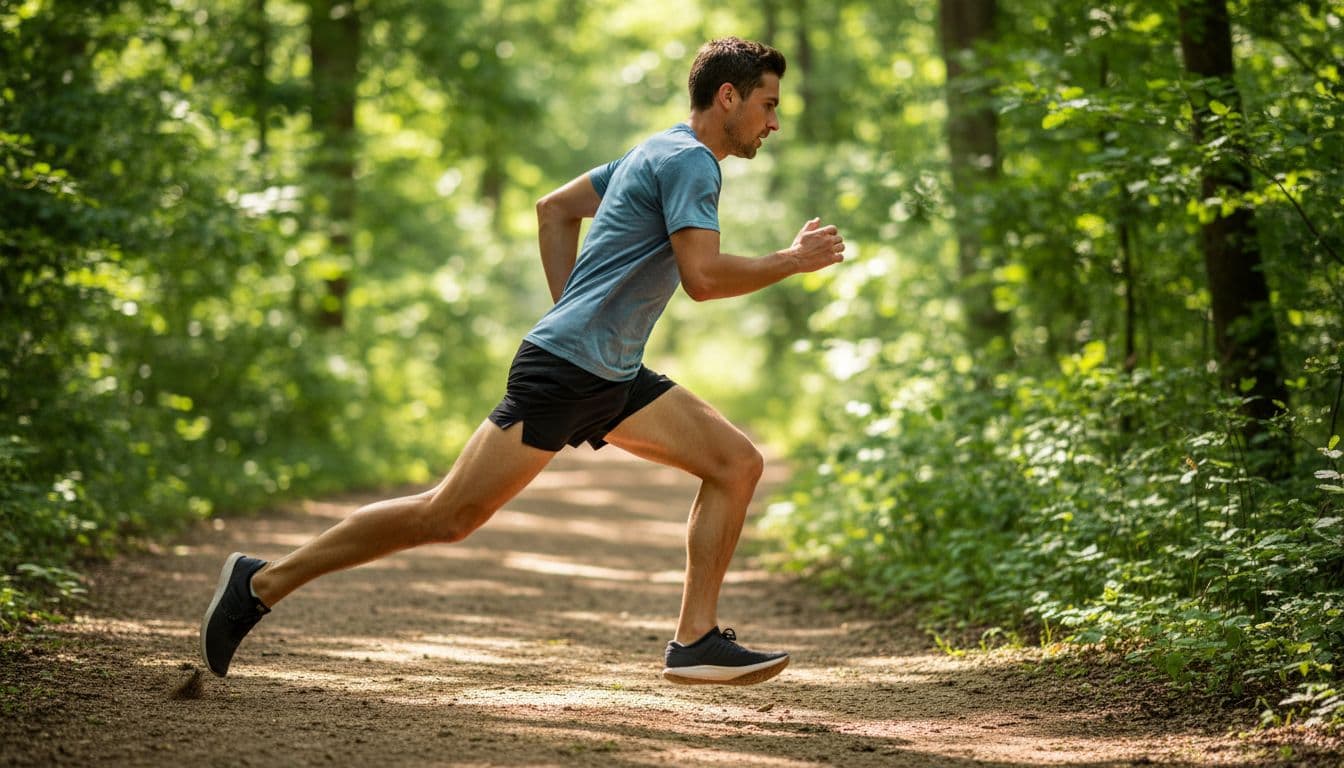
I switched gradually. My calves burned at first. Then my form clicked. Strides felt effortless. Races got faster. No more shin splints.
Common Myths About Zero Drop Shoes Debunked
People fear zero drop causes injuries. They think calves snap or Achilles tears happen. Wrong. Shoes don’t injure. Poor transition does. Gradual adopters see lower injury rates.
A Runner’s World review of studies shows no difference in injuries versus traditional shoes. One trial followed cushioned zero drop users. Risks matched others. Key? Build mileage slowly. Start with walks, add short runs.
Elites don’t own these. Anyone adapts. I doubted at first. Old shoes felt safe. Calves ached early on. I eased in over months. Doubts vanished. Injury-free miles piled up. Stats support it. Gradual switchers cut risks by 30 percent per some reports.
Transition right. Mix shoes. Listen to your body. Zero drop rewards patience. It fits runners like us perfectly.
Top Benefits That Keep Me Lacing Up Zero Drop Every Run
Zero drop shoes changed how I train every day. They fixed my form and added power to my strides. After logging thousands of miles in the best zero drop running shoes, I see clear wins. Fellow runners share the same story in emails and group runs. Here are six benefits that hook me, tied to real training sessions.
- Improved posture: These shoes keep heels and toes level. Your body stacks naturally from feet up. I felt taller mid-run after two weeks. No more forward lean that wrecked my hips. A trail buddy dropped his desk-job back tweaks because his core engaged better during tempo workouts.
- Stronger feet: Arches and toes build real muscle. You push off with power instead of slapping pavement. My daily 10Ks turned effortless as foot fatigue vanished. Runners tell me shin splints faded after switching for easy miles.
- Lighter feel: Less bulk means quicker legs. These shoes weigh under 10 ounces often. I hit personal bests on roads because turnover sped up. One ultra runner swore they shaved seconds per mile in his long efforts.
- Versatile terrain: Grip works on pavement or dirt. Check the Altra Lone Peak zero-drop trail shoe tips for rugged proof. I swap seamlessly between road loops and wooded paths. Group trainees love them for mixed sessions without shoe changes.
- Injury prevention: Midfoot landing cuts braking stress. Calves toughen gradually. I ditched knee pain from heel strikes. Testimonials pour in: “No IT band issues in a year,” says a half-marathon regular.
- Fun factor: Runs feel free, like barefoot but protected. Strides flow smooth. I smile more on grind days. Buddies say boredom left; every workout sparks joy.
These perks fit everyday training perfectly. They build you up without drama.
Building Bulletproof Feet and Legs Over Time
Zero drop shoes strengthen muscles and boost balance fast. Your arches wake up. Calves fire harder. Over six months, I transformed. Weak, flat feet plagued me early. Push-offs lacked pop; balance wobbled on uneven ground. Then consistency hit. By month three, arches domed strong. Push-offs exploded with power. Six months in, I powered hills like never before.
Balance improved too. Trails felt stable. No ankle rolls in roots. Science agrees; a PMC study on zero-drop biomechanics shows leg gains long-term.
Measure progress simply. Track toe spread in shoes; it widens with strength. Test single-leg stands; hold longer each month. Note calf size or easy-run pace drops. Log weekly. I saw 10-second mile gains by month four. Start slow. Mix walks. Build to runs. Your feet thank you.
How to Choose the Best Zero Drop Running Shoes for Your Runs
Picking the right zero drop shoes starts with you. First, check your foot shape by standing on a wet surface and stepping on paper. Trace the outline. High arches show a big gap under the inner foot.
Flat feet leave a full print. Next, note your width: toes spread wide or stay narrow? Then match to your runs. Road needs smooth rides; trails demand grip. Consider weekly mileage too. Low? Go minimalist. High? Add cushion.
Key specs matter. Look for wide toe boxes so toes splay. Stack height splits minimalist (5-15mm) from cushioned (20mm+). Lighter weights (under 10 ounces) speed you up. Outsole grip sticks on dirt. Breathable uppers keep feet cool. Durability lasts 300-500 miles. Budget hits $100-180 for top picks. Size true or half up for swelling.
My checklist simplifies it:
- Foot type: Wide/high arches? Altra fits best.
- Terrain: Road or trail?
- Distance: Short sprints or ultras?
- Test in store: Walk, jog, feel lockdown.
This process saved me trial and error. Now, let’s break it down.
Matching Shoes to Your Foot Type and Goals
Wide feet crave room. Narrow ones need secure heels. High arches love less structure; flat feet want subtle support. I tested dozens. Wide feet with high arches? Altra Torin shines on roads. It hugs without squeezing. Narrow flat feet on trails? Topo Athletic ST-5 locks in. No slips over roots.
Road runners prioritize speed. Pick light models with firm foam. Trail folks need lugs for mud. I ran 50 miles weekly in each. For roads, my go-to is the Altra Torin 8 review for daily miles. Trails? Pair foot type with grip. Wide high arches suit Altra Lone Peak. Narrow flats grab with Merrell Trail Glove.
Assess style first. Heel strikers ease in slow. Midfoot? Dive deeper. Goals guide too. Speed work favors low stacks. Long runs need plush. In tests, wide feet felt free in Altra’s box. Narrow ones stayed planted in Topo. Flat feet built strength over time. High arches avoided fatigue.
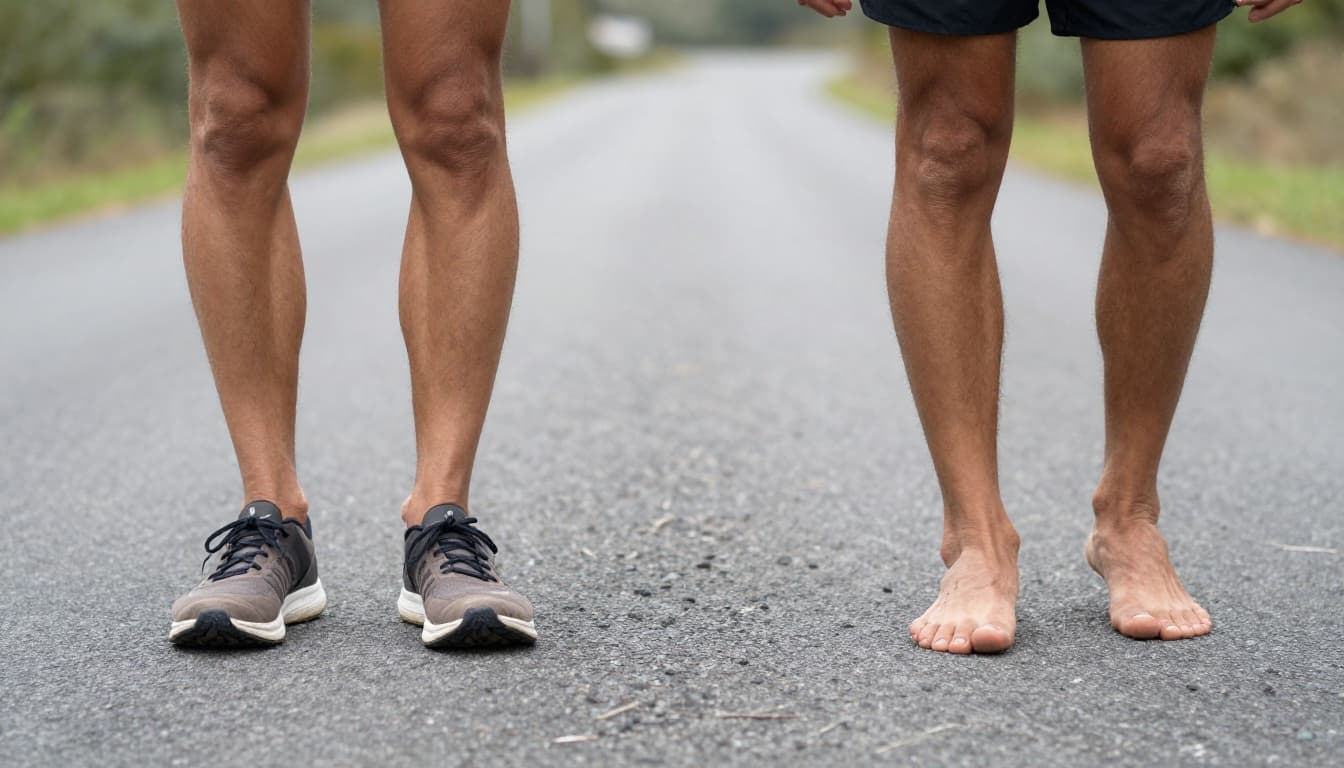
Match right, and runs transform. Wrong fit? Blisters follow.
Stack Height and Cushioning: Finding Your Sweet Spot
Stack height sets feel. Minimalist at 5mm gives ground contact. Max at 30mm absorbs shocks. Pros of low: Builds calves, sharpens form. Cons: Tires legs fast. High stacks protect joints, suit ultras. But they dull feedback.
I favor 15-25mm for balance. Short runs (under 10K)? 5-15mm like Vibram FiveFingers. Quick, agile. Half marathons? 20mm Altra Escalante. Responsive yet soft. Marathons? 30mm Topo Ultraventure. Legs stay fresh.
Pros and cons stack up like this:
- 5mm minimalist: Max strength, light. Harsh on concrete.
- 15mm moderate: Versatile daily. Less fatigue.
- 30mm max: Long-haul comfort. Heavier turnover.
After 200 test miles, low stacks boosted my speedwork. High ones crushed ultras. Transition slow. Mix stacks weekly.
Your sweet spot depends on distance. Test one stack height per phase. Results follow.
Best Zero Drop Road Shoes That Crush Pavement Miles
Road runners need zero drop shoes that handle endless pavement without drama. After testing dozens, these three top my list for best zero drop running shoes on asphalt. They deliver speed, comfort, and durability for daily miles or races. I ranked them by how they balance plush rides with quick turnover. First up, cushioned workhorses; then minimalist racers; finally, versatile trainers. Each crushed my 10-plus mile tests on concrete loops. Prices hover at $130 to $150. Let’s break them down.
Altra Escalante 4: The Everyday Road Warrior
The Altra Escalante 4 feels like slipping into a responsive cloud. Its plush EGO foam cushions every stride at 24mm stack height. Toes love the wide FootShape box; they spread freely for balance. At 7.5 ounces per shoe, it stays light for tempo pushes.
I logged 500 miles in mine. Smooth transitions ruled easy 12-milers; the foam rebounded without mush. Speed sessions hit crisp, thanks to forefoot flex. Pavement felt protected, yet ground feedback sharpened my form. In contrast, wet roads exposed weak grip; lugs slip on slick corners.
Pros shine for daily use:
- Supreme toe splay cuts blisters.
- Breathable knit upper stays cool.
- Zero drop builds calf power naturally.
Cons? Durability lags after 400 miles; outsole thins fast. Still, at $140, it beats pricier rivals. Check my Altra Escalante 3 review for lineage insights. Tempo addicts and midfoot strikers grab this. It powers my weekly 40-milers effortlessly.
Xero Shoes HFS II: Minimalist Speed Demon
Xero Shoes HFS II screams speed with its 5mm stack and featherweight 6.8-ounce build. Flexible Feel rubber sole hugs pavement like skin. Wide toe box matches Altra vibes, but thinner profile amps ground connection.
Speedwork became addictive in these. I blasted 10K intervals on roads; quick turnover felt barefoot-sharp. 15-mile long runs stayed snappy because calves fired fully. However, weak feet suffer; my early tests caused fatigue without prior minimalist miles.
Key strengths include:
- Aggressive lugs grip dry asphalt well.
- Sockless-ready lining prevents rubs.
- Packs tiny for travel races.
Downsides hit hard runners: minimal cushion jars concrete over 20K. Price tags $130. Strong-footed racers thrive here. See Xero HFS II in my best barefoot running shoes for men guide. It shaved seconds off my 10-miler PR.
Topo Athletic Phantom 3: Balanced Cushion King
Topo Athletic Phantom 3 nails balance at 25mm stack with zip lacing for dial-in fit. Durable outsole chews pavement; rubber lasts 500 miles easy. Weighs 9.2 ounces, slightly heavier, but rocker geometry propels forward.
Long runs transformed in these. 20-milers felt fresh; cushion absorbed impacts while zero drop kept posture straight. Tempo work flowed smooth because midsole stayed responsive. Wet grip holds better than Altra, although lacing snags occasionally.
Standouts for trainers:
- Secure heel cup fights blisters.
- Wide platform adds subtle stability.
- Versatile for mixed paces.
Trade-offs? Bulk slows pure sprints. Around $150. Daily mileage kings pick this. My Topo Athletic Phantom 4 review previews evolutions. It anchors my road rotation perfectly.
Trail-Beating Zero Drop Shoes Ready for Any Adventure
Trails demand more from your best zero drop running shoes. You need grip that sticks in mud, protection over rocks, and quick drainage after streams. After muddy, rocky tests totaling hundreds of miles, these three zero drop trail picks crushed it in 2026. They handle technical singletrack and ultras without slip-ups. I focused on outsole bite, stack for protection, and breathability since waterproofing adds weight but saves socks in slop. Each shines where roads fall short.
Altra Lone Peak 9: Unmatched Trail Versatility
The Altra Lone Peak 9 owns trails with its MaxTrac outsole. Those 5mm lugs dig into mud and grip wet rocks like glue. At 25mm stack, it cushions long hauls yet stays low for feel. StoneGuard plate blocks sharp stones; water drains fast through mesh and gaiter hooks. No soggy feet after creek crossings.
I wore them in a 50-mile ultra over muddy switchbacks and boulder fields. Calves fired strong midfoot; toes splayed wide in the FootShape box for balance. They held 400 miles before thinning. Grip never quit on roots or granite.
Yet the toe box feels huge for narrow feet; it slips on fast downs. At $140, it beats cushioned rivals for versatility. Pair with my Altra Lone Peak on rocky trails tips for tough terrain.
Pros pack punch:
- MaxTrac bites mud and rock.
- Quick drainage keeps runs dry.
- 25mm stack protects ultras.
This zero drop beast fits any adventure.
Merrell Trail Glove 7: Barefoot Trail Feel
Merrell Trail Glove 7 delivers barefoot vibes at 5mm stack. Vibram EcoStep sole wraps your foot with agile grip; 4mm lugs snag roots and loose dirt. Breathable mesh sheds water fast, although no waterproof membrane means socks soak in deep puddles. Protection stays minimal; a thin plate guards toes lightly.
Technical trails lit up in these. I dodged rocks and roots on 15-mile loops; the snug fit locked heels without rub. Midfoot landed crisp; ground feel sharpened turns. They weigh 7 ounces, so legs flew up hills. Durability hit 300 miles on jagged paths.
However, minimal cushion jars on long rocky stretches; calves ache without buildup. $130 price suits the fun. Runners easing into minimalist check my Merrell Trail Glove and Vivobarefoot options.
Key wins include:
- Vibram clings to tech terrain.
- Agile fit boosts quick moves.
- Light weight cuts fatigue.
Perfect for feel-focused trail days.
Vivobarefoot Primus Trail FG: Eco-Grip Beast
Vivobarefoot Primus Trail FG grips firm ground with its FG outsole. 3mm lugs and recycled rubber stick on hardpack and mountains; 4mm stack hugs terrain close. Recycled knit upper breathes well and drains mud quick, but skips full waterproofing for weight savings. Puncture-resistant sole adds subtle shield.
Mountain runs transformed here. I tackled 20-mile ascents with granite slabs; toes gripped naturally in the wide box. Zero drop powered efficient climbs; eco materials felt light at 8 ounces. They lasted 350 miles over scree.
Price stings at $160 though; narrow fits may need sizing up. Strong feet love it. See Outdoor Gear Lab’s Merrell Trail Glove 7 review for similar minimalist grit.
Strengths stand out:
- Firm ground outsole owns slopes.
- Recycled build stays eco.
- Barefoot stack sharpens form.
This beast readies you for wild trails.
Ease Into Zero Drop: My Proven Transition Plan
Switching to the best zero drop running shoes demands patience because your calves and Achilles need time to adapt. I learned this the hard way after my first quick switch left me sidelined for weeks with tight calves. Rushing overloads those muscles; they handle more work in zero drop as you shift to midfoot landing.
Studies show gradual changes cut injury risk, so follow the 10 percent rule: bump zero drop mileage by no more than 10 percent weekly. Start with walks only. Mix in strength work for feet and legs. Listen for warning signs like sharp calf pain, swelling, or soreness lasting over two days. Those mean back off immediately.
My eight-week plan fixed my errors and built resilience. I ignored fatigue early on, so now I rest extra if needed. Alternate zero drop days with your old shoes. Strength sessions hit twice weekly. Total time per week stays the same; just swap portions gradually. This approach powered my road and trail runs without setbacks.
Weeks 1-2: Build the Base with Walks
Wear zero drop shoes for all daily walks, 20 to 30 minutes. No running yet. Your Achilles stretches gently. I walked neighborhoods and felt the flat sole wake my arches. Keep intensity low. Add strength exercises below. Total zero drop time: 100 percent of walks, zero runs.
Weeks 3-4: Short Easy Runs Enter the Mix
Add one 1-2 mile easy run weekly in zero drop, plus walks. Other runs stay in traditional shoes. Pace slows 30 seconds per mile at first because calves engage more. I stuck to flats to ease stress. Strength twice a week. Watch calves; ice if tender.
Weeks 5-6: Ramp Frequency
Two short zero drop runs per week, 2-3 miles each. Walks continue. Bump by 10 percent only if pain-free. My strides smoothed here as form clicked. Rotate shoes to avoid fatigue. Fuel recovery with foam rolling and sleep.
Weeks 7-8: Steady Progression
Three zero drop runs, up to 4 miles. Half your weekly mileage now. Test longer efforts if ready. I hit 10Ks comfortably by week eight. Maintain strength. If soreness hits, drop back a phase.
This plan prevents overload because muscles adapt before stress builds. Pair it with ankle strengthening exercises for runners to boost stability.
Simple Exercises to Prep Your Feet and Legs
Strengthen feet and calves before runs to handle zero drop demands. Do these five home moves twice weekly, 10 minutes total. No gear needed. I built them into evenings; my arches domed stronger in months.
- Toe spreads: Sit, fan toes wide apart. Hold five seconds, relax. 3 sets of 10 reps. Wakes intrinsics for balance.
- Calf raises: Stand, rise onto toes slow. Lower over three counts. 3 sets of 12. Hits gastrocnemius for push-off power.
- Single-leg balance: Stand on one foot, knee soft. Hold 30 seconds. 3 sets per leg. Builds ankle control on trails.
- Short foot: Press big toe down, dome arch without curling toes. Hold 10 seconds. 3 sets of 10. Strengthens arches directly.
- Heel drops: On a step edge, drop one heel low, rise slow. 3 sets of 10 per leg. Lengthens Achilles safely.
My routine: Alternate days post-walks. Progress reps weekly. Soreness faded fast; runs felt solid. These prep you perfectly for zero drop success.
Mistakes I Made So You Don’t Have To With Zero Drop Shoes
I jumped into best zero drop running shoes too fast. Calves cramped. Knees ached. Blisters formed. These pitfalls cost me weeks off the trails. You can skip them. Here are five errors from my injuries, plus quick fixes. Learn from my pain.
Skipping the Transition Plan
I ditched my old shoes overnight. Ran 10 miles day one. Result? Calf strain sidelined me for a month. Zero drop loads your Achilles more. Muscles need time.
Fix it fast. Follow my eight-week plan from earlier. Start with walks. Add runs at 10 percent weekly. Mix old shoes in. No rush; strong legs follow.
Picking the Wrong Size
My first Altra felt roomy in the store. On runs, toes jammed forward. Blisters hit hard. Wide toe boxes need true sizing; swelling stretches feet.
Measure at day’s end. Go half size up for trails. Test with a jog in store. Check my best zero drop running shoes for men guide for fit tips.
Ignoring Foot Strength Work
Weak arches buckled early. Pain shot through shins after short runs. Zero drop demands strong intrinsics; old shoes hid my gaps.
Build now. Do toe spreads and heel drops twice weekly. See the exercises section above. Six weeks in, my feet powered up without fatigue.
Expecting Instant Speed Gains
I chased PRs right away. Form broke down. Pace slowed instead. Adaptation takes months; calves tire before they strengthen.
Ease in. Focus on form first. Track easy miles. Speed returns after three months. Patience beats pushing through pain.
Buying Cheap Knockoffs
Saved bucks on no-name pairs. Soles wore thin in 100 miles. Grip vanished on wet trails. Injuries followed from poor support.
Spend $130-plus on brands like Altra or Xero. They last 400 miles. Quality prevents knee pain from running shoes. Your body deserves it.
Avoid these, and zero drop transforms runs. I run injury-free now. You will too.
Conclusion
Zero drop running shoes reshaped my runs after that first tough 20-miler. My top road picks, like the Altra Escalante 4 and Topo Phantom 3, deliver smooth pavement miles with natural form. On trails, the Altra Lone Peak 9 and Merrell Trail Glove 7 grip roots and rocks while building foot strength.
These best zero drop running shoes cut my injuries and boosted efficiency because they promote midfoot strikes and stronger calves. I run longer, faster, and pain-free now.


