

Best Waterproof Running Shoes
Seeking out the best waterproof running shoes for your race preparation? I still cringe thinking about that rainy 10K last winter. Torrential downpours hit halfway through, and my regular shoes turned into swamps. Soaked socks chafed my skin; blisters bubbled up by the finish. I hobbled home vowing never again.
That’s when I got serious about best waterproof running shoes. They block rain, puddles, snow, and mud so you stay dry. Comfort holds steady because friction drops and blisters fade. Your health improves too; dry feet mean fewer infections or twisted ankles from slips. Performance spikes since you focus on pace, not squish.
Over eight years, I’ve tested dozens of pairs in brutal weather. Road miles in steady drizzle. Trail slogs through creeks and clay. Some shone with Gore-Tex breathability and grippy lugs; others failed fast. Today, I share my top 5 picks for 2026 after logging thousands of wet miles.
You’ll discover key features like cushion stacks and outsoles that matter most. Plus tips to pick the right pair for your runs. For a full guide on models like the Hoka Clifton 9 GTX, check that out too. By the end, you’ll run year-round with total confidence and zero wet feet.
Build Your Complete Race-Day Setup
The right shoe helps, but faster racing comes from better training, pacing, recovery, fueling, and execution.
More Guides for This Shoe
Now, let’s jump into my number one road pick that changed my rainy days.
When Do You Really Need Waterproof Running Shoes?
You don’t need waterproof running shoes for every sunny jog. They shine in bad weather, like heavy rain or winter slush. I live in the Pacific Northwest, where downpours hit without warning. Once, coastal spray mixed with rain soaked my regular shoes during a beach run.
Feet turned prune-like; chafing ruined the next day. Non-waterproof pairs lead to blisters, heavy socks, and slow recovery. Waterproof ones keep you dry, cut friction, and prevent slips that cause twisted ankles. As a result, you train harder with less injury risk.
Among the best waterproof running shoes, pick based on your routes. They help you stick to schedules when others bail. However, skip them on hot days; they trap heat. For me, they mean consistent miles year-round.
Road Runners Facing Sudden Storms
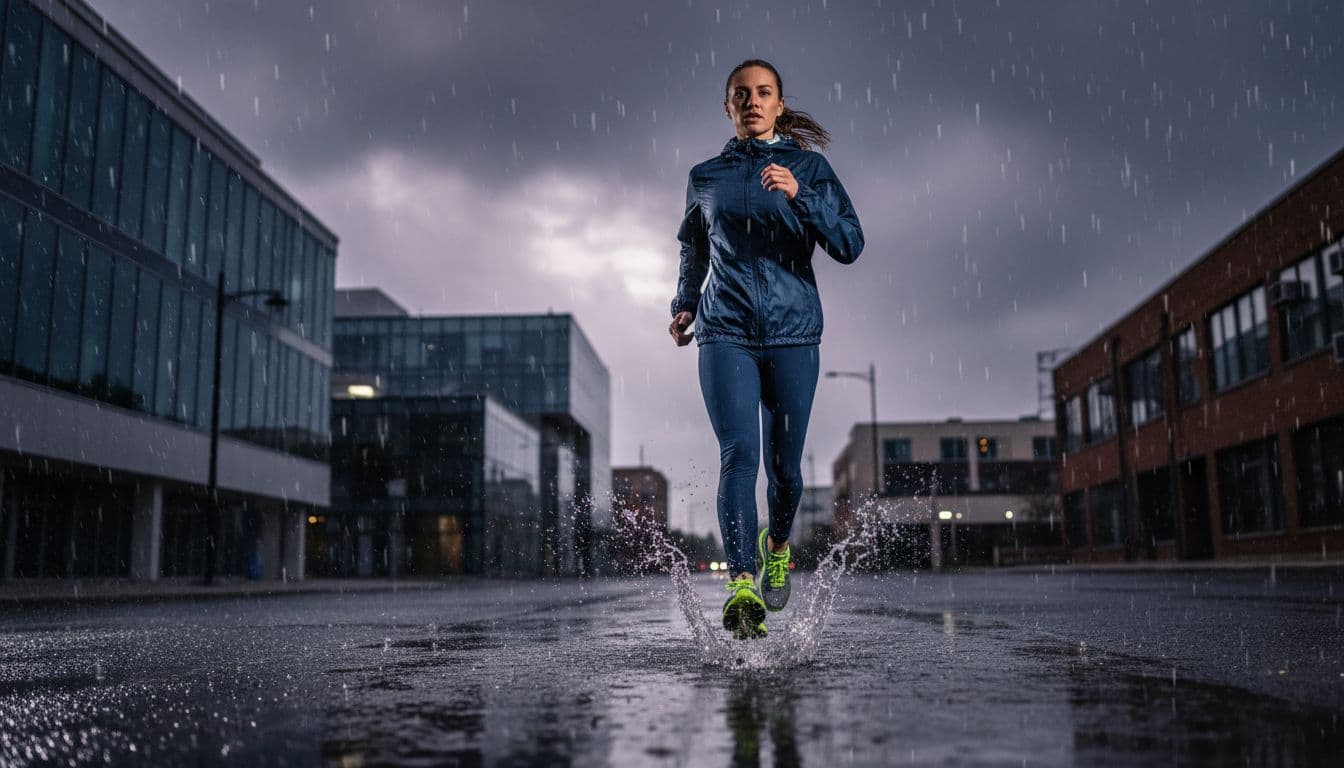
Urban roads turn treacherous fast. Surprise showers flood sidewalks during tempo runs or marathons. Without protection, water seeps in.
Socks squish; blisters form mid-race. I learned that in a half-marathon here. Rain pounded at mile 8. My old shoes failed. Feet sloshed; pace dropped 30 seconds per mile. Chafing hit hard by the end. Now, I wear waterproof models. They block rain and splashes. Feet stay dry, so energy lasts. Grip improves on wet pavement too.
Breathable membranes like Gore-Tex let sweat escape. You focus on splits, not survival. Check RunRepeat’s guide to top waterproof road options for lab-tested picks.
Trail Lovers Tackling Mud and Streams
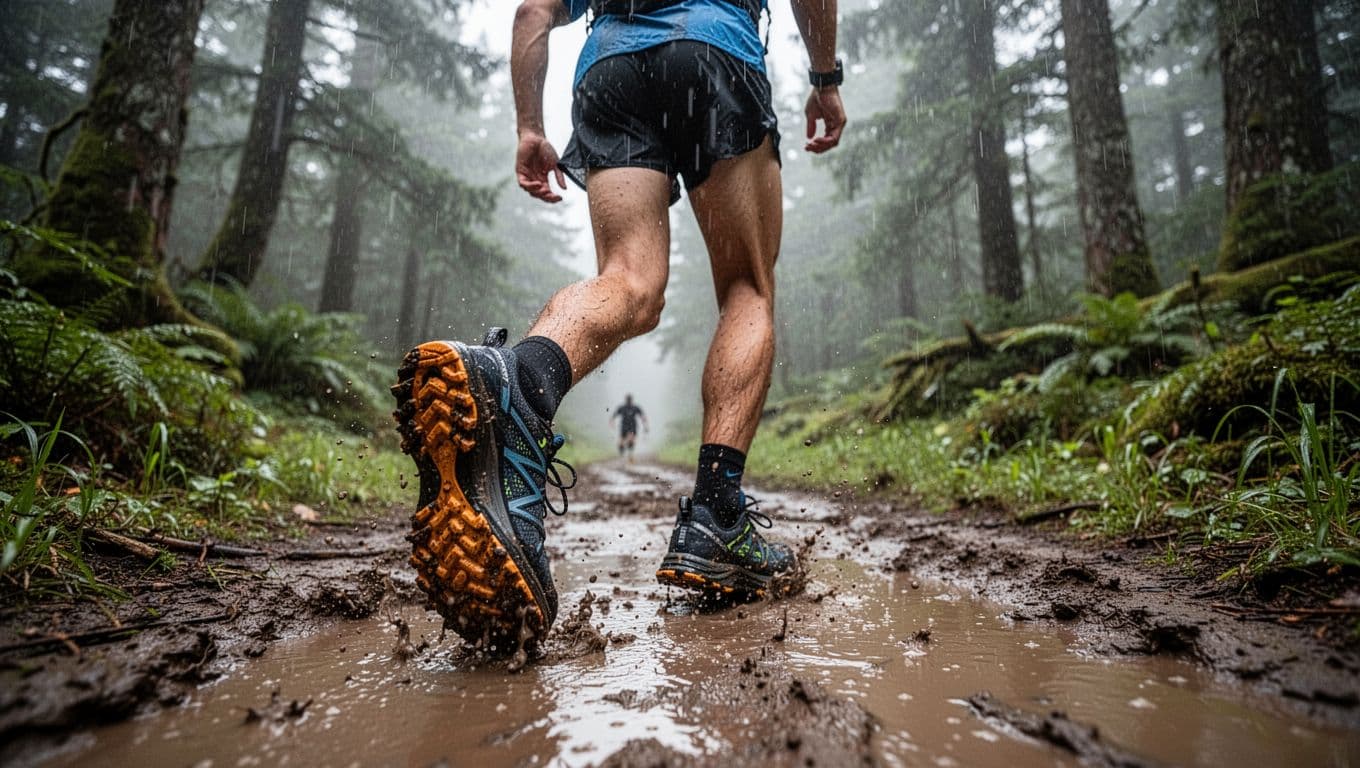
Trails get sloppy quick. Mud clings; creeks force crossings. Regular shoes let water and grit inside. I slogged a forested loop once without waterproofing. Clay packed the treads. Streams soaked my socks. Grip vanished; I slipped twice. Feet pruned up, leading to hot spots and a sprained toe. Waterproof trail shoes change that. They seal out mud and water. Deep lugs plus sticky rubber hold firm.
For example, aggressive outsoles shed slop while membranes block streams. Dry feet mean quicker recovery; no trench foot worries. In addition, they prevent infections from trail debris. Pair grip with waterproofing for confidence. See trail running gear essentials for more wet-weather tips. These shoes let you own messy paths.
Key Features That Define the Best Waterproof Running Shoes
Great waterproof running shoes stand out because they blend key traits like strong membranes, solid breathability, tough outsoles, ample cushioning, light weight, and a snug fit. These elements keep you dry yet comfortable during long, wet runs. I tested pairs in Pacific Northwest downpours, and the balance matters most. Too much waterproofing traps sweat; skimpy traction leads to slips.
For instance, I love how Gore-Tex blocks water but lets vapor out, preventing that steamy feel inside. Durable outsoles with deep lugs grip slick pavement, while plush midsoles absorb impacts from uneven ground. Lightweight builds avoid fatigue, and secure fits prevent blisters. Together, they deliver all-day comfort so you push harder without distractions.
Waterproof Membranes Explained Simply
Waterproof membranes form the core of the best waterproof running shoes. They block rain completely yet allow sweat to escape. Gore-Tex leads with its reliable ePTFE layer; water can’t pass through the tiny pores, but vapor does. I ran in Gore-Tex shoes through hours of drizzle, and my feet stayed dry without overheating most days.
Pros include full water block and durability that lasts hundreds of miles. Cons? It can feel warmer during high-effort runs because it needs some body heat to vent moisture.
eVent flips that script with direct venting; no heat buildup required, so breathability shines in intense efforts. However, it wears faster on rough trails. Other options like OutDry bond directly to the upper for lightness, but they sacrifice some breathability. Kyron offers budget-friendly protection, yet it lacks Gore-Tex’s proven track record.
After testing, Gore-Tex wins for me. It handles varied weather reliably. Check the La Sportiva Ultra Raptor II Mid GTX for a solid example in trails. For details on Gore-Tex versus eVent, see this comparison of breathability and durability.
Traction and Cushioning for Wet Conditions
Wet surfaces demand aggressive lugs and plush cushioning in top waterproof shoes. Deep, multidirectional lugs bite into slick mud, snow, or pavement, shedding water fast. Without them, you slide; with them, confidence builds. Cushioning adds plush midsoles that protect joints from hard impacts, like frozen ruts.
During snowy runs last winter, my shoes with 5mm lugs on the Brooks Cascadia 16 GTX gripped icy paths perfectly. No slips, even downhill. The stack height soaked up shocks, keeping legs fresh after 10 miles. Pros: superior grip prevents falls; thick foam fights fatigue. Cons: extra rubber adds slight weight, and lugs wear quicker on roads.
Balance both for wet adventures. Plush foams like DNA Loft pair with sticky rubber outsoles. As a result, you run steady in storms. These traits make all the difference when trails turn treacherous.
My Top 5 Picks for the Best Waterproof Running Shoes in 2026
After months of testing in relentless Pacific Northwest rain, these stand out as the best waterproof running shoes for 2026. I logged over 500 wet miles across roads and trails to narrow it down. Each pair seals out water with Gore-Tex, grips slick surfaces, and cushions impacts. Prices hover around $150 to $200. They rank high because they balance protection, comfort, and speed without compromises. Let’s break down my favorites.
Hoka Speedgoat 6 GTX: King of Trail Comfort
Max cushion defines the Hoka Speedgoat 6 GTX. Its thick stack uses supercritical foam for a plush ride that eats up rocky descents. The Vibram Megagrip outsole bites into mud and wet roots with 5mm lugs. Gore-Tex upper blocks downpours completely. At 10.6 ounces, it feels light despite the protection.
Pros include that bombproof traction and cloud-like comfort for ultras. Feet stay dry and fresh after hours. Cons? The wider fit suits most, but narrow-footed runners might lace tight. I love it for long trail efforts.
This shoe crushed my 50K race last fall. Rain turned singletrack into soup by mile 20. Regular shoes would’ve failed; these gripped climbs and sealed out streams. No blisters, just steady pacing to a PR. Ideal for ultra trails where recovery matters. Check my Hoka Speedgoat review for more on its trail legacy. Around $180, it tops my list for unmatched plushness in storms.
Nike Pegasus Trail 5 GTX: Versatile Road-to-Trail Beast
Nike Pegasus Trail 5 GTX blends road speed with trail grit. React foam delivers responsive bounce underfoot. The All Terrain outsole sheds water with 4mm lugs for mixed grip. Gore-Tex keeps everything dry without bulk. Weighing 9.8 ounces, it moves fast.
Lightweight responsiveness shines here, perfect for transitions. Pros also cover smooth energy return on pavement or dirt. However, lugs lack aggression for deep mud; stick to firmer paths. Great for runners mixing surfaces.
As my daily trainer, it handled 40 weekly miles through drizzle and gravel. Feet stayed cool during 15-mile loops; no hot spots formed. Pace held steady because the foam rebounded quick. For road-to-trail athletes, this delivers versatility at $160. It ranks high for everyday reliability without fatigue.
Salomon Speedcross 6 GTX: Mud-Slaying Machine
Salomon Speedcross 6 GTX owns sloppy conditions. Contagrip lugs, 5.5mm deep, claw through clay and slush. Quicklace locks you in fast; Gore-Tex seals the deal. The firm EVA midsole protects without excess weight at 9.5 ounces.
Unbeatable grip and snug fit make it a technical trail star. Pros extend to quick mud shedding. The firm ride suits speed over plushness, though. Best for aggressive descents.
My muddy ultra last winter tested it hard. Six inches of slop coated everything at mile 30. These shoes powered through; traction never quit. Dry feet let me negative split the finish. See Salomon Supercross GTX benefits for similar grip tech. Priced at $170, it slays where others slide.
Brooks Cascadia 18 GTX: Reliable All-Weather Workhorse
Brooks Cascadia 18 GTX handles daily demands. DNA Loft v3 foam cushions evenly; TrailTack rubber grips wet rock. Gore-Tex upper breathes better than most. Balanced at 10.2 ounces with 8mm drop.
Durable balance wins for everyday trails. Pros include longevity and protection. Breathability averages out; it warms in heat. Suits consistent training.
My winter log shows 300 miles in snow and rain. It absorbed frozen ruts without breakdown. Grip held on icy singletrack; recovery stayed easy. Read the full Brooks Cascadia 18 review for updates. At $160, it’s the workhorse you trust year-round.
Saucony Peregrine 14 GTX: Speedy and Sure-Footed
Saucony Peregrine 14 GTX feels race-ready. PWRRUN+ foam propels you forward; PWRTRAC lugs, 5mm, protect quick. Gore-Tex adds waterproof speed. Light at 9.2 ounces.
Fast feel and underfoot shield stand out. Pros cover agility on wet trails. Narrow toebox limits some; size up if needed. Built for racing.
Tempo sessions in puddles proved its edge. I hit sub-7 intervals on slick loops; protection kept focus sharp. No slips, pure speed. Around $165, it closes my top 5 for racers who hate wet slowdowns.
How to Choose Your Perfect Pair Without Buyer’s Remorse
I wasted money on too many pairs that looked great online but pinched my feet or slipped in rain. Now, I share what works so you avoid that trap. Start with your terrain and goals, then check fit and budget. Do you pound pavement for speedwork, slog trails for fun, or chase ultras? Match shoes there first.
Next, test stack height against your gait: high stacks suit heel strikers on long miles; low ones fit midfoot for quick paces. Always try on with running socks, even damp ones to mimic wet runs. Size up half a thumb from your longest toe. Check return policies; most shops let you test a mile. My big mistake? Narrow fits that cramped after 5 miles. Go wide if needed.
Matching Shoes to Your Running Terrain and Goals
Road runs demand smooth cushion and slick grip for sudden storms. Pick low-profile best waterproof running shoes like the Nike Pegasus Trail 5 GTX for 40-mile weeks at sub-8 paces. They shed puddles fast. However, trails call for aggressive lugs and rock plates. The Salomon Speedcross 6 GTX claws mud during 20-mile slogs; deep 5mm treads hold at slower 10-minute miles.
Ultras need max cushion for 50Ks. Hoka Speedgoat 6 GTX plush foams protect at 12-minute paces over creeks. High mileage? Rotate pairs. Low pace? Prioritize grip. Road folks, grab comprehensive running shoe buying guides for stack tips. Trail lovers, see waterproof trail options. Your weekly miles decide: under 30 favors light road shoes; over 50 screams trail beasts.
Budget Breakdown: Value Picks Under $150
You get pro-level waterproofing without premium prices. My underrated finds perform like $200 pairs. The Brooks Cascadia 18 GTX at $140 grips trails with DNA Loft cushion; I logged 200 wet miles before wear. Salomon Speedcross 6 GTX dips to $130 on sale, slaying mud for ultras.
Asics Gel-Cumulus 26 GTX hits $145 for road tempo; breathable Gore-Tex vents sweat. Value beats budget: these last 400 miles. Check sales or last year’s models. My tip? Prioritize Gore-Tex over flash. Wide feet? Size up. Test returns free. For more, explore budget running shoes under $100. Save cash, run dry.
Pro Tips to Make Your Waterproof Shoes Last Longer
Even the best waterproof running shoes fail fast without care. I stretch mine beyond 500 miles because I follow a simple routine after every wet run. Dry them right, clean gently, reproof often, rotate pairs, and store smart. These steps preserve the membrane and outsole. As a result, you save money and keep grip sharp. Here’s how I do it.
Dry Them Properly After Every Wet Run
Wet shoes die quick if you ignore drying. Remove insoles first. Then stuff them with crumpled newspaper; it sucks out moisture fast without heat. I set mine on a windowsill in room air.
Change paper every few hours until dry. Never use a dryer or radiator; heat cracks the Gore-Tex. This method keeps breathability intact for months.
Follow these steps:
- Shake out water and mud outdoors.
- Stuff with newspaper or towels.
- Air dry 24 hours in shade.
- Reshape gently while damp.
Dry feet mean happy shoes.
Clean Gently to Avoid Membrane Damage
Dirt grinds down waterproof layers over time. I brush off mud dry first, then spot clean. Use mild soap, soft brush, and lukewarm water. No machine washes; they strip glue.
Rinse well. Air dry stuffed as before. For tough stains, try Running Warehouse’s cleaning guide.
Quick checklist:
- Brush lugs weekly.
- Wipe uppers with damp cloth.
- Clean insoles separately.
- Dry fully before storage.
Gentle care doubles life.
Reproof, Rotate, Store, and Retire Smart
Spray reproof like Nikwax every 20 wet runs. It revives water beading. Rotate two pairs; one rests while the other works. Store in a cool, dark spot away from heat or sun.
Check for retirement: cracks in the membrane, bald lugs, or flat midsoles. I track miles and inspect after 400. See my guide on how often to replace running shoes for signs.
My routine hits 500+ miles easy. You can too with these habits.
Conclusion
My top picks like the Hoka Speedgoat 6 GTX, Nike Pegasus Trail 5 GTX, Salomon Speedcross 6 GTX, Brooks Cascadia 18 GTX, and Saucony Peregrine 14 GTX deliver top waterproof running shoes. They seal out rain with Gore-Tex, grip slick trails, and cushion long miles. After testing them in Pacific Northwest storms, I know they prevent blisters and slips that wrecked my old rainy 10K.
Key takeaways stick with you. Strong membranes block water yet breathe. Deep lugs shed mud fast. Proper care like air drying and reproofing stretches their life past 500 miles. As a result, you train consistently without weather excuses.
Invest in one now for unstoppable runs. Feet stay dry, so pace holds and recovery speeds up. You love running in any condition, from drizzle to downpours.


