

Best Sneaker for Shin Splints
Dealing with shin splints can really put a damper on your running routine. It feels like every step sends a jolt up your leg, and you start wondering if you’ll ever get back to enjoying your runs. The good news is, the right pair of shoes can make a big difference in easing that pain and helping you prevent it from coming back. This guide is all about finding that perfect pair, the best sneaker for shin splints, so you can get back on the road (or trail) feeling good.
Key Takeaways
- When looking for the best sneaker for shin splints, focus on shoes with good cushioning to absorb impact. Too soft isn’t always best; you want supportive cushioning.
- Lighter shoes are generally better. Heavy trainers can add to the strain that leads to shin splints.
- Consider the heel-to-toe drop. A lower drop might suit midfoot strikers, while a higher drop is often better for those who land on their heels.
- Make sure the shoes offer the right support for your foot type and how you run (your gait). Overpronators might need stability, while others do well with neutral shoes.
- Don’t forget about fit and when to replace your shoes. A snug but not tight fit is important, and worn-out shoes lose their protective qualities.
Understanding Shin Splints and Footwear
What Causes Shin Splints?
Shin splints, or medial tibial stress syndrome (MTSS), are a real pain in the leg, literally. They pop up when the muscles, tendons, and bone tissue around your shinbone get overloaded. Think of it as your lower leg screaming “enough already!” from too much repetitive stress.
While overtraining is a big culprit – pushing too hard, too fast – other things can contribute. Things like having a higher BMI, wearing the wrong shoes, or even imbalances in your foot and ankle muscles can set the stage. It’s the third most common running injury, and ladies, it seems to affect us a bit more often than guys. It’s not just about running harder; it’s about how your body handles the impact.
The Role of Footwear in Shin Splint Prevention
Your shoes are like your first line of defense against shin splints. The right pair can make a world of difference in absorbing shock and keeping your legs happy. When your shoes are worn out, their cushioning and support systems break down.
Build Your Running Performance System
Move from research to action with training, recovery, nutrition, pacing, and performance tools built for runners.
More Guides for This Runner Goal
This means your legs have to work harder to absorb the impact of every step, which can quickly lead to that familiar ache along your shin. It’s not just about having any shoe; it’s about having a shoe that’s built to handle the demands of running and is suited to your specific foot mechanics. A shoe that’s too soft might let your foot roll in too much, while one that’s too stiff might not let your foot move naturally. Finding that sweet spot is key. Shin splints are often closely tied to calf tightness and foot mechanics. If your pain continues, it may help to review our Calf Pain Running Hub and Foot Pain Running Hub.
When to Seek Professional Advice
Look, most of the time, a little rest and some common sense can sort out shin splints. But sometimes, that pain is trying to tell you something more serious. If the pain sticks around for more than a few weeks, or if it gets worse even after you’ve taken a break from running, it’s time to get it checked out.
You don’t want to push through pain that could be a sign of a stress fracture or another issue that needs proper medical attention. A physical therapist or doctor can give you a solid diagnosis and a plan to get you back on your feet safely. Remember, this guide isn’t a substitute for professional medical advice.
It’s easy to think of shin splints as just a minor annoyance, but ignoring persistent pain can lead to bigger problems down the road. Listening to your body and seeking expert help when needed is a sign of smart training, not weakness.
Key Features of the Best Sneaker for Shin Splints
When you’re dealing with shin splints, the shoes you pick can make a big difference. It’s not just about looking good; it’s about how they feel and perform when you’re pounding the pavement. Let’s break down what to look for.
Prioritizing Cushioning and Shock Absorption
This is probably the most talked-about feature, and for good reason. Shin splints often stem from the repetitive impact of your feet hitting the ground. Good cushioning acts like a mini shock absorber for each step. You want a shoe that feels supportive, not overly soft or mushy. Too much squish can actually make your foot unstable. Think of it like walking on a firm mattress versus a cloud – you need that bit of firmness to control your movement.
- Look for shoes with ample foam in the midsole. This is the layer between the outer sole and the insole where most of the cushioning magic happens.
- Consider your foot strike. If you tend to land heavily on your heels, extra padding in the heel area is a smart move. If you land more towards the middle of your foot, a more evenly distributed cushioning throughout the shoe is probably better.
- Avoid shoes that feel completely flat or offer no give. That’s a recipe for transferring all that impact straight to your shins.
More Shin Splints Running Resources
Explore more guides to help prevent shin splints, reduce lower-leg pain, and recover faster.
- Posterior Shin Splints | Success Tips to Heal
- How to Prevent Shin Splints While Running
- How Prevent Shin Splints
- How Do I Prevent Shin Splints When Running?
The Importance of Lightweight Design
It might seem counterintuitive, but heavier shoes can actually contribute to shin splints. Imagine running with small weights tied to your ankles – it’s going to make your leg muscles work harder with every stride, potentially leading to overuse and pain. Aim for shoes that feel light on your feet. Generally, running shoes in the 10-ounce range are a good target. This lightness helps reduce the overall load on your legs during your runs.
Understanding Heel-to-Toe Drop
Heel-to-toe drop, often measured in millimeters, refers to the height difference between the heel and the forefoot of a shoe. This measurement can influence how your foot strikes the ground and where the impact forces are distributed.
- Lower Drop (0-6mm): Often preferred by runners who land on their midfoot or forefoot. This can put less stress on the knees and hips.
- Higher Drop (8mm+): Typically suits rearfoot strikers, as it provides more cushioning in the heel where they tend to land.
Figuring out your natural foot strike is key here. A gait analysis at a specialty running store can be super helpful.
Assessing Durability and Support
Shin splints can be a sign that your shoes aren’t providing the support they used to. You want a shoe that holds up over time. This means looking for quality materials and construction. A sturdy rubber outsole is a good indicator of durability, as it can handle miles of wear and tear. Beyond the outsole, check for a well-constructed upper that holds your foot securely without being restrictive. The goal is a shoe that maintains its cushioning and structural integrity for as long as possible.
When you’re looking for shoes to help with shin splints, think about how the shoe feels from the moment you put it on. Does it feel stable? Does it offer a comfortable amount of cushioning without being too soft? Does it feel like it’s working with your foot, rather than against it? These initial impressions are often a good indicator of how the shoe will perform on longer runs.
Choosing Shoes Based on Foot Type and Gait
Okay, so you’ve got shin splints, and you’re looking for shoes. That’s smart. But not all feet are the same, and how you run matters a lot. Figuring out your foot type and how your foot moves when you run can really help you pick the right pair.
Support for Overpronation and Flat Feet
If your feet tend to roll inward a lot when you land, that’s called overpronation. People with flatter arches often do this. When your foot rolls in too much, it can put extra stress on your shins. Shoes designed for this usually have extra support, often on the inside edge, to help guide your foot and stop it from rolling too far. They might feel a bit firmer, and that’s a good thing because it’s helping to control that motion.
- Look for “stability” shoes. These are built with features to limit excessive inward rolling.
- Consider shoes with a wider base, especially under the heel, for a more stable platform.
- Some stability shoes use “guide rails” or firmer foam on the medial side to gently steer your foot.
It’s important to remember that stability shoes don’t “fix” overpronation. They just help manage it by providing a more controlled environment for your foot during your run. They make you feel more stable, but they don’t change your natural foot mechanics.
Options for Neutral Pronators and Supinators
If your foot lands and rolls inward just a little bit, or not at all, you’re likely a neutral runner. Supinators, on the other hand, tend to roll outward. For neutral runners, the goal is usually to find a shoe that lets your foot move naturally without adding too much correction.
You’ll want good cushioning and a comfortable fit. For supinators, who might not get enough shock absorption because their foot doesn’t roll inward enough, cushioning is key. Sometimes, a shoe with a bit more flexibility can help encourage a more natural foot motion.
- Neutral shoes are your go-to. They offer balanced cushioning and support.
- Supinators should prioritize plush cushioning to help absorb impact.
- Look for shoes with a smooth transition from heel to toe, often called a “rocker” shape, which can help with a natural stride.
The Impact of Foot Strike on Shoe Selection
How your foot hits the ground also plays a role. If you tend to land more on your heel, you might need more cushioning in the heel area to absorb that initial shock. If you’re more of a midfoot or forefoot striker, the shoe’s overall cushioning and responsiveness become more important. Some shoes are designed with specific foot strikes in mind, offering different levels of support and cushioning in different parts of the sole. Paying attention to where you feel the most impact can guide you toward a shoe that distributes that force more evenly.
- Heel strikers: Seek shoes with ample heel cushioning.
- Midfoot/Forefoot strikers: Focus on overall cushioning and a responsive feel.
- Consider shoes with a moderate heel-to-toe drop, which can be a good middle ground for many runners.
Advanced Shoe Considerations for Shin Splint Relief
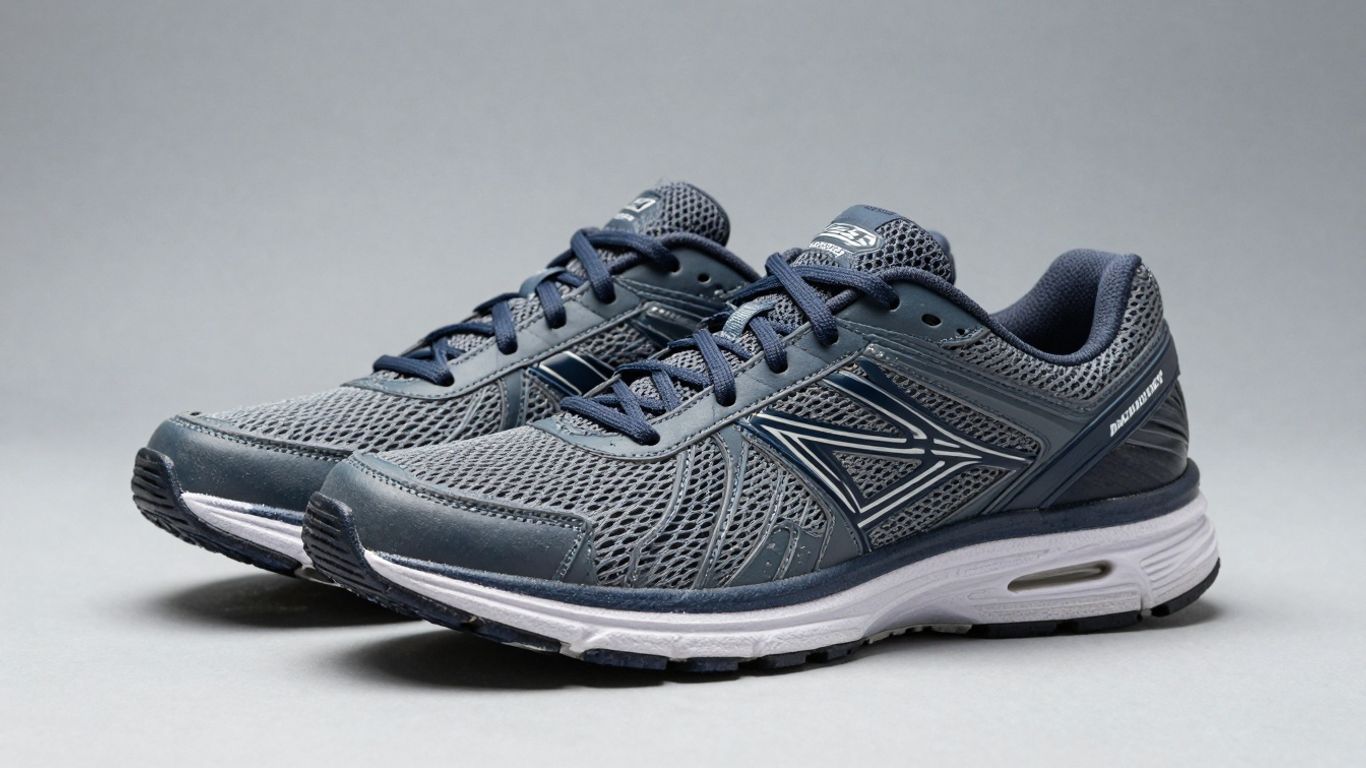
Beyond the basics of cushioning and support, there are a few more nuanced features to consider when picking out shoes to help with shin splints. These might not be the first things you think of, but they can make a real difference in how your legs feel after a run.
Torsional Rigidity and Wider Platforms
Torsional rigidity refers to how much a shoe resists twisting. A shoe that’s too flexible in its midsection might let your foot roll around more than you’d like, potentially stressing your lower leg muscles. Think about it like trying to twist a wet towel – some are easier to twist than others.
For shin splint sufferers, a shoe with a bit more resistance to twisting can offer a more stable platform. This often goes hand-in-hand with a wider base or platform. A broader sole provides a more stable landing surface, reducing the chances of your foot collapsing inward or outward unexpectedly.
The Role of Stack Height
Stack height is simply the amount of material between your foot and the ground. This includes the midsole and outsole. A higher stack height generally means more cushioning and shock absorption, which is great for shin splints. However, it can sometimes make the shoe feel less stable, especially if the base isn’t wide enough. It’s a bit of a balancing act. You want enough stack to absorb impact, but not so much that you feel wobbly.
Avoiding Carbon-Fiber Plates in Daily Trainers
Carbon-fiber plates have become really popular in running shoes, especially for racing. They’re designed to add stiffness and propulsion, giving you a bit of a spring in your step. While they can be great for speed, they’re often not the best choice for everyday training, particularly if you’re dealing with shin splints. The stiffness they provide can sometimes force your foot and lower leg to work harder in ways that might aggravate shin splint pain. For daily miles, it’s usually better to stick with shoes that offer more natural flexibility and cushioning without the rigid plate.
Fit and Comfort for Injury Prevention
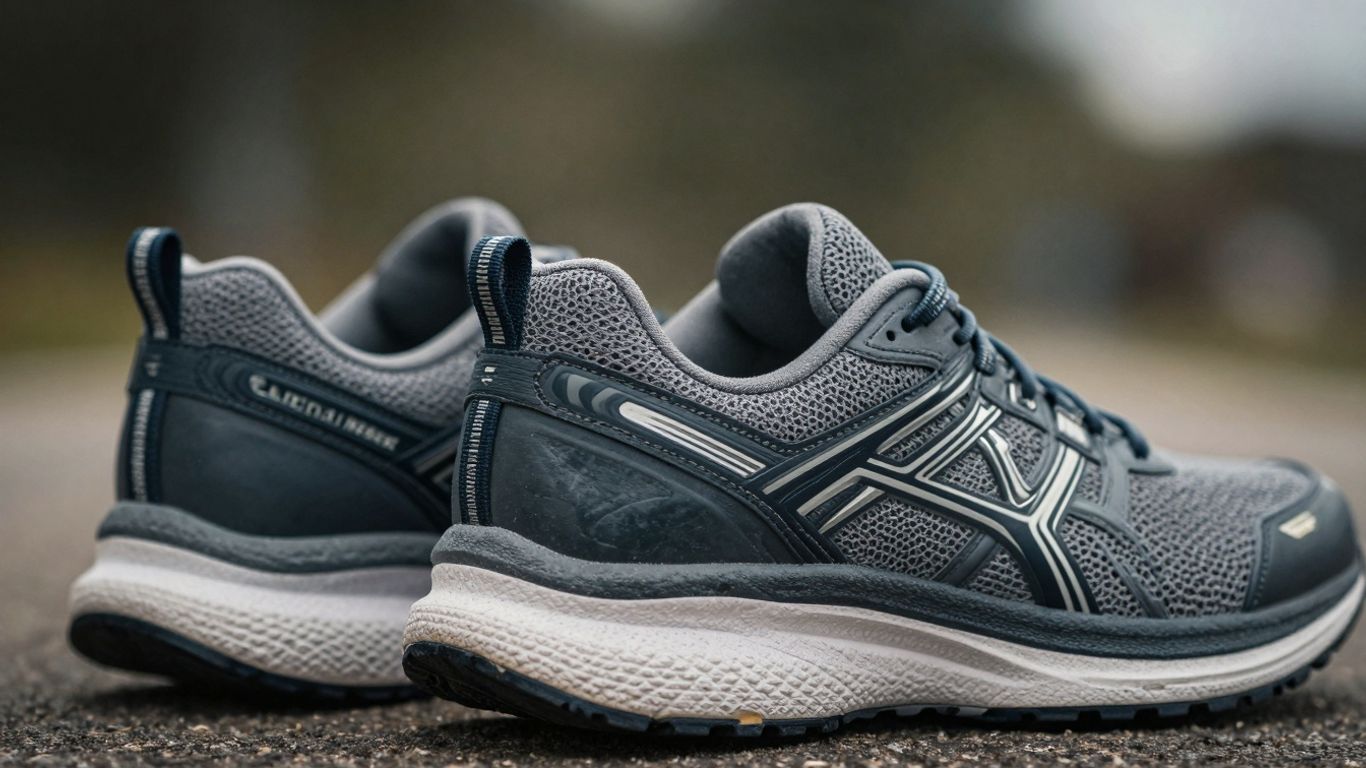
Even with the best cushioning and support features, a shoe that doesn’t fit right is going to cause problems. It’s really that simple. When you’re dealing with shin splints, you don’t need any extra irritation or discomfort adding to the issue. Getting the fit dialed in is just as important as the shoe’s technical specs.
The Significance of a Proper Fit
Think about it: your feet are the only thing connecting you to the ground. If that connection is off, everything else can be too. A shoe that’s too tight can restrict blood flow and put pressure on nerves, while one that’s too loose means your foot is sliding around, causing friction and instability. Both scenarios can lead to or worsen pain, including those dreaded shin splints.
Adequate Toebox Room
This is a big one. Your toes need space to splay naturally when you land and push off. If the front of your shoe is too narrow or short, your toes get crammed. This can lead to all sorts of foot issues, and it definitely doesn’t help with shock absorption or proper gait mechanics. You should be able to wiggle your toes freely inside the shoe. A good rule of thumb is to have about a thumb’s width of space between your longest toe and the end of the shoe when you’re standing up.
Narrow vs. Wide Shoe Considerations
Feet come in all shapes and sizes, and so do shoes. Many brands offer their popular models in different widths. If you have naturally wide feet, trying to cram them into a standard-width shoe is a recipe for discomfort and potential injury. Conversely, if you have narrow feet, a wide shoe might let your foot move too much.
It’s worth checking if a shoe comes in narrow, standard, or wide options to find that sweet spot where your foot feels secure but not constricted. Sometimes, even with the right width, the overall shape of the shoe just won’t work for your foot’s anatomy, so trying them on is key.
Don’t underestimate the power of a good fit. It’s not just about comfort; it’s about allowing your foot to function as it’s designed to, reducing stress on your lower legs and helping to keep those shin splints at bay. Pay attention to how the shoe feels from the moment you slip it on – no break-in period should be needed for basic comfort.
Maintaining Your Running Shoes
Knowing When to Replace Your Shoes
So, you’ve found that perfect pair of sneakers that keeps your shins happy. Awesome! But even the best shoes don’t last forever. Think of them like tires on a car; they wear down with every mile. Running in worn-out shoes is a fast track back to shin splint pain, and honestly, nobody wants that. It’s pretty easy to forget how much cushioning and support your shoes originally had until they’re gone. Paying attention to the mileage is key to preventing future injuries.
Generally, most running shoes start to lose their magic somewhere between 300 and 500 miles. This isn’t a hard and fast rule, though. Factors like your weight, how you run (your foot strike), and the type of surfaces you run on all play a role. A heavier runner might wear down shoes faster, while someone who runs mostly on soft trails might get a bit more life out of them compared to pounding pavement.
The Impact of Worn-Out Footwear
When the midsole foam in your shoes gets tired, it’s called being ‘dead.’ This means it can’t absorb shock like it used to. You might not even notice it at first, but your legs and feet will start feeling the extra impact. This is where those nagging shin splints can creep back in.
It’s not just about comfort; it’s about protecting your lower legs from the repetitive stress that worn-out shoes can’t handle anymore. If you’re experiencing new aches or your usual runs feel harder than they should, it’s a good sign your shoes are past their prime. It might be time to visit a specialty running store for a gait analysis and a fresh pair. Getting new shoes can make a world of difference.
Here are some signs your shoes are ready for retirement:
- Mileage Check: Keep a rough track of your runs. If you’re consistently over 300 miles on a pair, start thinking about replacements.
- Visible Wear: Look for uneven wear on the outsole (the bottom tread), especially in the heel or forefoot. Also, check if the midsole looks compressed or creased.
- Feel the Difference: When you put on a new pair, the difference in cushioning and responsiveness should be noticeable. If your current shoes feel flat or offer little bounce, they’re likely done.
- New Aches and Pains: If you start developing shin pain, foot pain, or knee discomfort that wasn’t there before, your shoes could be the culprit.
Conclusion
So, finding the right shoe for shin splints isn’t exactly rocket science, but it does take a little thought. We’ve looked at a bunch of options, and the main takeaway is that cushioning and support are your best friends here. Don’t just grab any old pair off the shelf; think about how you run and what your feet need.
Whether you’re a heel striker or a midfoot runner, there’s a shoe out there that can help ease that shin pain. Remember to replace your shoes when they get worn out, and if the pain sticks around, definitely chat with a doctor or physical therapist.
Frequently Asked Questions
Can the right running shoes really help prevent shin splints?
Yes, they absolutely can! Shin splints can happen because of things like tight leg muscles, your feet rolling inward too much when you run, or not training the right way. Wearing shoes that fit your feet and how you run is super important. Plus, swapping out old, worn-out shoes for new ones regularly can make a big difference in stopping shin splints from coming back. On the flip side, wearing the wrong shoes can actually make foot and ankle problems worse.
Is it safe to run if my shins hurt?
Even if your shin splints feel a little sore, it’s not a good idea to just run through the pain. Pushing yourself when your shins hurt could make the problem much worse. If you’ve had shin pain for more than a couple of weeks, it’s best to see a doctor or physical therapist. They can make sure it’s not something more serious, like a stress fracture.
What’s the best exercise for shin splints?
There isn’t one single exercise that magically fixes shin splints. But, doing different stretches and exercises to make your calf muscles stronger can really help. Things like standing calf raises are good. Some experts also suggest practicing balancing on one foot, which can help improve stability.
What kind of running shoe should I look for if I get shin splints?
The best shoes for shin splints are ones that have lots of soft padding to soak up the impact when your feet hit the ground. They should also be a good match for your foot type and how you run. For example, if you have flat feet and your feet roll inward a lot, you’ll want shoes that offer good arch support and keep your foot stable. Brands like Brooks, New Balance, On, and Hoka often have shoes with the right amount of cushioning and support for this issue.
How can I fix shin splints when I’m running?
To help with the pain and swelling, try putting ice on your shins a few times a day. Gentle stretches for your shins and calf muscles can also help. Over-the-counter pain relievers like ibuprofen can be used if needed. It’s also really important to slow down your running or take a break for at least a week to let your body heal. You can try walking or doing activities that are easier on your legs, like swimming or biking, until your shins feel better.
How often should I replace my running shoes?
You should plan on replacing your running shoes pretty regularly, usually every 300 to 400 miles. Running in shoes that are too worn out can lead to injuries like shin splints. It’s worth checking them often to see if the cushioning feels flat or if the tread is wearing down unevenly.


