

Best Running Shoes for Marathon Training
I learned the hard way that bad shoes can wreck a marathon training cycle. I once pushed through long runs in a pair that looked fine on paper, then ended up with sore calves, aching arches, and an injury that shut down weeks of work.
When I switched to the right shoes, everything changed. My runs felt smoother, my legs held up better, and I could handle long miles, speed sessions, and recovery runs without the same wear and tear. That’s why I care so much about finding the best running shoes for marathon training, because the right pair can make hard training feel a lot more manageable.
For 2026, I’m focusing on the latest models I’ve tested and compared, so this guide stays current and useful. I’m looking at what really matters for marathon prep, like cushioning that lasts, enough bounce for tempo work, a stable ride when your form fades, and a fit that still feels good when your feet swell late in a long run. If you’re also thinking about race day, my best marathon shoes guide can help connect the training side with the final 26.2-mile choice.
The best marathon training shoe has to do more than feel soft. It needs to handle easy miles, support faster workouts, and stay comfortable when your weekly volume climbs. That means I’m not just looking for one type of shoe, I’m comparing daily trainers, plated options, and more cushioned models so you can see what fits your goals and your stride.
I’ll also point out the key features that separate a good shoe from a great one, along with the tradeoffs that matter most. If you want a pair that can keep up with your full build, the next section will help you narrow the field fast.
Why Your Shoes Can Make or Break Marathon Training
Marathon training puts steady stress on my body week after week. When I’m running 40 to 70 miles, with easy days, tempo work, long runs, and recovery jogs, my shoes are doing a lot of the heavy lifting. If they fit poorly or have worn-out foam, the whole block can start to fall apart.
I’ve felt the difference between a fresh pair and a dead pair. New shoes give me a smoother landing, better protection, and more pop late in a run. Old shoes feel flat, and that flat feel shows up in my calves, arches, knees, and mood. When I’m comparing the best running shoes for marathon training, I’m really looking for gear that helps me stay healthy enough to keep stacking miles.
Poor shoes can also raise injury risk. Marathon training already loads the lower legs hard, and runner injury studies keep showing how often problems show up during build phases.
A recent marathon-training study found that 42% of runners reported at least one injury in a 16-week block, with many issues hitting the lower leg and foot. That lines up with what I’ve seen in real life, small shoe problems often turn into bigger problems fast. For more context, I keep an eye on injury patterns during marathon training.
Common Injuries from the Wrong Shoes and How to Spot Them Early
The first warning signs are usually small. I watch for hot spots, heel rub, arch pain, shin soreness, and a knee ache that shows up after the run instead of during it.
Here are the problems I see most often:
- Blisters: Usually from sloppy fit, sliding heels, or uppers that rub. I notice a hot spot first, then tenderness after the run.
- Shin splints: Often tied to dead cushioning or shoes that change my stride on hard pavement. Early signs include a dull shin ache that builds as I run.
- Plantar fasciitis: Common when the midsole has lost support. I watch for heel pain on the first steps out of bed and after long runs.
- Knee pain: Shoes that are too worn or too unstable can make my form drift. If my knees ache late in a run, I check the shoes first.
- IT band issues: Poor alignment and uneven wear can add stress on the outside of the knee. A tight, nagging side-knee pain is my cue to back off.
I also check wear patterns on the outsole and midsole. If one side looks crushed, the shoe has likely been telling me the truth for a while.
The Science Behind Shoe Choice and Running Economy
Running economy matters because it tells me how much effort I need to hold a pace. Better shoes can lower that cost, which means I spend less energy at marathon pace and have more left for the final miles.
That’s where energy return comes in. A responsive foam gives some of that force back instead of letting it disappear into the ground. Ground contact time matters too, because a smoother, quicker transition usually feels less draining over long runs.
Research on carbon-plated super shoes has found about a 4% boost in running economy in some runners. That does not mean every runner needs a plated shoe, but it does show how much shoe design can change effort. For marathon pace work, even small gains add up over 20 miles or more. I pay close attention to that when I compare cushioned picks for endurance training, because saving energy today can protect my race tomorrow.
Key Features That Set the Best Marathon Training Shoes Apart
I’ve tested dozens of pairs, and the shoes that work best for marathon training all share a few traits. They protect my legs, hold up to heavy mileage, and still feel good when I’m tired and my form starts to slip.
The details matter more than the brand name. I look at foam, stack height, outsole rubber, weight, and fit before I trust a shoe for weeks of long runs and workouts. For a broader look at how I narrow down my choices, I also keep my running shoe buying guide handy.
Cushioning That Absorbs Endless Miles Without Bottoming Out
I want cushioning that feels soft, but still snaps back after mile after mile. That’s why PEBA foams show up in so many of the best running shoes for marathon training.
They feel lighter and more energetic than old-school EVA, which can feel flat once the miles stack up. A good marathon trainer usually sits above 30mm of stack height, and I like a 6 to 8mm drop because it keeps the ride smooth without feeling forced.
Models like the Nike Vaporfly 3, Nike Alphafly 3, and Hoka Mach X3 use PEBA-based setups or plated foam systems to keep the ride lively. EVA still has a place in daily trainers, especially for durability and value, but PEBA gives me more pop on long runs. That extra bounce helps my joints too, since I land with less harsh impact late in training.
A shoe can feel great at mile 3 and terrible at mile 18. Good cushioning keeps the ride consistent.
Durability and Grip for All Weather Training
I need a shoe that can survive wet roads, long blocks, and repeat workouts. Full rubber coverage at the heel and toe usually lasts longer than thin, patchy rubber, and that matters when I’m logging big weeks. I also like AHAR-style outsoles and other high-wear rubber compounds because they hold grip after the foam starts to soften.
A durable outsole helps me trust my footing on damp mornings and rough pavement. For a deeper look at shoe lifespan, this durability guide backs up what I see in real use, once the rubber is gone, the shoe loses a lot of its edge. In my own testing, the better-built daily trainers often stay useful well past 300 miles, while race shoes trade some lifespan for speed.
Breathable Upper and Secure Fit for Long Hauls
A marathon shoe has to breathe, because my feet heat up fast on long runs. Knit and engineered mesh uppers help air move, and a gusseted tongue keeps the tongue from sliding around or letting grit sneak in. I notice that right away on hot days and during longer runs where small rub spots turn into big problems.
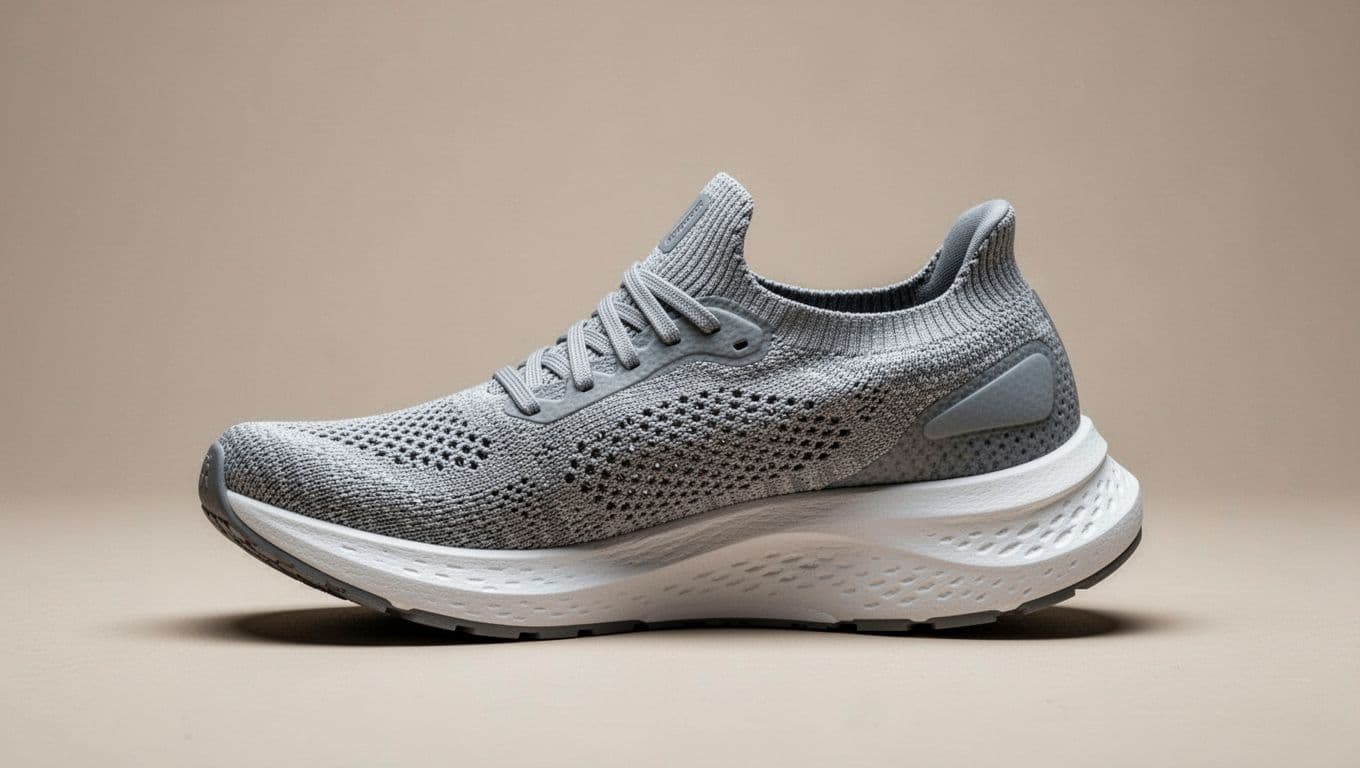
A wide toe box matters too, because my feet swell over marathon training blocks. If my toes can spread, I stay more stable and avoid that cramped, bruised feeling late in a run. I also want a locked-in heel and midfoot, since a sloppy fit wastes energy. For runners who need more room up front, I’d look at wide-toebox running shoes before I settle for a shoe that squeezes the forefoot.
My Top 5 Picks for the Best Running Shoes for Marathon Training
These are the shoes I trust when marathon miles start piling up and every workout has a job to do. Some feel best on tempo days, some shine on recovery runs, and a few can carry a long run without beating up my legs.
I like this mix because marathon training rarely asks for one kind of shoe. It asks for speed, cushion, and enough stability to hold form when I’m tired. That is why I judge each pair by more than price or hype. I look at how it handles pace, how it feels after an hour, and whether I’d want it back on my feet the next day.
Nike Alphafly 3: The Speed Demon for Race Pace Efforts
The Nike Alphafly 3 is the pair I reach for when I want marathon pace to feel sharp and efficient. At about 7.5 oz with a 40mm stack and a $285 price tag, it is a serious shoe with serious intent. The ZoomX foam and plate setup give it a snappy, rolling feel that works best on tempos, long marathon-pace blocks, and race-style workouts.
I like this shoe for faster efforts because it saves energy when my cadence gets locked in. In lab-style testing and runner reports, the energy return often lands in the high range for super shoes, and that matches what I feel underfoot. The ride is quick, but still smoother than many stiff racers, which helps when I’m holding pace for more than a few miles. For a deeper look, I also point readers to this Nike Alphafly 3 review.
The downside is clear. It costs a lot, and it will not last like a daily trainer. I also think runners with very high mileage expectations should save it for workouts and race day prep. Even so, it is one of the best marathon race day shoes for neutral runners who want speed with a little more cushion than a stripped-down racer.
Hoka Rocket X 2: Supreme Cushion for High Volume Training
The Hoka Rocket X 2 stands out because it gives me plush cushioning without feeling mushy. It comes in around 8.2 oz, uses a 36mm stack, and sells for $250. That makes it a great fit for runners who want a plated shoe that can handle more than just one hard workout a week.
On recovery days, this shoe feels kind to tired legs. The foam has enough bounce to keep me moving, yet it still softens the pavement better than many speed shoes. That balance matters when my long runs stack up and I need something that protects me without turning every stride into a slog. In some tester reports, the energy return sits in a strong range for a cushioned plated shoe, which matches the way it rolls through easy miles and steady efforts. A solid Hoka Rocket X 2 review backs up that same feel.
The main issue is fit. The Rocket X 2 can run wide, so narrow-footed runners may feel a little loose in the forefoot. I would still choose it for neutral runners who want one shoe that can cover recovery runs, moderate workouts, and longer training days without feeling beaten up.
Saucony Endorphin Pro 4: Versatile Workhorse for Every Workout
The Saucony Endorphin Pro 4 is the most flexible pick in this group for me. At 7.8 oz, with a 39mm stack and a $225 price, it sits in a sweet spot for runners who want one plated shoe to cover a lot of ground. The PWRRUN HG foam gives it a lively, springy feel that works on workouts, progression runs, and even longer easy days.
What I like most is how steady it feels when I switch gears. It does not feel as wild as some super shoes, so I can warm up, cruise, and then push the pace without changing shoes. That makes it a strong daily go-to for marathon blocks, especially if I want one pair that can do more than race-day duty. Energy return is strong for this class, and the shoe keeps a consistent ride across a range of paces.
The tradeoff is fit. The toe box runs narrow, so runners with wider forefeet may feel squeezed after a few miles. Still, for neutral runners who want a plated trainer-racer hybrid, this is one of the most practical choices. I’d rank it high for marathoners who prefer one shoe that can sit in the middle of the rotation.
ASICS Metaspeed Sky Paris: Explosive Energy Return
The ASICS Metaspeed Sky Paris is all about quick turnover and a lively toe-off. It weighs just 6.9 oz, uses a 33mm stack, and costs $250. That lighter build makes it one of the best options for speed sessions when I want my shoes to disappear under me.
The FF Blast Turbo foam is the star here. It gives the shoe a punchy, propulsive feel that suits runners who already move fast and want even more snap at pace. In testing, the energy return can be very high, and that is exactly why I like it for intervals and shorter marathon-specific work. It feels eager on the track and efficient on tempo runs, especially if I’m locked into a strong rhythm.
The ride can feel firm, though. That is the price of the sharp response. I would not choose it first for relaxed easy miles, but I would choose it for speed sessions and race-pace repeats. It fits best for neutral runners and fast runners who want a shoe that rewards quick mechanics, not one that simply pads the run.
Adidas Adizero Adios Pro 4: Featherlight for Flying Miles
The Adidas Adizero Adios Pro 4 is the shoe I want when I’m chasing a PR and need a light, fast feel. It comes in around 7.0 oz, has a 39mm stack, and costs $260. That makes it competitive with other super shoes, but it stands out for how airy it feels when the pace picks up.
Lightstrike Pro foam gives it a responsive ride that feels smooth at marathon speed. I like it for runners who stay efficient and want a shoe that rewards clean mechanics without feeling bulky. It feels especially good when I’m moving well in the middle miles of a workout. Compared with heavier options, it cuts that planted, slow sensation and keeps the turnover sharp. Reviews like this Adios Pro 4 breakdown point to the same race-friendly feel.
Its weak spot is traction in the rain. Wet roads can make it feel less secure than I want, so I would be careful on bad-weather days. Even so, for neutral runners and PR chasers who value light weight and quick response, it is one of my strongest marathon training picks.
How to Choose Shoes That Match Your Feet and Running Style
I start with my feet, not the shoe wall. The right pair depends on how I land, how much support I need, and what kind of miles I run most often. Once I get those pieces clear, narrowing down the Best Running Shoes for Marathon Training gets much easier.
Here’s how I assess my needs before I buy. I want the shoe to work with my stride, not fight it. That means checking pronation, arch shape, and the kind of training I do week after week.
Finding Your Pronation Type with Simple Tests
I use a few simple checks before I trust a shoe. First, I do the wet foot test. If I see a full print with little curve, I usually lean toward a stability shoe, and my gait analysis for beginner shoe fit guide can help confirm what that means in practice. A narrow band through the middle usually points to a higher arch and more neutral or supinated mechanics.
Next, I look at video from an easy run. A side and rear angle tell me a lot. If my ankle rolls inward a lot, I pay attention to overpronation and look at shoes built for support, like the options in my best running shoes for overpronation guide. If my foot stays more on the outside edge, I want more cushion and a smooth landing.
Free apps can help too. Slow-motion video apps make it easier to spot heel strike, ankle roll, and knee collapse without guessing. I like simple tools because they keep the process honest. For a quick outside reference, this wet test gait analysis guide explains the same basic steps clearly.
Daily Trainers vs Tempo Shoes: Building Your Rotation
I get better results when I wear 2 to 3 pairs instead of one shoe for everything. Daily trainers handle most of my mileage, tempo shoes cover faster work, and a more cushioned pair can take over when my legs feel beat up. That split keeps each shoe in its sweet spot and helps the foam last longer.
My mileage usually breaks down like this:
- Daily trainers for easy runs, recovery runs, and most weekly miles
- Tempo shoes for intervals, progression runs, and marathon-pace work
- Plush long-run shoes for days when I want extra protection
That approach also helps me compare fit more clearly. A shoe that feels great at easy pace may feel unstable when I pick up speed. I try them on with the socks I actually run in, because sock thickness can change the fit more than most people expect.
Lacing matters too. A runner’s knot can lock the heel down, while a slightly looser forefoot gives my toes room on long runs. If one pair feels close but not perfect, small lace changes often solve the problem. For more on rotation, I also like this shoe rotation guide for marathon training, since it backs up what I see in real training.
Mistakes Runners Make with Marathon Training Shoes and How to Dodge Them
The wrong shoe choice can quietly wreck a training block. I see it most often when runners chase comfort, price, or hype without checking how the shoe fits their mileage, stride, and long-run needs.
A good marathon trainer should feel stable, protect your legs, and still hold up after weeks of work. When I get that wrong, the problems show up fast, usually as hot spots, dead foam, or a shoe that feels great for 30 minutes and awful by mile 14. For a fuller breakdown of foot pain after running in new shoes, I always look at the warning signs before they turn into missed runs.
Buying shoes that are too narrow
This is one of the fastest ways to create trouble. If the toe box squeezes my forefoot, my feet swell, rub, and lose room to spread on long runs.
I look for a fit with enough space up front, then I lock down the heel with lacing instead of sizing down. A thumb’s width in front of the longest toe is a simple check, and it saves me from black toenails and blisters later.
Ignoring the break-in process
Fresh shoes can feel amazing in the store and terrible after 8 miles. I avoid that trap by testing new pairs on short easy runs first, then building up slowly before I trust them on marathon workouts.
If a shoe feels sketchy on a 3-mile run, it won’t get better at mile 20.
That approach matters even more when I want the shoe ready for race prep. My marathon checklist for shoe testing keeps me from making rushed decisions.
Keeping the same pair too long
Foam breaks down before the shoe looks completely worn. I watch for flat cushioning, uneven wear, and a ride that feels less lively than before.
Budget matters, but value matters more. I would rather replace a reliable shoe on time than stretch a cheap pair until it costs me a week of training. If I want outside perspective, I also compare notes with running shoe buying mistakes and then choose the pair that fits my real training, not just the sale rack.
Tips to Extend Shoe Life and Boost Performance
I get more out of my marathon shoes when I treat them like training tools, not throwaway gear. A few small habits can keep the ride fresh, protect my legs, and help each pair last closer to its true limit.
Rotate shoes to spread out the wear
I avoid hammering one pair every day. Instead, I rotate a daily trainer, a faster shoe, and a softer long-run option so the foam gets time to rebound between runs. That simple habit helps me protect the midsole and keeps my legs from getting the same stress pattern over and over.
A smart rotation also makes it easier to follow shoe rotation during marathon training without burning through one pair too fast. I get better performance from each shoe when I use it for the job it was built to do.
Clean them the right way
Mud, sweat, and road grit wear shoes down faster than most runners think. I wipe off dirt after runs, remove the insoles, and let everything air dry at room temperature. I never toss them in a hot dryer, because heat can break down foam and weaken glue.
I also clean the uppers gently with mild soap and water when they get grimy. For a deeper method, how to wash running shoes gives a solid framework that won’t beat up the shoe.
Store them in a cool, dry place
I keep my shoes out of direct sun, garages, and damp corners. Heat and moisture age foam faster, so a closet shelf or open rack is better. The image above shows the setup I like, shoes spaced out so they can dry and breathe.
Know when to retire them
Most marathon trainers start fading around 400 to 500 miles, even if they still look okay. I watch for flat cushioning, sloppy fit, and new aches in my calves, knees, or feet. Once the ride feels dead, I move on, because worn shoes steal energy from every run.
Upgrade insoles and recover well
If a shoe is close but not quite right, I try better insoles before I give up on it. A good insole can improve comfort, clean up fit, and add a little support where I need it most.
After long runs, I also focus on recovery food, because a strong recovery day helps me use my shoes better the next time out. A well-fed body handles mileage with less strain, and that matters just as much as the pair on my feet.
Conclusion
For marathon training, I want a shoe that can handle the full load, easy miles, long runs, tempo work, and the tired, messy miles that come late in a block. That is why I keep coming back to the same core picks, the Nike Alphafly 3 for speed, the Hoka Rocket X 2 for softer protection, the Saucony Endorphin Pro 4 for all-around use, the ASICS Metaspeed Sky Paris for sharp turnover, and the Adidas Adizero Adios Pro 4 for light, fast days.
The biggest takeaway is simple, the best running shoes for marathon training are the ones that match your feet, your pace, and your weekly workload. A shoe that feels good at mile 2 but falls apart at mile 18 is the wrong shoe for the job. I trust a pair more when it fits well, holds up under stress, and keeps my stride smooth when my legs start to fade.
That is also why I think companies will keep moving toward lighter foams, better fit, and more stable race-day designs. The shoes are getting faster, but the smart choice still comes down to comfort, durability, and how well the shoe supports the kind of training I actually do. If I want to compare training options with race-day picks, I can also look at marathon runner shoes and top marathon race shoes for PRs.


